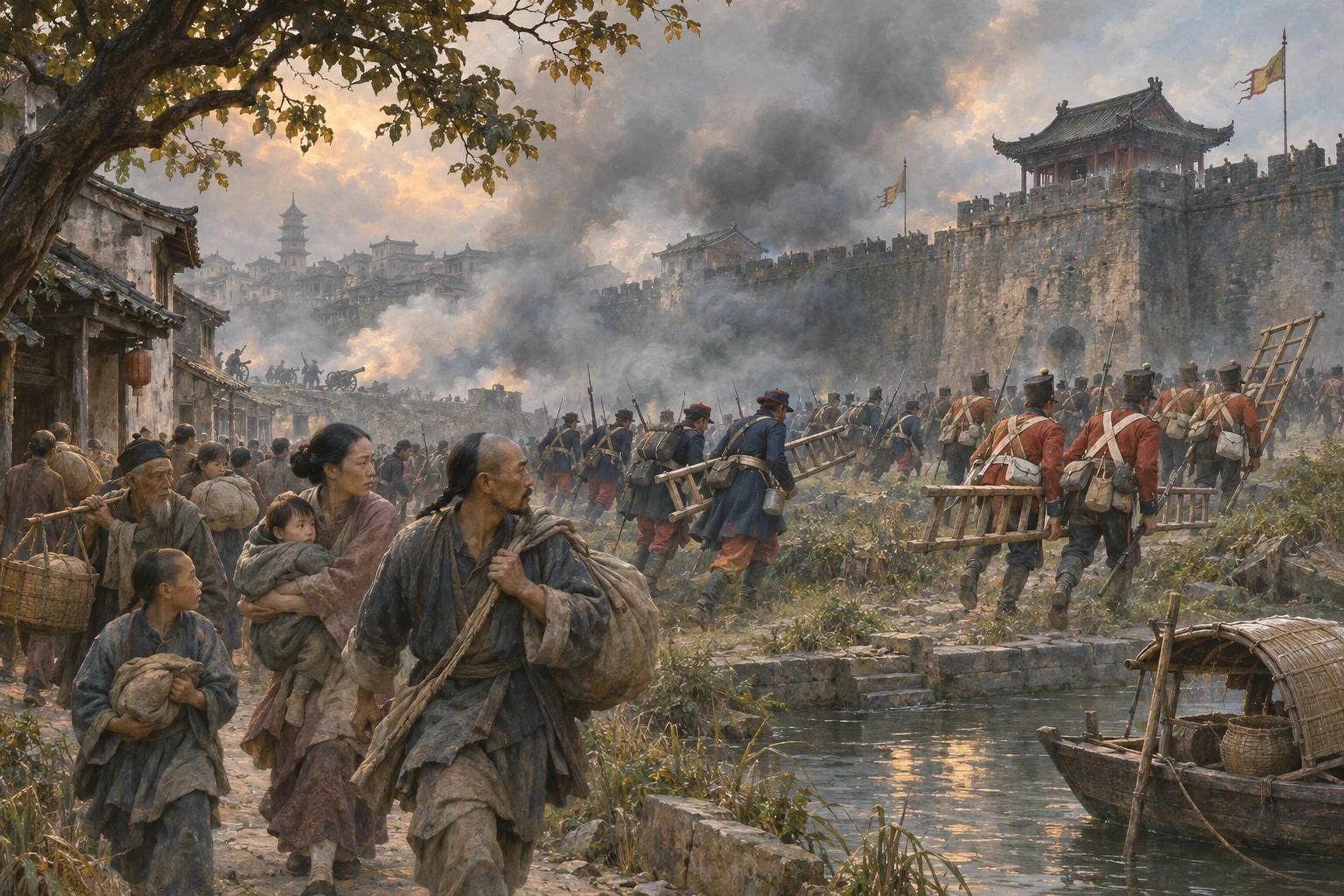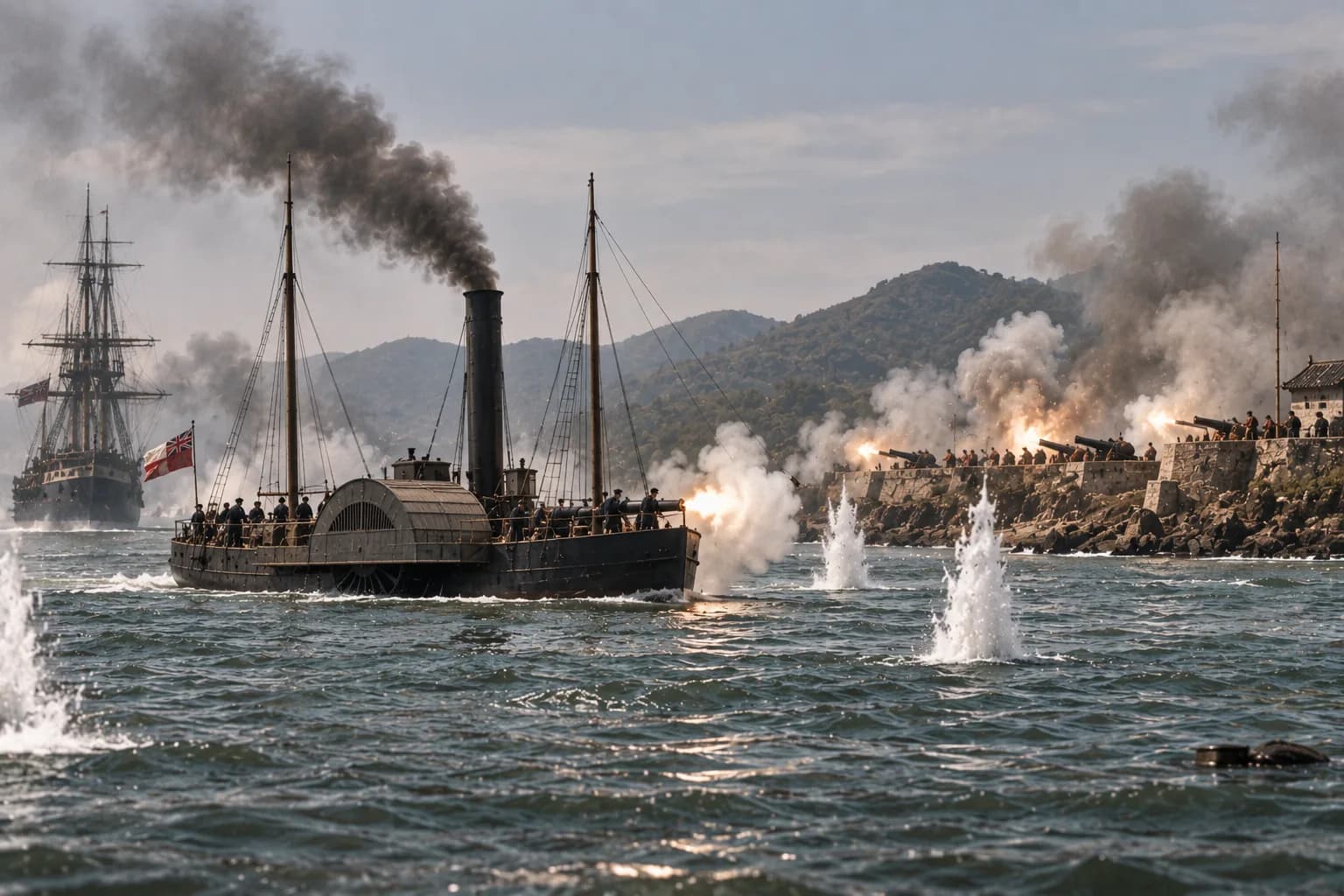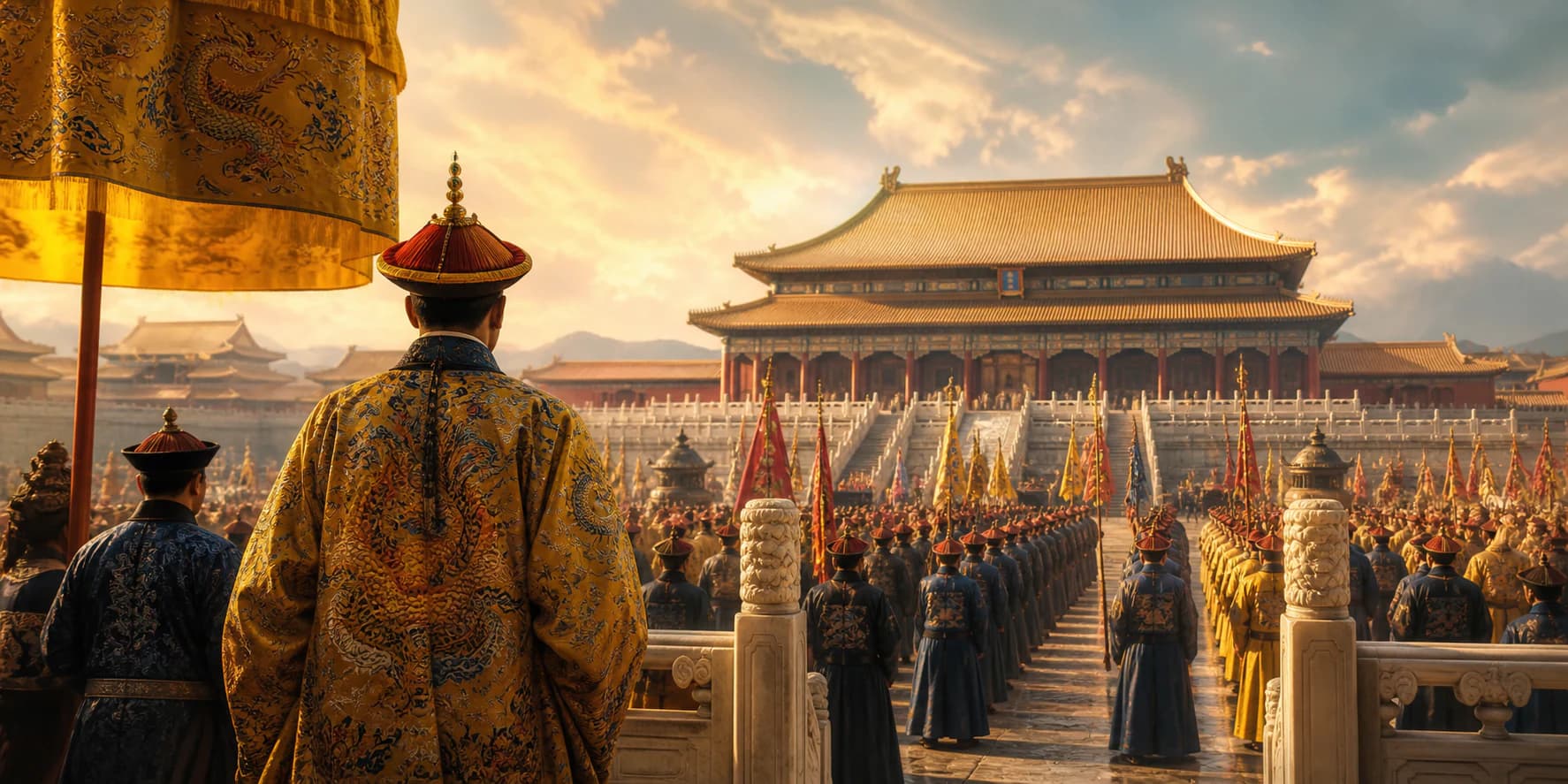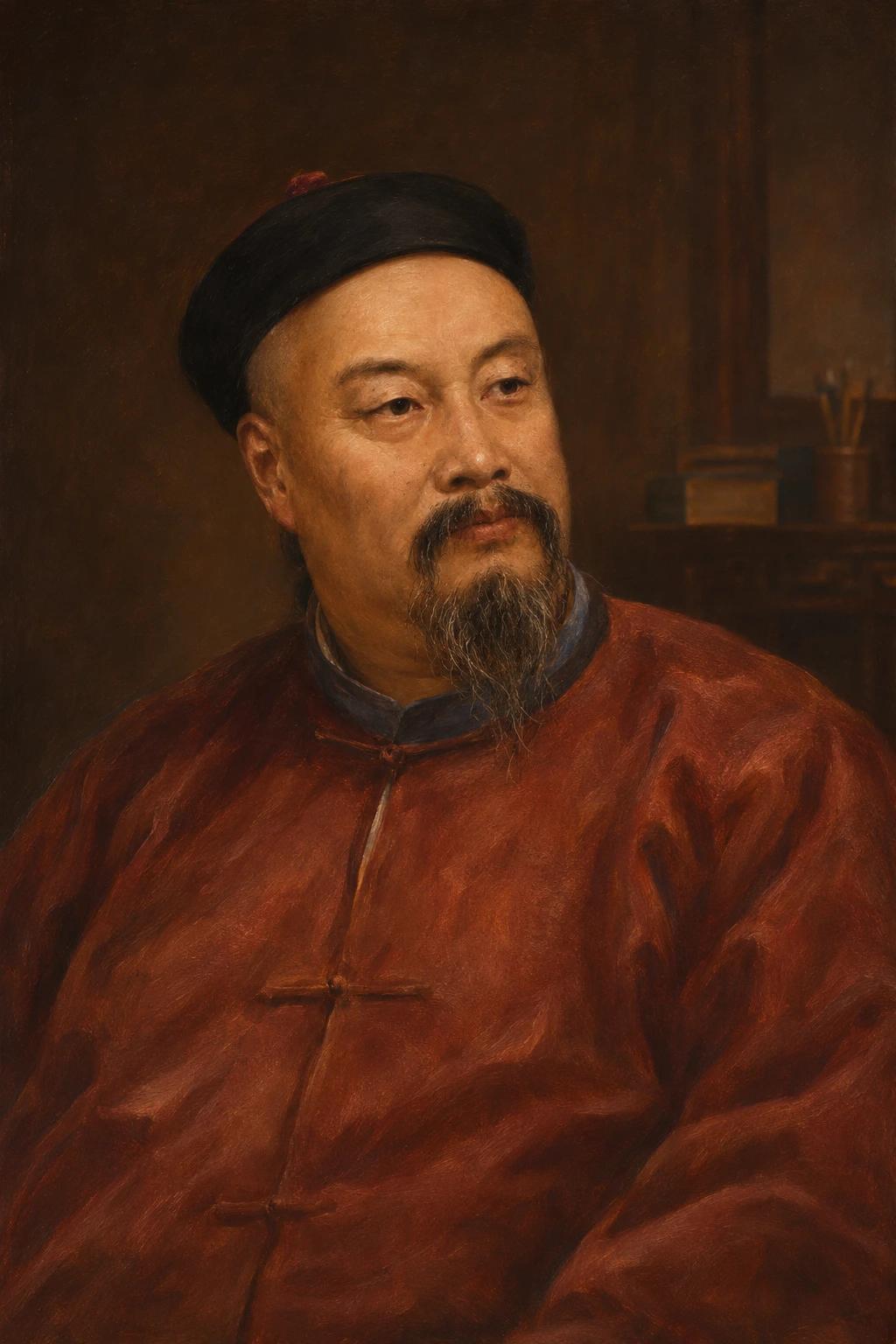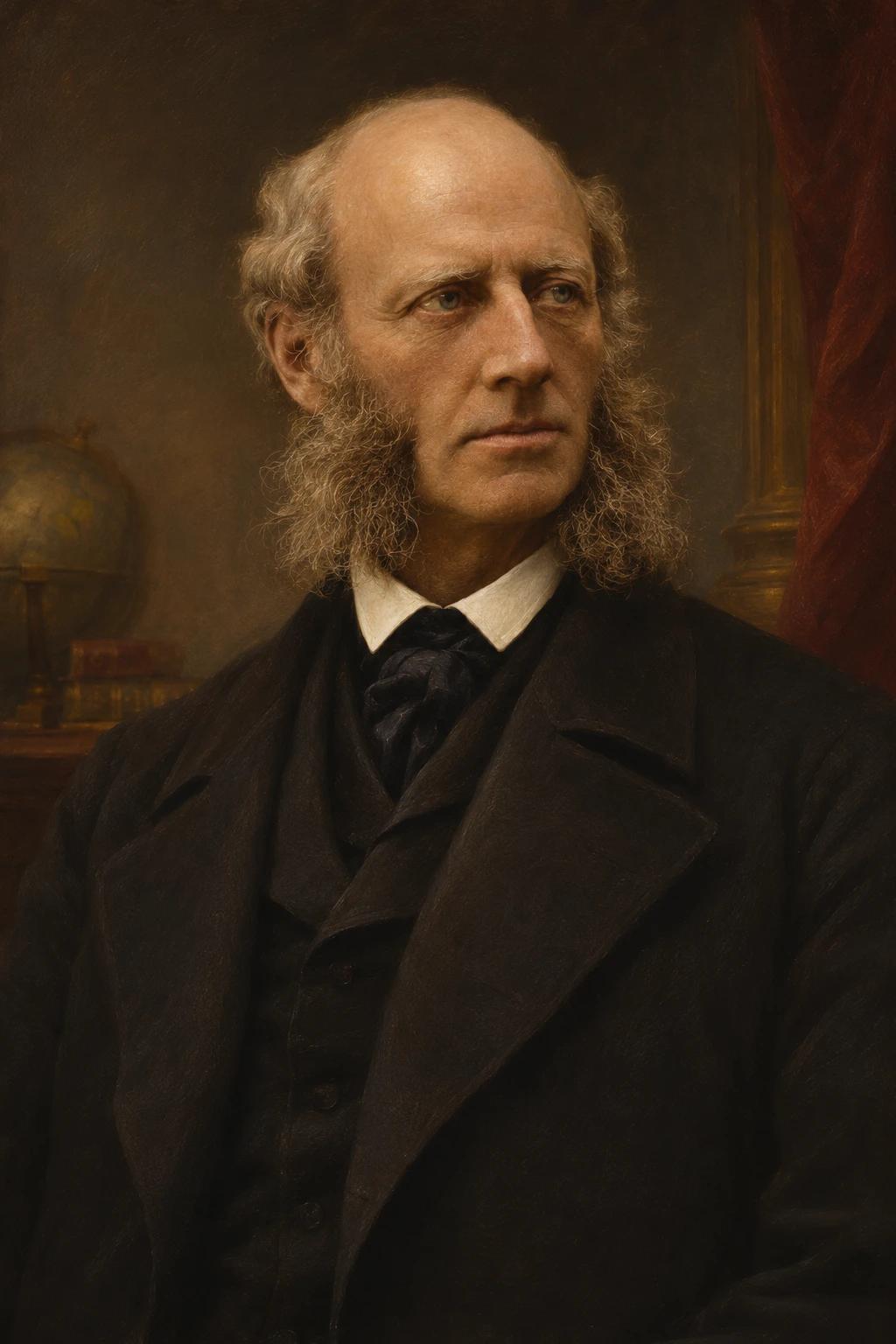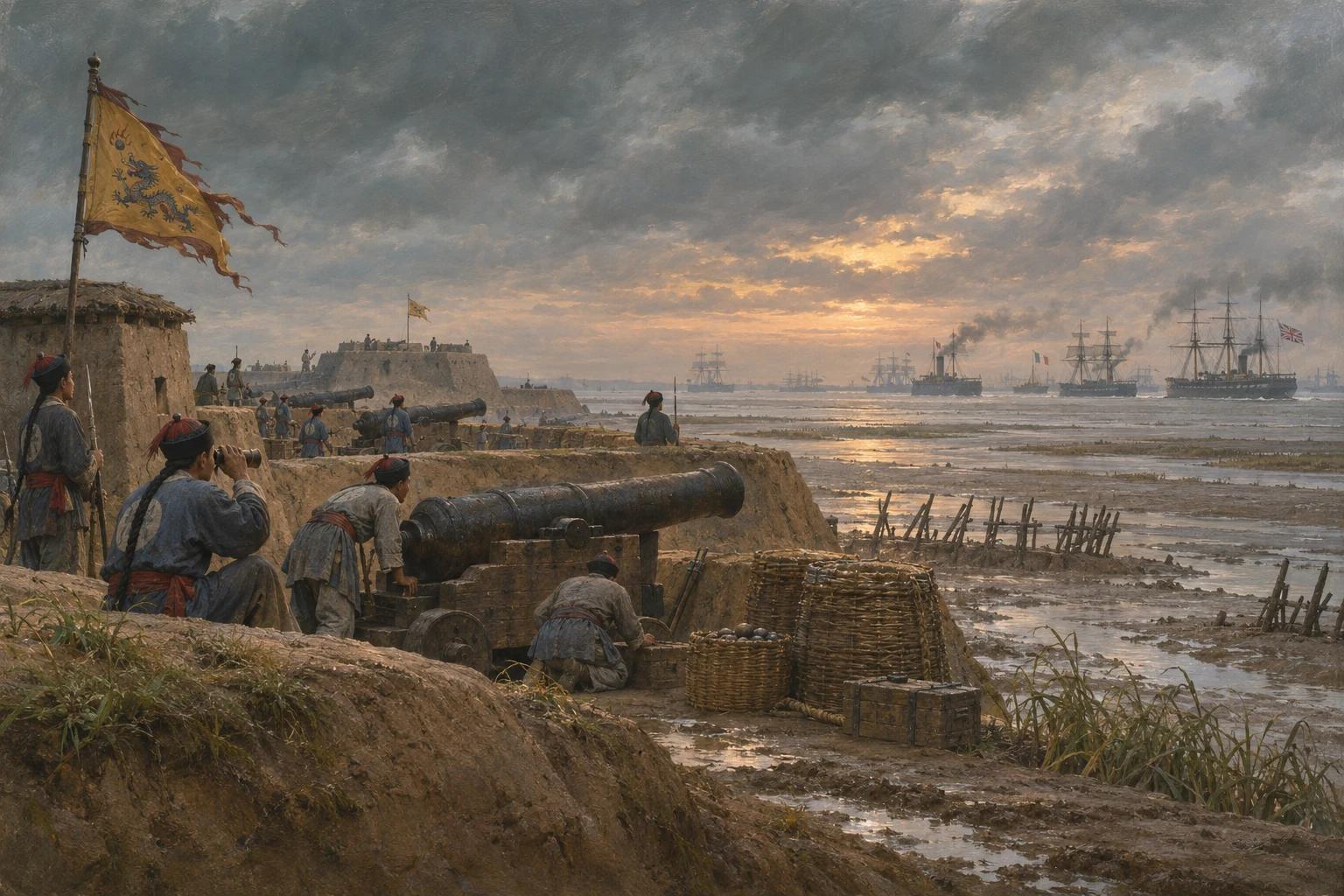
Earthen Dagu forts overlook the estuary and distant steam-and-sail warships in an illustrative reconstruction of the 1860 campaign.

Premium Story

The Second Opium War

The forts held once. The empire faced a larger invasion.

11 chapters · 20 min read

Next
Context

Introduction

Overview

A boat is boarded at Canton. Four years later, foreign troops stand outside and the Old Summer Palace burns. Between those moments, Britain and France use war to demand a new relationship with Qing China. Follow the disputed Arrow incident, the treaties at , a Qing victory at the Dagu forts and the invasion that forced an unequal peace.

Key forces

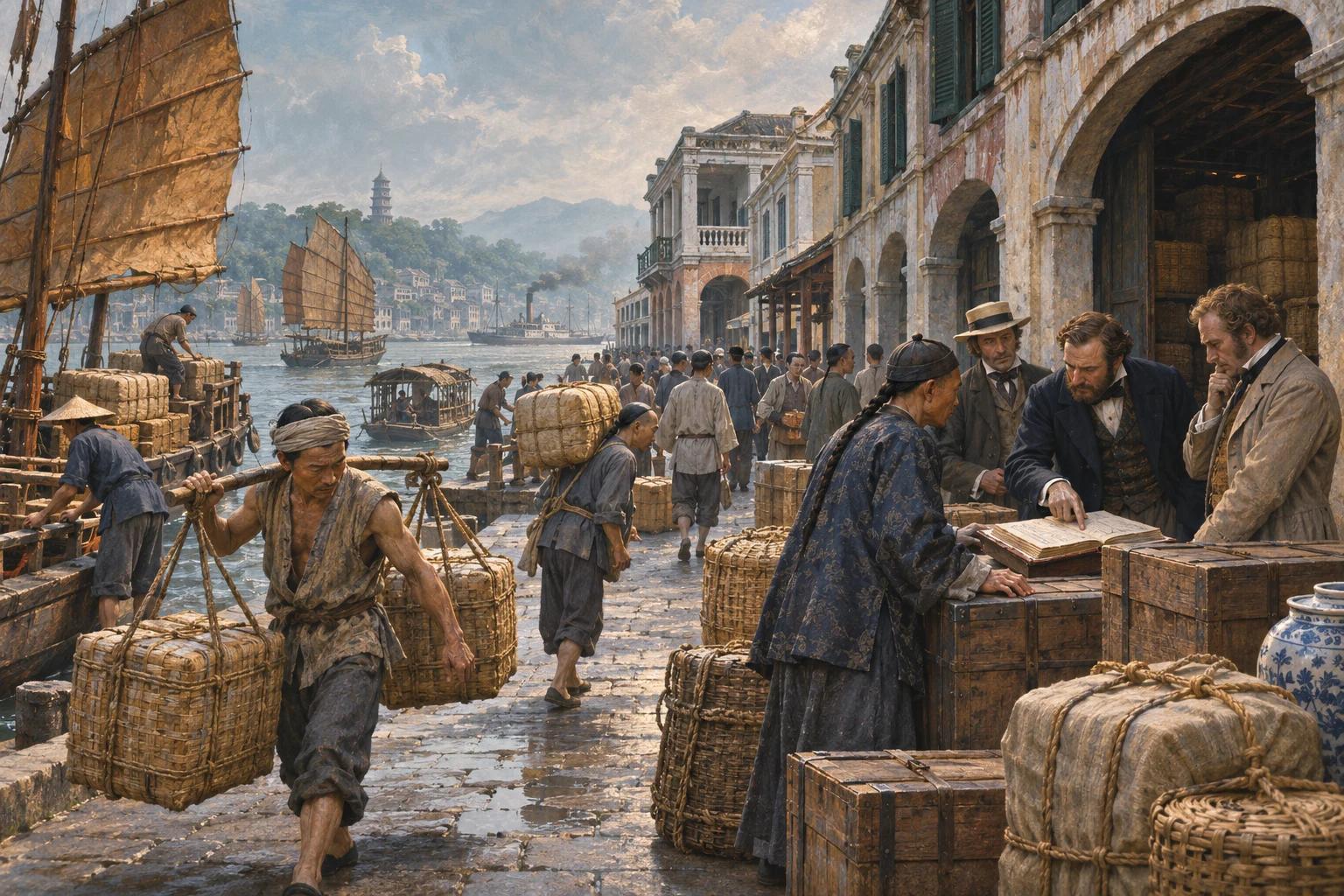
Chinese merchants and labourers move cargo along the Canton waterfront beside foreign trading houses.
1856 CE
Step 1 of 101856 CEAccessible mode

A Peace That Left the Conflict Open

By 1856, the First Opium War had ended, but the struggle over China's trade and independence was still open. Britain wanted more access. Qing officials wanted to limit foreign power.

The 1842 Treaty of Nanking had opened five ports and ceded Hong Kong to Britain. Later agreements gave foreigners special legal rights. These changes weakened China's control without satisfying British commercial ambitions.

Opium remained part of the problem. Merchants brought the drug from British-controlled India into China despite Chinese restrictions. Britain also wanted foreign diplomats to live in and traders to reach more of the interior.

The Qing government faced rebellion as well as foreign pressure. The Taiping civil war tied down armies and drained money. Officials had to manage several emergencies at once.

A dispute on a small boat at Canton would soon give British officials an opening to press much larger demands.

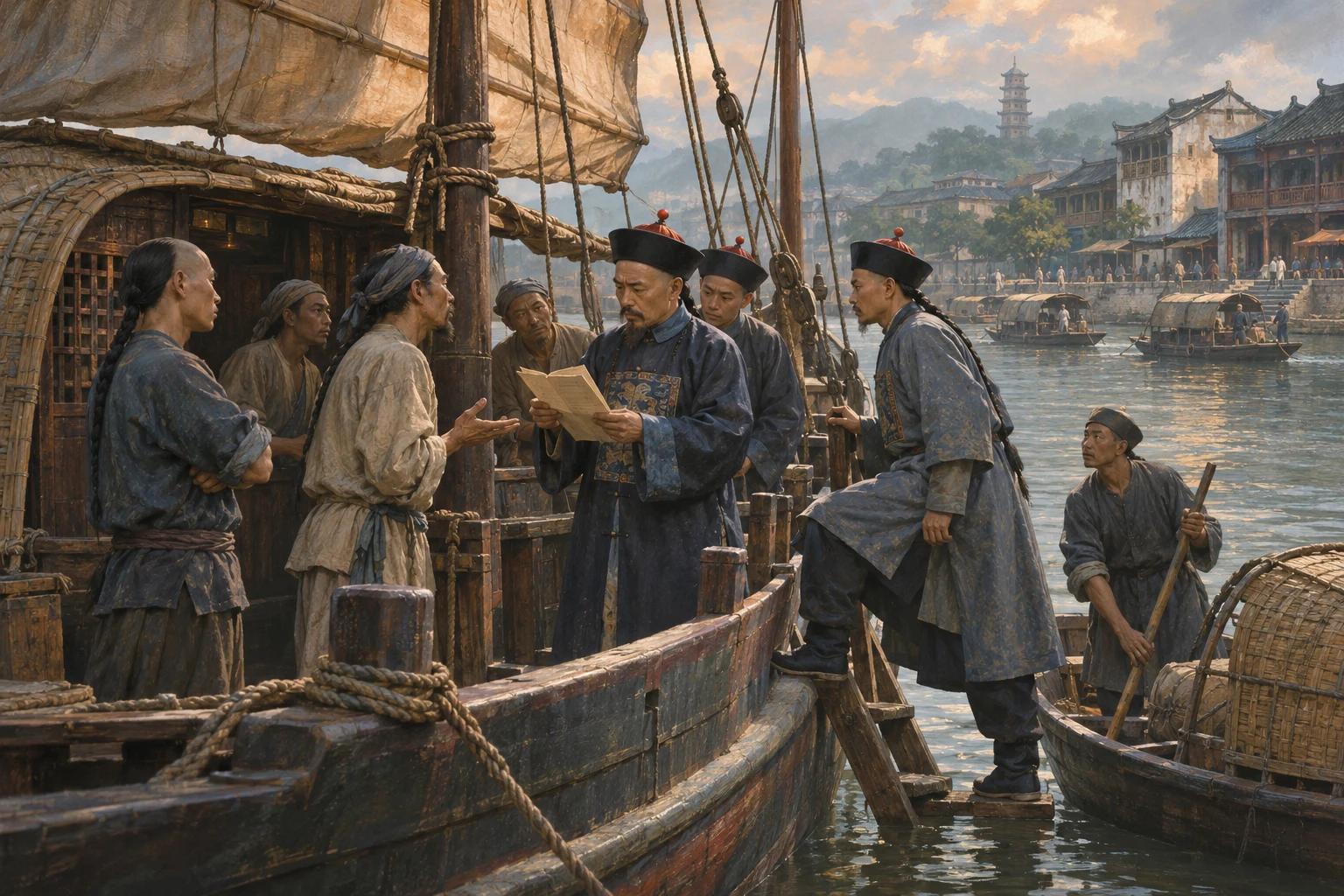
Qing customs officers board a small Chinese-owned sailing vessel on the Pearl River near Canton.
1856 CE
Step 2 of 101856 CEAccessible mode

The Arrow Incident

In October 1856, Qing officers boarded the Arrow, a Chinese-owned boat at Canton, and arrested Chinese crew members on suspicion of piracy. British officials turned the incident into an international crisis.

The boat had been registered in British Hong Kong, but that registration had expired. Whether a British flag had been flying was disputed. Britain's claim that China had insulted its flag was therefore far from straightforward.

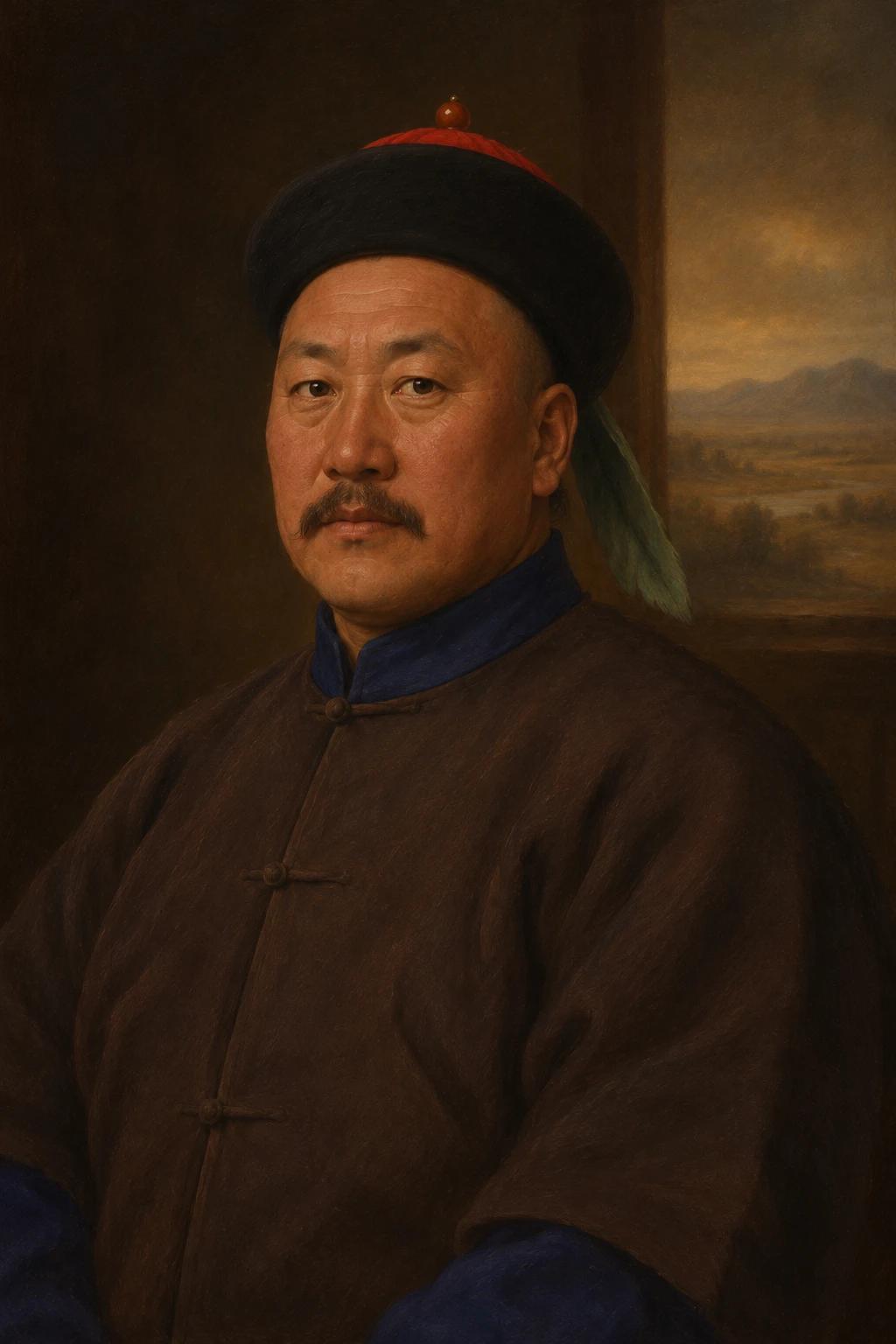
Harry Parkes, the British consul, demanded the men's return and an apology. Ye Mingchen, the senior Qing official at Canton, eventually released the prisoners but refused the apology Britain wanted.

British warships attacked forts and bombarded Canton. The demands grew beyond the original arrests.

A small shipping dispute became the opening for a war over wider trade and diplomatic privileges. The issue was no longer just what had happened aboard the Arrow. It was who could use force to decide China's obligations.

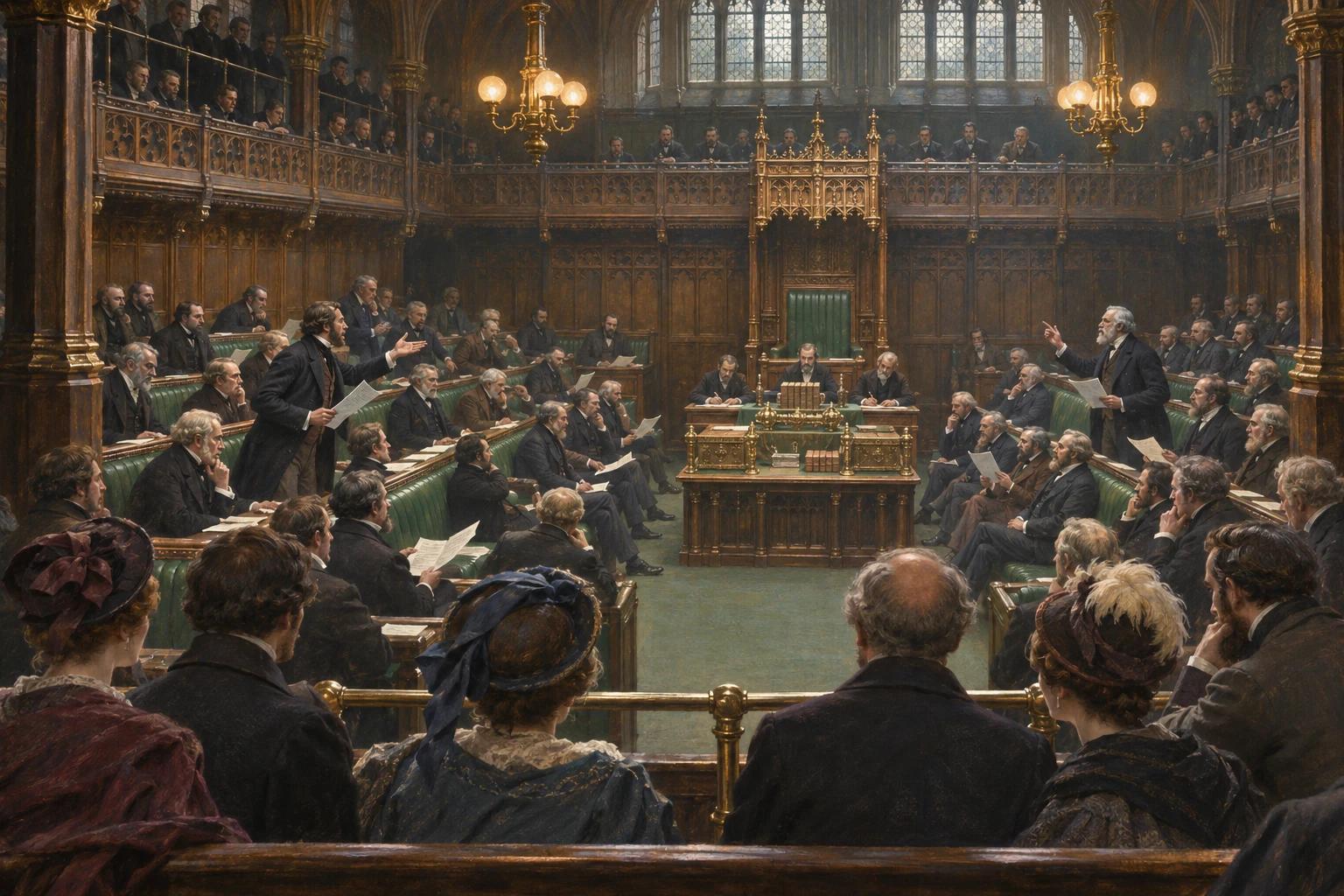
Victorian members of Parliament debate foreign policy in the House of Commons.
1857 CE
Step 3 of 101857 CEAccessible mode

A War Debated, an Alliance Formed

The war was challenged inside Britain. In March 1857, the House of Commons condemned the government's handling of the Arrow affair. Prime Minister Palmerston answered by calling an election.

He presented his opponents as failing to defend British interests. His election victory strengthened the government and allowed the campaign in China to continue.

France joined Britain. The execution of the French missionary Auguste Chapdelaine in Guangxi supplied a grievance, while French leaders also wanted greater influence and stronger protection for missions.

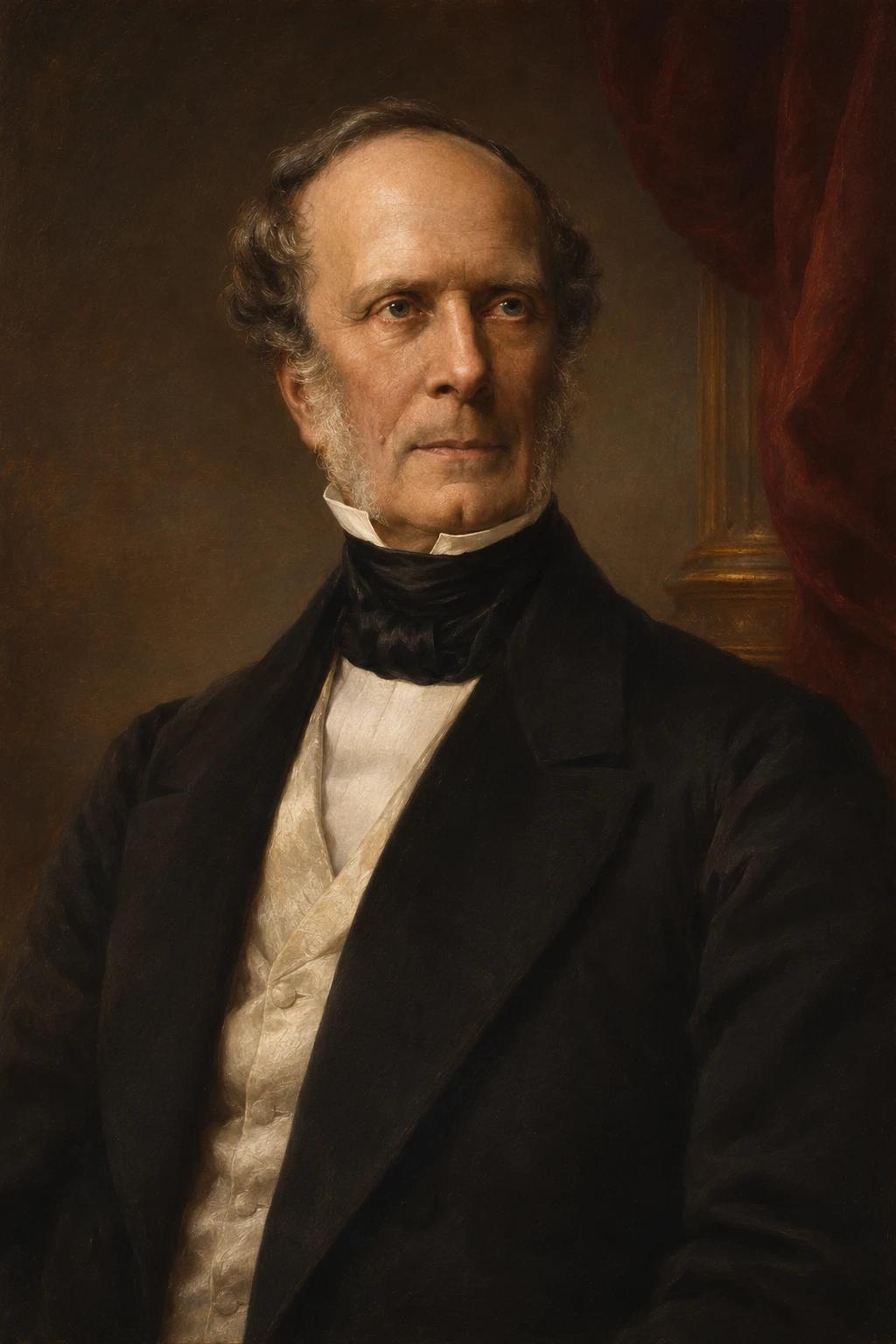
Lord Elgin became Britain's leading envoy. Baron Gros represented France. Their work combined negotiation with the threat of armed force.

The Indian uprising of 1857 delayed reinforcements intended for China. The expedition depended on the resources of Britain's wider empire, including Indian soldiers.

The conflict had grown from a local dispute into a joint imperial campaign, shaped by politics and crises far beyond Canton.

PremiumFree preview: 3 of 10 chapters

Continue The Second Opium War

Sign up to a Premium account to read the remaining chapters of this story.

A paid Premium subscription also gives you full access to every other Premium story.

See Premium options

Coming next

  1. Chapter 4Canton Falls
  2. Chapter 5Treaties at Tianjin
  3. Chapter 6The Forts Hold

And 4 more chapters to follow.

Explore connected stories

Follow the connected history

Explore closely connected stories and free figure profiles. Premium stories open with a public preview.

Unlock full storyBrowse stories

References

Sources & Further Reading

Reliable sources, primary-source collections and reading paths connected to this page.

Sources used

  1. National Army Museum, “Second China War,”

    Campaigns at Canton, Dagu and Beijing, with the composition and organisation of the expeditionary forces.

    Open source
  2. MIT Visualizing Cultures, “The Second Opium War: Course of the War,”

    Canton, parliamentary opposition, the Anglo-French expedition and chronological context.

    Open source
  3. MIT Visualizing Cultures, “The Second Opium War,”

    Interpretation of imperial conflict and surviving visual evidence.

    Open source
  4. MIT Visualizing Cultures, “Soldiers and the “Other”,”

    Composition of the armies and critical treatment of contemporary representations.

    Open source
  5. US Department of State, Office of the Historian, “The Opening to China Part II,”

    Treaty privileges and diplomatic consequences. Retired historical series; used alongside institutional and primary evidence.

    Open source
  6. James L. Hevia / Duke University Press, “Beijing 1860: Loot, Prize, and a Solemn Act of Retribution,”

    Scholarly analysis of the captivity, looting, destruction and settlement. Chapter from English Lessons: The Pedagogy of Imperialism in Nineteenth-Century China.

    Open source
  7. Cornell University Press / JSTOR, “Negotiated Power in Late Imperial China: The Zongli Yamen and the Politics of Reform,”

    The establishment and work of the Qing office for foreign affairs after 1860.

    Open source
  8. National Palace Museum / Republic of China Ministry of Foreign Affairs, “A Century of Resilient Tradition: Diplomatic Archives,”

    Institutional catalogue of the British, French and Russian conventions and the foreign-affairs office.

    Open source

Further reading

  1. British Museum, “China’s hidden century: exhibition guide,”

    An exhibition guide to nineteenth-century China and its changing relationship with foreign powers.

    Open source
  2. Encyclopaedia Britannica, “Search results for The Second Opium War,” Open source
  3. WorldCat, “Library holdings for The Second Opium War,” Open source

Primary sources

  1. UK Parliament, Hansard, “Debate on the Arrow affair, 3 March 1857,”

    Contemporary contest over registration, treaty obligations and the justification for force. Parliamentary claims are not treated as neutral findings.

    Open source
  2. GRIPS / University of Tokyo, The World and Japan Database, “Agreement containing rules of trade, 8 November 1858,”

    Rule 5 admits opium imports at a duty and restricts foreign participation in inland carriage. Distinct from the main June treaty.

    Open source
  3. GRIPS / University of Tokyo, The World and Japan Database, “Convention of Peking, 24 October 1860,”

    The British convention: ratification, Tianjin, indemnities and the cession of southern Kowloon.

    Open source
  4. Library of Congress, “Search results for The Second Opium War,” Open source

Reviewed claim sources

Loading reviewed claim sources...

A monthly route through history

Find out first about the latest published stories, feature notes and occasional Premium offers in one monthly email.