← People

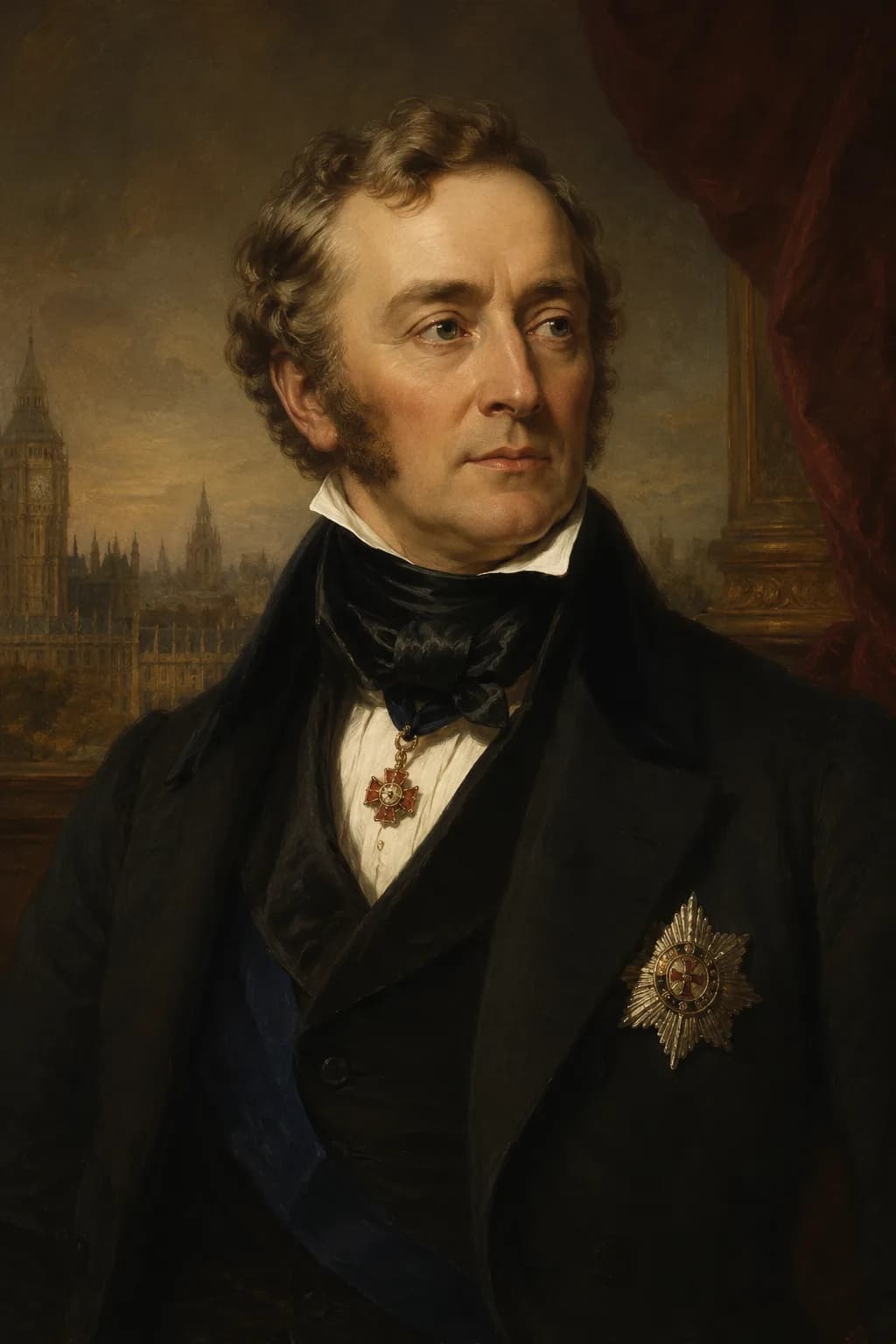
Harry Parkes

Harry Parkes was a British interpreter and diplomat involved in the Arrow crisis and the occupation of Canton. He survived captivity in 1860 and later represented Britain in Japan and China.

Born
1828 CE
Died
1885 CE
Role
British diplomat
Also known as
Harry Smith Parkes, Sir Harry Parkes
Region
Britain and East Asia

British diplomat (1828–1885)

AI-generated historical reconstruction of Sir Harry Smith Parkes in period dress, in the Stories of History oil-portrait style.
AI-assisted historical reconstruction

An illustrative reconstruction based on historical context. It is not a photograph or documentary likeness. Image policy Attribution

Life Journey

The diplomat at the centre of two crises

Follow Harry Parkes through the decisions and conflicts that shaped a career.

Complete chronology

1828

Born near Walsall

Harry Smith Parkes was born near Walsall in 1828. His career would take him far from Britain into the expanding treaty-port world of East Asia. Language skills became the foundation of a role that repeatedly combined negotiation with the projection of British power.
1841

Arrival in China

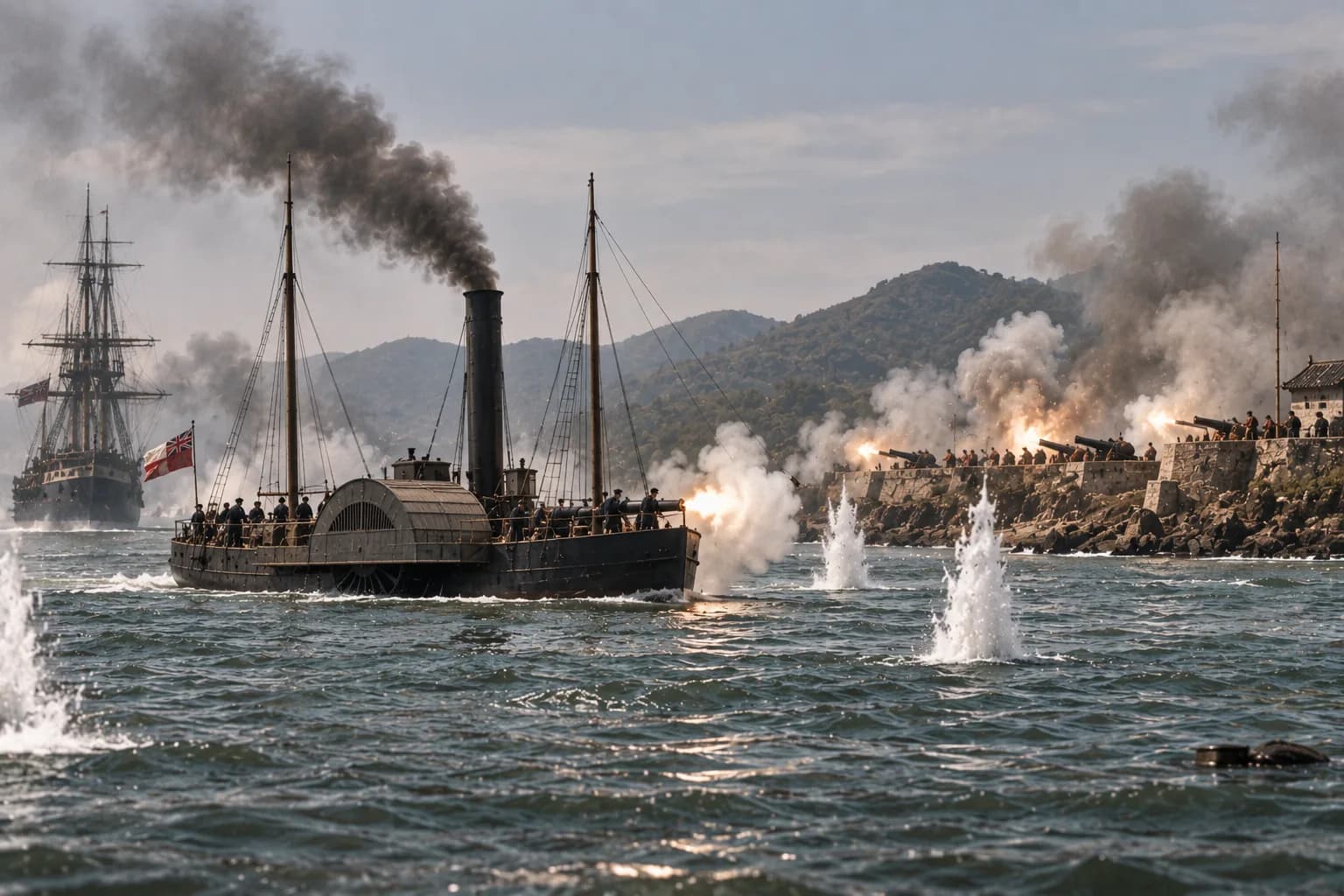
Parkes arrived in Macao in 1841 and began studying Chinese. He entered the region while the First Opium War was still being fought. His earliest experience of China therefore coincided with British military intervention and a changing relationship between foreign representatives and Qing authorities.

1842

An early view of treaty-making

As a teenager, Parkes was attached to Henry Pottinger’s expedition and witnessed the Nanjing settlement. The treaty-port system became the setting for his professional life. Its agreements depended on interpreters and consuls to turn their wording into daily practice, leaving considerable scope for disagreement over rights and obligations.

1844–1854

Interpreter and consul

Parkes worked through interpreting and consular appointments in Chinese treaty ports. Such posts handled trade, legal disputes and relations with local officials. His command of Chinese gave him influence, but linguistic knowledge did not remove differences of political interest or make the British position impartial.

1855

A treaty mission to Siam

Parkes accompanied John Bowring’s mission to Siam in 1855. The mission belonged to a wider British effort to secure commercial agreements in Asia. It broadened Parkes’s diplomatic experience before his return to the confrontations developing around Canton.

1856

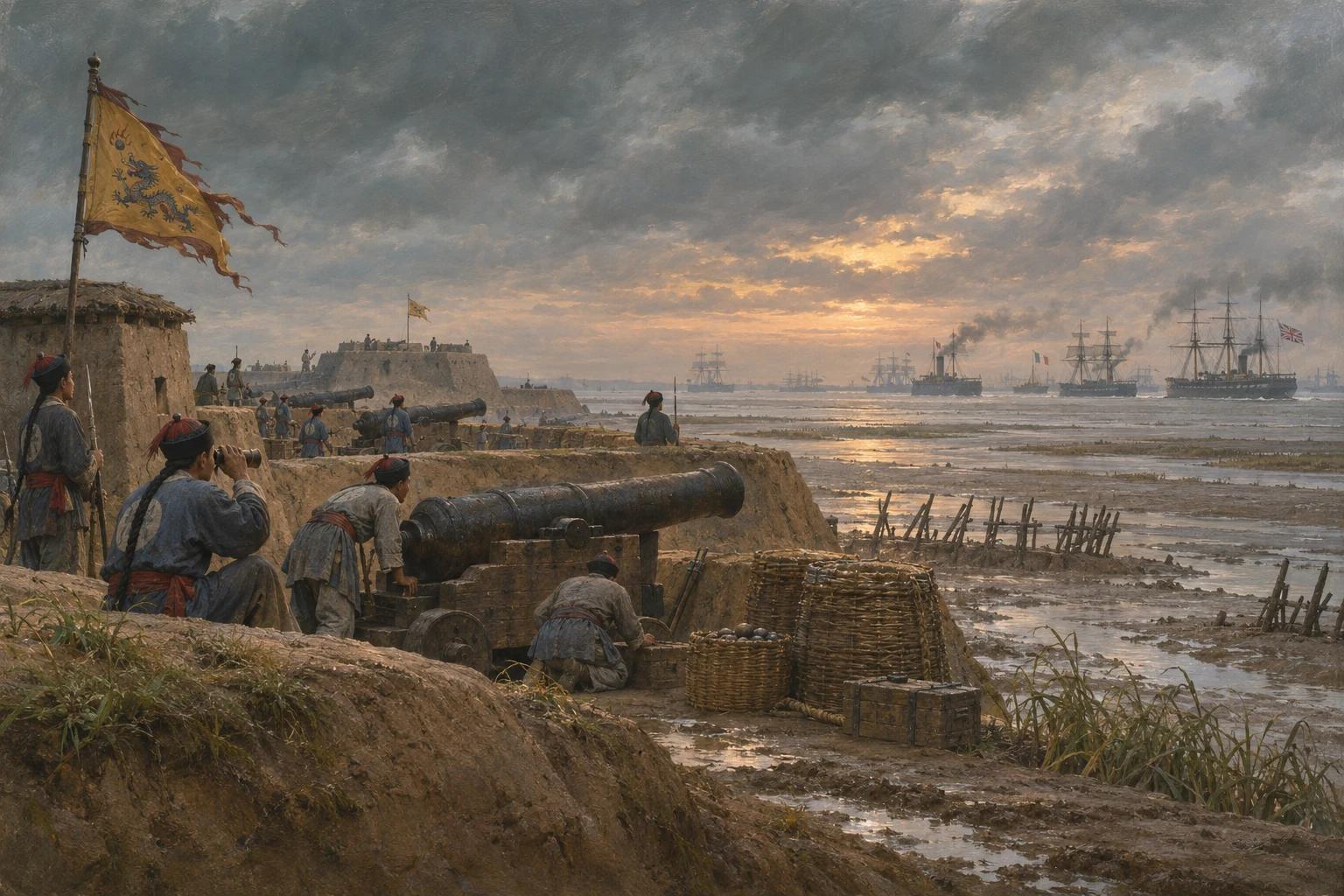
The Arrow demands

As acting consul at Canton, Parkes demanded the return of the Arrow’s crew and an apology. The expired registration and disputed flag claims complicated Britain’s case. His insistence helped move the crisis beyond the release of the prisoners. The ensuing attacks should be understood as contested decisions, rather than a self-evident defence of British law.

1858

Administering occupied Canton

Parkes served on the commission supervising Canton after the Anglo-French capture. His position connected consular work to occupation. Chinese officials continued some administrative functions under foreign oversight, an arrangement that extended the consequences of military victory into everyday government.

1860

Captive near Beijing

Qing forces detained Parkes during the September negotiations near Beijing. He survived captivity. Other members of the captured party died after mistreatment. Their fate became central to Elgin’s stated justification for burning Yuanmingyuan. Parkes’s survival belongs within that larger tragedy, without turning the subsequent destruction into an inevitable response.

1865–1885

Japan, then China

Parkes served as British minister in Japan from 1865 to 1883, then in China until his death in 1885. His Japanese tenure spanned the Meiji Restoration and the development of a new government. His final appointment returned him to China. The length of his service made him an influential participant in East Asian diplomacy, while his career also shows how treaty relations carried the assumptions of empire.

Continue in context

Connected stories

Move from the profile into the wider events and settings this figure belongs to.

Keep exploring

Content note

This profile is written for educational use and connects to related Stories of History pages. The main portrait is an AI-assisted historical reconstruction, included as an illustrative aid rather than documentary evidence. Image policy Image attribution

References

Sources & Further Reading

Reliable reference works, archives and reading paths connected to this profile.

Sources used

  1. National Portrait Gallery, “Sir Harry Smith Parkes,” accessed 6 November 2026.Open source
  2. Dictionary of National Biography, “Parkes, Harry Smith,” accessed 6 November 2026.

    Career chronology cross-checked; its celebratory imperial interpretation is not adopted.

    Open source
  3. Ministry of Foreign Affairs of Japan, “British relations during the Meiji Restoration,” accessed 6 November 2026.

    Confirms ministerial tenure in Japan, 1865–1883.

    Open source
  4. National Army Museum, “Second China War,” accessed 6 November 2026.

    Cross-check for the Arrow dispute, northern campaigns and captivity.

    Open source

Further reading

  1. Encyclopaedia Britannica, “Search results for Harry Parkes,” accessed June 2026.Open source
  2. WorldCat, “Books and library holdings for Harry Parkes,” accessed June 2026.Open source

Primary sources

  1. Library of Congress, “Search results for Harry Parkes,” accessed June 2026.Open source

Reviewed claim sources

Loading reviewed claim sources...

A monthly route through history

Find out first about the latest published stories, feature notes and occasional Premium offers in one monthly email.