← People

Ye Mingchen

Ye Mingchen governed Guangdong and Guangxi during the Arrow crisis. He resisted British demands, was captured after Canton fell and died in captivity in India.

Born
1807 CE
Died
1859 CE
Role
Qing governor-general
Also known as
Yeh Mingchen, Yeh Ming-ch’en
Region
Qing China

Qing governor-general (1807–1859)

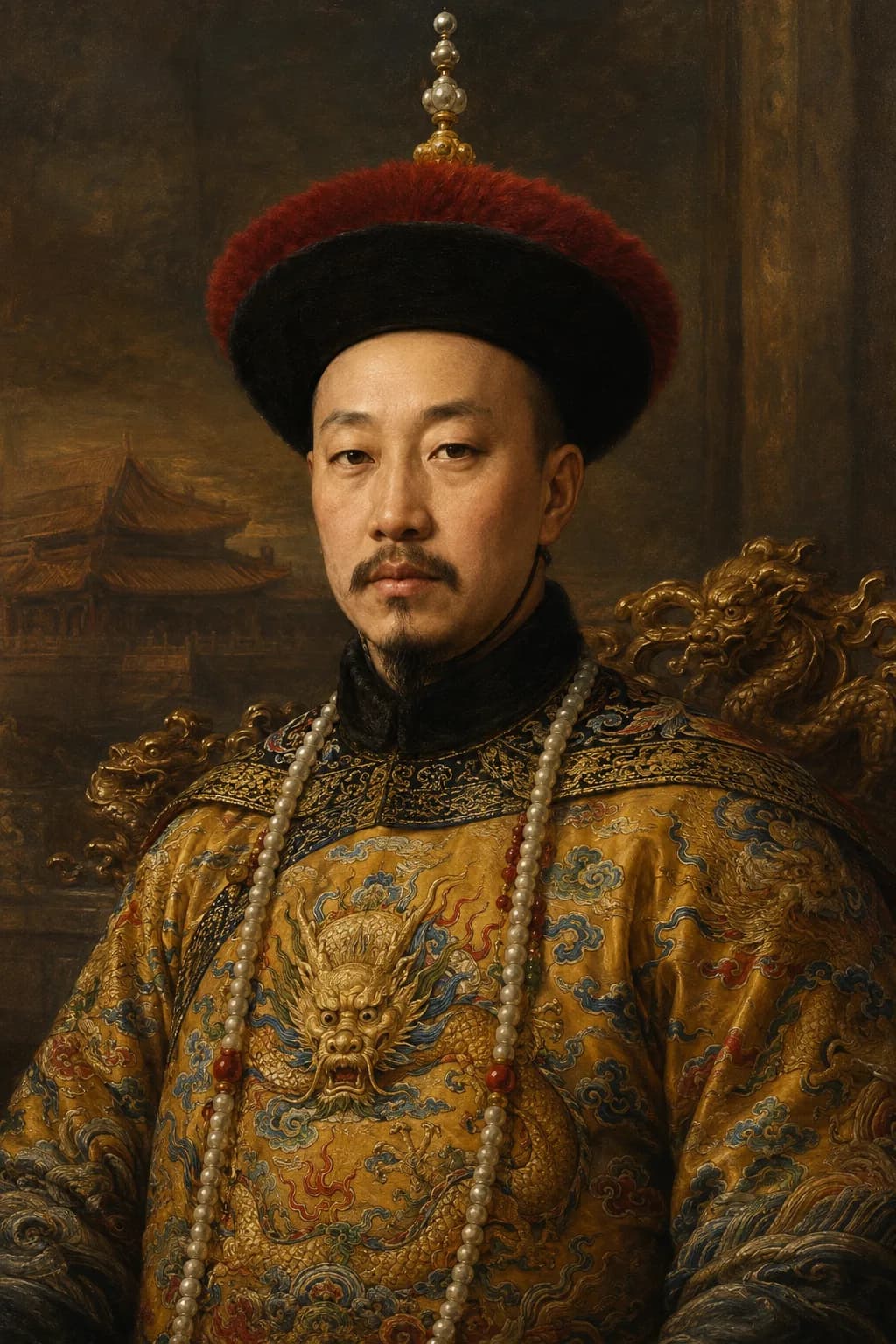
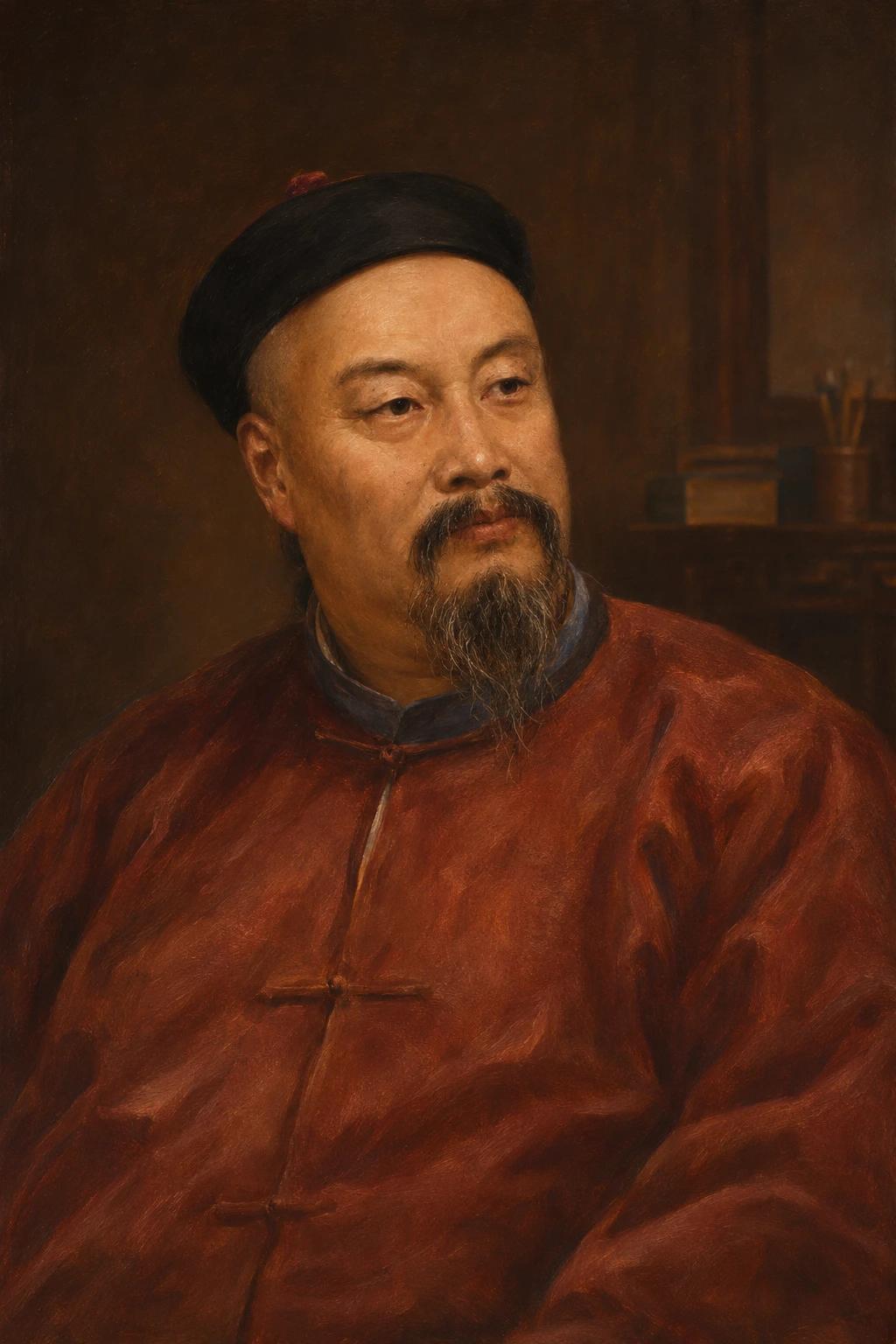
AI-generated historical reconstruction of Ye Mingchen in period dress, in the Stories of History oil-portrait style.
AI-assisted historical reconstruction

An illustrative reconstruction based on historical context. It is not a photograph or documentary likeness. Image policy Attribution

Life Journey

The official who faced the Arrow crisis

Follow Ye Mingchen through the decisions and conflicts that shaped a career.

Complete chronology

1807

Born in Hubei

Ye Mingchen was born in Hanyang, in Hubei province, in 1807. His route into government would follow the examination system rather than military command or imperial birth. His later prominence at Canton grew from a career within the Qing civil administration.
1835

Examinations and imperial service

Ye earned the jinshi degree in 1835 and entered the Hanlin Academy. Success in the highest civil examinations opened the way to senior office. Classical learning and administrative service formed the framework through which he approached problems that increasingly involved foreign armies and consuls.

1838–1843

Learning provincial government

Ye held a succession of provincial posts in administration, justice and finance. These appointments gave him experience of the machinery through which the Qing state governed its population and collected revenue. They also placed his career within a system whose first responsibility was maintaining dynastic authority.

1848

Governor of Guangdong

In 1848, Ye became governor of Guangdong, the province containing Canton. Canton stood at the meeting point of foreign trade, treaty disputes and local opposition to outsiders. Governing the province required more than handling merchants: unrest and rebellion also demanded money, policing and military support.

1849

The dispute over Canton entry

Ye helped resist British demands for entry into Canton in 1849. The dispute concerned how far treaty rights extended into the city and how local resistance should be managed. To foreign representatives, restrictions frustrated promised access. To Qing officials and many residents, further entry threatened authority and control.

1852

Governor-general of Liangguang

Ye became acting governor-general of Guangdong and Guangxi in 1852. His responsibilities joined provincial security to foreign affairs. Suppression of domestic rebellion could be severe, while negotiations with consuls required judging the intentions of powers able to bring naval force to the coast. These were overlapping duties within a state under strain.

1856

The Arrow confrontation

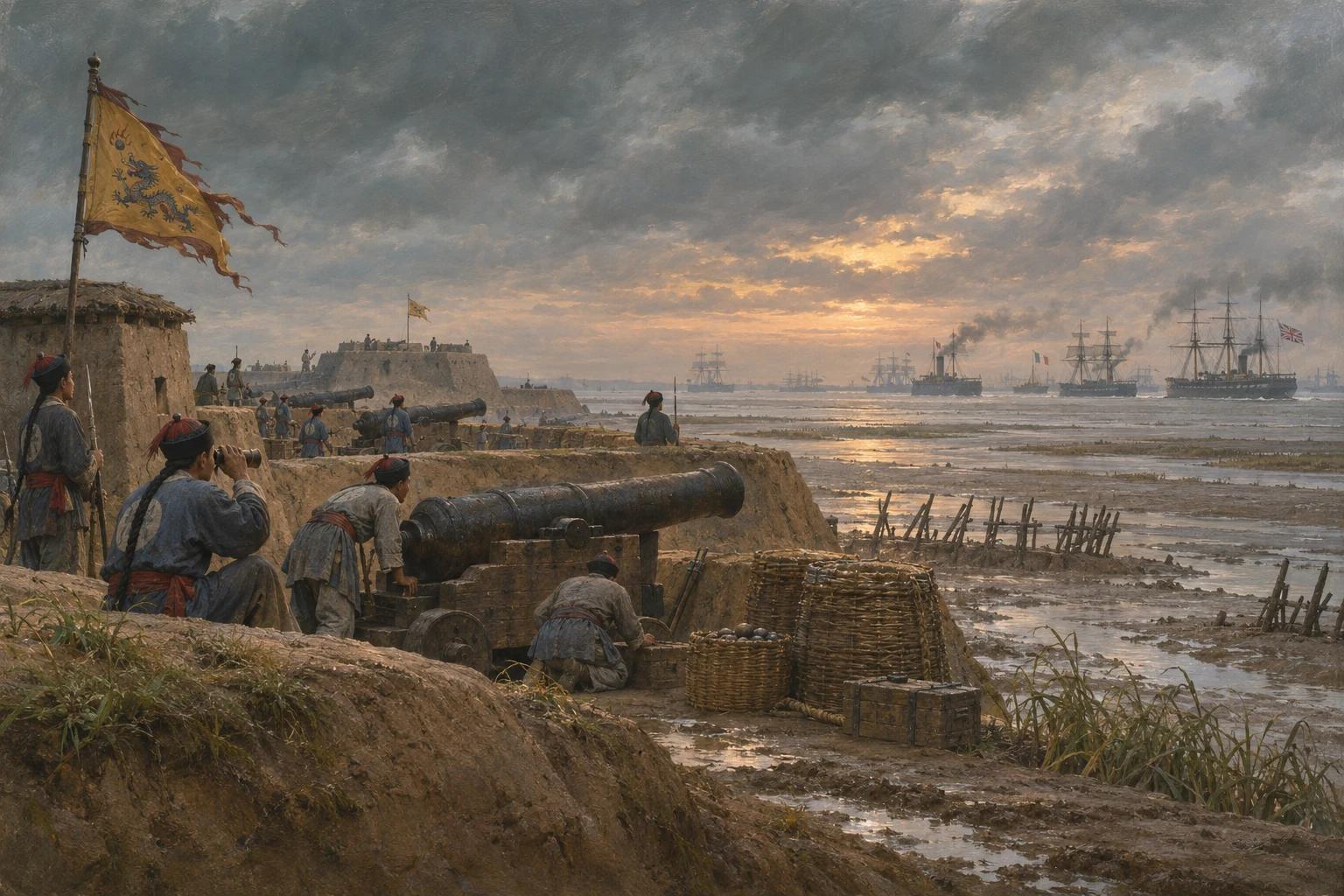
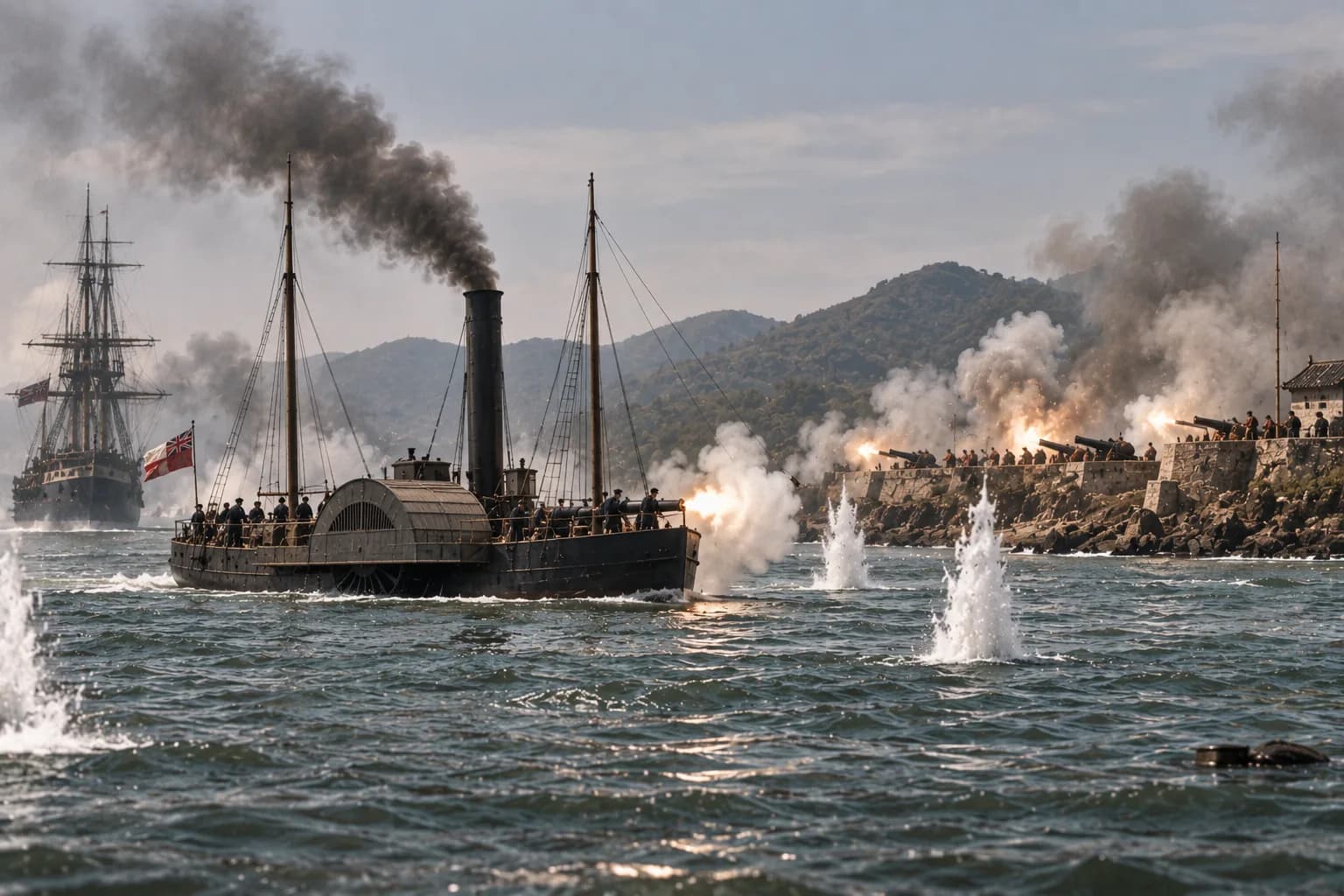
When Qing officers arrested crew aboard the Arrow, Ye faced demands from British consul Harry Parkes. The boat was Chinese-owned and its Hong Kong registration had expired. The return of the prisoners did not settle the dispute over apology and claimed British protection. Bombardment followed, turning a local arrest into the opening of the Second Opium War.

1857–1858

Canton lost, Ye captured

Anglo-French forces captured Canton in December 1857. Ye was taken prisoner in January 1858. His removal helped the occupiers replace resistance with supervised administration. Contemporary British portrayals often mocked him; those images reveal the victors’ attitudes as much as they explain his decisions. His position should be assessed within the unequal force and uncertainty he faced.

1859

Death far from Canton

Ye died in captivity near Calcutta in 1859. His remains were later returned to Hanyang. His career ended outside the empire he had served, before the war reached its final settlement at Beijing. Remembering him only as an obstinate official conceals the larger question his actions exposed: how a provincial government could defend authority against foreign demands backed by warships.

Continue in context

Connected stories

Move from the profile into the wider events and settings this figure belongs to.

Keep exploring

Content note

This profile is written for educational use and connects to related Stories of History pages. The main portrait is an AI-assisted historical reconstruction, included as an illustrative aid rather than documentary evidence. Image policy Image attribution

References

Sources & Further Reading

Reliable reference works, archives and reading paths connected to this profile.

Sources used

  1. Arthur W. Hummel, editor, “Eminent Chinese of the Ch’ing Period: Yeh Ming-ch’ên,” accessed 6 November 2026.

    Digitised scholarly reference biography; career dates used with neutral wording rather than its character judgments.

    Open source
  2. Royal Collection Trust, “The capture of Ye Mingchen,” accessed 6 November 2026.Open source
  3. National Army Museum, “Second China War,” accessed 6 November 2026.

    Cross-check for the Arrow dispute, northern campaigns and captivity.

    Open source

Further reading

  1. Encyclopaedia Britannica, “Search results for Ye Mingchen,” accessed June 2026.Open source
  2. WorldCat, “Books and library holdings for Ye Mingchen,” accessed June 2026.Open source

Primary sources

  1. Library of Congress, “Search results for Ye Mingchen,” accessed June 2026.Open source

Reviewed claim sources

Loading reviewed claim sources...

A monthly route through history

Find out first about the latest published stories, feature notes and occasional Premium offers in one monthly email.