Context
Introduction
Overview
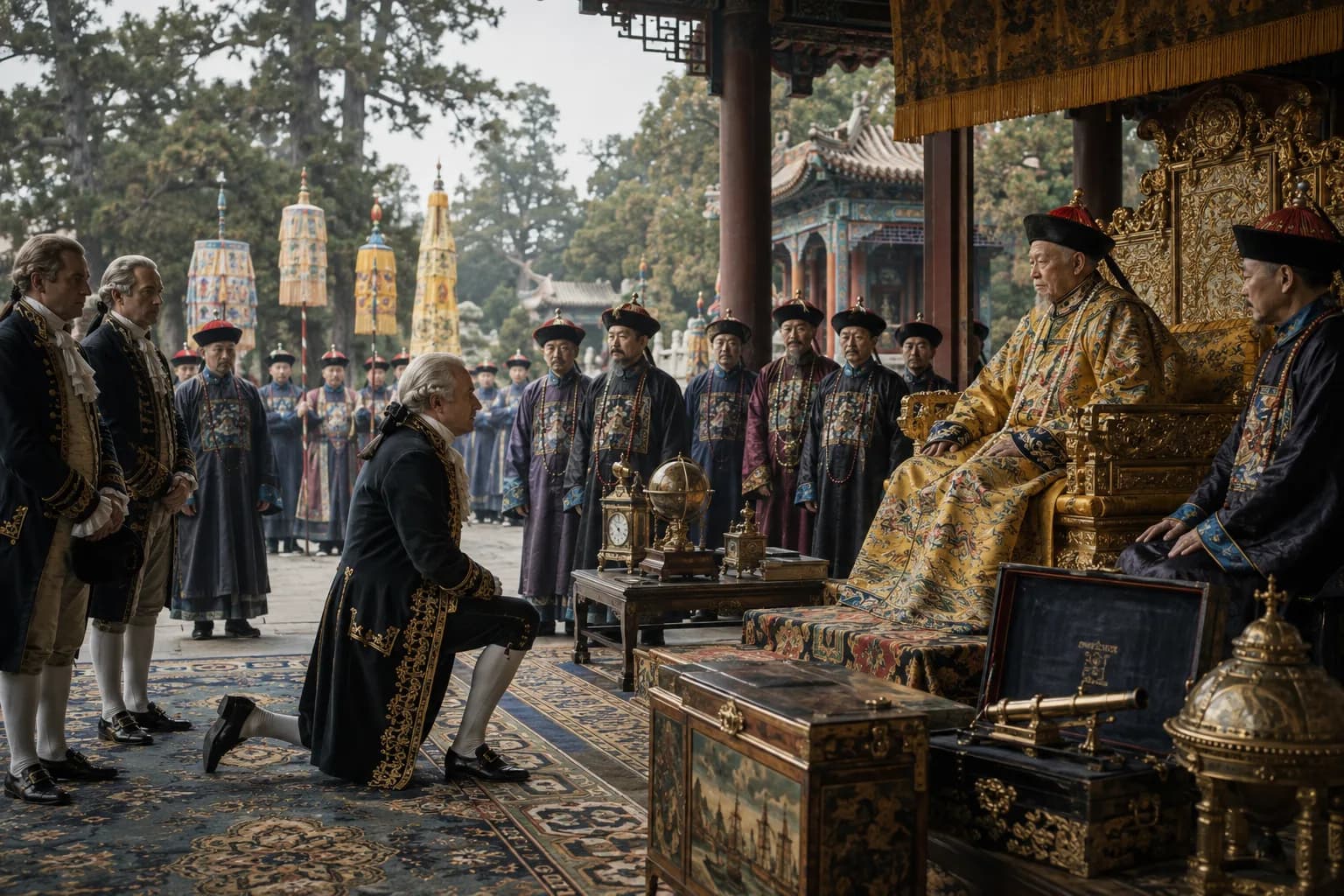
Disputes over trade, law and sovereignty brought Britain and the Qing Empire into war in the nineteenth century. Opium lay at the centre of a system that Chinese officials tried to restrict and British interests sought to protect. Defeat forced the Qing state into unequal treaties and changed China's relationship with foreign powers.
What you'll learn: You will follow how a controlled trading system turned into a crisis of opium smuggling, why Britain used force, how the unequal treaty system limited Qing sovereignty, and why the Opium Wars became central to modern China's historical memory.
Key forces
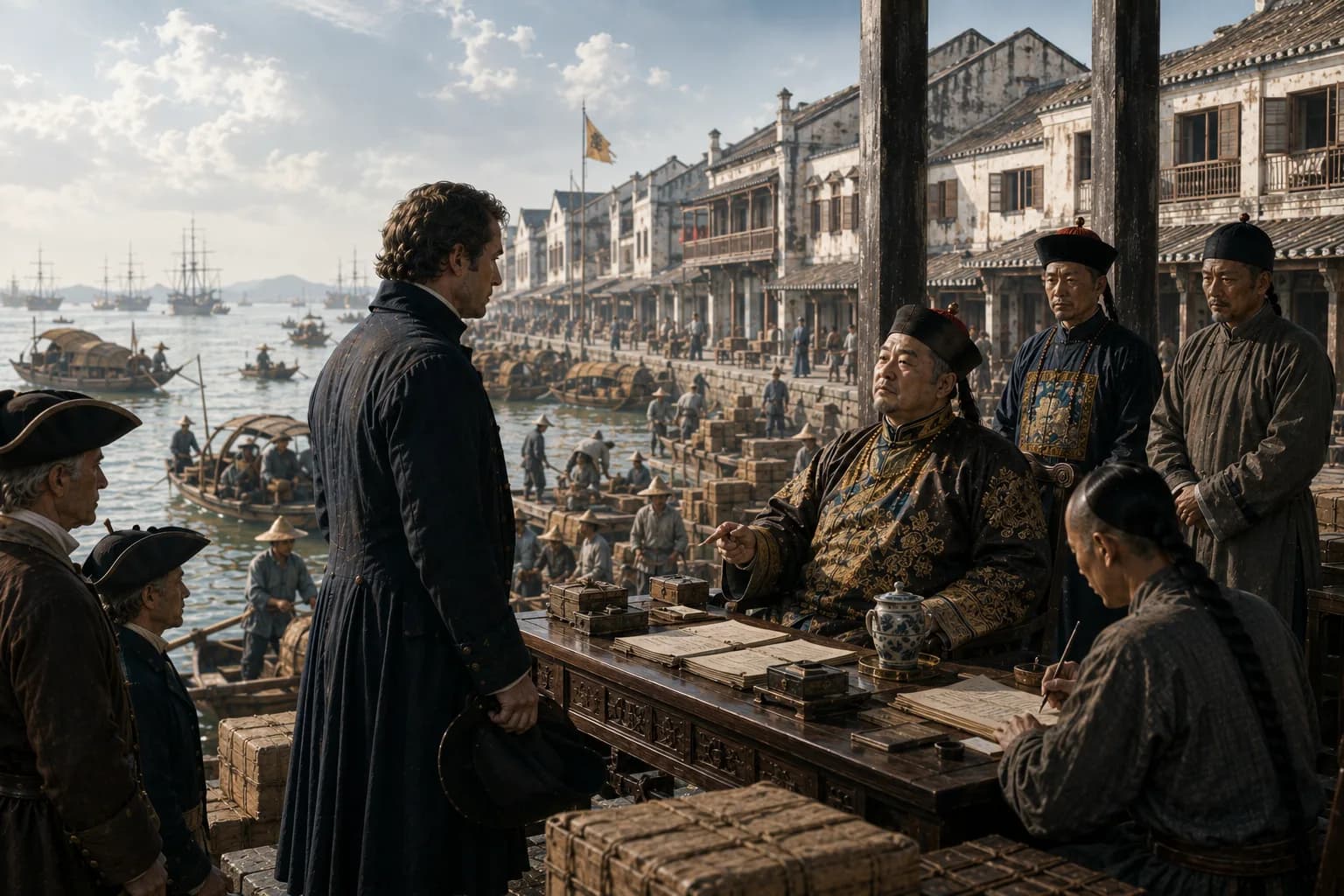
- The Canton System limited most Western maritime trade to one port and kept foreign merchants under close supervision.
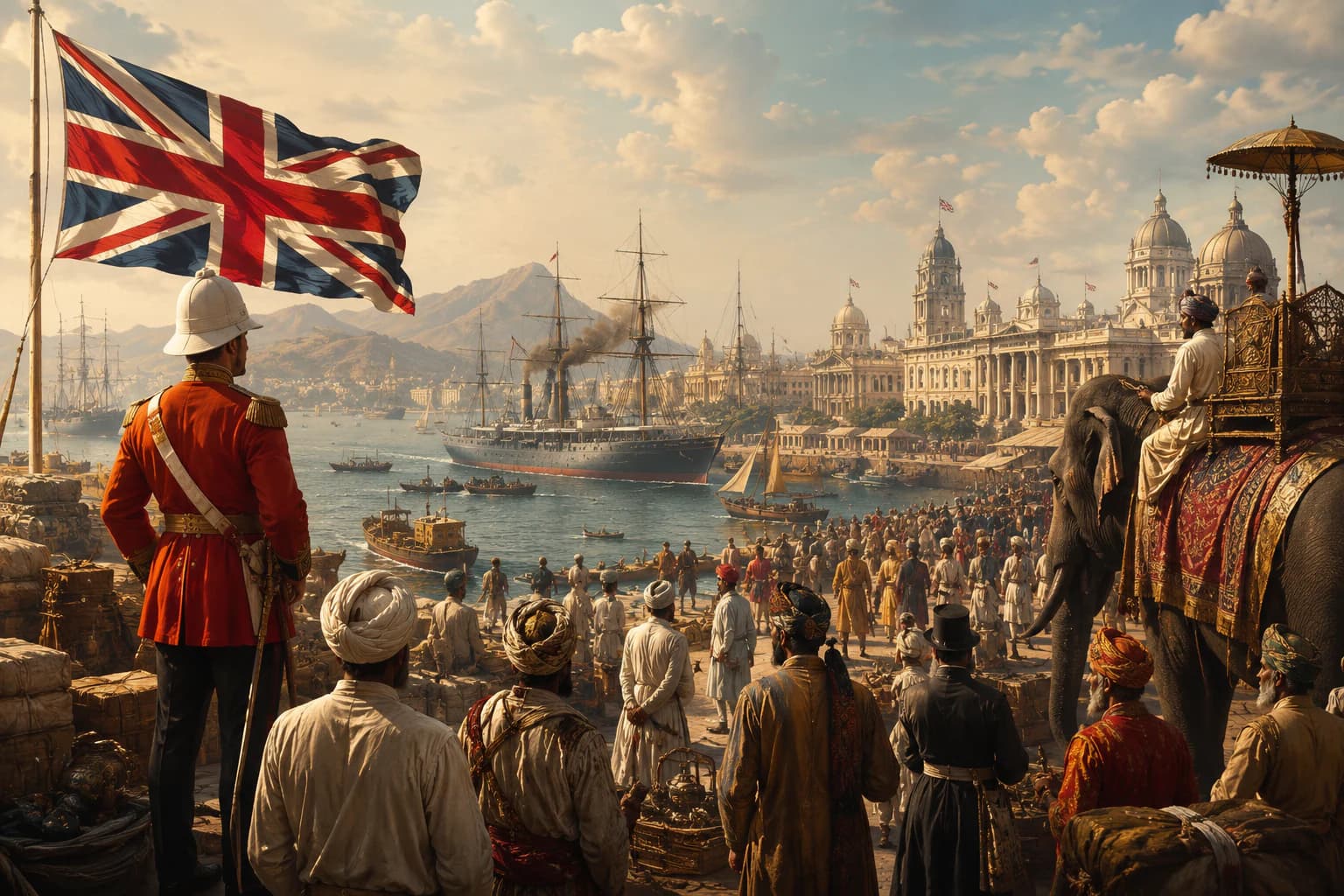
- British-controlled opium from India reversed Britain's trade imbalance with China but created addiction, illegal trafficking and silver outflows.
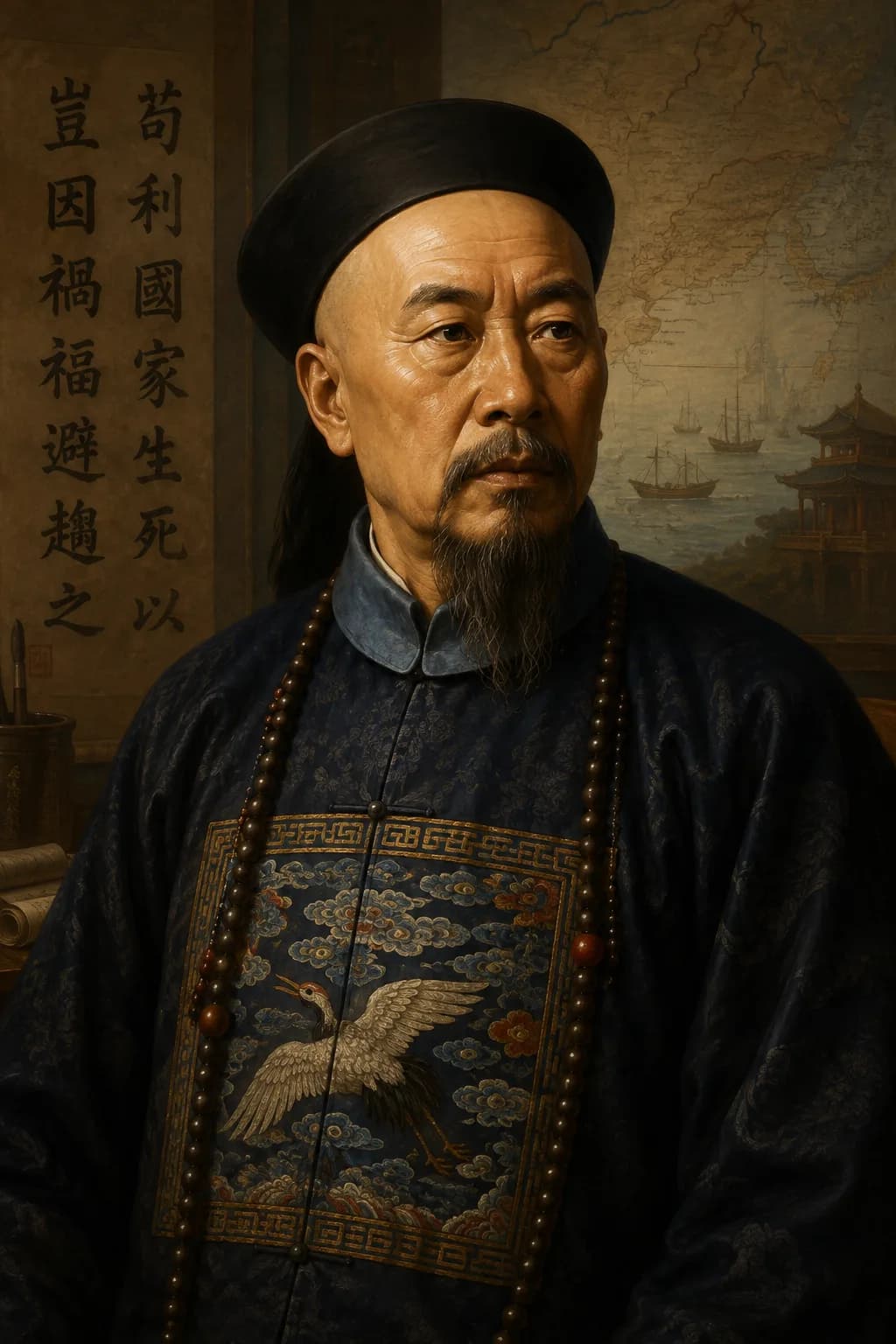
- Lin Zexu's 1839 suppression campaign destroyed British-owned opium and turned the dispute into a confrontation over law and sovereignty.
- British naval and industrial power defeated Qing forces in the First Opium War, producing the Treaty of Nanking in 1842.