← People

Daoguang Emperor

The Daoguang Emperor ruled Qing China from 1820 to 1850. His reign faced fiscal strain, the opium crisis, Lin Zexu's suppression campaign, the First Opium War and the Treaty of Nanking.

Born
1782 CE
Died
1850 CE
Role
Qing emperor
Also known as
Mianning, Minning, Emperor Xuanzong of Qing
Region
China, Qing China, East Asia

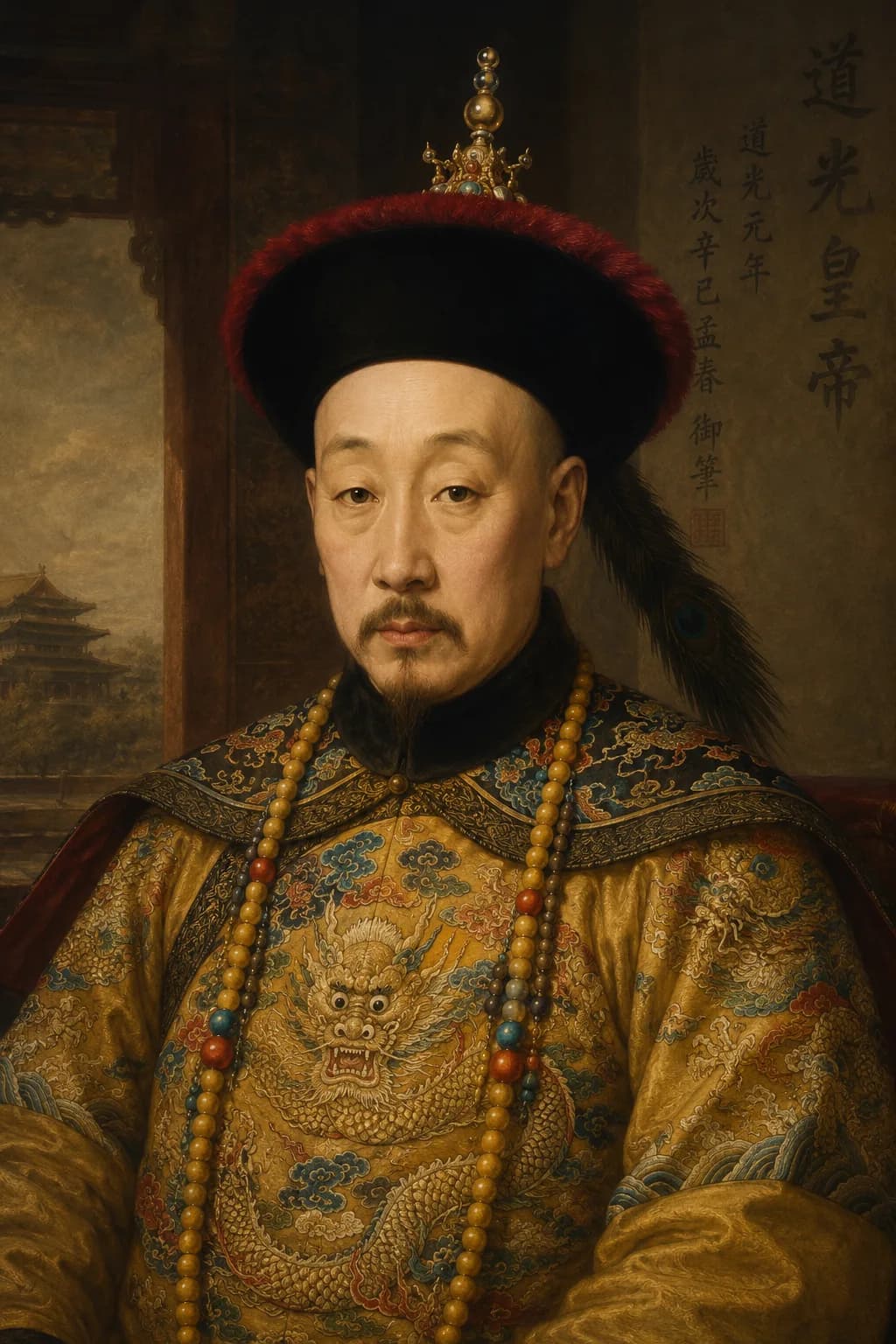
Qing emperor (1782-1850)

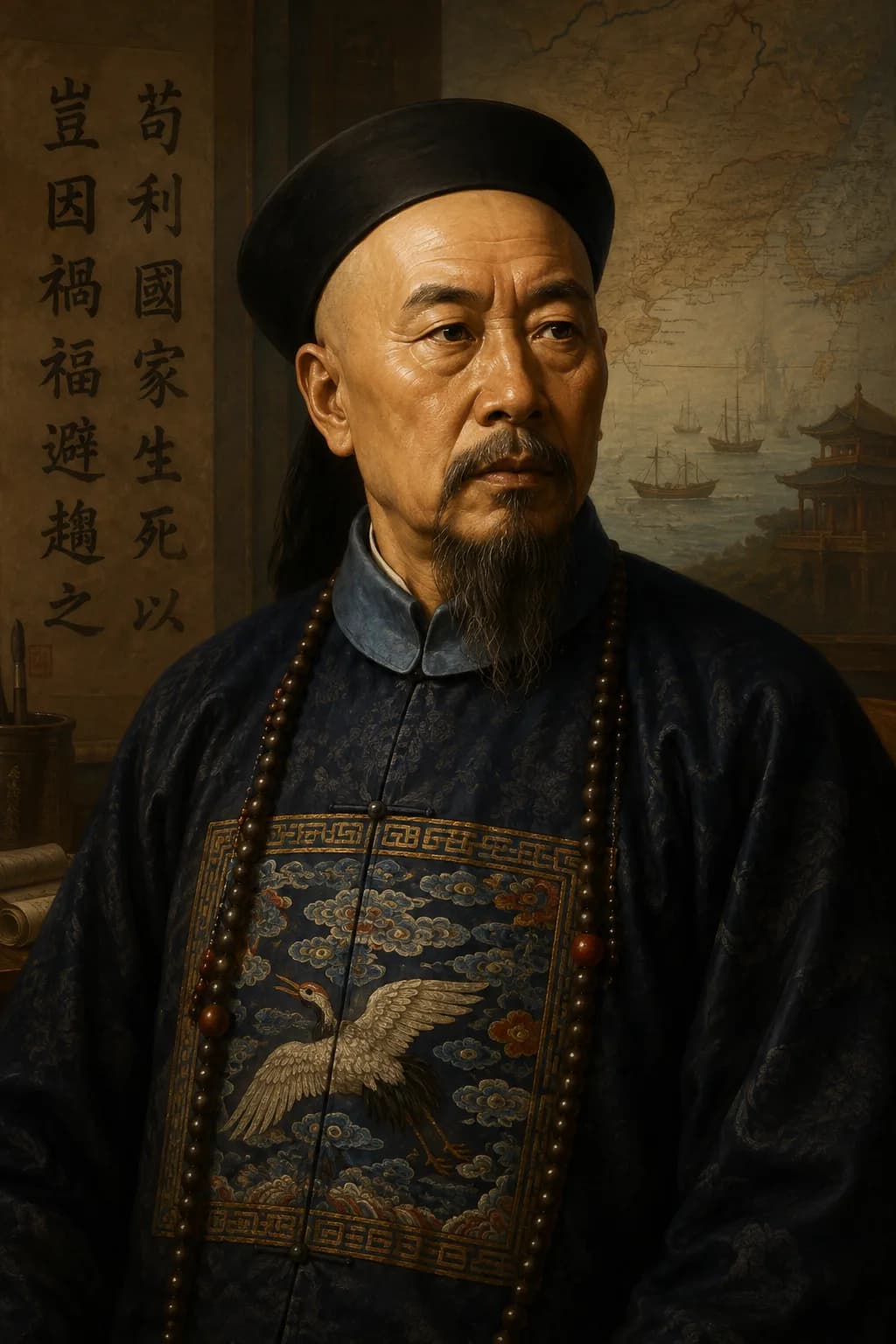
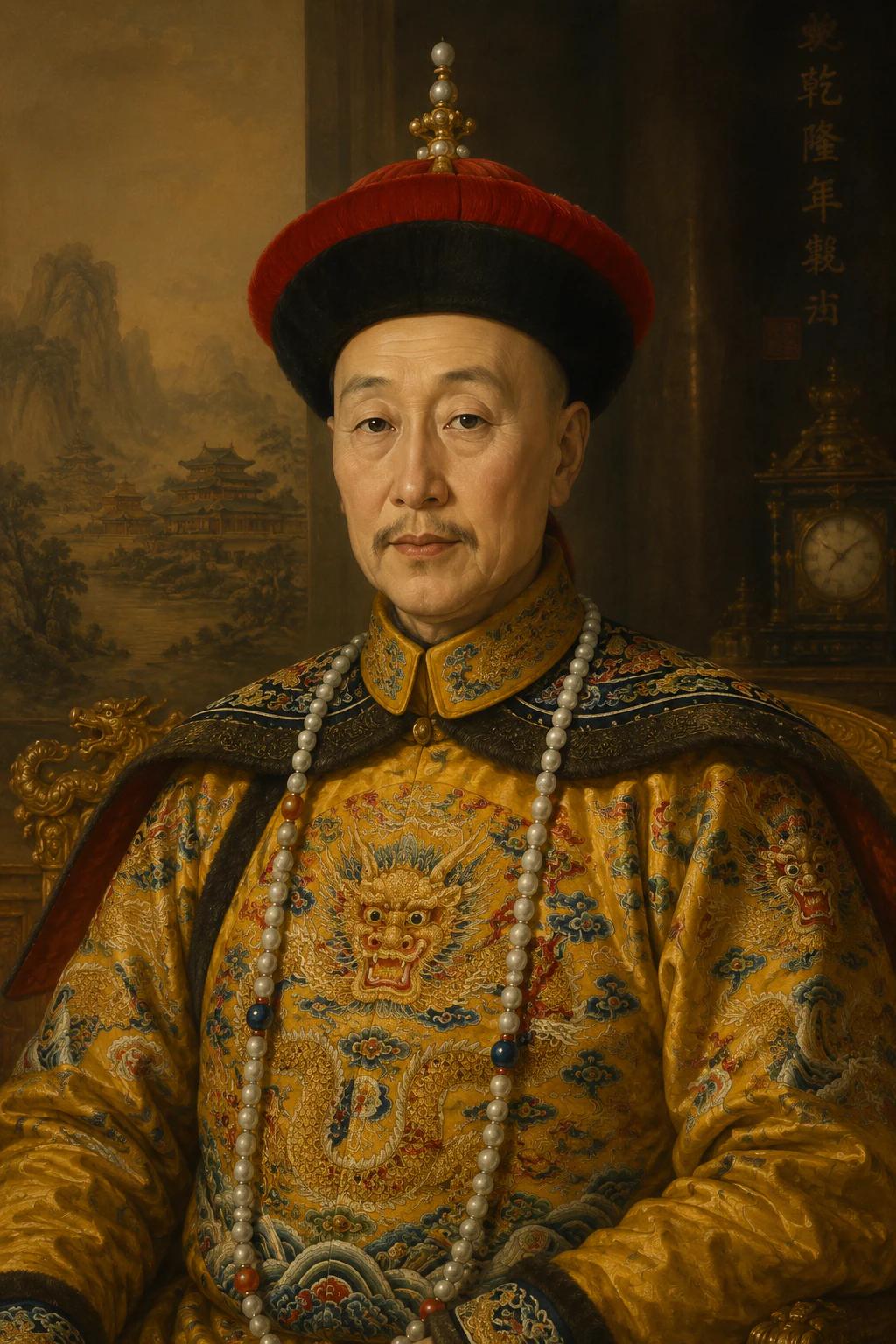
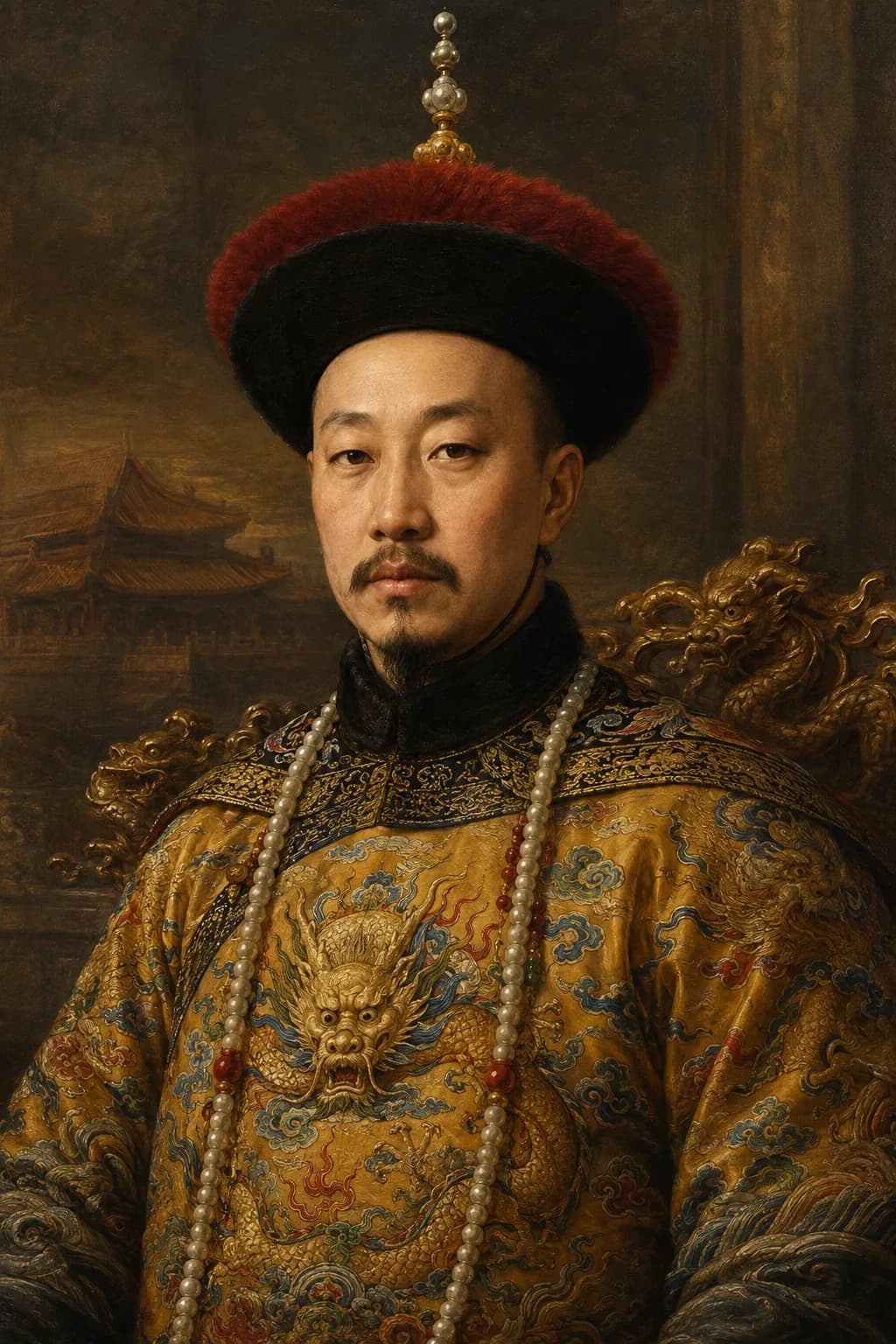
AI-generated portrait of the Daoguang Emperor in Qing imperial robes
AI-assisted historical reconstruction

An illustrative reconstruction based on historical context. It is not a photograph or documentary likeness. Image policy

Life Journey

An emperor confronted by a new kind of foreign power

Follow Daoguang from inherited Qing authority to the shock of the First Opium War.

Complete chronology

1782

Born Mianning

Mianning was born into the Aisin Gioro imperial house in 1782, when the Qing dynasty still projected the confidence of a vast continental empire. Yet the prosperity of the high Qing era concealed growing strain: population pressure, corruption, military decay and fiscal limits that later rulers would have to confront.


1820

Becoming emperor

Daoguang came to the throne after the Jiaqing Emperor's death in 1820. His reign was marked by efforts at economy and moral discipline, but the Qing state was difficult to reform from the centre. Officials varied in quality, military institutions had weakened and local corruption made imperial commands harder to enforce.

1830s

The opium problem

By the 1830s, the opium trade had become impossible to ignore. The drug damaged households, compromised officials and pulled silver out of the economy. Daoguang faced competing advice: some officials argued for legalisation and taxation, while others believed suppression was necessary to preserve state authority.

1839

Sending Lin Zexu

Daoguang's appointment of Lin Zexu was a decision for firmness. Lin was given extraordinary authority to confront dealers, smugglers and foreign merchants. The campaign briefly made Qing resolve visible, but it also forced a confrontation with British commercial and military power that the dynasty did not fully understand.

1840-1842

Defeat and treaty

British warships moved along the coast and rivers with a flexibility Qing forces could not match. Daoguang received reports of resistance, defeat and confusion while commanders struggled to answer unfamiliar tactics. The Treaty of Nanking opened ports, imposed indemnities and ceded Hong Kong, marking a profound blow to imperial authority.

1850

A damaged inheritance

Daoguang died in 1850, the same year the Taiping crisis began to gather force. His successor inherited an empire still vast and administratively sophisticated, but now constrained by treaty obligations and shaken by the proof that foreign military coercion could alter China's rules. Daoguang's legacy is inseparable from that rupture.

Continue in context

Connected stories

Move from the profile into the wider events and settings this figure belongs to.

More connected stories

Keep exploring

Content note

This profile is written for educational use and connects to related Stories of History pages. The main portrait is an AI-assisted historical reconstruction, included as an illustrative aid rather than documentary evidence. Image policy

References

Sources and historical notes

Sources used to check this page, selected recommendations and historical notes.

Sources used

  1. The Palace Museum, Beijing, “Daoguang Emperor,”

    Provides a Chinese-language chronology of Mianning’s life and reign.

    Open source
  2. MIT Visualizing Cultures, “The First Opium War,”

    Examines Qing policy on the opium trade and the conflict that followed.

    Open source
  3. USC U.S.–China Institute, “Treaty of Nanjing (Nanking), 1842,”

    Provides the English text of the agreement that ended the First Opium War.

    Open source

Additional sources and notes

Loading reviewed claim sources...

Our editorial approach · Report a historical error

A monthly route through history

Find out first about the latest published stories, feature notes and occasional Premium offers in one monthly email.