Context
Introduction
Overview
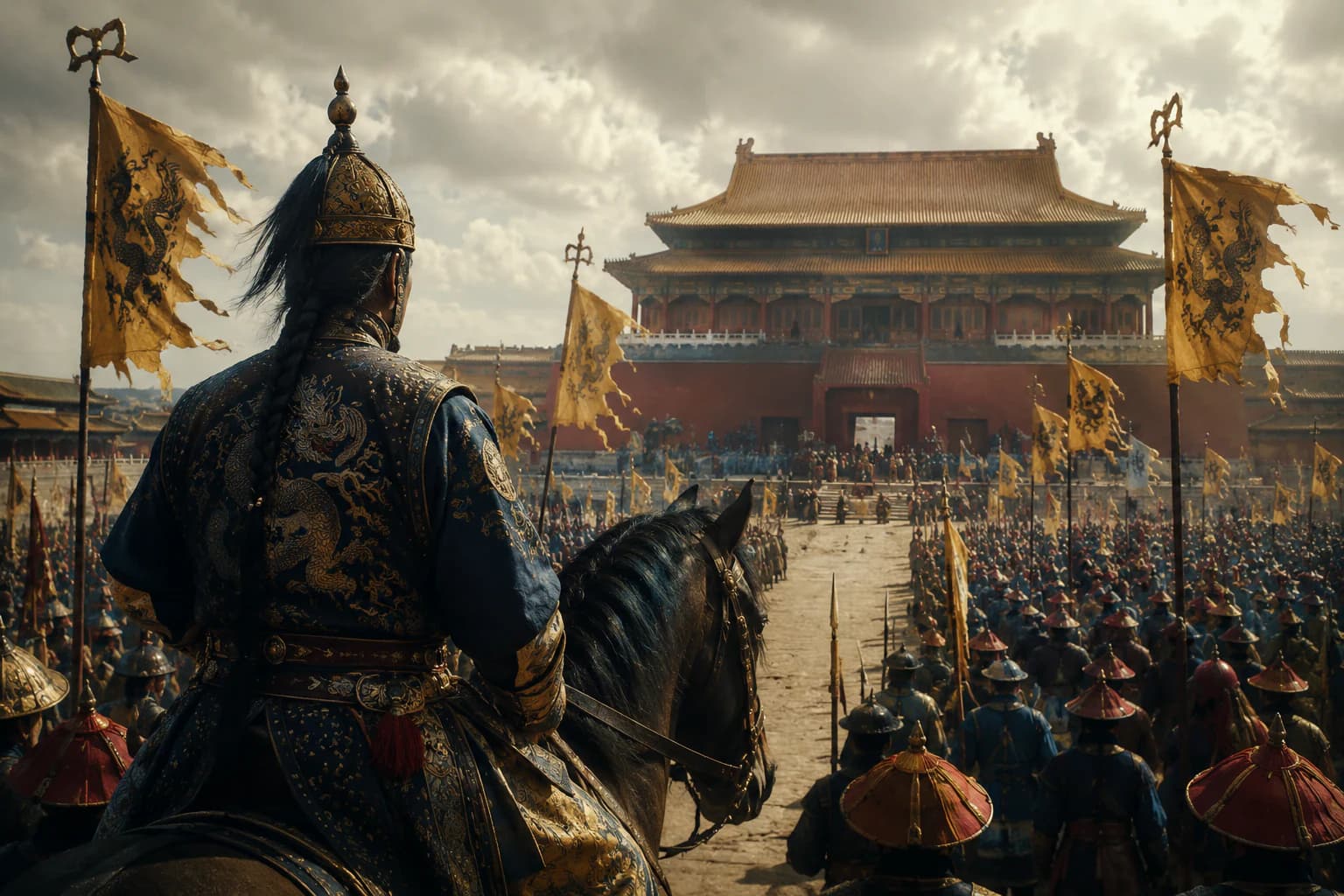
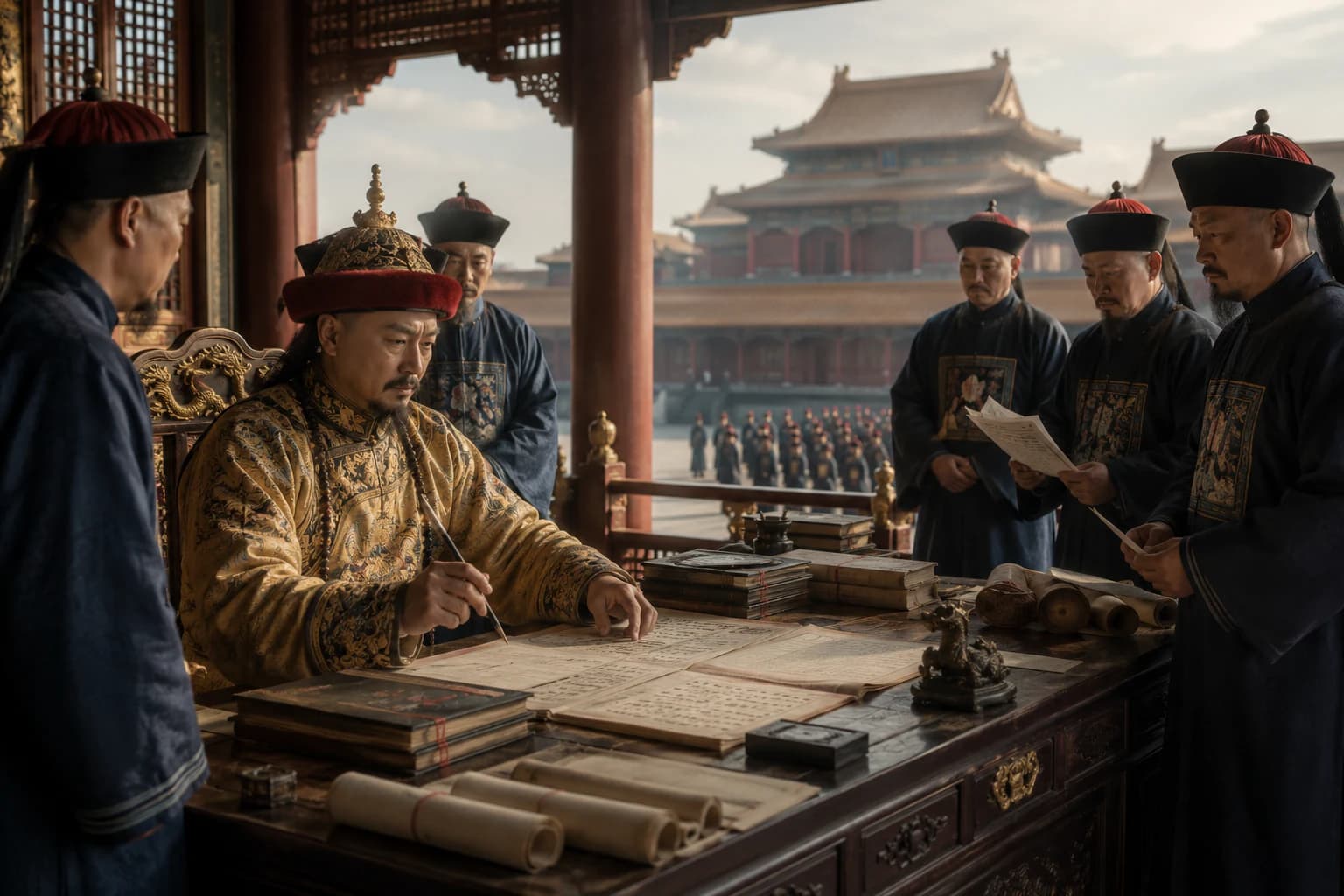
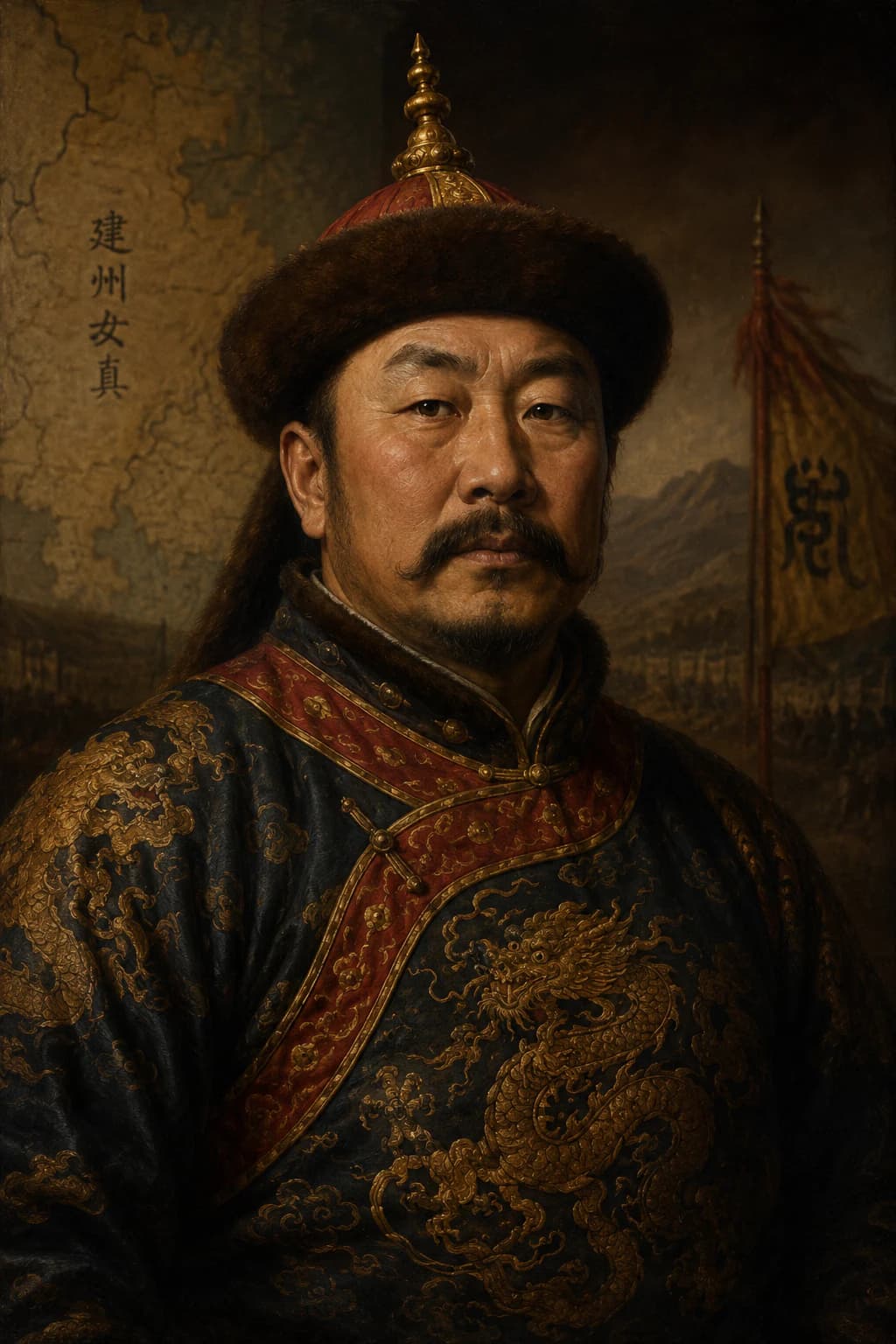
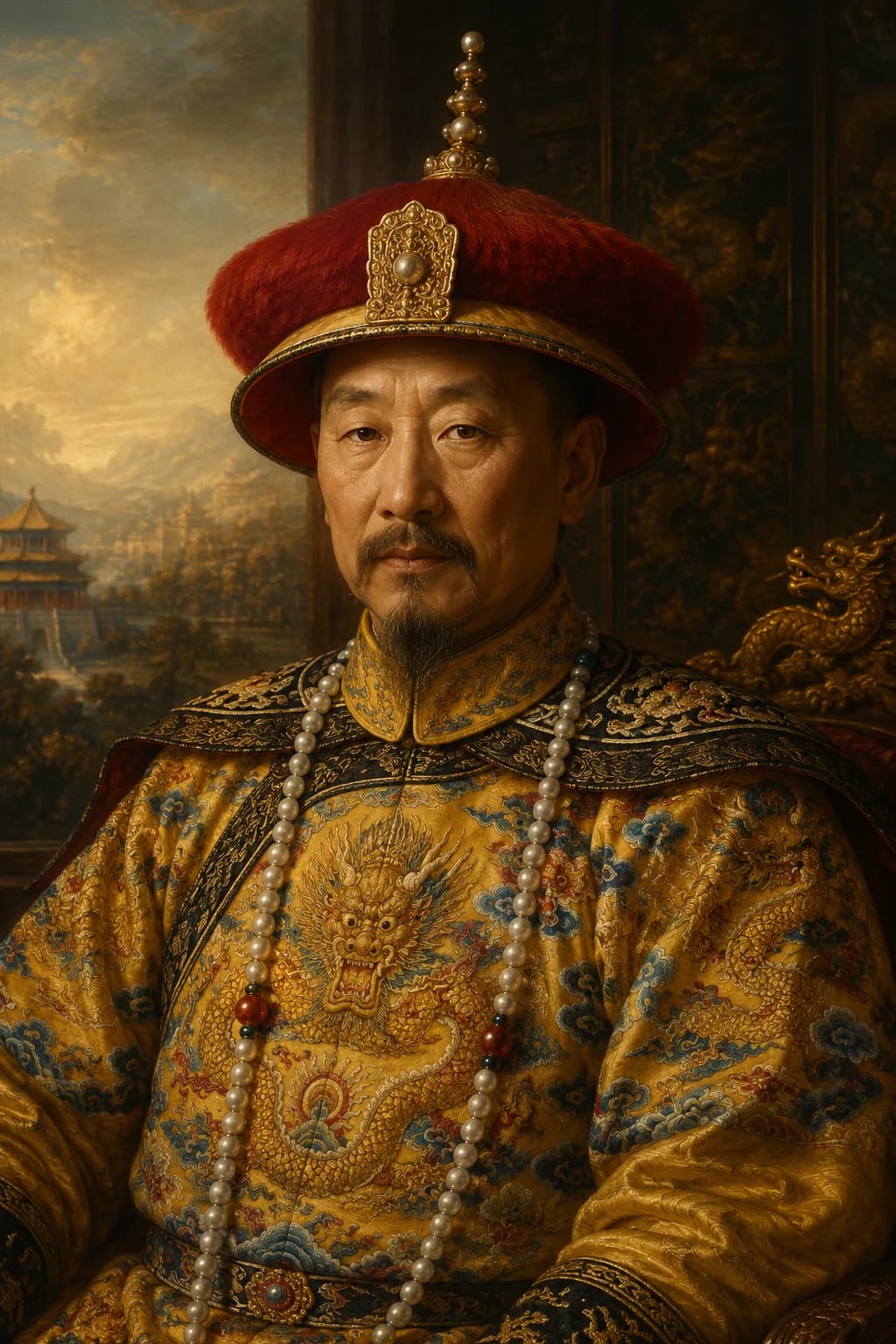
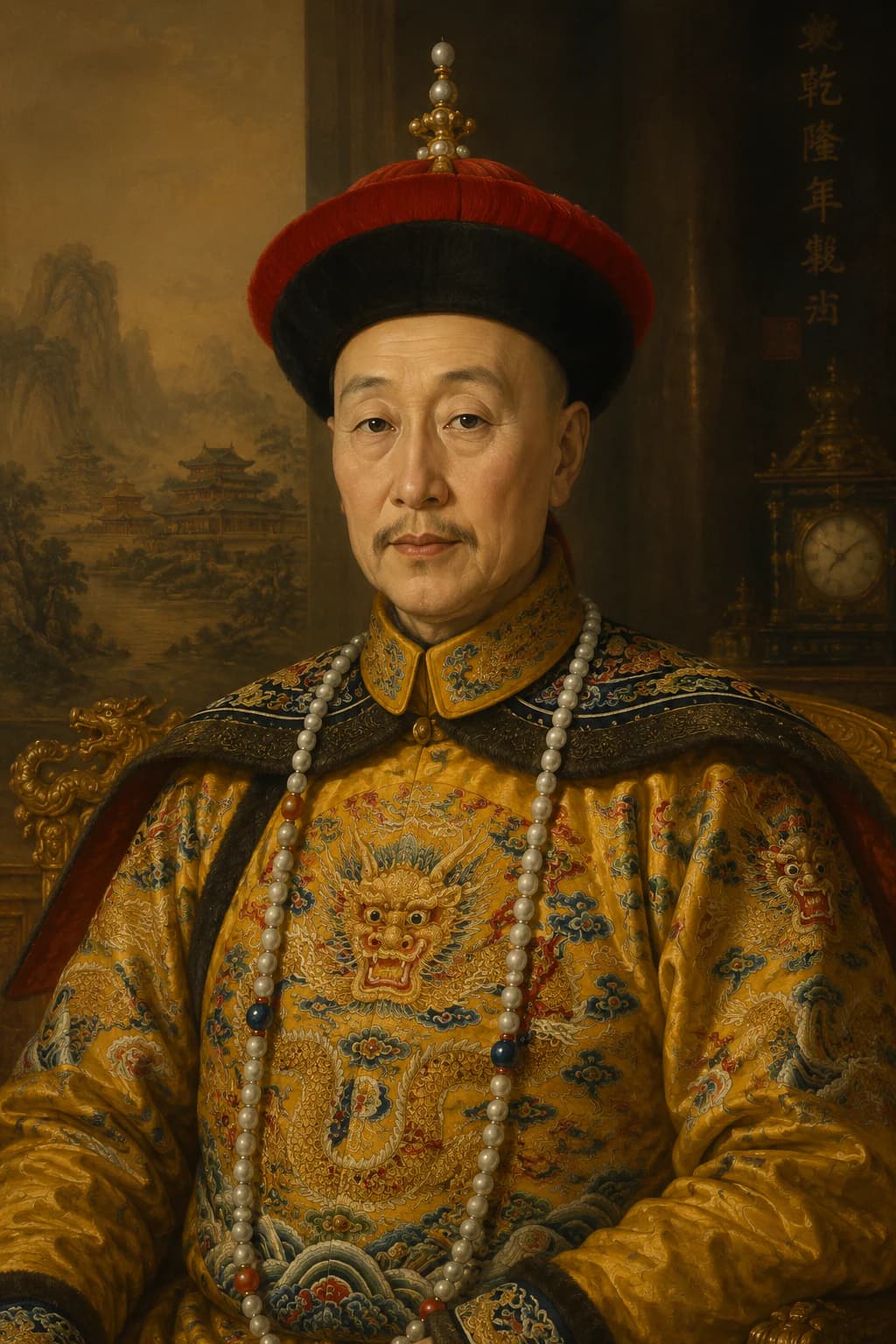
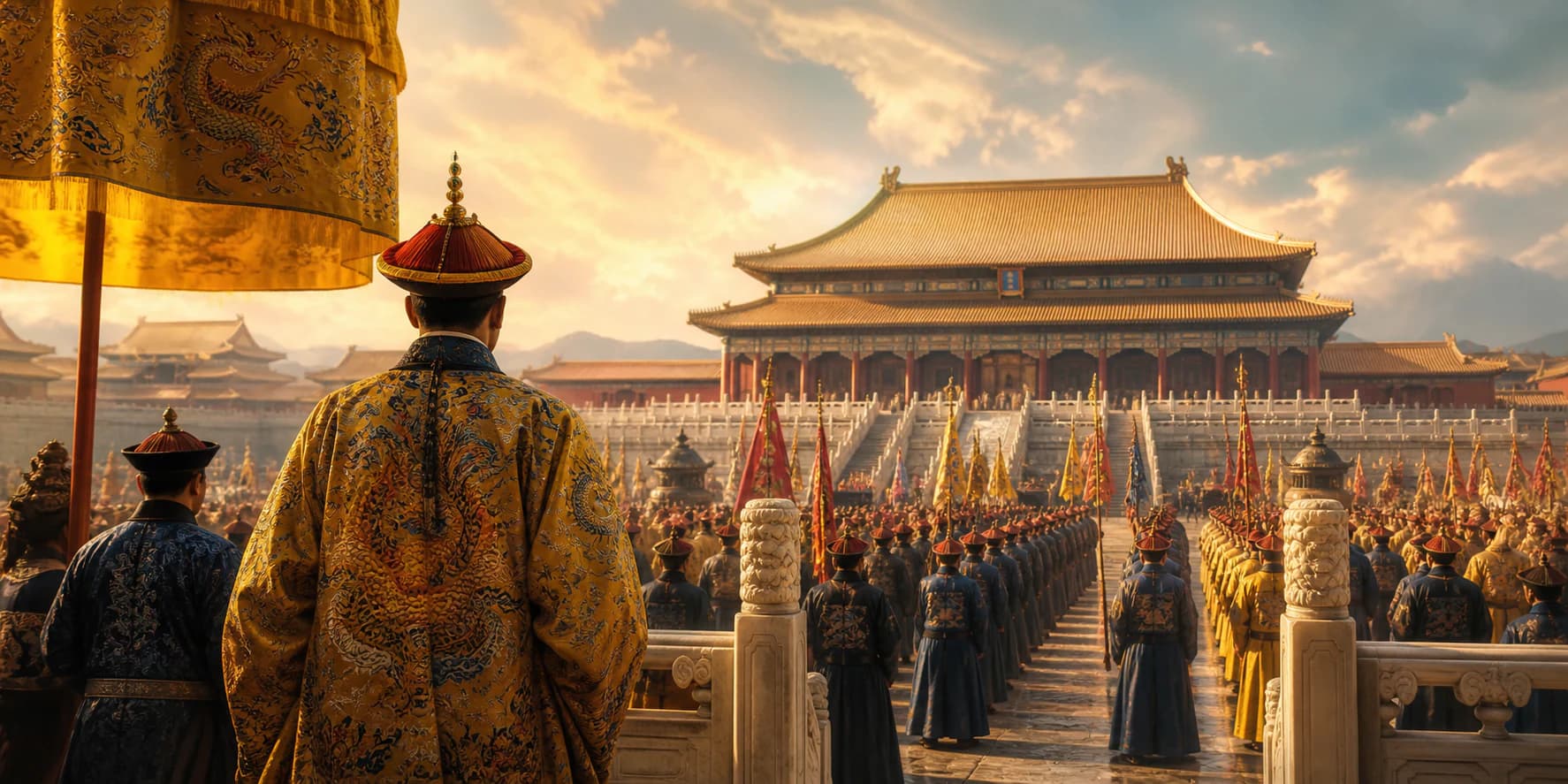
The Manchus entered in 1644 and built a state that governed a vast and diverse empire. For generations the Qing presided over prosperity and territorial expansion, but rebellion and foreign intervention put growing pressure on its rule. By the early twentieth century, the dynasty could no longer sustain imperial authority.
What you'll learn: You will follow how a Manchu minority built and governed one of history's greatest empires, why long prosperity gave way to crisis, how foreign intervention and internal rebellion transformed China, and why the dynasty's collapse in 1912 set the stage for modern China's turbulent transformation.
Key forces
- The Manchus conquered China in 1644 and founded the Qing dynasty, governing a Han majority through a combination of Manchu military power and Chinese institutional continuity.
- Under the Kangxi, Yongzheng, and Qianlong emperors, the Qing expanded into a vast multiethnic empire and oversaw long periods of prosperity and cultural achievement.
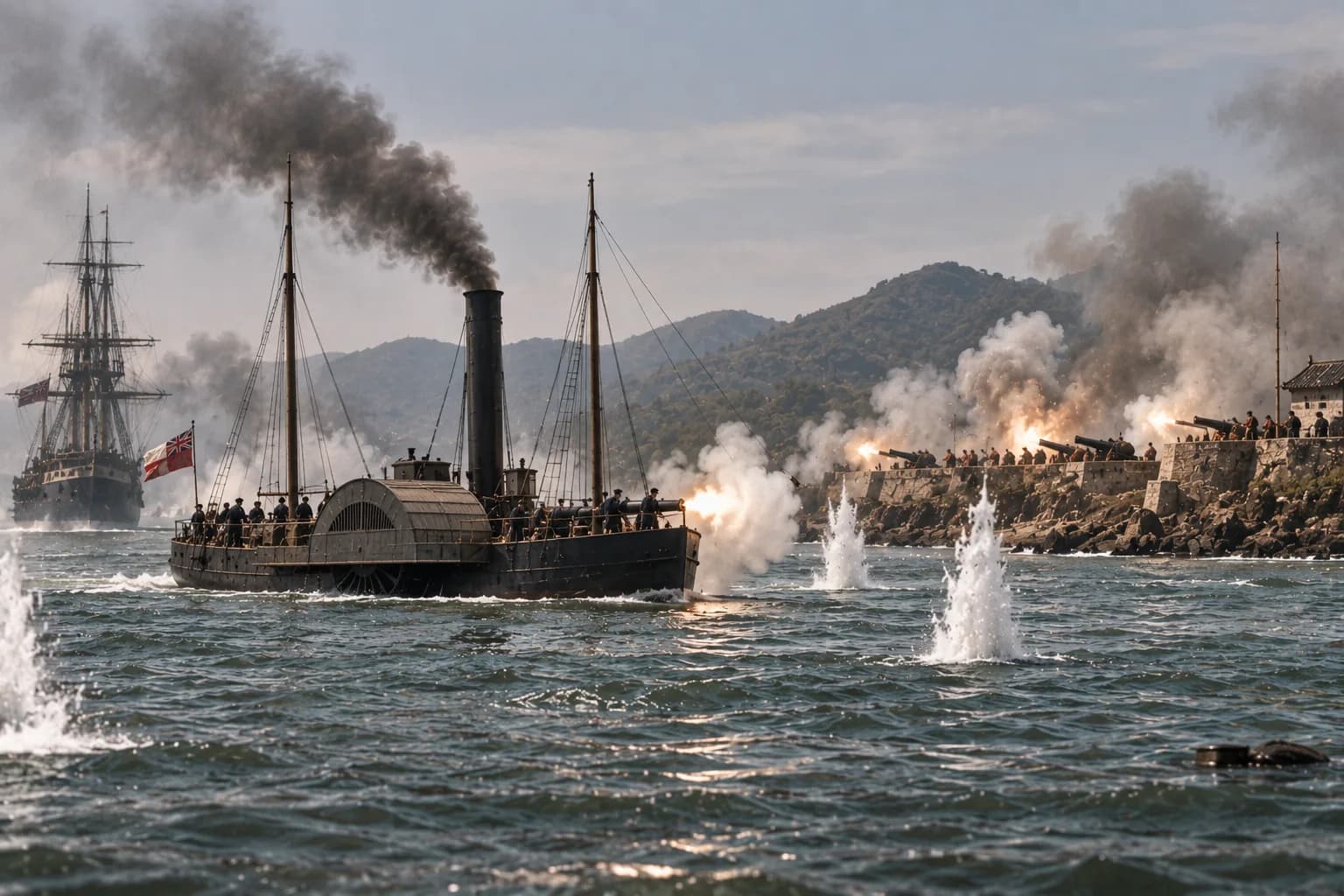
- The Opium War of 1839 to 1842 marked the beginning of sustained foreign intervention, imposing unequal treaties that eroded Qing sovereignty over the following decades.
- The Taiping Rebellion of the 1850s and 1860s was the most destructive internal crisis in the dynasty's history, killing tens of millions and forcing a shift toward decentralised regional military power.