Context
Introduction
Overview
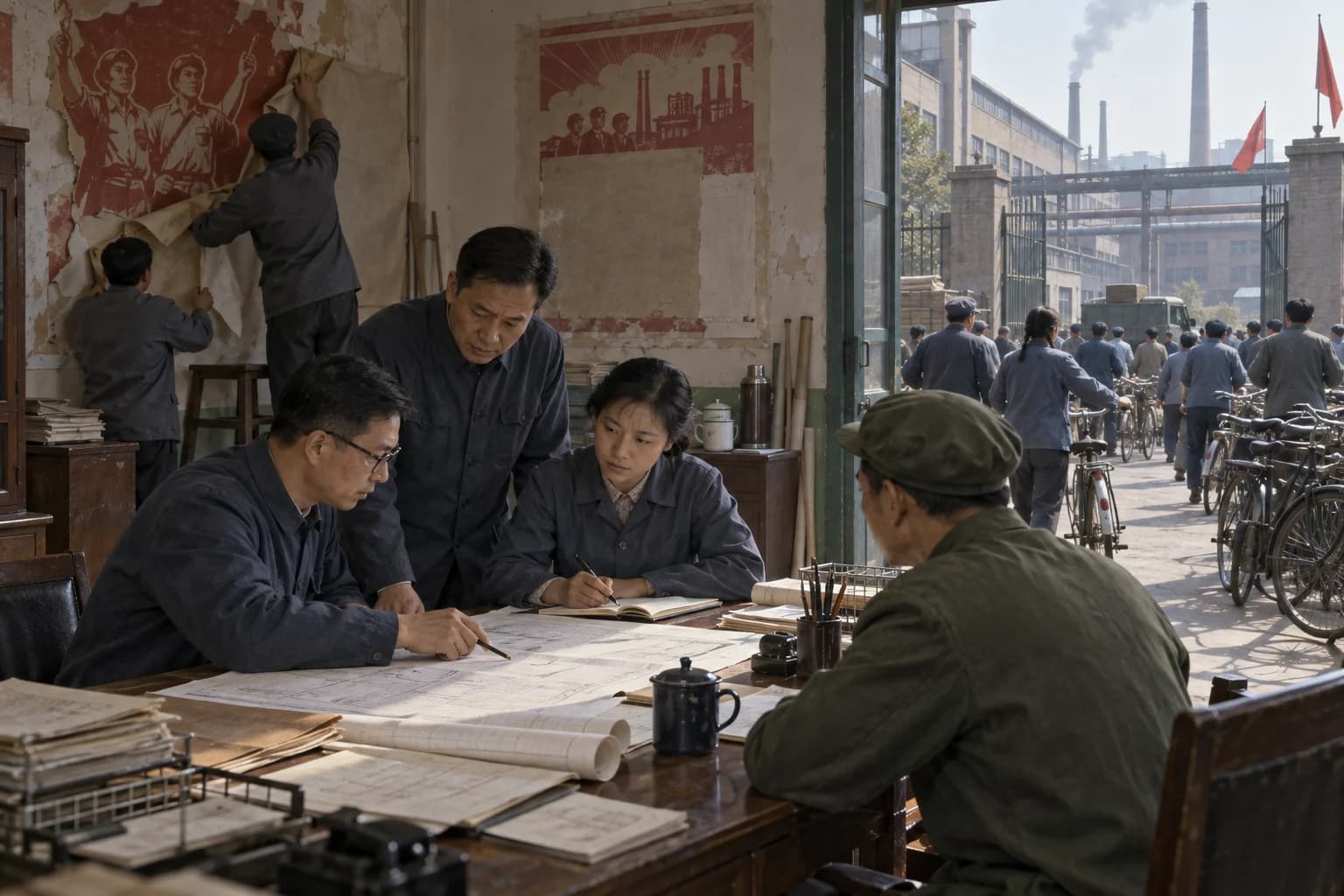
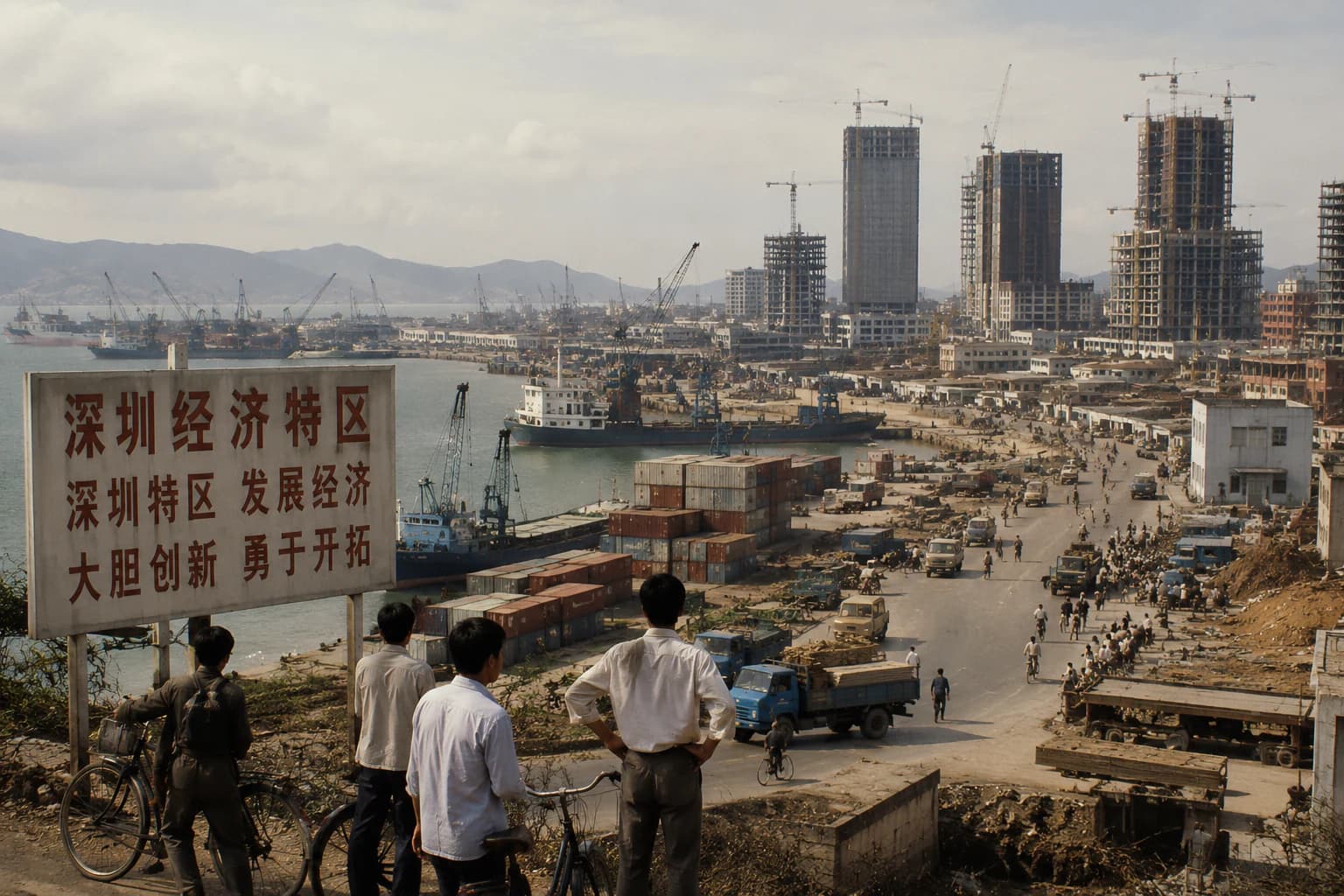
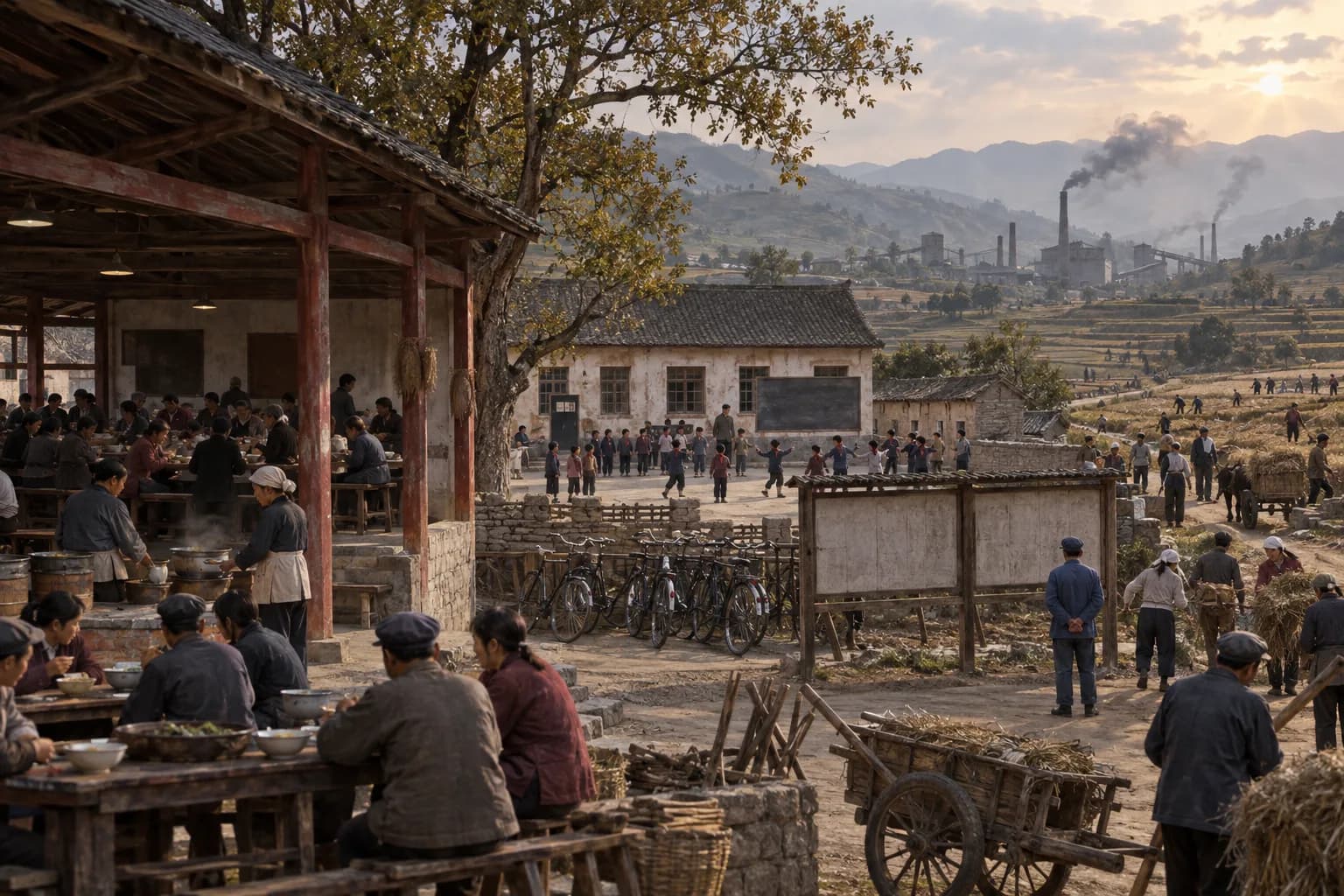
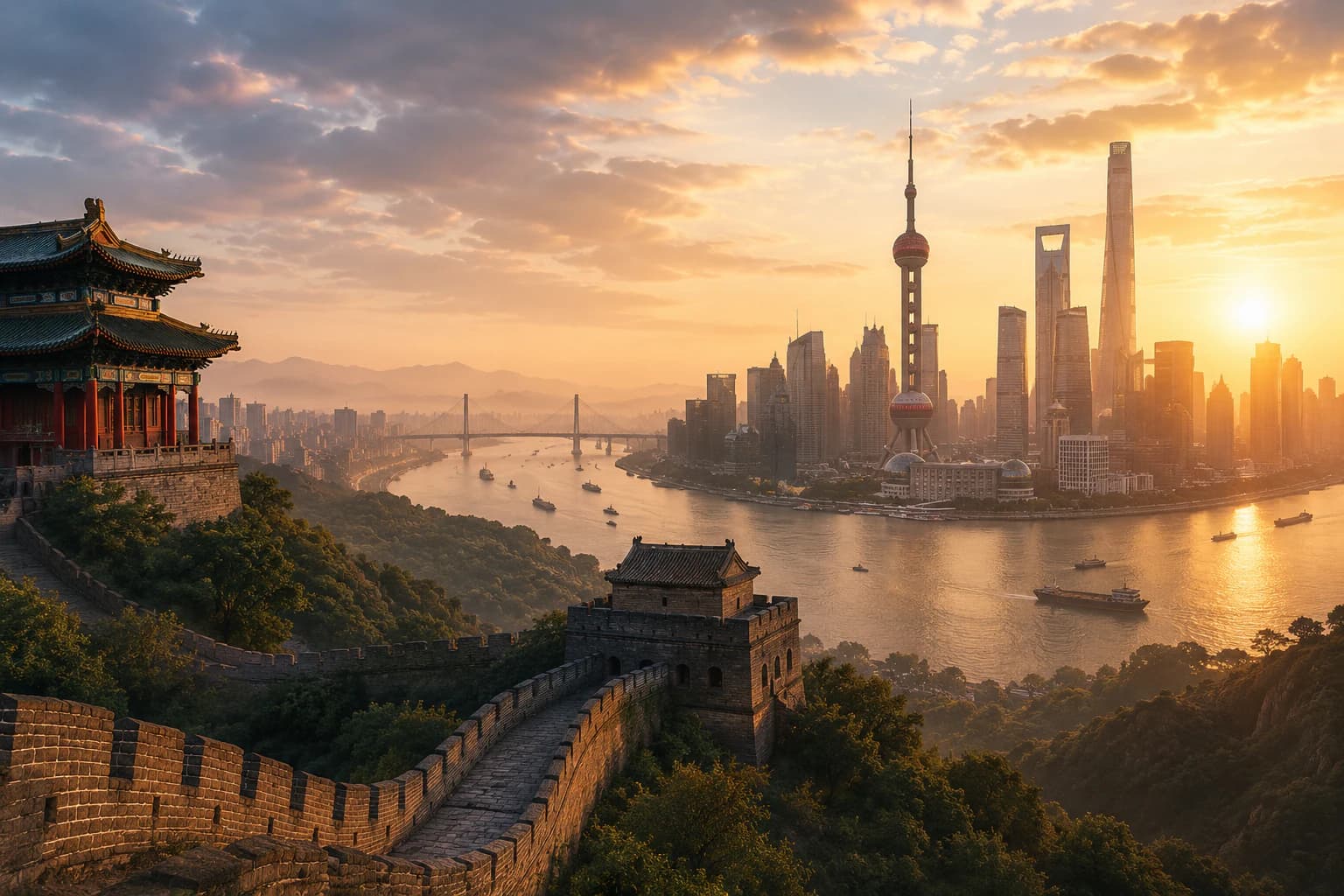
After Mao's death, China's leaders opened parts of the economy while keeping Communist Party rule. Investment, factories and migration transformed coastal cities and connected the country more deeply to global trade. The resulting growth brought new power and opportunity alongside inequality and political tension.
What you'll learn: You will see how China combined market reform, mass urban growth, industrial power, and party control to become a global heavyweight—and why that rise created new tensions at home and abroad.
Key forces
- Mao's death in 1976 left China politically traumatized and economically weak after the Cultural Revolution.
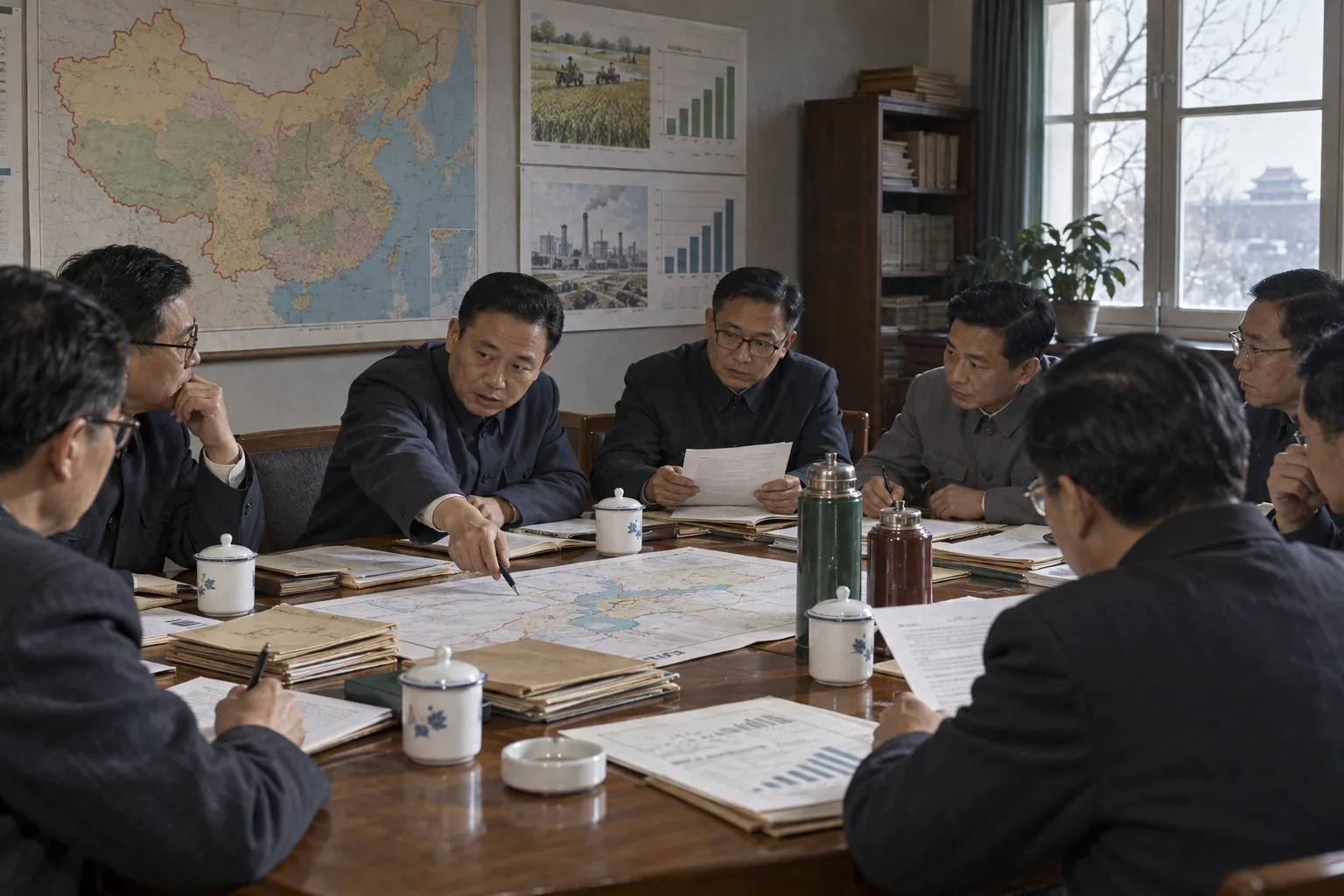
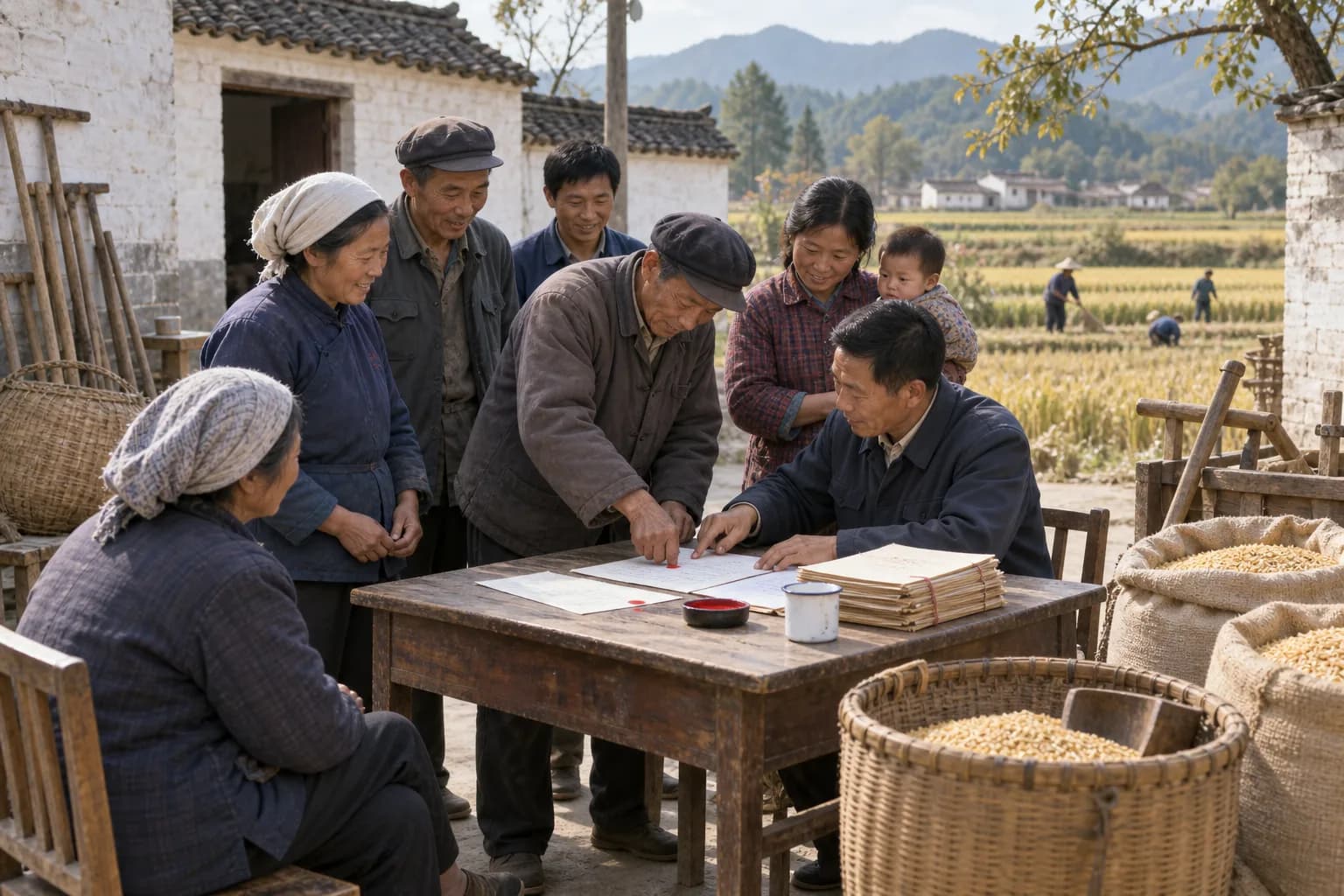
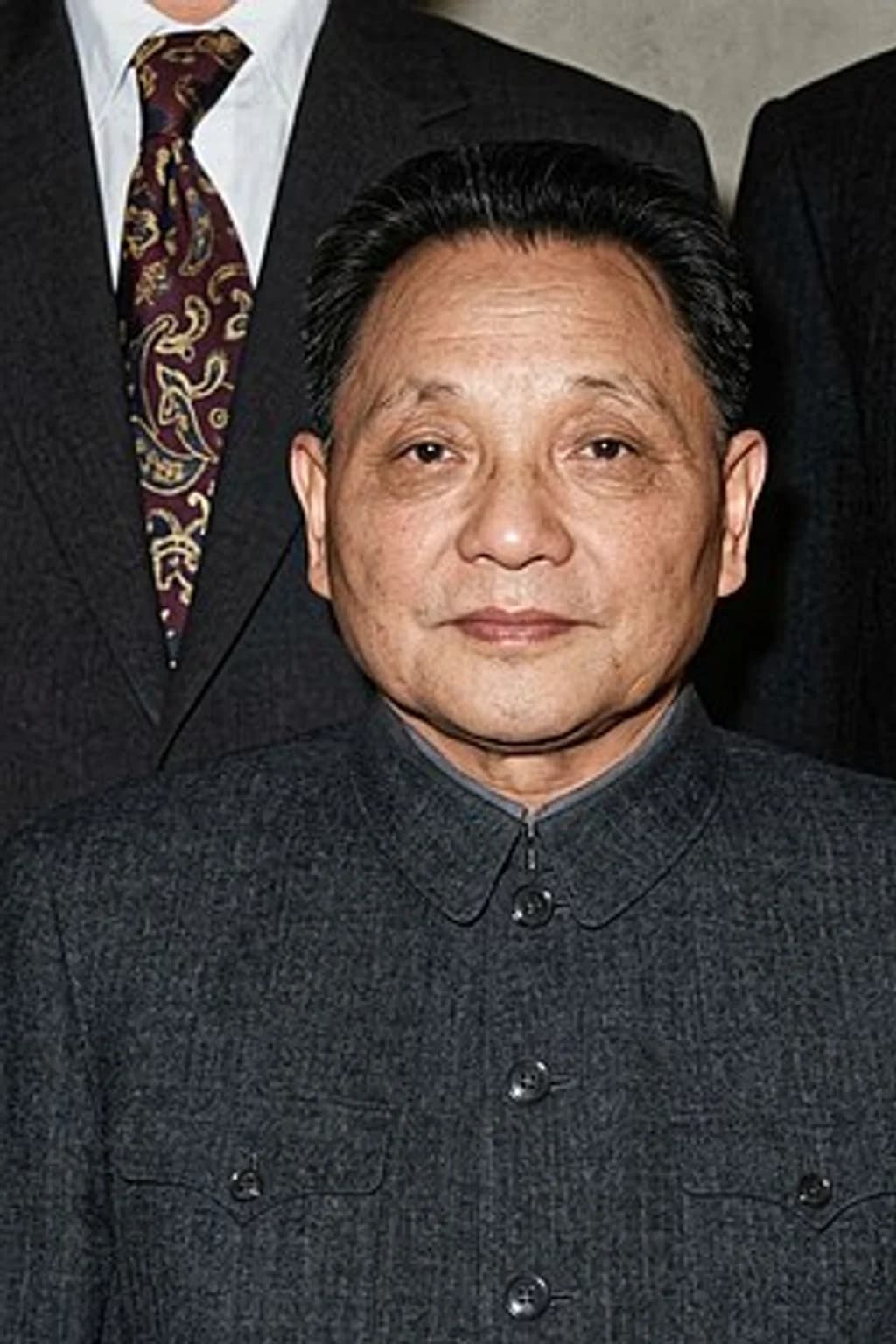
- Deng Xiaoping's reform era shifted China toward practical growth, rural incentives, foreign investment, and export manufacturing.
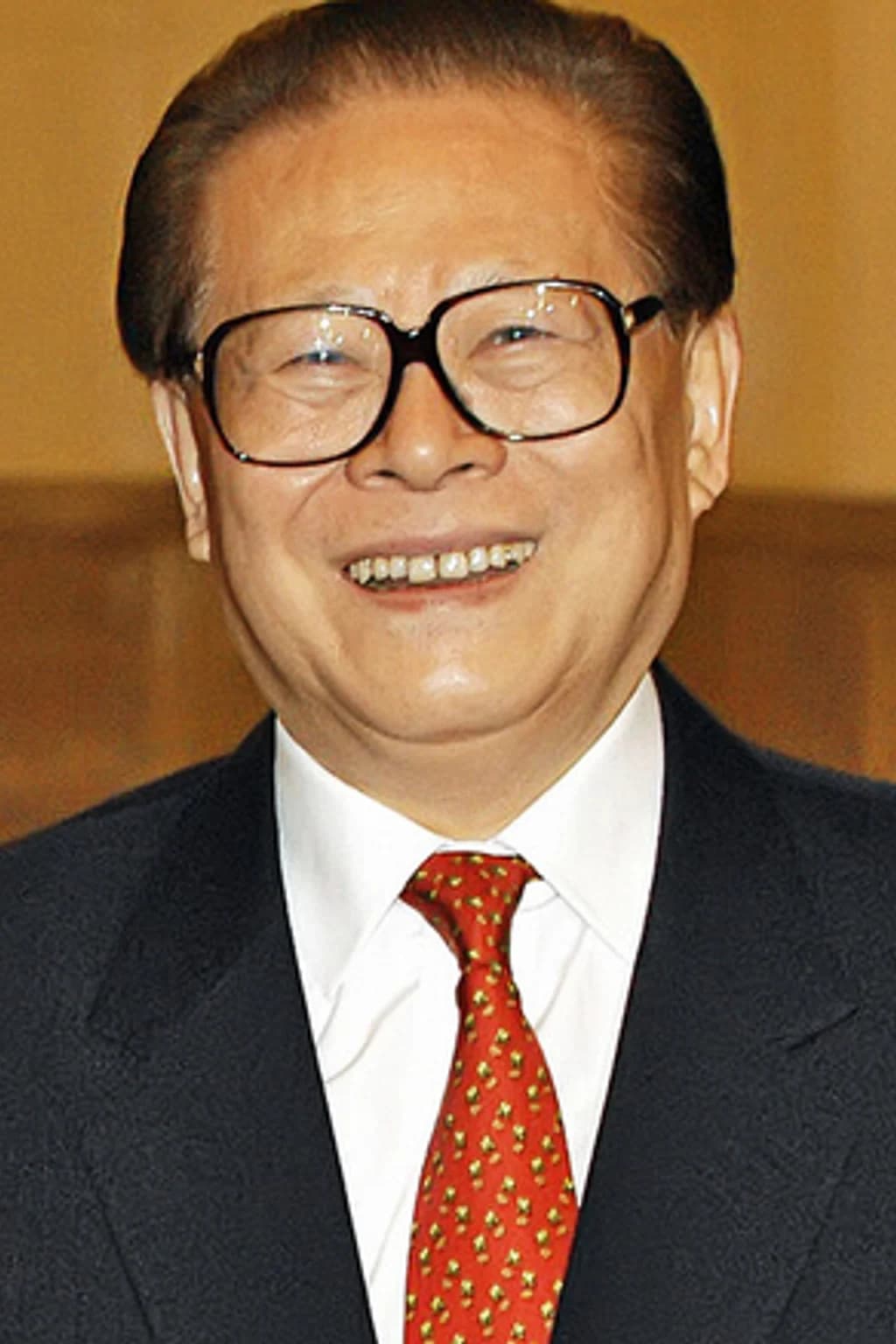
- China joined global supply chains without abandoning one-party rule, producing both prosperity and tighter political control.
- Urbanisation, industrial expansion, and technological ambition turned China into a central force in the world economy.