Context
Introduction
Overview
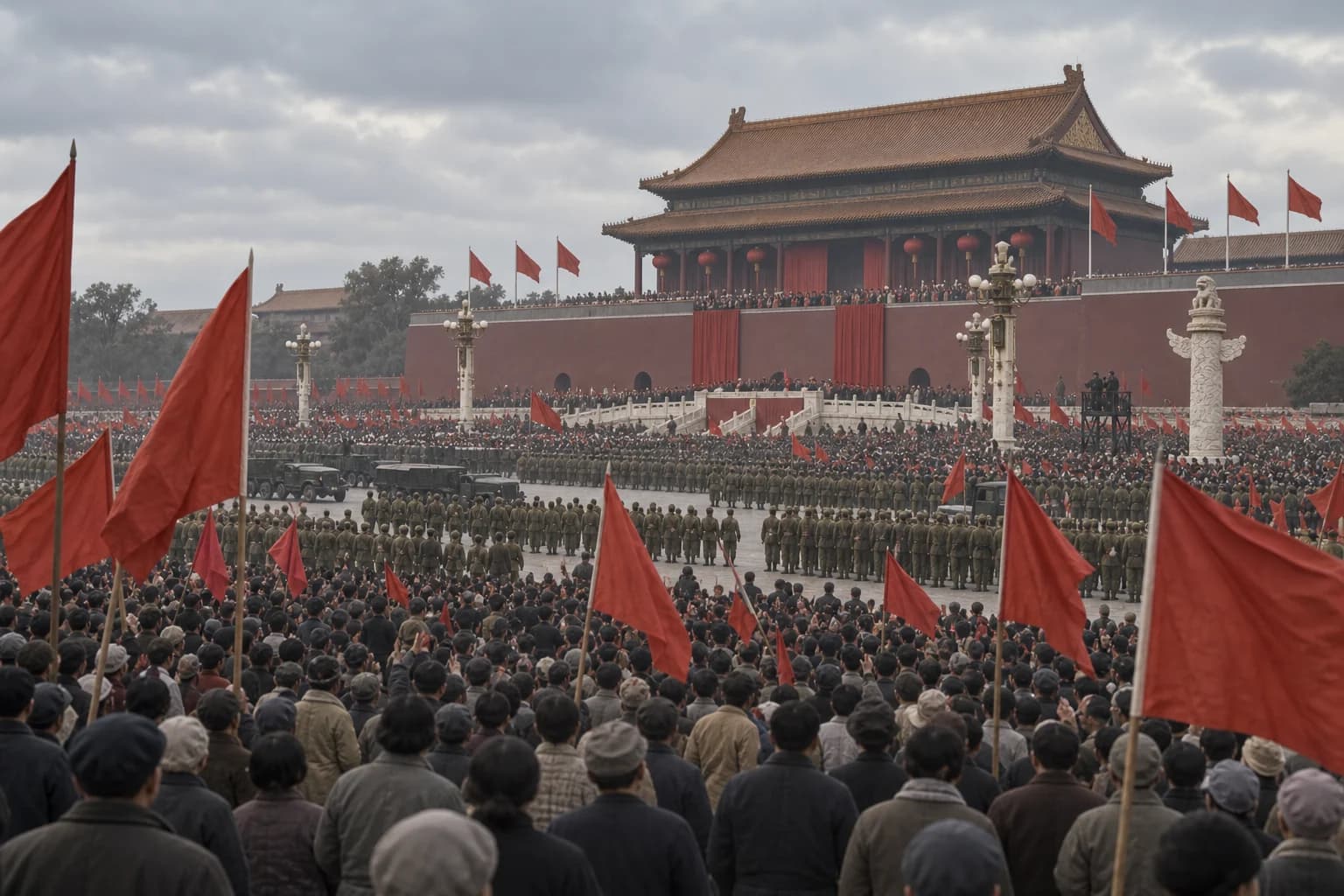
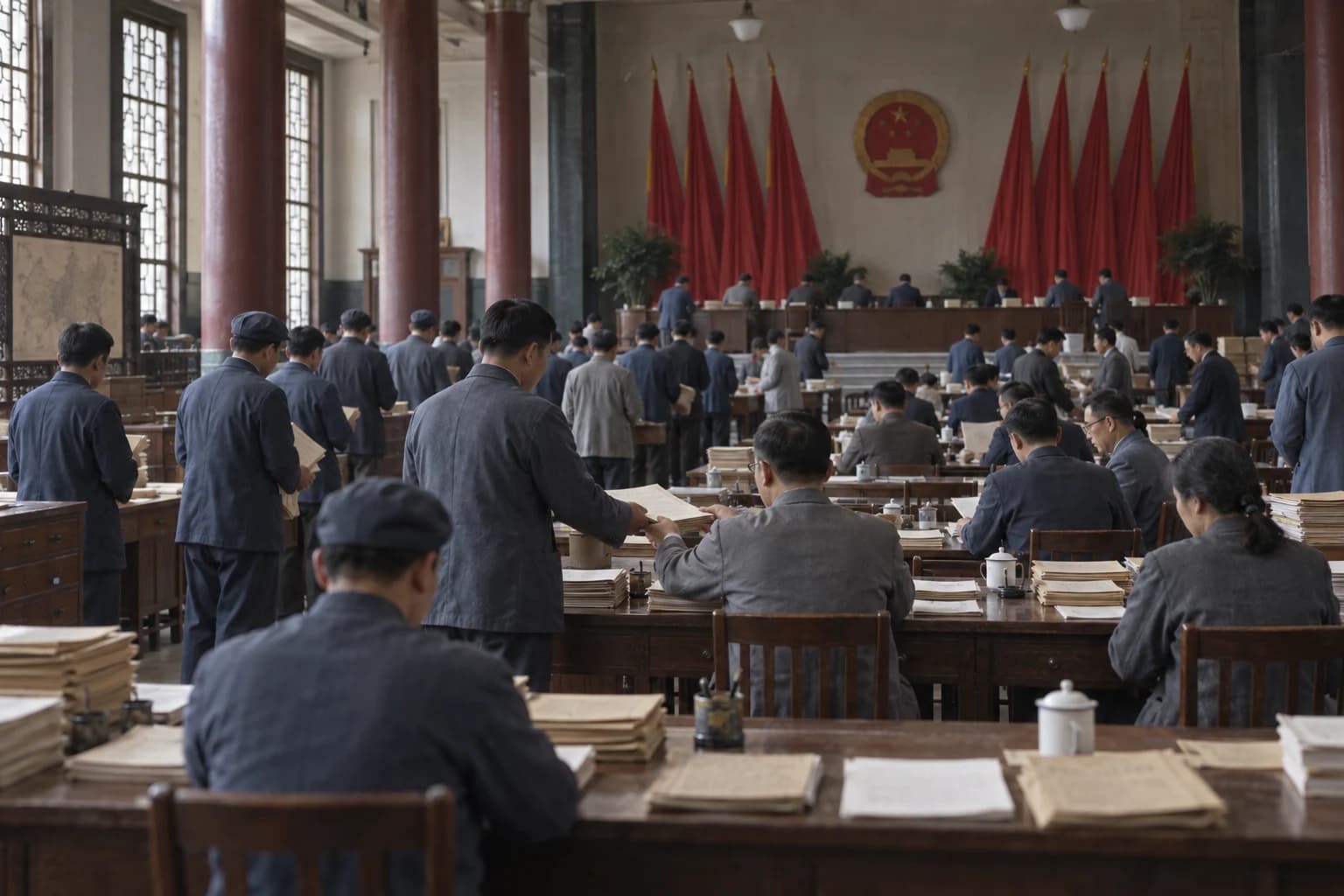
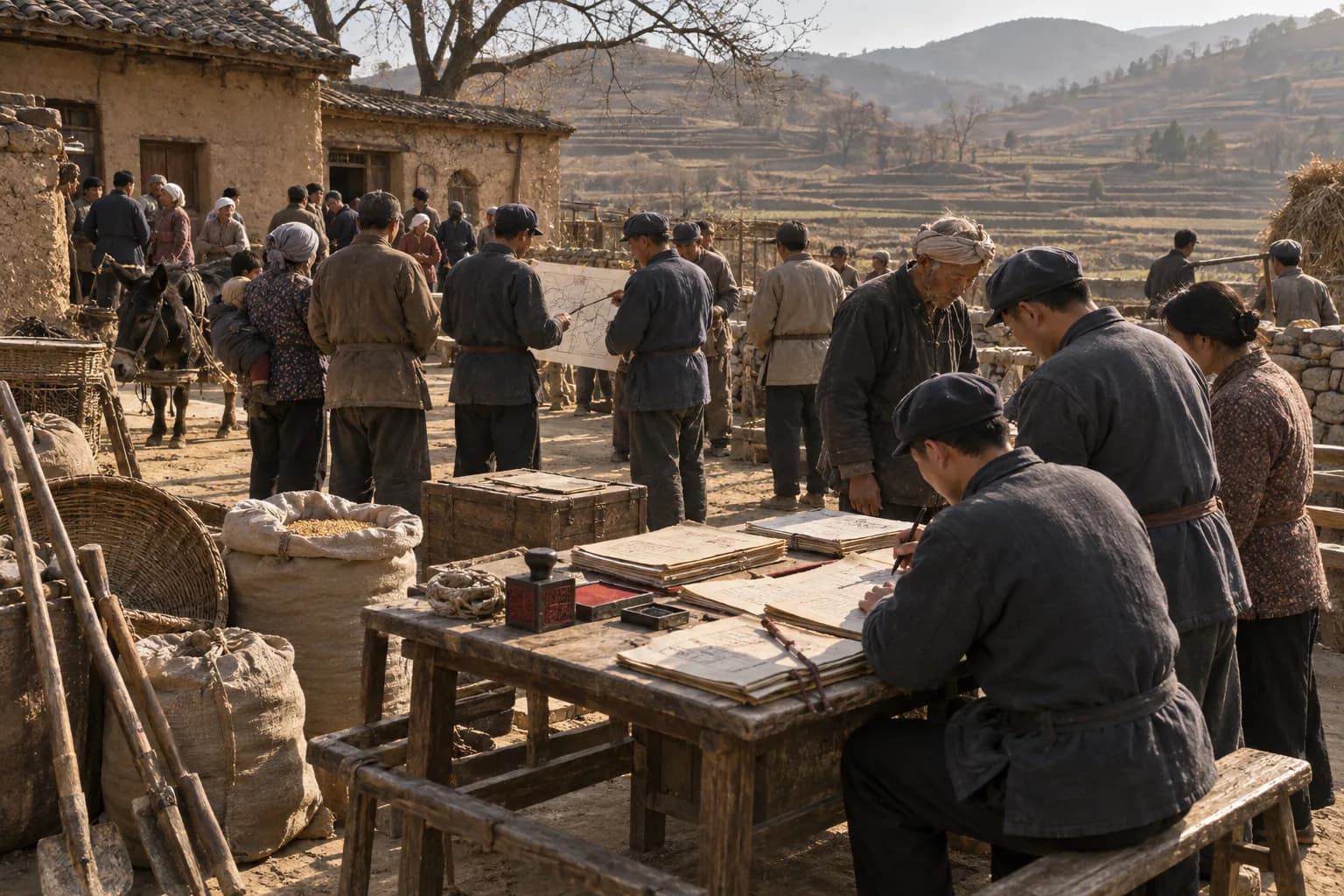
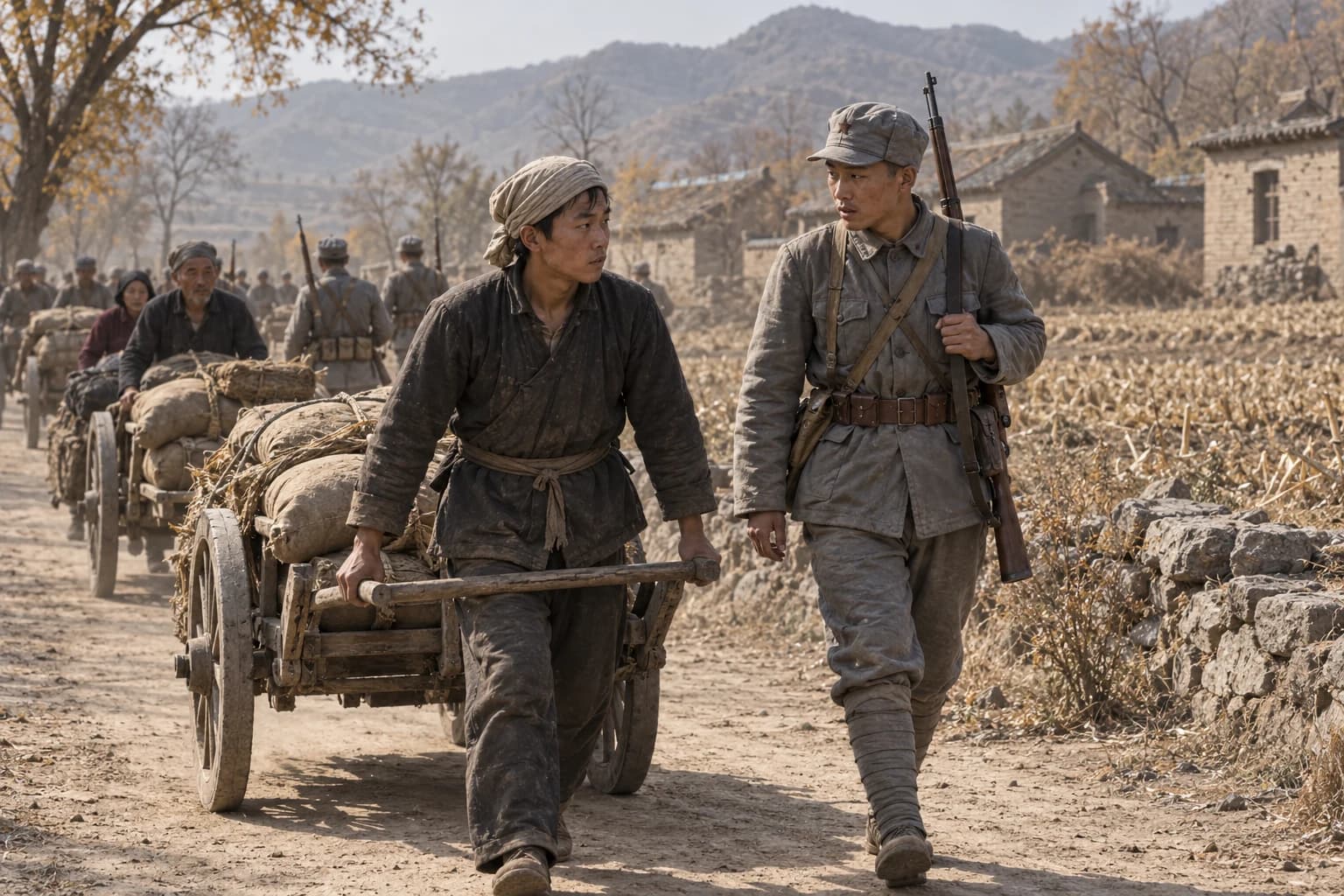
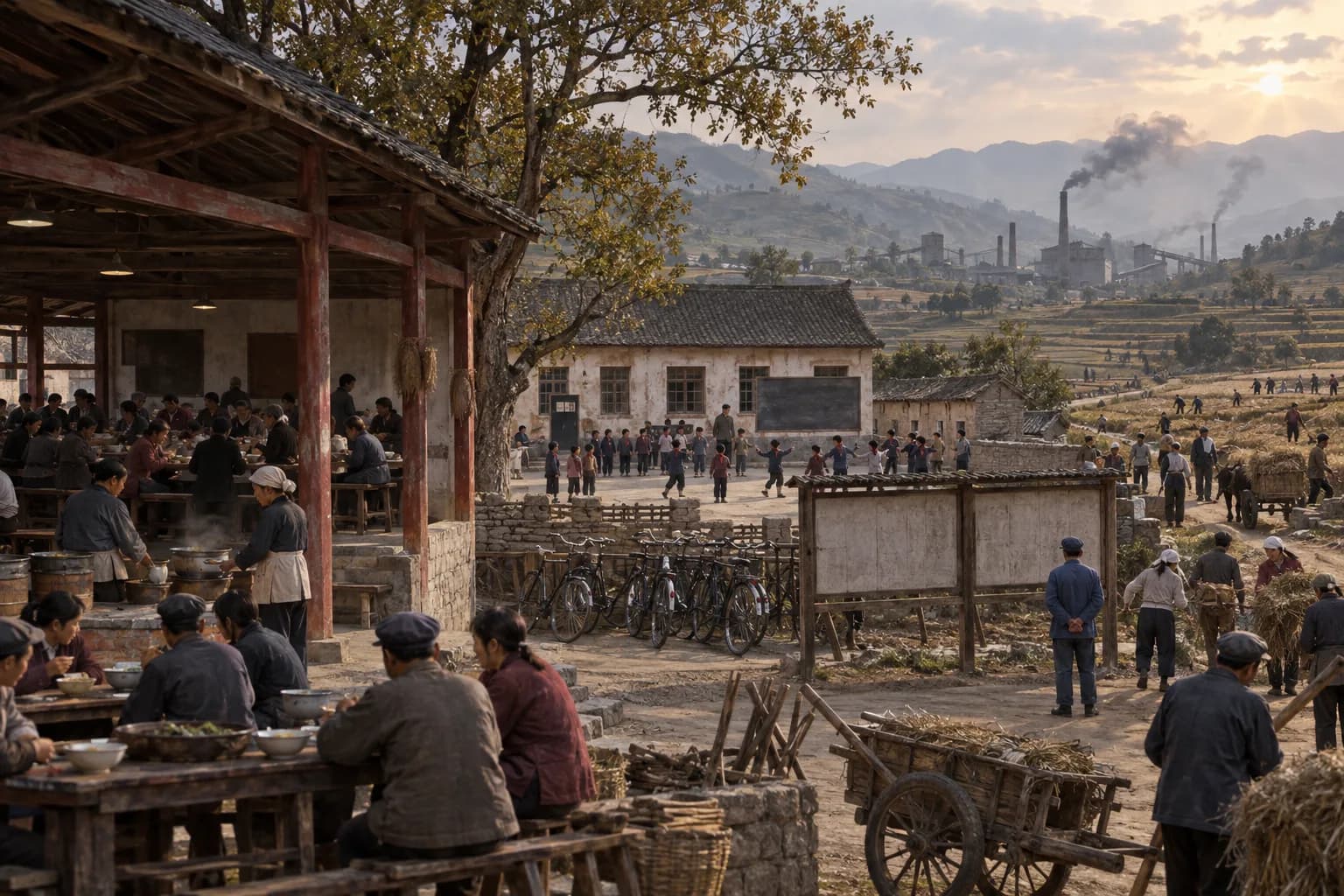
After 1949, Mao Zedong and the Chinese Communist Party built a new state that promised equality and national strength. Land reform and rapid political change gave way to campaigns that transformed daily life and caused immense upheaval. Mao's rule left China with stronger central institutions and deep social trauma.
What you'll learn: You will see how Mao's revolution built a strong party-state, why radical campaigns caused catastrophe, and how this era still frames Chinese politics today.
Key forces
- Communist victory in 1949 created a new one-party state under Mao Zedong.
- Land reform and collectivisation transformed rural China while using coercion and political struggle.
- Industrial drives and mass campaigns aimed for rapid socialist transformation but produced severe distortions.
- The Great Leap Forward famine and Cultural Revolution inflicted immense social and human damage.