Context
Introduction
Overview
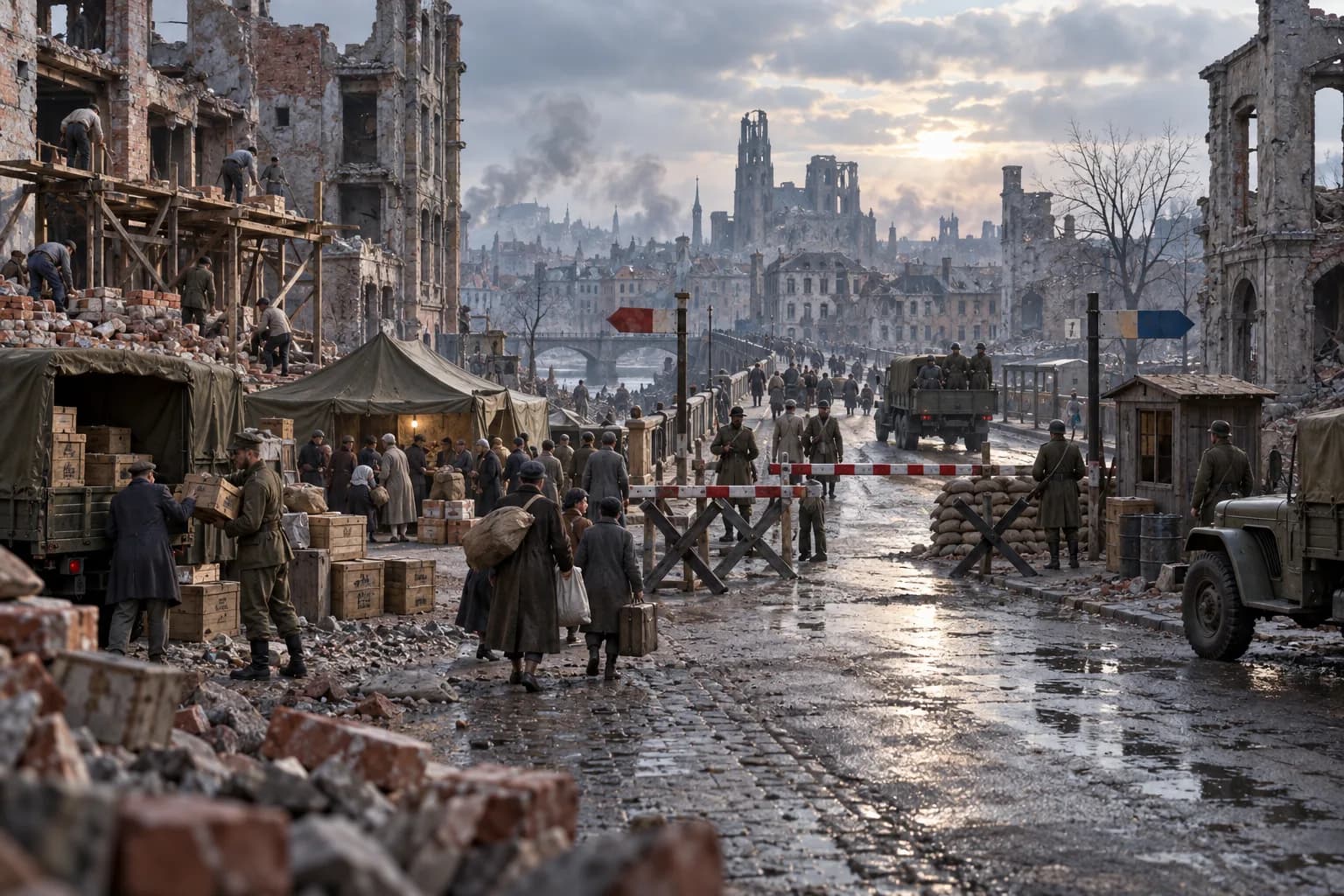
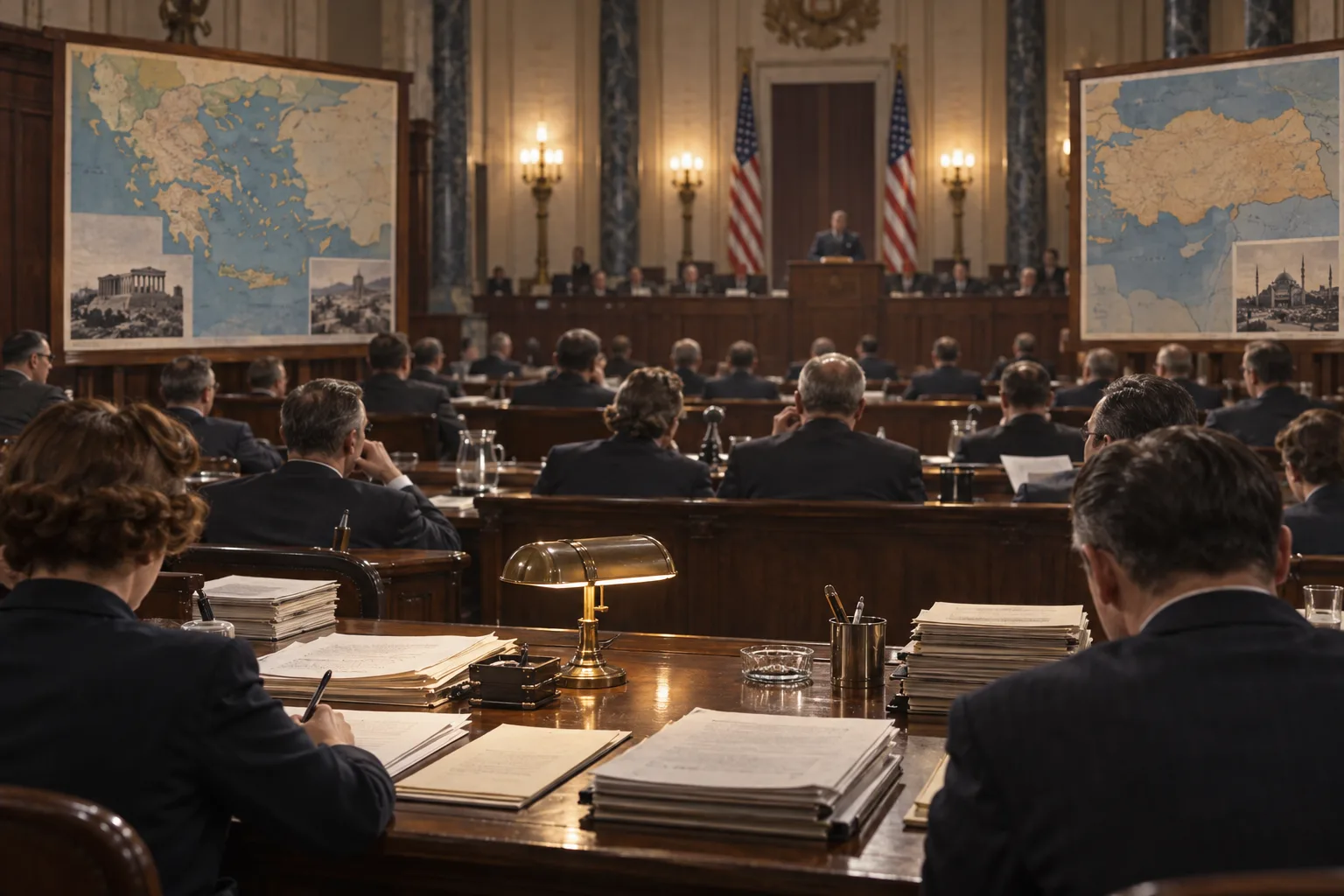
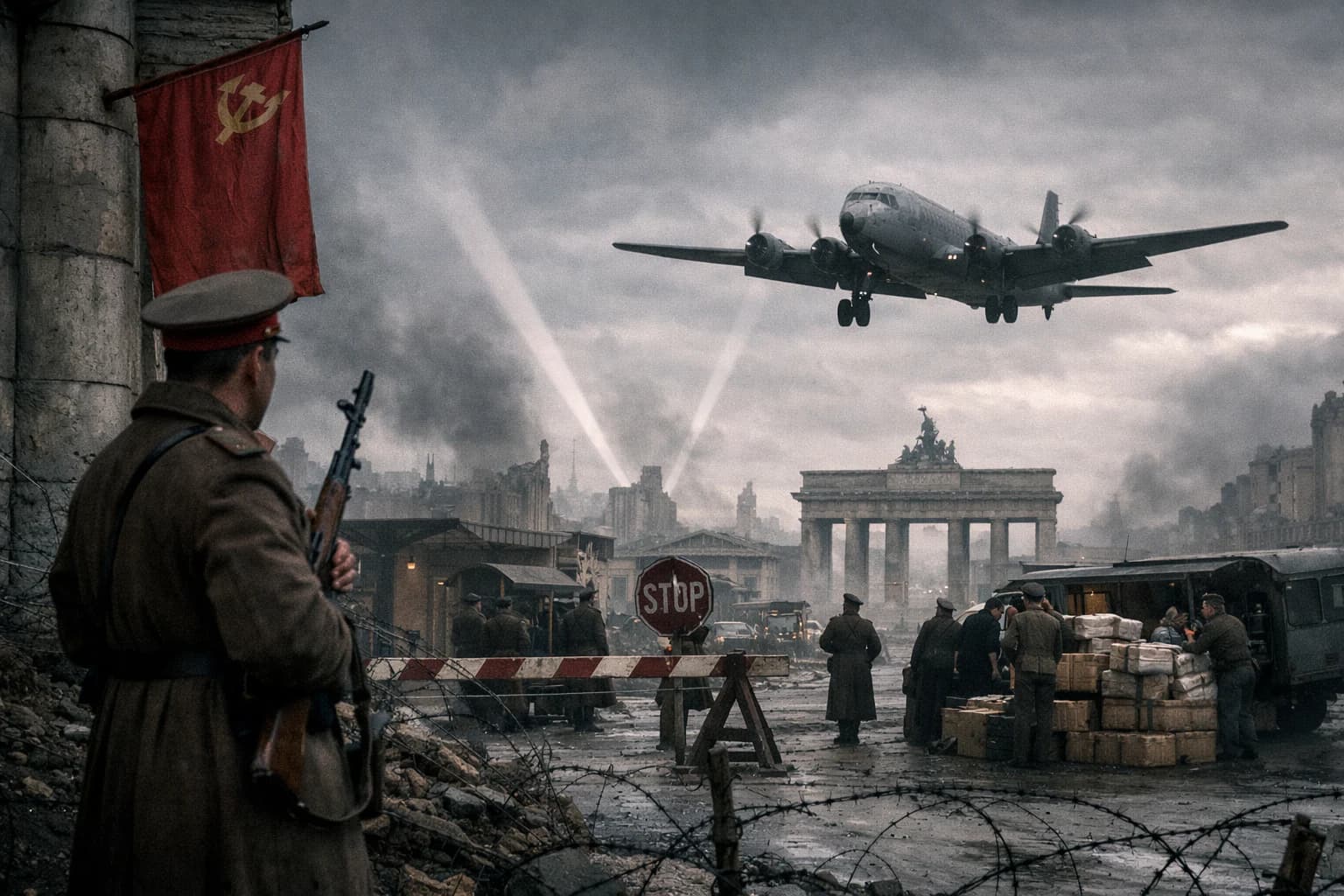
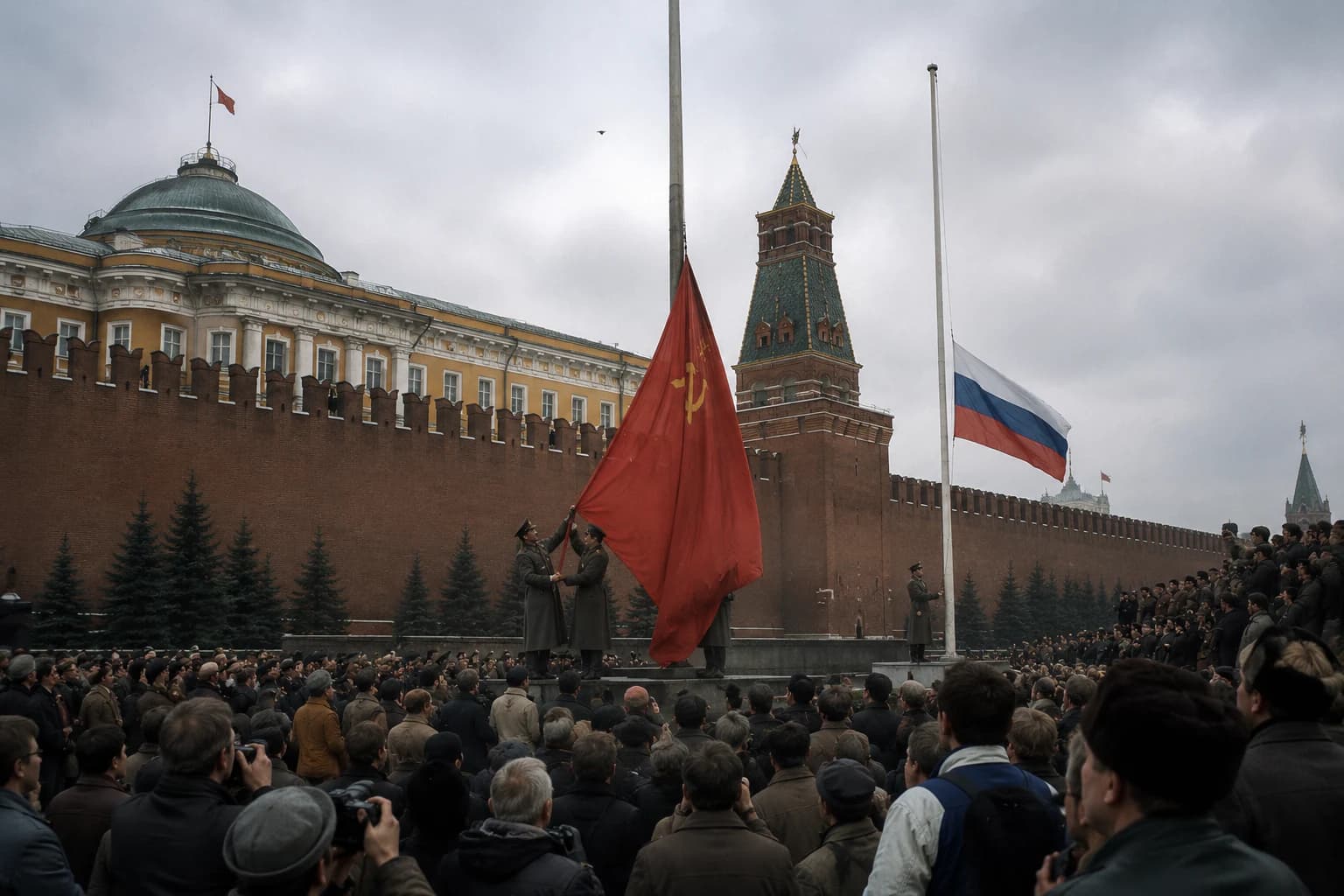
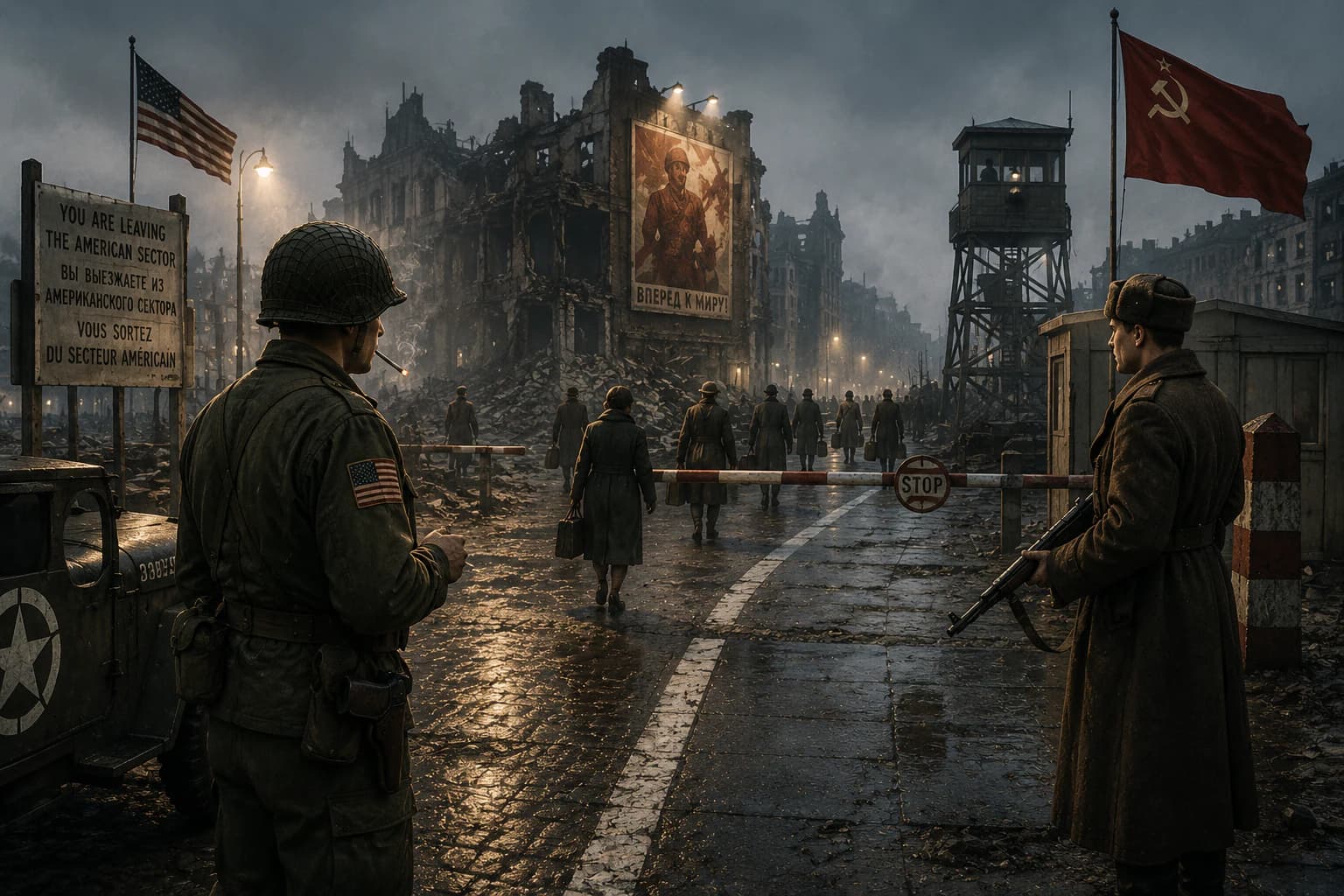
After the Second World War, wartime allies became rivals in a divided world. The United States and the Soviet Union avoided direct war with one another, but their competition shaped alliances, revolutions and conflicts across the globe. The rivalry ended with the collapse of Soviet power, leaving consequences that reached well beyond 1991.
What you’ll learn: You’ll understand how a rivalry without a direct superpower war still dominated the world for nearly half a century. This story explains how ideology, nuclear fear, regional conflict, and global alliances shaped everyday politics across the planet.
Key forces
- The Cold War turned ideological conflict between capitalism and communism into the main organizing force of global politics.
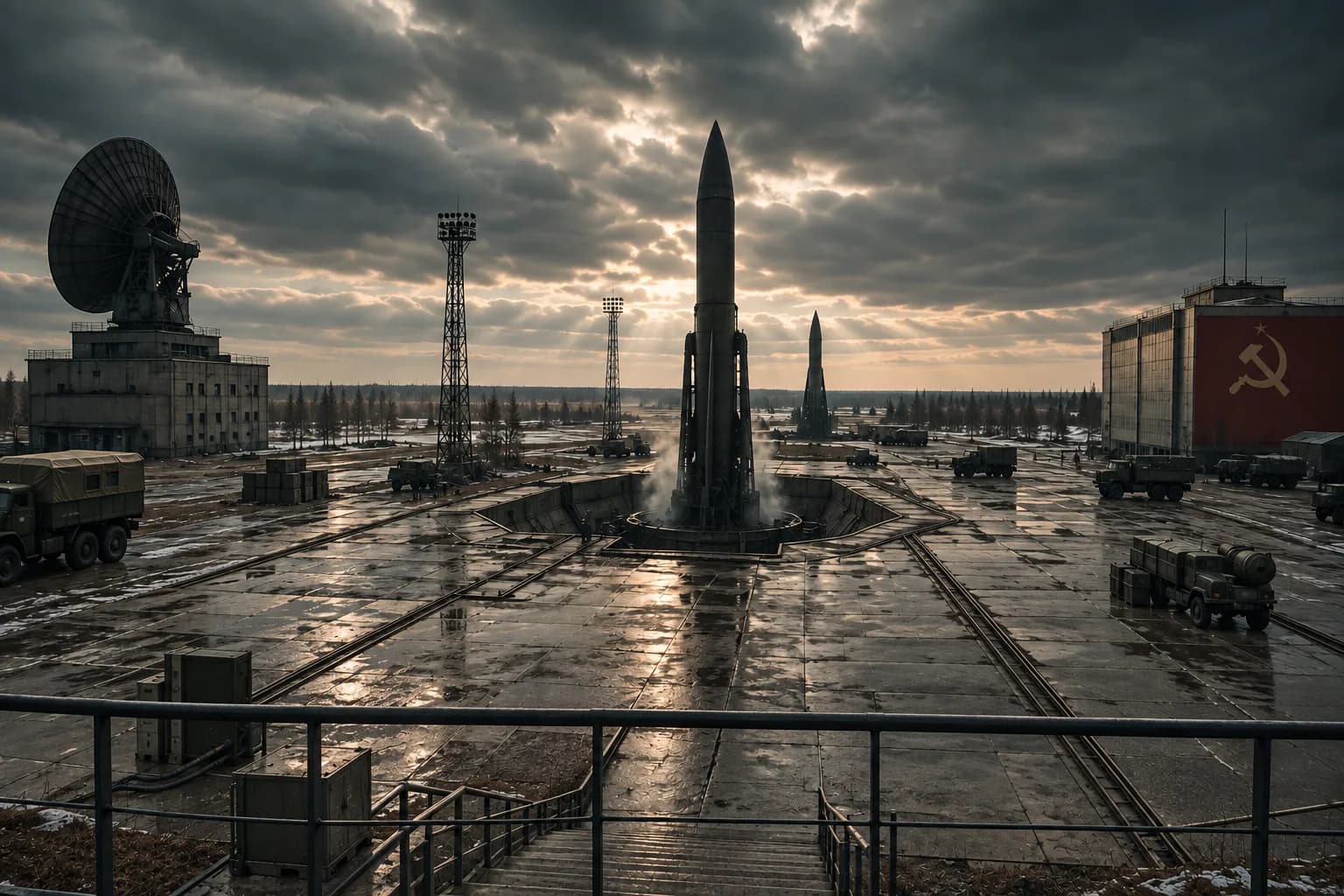
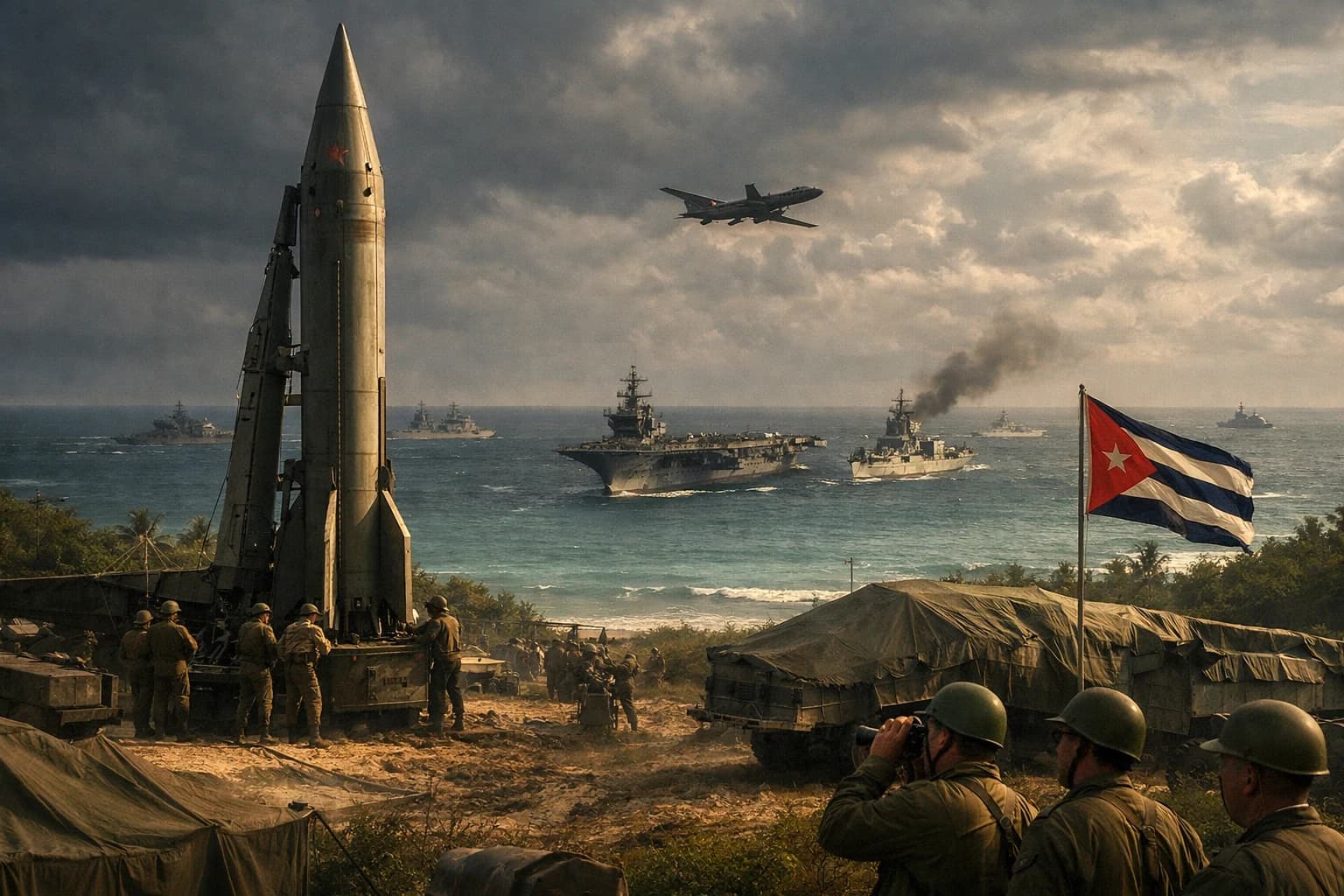
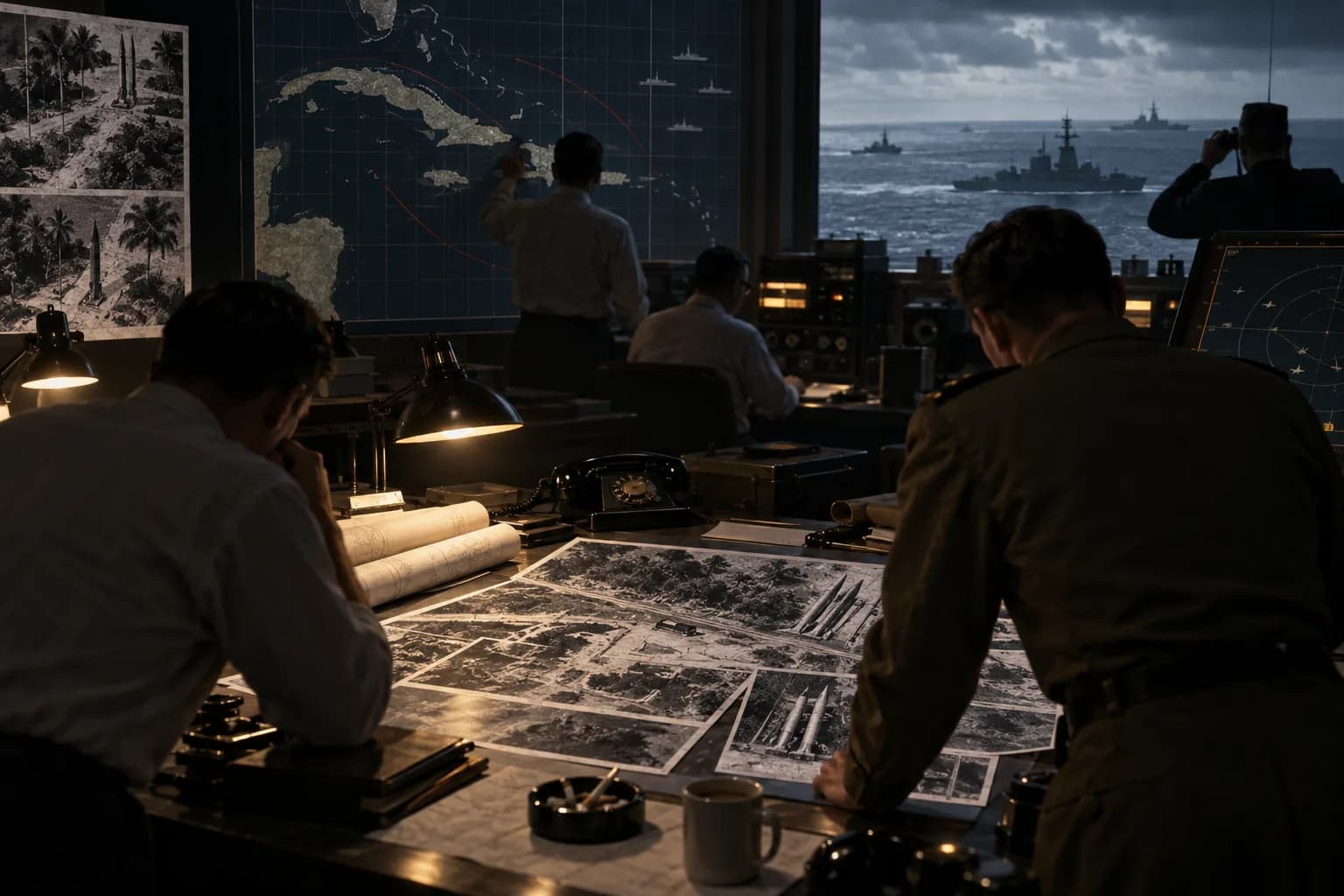
- Nuclear weapons prevented direct superpower war but made every major crisis potentially catastrophic.
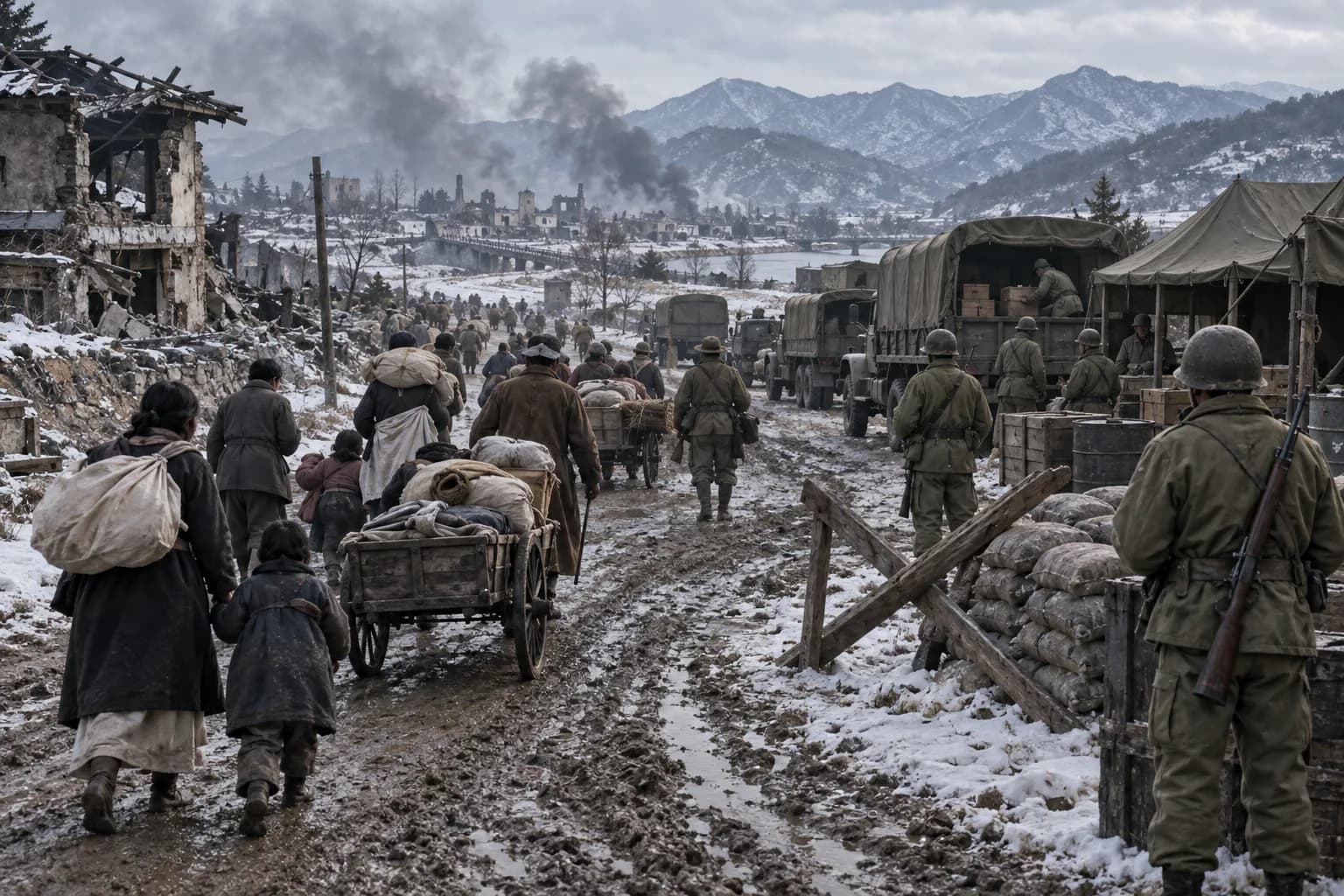
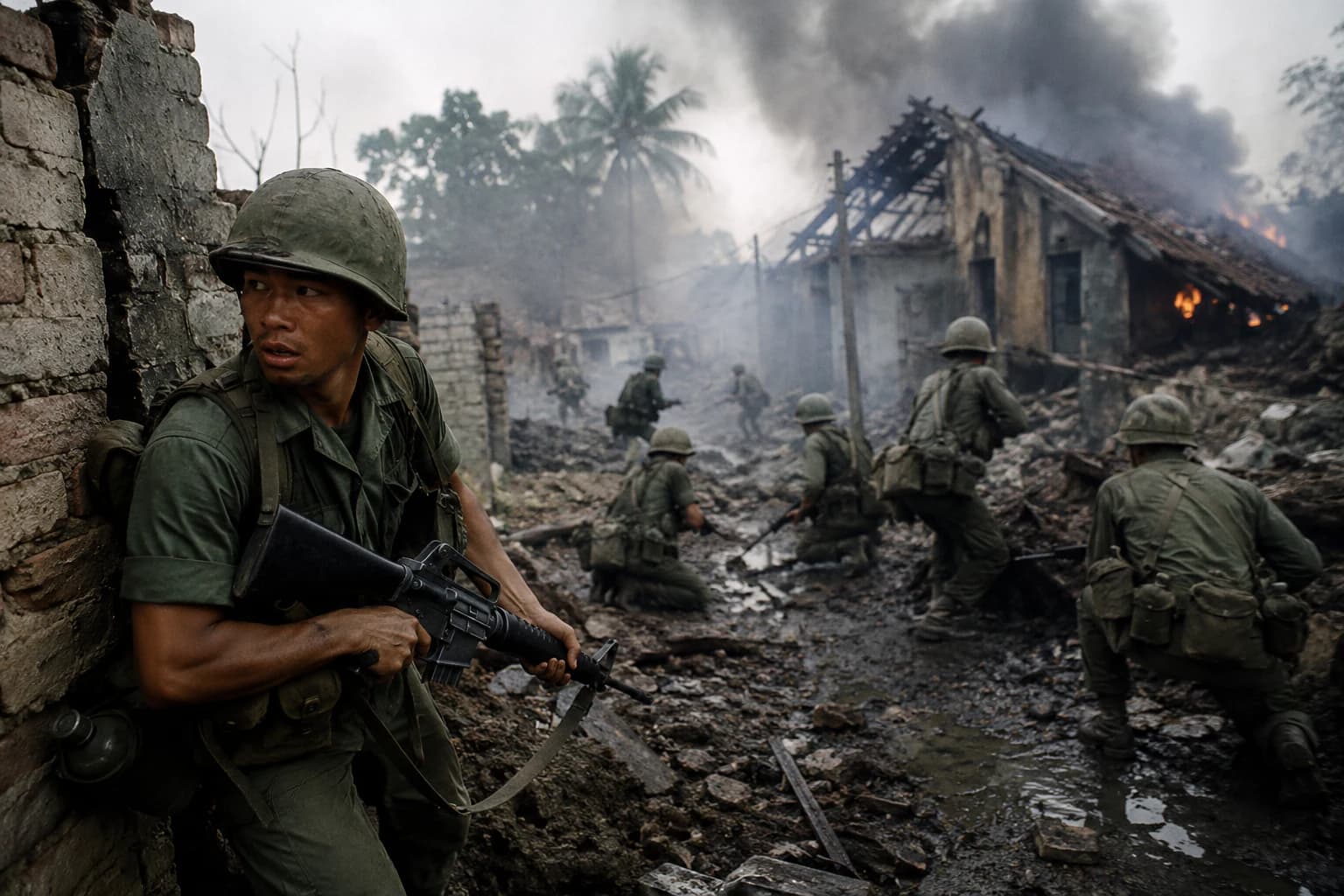
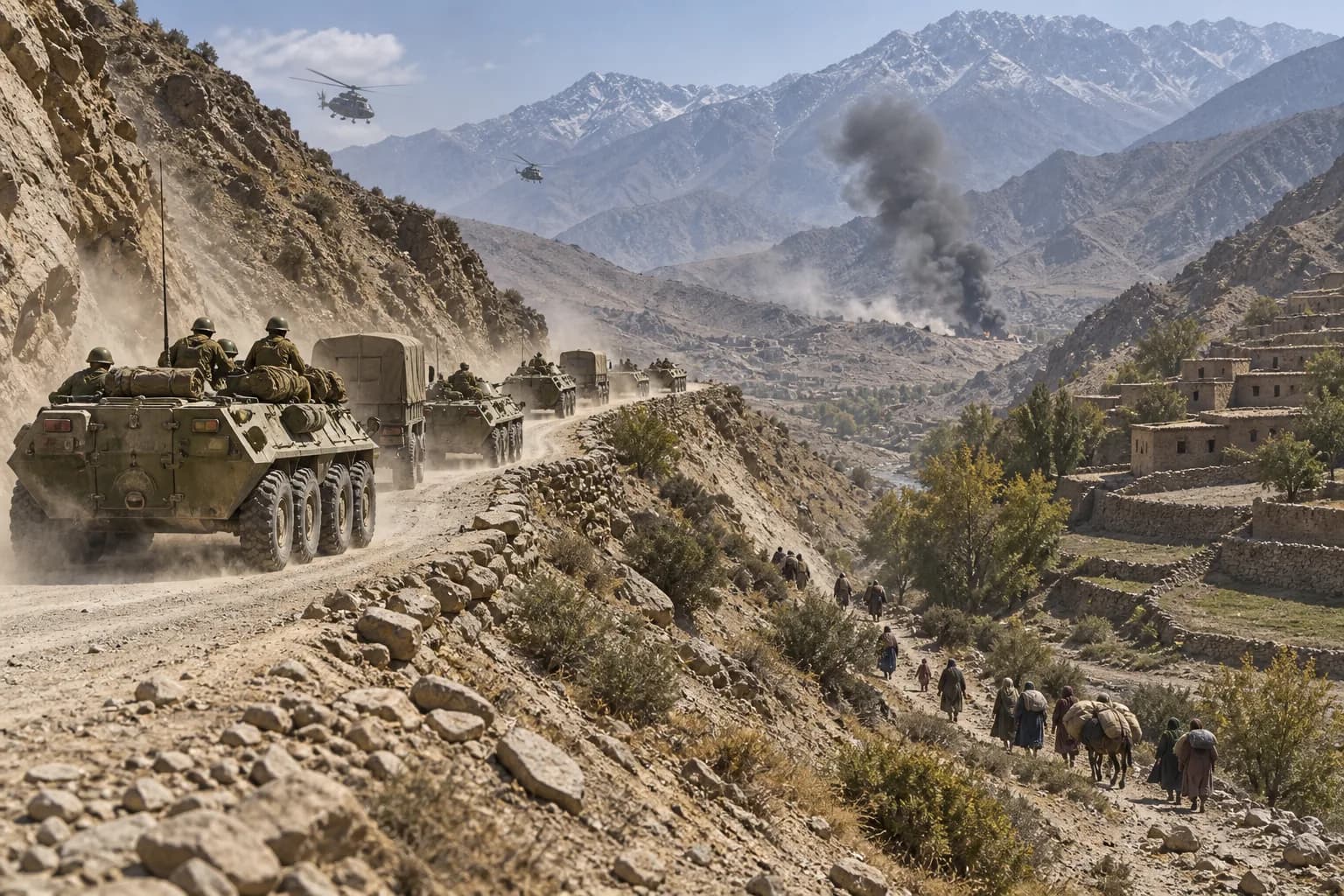
- Many of the deadliest Cold War struggles were proxy wars fought in newly independent or unstable states.
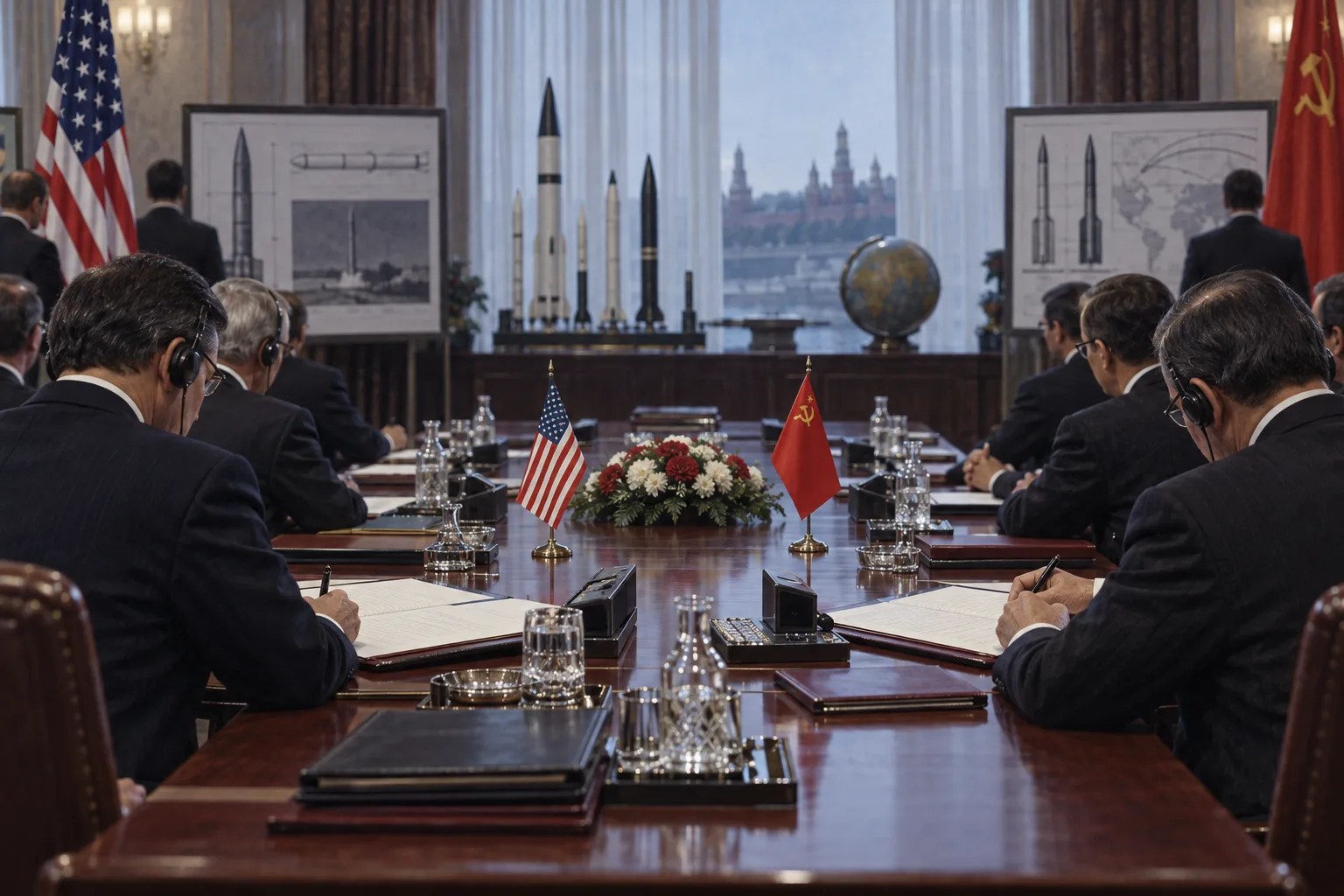
- The rivalry shaped alliances, intelligence systems, and international institutions long after the Soviet Union collapsed.