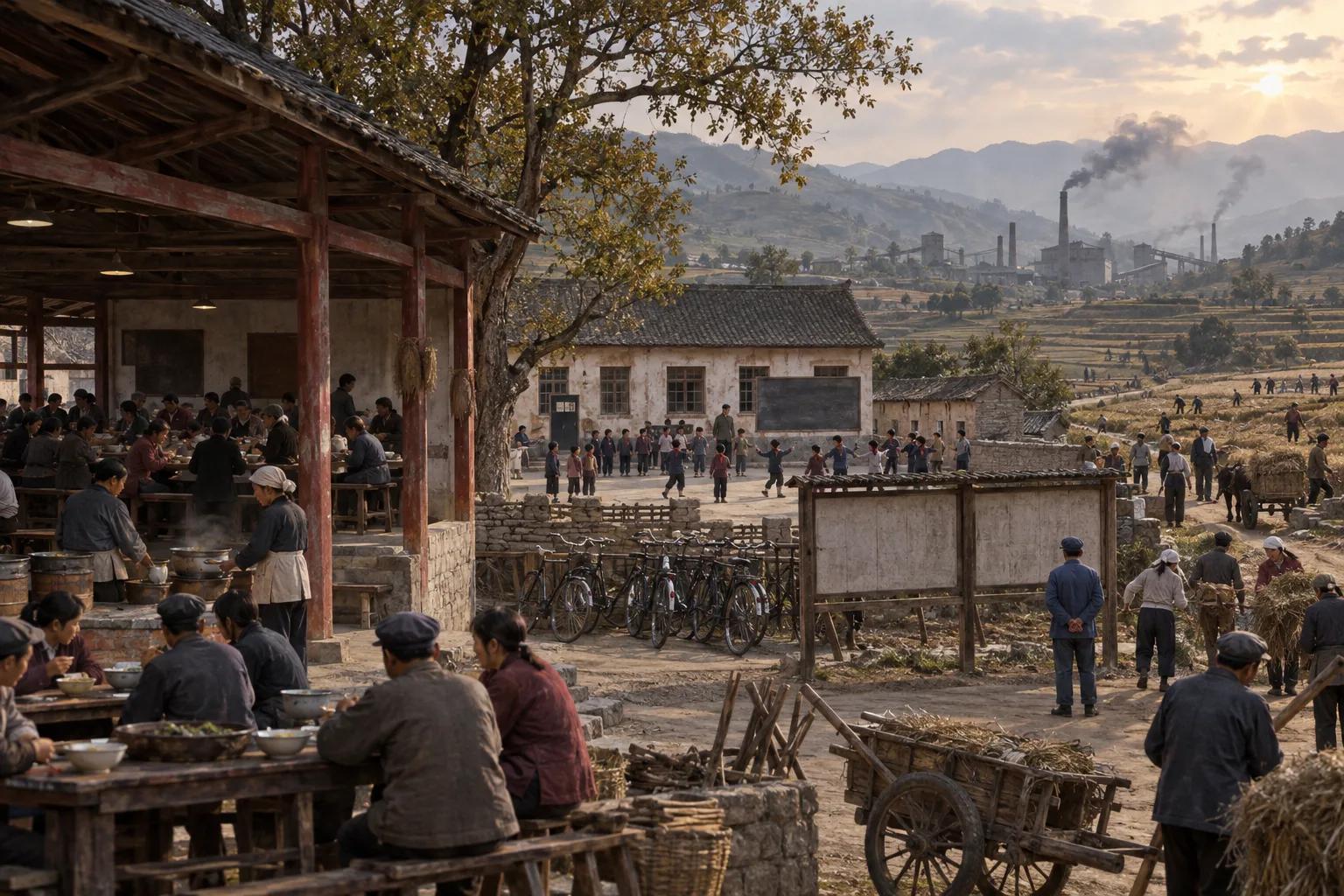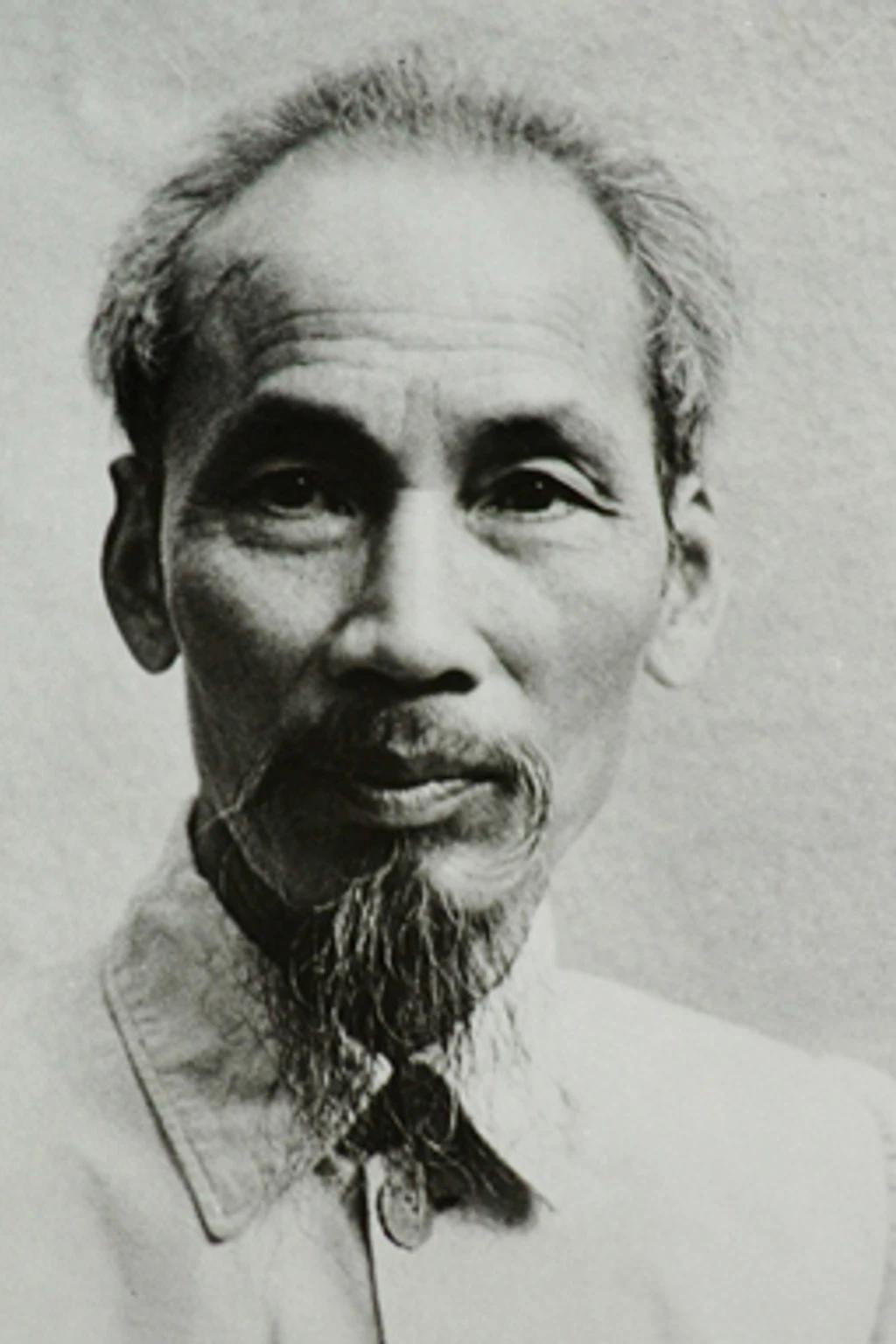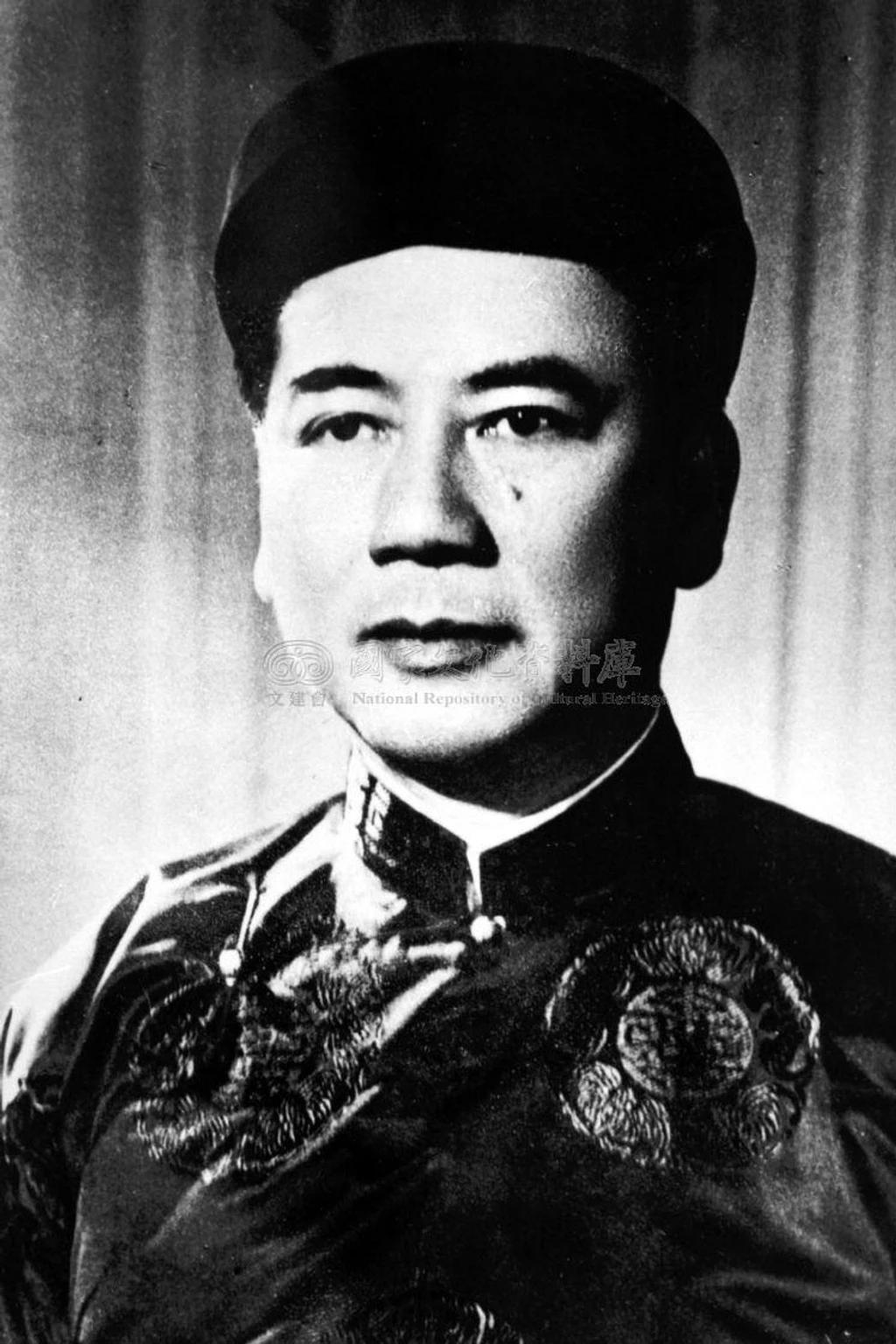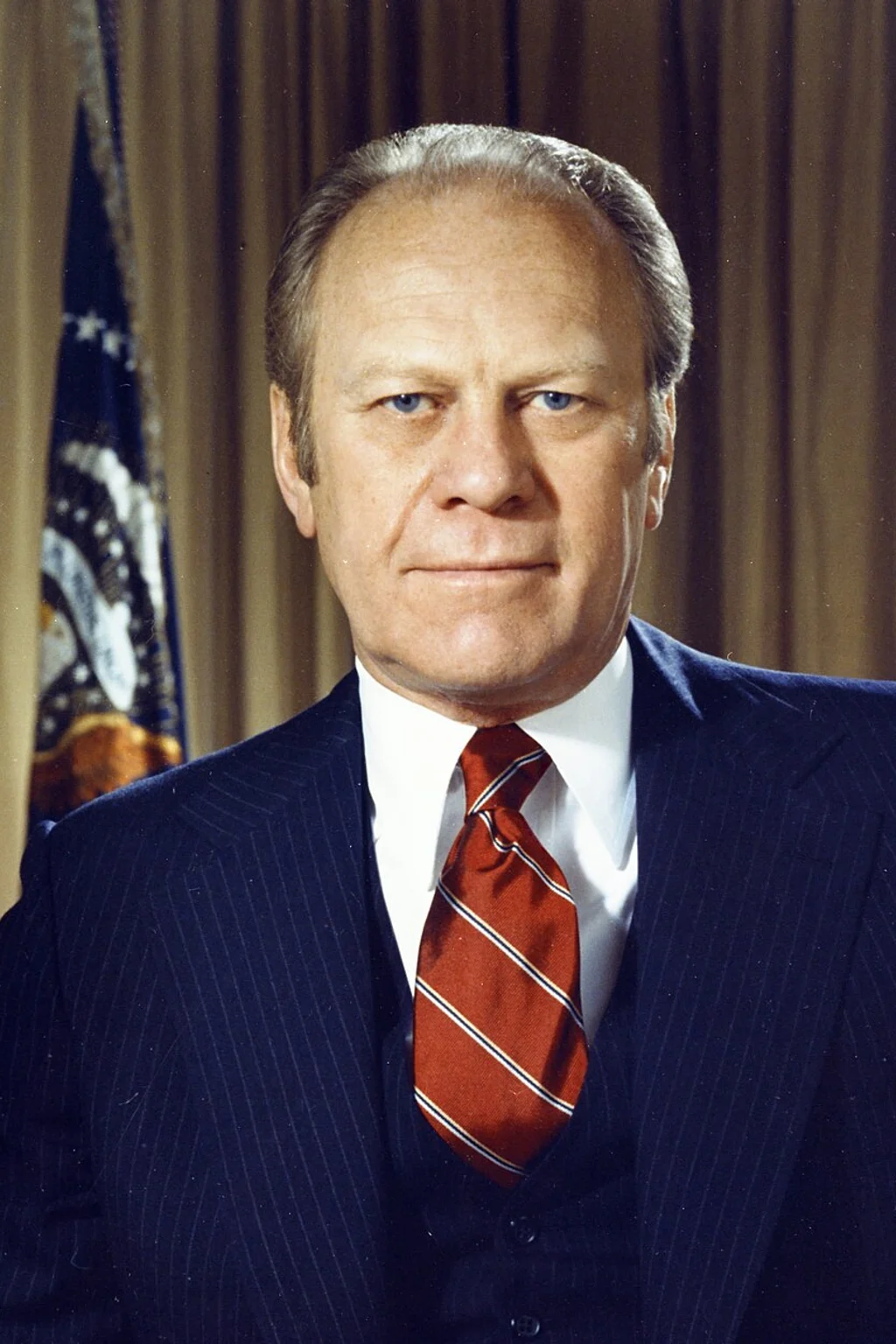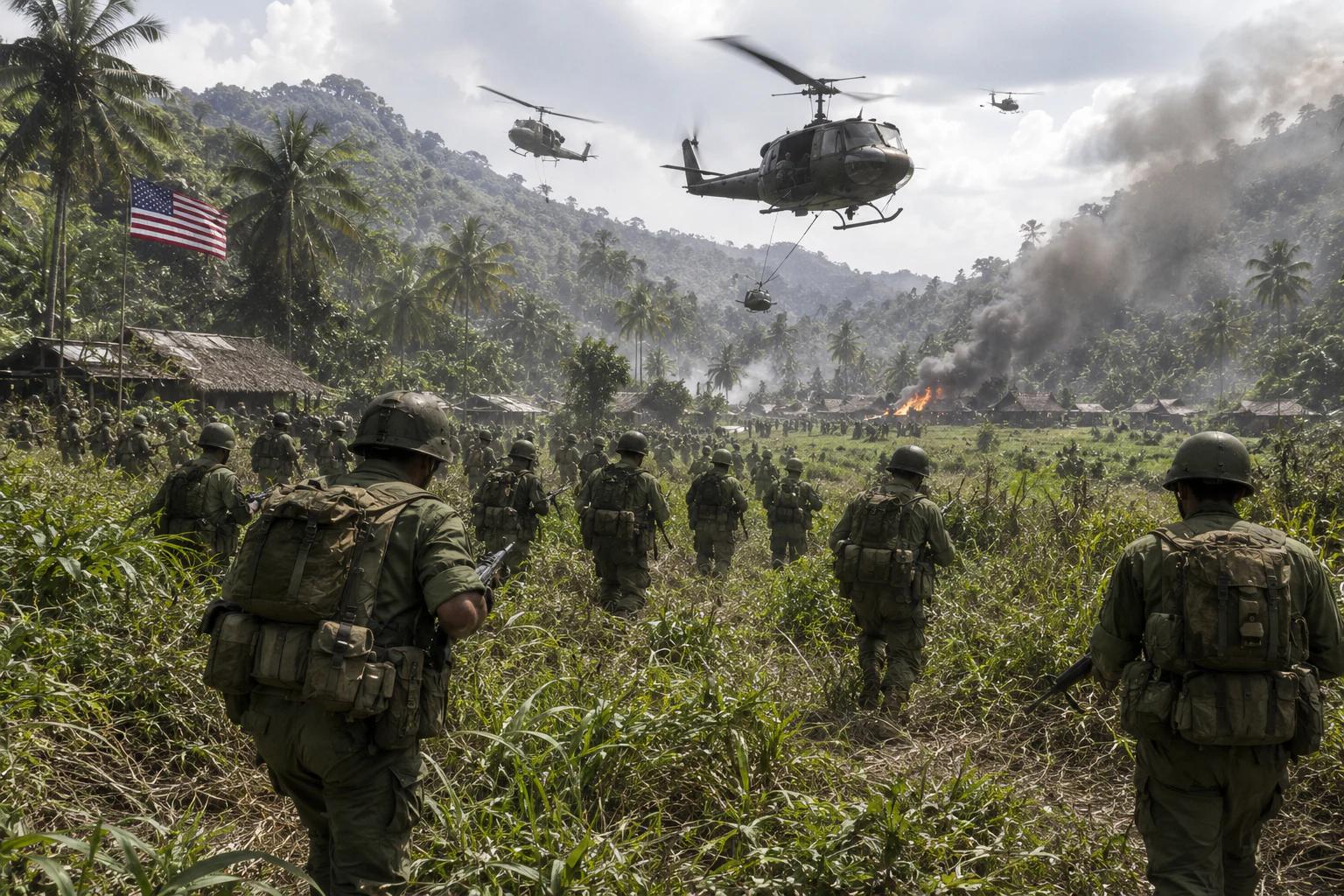
American soldiers arriving in Vietnam as helicopters and jungle warfare define the conflict.

Premium Story

The Vietnam War

Follow the Vietnam War through decolonisation, Cold War escalation, guerrilla conflict, protest, and reunification.

11 chapters

Next

Content note

This story discusses war, violence, persecution, and death in an educational historical context.

Context

Introduction

Overview

The Vietnam War was a long conflict shaped by decolonisation, Vietnamese nationalism, communist revolution, Cold War rivalry, and American intervention. From French colonial rule and the division of Vietnam to guerrilla warfare, bombing campaigns, protest movements, and reunification, the war became one of the defining conflicts of the twentieth century. Its outcome transformed Vietnam, damaged U.S. confidence, and reshaped debates about empire, ideology, and military power.

Key forces

French Conquest of Vietnam
1858 CE
Step 1 of 101858 CEAccessible mode

French Conquest of Vietnam

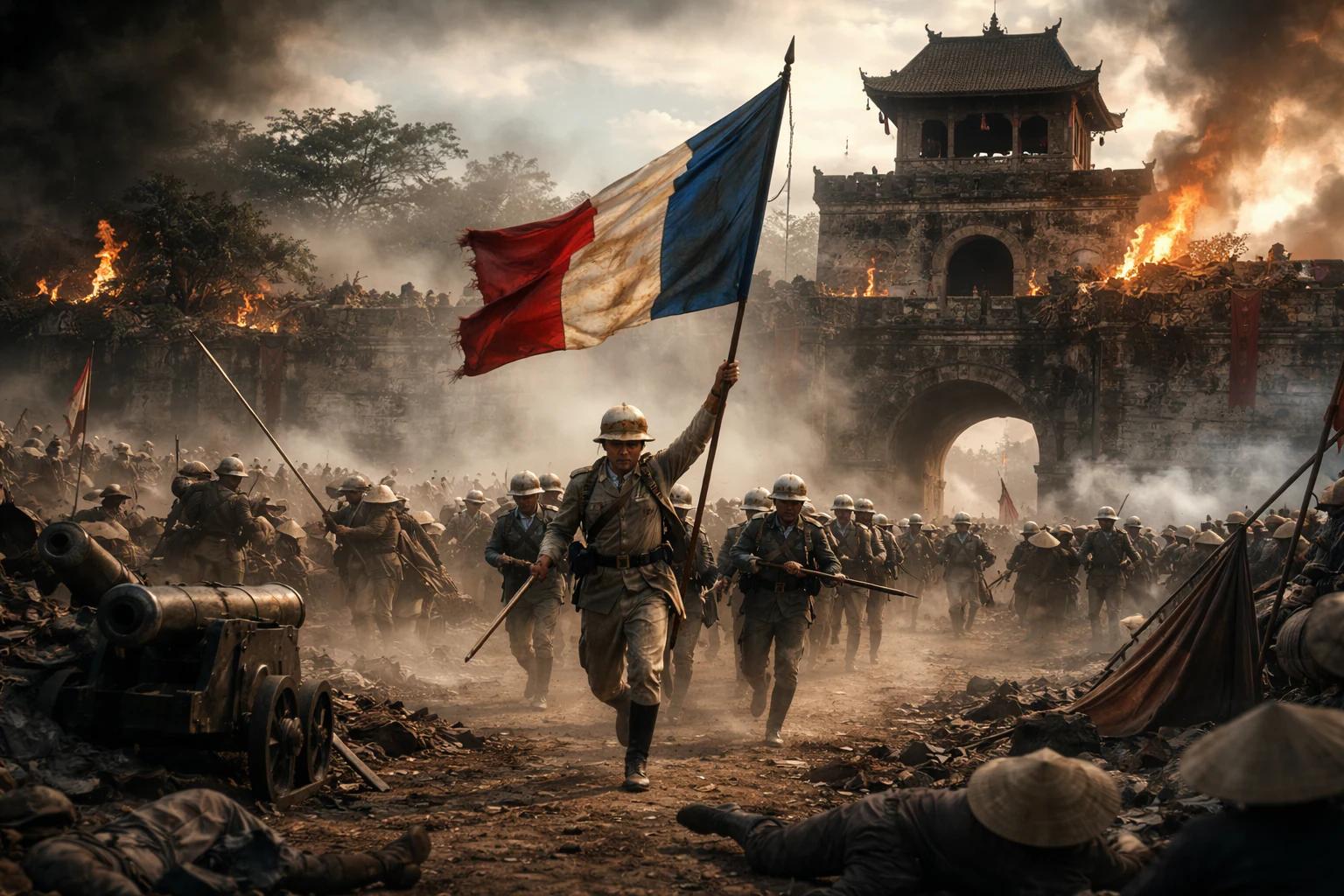
In 1858, French forces attacked Vietnam and opened the door to colonial rule. What began as military pressure grew into a takeover that changed who held power and how people imagined their future.

Before this, the Nguyễn dynasty ruled Vietnam through an emperor, royal officials, and local village leaders. The court still claimed authority, but it faced internal strain and outside pressure.

France said it was protecting missionaries and trade, but it wanted land, influence, and control. Step by step, military defeats and unequal treaties weakened the dynasty.

French rule expanded from the south into the rest of the country. Vietnam was broken into colonial zones, and French officials began directing taxes, land, and administration.

For ordinary people, this meant heavier burdens, loss of control, and growing anger. Scholars, peasants, court loyalists, and local fighters resisted in different ways.

That resistance did not stop conquest right away, but it created a lasting idea: foreign rule had to be challenged. Later nationalist and independence movements grew from that belief.

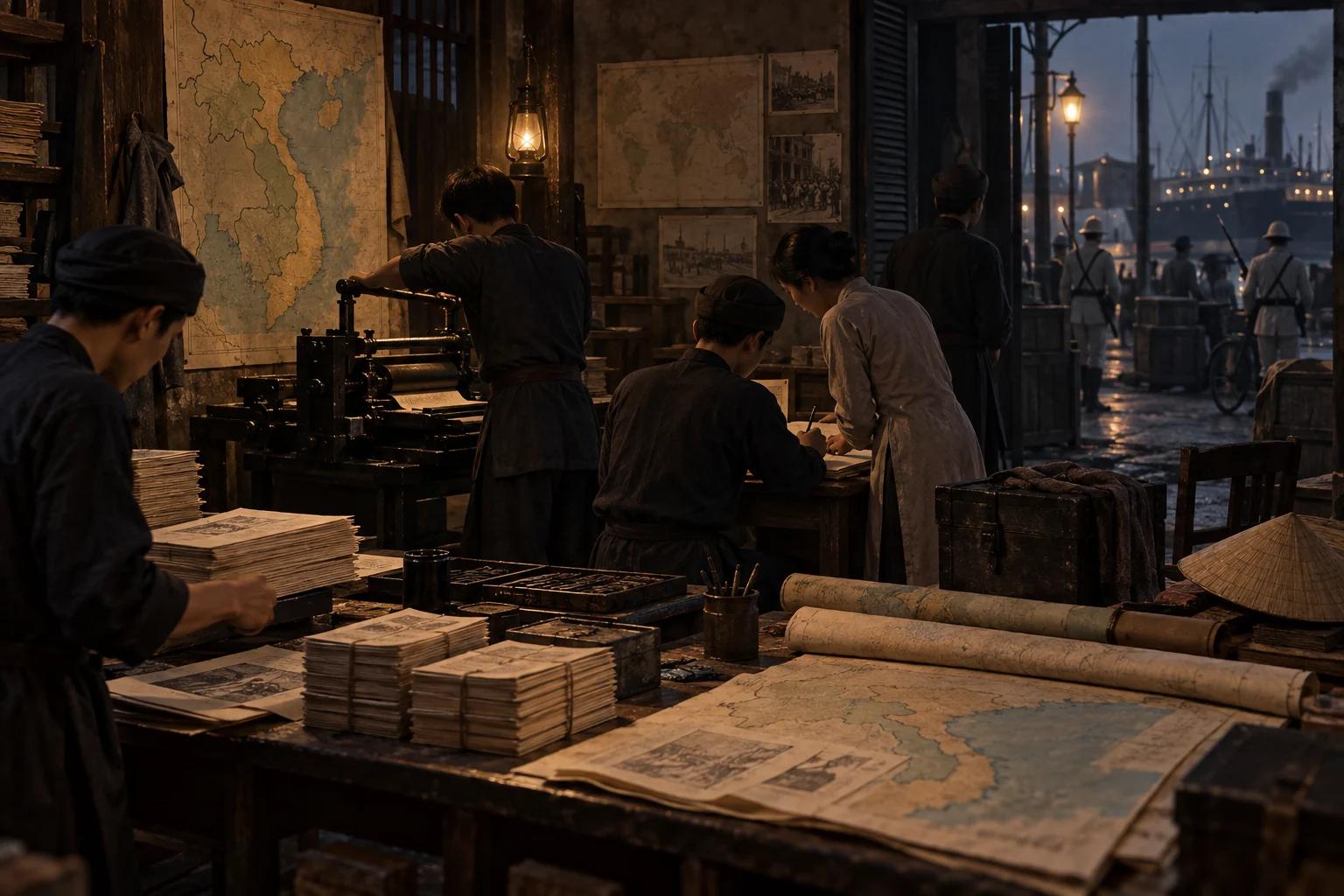
Vietnamese anticolonial organizers work around a printing press, maps, and pamphlet bundles while colonial police stand outside.
1930 CE
Step 2 of 101930 CEAccessible mode

Ho Chi Minh and Revolutionary Nationalism

In 1930, a new kind of Vietnamese politics began to take shape. Ho Chi Minh helped turn anger at French rule into an organized movement with a clear plan.

Before this, many Vietnamese people resented colonial rule, high taxes, and land loss. But resistance was scattered, and most peasants had little power.

Ho Chi Minh connected the fight for national freedom with socialist ideas about class and inequality. That gave the movement both a national goal and a social program.

In 1930, he helped found the Indochinese Communist Party. It aimed to organize workers and peasants, challenge French rule, and build disciplined resistance.

This changed village life and politics. Poor farmers were no longer just subjects of empire. They were being asked to act, organize, and imagine a different future.

That merger of nationalism and revolution shaped Vietnam for decades. It helps explain how anti-colonial protest became a mass struggle strong enough to challenge an empire.

The Viet Minh Take the Lead
1941 CE
Step 3 of 101941 CEAccessible mode

The Viet Minh Take the Lead

In 1941, Vietnam was under pressure from two foreign powers at once. That chaos gave revolutionaries a real opening.

For years, France had ruled Vietnam. Then World War II brought Japanese troops, while French officials still tried to stay in charge.

This split weakened colonial control. Ho Chi Minh and other nationalists saw a chance to build a wider movement for independence.

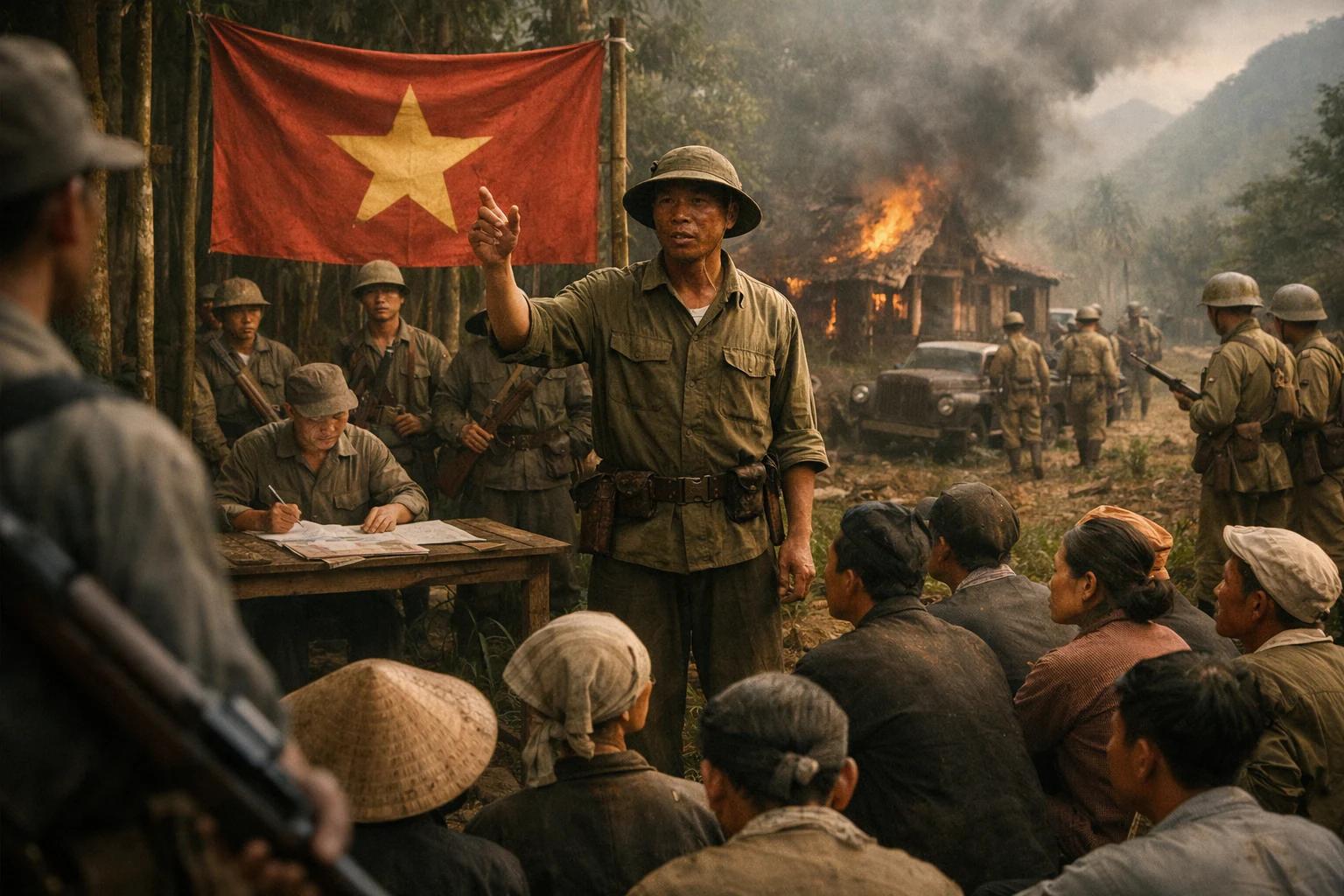
In 1941, they formed the Viet Minh, a broad front meant to unite different groups against foreign rule. They built bases in the countryside and trained small guerrilla units.

As war brought fear, hunger, and disorder, more villagers turned to the movement. The Viet Minh offered leadership, protection, and a clear goal.

This was the moment when resistance became organized revolution. It helps explain how wartime crisis turned into the fight that reshaped Vietnam.

PremiumFree preview: 3 of 10 chapters

Continue The Vietnam War

Sign up to a Premium account to read the remaining chapters of this story.

A paid Premium subscription also gives you full access to every other Premium story.

See Premium options

Coming next

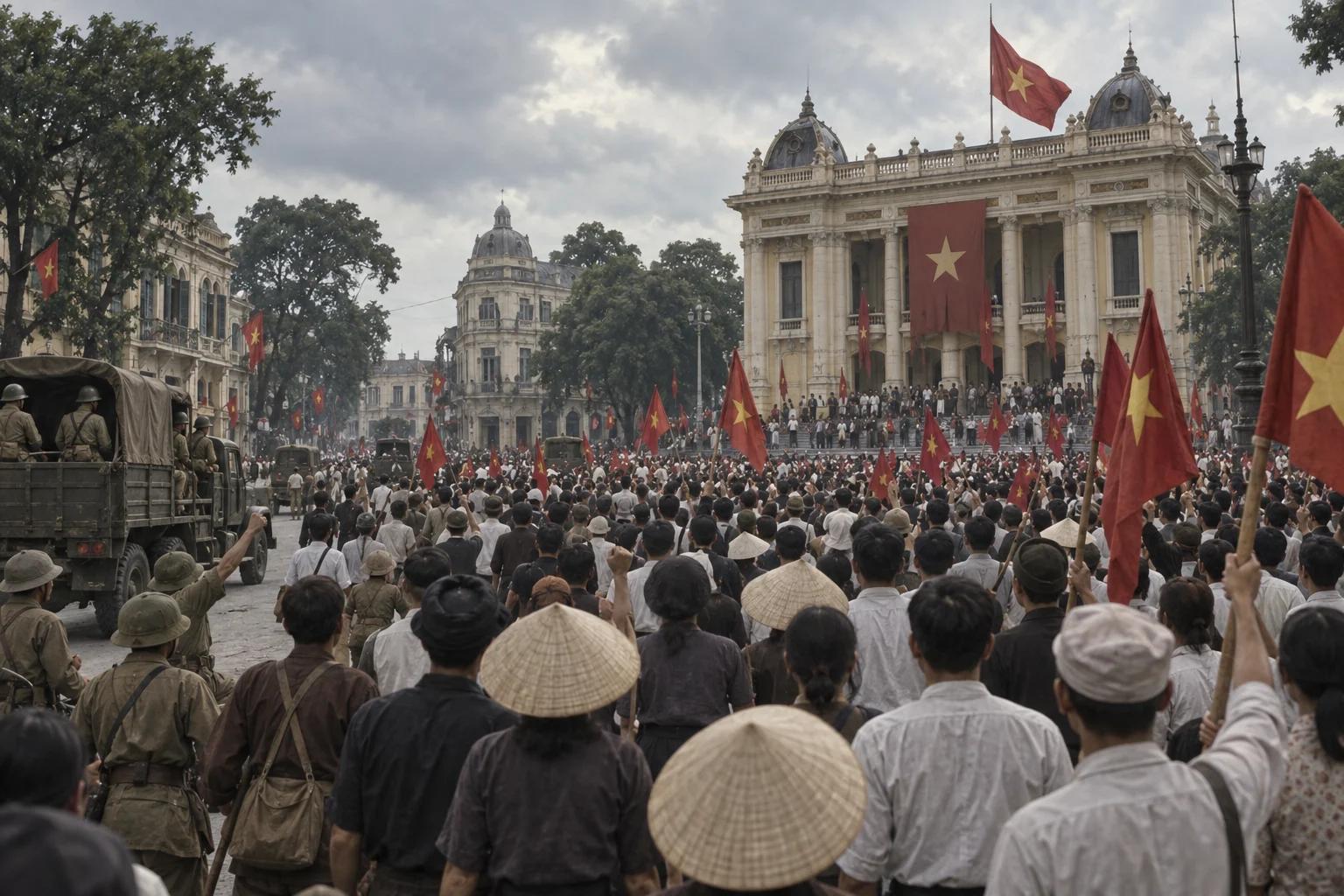
  1. Chapter 4The August Revolution
  2. Chapter 5Dien Bien Phu Breaks French Rule
  3. Chapter 6Ngo Dinh Diem Builds South Vietnam

And 4 more chapters to follow.

Keep exploring

Follow the connected history

Explore closely connected stories and free figure profiles. Premium stories open with a public preview.

References

Sources and historical notes

Sources used to check this page, selected recommendations and historical notes.

Sources used

  1. U.S. Department of State, Office of the Historian, “French administration in Indochina, March 1945,”

    Contemporary diplomatic account of Japan removing the French administration.

    Open source
  2. U.S. Department of State, Office of the Historian, “The First Indochina War and Dien Bien Phu,”

    French colonialism, war and the 1954 settlement.

    Open source
  3. U.S. Department of State, Office of the Historian, “Vietnam and the 1954 Geneva Conference,”

    Contemporary US account of the Geneva declaration and elections, reflecting the US government viewpoint.

    Open source
  4. U.S. Department of State, Office of the Historian, “The Tet Offensive, 1968,”

    The offensive and its impact on US policy.

    Open source
  5. U.S. Department of State, Office of the Historian, “Ending the Vietnam War, 1969–1973,”

    Paris peace agreement, US withdrawal and the fall of Saigon.

    Open source
  6. Government of Vietnam, “Constitution of the Socialist Republic of Vietnam, 1992,”

    The Vietnamese state’s account of reunification and the 1976 naming of the republic.

    Open source
  7. Office of the Historian, U.S. Department of State, “The Gulf of Tonkin and the Escalation of the Vietnam War,” Open source
  8. U.S. National Archives, “Vietnam War Records,” Open source
  9. U.S. National Archives, “The Pentagon Papers,” Open source

Additional sources and notes

Loading reviewed claim sources...

Our editorial approach · Report a historical error

A monthly route through history

Find out first about the latest published stories, feature notes and occasional Premium offers in one monthly email.