Context
Introduction
Overview
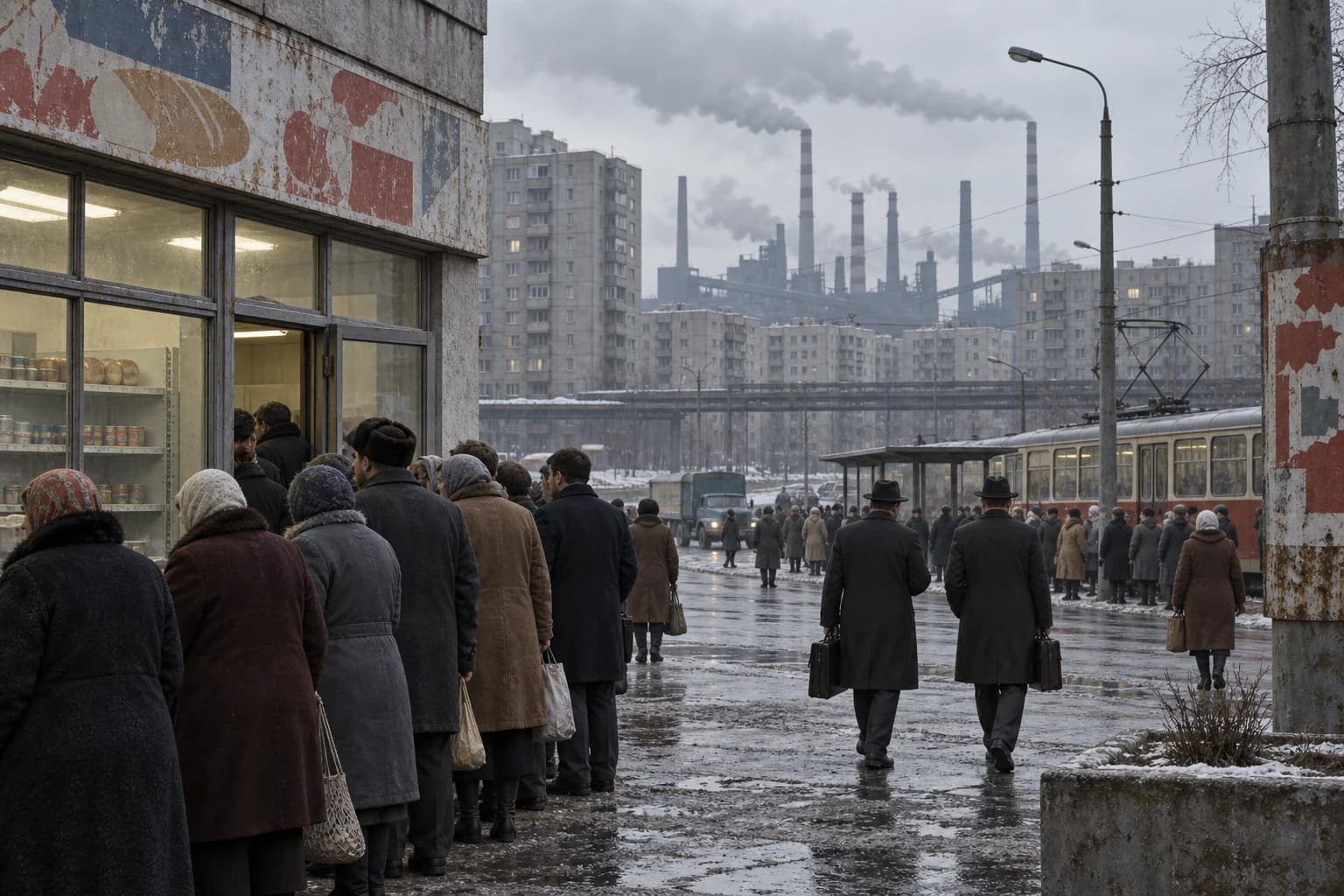
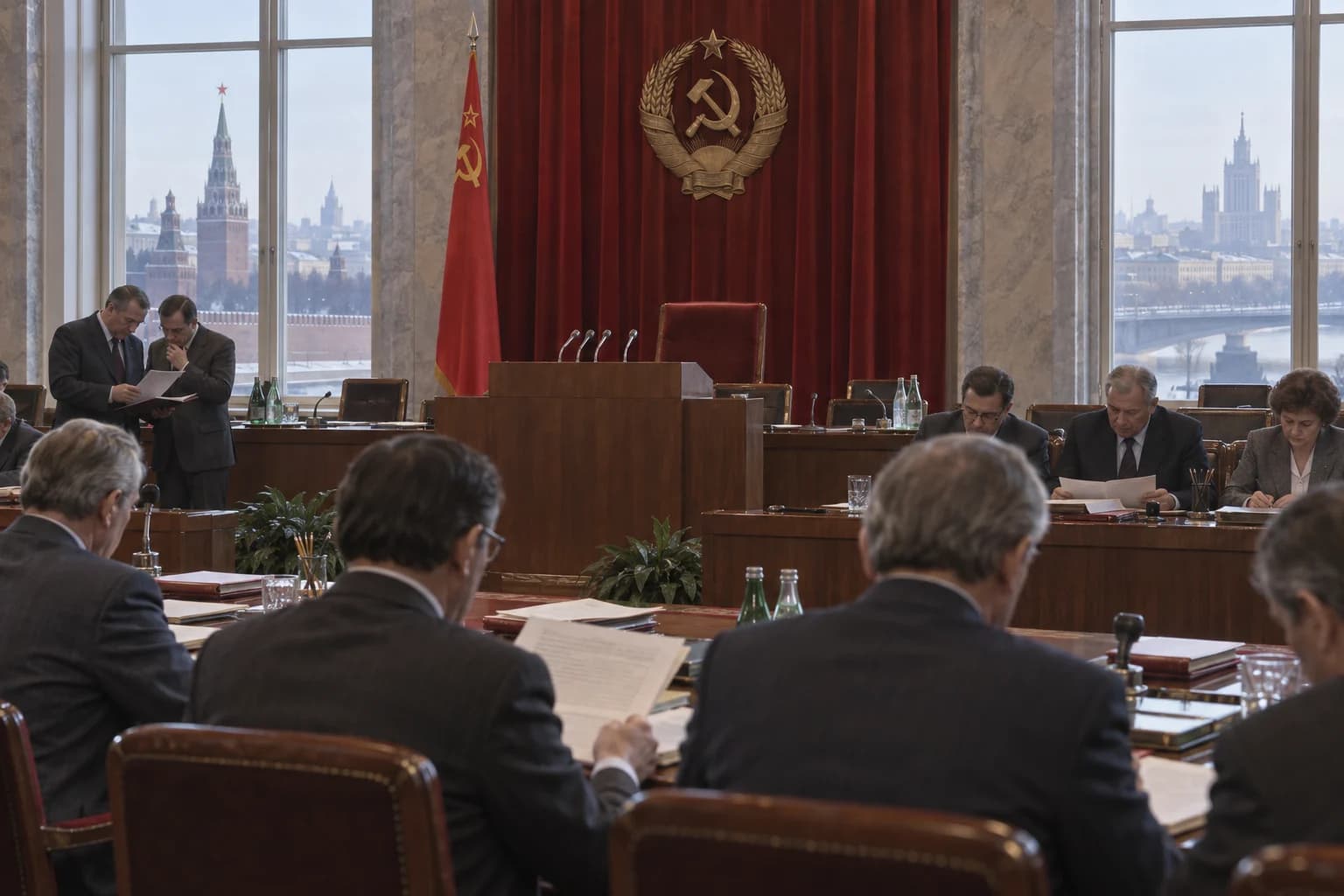
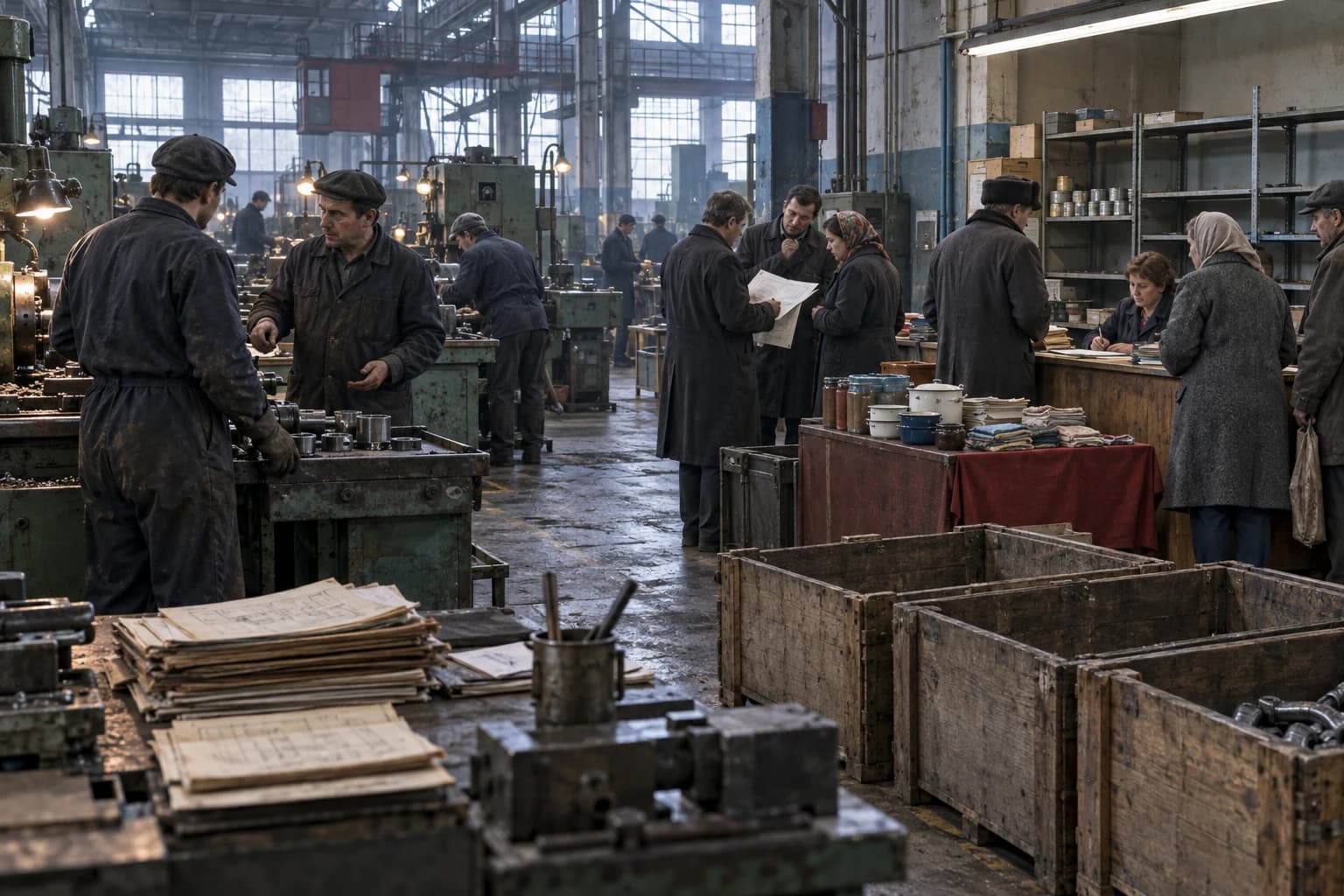
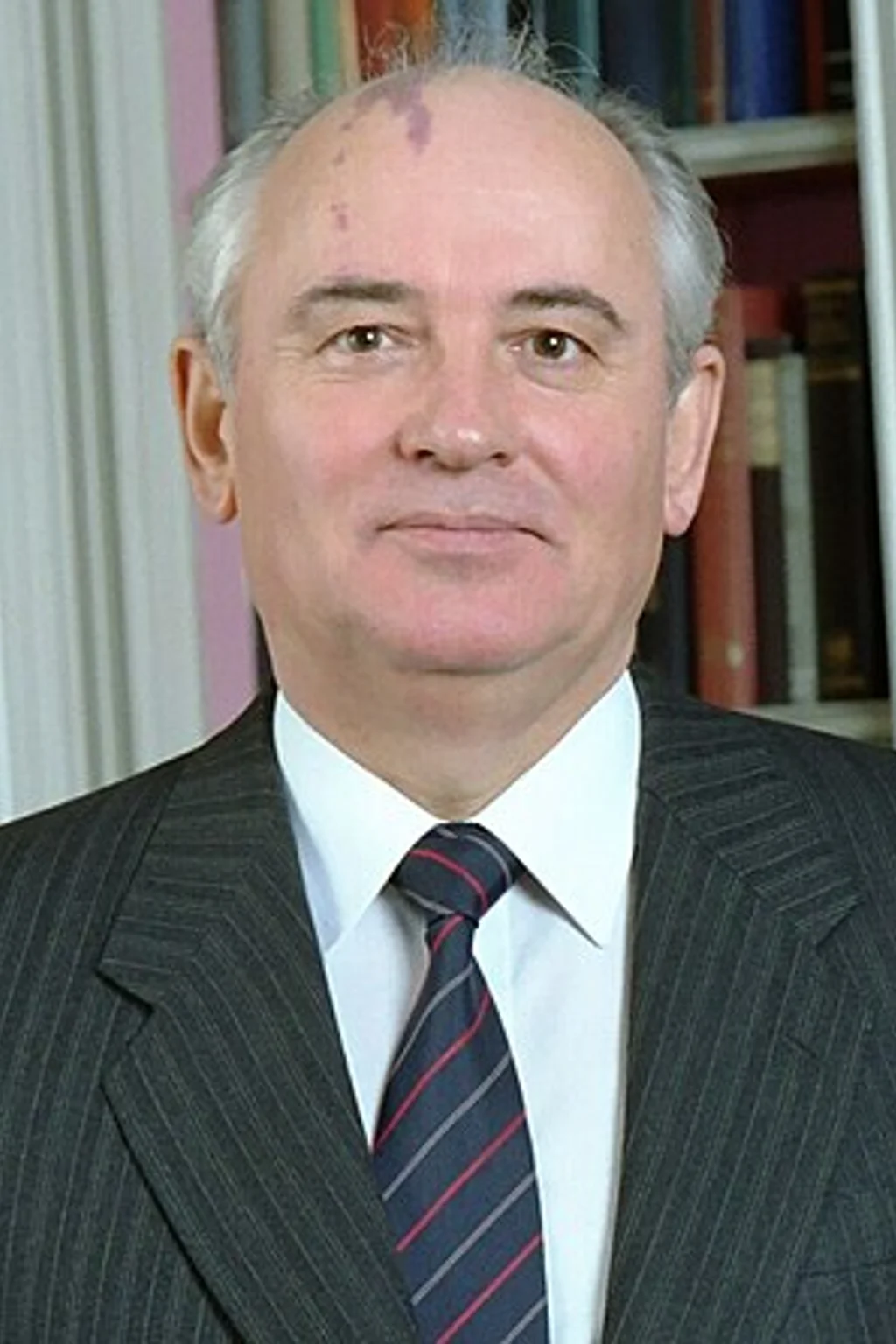
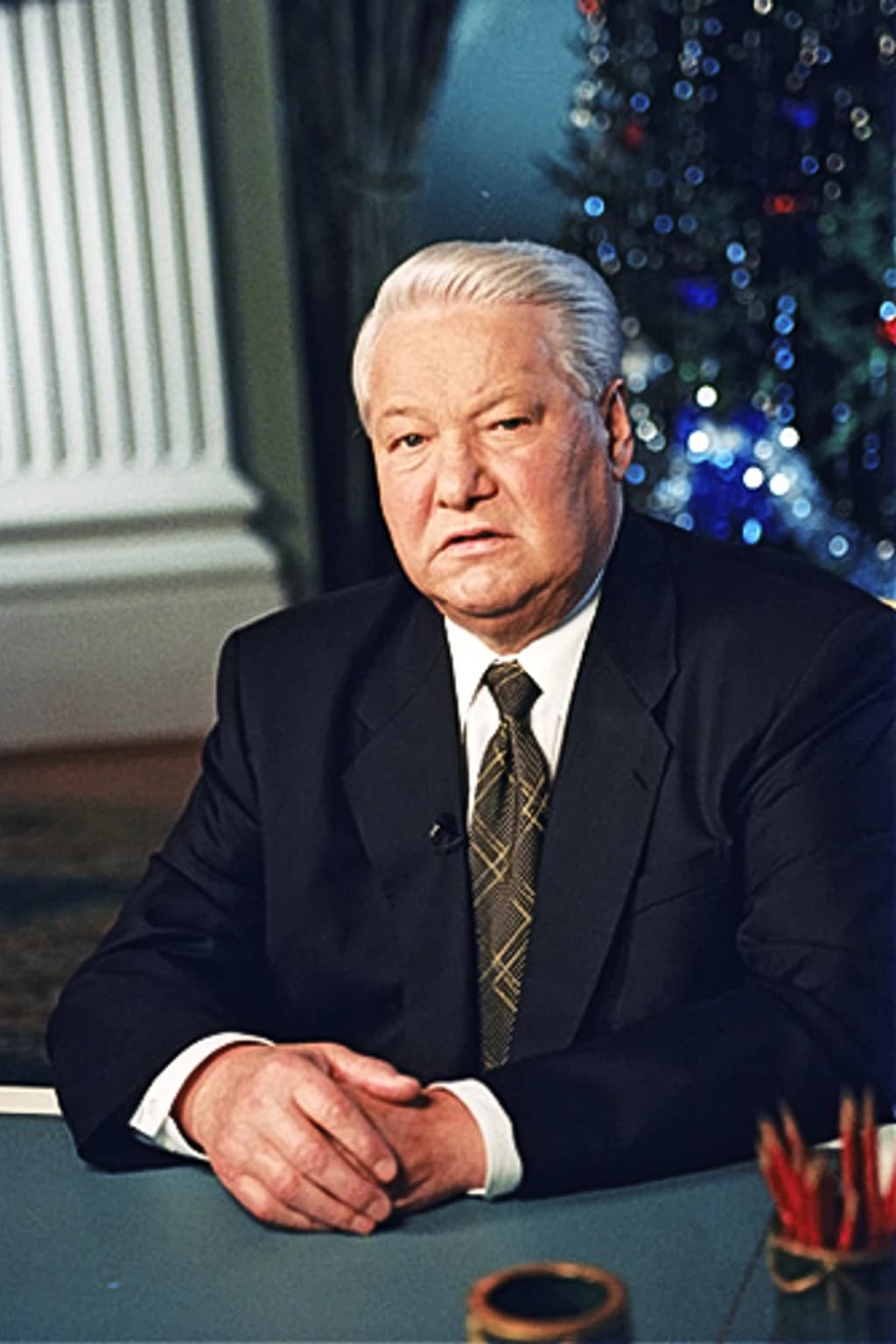
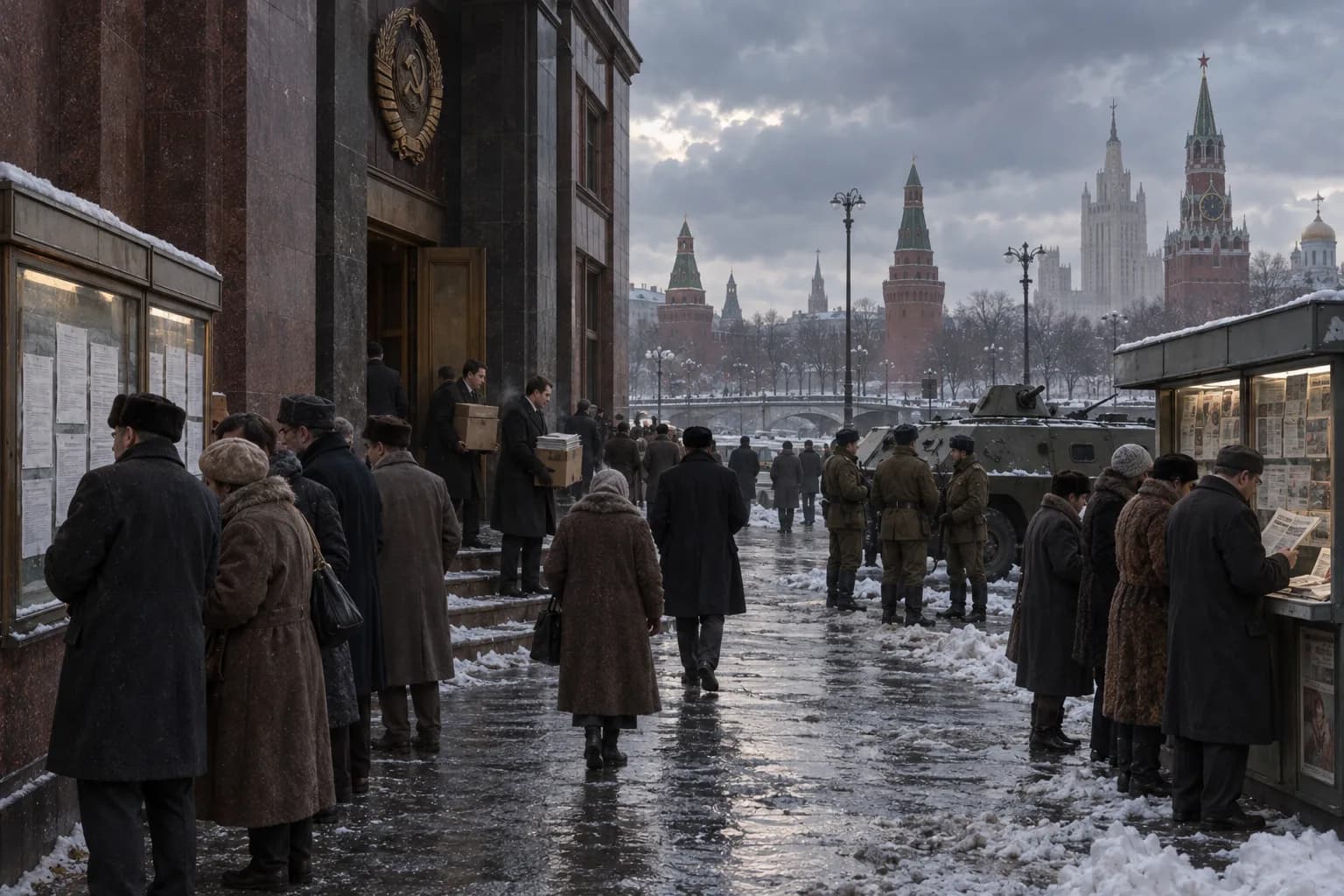
The Soviet Union entered its final decade burdened by economic stagnation and mounting public distrust. Mikhail Gorbachev's reforms opened political space that the state could no longer control, while republics pressed for independence. In 1991 the union dissolved, ending the Cold War and creating fifteen independent states.
What you'll learn: You'll understand why the Soviet system failed, what Gorbachev was trying to achieve, how events escaped his control, and what the dissolution of the USSR meant for the world.
Key forces
- Soviet economic stagnation under Brezhnev created the structural conditions for crisis, but the system might have continued indefinitely without the pressures released by Gorbachev's reforms.
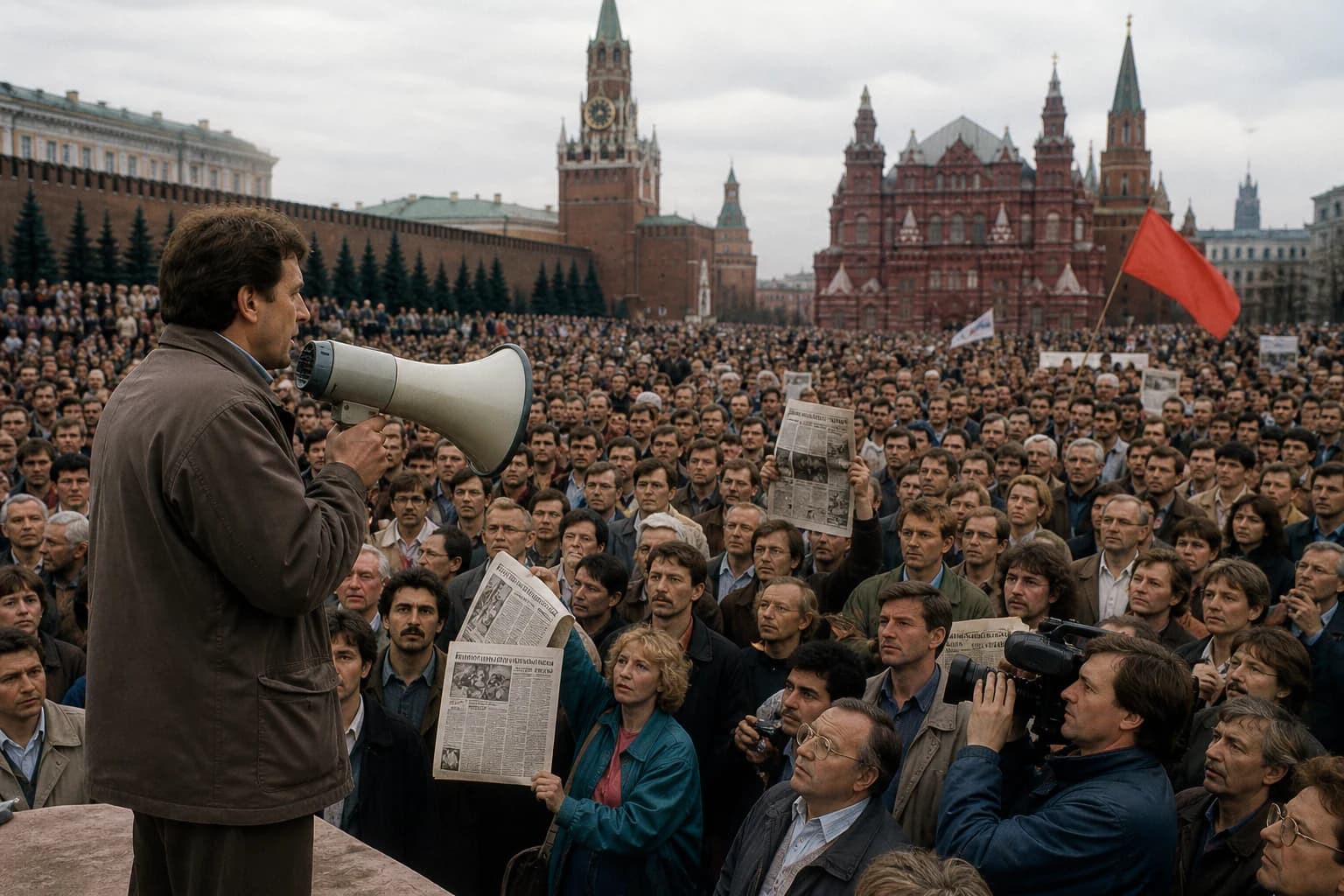
- Glasnost (openness) undermined the Communist Party's ideological authority by allowing public acknowledgment of the system's failures — especially Chernobyl.
- Nationalist movements in the Soviet republics transformed what Gorbachev intended as a reformed union into a dissolution of the union itself.
- The failed August 1991 coup destroyed the last institutional basis for preserving the Soviet state, accelerating recognition of republican independence.