Context
Introduction
Overview
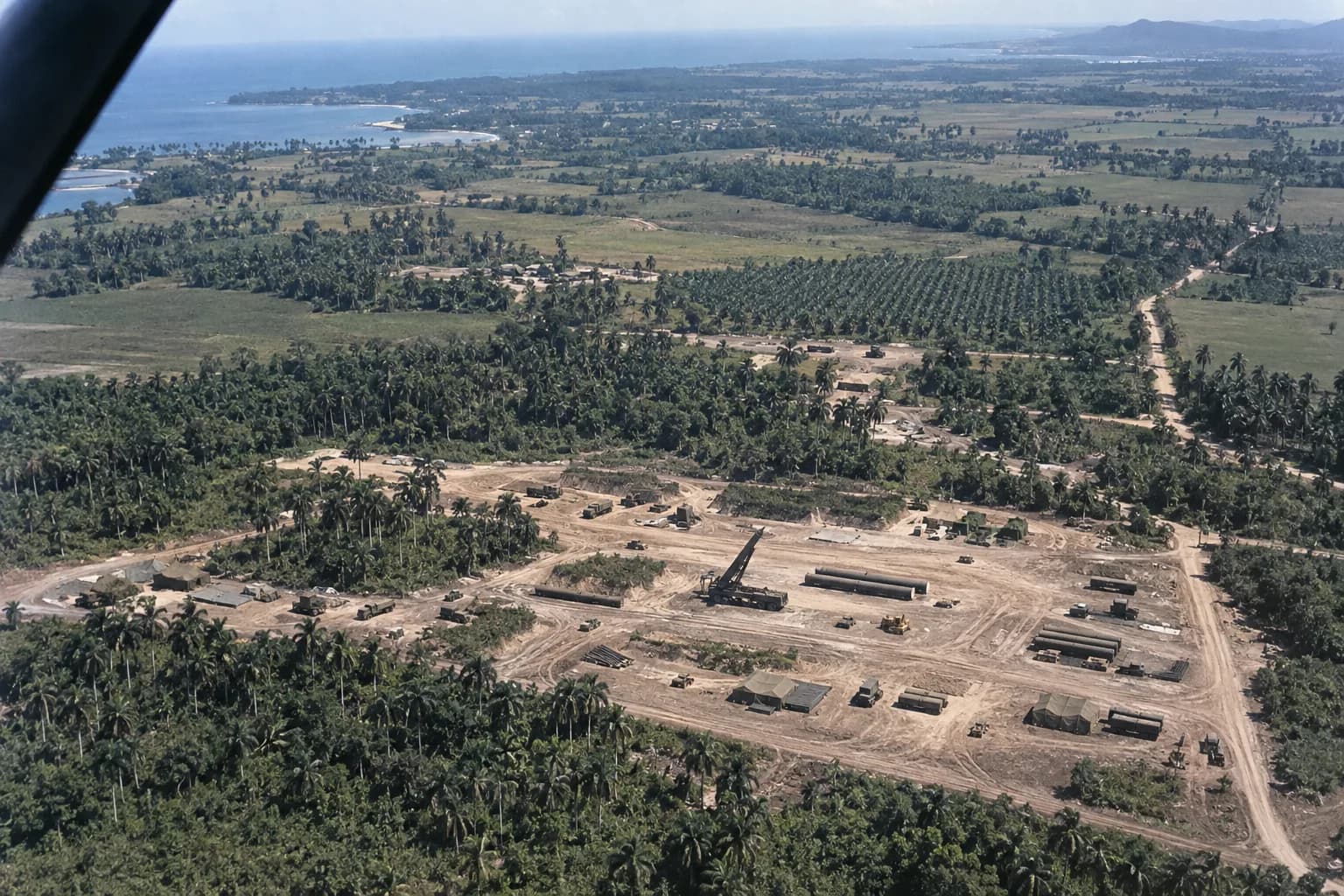
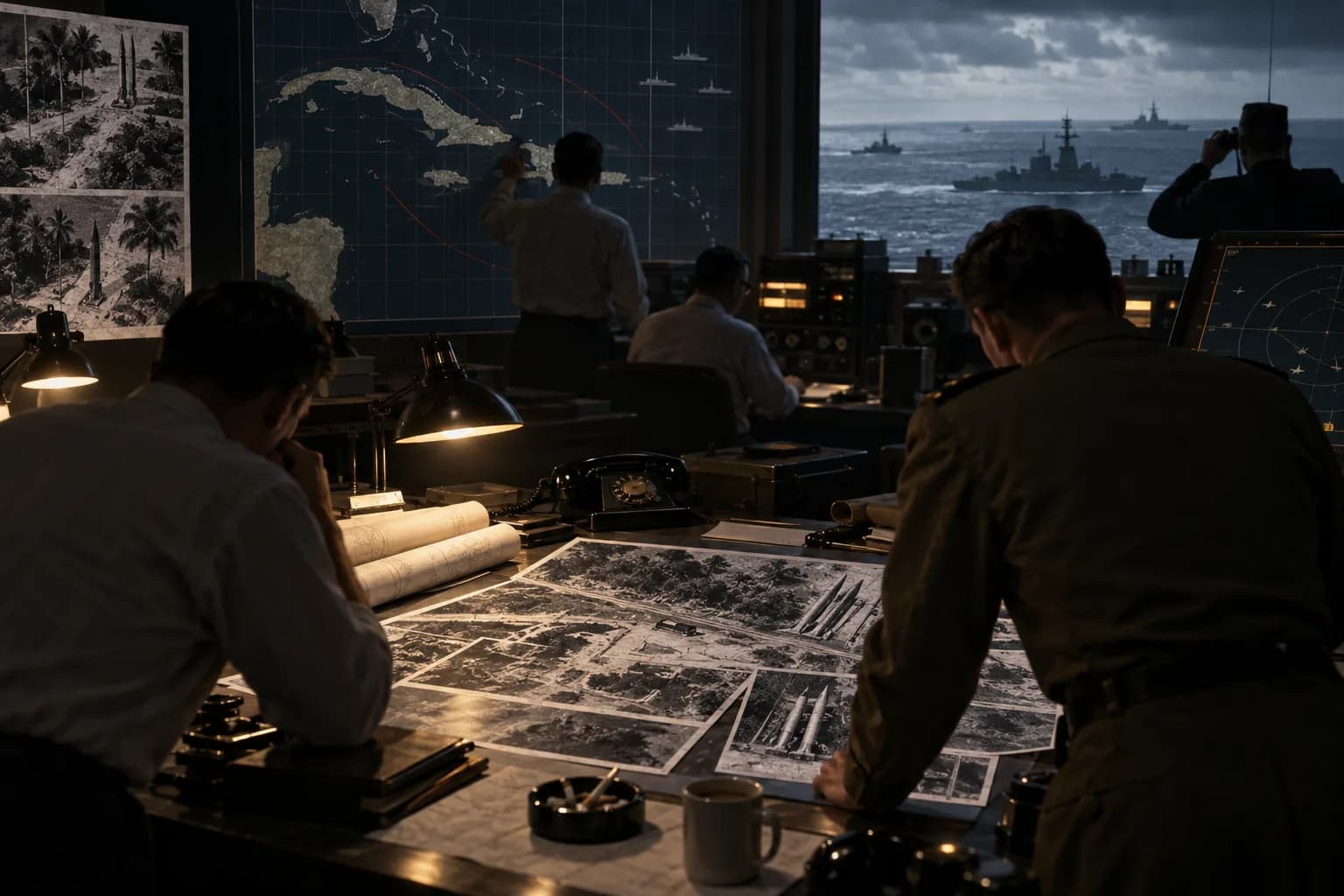
In October 1962, the discovery of Soviet missiles in Cuba brought the United States and the Soviet Union close to nuclear war. For thirteen days, their leaders weighed military action against the danger of escalation. A negotiated withdrawal ended the immediate crisis and changed how both powers managed their rivalry.
What you'll learn: You'll understand how the crisis began, how it was managed, how close the world came to nuclear war, and what it taught both superpowers about the limits of nuclear brinkmanship.
Key forces
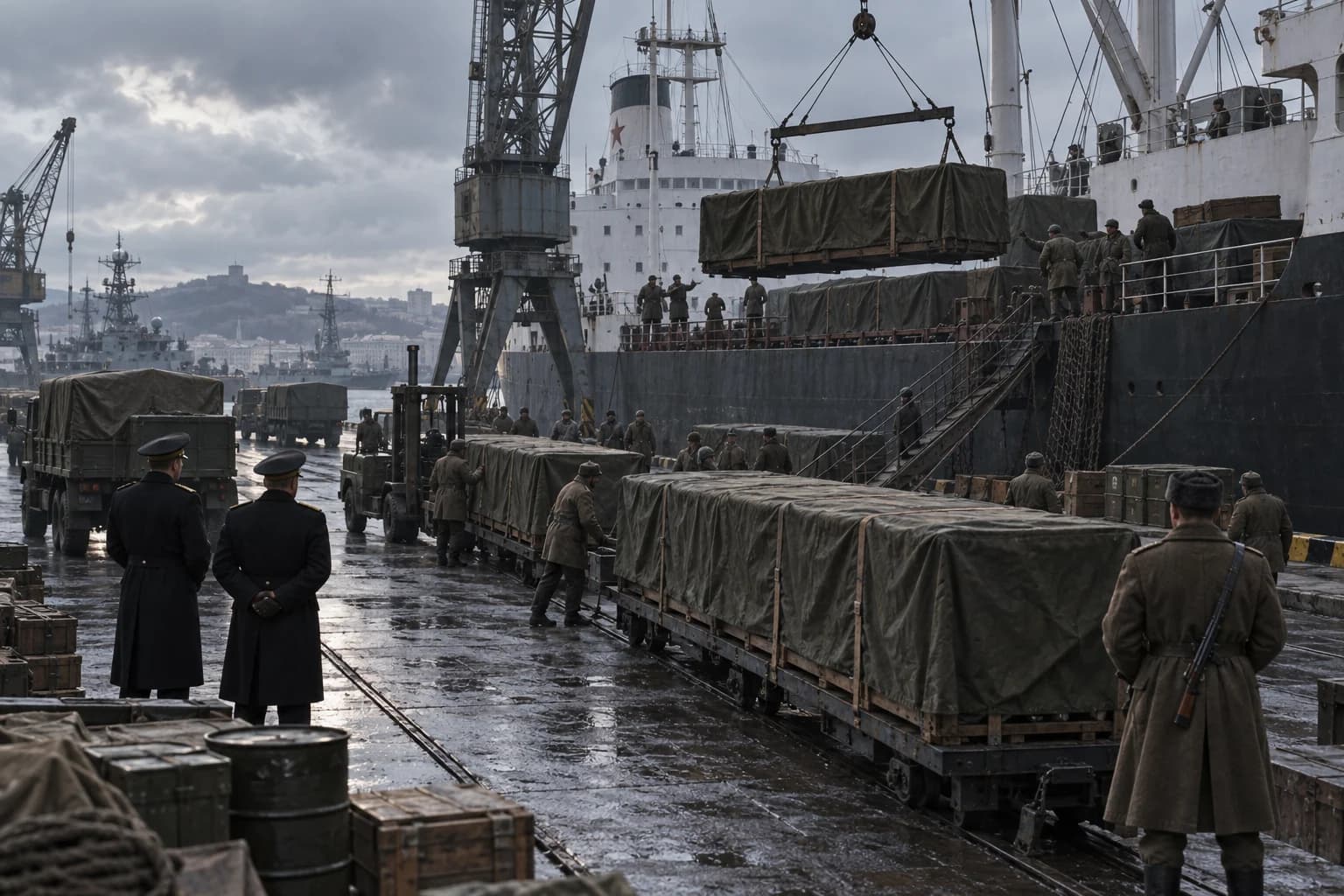
- Soviet leader Khrushchev secretly deployed nuclear missiles to Cuba to address the strategic imbalance with the United States and protect the Castro regime.
- Kennedy's ExComm debated for thirteen days between military options and a naval quarantine, choosing the quarantine as a middle path that preserved room for negotiation.
- The crisis came close to nuclear war through incidents involving Soviet submarines and the shooting down of an American U-2 reconnaissance aircraft.
- The resolution involved a public Soviet withdrawal of missiles and a secret American commitment to remove Jupiter missiles from Turkey.