This story discusses war, violence, persecution, and death in an educational historical context.
Reading mode
Accessible gives a lighter overview. Deep Dive tells the fuller story.
Quick Answers
What was the Korean War?
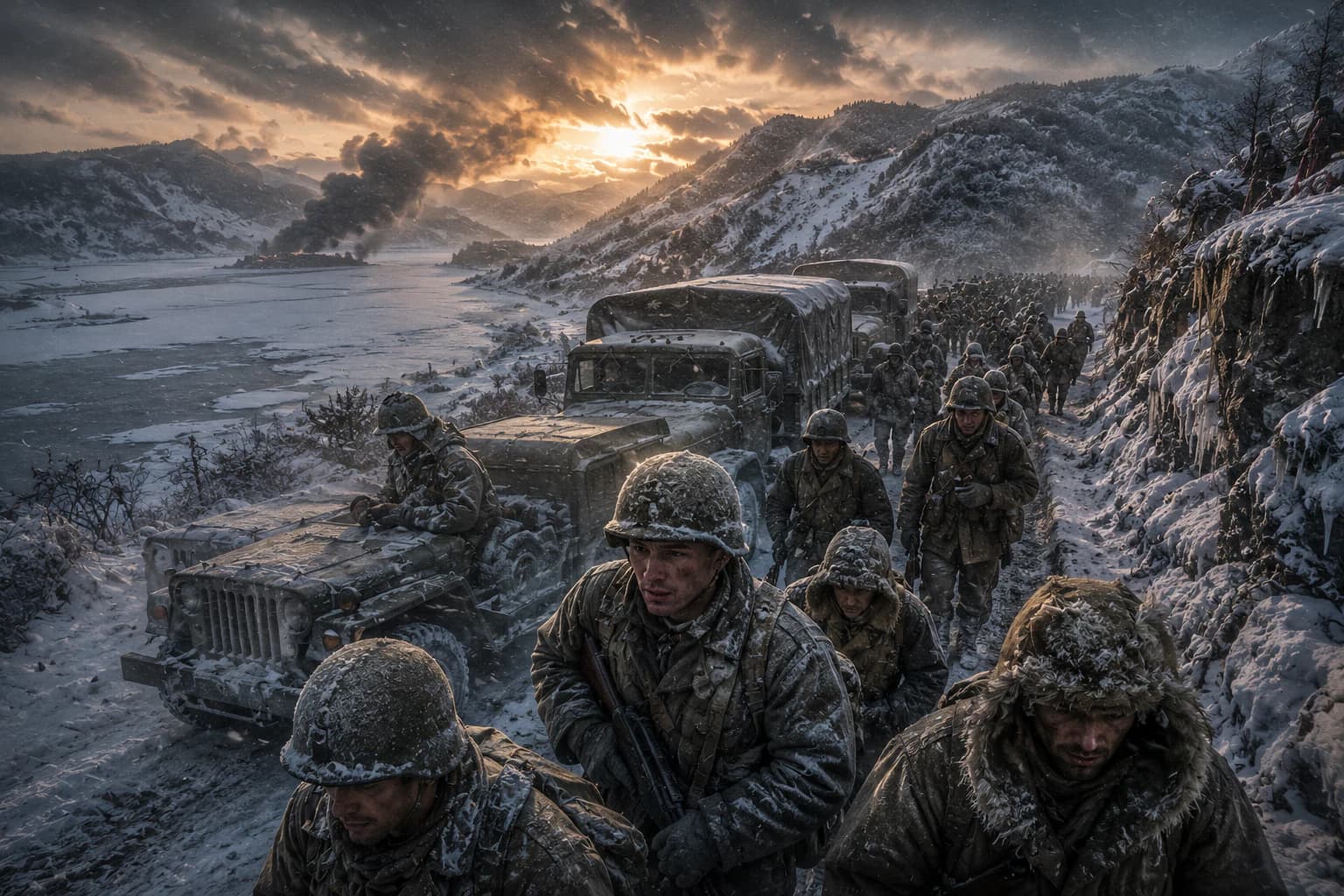
The Korean War was fought from 1950 to 1953 after North Korea invaded South Korea, turning the divided peninsula into the Cold War's first major battlefield. The conflict drew in the United States, United Nations forces, China, and Soviet support, producing a brutal war of invasion, counteroffensive, intervention, and stalemate.
At a glance
Date range: 1950 to 1953.
A Cold War conflict that divided Korea, ending in stalemate and a lasting unresolved border.
Korea was divided at the 38th parallel in 1945 as a temporary arrangement that quickly became permanent following the collapse of US-Soviet cooperation.
North Korea's invasion of the south in June 1950 triggered the first major military response of the Cold War, bringing United Nations forces under American command to defend South Korea.
Common questions
What are the key dates for the Korean War?
The war was fought from 1950 to 1953, but its roots lay in Korea's division after Japan's defeat in 1945. The armistice stopped the fighting without settling the conflict, leaving the peninsula divided.
What caused the Korean War?
The war grew out of Korea's post-1945 division into rival northern and southern states backed by opposing Cold War powers. North Korea's invasion in June 1950 turned that unresolved division into open war.
What is the timeline of the Korean War?
The war moved from sudden North Korean advance to UN counterattack, Chinese intervention, and then stalemate near the original dividing line. By 1953, the front had hardened into an armistice line rather than a peace settlement.
How did the Korean War end?
The Korean War ended with an armistice, not a peace treaty. Fighting stopped in 1953, but Korea remained divided by the DMZ, and the political conflict never fully closed.
Who fought in the Korean War?
North Korea fought South Korea after invading on 25 June 1950. South Korea was supported by a United States-led United Nations Command, while China sent the People's Volunteer Army to fight alongside North Korea. The Soviet Union supplied North Korea with weapons, training, and other support and later provided covert air support.
Why did the United States enter the Korean War?
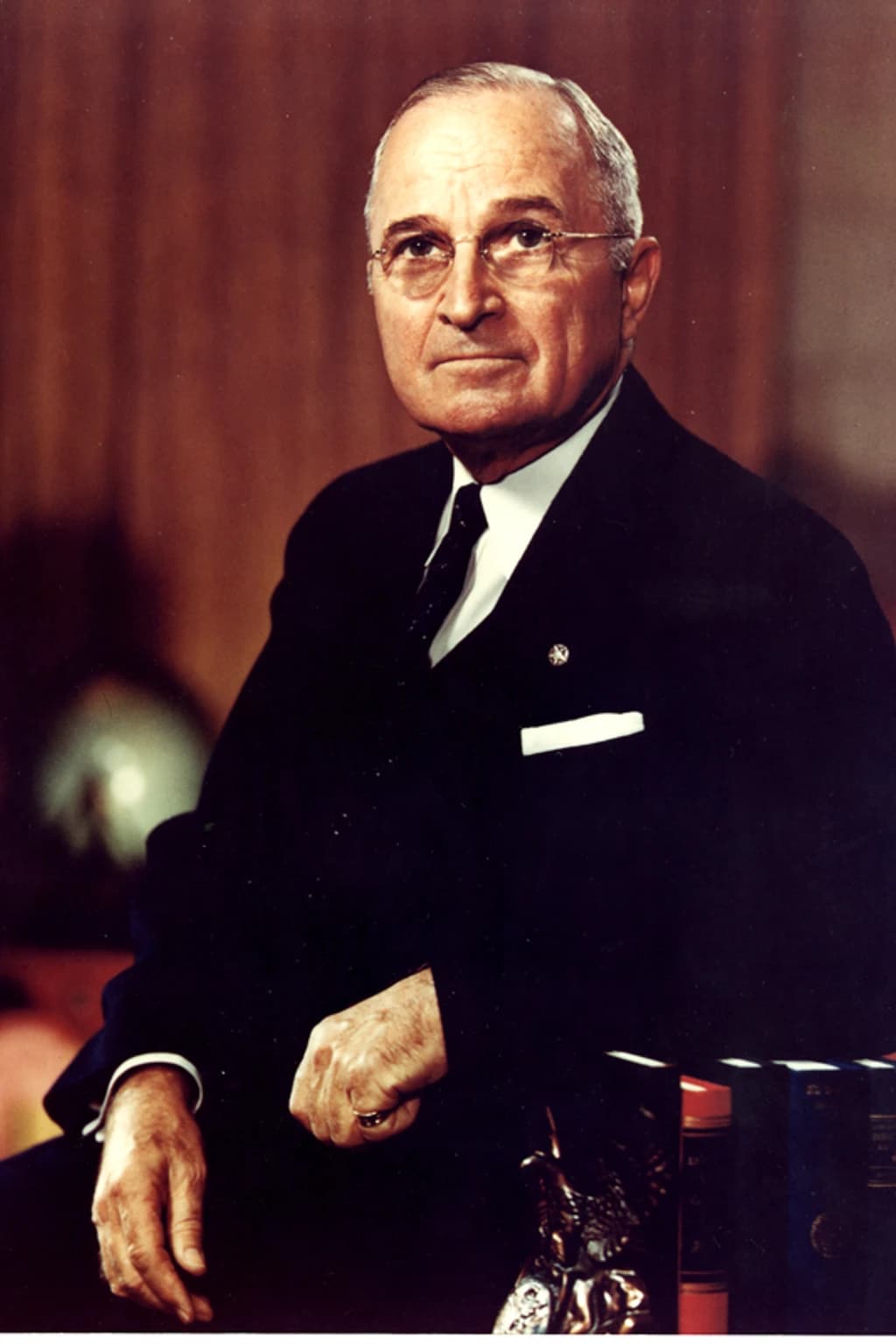
President Harry S. Truman's administration viewed North Korea's invasion as a test of Cold War containment and feared that leaving it unanswered would encourage further expansion. The United States first provided air and naval support, then committed ground forces as part of the United Nations Command after the UN Security Council recommended assistance to South Korea.
Why did China enter the Korean War?
China intervened after United Nations forces crossed the 38th parallel and advanced towards the Yalu River on China's border. Chinese leaders feared the presence of a hostile US-led army at the frontier, warned against the advance, and sent the People's Volunteer Army into Korea in October 1950.
Did the Korean War officially end?
The Korean Armistice Agreement of 27 July 1953 suspended open hostilities, but it was a military ceasefire rather than a peace treaty. No final peace agreement followed, so the peninsula remains divided under the armistice system.
What was the 38th parallel?
The 38th parallel was the line chosen in 1945 to divide the Soviet and American occupation zones after Japan's surrender. It hardened into the boundary between rival Korean states, but it is not identical to today's Military Demarcation Line.
What is the Korean Demilitarized Zone?
The Korean Demilitarized Zone, or DMZ, is a buffer established by the 1953 armistice around the Military Demarcation Line. Each side withdrew two kilometres from that line, creating a zone about four kilometres wide across the peninsula.
Why is the Korean War called the Forgotten War?
The label is used mainly in the United States, where the conflict was often overshadowed in public memory by the Second World War and the Vietnam War. Its inconclusive armistice and limited place in later popular culture also contrasted with the war's enormous human cost and continuing consequences for Korea.
Context
Introduction
Overview
The Korean War was fought from 1950 to 1953 after North Korea invaded South Korea, turning the divided peninsula into the Cold War's first major battlefield. The conflict drew in the United States, United Nations forces, China, and Soviet support, producing a brutal war of invasion, counteroffensive, intervention, and stalemate. It ended with an armistice rather than a peace treaty, leaving Korea divided and the conflict's consequences unresolved.
What you'll learn: You'll understand how Korea was divided, why war broke out, how international intervention shaped the conflict, and why the peninsula remains one of the most strategically significant and dangerous places in the world today.
Key forces
Korea was divided at the 38th parallel in 1945 as a temporary arrangement that quickly became permanent following the collapse of US-Soviet cooperation.
North Korea's invasion of the south in June 1950 triggered the first major military response of the Cold War, bringing United Nations forces under American command to defend South Korea.
China's intervention in late 1950 transformed the conflict, forcing a UN retreat and creating the stalemate that defined the war's second half.
The armistice of 1953 ended the fighting but left Korea permanently divided, technically at war, and a continuing flashpoint in global politics.
1945 CE
Step 1 of 101945 CEAccessible mode
The Division of Korea
At the end of World War II, Korea was divided in two by a line drawn by American officials in a matter of hours. It was meant to be temporary. It became permanent.
Japan had ruled Korea as a colony for 35 years. When Japan surrendered in 1945, Koreans expected independence. Instead, two superpowers stepped in and divided the peninsula between them.
The Soviet Union took control north of the 38th parallel. America took the south. Each backed a different kind of government and had no intention of letting the other win the whole peninsula.
“A line drawn in minutes became a divide that shaped the next century.”
For Koreans, this was painful. Families were separated. The economy was cut in two. Nobody consulted ordinary people about what they wanted.
This division set the stage for everything that followed. It explains why two rival governments formed, why tensions escalated, and why war eventually broke out.
1948 CE
Step 2 of 101948 CEAccessible mode
Rival States Emerge
In 1948, two separate governments declared themselves the rightful rulers of all Korea. One was in , the other in . Both were preparing for conflict.
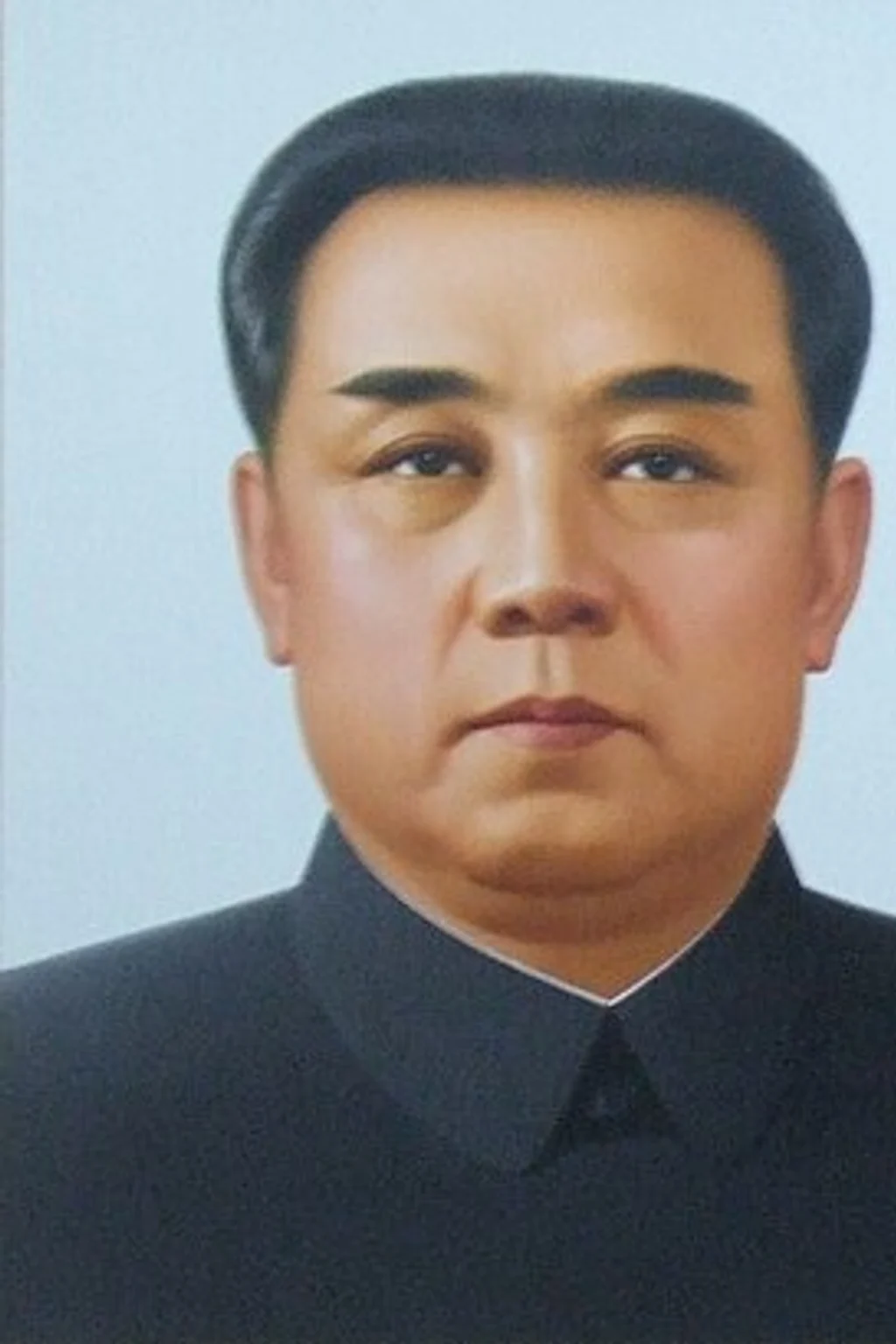
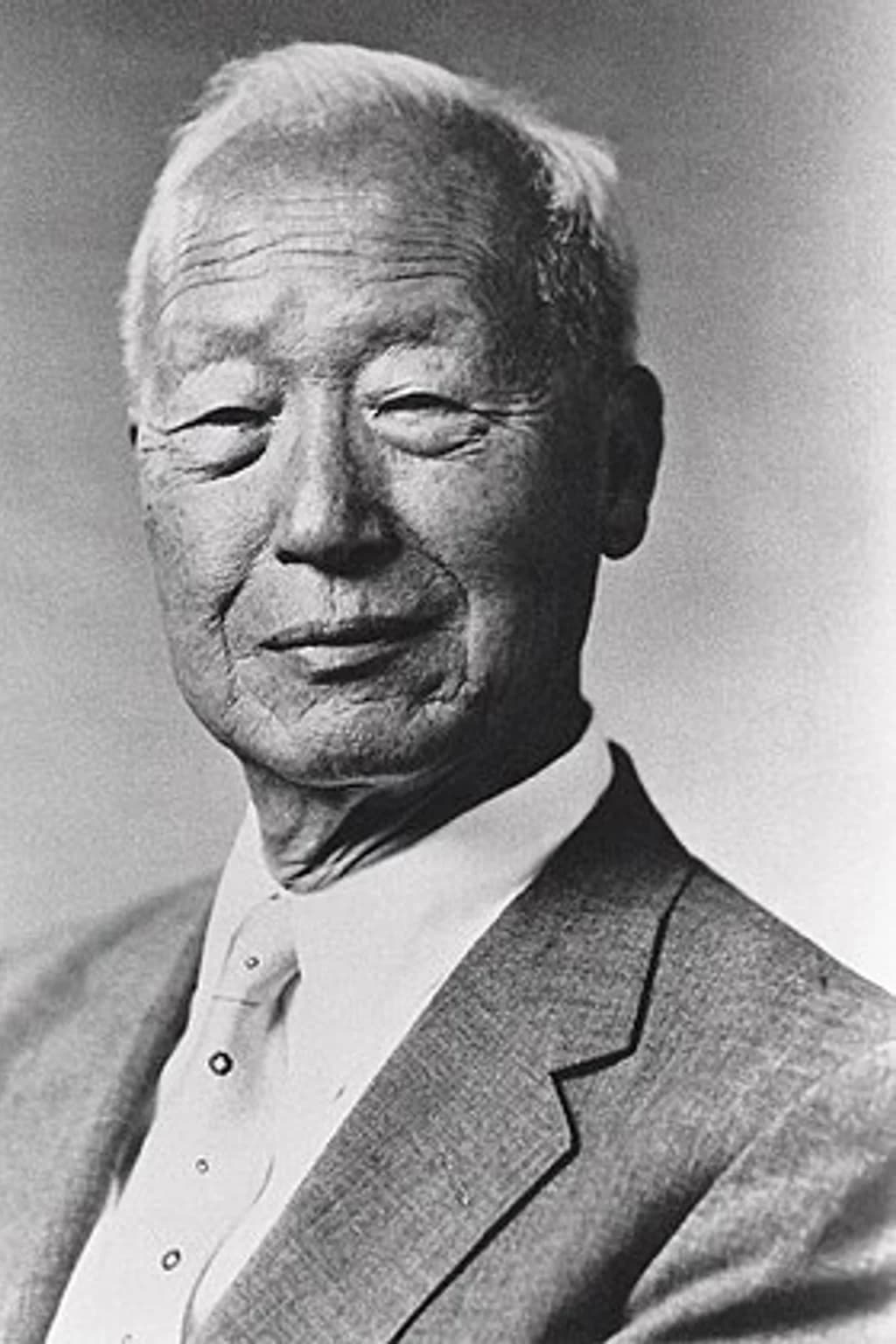
In the south, Syngman Rhee became president of the Republic of Korea. He was fiercely anti-communist and backed by the United States. In the north, Kim Il Sung led the Democratic People's Republic of Korea, with strong support from the Soviet Union.
Neither leader accepted the other's right to govern. Both claimed to represent all Koreans. Both were building up their militaries.
“Both leaders claimed to speak for all Koreans. Neither would accept the other.”
Tensions along the border grew through 1949. There were skirmishes, raids, and firefights. Thousands died before any full war began.
Korea was heading toward something much larger. The question wasn't whether there would be war — it was who would start it, and when.
1950 CE
Step 3 of 101950 CEAccessible mode
The North Korean Invasion
On 25 June 1950, North Korea launched a surprise invasion of South Korea. Within days, the Cold War had turned into a real shooting war.
North Korea had prepared carefully. Its army had tanks, trained soldiers, and Soviet-supplied weapons. South Korea's defenses collapsed almost immediately.
, the South Korean capital, fell in just three days. South Korean and American troops were pushed back toward the southern tip of the peninsula.
“The Cold War had produced tensions for years. Now it had produced a war.”
The invasion alarmed the United States and its allies. If communism could expand this quickly by force, where would it stop? President Truman decided America had to respond.
Korea became the Cold War's first major hot war — a direct military conflict that would draw in countries from across the world.
Premium3 of 10 chapters read
The United Nations Intervenes
The opening chapters show a divided peninsula becoming a battlefield. Premium follows the terrifying expansion of that war: foreign armies arrive, the front surges north and south, China enters, and millions are left inside a conflict that ends without peace.