This story discusses violence, persecution, mass death, and human suffering in an educational historical context.
Reading mode
Accessible gives a lighter overview. Deep Dive tells the fuller story.
Quick Answers
What is the Kim Dynasty?
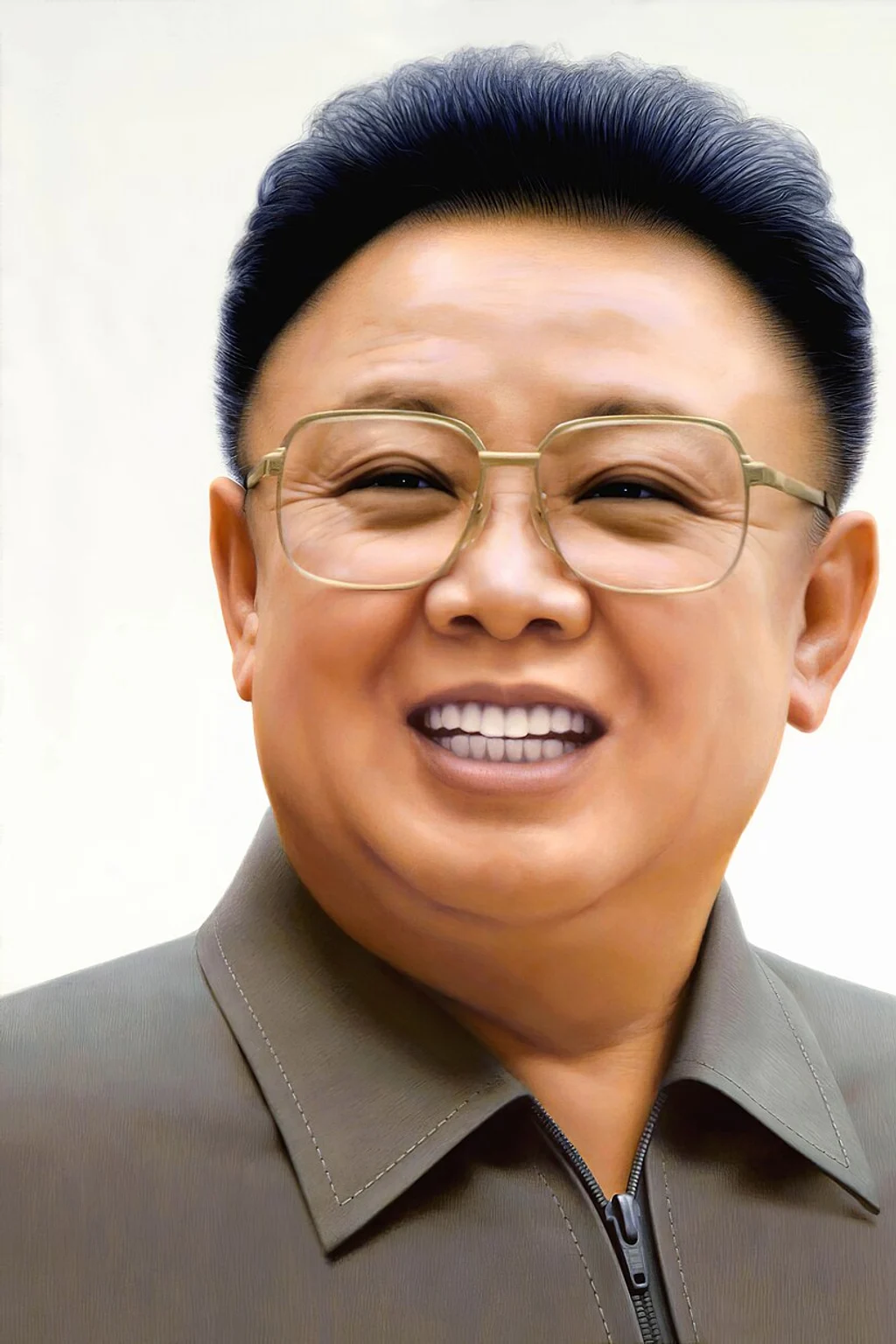
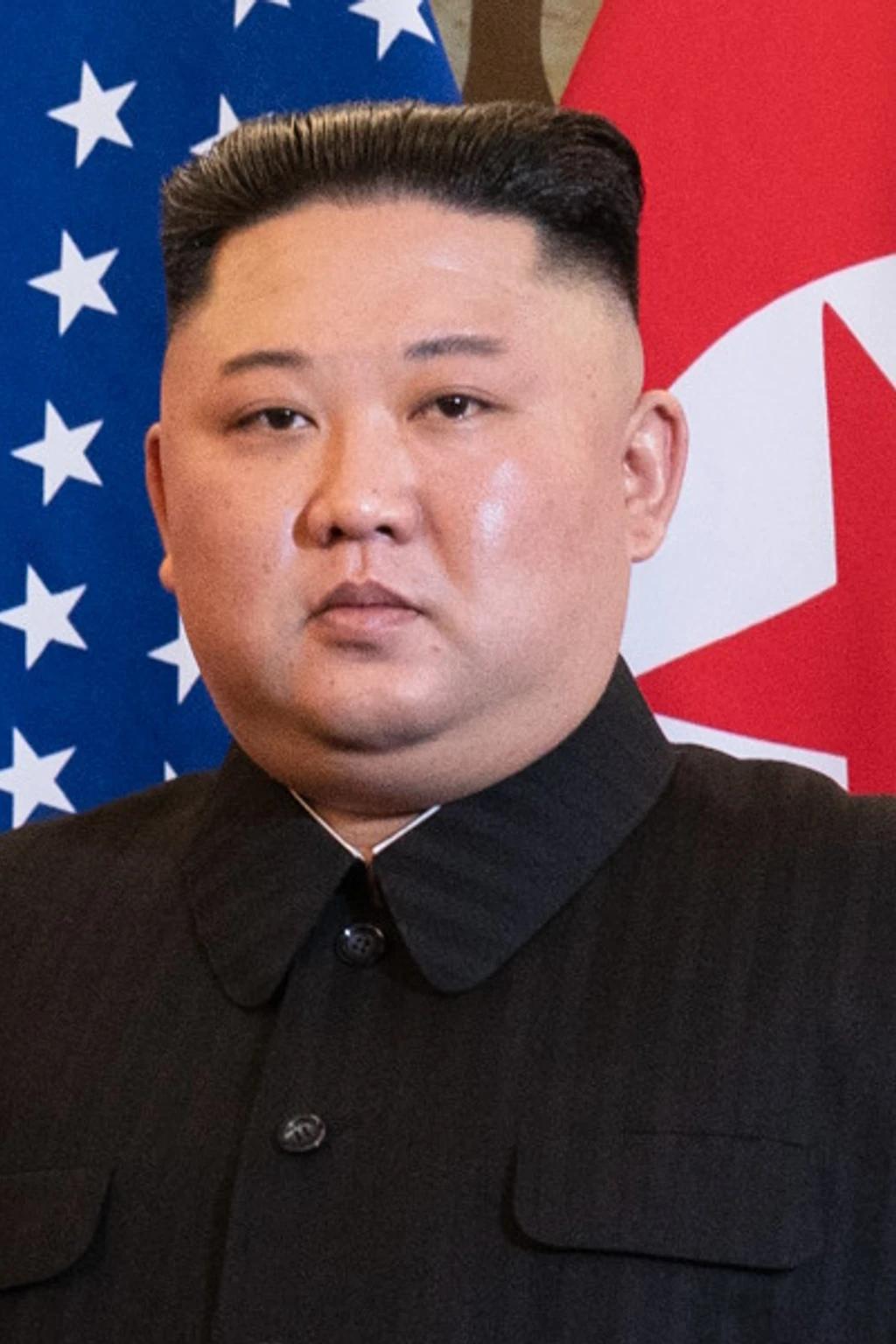
The Kim Dynasty is the ruling family line that has controlled North Korea since 1948 through Kim Il Sung, Kim Jong Il, and Kim Jong Un. It combines one-party rule, hereditary leadership, militarisation, surveillance, propaganda, and nuclear brinkmanship.
At a glance
Date range: 1945 to 2026.
North Korea’s Kim dynasty built a nuclear-armed regime, maintaining power through crises and control.
The dynasty began in the division of Korea after Japan's defeat in 1945.
Before North Korea became a separate state, Korea was under Japanese colonial rule until 1945. After liberation and division, Soviet-backed Kim Il Sung became North Korea's founding leader.
How long has the Kim family ruled North Korea?
The Kim family has ruled North Korea since the state was founded in 1948, passing power from Kim Il Sung to Kim Jong Il and then to Kim Jong Un.
How does the Kim Dynasty stay in power?
The regime relies on party control, security services, military loyalty, propaganda, restricted information, repression, elite privilege, and the symbolic cult around the Kim family.
Why does North Korea have nuclear weapons?
North Korea's leadership uses nuclear weapons to deter attack, strengthen bargaining power, support regime survival, and project strength despite economic weakness and isolation.
Context
Introduction
Overview
North Korea's ruling family emerged from the division of Korea after Japan's defeat in 1945. Kim Il Sung built a tightly controlled state and passed power to his son, establishing a dynasty within a communist system. War, famine and nuclear weapons shaped the country's later decades, while the leadership retained its grip on political life.
Key forces
The dynasty began in the division of Korea after Japan's defeat in 1945.
The Korean War entrenched militarization and permanent division.
Hereditary succession turned a communist dictatorship into a family regime.
1945 CE
Step 1 of 101945 CEAccessible mode
Soviet Patronage and State Formation
Korea's liberation from Japan in 1945 did not bring independence. It brought division — and a foreign hand shaping the north.
Japan had ruled Korea for 35 years. When Japan surrendered in August 1945, the Soviet Union took the north and the United States took the south. The temporary occupation line hardened into two rival states. The armistice boundary after the Korean War followed the battlefront rather than the parallel exactly.
The Soviets needed a Korean leader they could trust. They chose Kim Il Sung — a Korean communist who had served in Soviet military ranks.
With Soviet backing, Kim built a security state from scratch. Rivals were removed. Loyalty was enforced from the beginning.
Those early decisions set the template for everything that came after: centralised power, repression, and total obedience to one man.
1948 CE
Step 2 of 101948 CEAccessible mode
The Founding of North Korea
In 1948, North Korea became an official state. But it was born with a claim that would define everything: authority over the entire peninsula.
Both Korean zones moved to formalise their political systems. South Korea declared itself a republic in August 1948. A month later, Kim Il Sung proclaimed the Democratic People's Republic of Korea in the north.
Kim built his authority quickly. He positioned himself as a national father figure, not just a political leader. Propaganda reinforced this image across every part of public life.
The rival claims, border clashes and superpower confrontation made war more likely. Its outbreak still depended on decisions by Korean leaders and their foreign supporters.
1950 CE
Step 3 of 101950 CEAccessible mode
The Korean War Gamble
In June 1950, Kim Il Sung did something bold and dangerous. He ordered his army to invade South Korea.
Kim believed the peninsula should be unified under his rule. He had been planning an attack for years and secured Stalin’s conditional approval and consulted Mao Zedong before launching the invasion.
The invasion worked at first. North Korean forces swept south and nearly took the whole country.
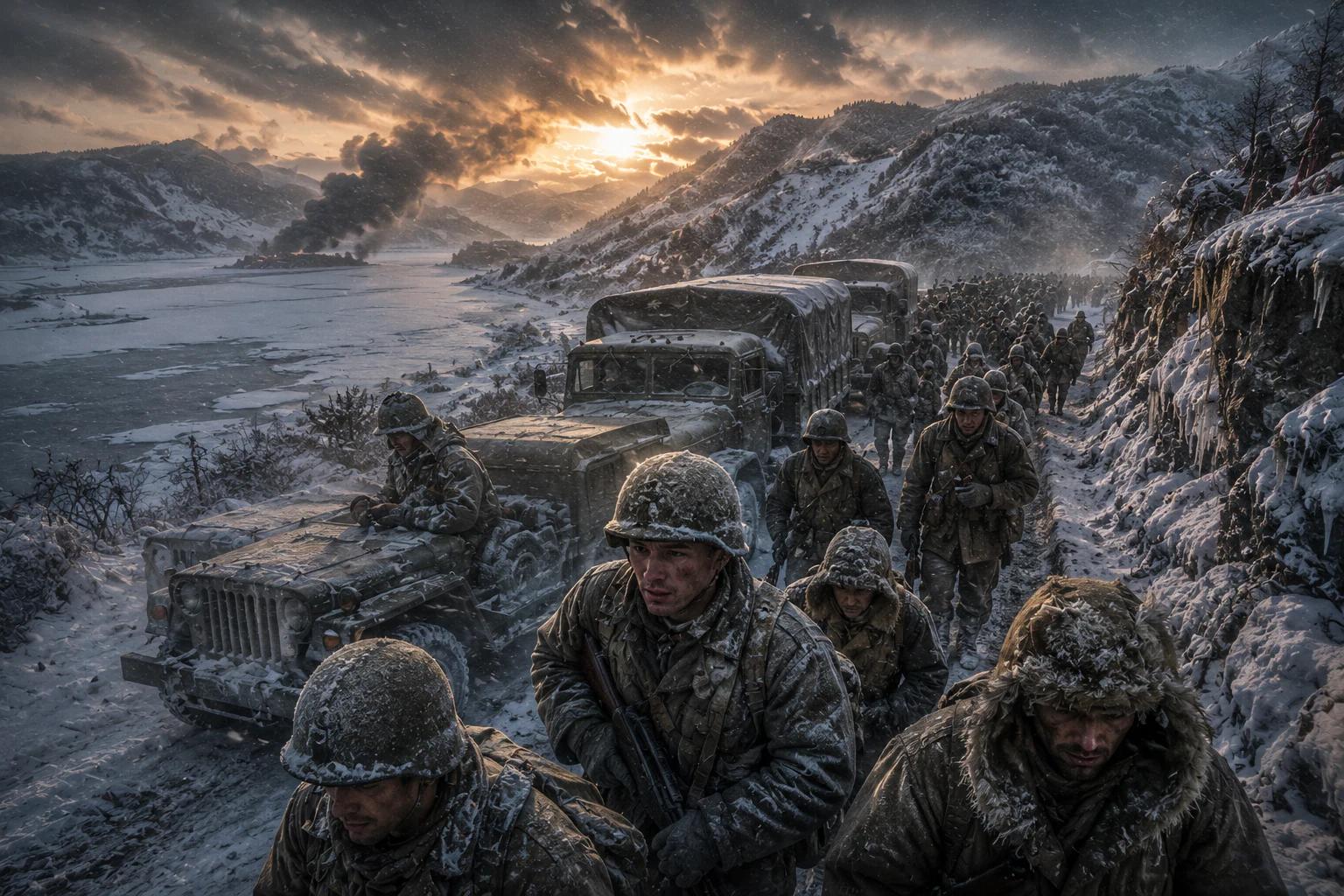
American and United Nations forces pushed back. Then China entered the war. The fighting lasted three years and killed millions. It ended roughly where it started.
The war left North Korea convinced that hostile powers surrounded it on all sides. That sense of siege never left — and it still shapes the regime's decisions today.
PremiumFree preview: 3 of 10 chapters
Continue The Kim Dynasty
Sign up to a Premium account to read the remaining chapters of this story.
A paid Premium subscription also gives you full access to every other Premium story.