← People

Lin Zexu

Lin Zexu was the Qing imperial commissioner who suppressed the illegal opium trade at Canton in 1839. His destruction of seized opium helped trigger the First Opium War and made him a lasting symbol of resistance to foreign drug trafficking.

Born
1785 CE
Died
1850 CE
Role
Qing official
Also known as
Lin Tse-hsu, Commissioner Lin
Region
China, Qing China, East Asia

Qing imperial commissioner (1785-1850)

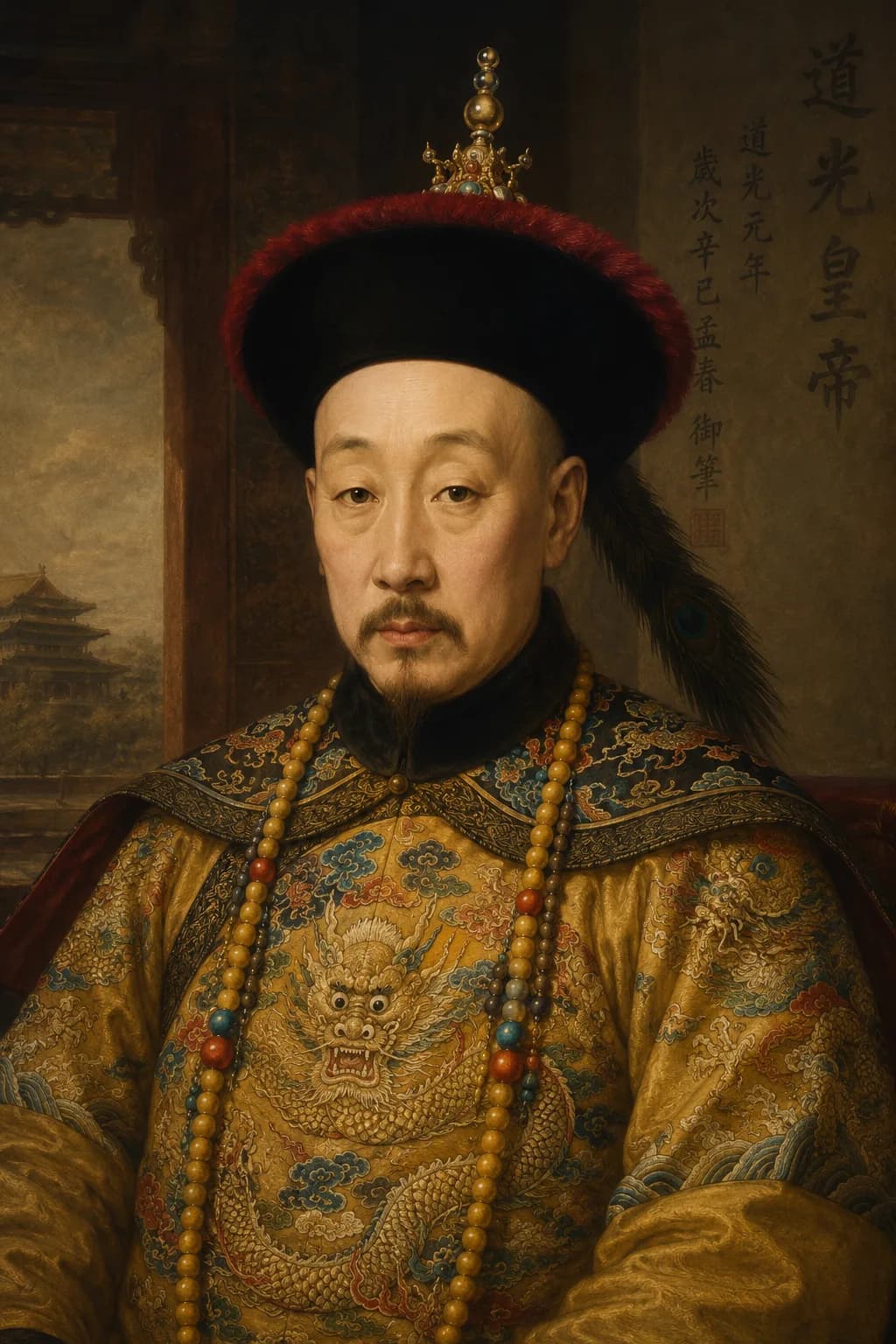
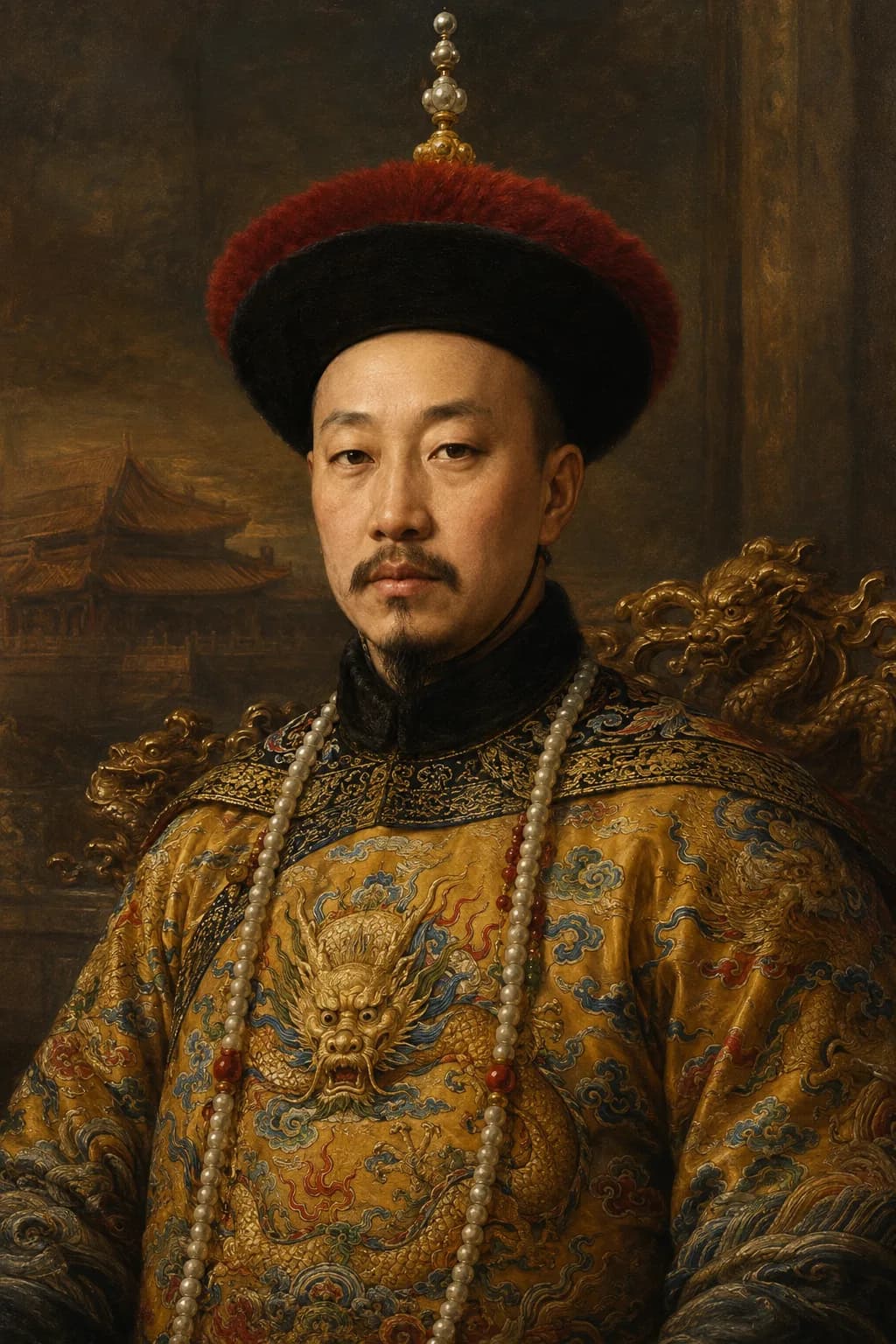
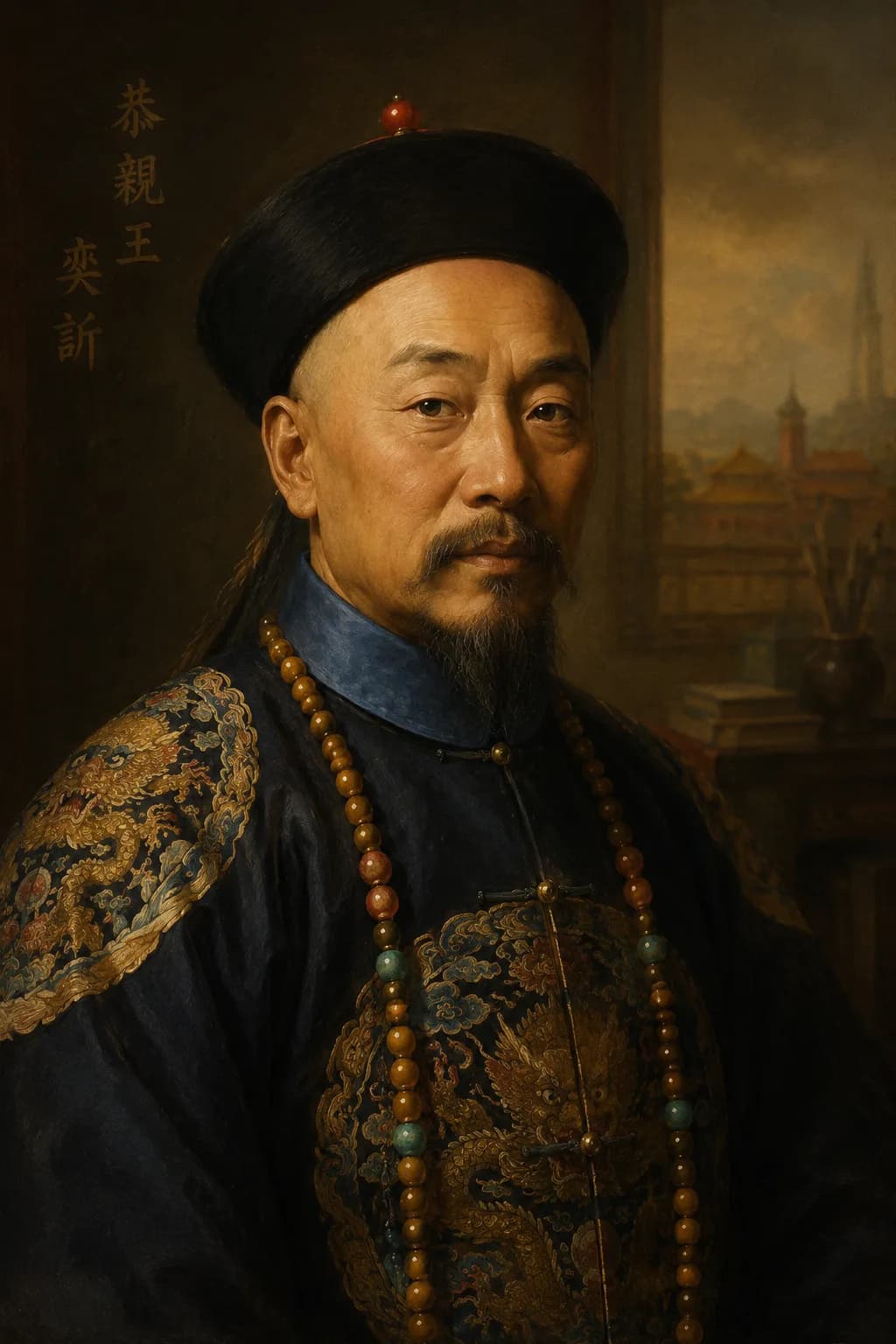
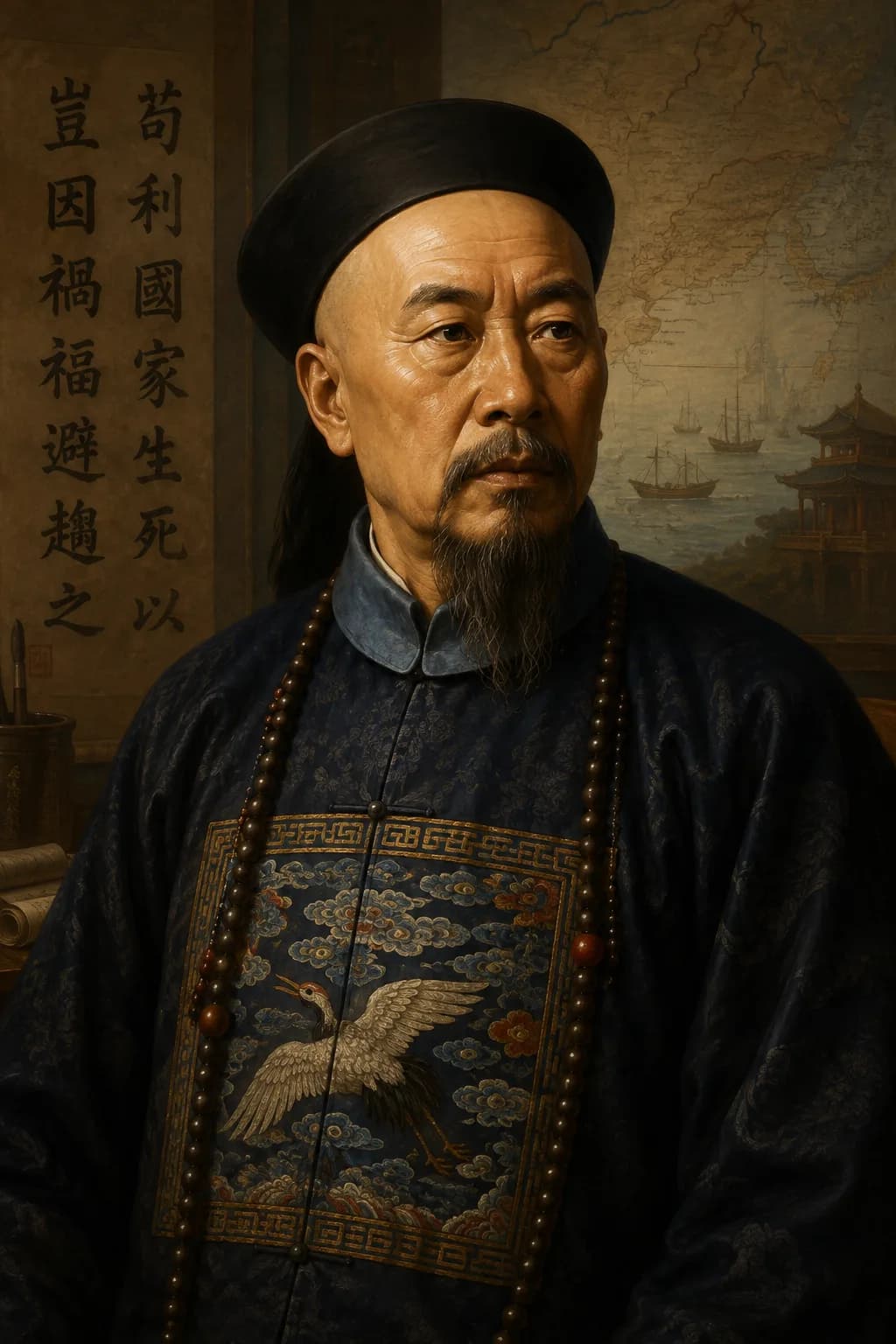
AI-generated portrait of Lin Zexu in Qing official dress
AI-assisted historical reconstruction

An illustrative reconstruction based on historical context. It is not a photograph or documentary likeness. Image policy

Life Journey

The official who made opium a test of sovereignty

Follow Lin Zexu from Qing official service to the Canton crisis and his later symbolic afterlife.

Complete chronology

1785

Born into Qing official culture

Lin Zexu was born in Fujian in 1785, into a world where education and examination success could carry a talented man into imperial service. His career was shaped by the ideals of the Qing bureaucracy: moral discipline, classical learning and a belief that officials should correct disorder through personal integrity and administrative force.


1810s-1830s

Reputation for integrity

Before Canton, Lin served in several provincial and administrative posts, gaining a reputation for competence and firmness. Qing government depended heavily on officials who could convert imperial commands into local action. Lin's reputation mattered because the opium crisis required someone trusted to act against merchants, smugglers, corrupt officials and foreign pressure at once.

1839

Sent to Canton

By 1839, opium had become a fiscal, social and political emergency. Silver was leaving China, addiction was spreading and enforcement had been compromised by bribery. Lin arrived at Canton with extraordinary authority and a clear mission: force the illegal trade into the open and end it through decisive state action.

1839

Destroying the opium

Lin pressured foreign merchants to surrender more than twenty thousand chests of opium, then destroyed the drug at Humen near the Pearl River mouth. To Qing officials this was the enforcement of Chinese law on Chinese soil. To British officials and merchants it became a claim for compensation and a reason to escalate.

1840s

Blamed after defeat

Once Britain used naval force, the Qing court searched for explanations and adjustments. Lin was dismissed from his Canton post and later sent to frontier service. His fall reflected the court's uncertainty more than a simple judgment on his motives. He had acted with the authority given to him, but his policy collided with British power the Qing state was not ready to resist.

1850 onward

Symbol of resistance

Lin Zexu died in 1850, but his historical reputation grew far beyond his official career. Later generations remembered him as a principled official who understood the danger of opium and tried to defend Chinese sovereignty before the unequal treaty order took hold. That memory can simplify the politics of 1839, but it captures why Lin remains central to the story.

Continue in context

Connected stories

Move from the profile into the wider events and settings this figure belongs to.

Tertiary paths

Content note

This profile is written for educational use and connects to related Stories of History pages. The main portrait is an AI-assisted historical reconstruction, included as an illustrative aid rather than documentary evidence. Image policy

References

Sources & Further Reading

Reliable reference works, archives and reading paths connected to this profile.

Further reading

  1. Encyclopaedia Britannica, “Search results for Lin Zexu,” accessed June 2026.Open source
  2. WorldCat, “Books and library holdings for Lin Zexu,” accessed June 2026.Open source

Primary sources

  1. Library of Congress, “Search results for Lin Zexu,” accessed June 2026.Open source

Reviewed claim sources

Loading reviewed claim sources...

A monthly route through history

Find out first about the latest published stories, feature notes and occasional Premium offers in one monthly email.