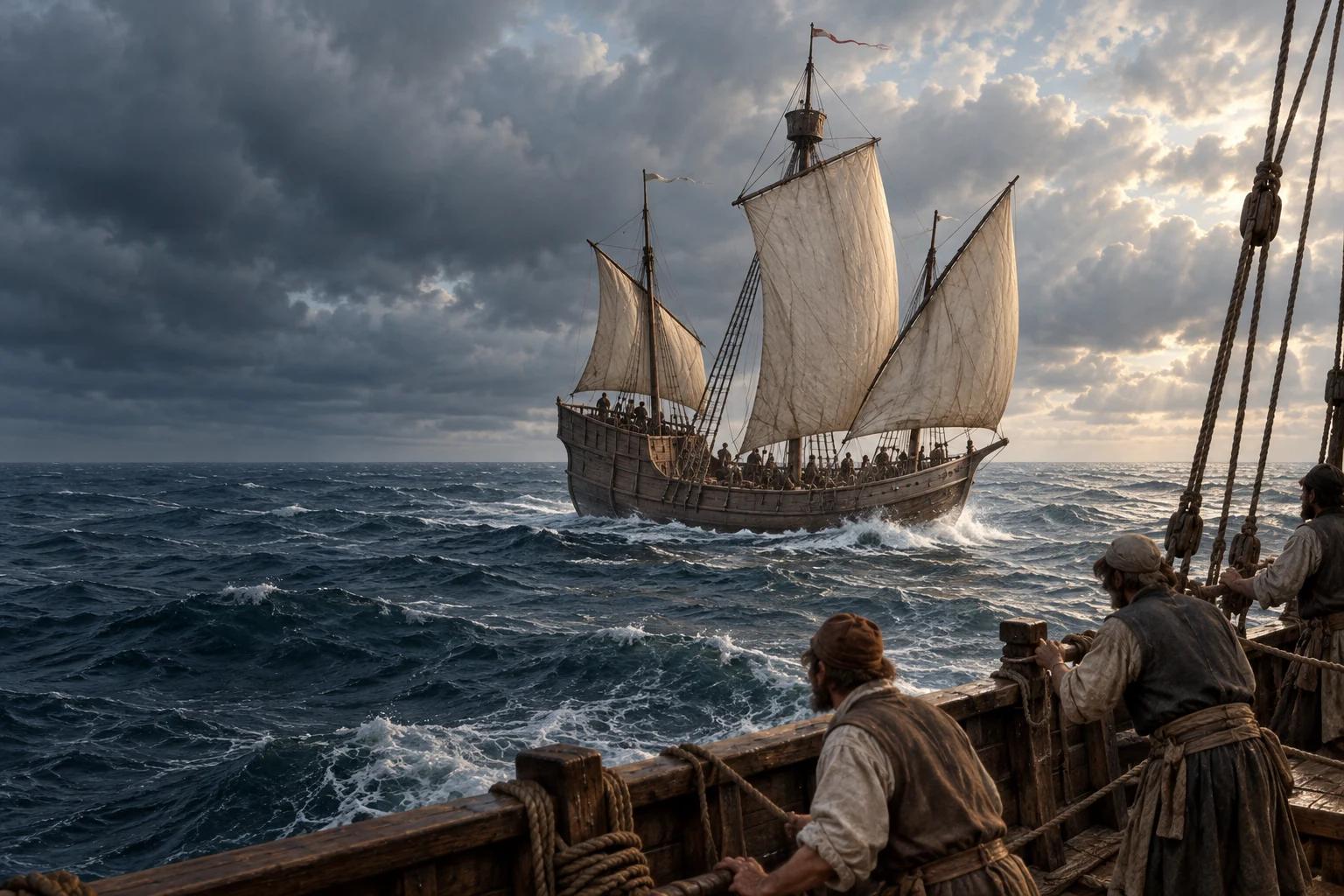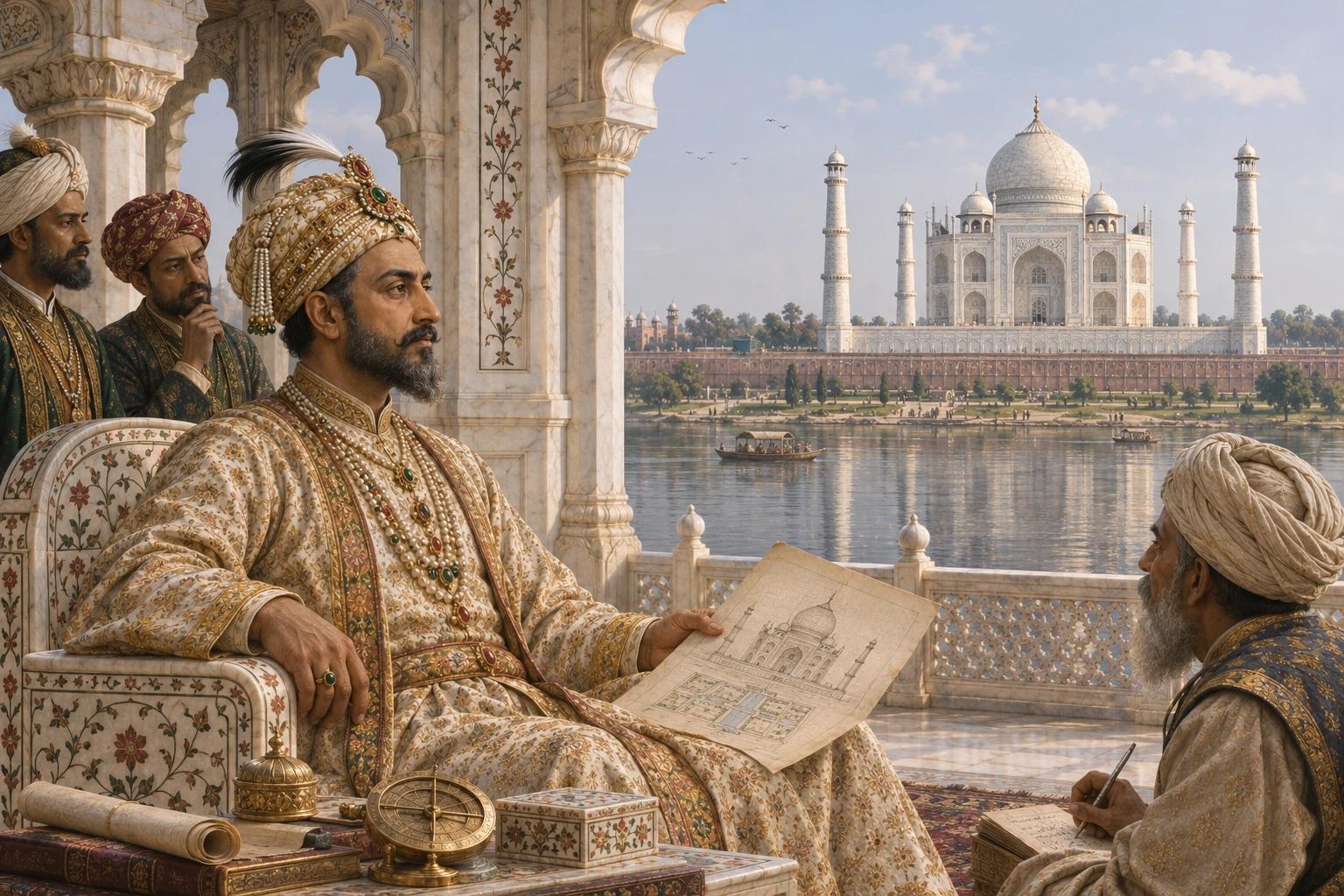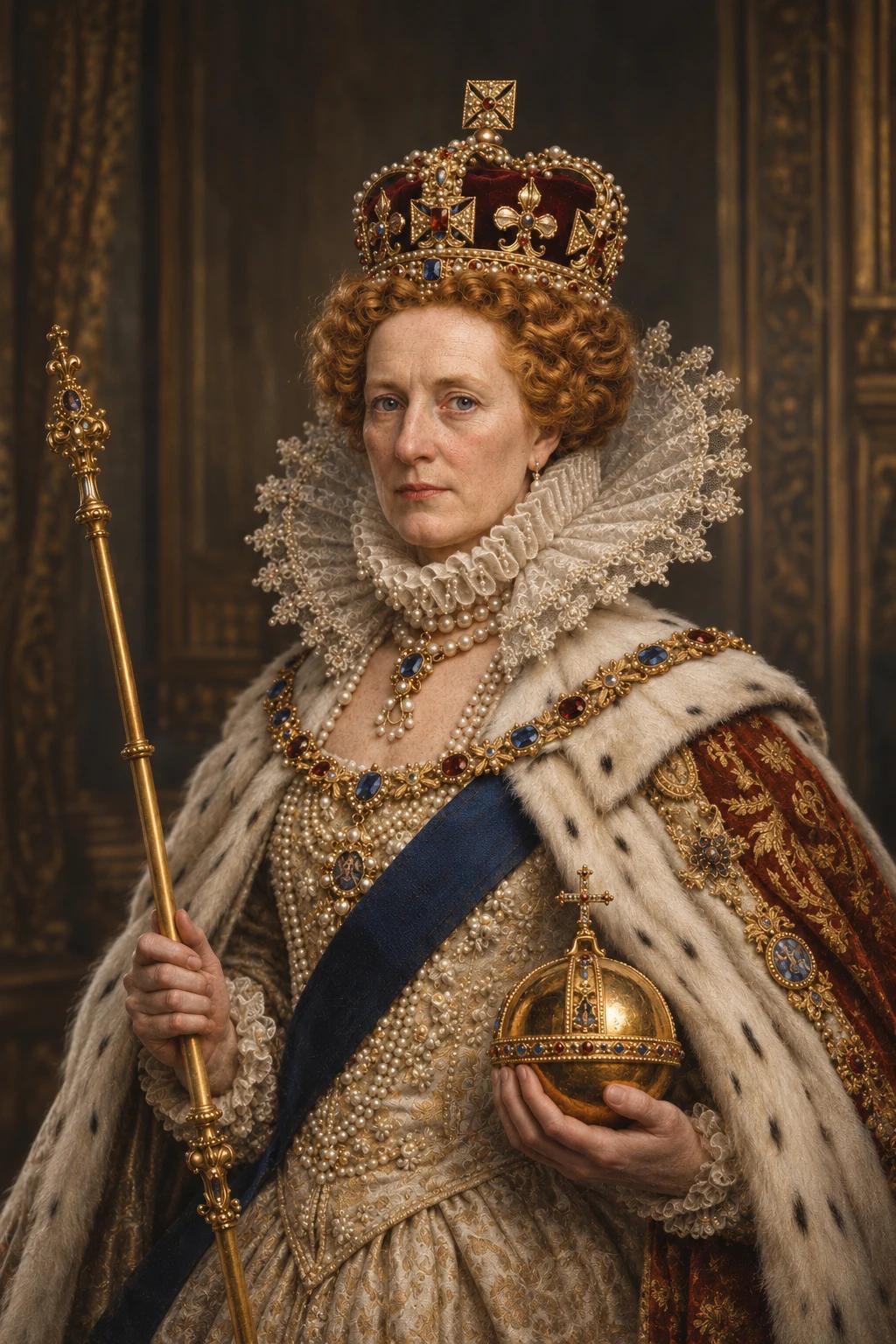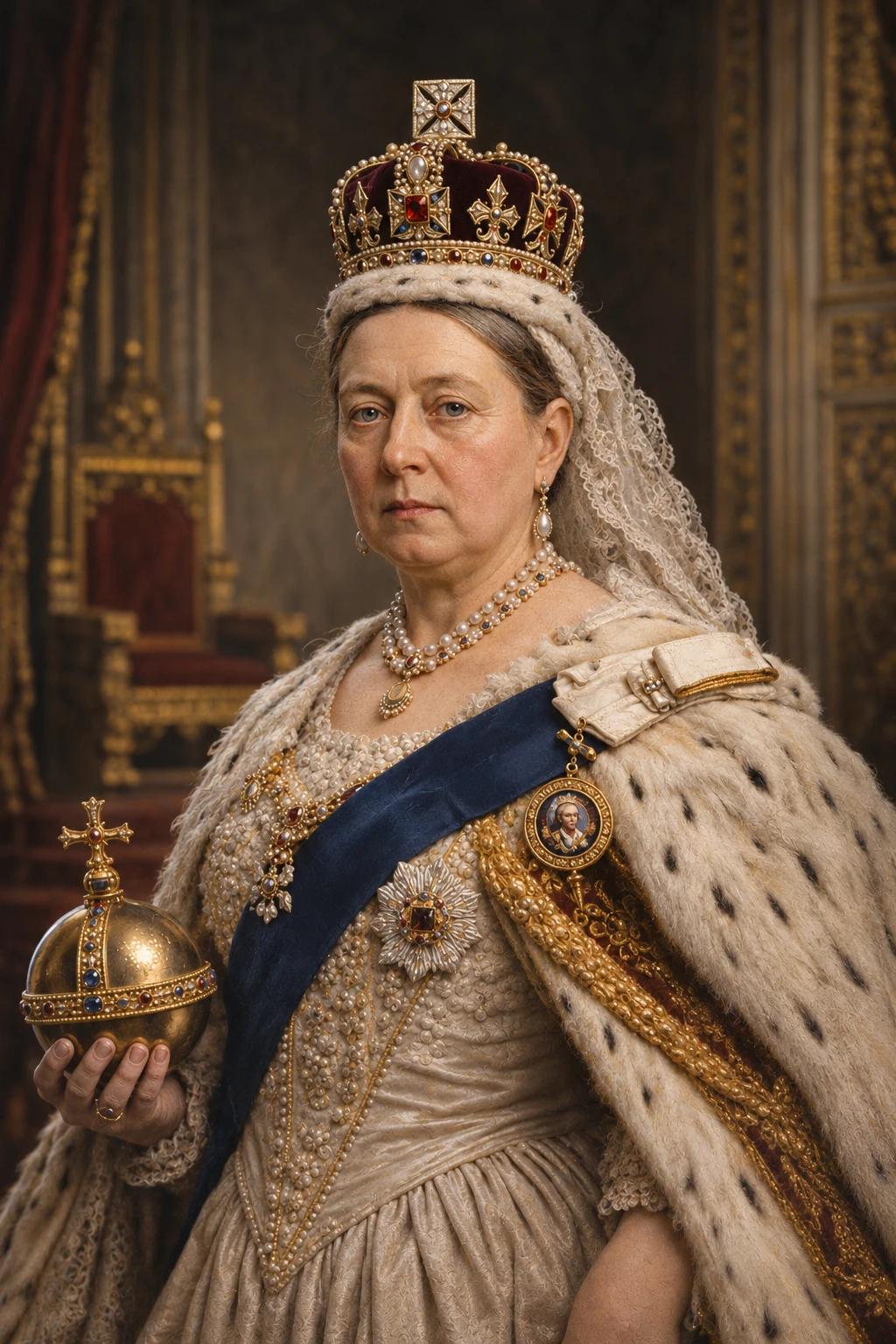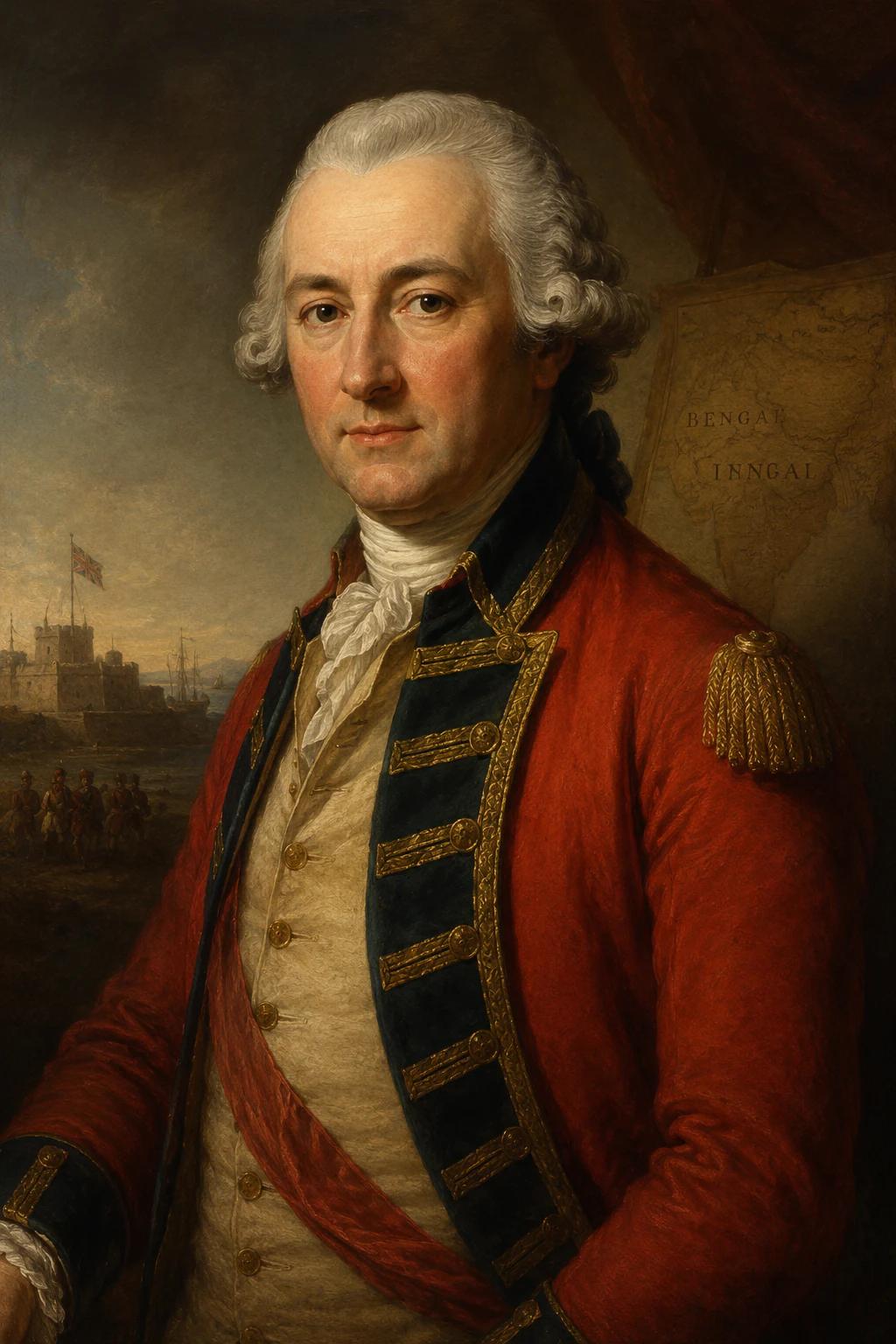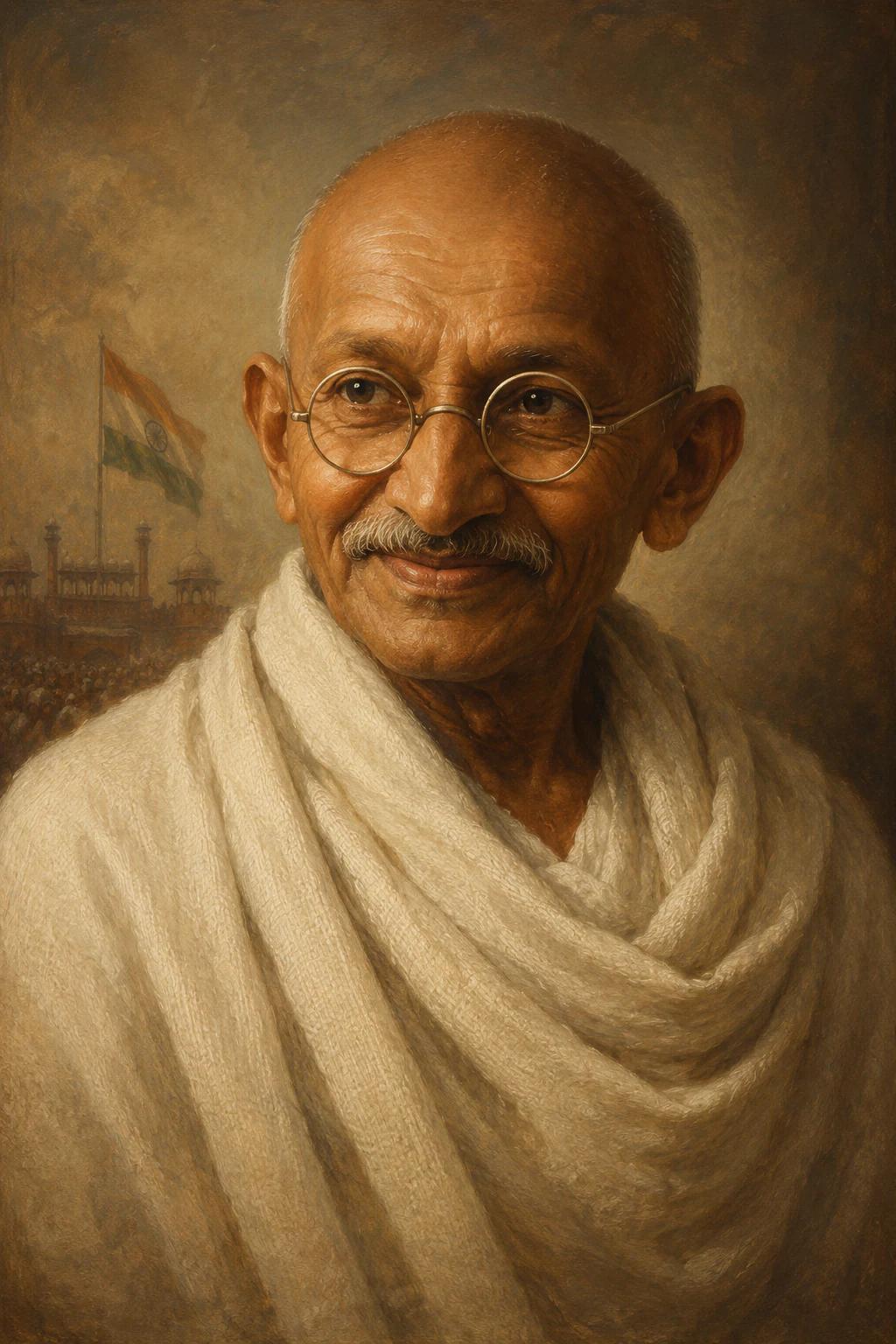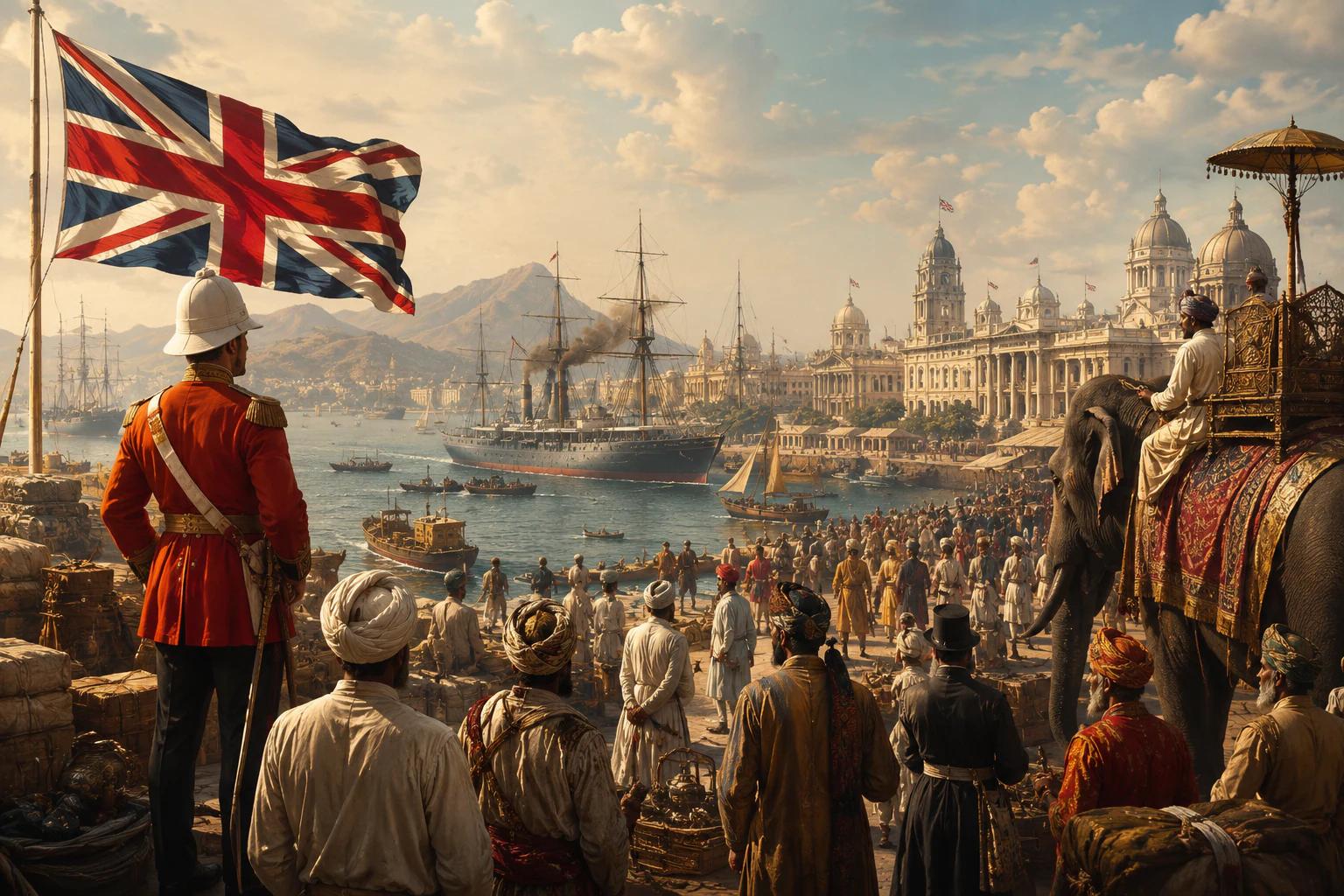
A sweeping view of ships, ports, colonies, and anti-colonial protests across centuries of British imperial history.

Premium Story

The British Empire

Trace how Britain built, ruled, profited from, and lost the largest empire in history.

11 chapters

Next

Content note

This story discusses slavery, exploitation, racial persecution, and violence in an educational historical context.

Context

Introduction

Overview

The British Empire was the largest empire in recorded history, built through sea power, trade, colonisation, slavery, settlement, finance, and military force. At its height, Britain ruled or influenced territories across every inhabited continent. The empire generated wealth and global connections, but also dispossession, exploitation, racial hierarchy, famine, and resistance, leaving legacies that still shape politics, borders, culture, and inequality.

Key forces

The Elizabethan Sea Challenge
1588 CE
Step 1 of 101588 CEAccessible mode

The Elizabethan Sea Challenge

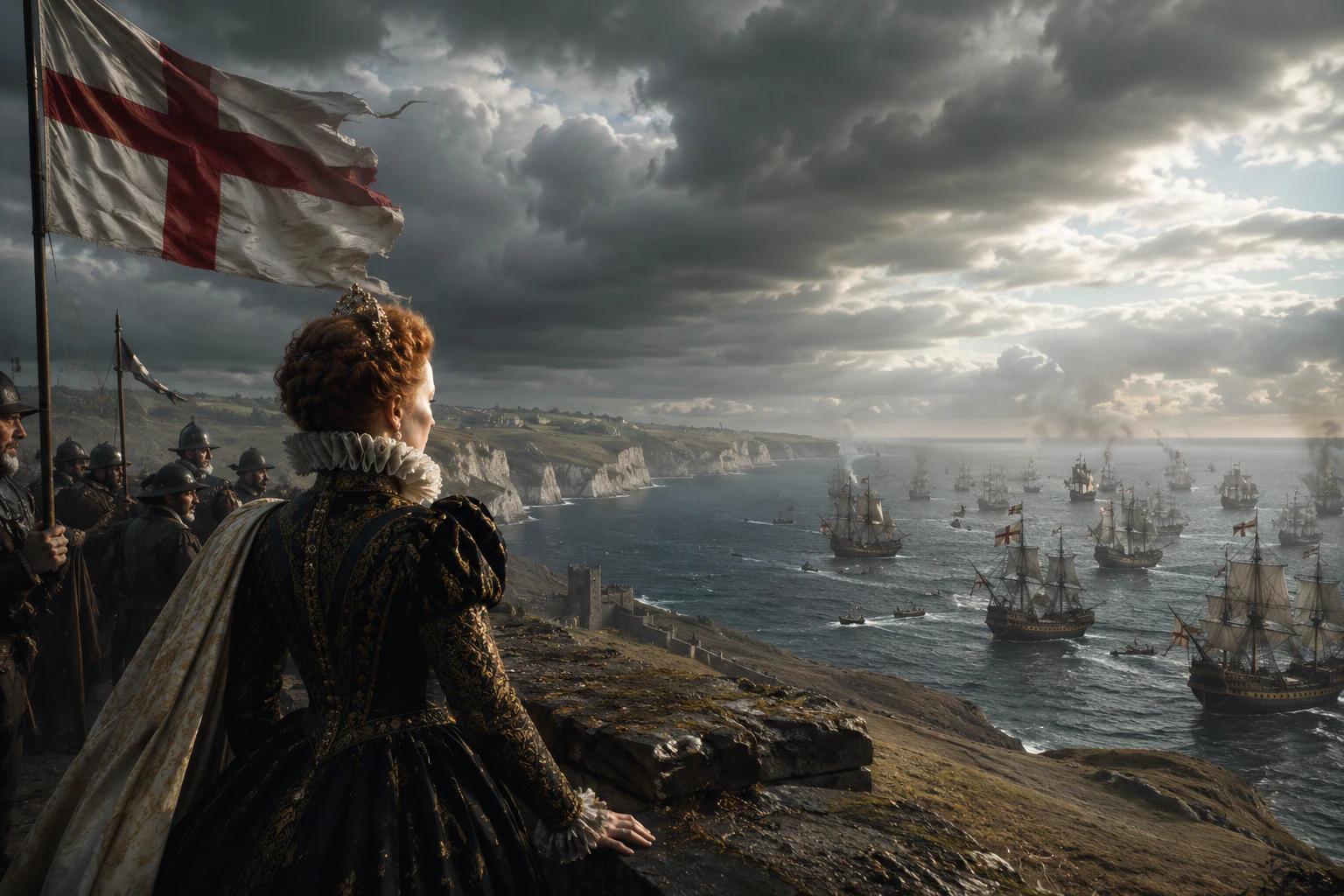
In 1588, England's defeat of the Spanish Armada changed how the English state saw the sea and its future.

England had been weaker than Spain for years. Spain ruled huge American territories and controlled rich silver fleets. England could not match that empire on land.

Instead, English leaders backed privateering. Captains like Francis Drake attacked Spanish shipping with royal approval. These raids mixed religion, war, and profit.

The Armada campaign showed that manoeuvrable ships, naval gunnery, and weather knowledge could block invasion. England survived and gained confidence at sea.

After 1588, overseas action looked less like reckless piracy and more like national strategy. Merchants and courtiers began imagining protected trade routes and distant bases.

The battle did not create an empire overnight, but it opened a mental and political path. Naval power became tied to wealth, security, and expansion.

The East India Company
1600 CE
Step 2 of 101600 CEAccessible mode

The East India Company

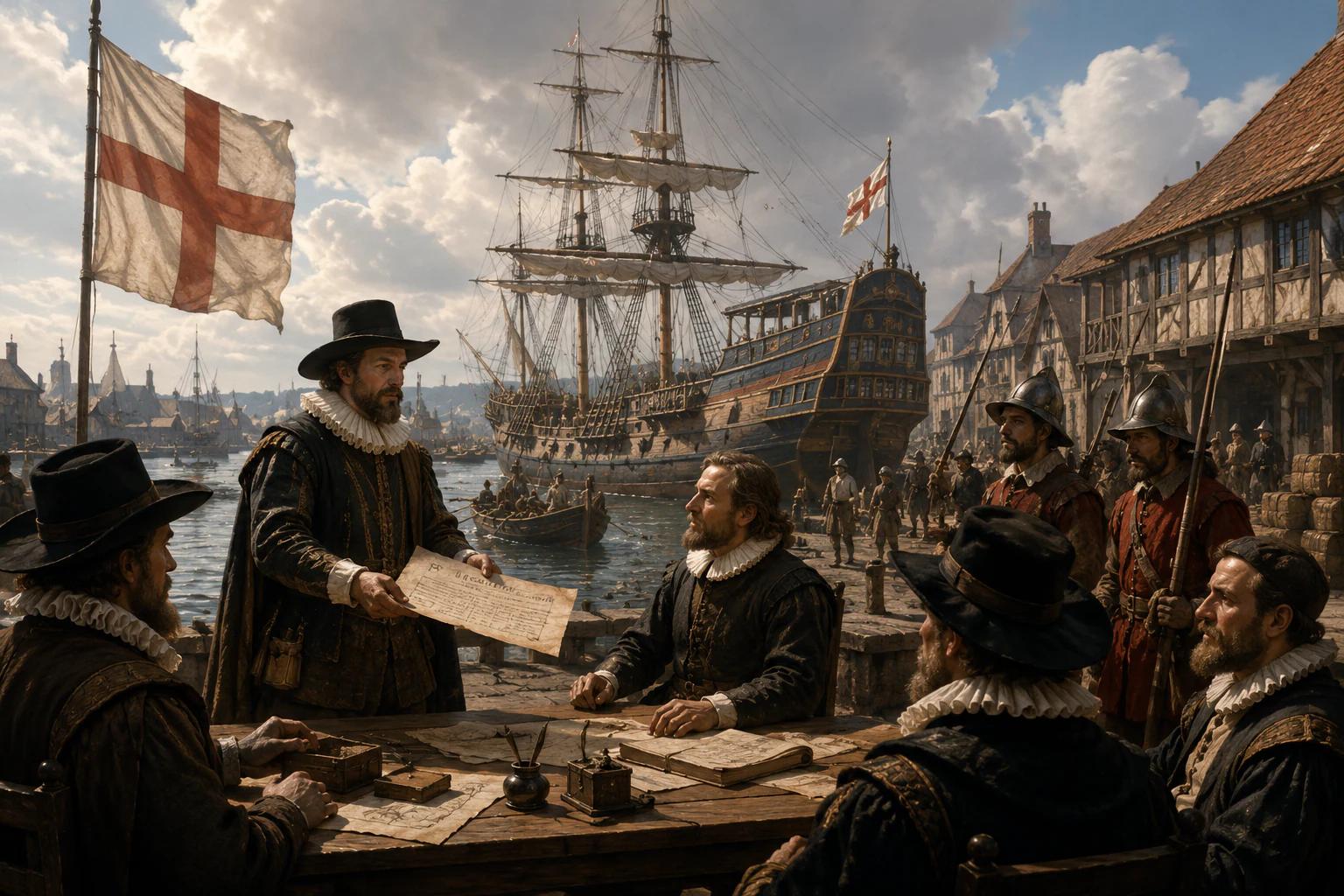
In 1600, the English crown gave the East India Company a monopoly over trade east of the .

This charter let one company act with state support. It could raise money, send fleets, negotiate treaties, and defend its interests with force.

At first, the goal was profit from spices, textiles, and Asian trade routes. Company agents set up coastal bases by bargaining with local rulers.

But trade and power quickly mixed. To protect markets, the Company built forts, armed ships, and private armies. Commerce moved with diplomacy and violence together.

For the English state, this was efficient. Risk stayed with investors, while strategic gains still served national rivalry with Dutch, Portuguese, and French competitors.

The Company became a model for empire-building by contract: private capital under royal protection, expanding influence long before direct Crown rule.

Colonies in the Atlantic
1607 CE
Step 3 of 101607 CEAccessible mode

Colonies in the Atlantic

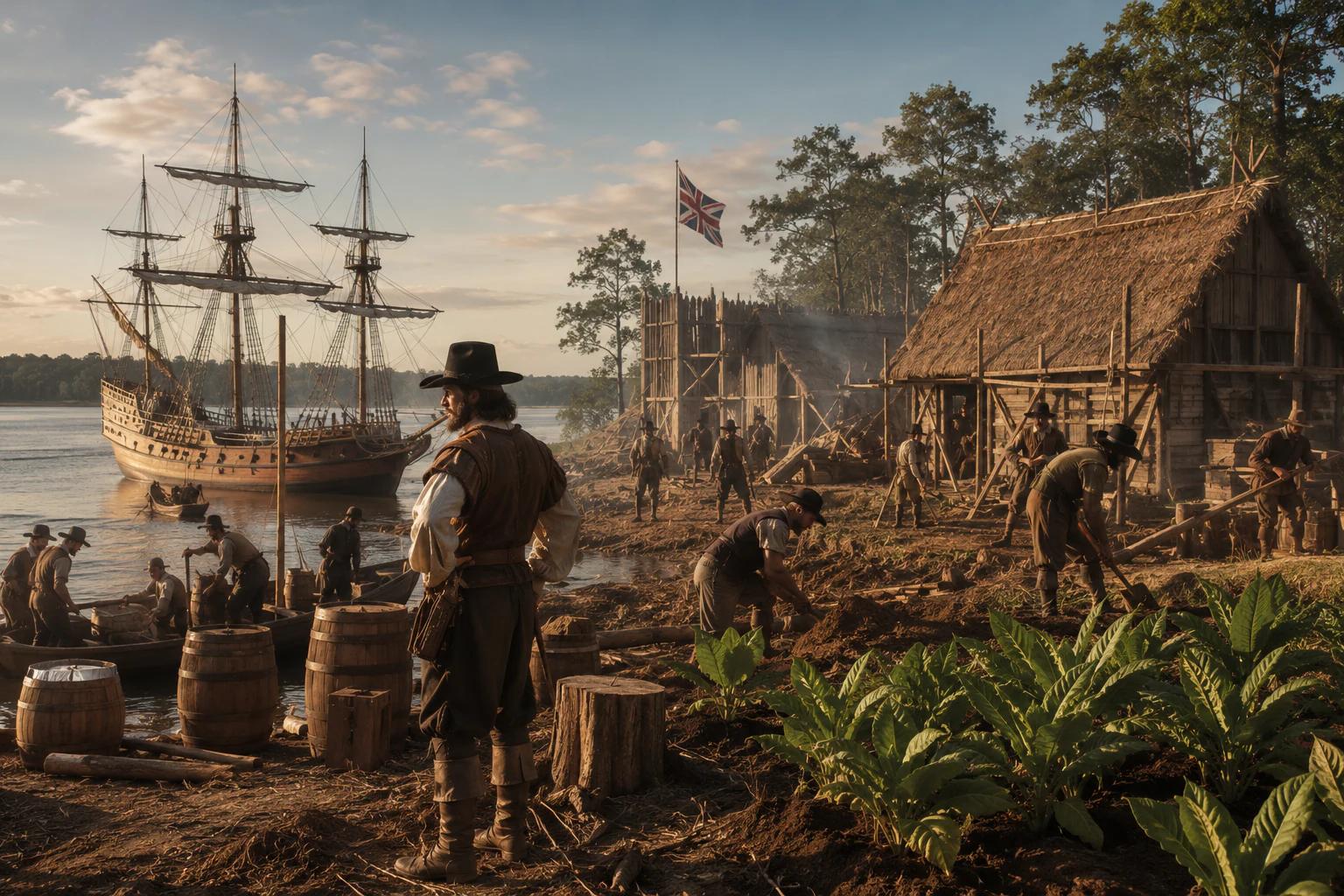
, founded in 1607, became England's first lasting colony in North America.

Early years were brutal. Disease, hunger, and conflict killed many settlers. The colony survived only through support from England and local exchanges with Indigenous peoples.

As tobacco farming expanded, colonists needed more land. They pushed outward, taking territory from Powhatan communities through treaties, force, and settlement pressure.

This was not just migration. It was settler colonisation: newcomers stayed permanently, claimed political control, and changed land use for export agriculture.

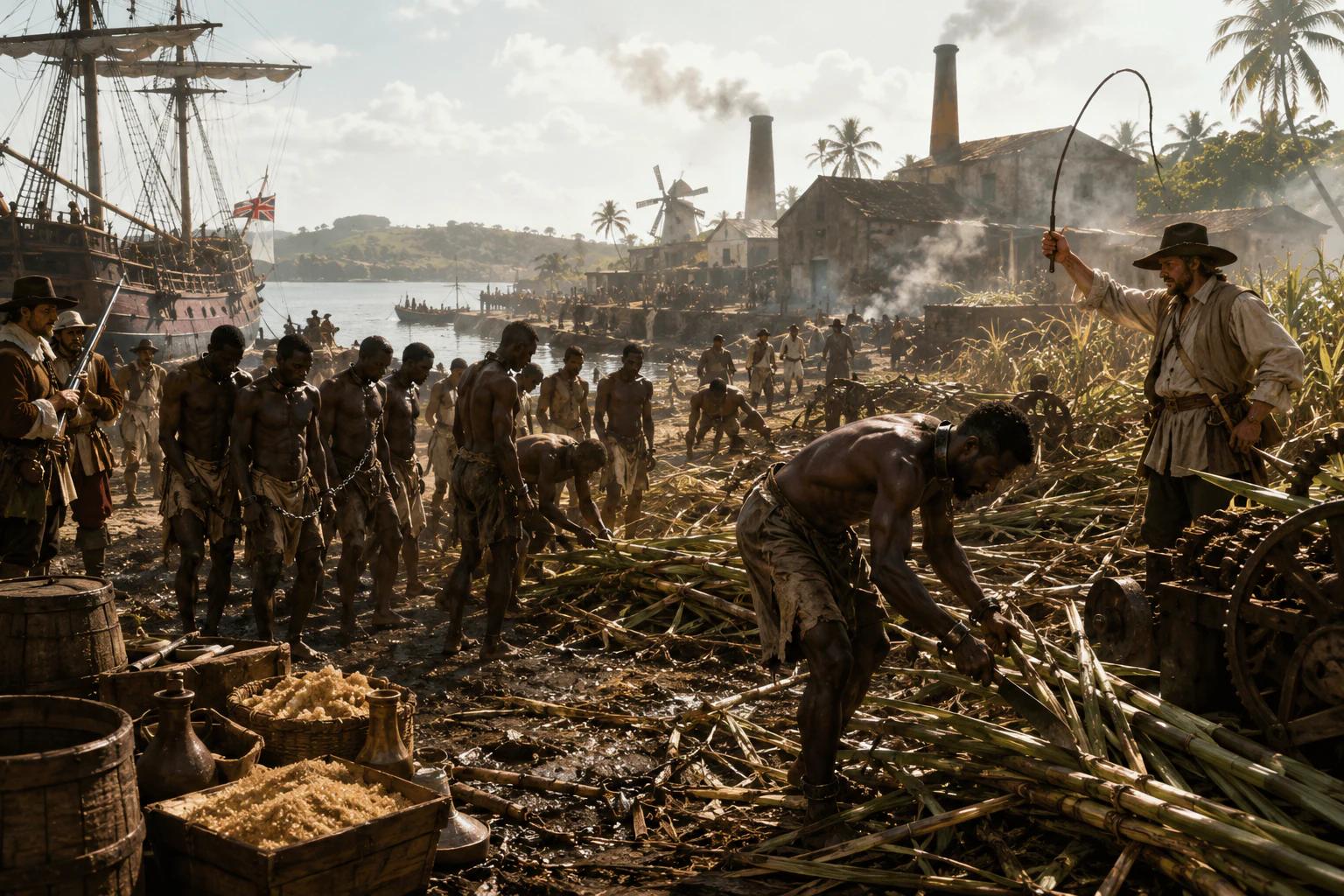
Labour systems hardened too. Indentured workers were joined, then increasingly replaced, by enslaved Africans in plantation regions across the Atlantic world.

showed how empire could grow through families, farms, and local assemblies, while still depending on metropolitan money, shipping, and military protection.

PremiumFree preview: 3 of 10 chapters

Continue The British Empire

Sign up to a Premium account to read the remaining chapters of this story.

A paid Premium subscription also gives you full access to every other Premium story.

See Premium options

Coming next

  1. Chapter 4Slavery and Sugar Wealth
  2. Chapter 5Victory in the Seven Years War
  3. Chapter 6Revolution in America

And 4 more chapters to follow.

Keep exploring

Follow the connected history

Explore closely connected stories and free figure profiles. Premium stories open with a public preview.

References

Sources and historical notes

Sources used to check this page, selected recommendations and historical notes.

Sources used

  1. Royal Museums Greenwich, “The East India Company and Asia,”

    The Company’s charter, trade and territorial expansion in Asia.

    Open source
  2. Historic England, “The Transatlantic Slave Economy and England’s Built Environment,”

    The plantation economy, Barbados, Jamaica and English ports.

    Open source
  3. The National Archives, “The 1833 Abolition of Slavery Act and Compensation Claims,”

    The act, enforced apprenticeship and compensation of enslavers.

    Open source
  4. The National Archives, “Slavery: How did the Abolition Acts of 1807 and 1833 affect the slave trade?,”

    The scope and limits of abolition across British territories.

    Open source
  5. UK Parliament, “1947 Indian Independence Act,”

    Legislation for independence and partition.

    Open source
  6. Encyclopaedia Britannica, “British Empire,” Open source
  7. British History Online, “Primary sources for British history,” Open source

Image references

  1. The British Library, “East India Company maps and plans,” Open source

Additional sources and notes

Loading reviewed claim sources...

Our editorial approach · Report a historical error

A monthly route through history

Find out first about the latest published stories, feature notes and occasional Premium offers in one monthly email.