← People

Prince Gong

Prince Gong, or Yixin, was a Qing prince and statesman. After the Second Opium War he negotiated with foreign powers, helped establish the Zongli Yamen and supported parts of the Self-Strengthening Movement.

Born
1833 CE
Died
1898 CE
Role
Qing statesman
Full name
Yixin, Prince Gong
Also known as
Yixin, Prince Kung, Gongqinwang
Region
China, Qing China, East Asia

Qing prince and statesman (1833-1898)

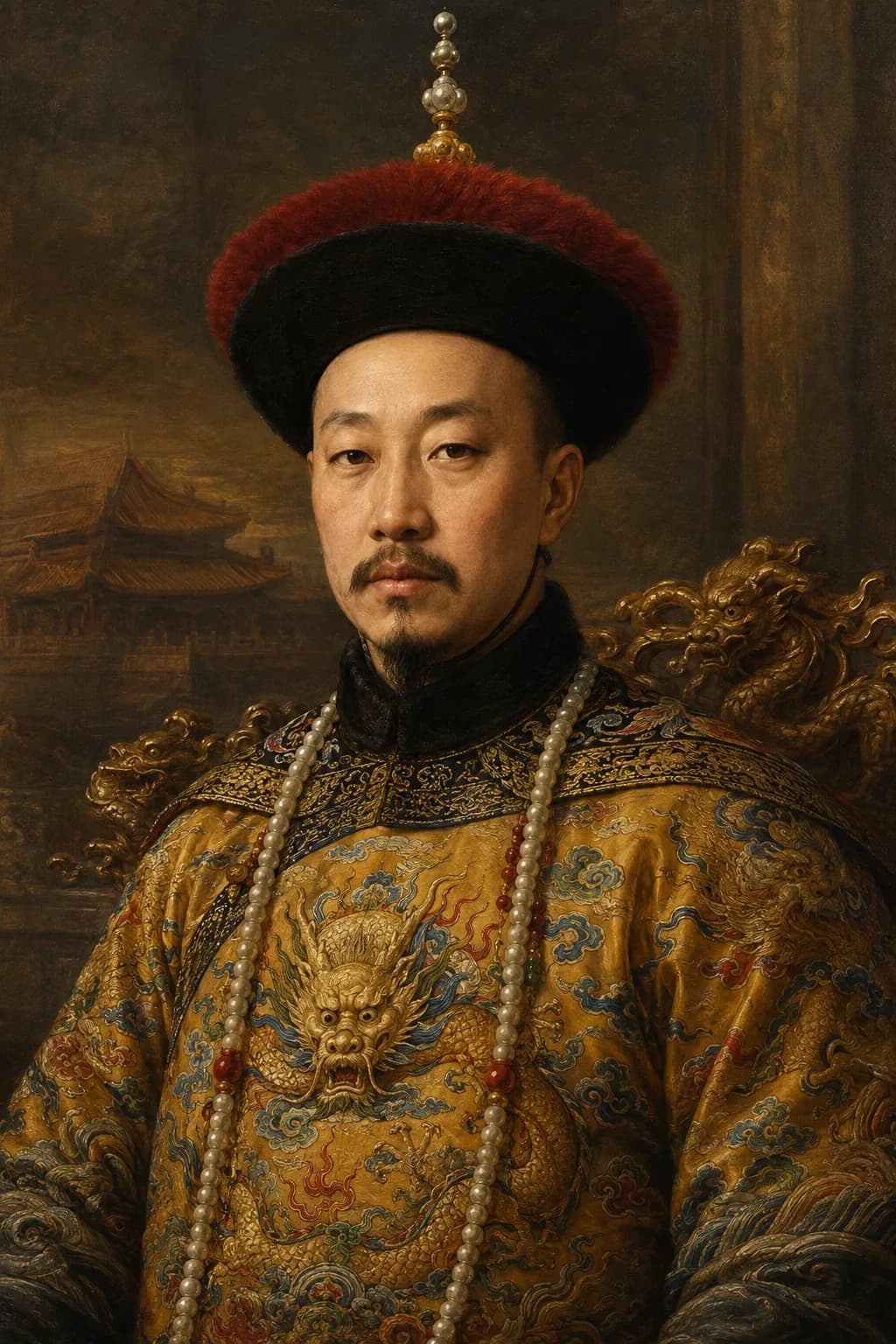
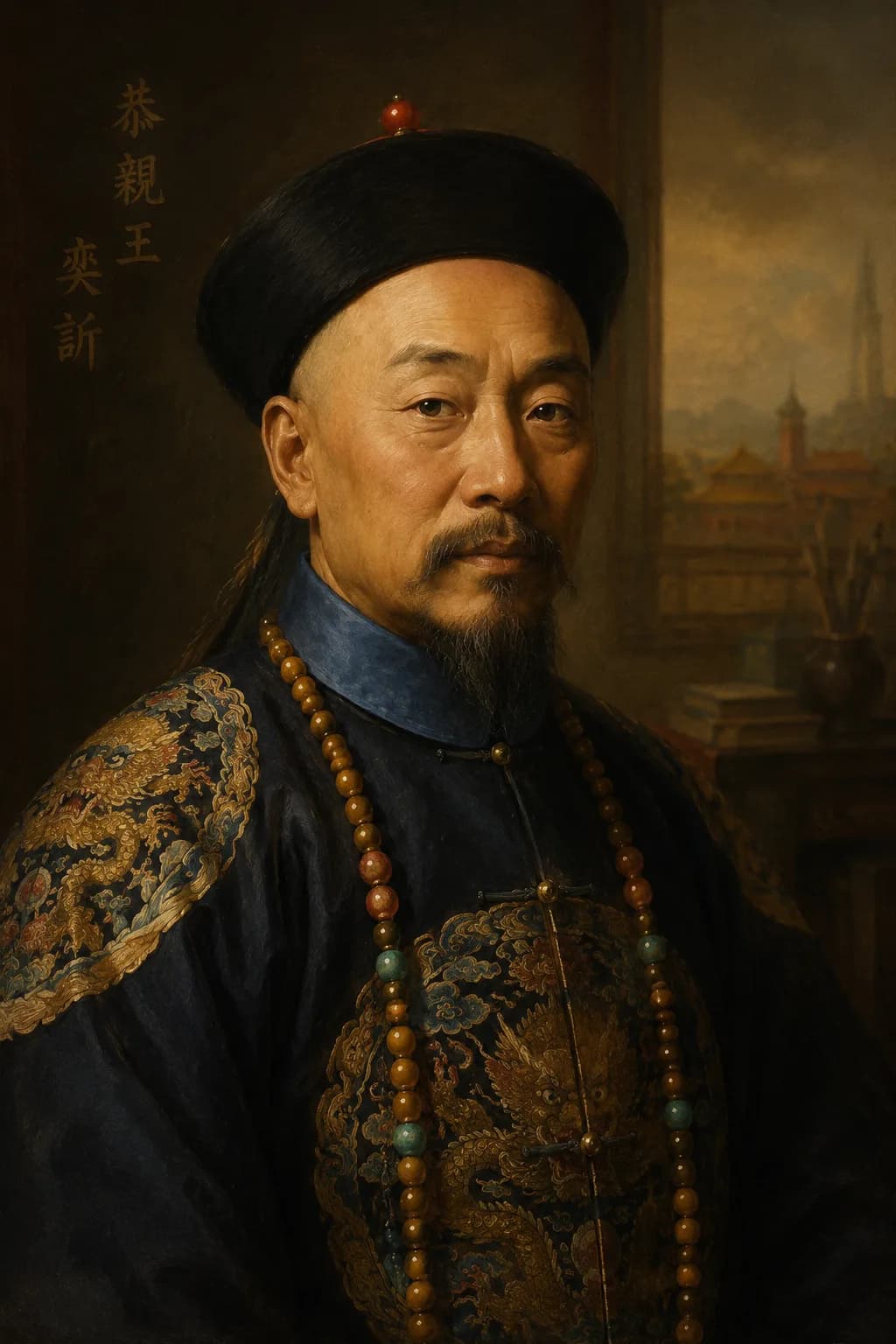
AI-generated portrait of Prince Gong in Qing official dress
AI-assisted historical reconstruction

An illustrative reconstruction based on historical context. It is not a photograph or documentary likeness. Image policy

Life Journey

The prince who built late Qing diplomacy

Follow Prince Gong from imperial crisis to the institutions that managed foreign relations after 1860.

Complete chronology

1833

Born Yixin

Yixin was born into the Aisin Gioro imperial family in 1833. As a prince, he belonged to the highest level of Qing politics, but his future importance came from crisis rather than simple rank. The foreign wars and court struggles of the 1850s and 1860s gave him a role that ordinary succession politics could not have predicted.

1860

Crisis at Beijing

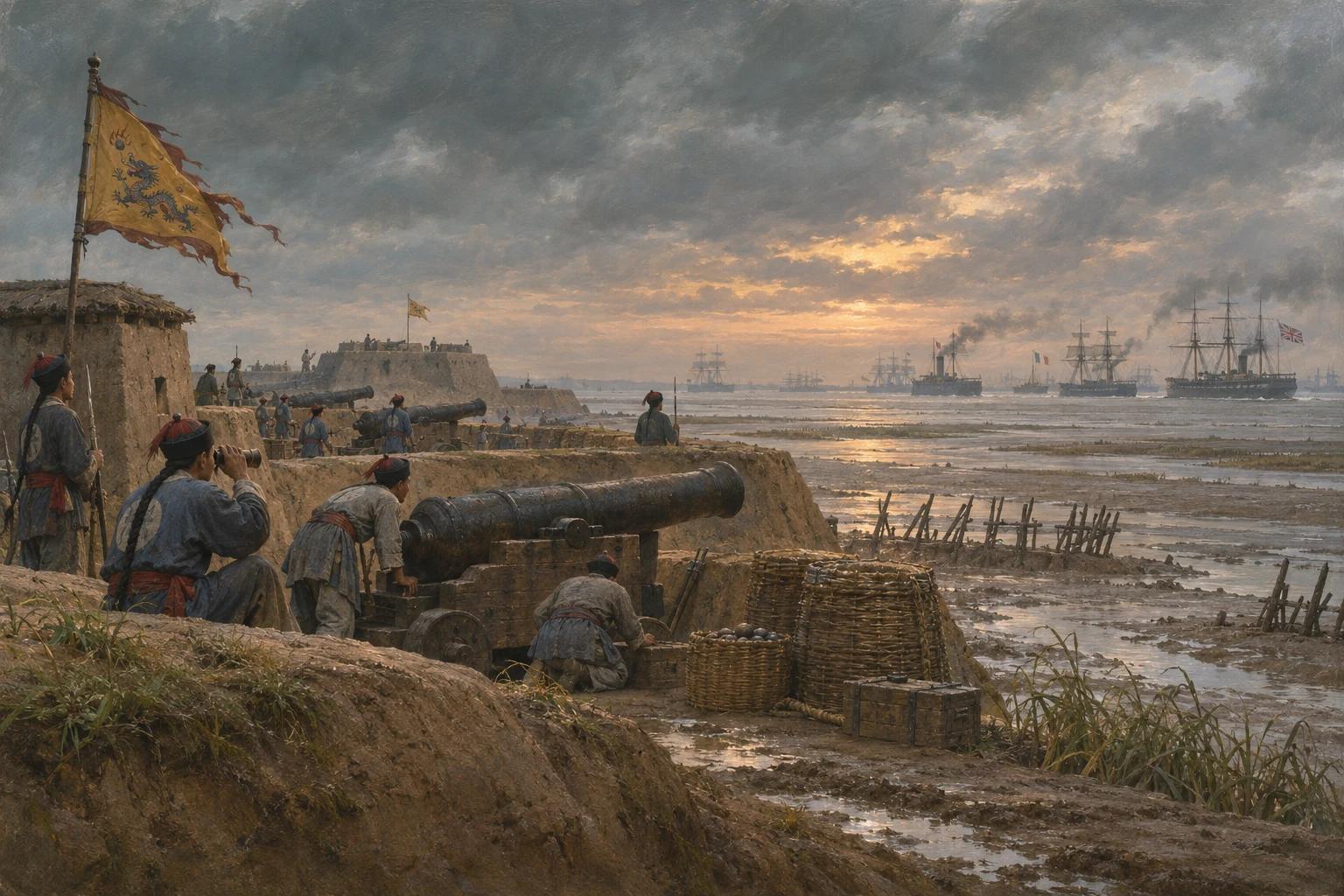
In 1860, the Xianfeng Emperor fled to Rehe as foreign forces approached Beijing. Prince Gong stayed behind to deal with the consequences. This placed him in the humiliating but essential position of negotiating with powers that had just demonstrated the Qing state's inability to defend its capital.

1860

Convention of Peking

The Convention of Peking ratified earlier treaty terms, opened Tianjin, imposed indemnities and accepted further territorial concessions. Prince Gong did not negotiate from strength. His task was to preserve what could be preserved after military defeat, imperial flight and the burning of the Old Summer Palace.

1861

Zongli Yamen

The creation of the Zongli Yamen in 1861 marked an institutional recognition that the Qing could no longer manage foreign relations through older assumptions. Prince Gong helped lead this office, making him central to the dynasty's attempt to translate humiliating foreign pressure into a more systematic diplomatic response.

1861

Cixi and the coup

After Xianfeng died, Prince Gong joined Empress Dowager Cixi and Empress Dowager Ci'an in the Xinyou Coup, removing the regents appointed for the young Tongzhi Emperor. The coup gave Prince Gong influence at court and helped make Cixi the dominant figure in late Qing politics.

1860s-1898

Self-strengthening statesman

Prince Gong supported diplomatic adaptation and parts of the Self-Strengthening Movement, including efforts to learn from Western military and technical power while preserving Qing rule. His influence rose and fell with court politics, especially his relationship with Cixi. He died in 1898, the year of another failed reform crisis.

Continue in context

Connected stories

Move from the profile into the wider events and settings this figure belongs to.

More connected stories

Keep exploring

Content note

This profile is written for educational use and connects to related Stories of History pages. The main portrait is an AI-assisted historical reconstruction, included as an illustrative aid rather than documentary evidence. Image policy

References

Sources and historical notes

Sources used to check this page, selected recommendations and historical notes.

Sources used

  1. China Daily, “Palace Past Revisited,”

    Traces the history of Prince Gong’s residence and his role in signing the Convention of Peking.

    Open source
  2. Research Centre for Translation, Chinese University of Hong Kong, “Yixin,”

    Summarises Yixin’s career and his role in establishing the Qing foreign affairs office.

    Open source
  3. U.S. Department of State, Office of the Historian, “The Opening to China, Part II,”

    Places Prince Gong’s diplomatic role in the settlement of the Second Opium War.

    Open source

Additional sources and notes

Loading reviewed claim sources...

Our editorial approach · Report a historical error

A monthly route through history

Find out first about the latest published stories, feature notes and occasional Premium offers in one monthly email.