← People

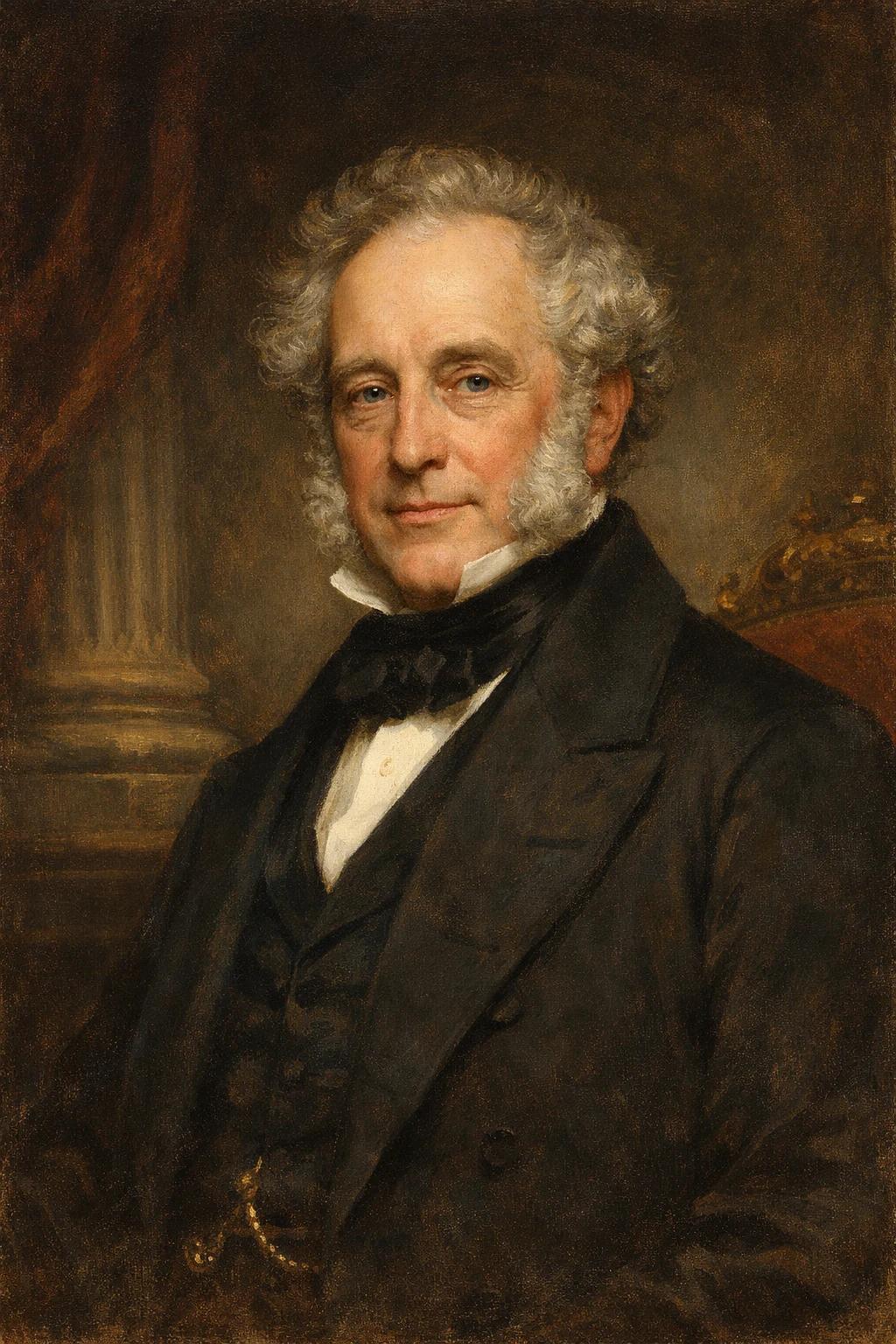
Lord Macartney

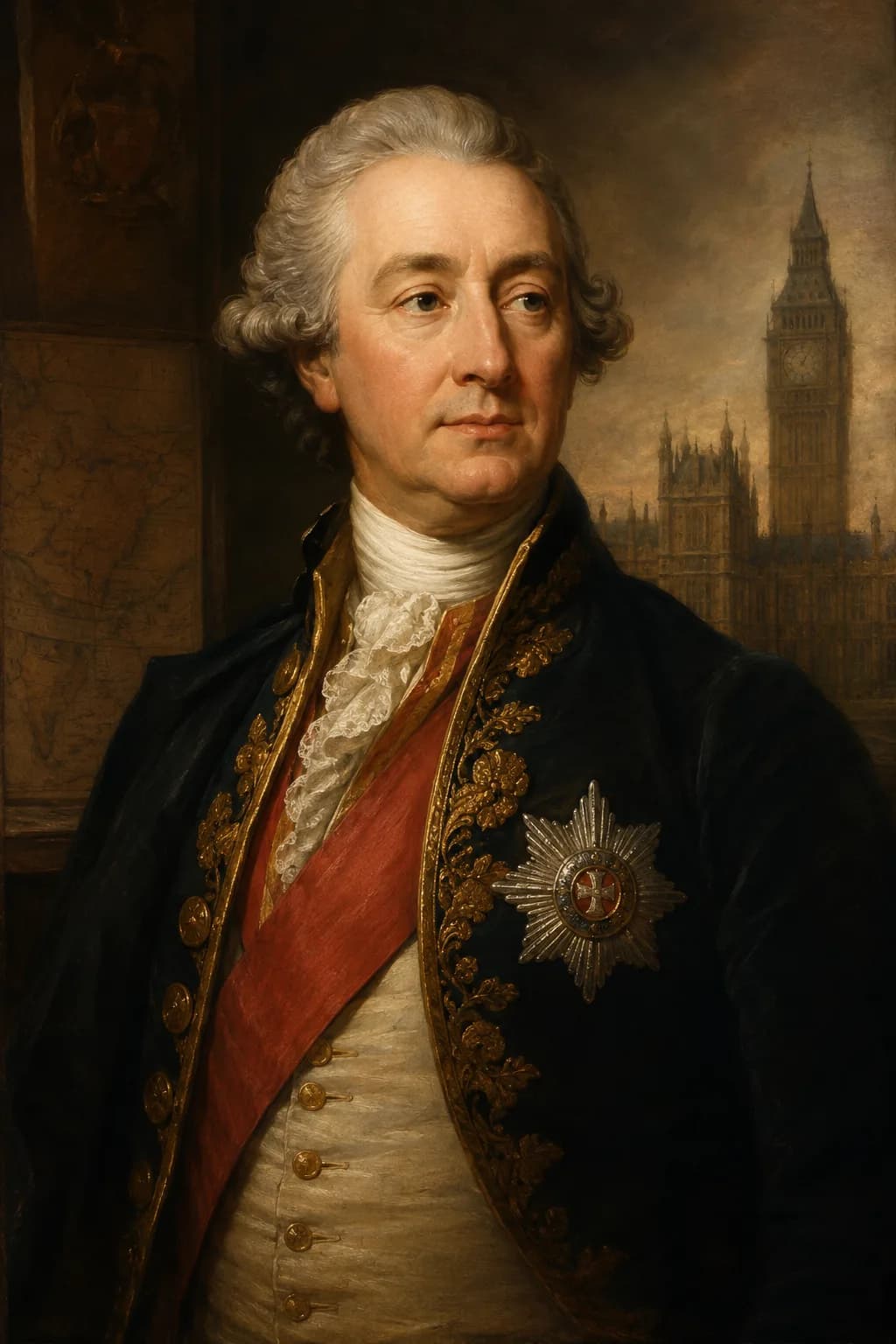
George Macartney, 1st Earl Macartney, was the British diplomat who led the 1793 Macartney Embassy to Qing China. The mission sought expanded trade and diplomatic access but failed to change the Canton System.

Born
1737 CE
Died
1806 CE
Role
Diplomat
Full name
George Macartney, 1st Earl Macartney
Also known as
George Macartney, 1st Earl Macartney
Region
Britain, Qing China, East Asia, Britain and Qing China

British diplomat (1737-1806)

AI-generated portrait of Lord Macartney in formal diplomatic dress
AI-assisted historical reconstruction

An illustrative reconstruction based on historical context. It is not a photograph or documentary likeness. Image policy

Life Journey

The envoy at the edge of two world orders

Follow Macartney from imperial service to the embassy that exposed Britain's clash with Qing diplomacy.

Complete chronology

1737

Irish-born imperial servant

George Macartney was born in County Antrim in 1737 and rose through the world of eighteenth-century British diplomacy and empire. His career took him through European diplomacy, colonial administration and high-level negotiation, giving him the experience later required for one of Britain's most ambitious missions to Asia.
1760s-1780s

Diplomatic career

Macartney's earlier career included service as envoy to Russia, governor of Grenada and governor of Madras. These roles placed him inside a British imperial system increasingly confident that diplomacy, commerce and military power could be coordinated across long distances.

1793

Mission to China

The Macartney Embassy carried British hopes for additional ports, a permanent diplomatic presence and improved terms for merchants. It also carried scientific instruments, luxury goods and manufactured objects intended to display British skill. The mission presented Britain as a major power seeking negotiated access, not merely as traders at Canton.

1793

Meeting Qianlong

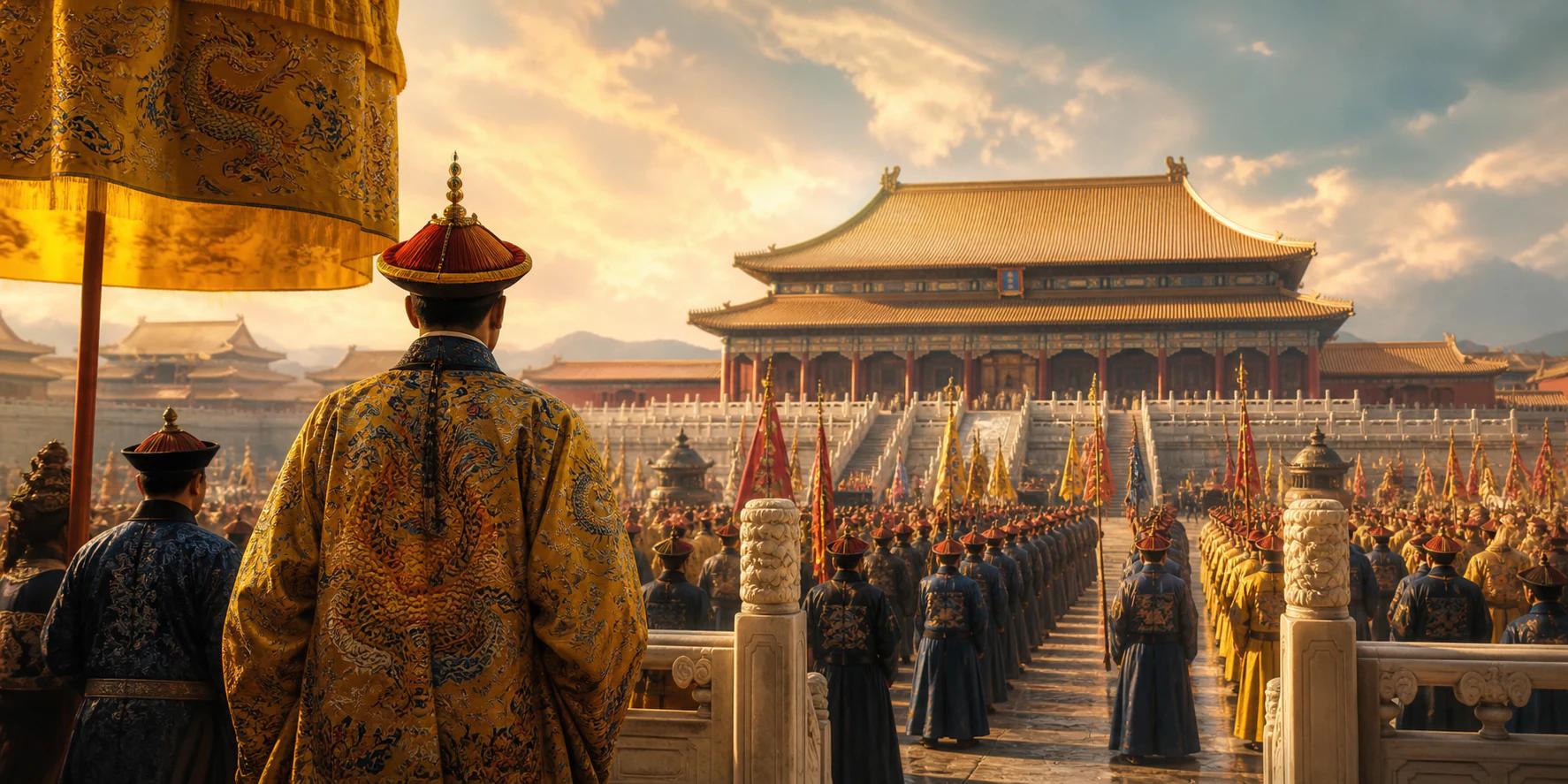
The embassy's court ritual became famous because it symbolised deeper disagreement. Qing officials expected foreign envoys to fit imperial ceremony. British officials resisted any gesture that appeared to subordinate their king. Behind the etiquette stood incompatible assumptions about diplomacy, sovereignty and trade.

1793

Failure of access

Qianlong's court saw little reason to restructure Qing rules around British commercial pressure. Macartney returned without the concessions Britain wanted. For Qing officials this preserved order. For British merchants and politicians it confirmed that the Canton System blocked what they considered legitimate commerce.

1806 onward

Warning before the wars

Macartney did not cause the Opium Wars, and the 1793 mission should not be treated as a simple meeting between modernity and stagnation. Its importance lies in what it revealed: Britain wanted wider access and diplomatic equality, while the Qing court believed foreign trade could still be contained inside imperial hierarchy. The gap widened after his death.

Continue in context

Connected stories

Move from the profile into the wider events and settings this figure belongs to.

Keep exploring

Content note

This profile is written for educational use and connects to related Stories of History pages. The main portrait is an AI-assisted historical reconstruction, included as an illustrative aid rather than documentary evidence. Image policy

References

Sources and historical notes

Sources used to check this page, selected recommendations and historical notes.

Sources used

  1. Royal Collection Trust, “An Authentic Account of an Embassy from the King of Great Britain to the Emperor of China,”

    Catalogues George Staunton’s published account of the Macartney embassy.

    Open source
  2. Columbia University, Asia for Educators, “Two Edicts from the Qianlong Emperor,”

    Presents translated imperial responses to the demands made during Macartney’s mission.

    Open source
  3. British Library, “Macartney Embassy Papers,”

    Catalogues records of the embassy in the India Office collections.

    Open source

Additional sources and notes

Loading reviewed claim sources...

Our editorial approach · Report a historical error

A monthly route through history

Find out first about the latest published stories, feature notes and occasional Premium offers in one monthly email.