← People

Sengge Rinchen

Sengge Rinchen was a Khorchin Mongol prince and Qing commander. He helped defeat the 1859 attack at Dagu, lost the renewed struggle in 1860 and later died fighting the Nian rebellion.

Born
1811 CE
Died
1865 CE
Role
Qing Mongol prince and commander
Also known as
Senggerinchin, Seng-ko-lin-ch’in
Region
Qing China

Qing Mongol prince and commander (1811–1865)

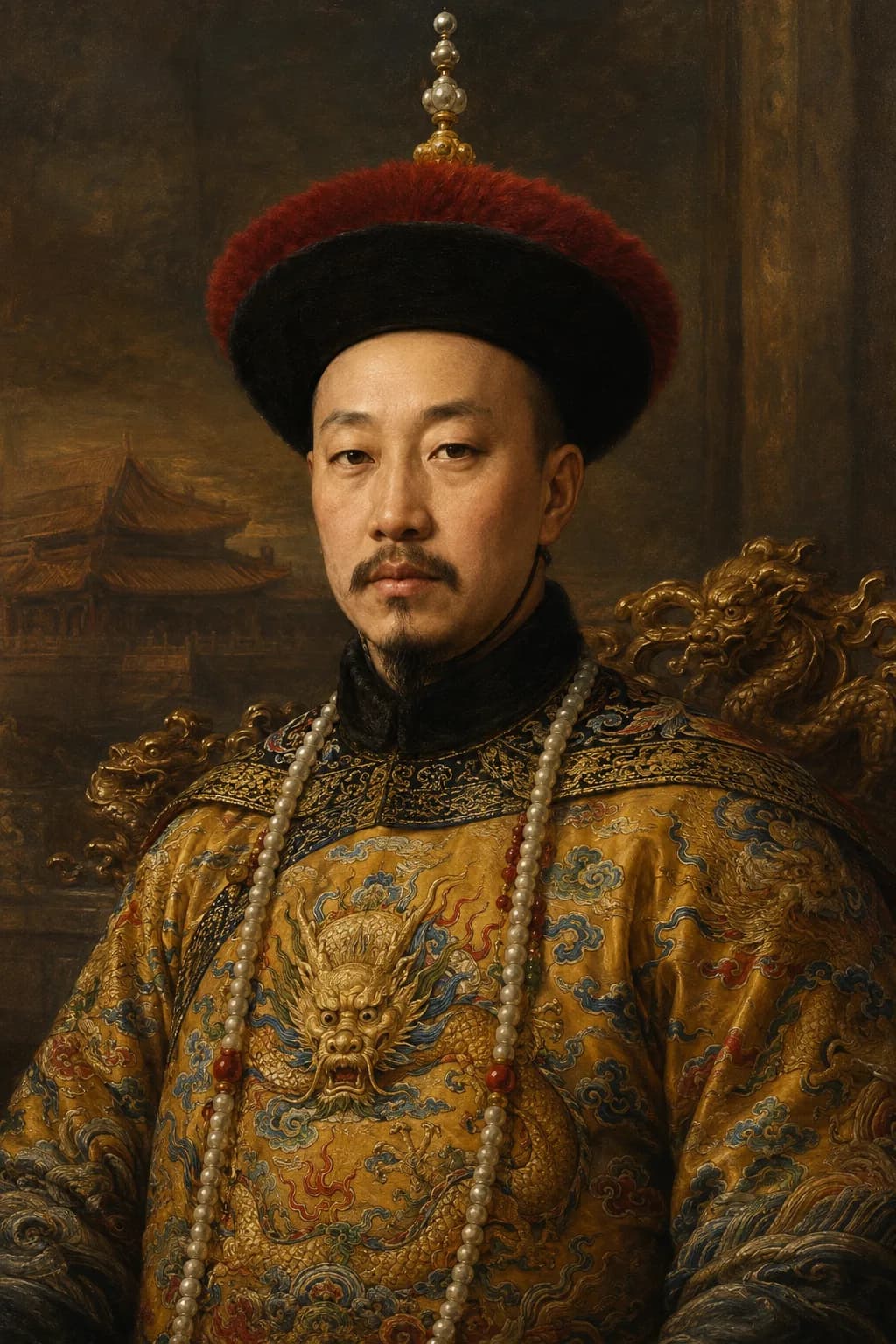
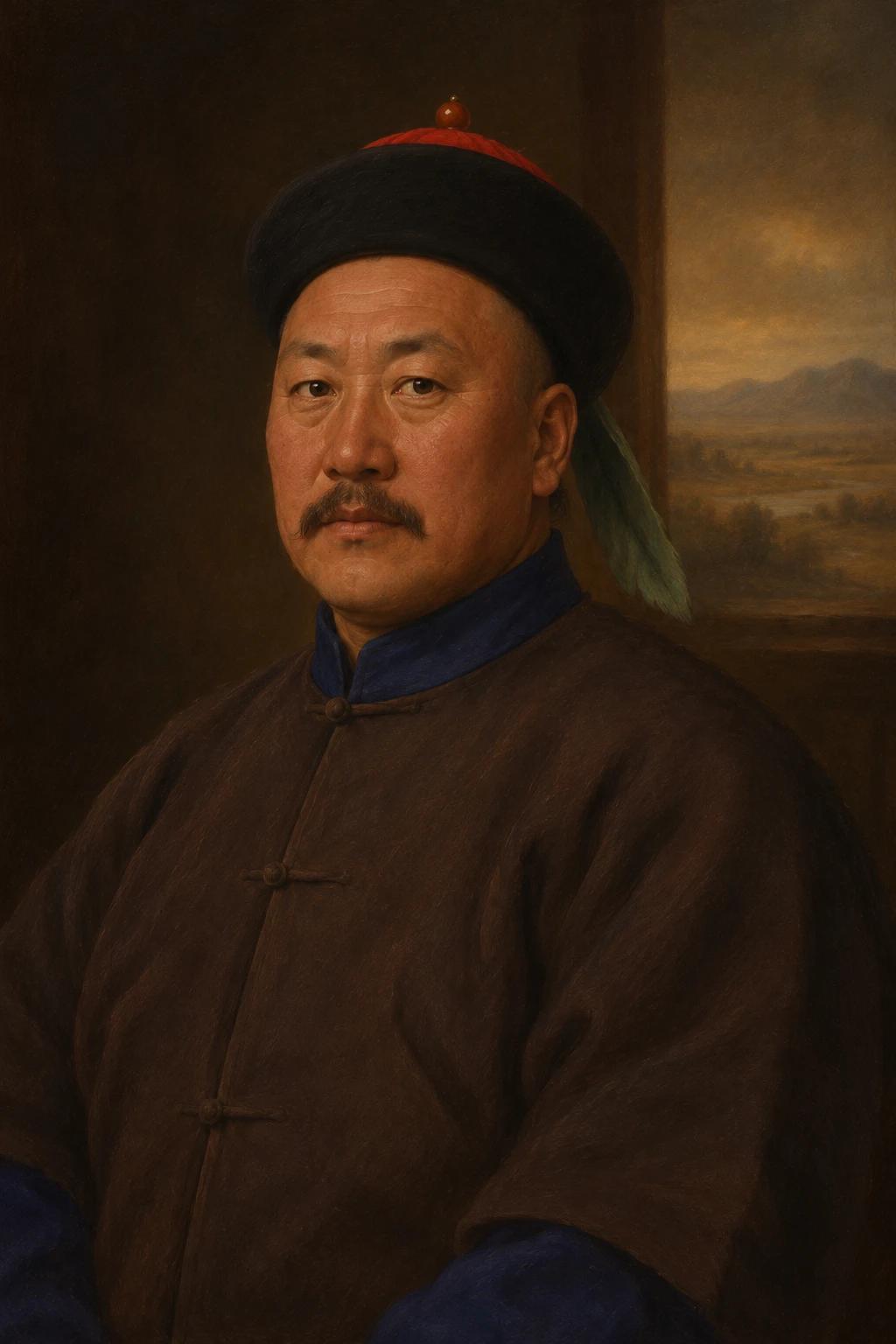
AI-generated historical reconstruction of Sengge Rinchen in period dress, in the Stories of History oil-portrait style.
AI-assisted historical reconstruction

An illustrative reconstruction based on historical context. It is not a photograph or documentary likeness. Image policy Attribution

Life Journey

The commander who held the forts

Follow Sengge Rinchen through the decisions and conflicts that shaped a career.

Complete chronology

1811

Born among the Khorchin Mongols

Sengge Rinchen was born in 1811 among the Khorchin Mongols. His career reflects the multiethnic structure of the Qing empire. Mongol aristocrats could hold important military and court positions within a dynasty ruled by the Manchu imperial house. Describing him simply as a Han Chinese general would obscure that setting.

1825

A princely inheritance

He inherited a Khorchin princely title in 1825. Rank brought him into the political world of the court and its military service. His later reputation, however, rested on campaigns during a period when rebellions and foreign armies threatened the dynasty from different directions.

1834

Service close to the court

In 1834, Sengge Rinchen gained a senior position in the imperial bodyguard. Court service connected military authority with the protection of the ruling house. The relationship helps explain the trust later placed in him when the northern approaches to the capital came under attack.

1853–1855

Stopping the northern expedition

He fought the Taiping northern expedition and gained higher princely rank. The Taiping civil war threatened the Qing state internally while foreign pressure continued along the coast. Success against the northern expedition strengthened his reputation as a defender of the capital and made him a prominent commander in the dynasty’s wider struggle for survival.

1858

Defending the route to Beijing

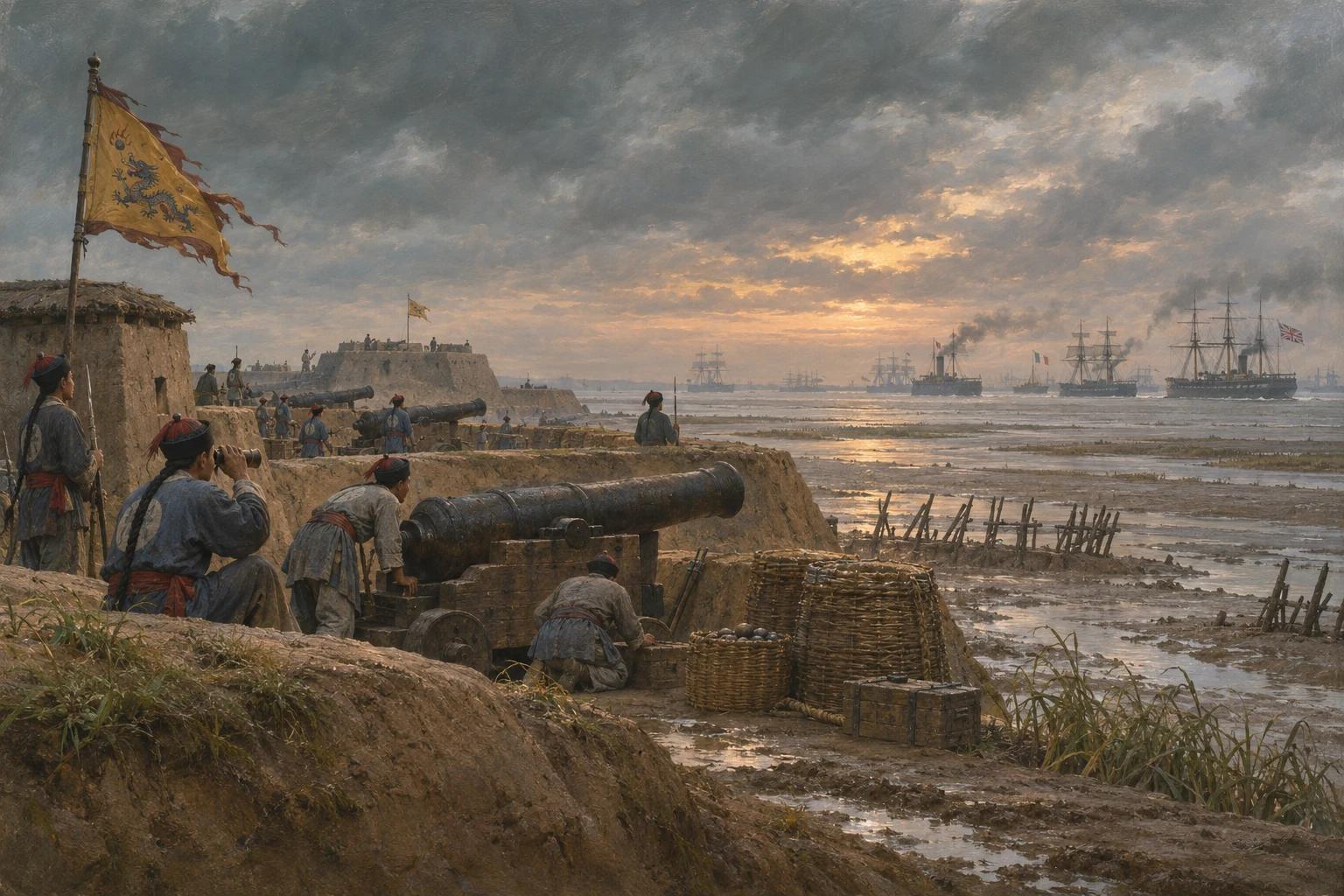
Sengge Rinchen organised defences around the approaches to Tianjin and Beijing. The first allied capture of the Dagu forts had exposed the vulnerability of this route. Renewed preparations combined artillery, obstacles and fortified positions designed to make the next passage much harder.

1859

Victory at Dagu

His forces repulsed the foreign attack on the Dagu forts in June 1859. Gunboats and landing parties faced artillery, barriers and deep mud. The result was an important Qing success, showing that foreign firepower did not settle every encounter. It also encouraged Britain and France to return with a larger expedition rather than abandon their demands.

1860

The defences broken

The renewed Anglo-French expedition defeated the Dagu defences and took Tianjin in 1860. By landing at Beitang and moving overland, the allies changed the circumstances of the attack. The reversal demonstrates why the success of 1859 cannot be explained only through individual leadership, or the defeat of 1860 only through personal failure.

1860

Defeat before Beijing

Sengge Rinchen’s forces were defeated at Zhangjiawan and Baliqiao as the allies advanced on Beijing. The defeats removed the capital’s immediate military protection. Xianfeng withdrew to Chengde, leaving Prince Gong to negotiate. Sengge Rinchen’s career continued, but his earlier victory could not prevent the humiliating terms imposed at the end of the war.

1861–1865

The final campaigns

He later campaigned against the Nian rebellion and was killed near Caozhou in 1865. His death came in the continuing internal wars that surrounded the foreign conflict. Remembering both parts of his career places the Second Opium War within a wider crisis of Qing rule, rather than treating it as the dynasty’s only military emergency.

Continue in context

Connected stories

Move from the profile into the wider events and settings this figure belongs to.

Keep exploring

Content note

This profile is written for educational use and connects to related Stories of History pages. The main portrait is an AI-assisted historical reconstruction, included as an illustrative aid rather than documentary evidence. Image policy Image attribution

References

Sources & Further Reading

Reliable reference works, archives and reading paths connected to this profile.

Sources used

  1. Palace Museum, “僧格林沁 — Sengge Rinchen,” accessed 6 November 2026.

    Institutional biography and principal career.

    Open source
  2. Arthur W. Hummel, editor, “Eminent Chinese of the Ch’ing Period: Sêng-ko-lin-ch’in,” accessed 6 November 2026.

    Career cross-check. Sources differ on exact June 1859 attack and May 1865 death days; profile uses month/year or year.

    Open source
  3. National Army Museum, “Second China War,” accessed 6 November 2026.

    Cross-check for the Arrow dispute, northern campaigns and captivity.

    Open source

Further reading

  1. Encyclopaedia Britannica, “Search results for Sengge Rinchen,” accessed June 2026.Open source
  2. WorldCat, “Books and library holdings for Sengge Rinchen,” accessed June 2026.Open source

Primary sources

  1. Library of Congress, “Search results for Sengge Rinchen,” accessed June 2026.Open source

Reviewed claim sources

Loading reviewed claim sources...

A monthly route through history

Find out first about the latest published stories, feature notes and occasional Premium offers in one monthly email.