← People

Jean-Baptiste-Louis Gros

Baron Gros represented France in the Second Opium War. He negotiated alongside Lord Elgin at Tianjin and Beijing and also pursued a career in diplomacy and early photography.

Born
1793 CE
Died
1870 CE
Role
French diplomat
Also known as
Jean Baptiste Louis Gros, Baron Gros
Region
France and East Asia

French diplomat (1793–1870)

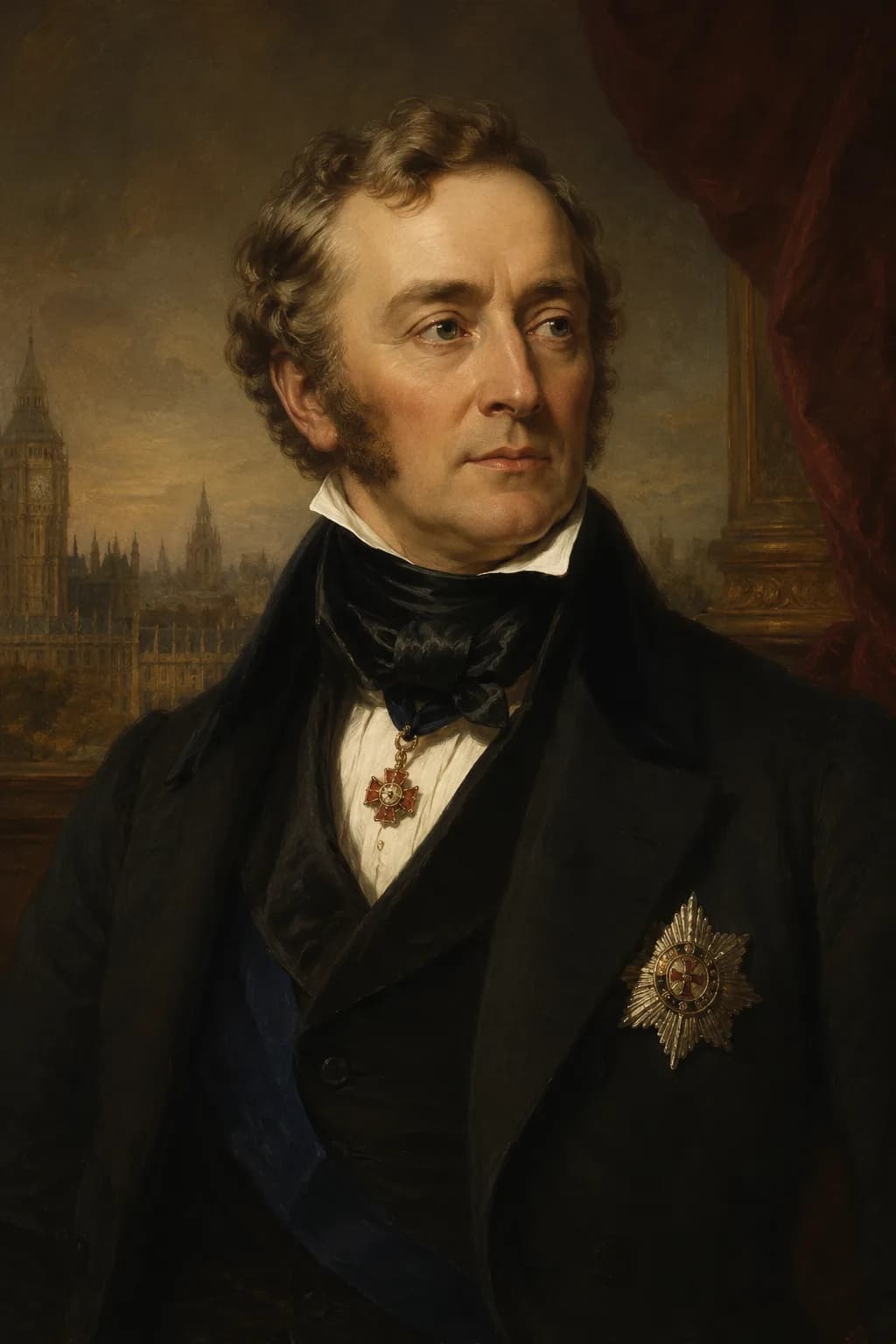
AI-generated historical reconstruction of Baron Jean-Baptiste-Louis Gros in period dress, in the Stories of History oil-portrait style.
AI-assisted historical reconstruction

An illustrative reconstruction based on historical context. It is not a photograph or documentary likeness. Image policy Attribution

Life Journey

The French envoy in an unequal settlement

Follow Jean-Baptiste-Louis Gros through the decisions and conflicts that shaped a career.

Complete chronology

1793

Born near Paris

Jean-Baptiste-Louis Gros was born at Ivry-sur-Seine in 1793. He grew up during a period of upheaval in France and later entered a diplomatic service shaped by changing regimes. His eventual prominence in East Asia came after decades of work elsewhere.

1823

Entering diplomacy

Gros began his diplomatic career in 1823. Diplomats represented state interests through negotiation, reporting and treaty-making. His service developed within that profession before the joint China expedition placed him beside a powerful invading army.

1830s–1840s

Service across the Atlantic

He held diplomatic assignments in Latin America during the 1830s and 1840s. These postings broadened his experience beyond Europe. Gros also became associated with early photography, an interest distinct from his official duties but part of the wider life of a diplomat travelling between societies.

1850

A mission to Athens

Gros undertook a diplomatic mission in Athens in 1850. His career included efforts to manage disputes between European powers and smaller states. The posting preceded a different kind of negotiation in China, where France would act in partnership with Britain rather than simply mediate between others.

1853–1856

Working on a European frontier

He contributed to negotiations over the Franco-Spanish frontier in the 1850s. Such work depended on precise agreements about territory and authority. His next major assignment would also concern sovereignty, but under the radically different conditions of a foreign military expedition in Qing China.

1857

France joins the expedition

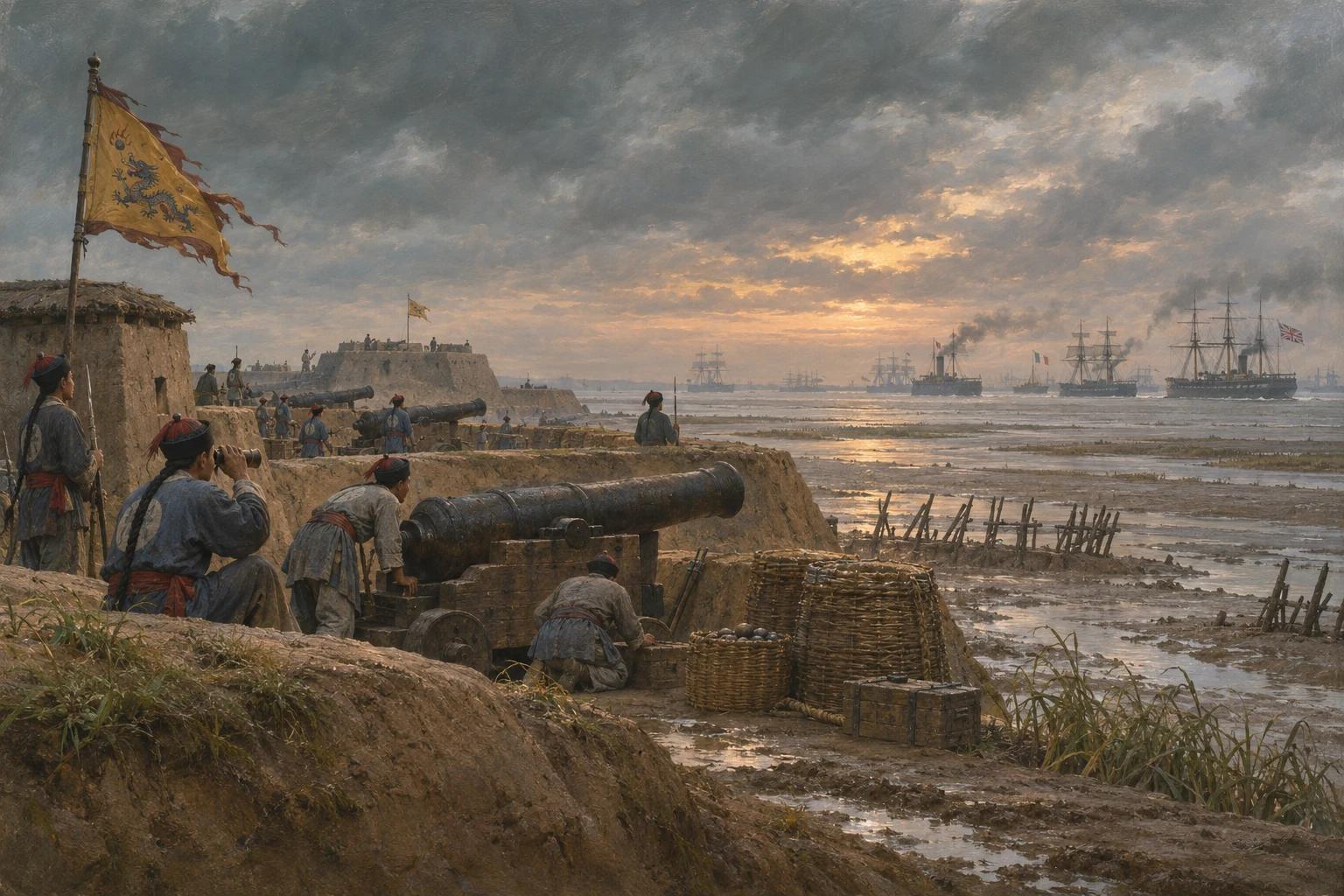
Gros was appointed to lead French diplomacy in the joint campaign against Qing China. France invoked the killing of the missionary Auguste Chapdelaine while pursuing wider influence and protection for missions. Gros worked alongside Elgin, linking French objectives to the military leverage of an Anglo-French partnership.

1858

Treaties in East Asia

Gros negotiated the French Tianjin settlement and a treaty with Japan in 1858. He also entered the French Senate. The China treaty expanded foreign diplomatic and commercial rights under military pressure. His Japanese mission belongs to the wider extension of treaty relations in East Asia. The two agreements should not be treated as identical in their circumstances.

1860

The Beijing settlement

Gros returned to China during the renewed campaign and participated in the Beijing settlement. The allied advance brought France and Britain the concessions sought after the failure to implement the earlier treaties. His diplomatic success was inseparable from the invasion and destruction surrounding the negotiations, even where French and British decisions differed.

1862–1870

London and the end of a career

Gros became ambassador in London in 1862 and died in 1870. He remained associated with the diplomacy of Napoleon III’s Second Empire as well as early photography. His career offers a French perspective on a war often narrated mainly through Britain, while reminding readers that several powers helped shape the unequal treaty order.

Continue in context

Connected stories

Move from the profile into the wider events and settings this figure belongs to.

Keep exploring

Content note

This profile is written for educational use and connects to related Stories of History pages. The main portrait is an AI-assisted historical reconstruction, included as an illustrative aid rather than documentary evidence. Image policy Image attribution

References

Sources & Further Reading

Reliable reference works, archives and reading paths connected to this profile.

Sources used

  1. Sénat français, “Gros Jean-Baptiste-Louis,” accessed 6 November 2026.

    Structured lifespan and Senate tenure used; digitised biography has a Tianjin OCR date error.

    Open source
  2. Fondation Napoléon / Yves Bruley, “Gros, Jean-Baptiste-Louis,” accessed 6 November 2026.

    Diplomatic chronology. Specific treaty days and London retirement year omitted where sources conflict.

    Open source
  3. Getty Research Institute, “Union List of Artist Names: Jean-Baptiste-Louis Gros,” accessed 6 November 2026.

    Photographer and diplomat identity and lifespan.

    Open source
  4. National Army Museum, “Second China War,” accessed 6 November 2026.

    Cross-check for the Arrow dispute, northern campaigns and captivity.

    Open source

Further reading

  1. Encyclopaedia Britannica, “Search results for Jean-Baptiste-Louis Gros,” accessed June 2026.Open source
  2. WorldCat, “Books and library holdings for Jean-Baptiste-Louis Gros,” accessed June 2026.Open source

Primary sources

  1. Library of Congress, “Search results for Jean-Baptiste-Louis Gros,” accessed June 2026.Open source

Reviewed claim sources

Loading reviewed claim sources...

A monthly route through history

Find out first about the latest published stories, feature notes and occasional Premium offers in one monthly email.