Story collection
China Through the Ages
Follow Chinese history from early kingdoms and imperial unification through the Qing dynasty, foreign pressure, civil war and the transformations of modern China. These eight stories offer a route through major turning points across the centuries.
Start here
Start at the beginning
Prehistoric · 5000 BCE – 771 BCE
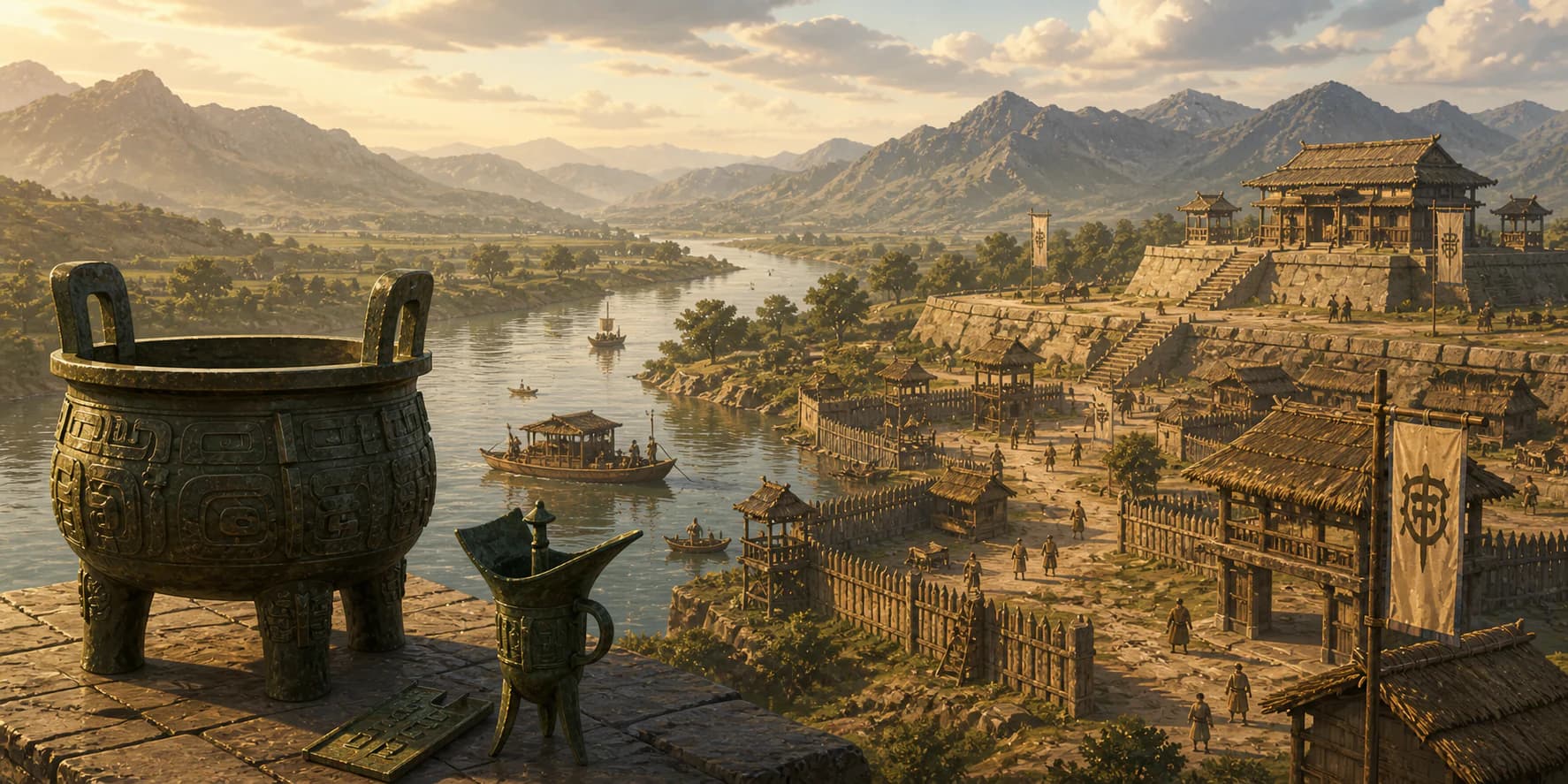
Early China
Bronze, writing and kingship shaped early China.
Read storyExplore further
Continue through connected stories
Stories are ordered by their starting dates; some periods overlap.
Classical · 403 BCE – 202 BCE
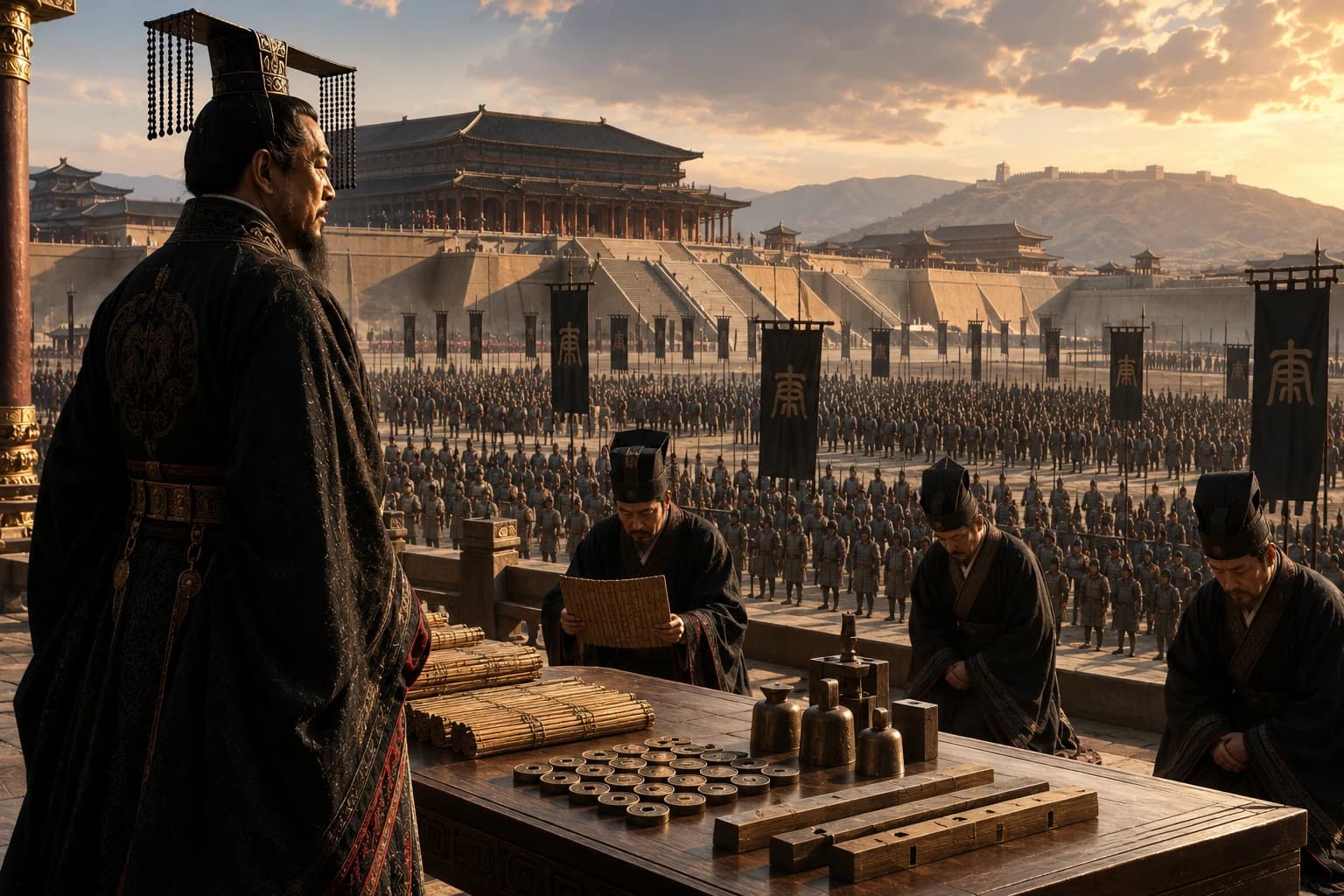
Qin China and Unification
From the Warring States to the rise of the Han, Qin unification ended centuries of interstate rivalry and created the centralised imperial model that shaped Chinese history for more than two thousand years.
Read story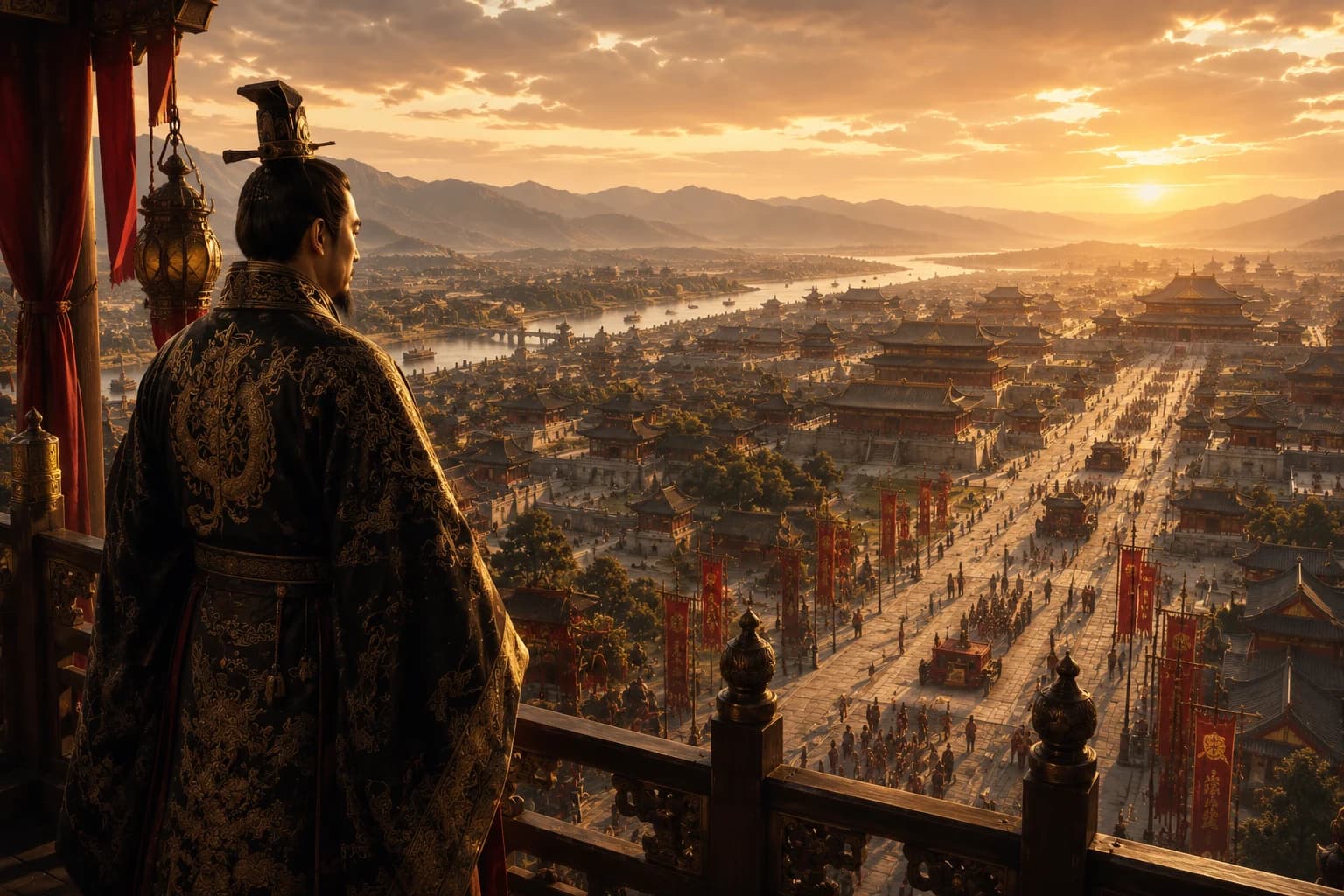
Classical · 202 BCE – 220 CE
The Han Dynasty
From Liu Bang's foundation to the end of the dynasty in 220 CE, the Han built the institutions, Confucian statecraft, frontier policy, and cultural memory that shaped imperial China for centuries.
Read story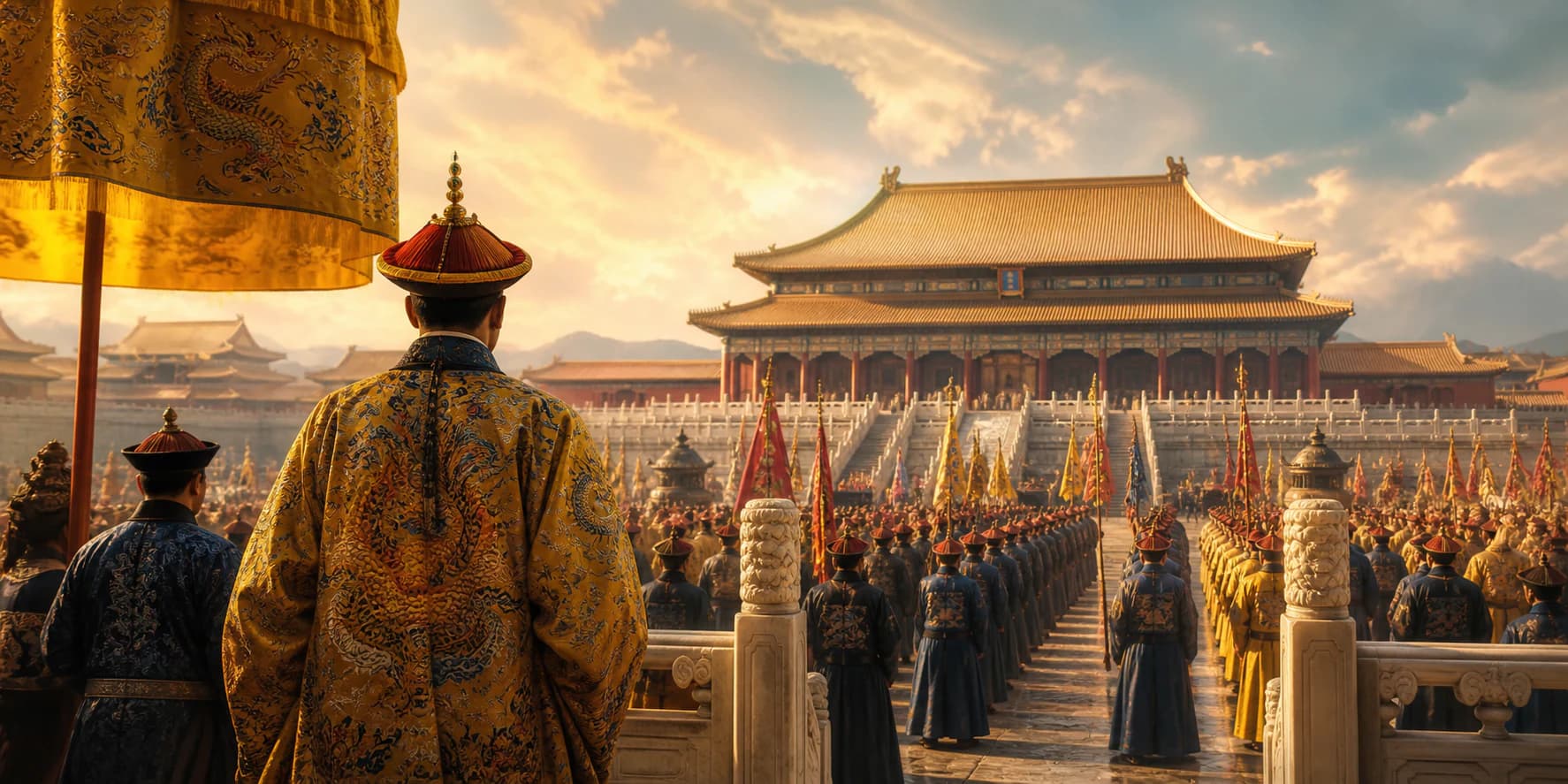
Early Modern · 1644 CE – 1912 CE
The Qing Dynasty
From Manchu conquest to republican revolution, the Qing dynasty built China's largest empire, oversaw centuries of prosperity, and then struggled to survive foreign intervention, rebellion, and the collapse of imperial legitimacy.
Read story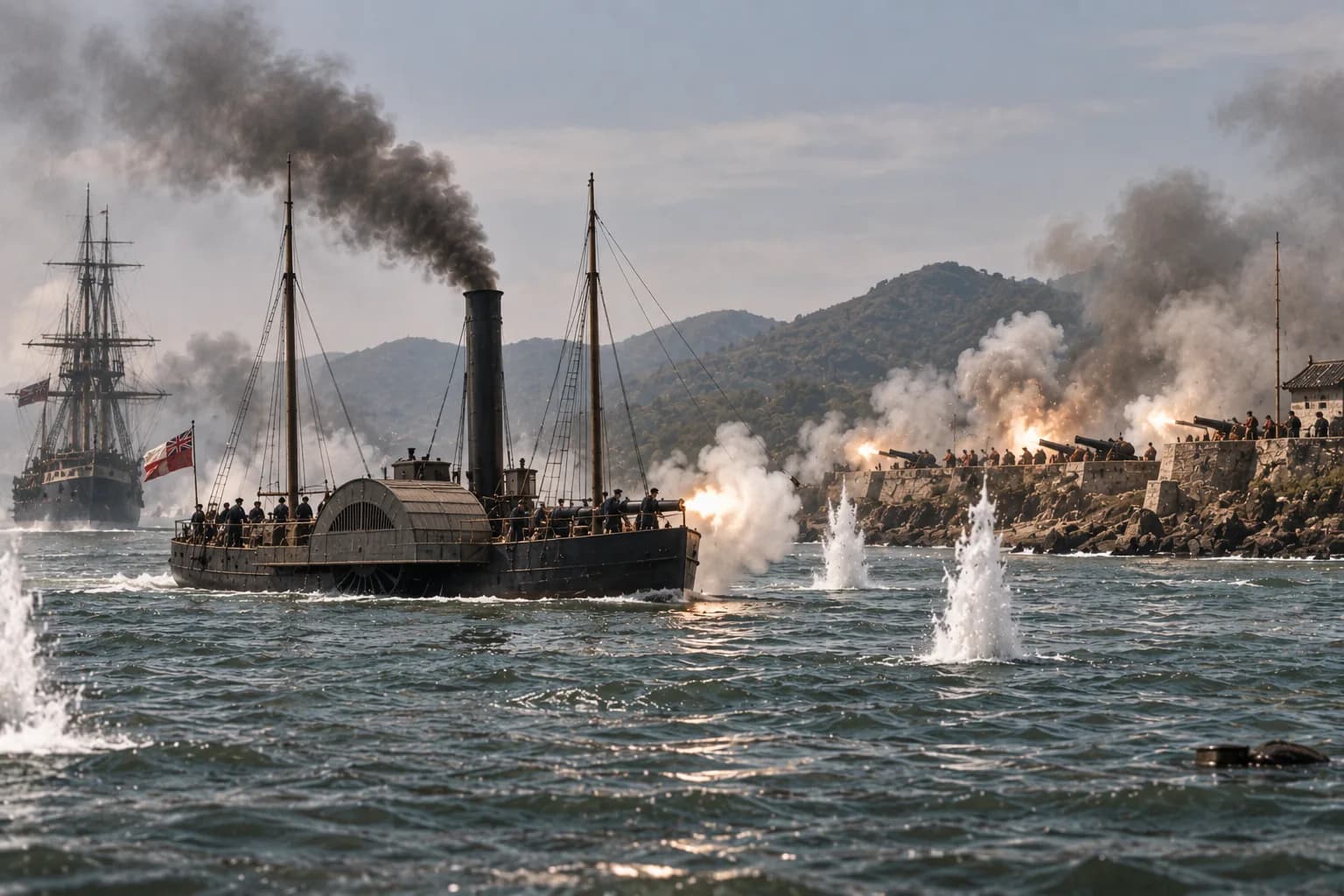
Modern · 1757 CE – 1861 CE
The Opium Wars
From the Canton System to the fall of Beijing, the Opium Wars turned illegal trade, imperial power and Qing weakness into a new unequal treaty order.
Read story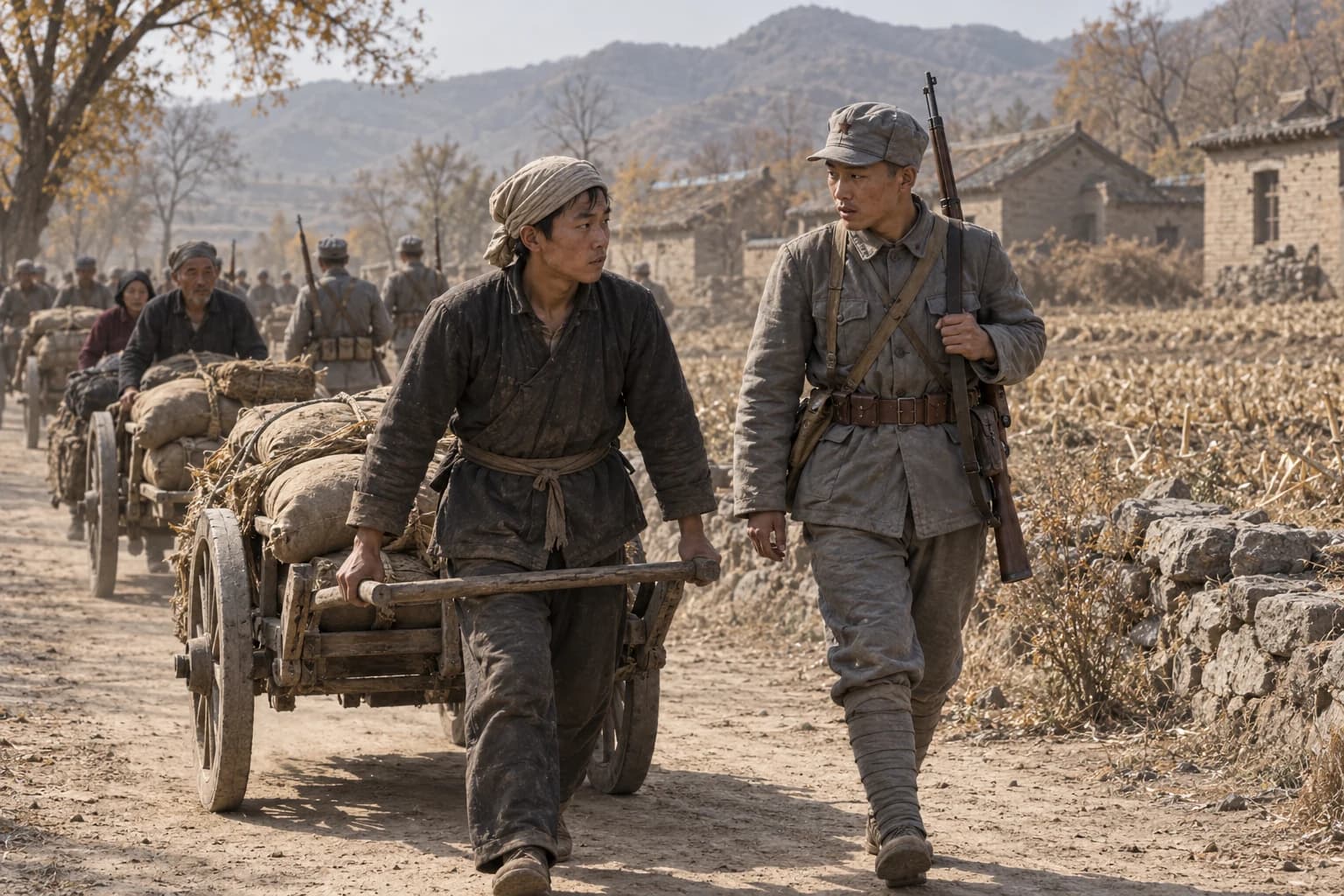
Modern · 1927 CE – 1949 CE
The Chinese Civil War
From a broken revolutionary alliance to Communist victory and the Nationalist retreat to Taiwan, a civil war remade China and left an unresolved divide.
Read story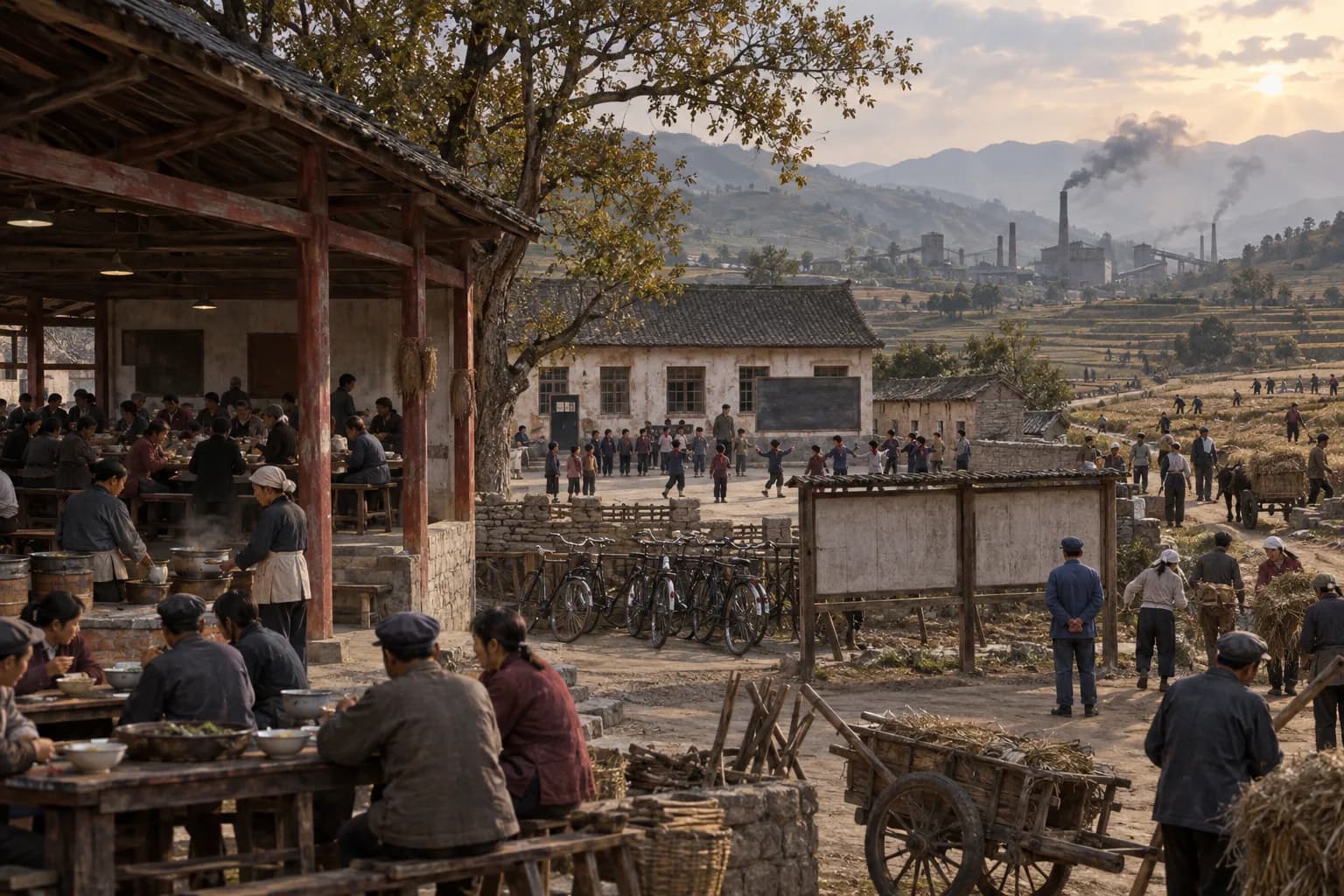
Modern · 1949 CE – 1976 CE
Mao's China
After 1949, Mao transformed China through party rule, collectivisation, ideological campaigns, and mass upheaval, leaving a legacy of power, trauma, and state continuity.
Read story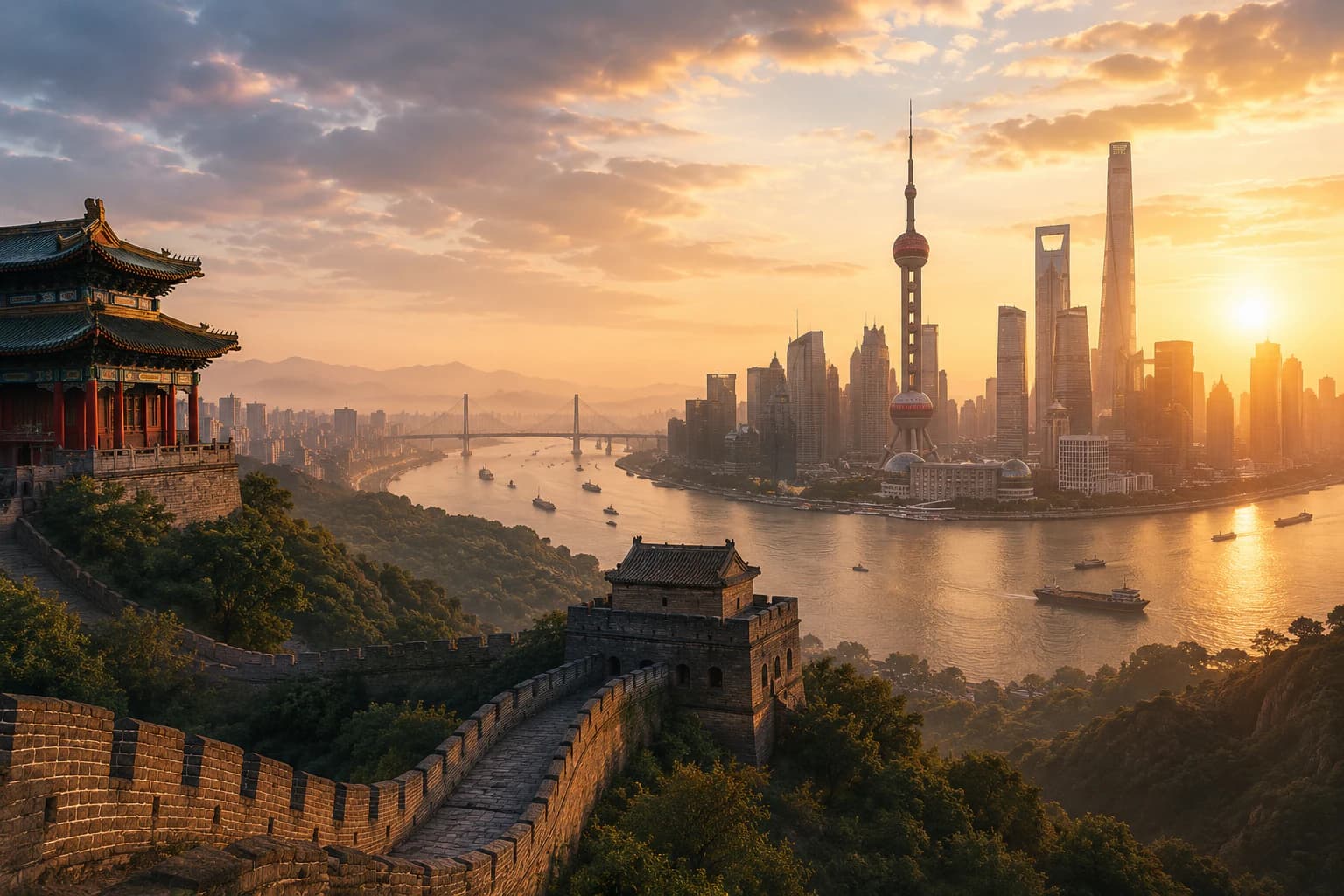
Modern · 1976 CE – 2020 CE
The Rise of China
After Mao, China combined market reform with one-party rule, using exports, cities, technology, and nationalism to become one of the world's most powerful states.
Read storyKeep exploring