Context
Introduction
Overview
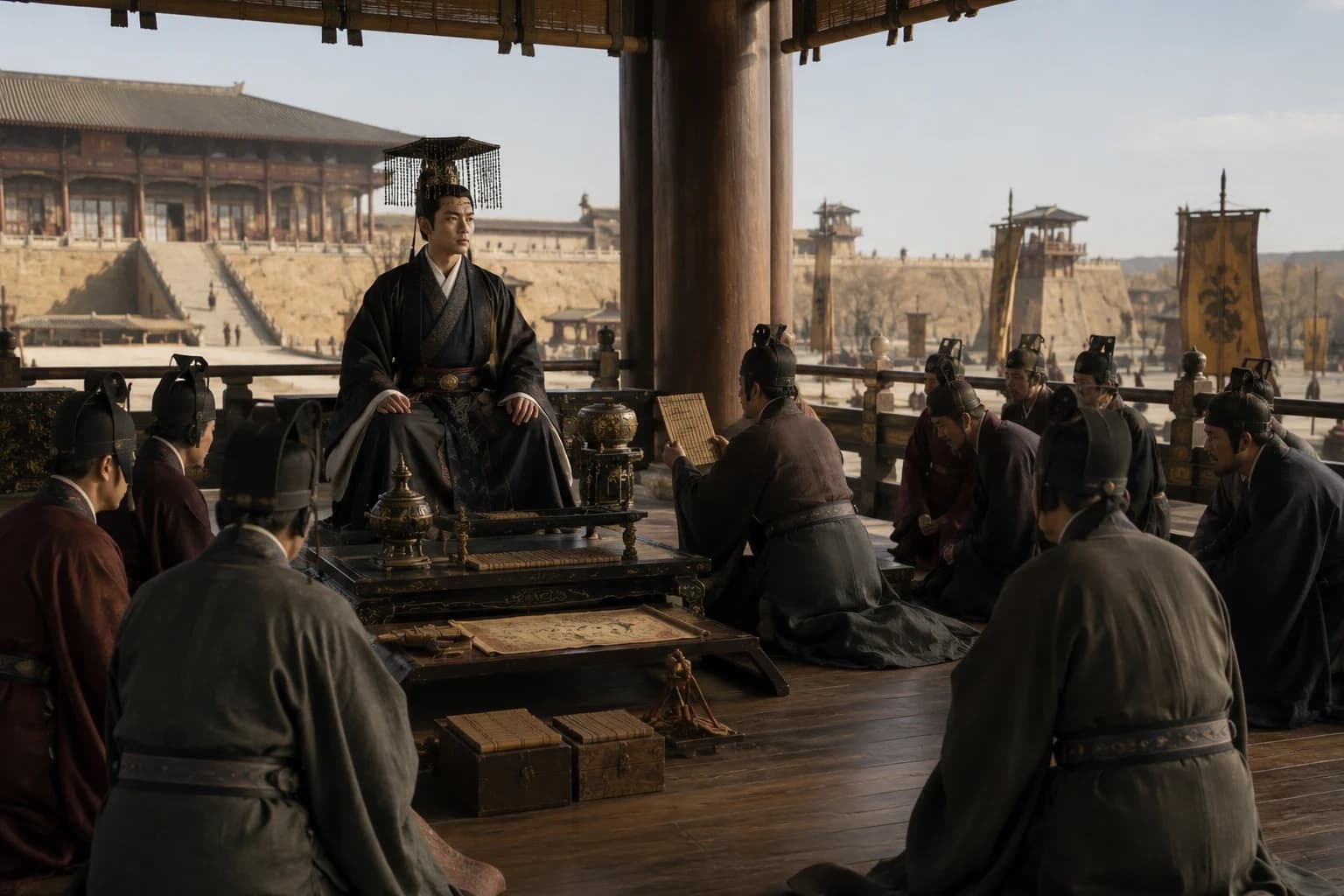
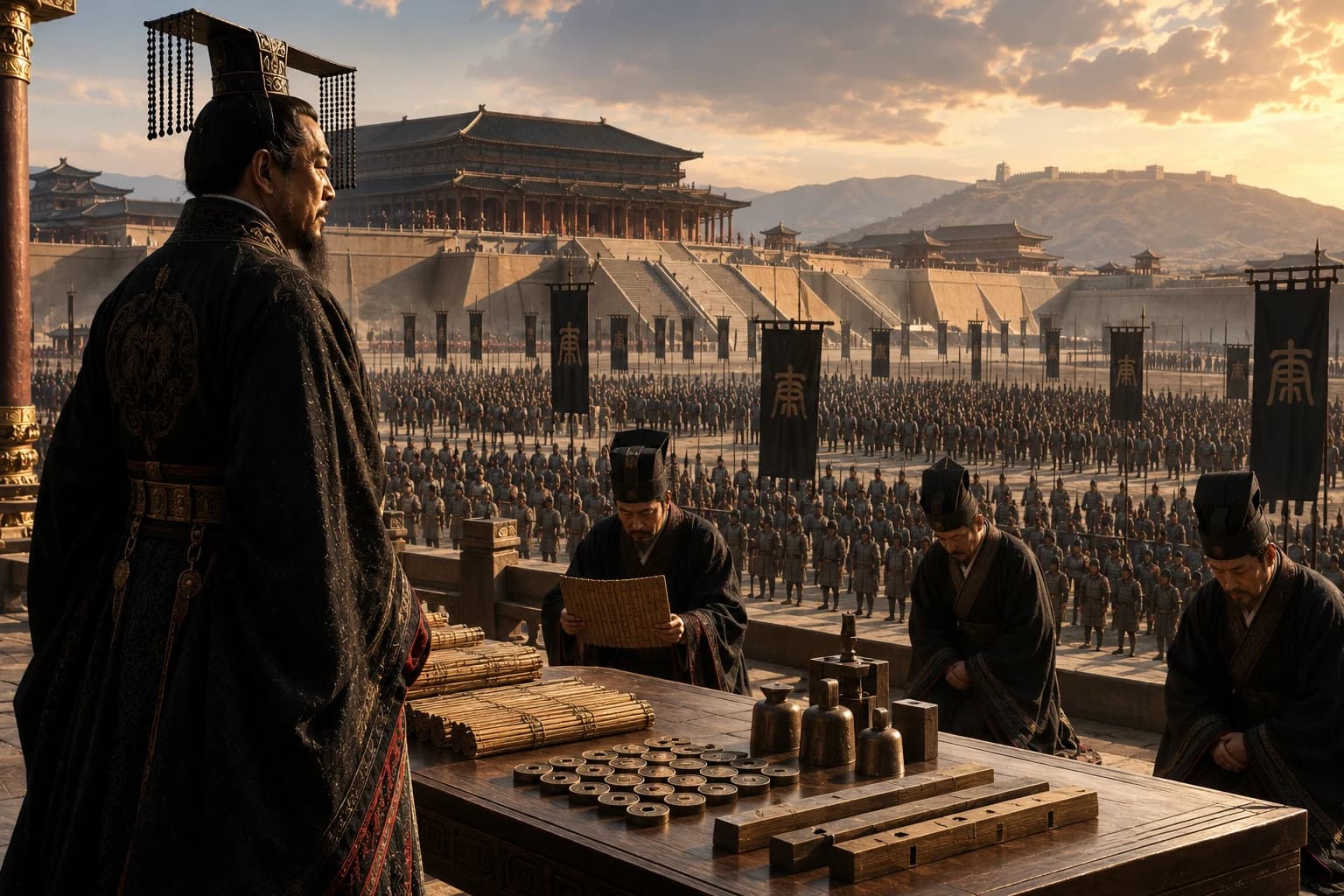
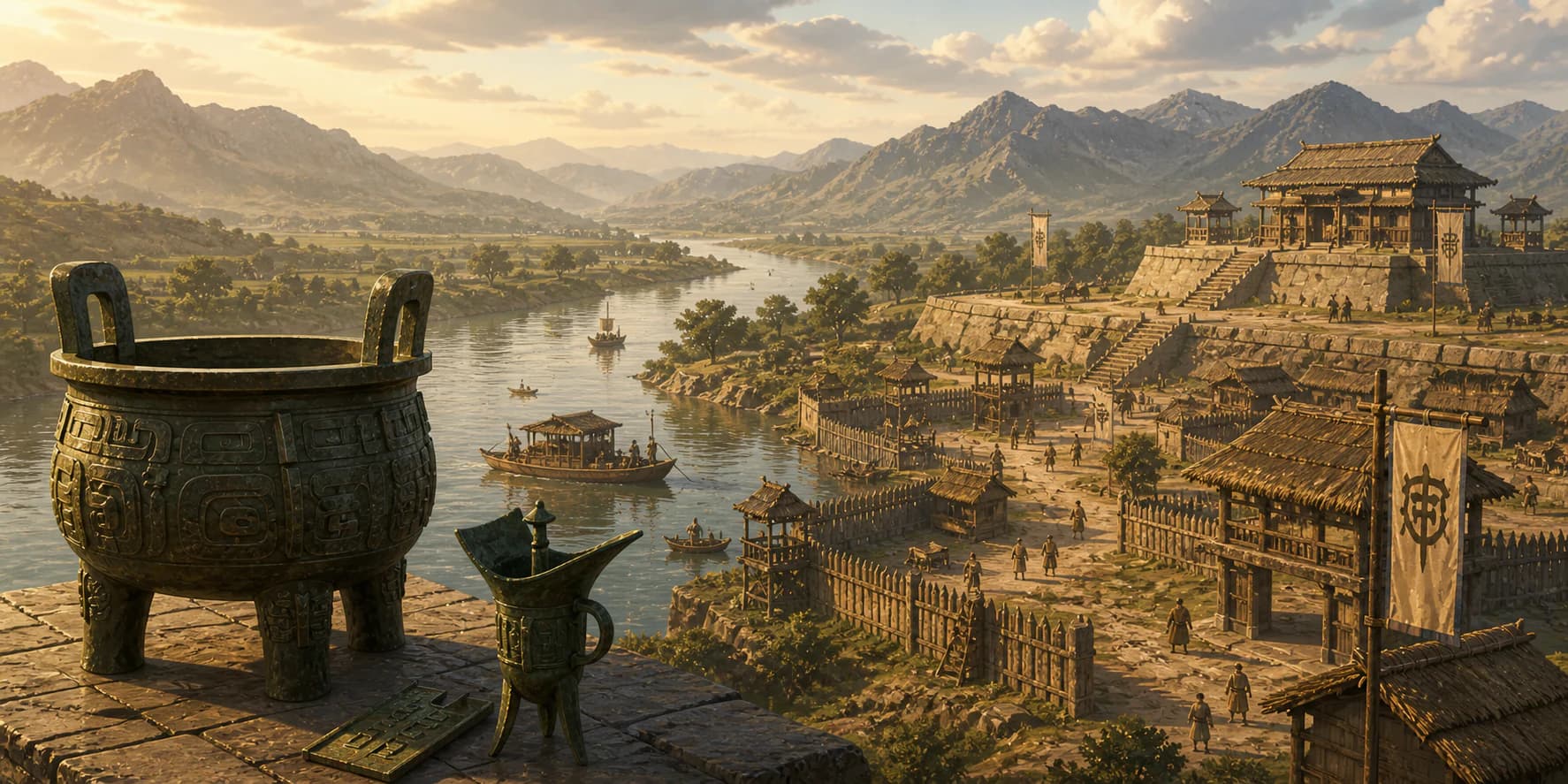
The Han rulers inherited a unified China from Qin and made its imperial institutions more durable. They restored agriculture, expanded government and linked the court to new routes across Central Asia. Over four centuries, their rule shaped ideas about state power, learning and Chinese identity that long outlived the dynasty.
What you'll learn: You will see how the Han made empire survivable after Qin collapse, how Confucian bureaucracy became central to Chinese rule, and why Han achievements outlasted the dynasty itself.
Key forces
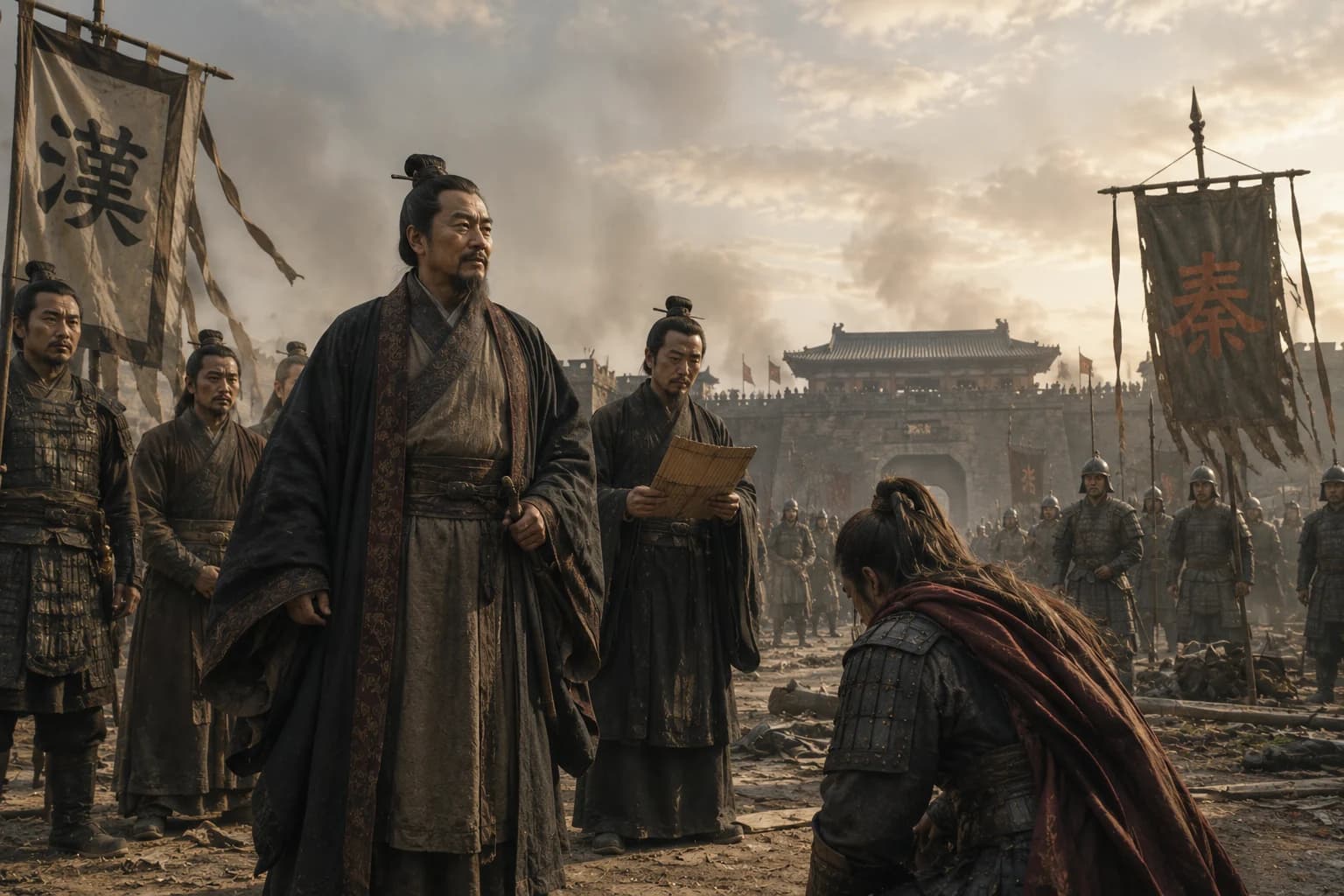
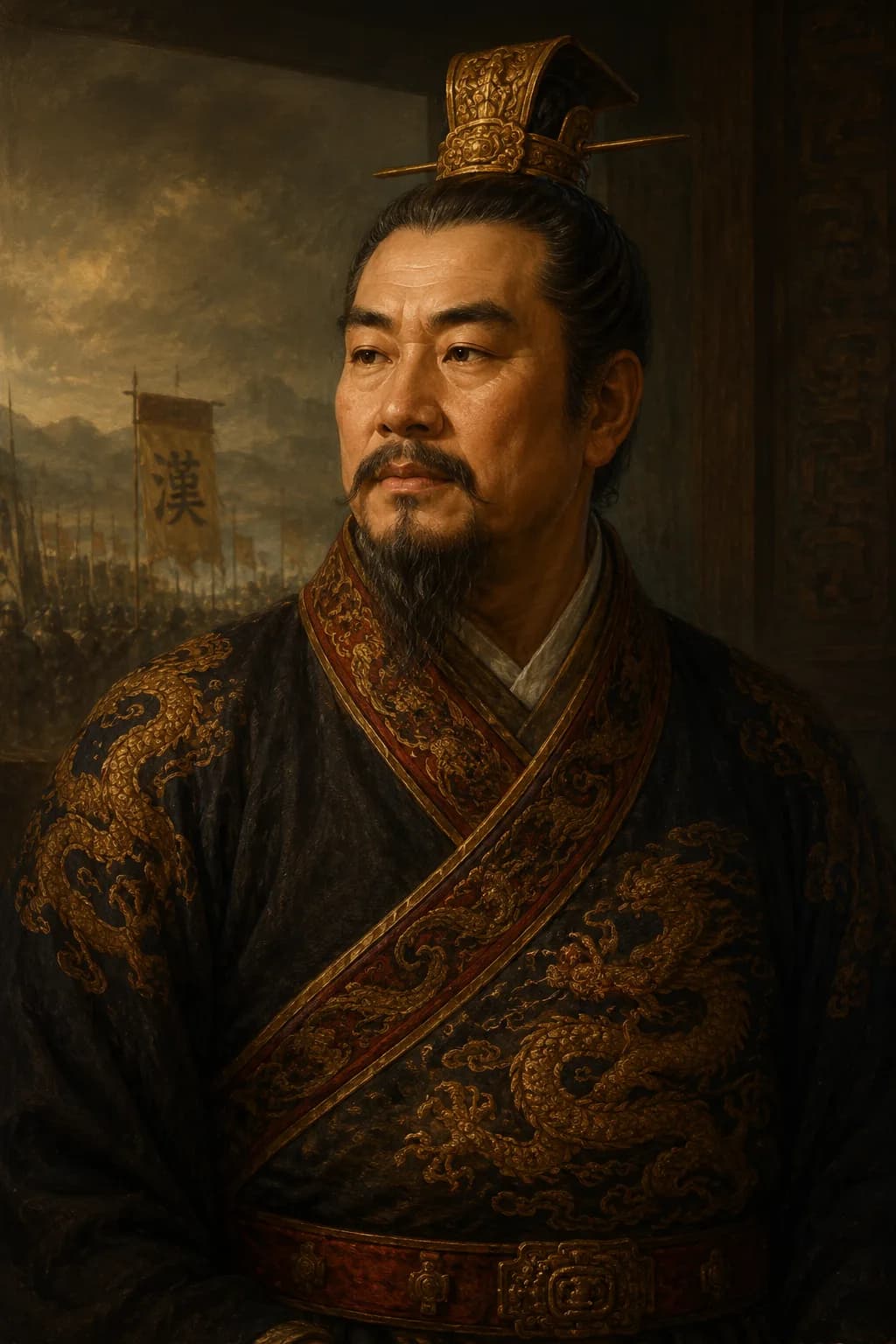
- Liu Bang founded the Han dynasty in 202 BCE after defeating Xiang Yu and ending the Chu-Han struggle.
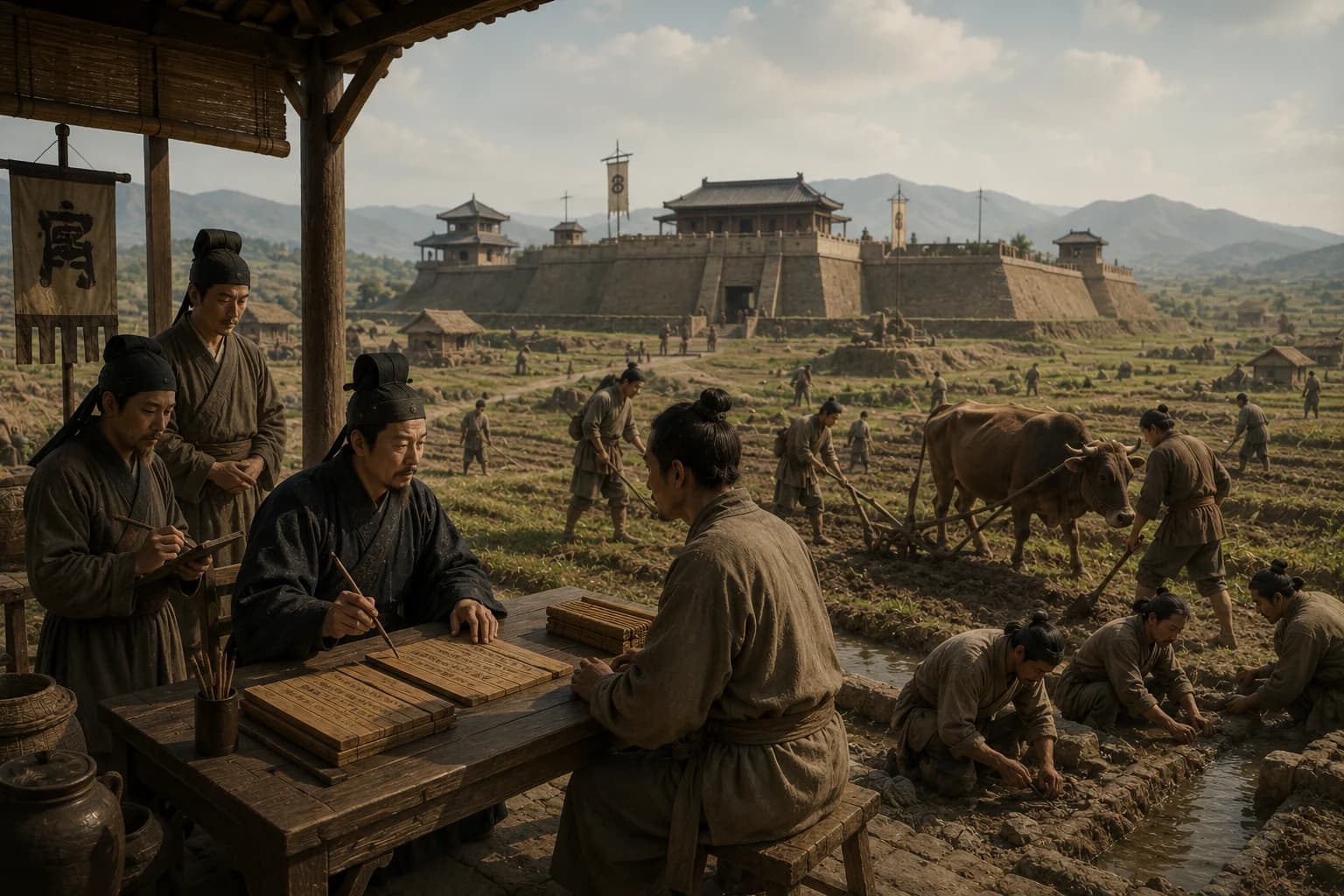
- Early Han rulers preserved imperial unity while reducing taxes, labour demands, and the harshness associated with Qin rule.
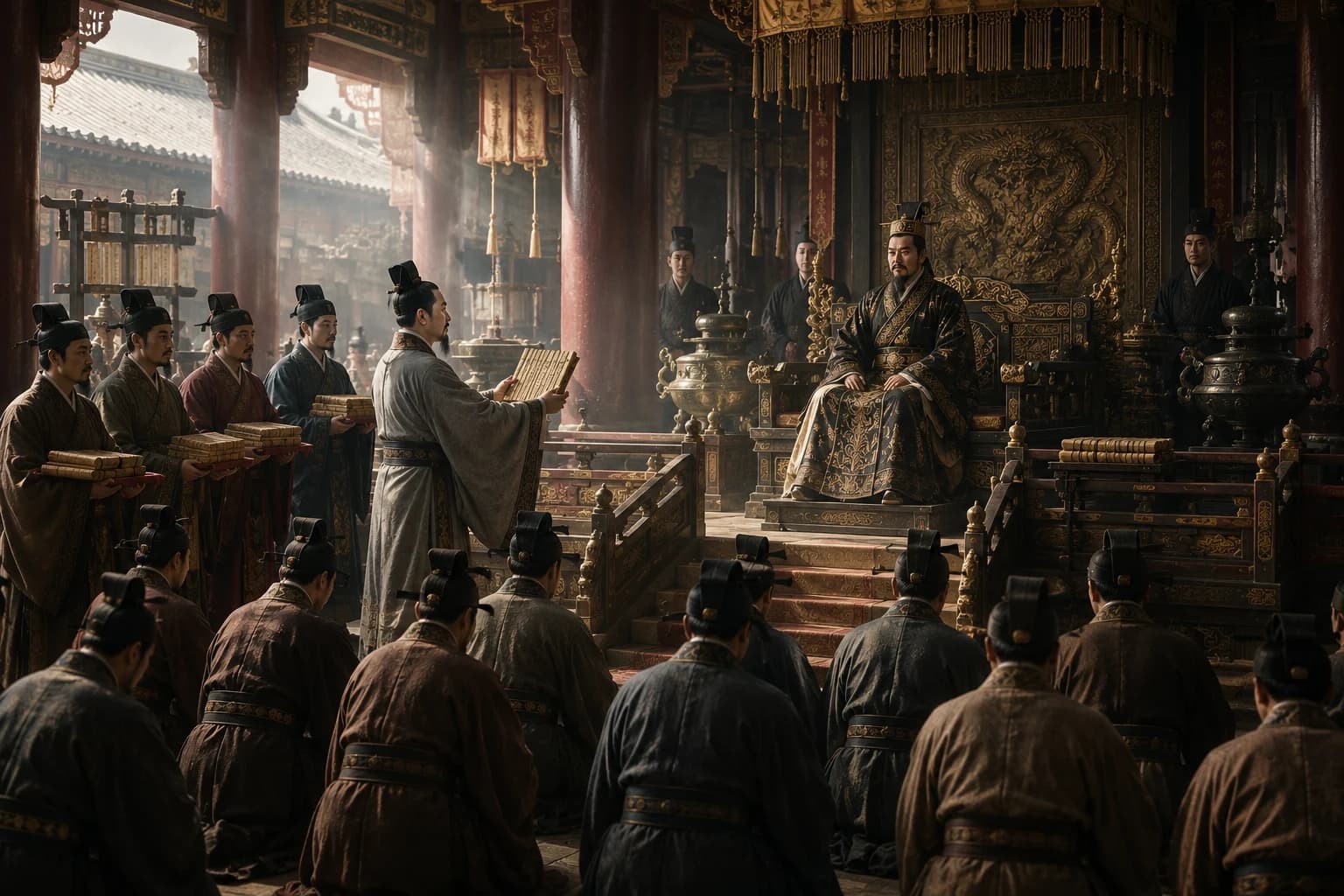
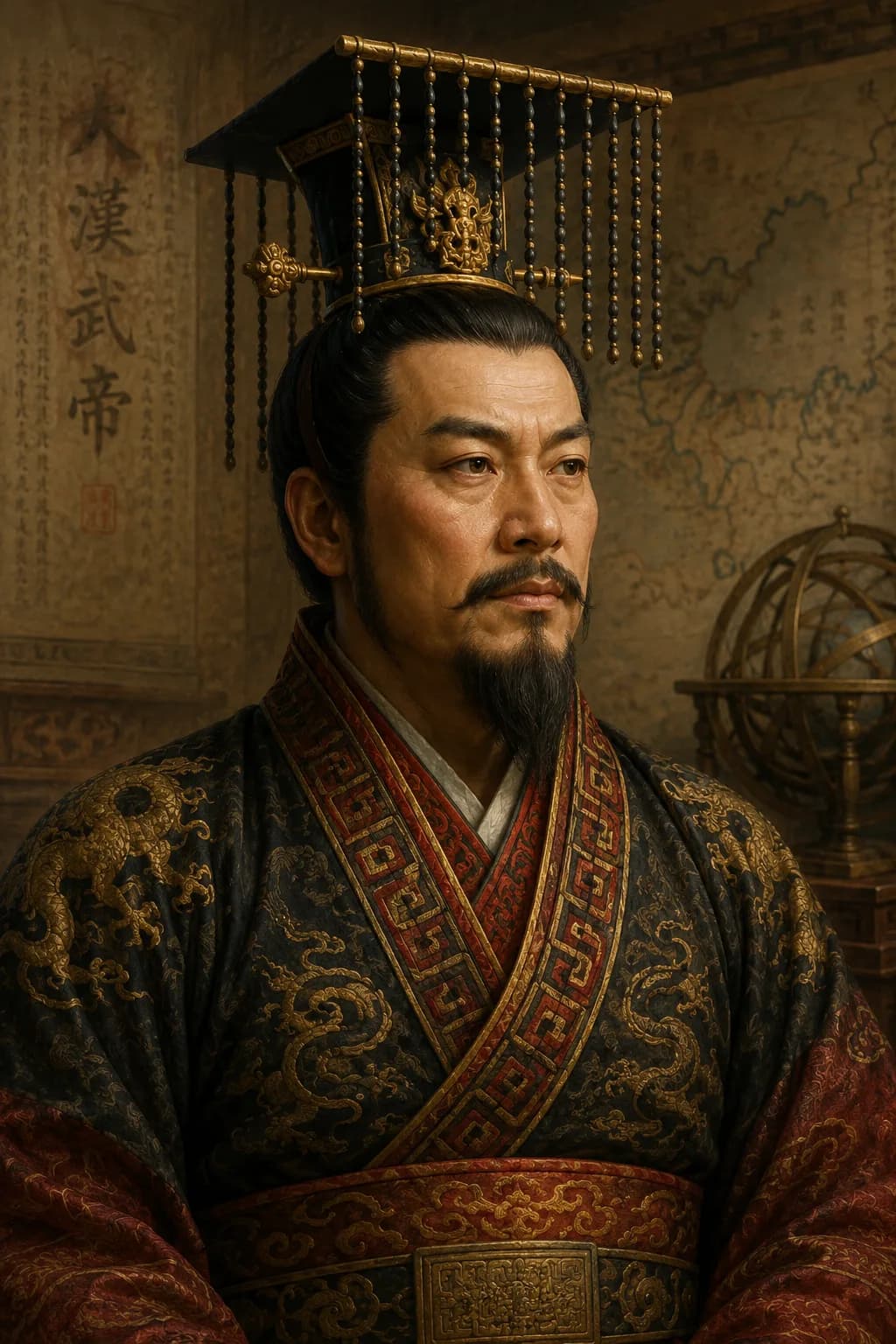
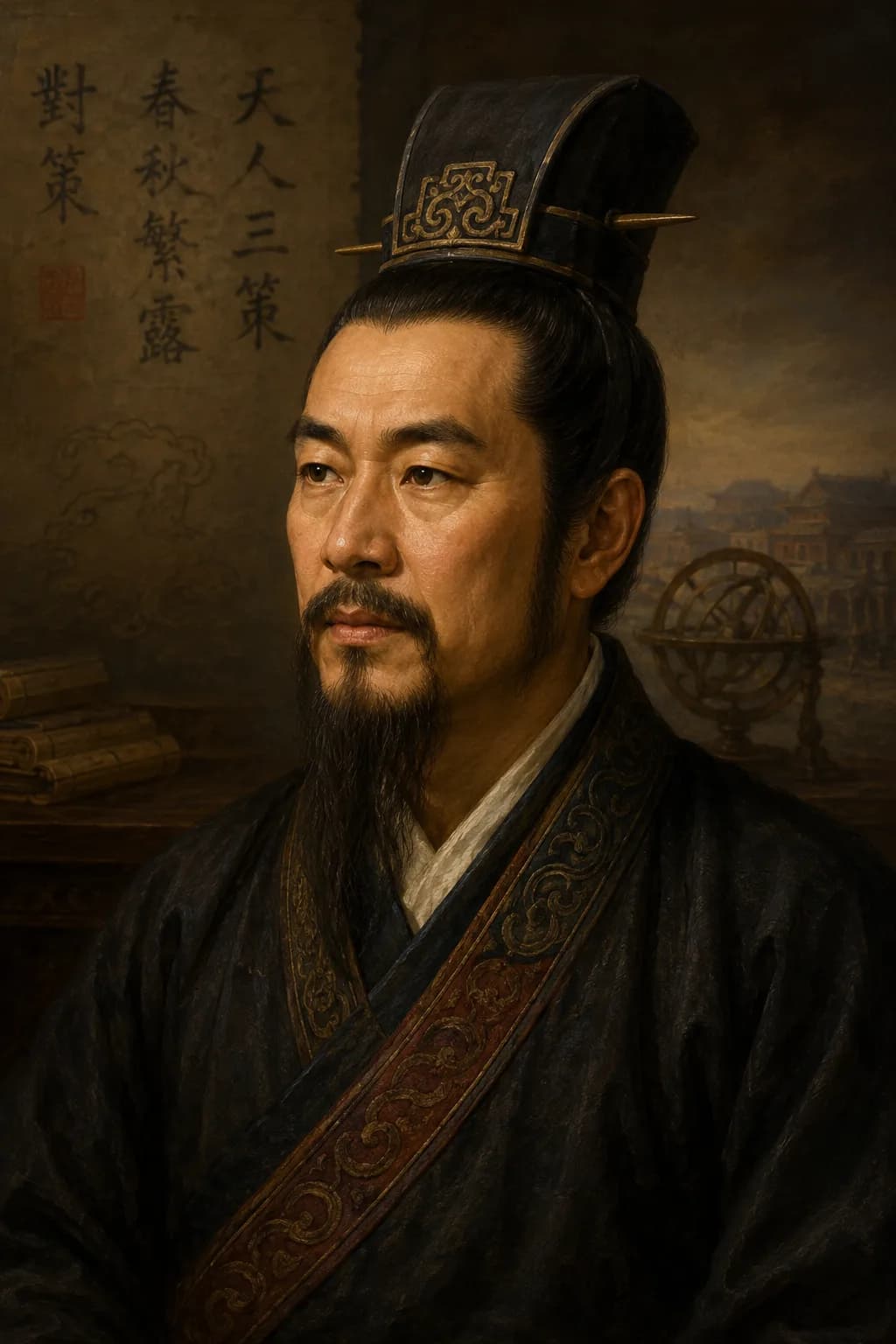
- Emperor Wu transformed the dynasty through centralisation, Confucian state doctrine, bureaucratic expansion, and frontier campaigns.
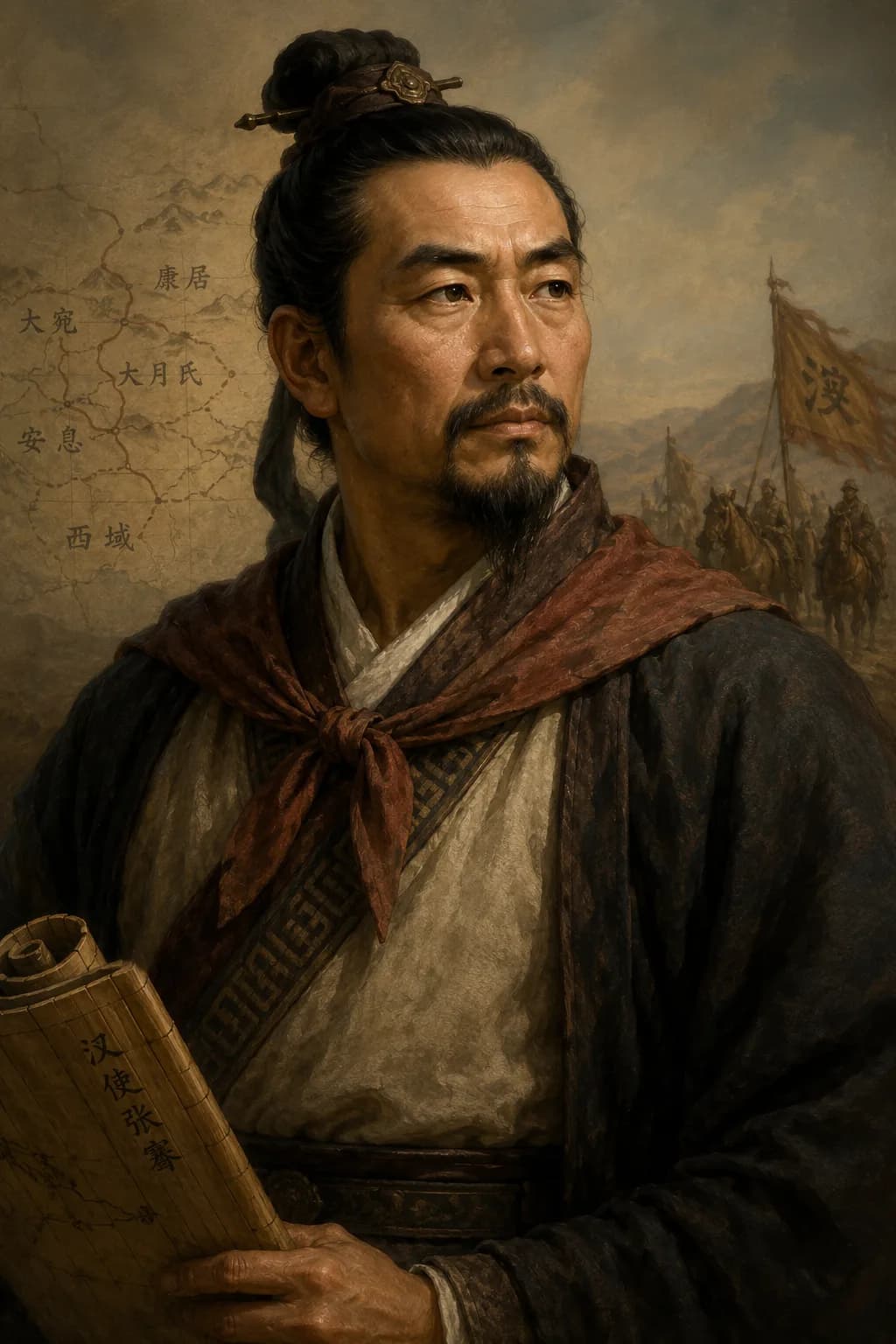
- Zhang Qian's western mission helped connect Han China to Central Asia, laying foundations for Silk Road exchange.