← People

Xiang Yu

Xiang Yu was a powerful Chu commander during the fall of Qin and the Chu-Han Contention. His defeat by Liu Bang in 202 BCE opened the way for the Han dynasty.

Born
232 BCE
Died
202 BCE
Role
Chu commander and ruler
Also known as
Xiang Ji, Hegemon-King of Western Chu

Chu warlord (232 BC-202 BC)

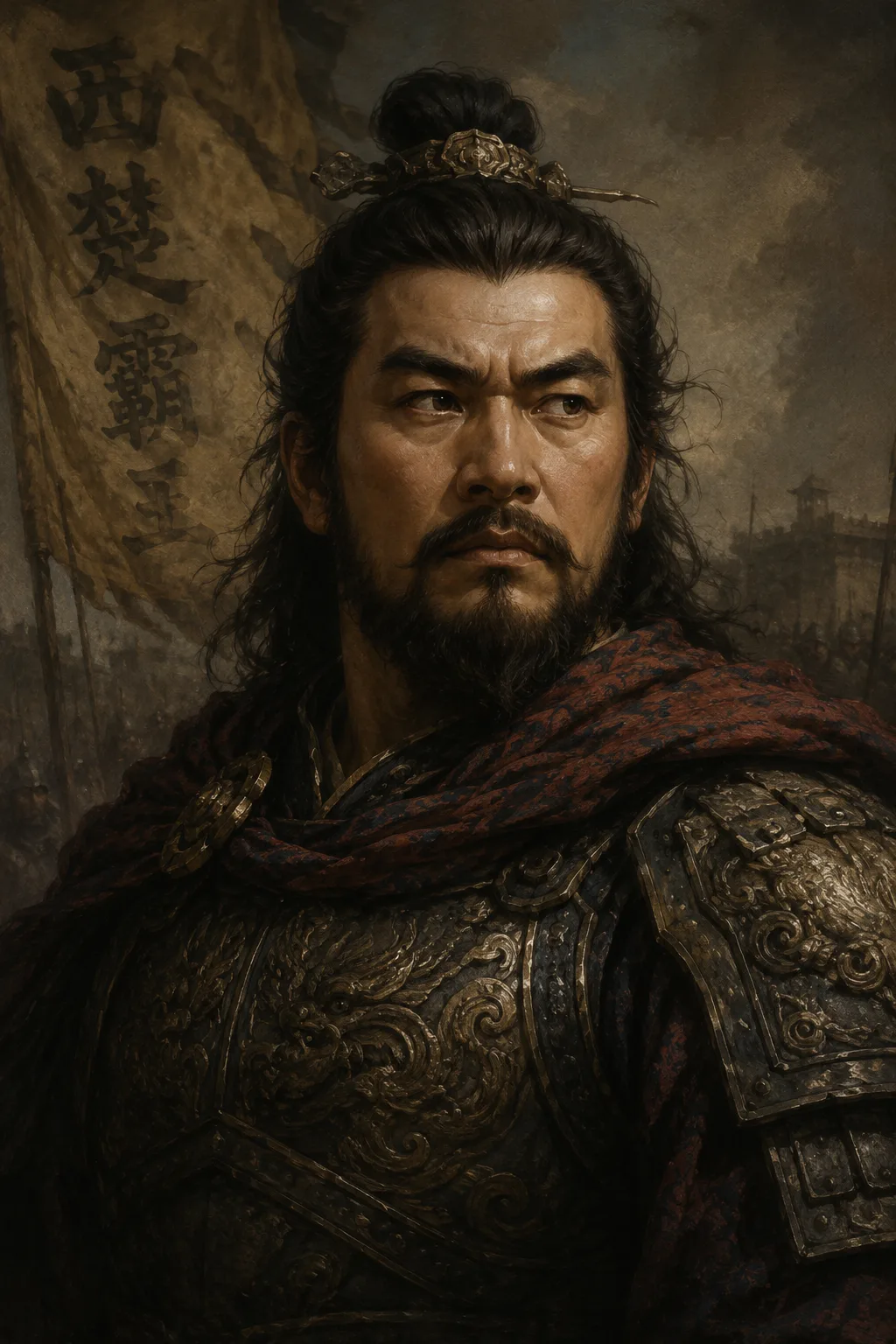
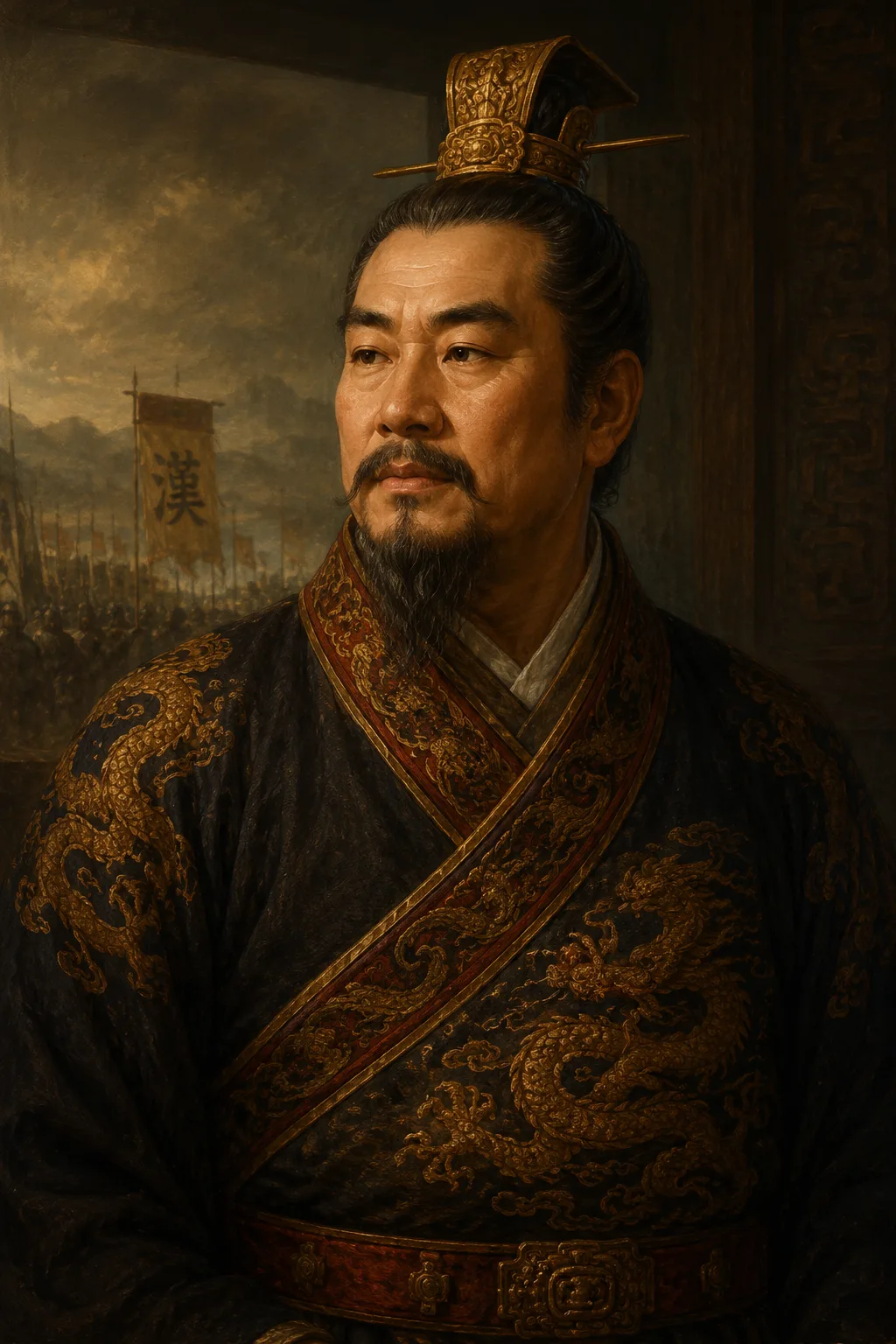
AI-generated portrait of Xiang Yu in armor with a Western Chu banner behind him
AI-assisted historical reconstruction

An illustrative reconstruction based on historical context. It is not a photograph or documentary likeness. Image policy

Life Journey

The rival Liu Bang had to defeat

Follow the key events and turning points in this life story.

Complete chronology

-232

Born into Chu memory

Xiang Yu came from the former Chu aristocratic world, where resentment of Qin conquest remained strong. His family background mattered because the fall of Qin was not only a social uprising, but also a moment when older regional loyalties returned. Trained for war under his uncle Xiang Liang, Xiang Yu entered rebellion with both personal ambition and the symbolic weight of Chu resistance behind him.

-207

Destroying Qin power

The Battle of Julu made Xiang Yu's reputation. Facing Qin forces at a moment when other rebel leaders hesitated, he chose bold attack and forced his troops into commitment. The victory shattered Qin military prestige and made him the dominant figure among anti-Qin armies. Yet the same intensity that made him formidable also made his politics harsh. He inspired fear and loyalty, but not always trust.

-206

Struggle with Liu Bang

Xiang Yu divided the conquered world into kingdoms and claimed the title Hegemon-King of Western Chu. Liu Bang, pushed into the Han region, seemed at first the weaker rival. But Liu Bang built alliances, used advisers effectively, and turned Xiang Yu's political mistakes into opportunities. The conflict became the Chu-Han Contention, a struggle between Xiang Yu's heroic command style and Liu Bang's broader coalition building.

-202

Defeat at Gaixia

By 202 BCE, Xiang Yu's position had collapsed. Surrounded after the Battle of Gaixia, he chose death rather than surrender. Later tradition remembered him as a tragic, larger-than-life warrior: brave, charismatic, and doomed by pride and political misjudgment. His fall was decisive for the Han story because Liu Bang's victory was not inevitable. It had to be won against the most terrifying commander of the age.

Continue in context

Connected stories

Move from the profile into the wider events and settings this figure belongs to.

Keep exploring

Content note

This profile is written for educational use and connects to related Stories of History pages. The main portrait is an AI-assisted historical reconstruction, included as an illustrative aid rather than documentary evidence. Image policy

References

Sources and historical notes

Sources used to check this page, selected recommendations and historical notes.

Sources used

  1. Sima Qian, via Wikisource, “Records of the Grand Historian: Annals of Xiang Yu,”

    Provides the Chinese text of Sima Qian’s account of Xiang Yu’s career, defeat and death.

    Open source
  2. University Press Library Open, “The Qin and Han Empires,”

    Places Xiang Yu’s campaigns and defeat by Liu Bang in the transition between dynasties.

    Open source
  3. Ohio State University, Origins, “Liu Bang, from Peasant Rebel to Emperor,”

    Summarises the struggle with Liu Bang that ended Xiang Yu’s bid for supremacy.

    Open source

Additional sources and notes

Loading reviewed claim sources...

Our editorial approach · Report a historical error

A monthly route through history

Find out first about the latest published stories, feature notes and occasional Premium offers in one monthly email.