← People

Sima Qian

Sima Qian was a Han historian and author of the Records of the Grand Historian. His work shaped Chinese historical writing and preserved early imperial memory.

Born
c. 145 BCE
Died
c. 86 BCE
Role
Court historian

Han historian (c. 145 BC-c. 86 BC)

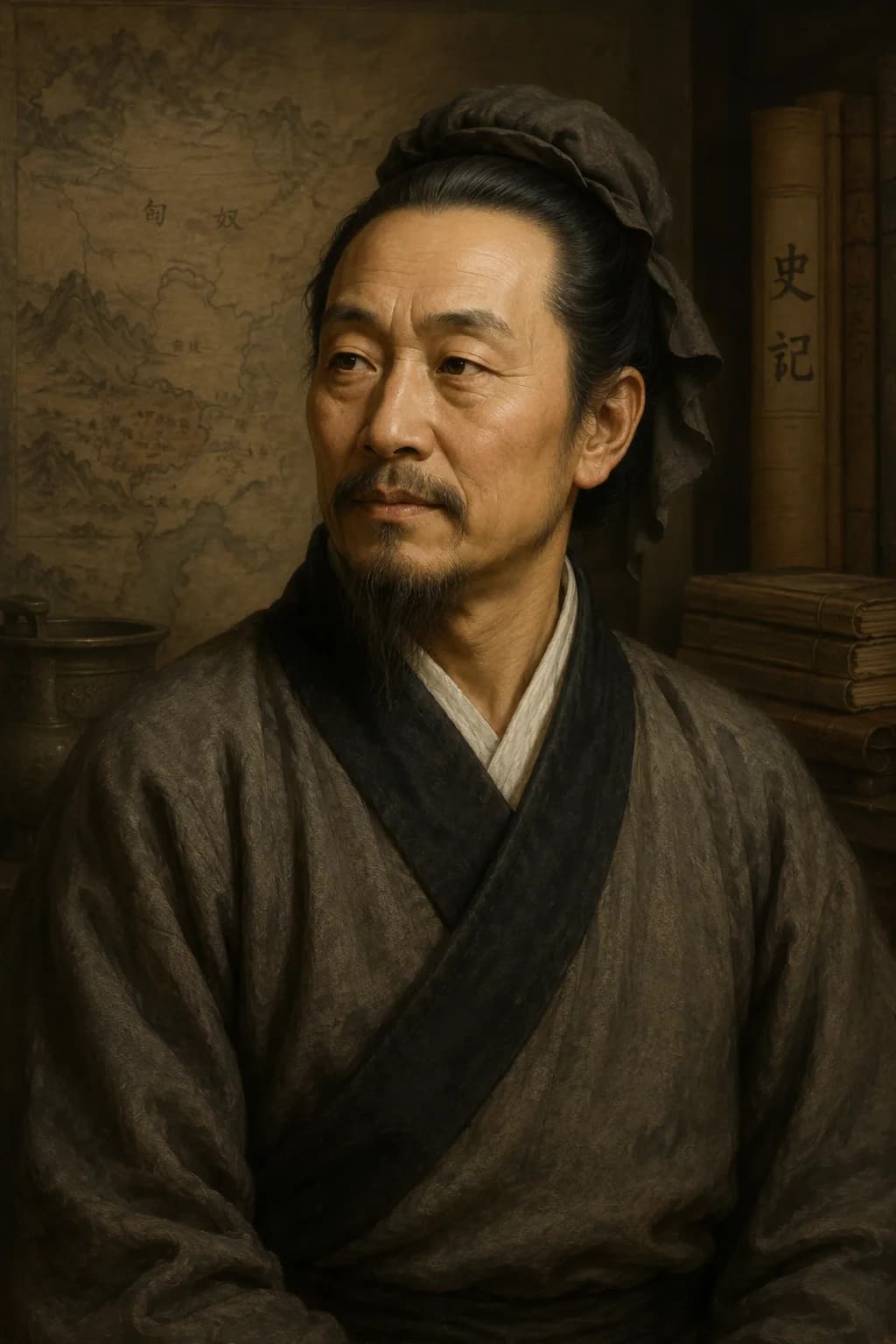
AI-generated portrait of Sima Qian in a study with maps and historical records
AI-assisted historical reconstruction

An illustrative reconstruction based on historical context. It is not a photograph or documentary likeness. Image policy

Life Journey

A historian who wrote through disaster

Follow the story in a more continuous narrative, with a reading mode that matches how much depth you want.

Complete chronology

c. -145

Born to a historian's house

Sima Qian was the son of Sima Tan, a court astrologer and historian. This background gave him access to records, learning, and an idea of history as public responsibility. His father's ambitions for a grand historical project became a burden and a calling. Sima Qian inherited not just documents, but a mission to make the past intelligible.

-2nd century BCE

Travel and evidence

Sima Qian's history was not written only from a court desk. He traveled through regions associated with earlier rulers, battles, sages, and legends, using place and memory to deepen his understanding. His method combined documents, oral traditions, observation, and judgment. That gave his work a vivid range unusual for a court chronicle.

-99

Punishment after Li Ling

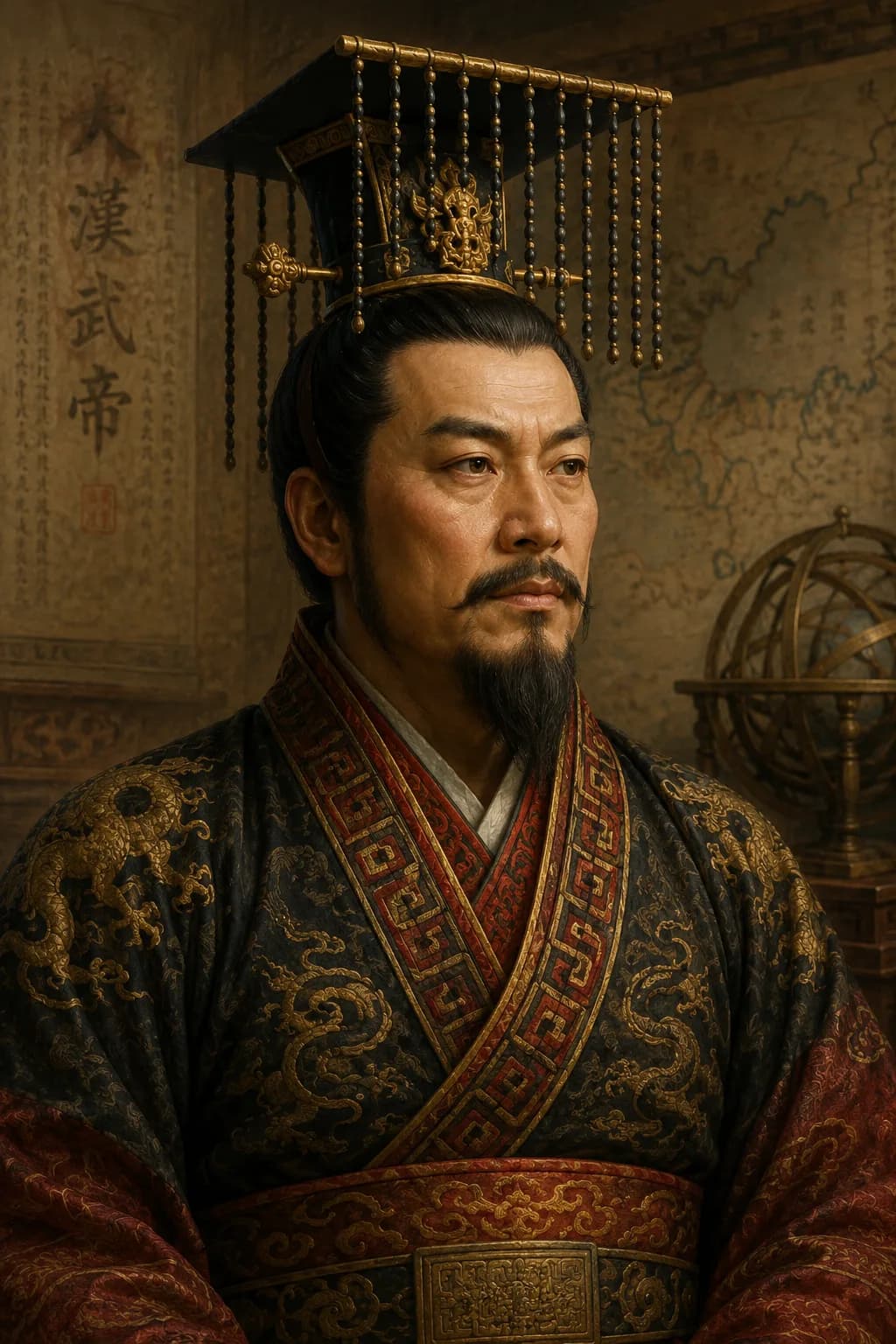
Sima Qian's defense of Li Ling angered Emperor Wu after a frontier defeat. Condemned and unable to pay the alternative penalty, he endured castration, a punishment intended to destroy honor. He later explained that he chose survival because the historical work remained unfinished. The decision became central to his legacy: humiliation did not silence him.

c. -90

Records of the Grand Historian

The Records of the Grand Historian covered legendary antiquity, early dynasties, rival states, Qin unification, and the Han age. Its structure combined annals, tables, treatises, hereditary houses, and biographies, creating a model that later historians adapted. Sima Qian wrote with admiration, irony, sympathy, and moral tension. He did not only record power; he asked what power meant.

Continue in context

Connected stories

Move from the profile into the wider events and settings this figure belongs to.

Defining related moments

Tertiary paths

Content note

This profile is written for educational use and connects to related Stories of History pages. The main portrait is an AI-assisted historical reconstruction, included as an illustrative aid rather than documentary evidence. Image policy

References

Sources & Further Reading

Reliable reference works, archives and reading paths connected to this profile.

Further reading

  1. Encyclopaedia Britannica, “Search results for Sima Qian,” accessed June 2026.Open source
  2. WorldCat, “Books and library holdings for Sima Qian,” accessed June 2026.Open source

Primary sources

  1. Library of Congress, “Search results for Sima Qian,” accessed June 2026.Open source

Reviewed claim sources

Loading reviewed claim sources...

A monthly route through history

Find out first about the latest published stories, feature notes and occasional Premium offers in one monthly email.