← People

Cai Lun

Cai Lun was an Eastern Han court official traditionally credited with improving papermaking in 105 CE, a development with lasting effects on writing and administration.

Born
c. 50 CE
Died
121 CE
Role
Court official and papermaking innovator

Eastern Han court official (c. 50 CE-121 CE)

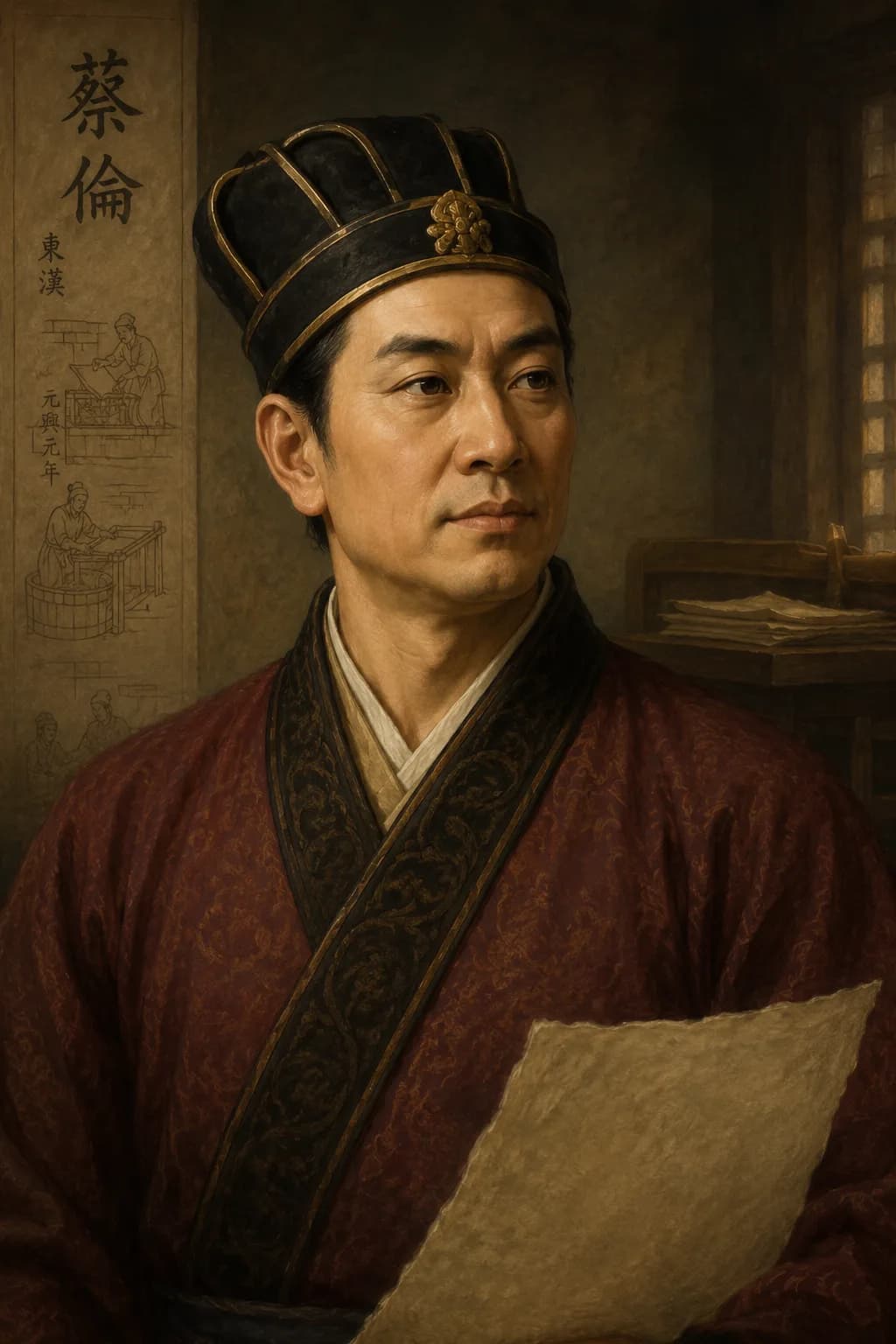
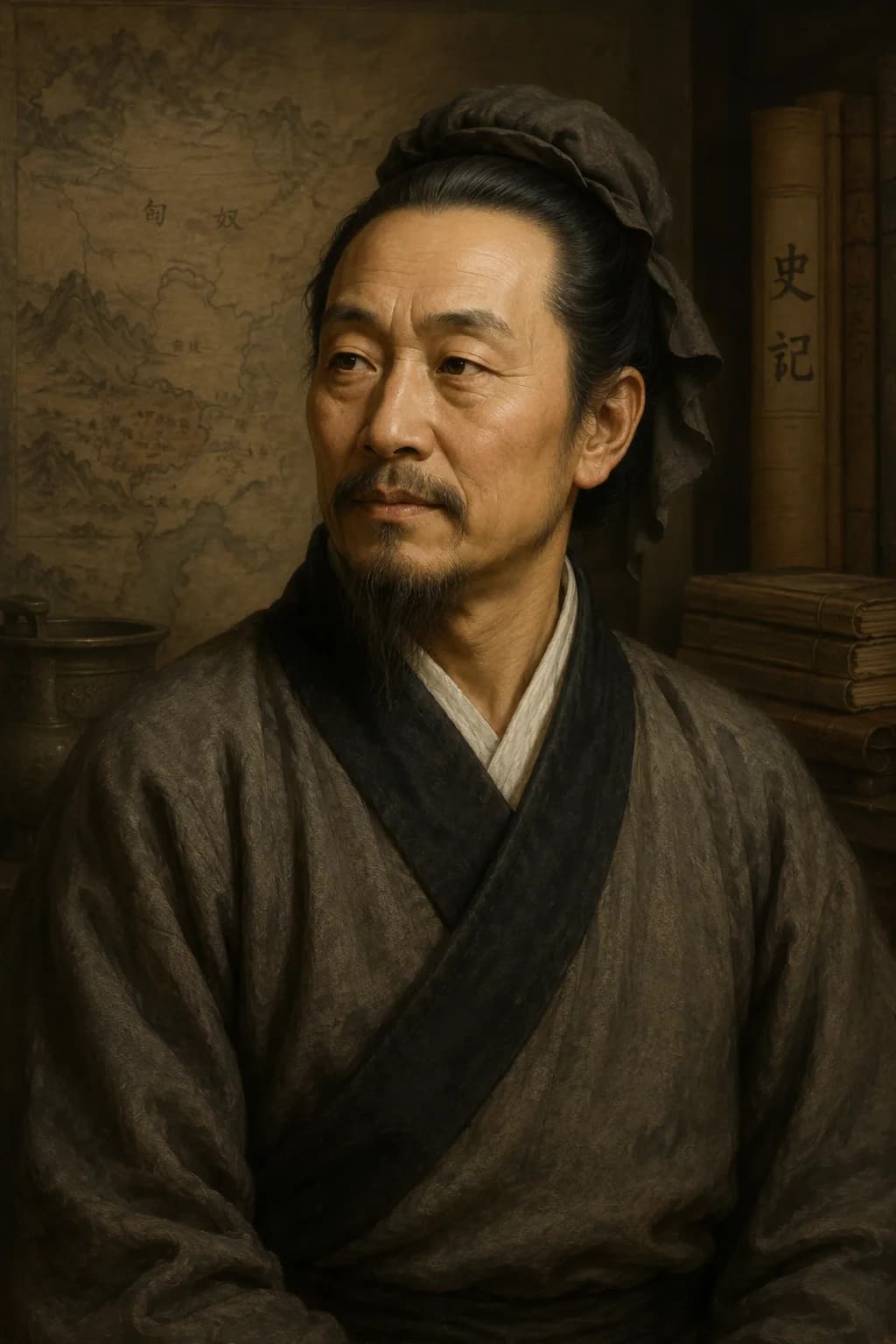
AI-generated portrait of Cai Lun holding paper beside papermaking drawings
AI-assisted historical reconstruction

An illustrative reconstruction based on historical context. It is not a photograph or documentary likeness. Image policy

Life Journey

The official linked to paper's transformation

Follow the story in a more continuous narrative, with a reading mode that matches how much depth you want.

Complete chronology

1st century CE

Service at court

Cai Lun rose as a court eunuch and official in the Eastern Han. The palace world was political, technical, and administrative. Government generated orders, memorials, registers, and archives, so writing materials mattered. Bamboo slips, wooden tablets, and silk all had uses, but they could be heavy, bulky, or expensive. A better writing surface could change everyday statecraft.

105

Improving paper

Paper existed in China before Cai Lun, so he should not be treated as the sole inventor of paper. His historical importance is that tradition links him to refining and promoting a more practical papermaking process using materials such as bark, hemp, rags, and nets. Court recognition helped turn a technology into an administrative tool with wide future consequences.

2nd century CE

A tool for records

Paper's power lay in ordinary usefulness. It could support letters, records, drafts, copying, and study in ways that heavy bundles of slips could not. The full transformation took time, but the direction was clear. As paper spread, it helped make written culture more flexible. For an empire that depended on administration, that mattered enormously.

121

Long after Han

Cai Lun's life ended amid court politics, but his association with paper outlived the Eastern Han itself. Papermaking spread across East Asia and eventually much farther, changing administration, religion, literature, education, and commerce. In the Han dynasty story, he represents a different kind of power from armies or emperors: the power of practical knowledge to endure.

Continue in context

Connected stories

Move from the profile into the wider events and settings this figure belongs to.

Tertiary paths

Content note

This profile is written for educational use and connects to related Stories of History pages. The main portrait is an AI-assisted historical reconstruction, included as an illustrative aid rather than documentary evidence. Image policy

References

Sources & Further Reading

Reliable reference works, archives and reading paths connected to this profile.

Further reading

  1. Encyclopaedia Britannica, “Search results for Cai Lun,” accessed June 2026.Open source
  2. WorldCat, “Books and library holdings for Cai Lun,” accessed June 2026.Open source

Primary sources

  1. Library of Congress, “Search results for Cai Lun,” accessed June 2026.Open source

Reviewed claim sources

Loading reviewed claim sources...

A monthly route through history

Find out first about the latest published stories, feature notes and occasional Premium offers in one monthly email.