← People

Cao Cao

Cao Cao was a late Han statesman, general, and warlord. He controlled Emperor Xian, consolidated northern China, and prepared the political transition to Cao Wei.

Born
155 CE
Died
220 CE
Role
Chancellor and military ruler
Also known as
Mengde, King Wu of Wei

Late Han chancellor and warlord (155 CE-220 CE)

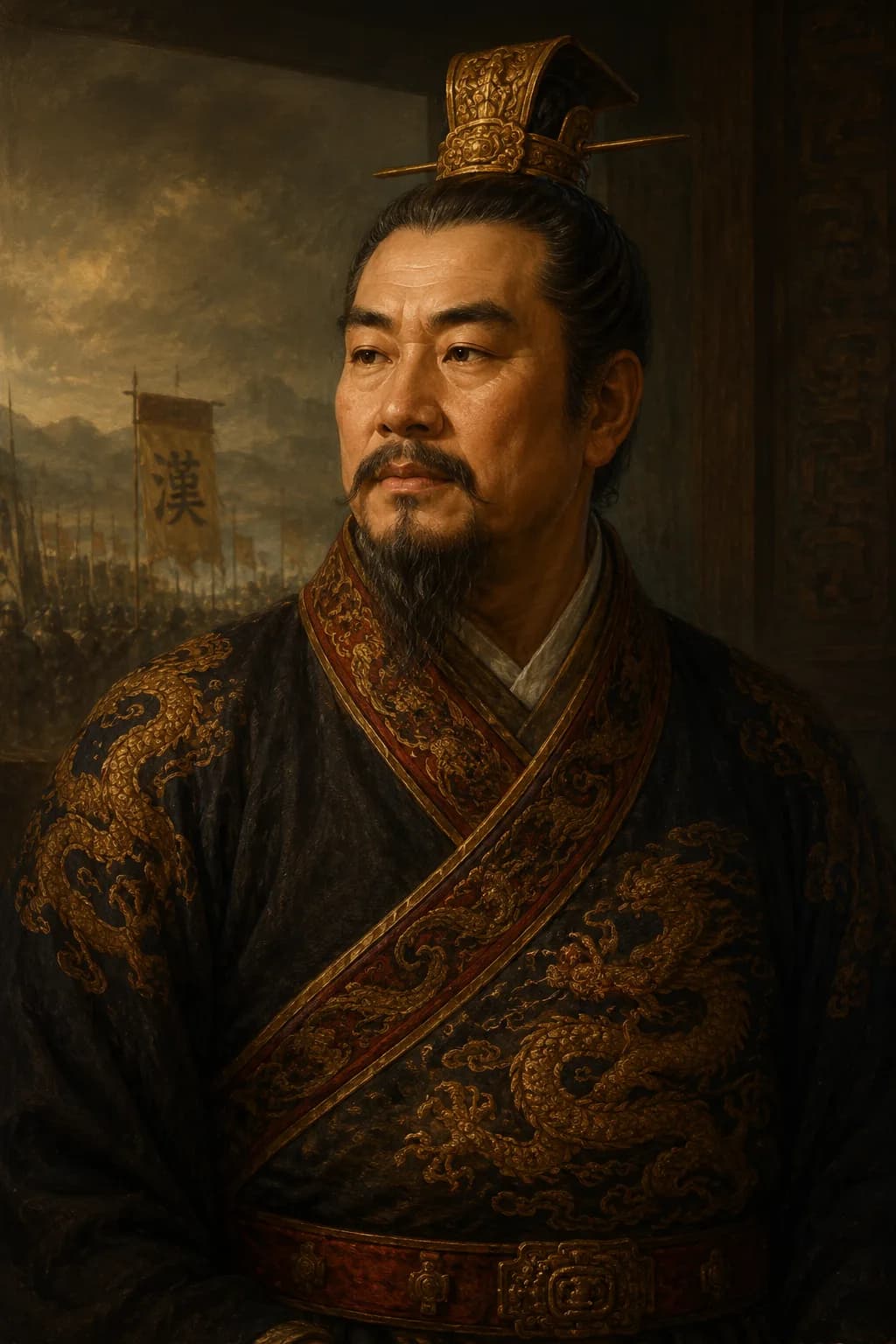
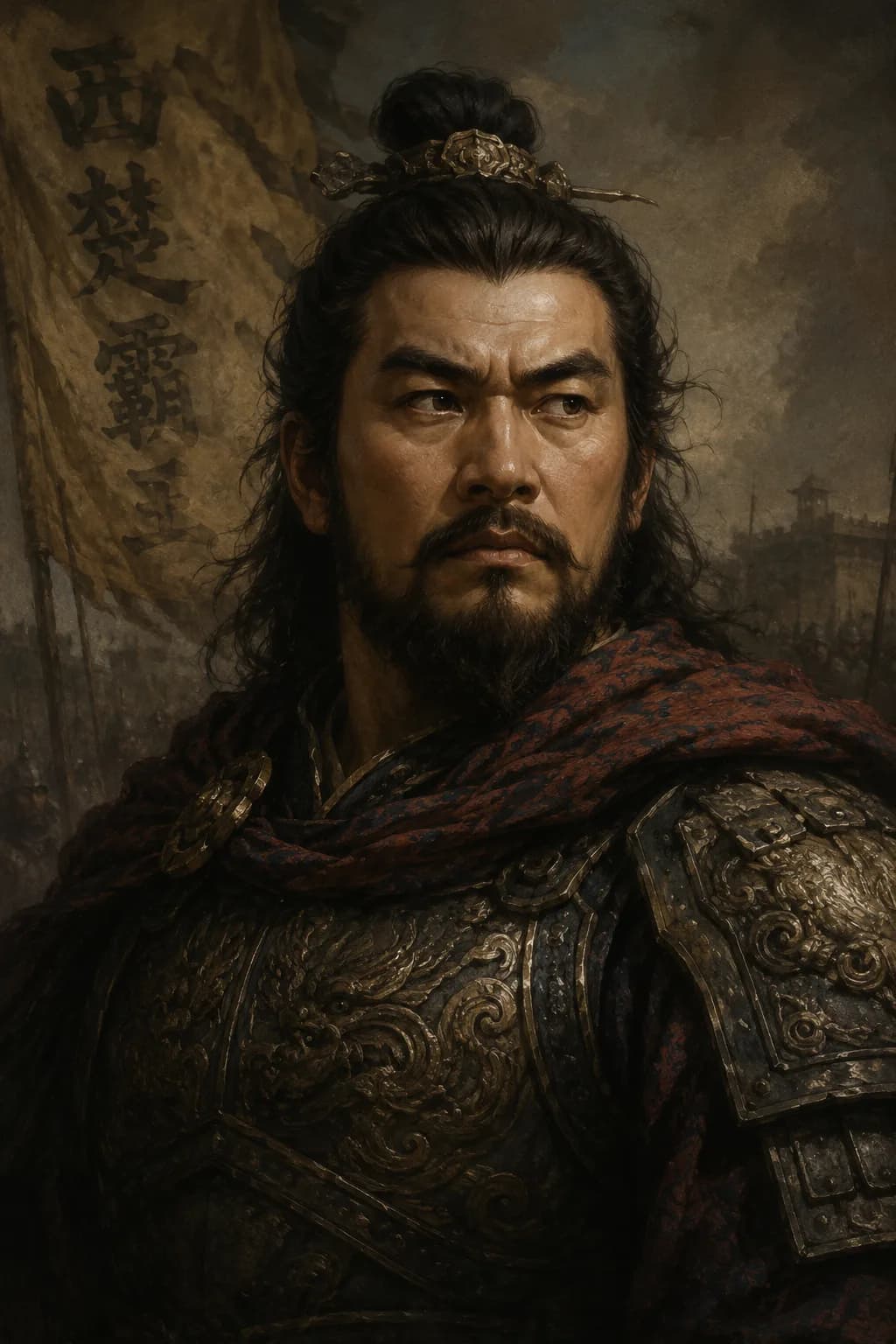
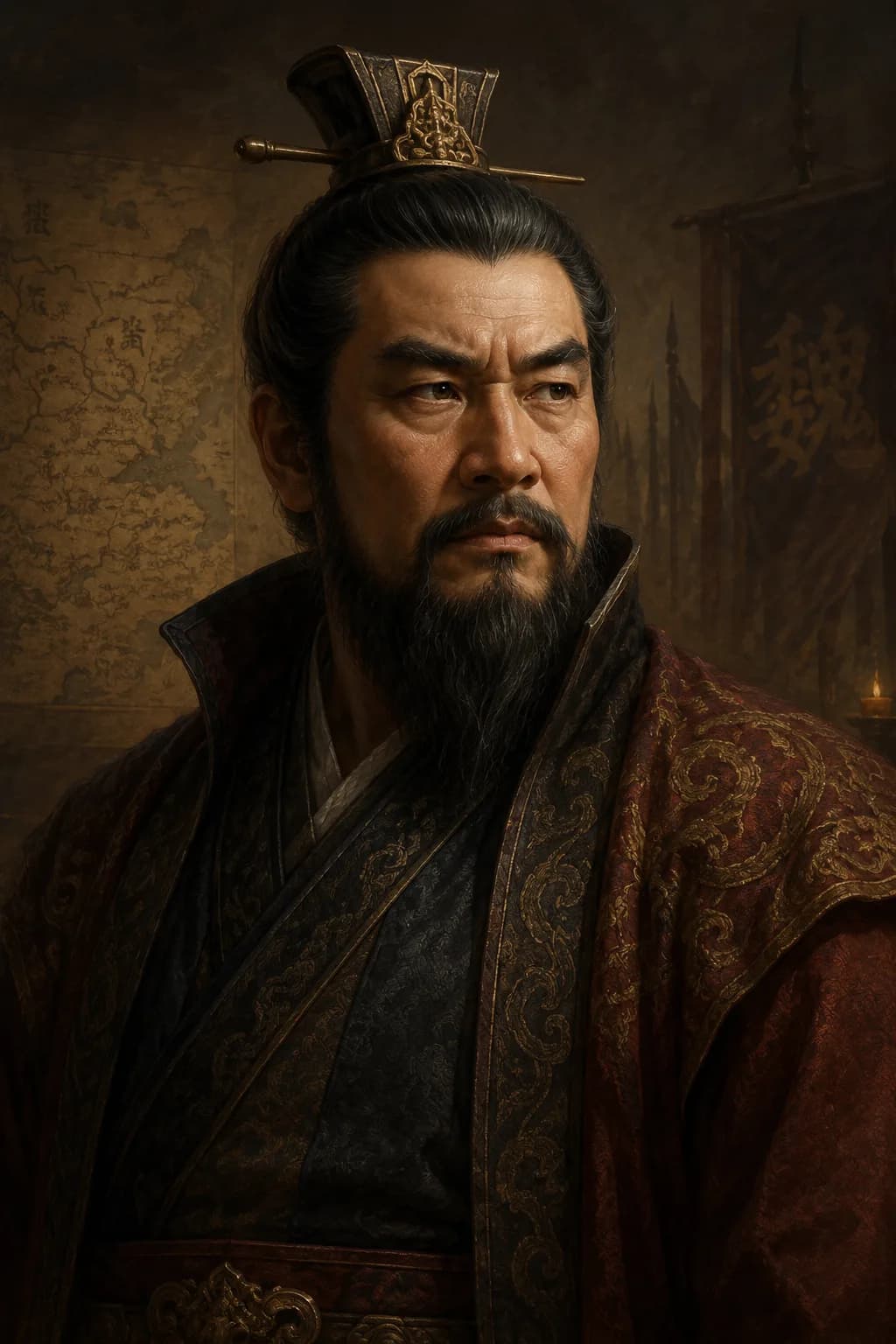
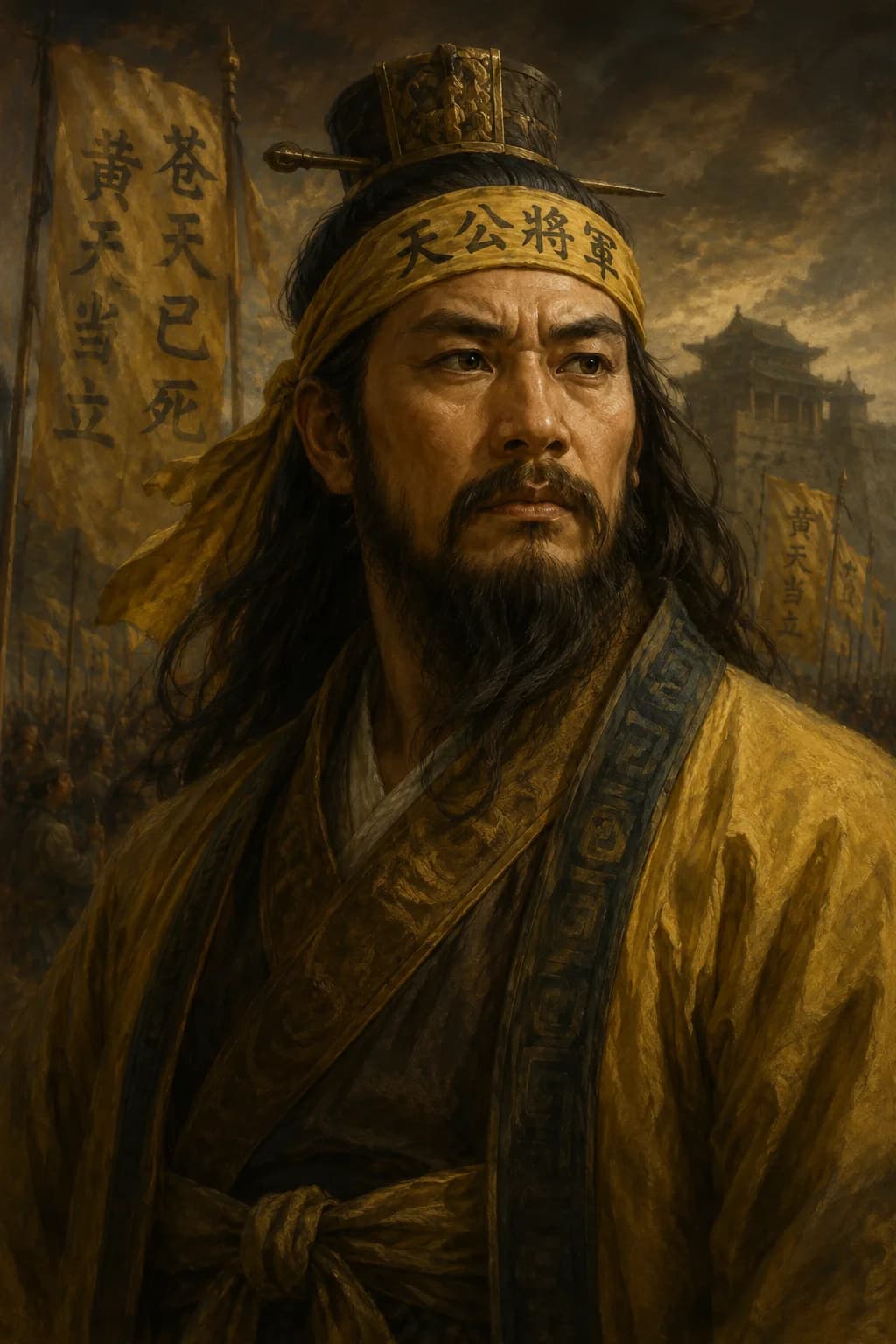
AI-generated portrait of Cao Cao in formal robes with Wei military banners behind him
AI-assisted historical reconstruction

An illustrative reconstruction based on historical context. It is not a photograph or documentary likeness. Image policy

Life Journey

The strongman at the end of Han

Follow the story in a more continuous narrative, with a reading mode that matches how much depth you want.

Complete chronology

155

Born into late Han politics

Cao Cao's family had connections to the Han bureaucracy, but his career unfolded during a period when official service alone no longer guaranteed order. Court factionalism, frontier pressure, and popular unrest created openings for ambitious commanders. Cao Cao learned to operate in a world where legality, military force, and survival constantly overlapped.
190s

Warlord amid collapse

The late Han court became a prize fought over by armed men. Dong Zhuo's domination of the capital shattered remaining confidence in central rule, and regional commanders gathered troops in the name of restoring order. Cao Cao proved unusually effective at turning chaos into organization. He built armies, secured territory, and used administration as carefully as battle.

196

Holding Emperor Xian

Control of Emperor Xian gave Cao Cao a powerful advantage. He could present commands as service to the Han while directing policy himself. This did not make him a simple loyalist or a simple usurper. His position was deliberately ambiguous: he preserved the imperial office while hollowing out its independence. That ambiguity defined the final decades of Han rule.

208-220

North and Three Kingdoms

Cao Cao's northern state became the strongest power in China, but the Battle of Red Cliffs in 208 prevented full reunification. Southern rivals survived, and the political landscape hardened into competing blocs. Cao Cao died in 220, and later that year his son Cao Pi ended the Han dynasty by taking the throne. Cao Cao never became emperor in life, but his career made the transition possible.

Continue in context

Connected stories

Move from the profile into the wider events and settings this figure belongs to.

Defining related moments

Tertiary paths

Content note

This profile is written for educational use and connects to related Stories of History pages. The main portrait is an AI-assisted historical reconstruction, included as an illustrative aid rather than documentary evidence. Image policy

References

Sources & Further Reading

Reliable reference works, archives and reading paths connected to this profile.

Further reading

  1. Encyclopaedia Britannica, “Search results for Cao Cao,” accessed June 2026.Open source
  2. WorldCat, “Books and library holdings for Cao Cao,” accessed June 2026.Open source

Primary sources

  1. Library of Congress, “Search results for Cao Cao,” accessed June 2026.Open source

Reviewed claim sources

Loading reviewed claim sources...

A monthly route through history

Find out first about the latest published stories, feature notes and occasional Premium offers in one monthly email.