← People

Cao Pi

Cao Pi was the son and successor of Cao Cao. In 220 CE, he forced Emperor Xian of Han to abdicate and founded Cao Wei, formally ending the Han dynasty.

Born
187 CE
Died
226 CE
Role
Emperor of Cao Wei
Also known as
Emperor Wen of Wei, Zihuan

Founder of Cao Wei (187 CE-226 CE)

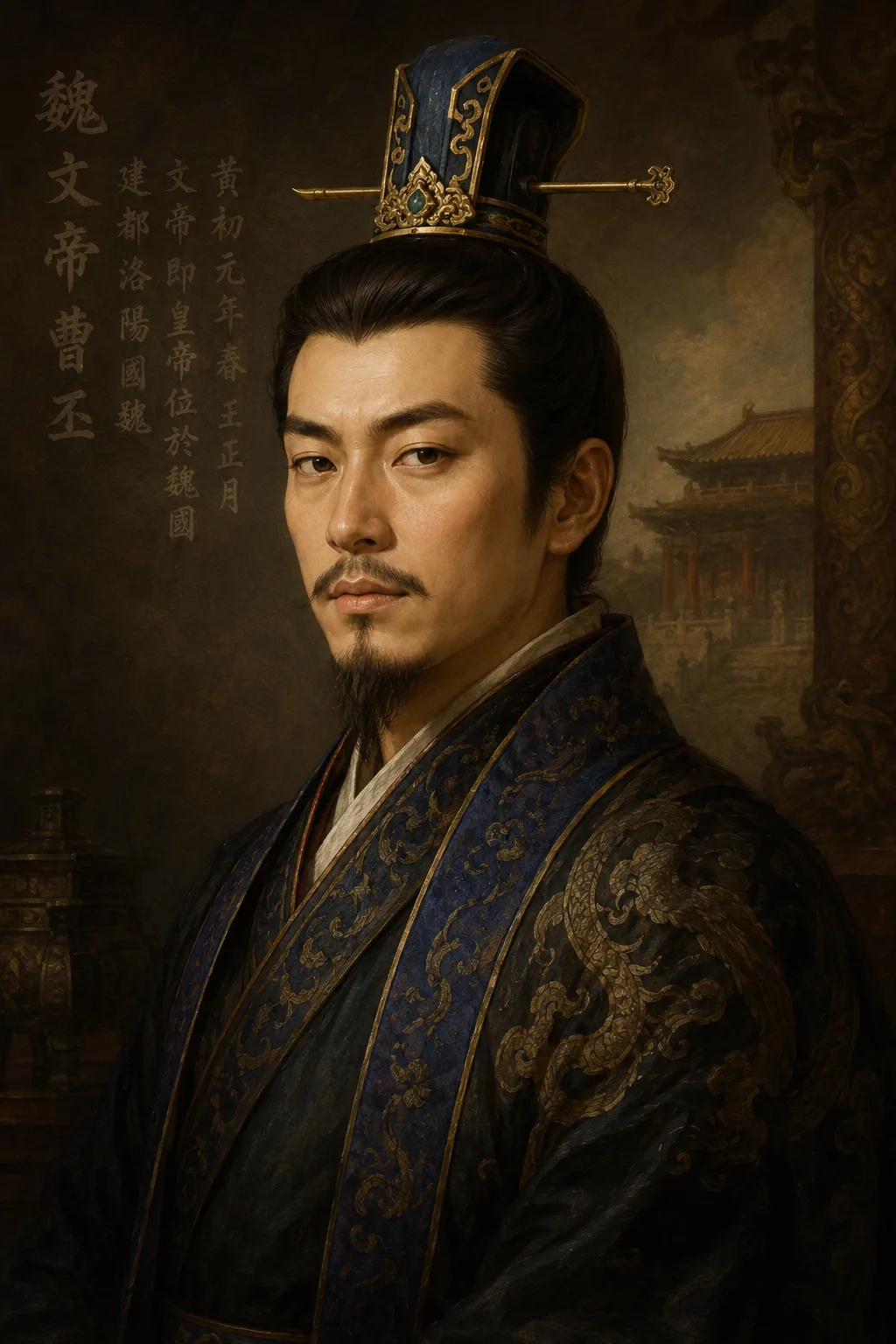
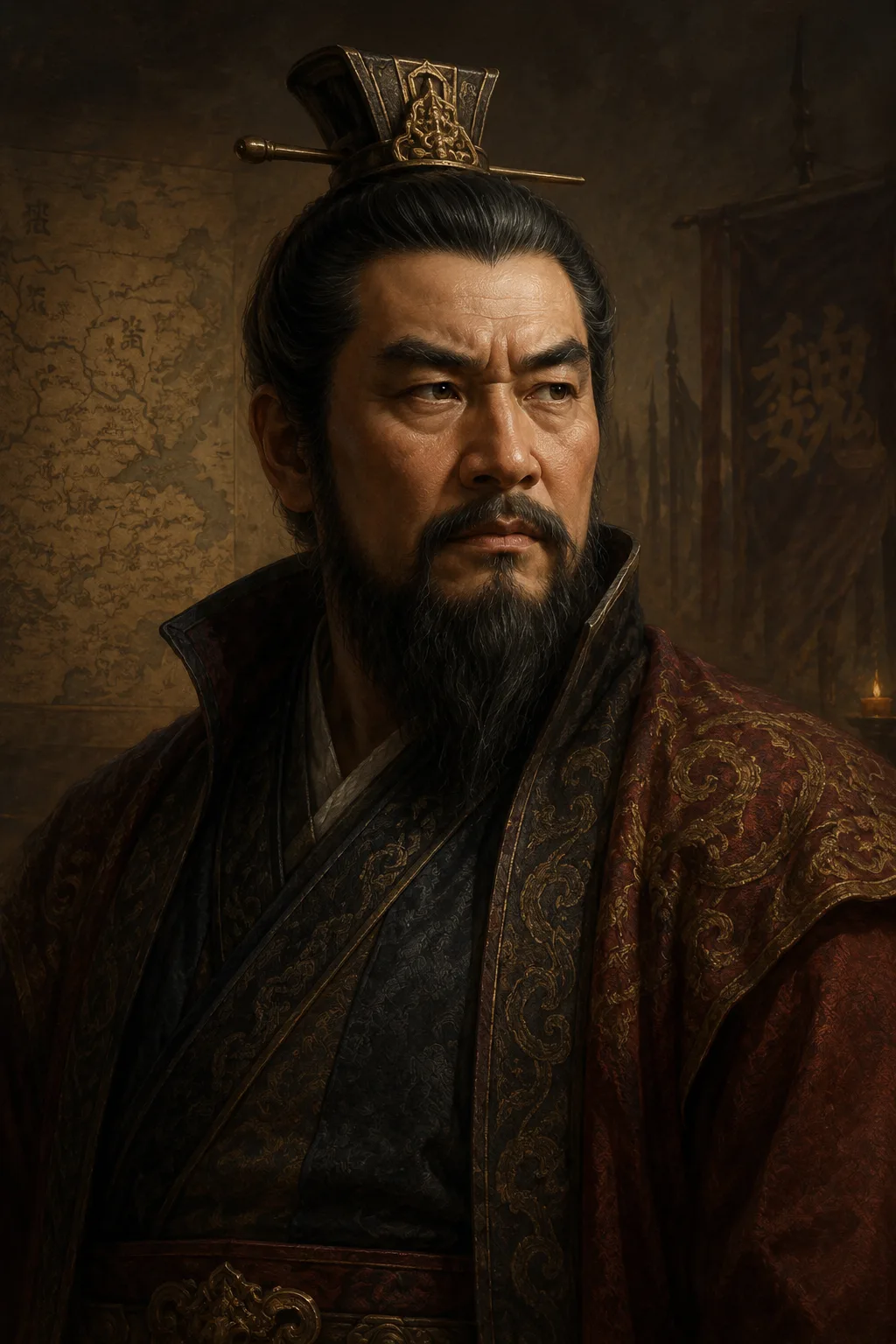
AI-generated portrait of Cao Pi in imperial Wei robes with palace architecture behind him
AI-assisted historical reconstruction

An illustrative reconstruction based on historical context. It is not a photograph or documentary likeness. Image policy

Life Journey

The heir who ended the Han

Follow the key events and turning points in this life story.

Complete chronology

187

Son of a warlord

Cao Pi was the son of Cao Cao and Lady Bian, born before his father's rise had fully transformed Chinese politics. By the time Cao Pi reached adulthood, Cao Cao had become the dominant military ruler in the north while still claiming to act for the Han emperor. That made Cao Pi's inheritance unusual: he was not simply inheriting a household, but a state-in-waiting.

210s

Winning succession

Succession inside the Cao family was not automatic. Cao Pi had to navigate rivalry, reputation, advisers, and the expectations of a political elite watching the family's future closely. His brother Cao Zhi was famous for literary brilliance, but Cao Pi proved more durable in the politics of inheritance. By becoming heir, he positioned himself to convert Cao Cao's practical control into formal rule.

220

Taking the throne

In 220 CE, Cao Pi made the decisive move his father had avoided. Emperor Xian formally yielded the throne, and Cao Pi founded Cao Wei. The abdication followed ritual forms, but the balance of power was unmistakable. Han authority had already been hollowed out by warlord politics; Cao Pi turned that reality into a new imperial title.

220-226

A divided empire

Cao Pi's reign began the Three Kingdoms period rather than ending the age of division. Liu Bei rejected Wei's claim and presented Shu Han as the continuation of Han legitimacy, while Sun Quan's power in the south eventually hardened into Eastern Wu. Cao Pi inherited the strongest state, but not a reunified empire. His achievement was founding Wei; his limitation was that the old imperial center no longer commanded the whole political world.

Continue in context

Connected stories

Move from the profile into the wider events and settings this figure belongs to.

Keep exploring

Content note

This profile is written for educational use and connects to related Stories of History pages. The main portrait is an AI-assisted historical reconstruction, included as an illustrative aid rather than documentary evidence. Image policy

References

Sources and historical notes

Sources used to check this page, selected recommendations and historical notes.

Sources used

  1. Australian National University, “The Three Kingdoms and Western Jin,”

    Places Cao Pi’s succession and the foundation of Wei in the political history of the period.

    Open source
  2. Chen Shou, via Wikisource, “Records of the Three Kingdoms: Annals of Emperor Wen,”

    Presents the Chinese text of the dynastic account of Cao Pi’s accession and reign.

    Open source
  3. Theoretical Studies in Literature and Art, “State-oriented Essays and “Author” Consciousness,”

    Examines Cao Pi’s Discourse on Literature and its place in Jian’an intellectual life.

    Open source

Additional sources and notes

Loading reviewed claim sources...

Our editorial approach · Report a historical error

A monthly route through history

Find out first about the latest published stories, feature notes and occasional Premium offers in one monthly email.