← People

Zhang Jue

Zhang Jue, also romanized Zhang Jiao, led the Yellow Turban uprising in 184 CE. The rebellion revealed deep instability in the Eastern Han dynasty.

Died
184 CE
Role
Religious rebel leader
Also known as
Zhang Jiao

Yellow Turban leader (d. 184 CE)

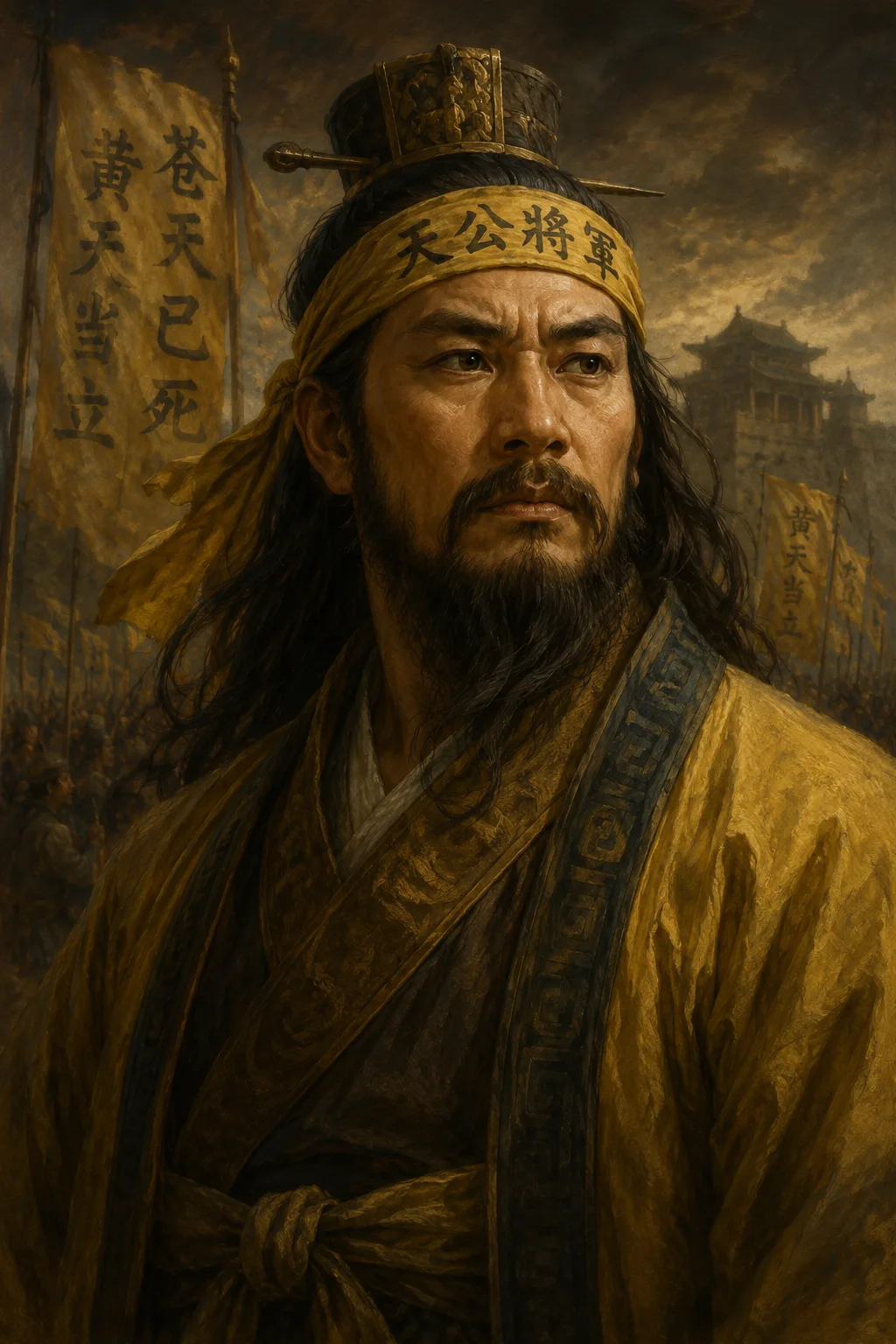
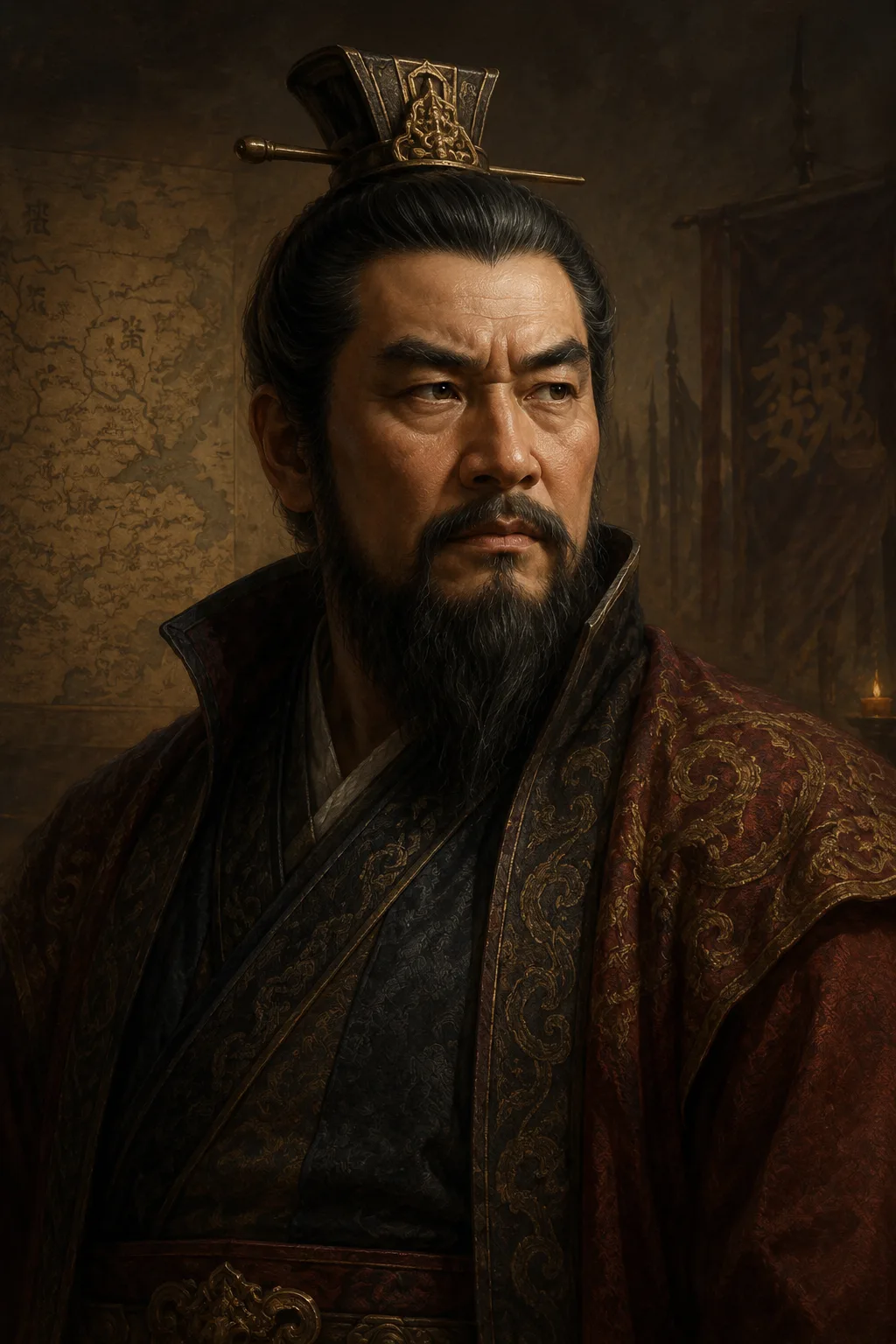
AI-generated portrait of Zhang Jue wearing a yellow headband before Yellow Turban banners
AI-assisted historical reconstruction

An illustrative reconstruction based on historical context. It is not a photograph or documentary likeness. Image policy

Life Journey

The healer whose movement shook the Han

Follow the key events and turning points in this life story.

Complete chronology

2nd century CE

A healer in a strained society

The late Eastern Han world was marked by inequality, court faction, heavy pressure on common people, and local instability. In that setting, religious healing and promises of renewal had powerful appeal. Zhang Jue's movement offered more than medical help. It gave followers a way to understand suffering and imagine a new order.

2nd century CE

Way of Great Peace

Zhang Jue's movement is associated with the Way of Great Peace, a religious vision that tied illness, disorder, and political collapse to cosmic imbalance. Such language could mobilize people who felt the Han state had failed them. It also frightened officials because religious networks could become political networks very quickly.

184

Yellow Turban uprising

The Yellow Turban uprising was named for the yellow cloth worn by rebels. Plans were exposed before the movement could unfold as intended, but the revolt still spread widely. The Han court survived the immediate crisis by mobilizing armies and local commanders, yet that response had consequences. Power increasingly shifted toward military strongmen who could raise troops and control regions.

184

Death and consequence

Zhang Jue did not live to see the long aftermath of the revolt. The Yellow Turbans were defeated as a central movement, but rebellion, militarization, and regional autonomy continued to weaken the dynasty. In the Han story, Zhang Jue is important not because he founded a lasting state, but because his movement exposed a system already close to breaking.

Continue in context

Connected stories

Move from the profile into the wider events and settings this figure belongs to.

Keep exploring

Content note

This profile is written for educational use and connects to related Stories of History pages. The main portrait is an AI-assisted historical reconstruction, included as an illustrative aid rather than documentary evidence. Image policy

References

Sources and historical notes

Sources used to check this page, selected recommendations and historical notes.

Sources used

  1. Australian National University, “Later Han Annals: Zhongping 1 (184 AD),”

    Presents a translated annalistic account of the Yellow Turban uprising and the Han response.

    Open source
  2. Stanford Encyclopedia of Philosophy, “Religious Daoism,”

    Provides context on the religious movements that arose during the late Han.

    Open source
  3. Library and Archives Canada, “Talons and Fangs of the Eastern Han Warlords,”

    Places the Yellow Turban uprising within the breakdown of Eastern Han authority.

    Open source

Additional sources and notes

Loading reviewed claim sources...

Our editorial approach · Report a historical error

A monthly route through history

Find out first about the latest published stories, feature notes and occasional Premium offers in one monthly email.