← People

Dong Zhongshu

Dong Zhongshu was a Han Confucian scholar whose ideas helped link imperial rule, classical learning, and moral government during Emperor Wu's reign.

Born
c. 179 BCE
Died
c. 104 BCE
Role
Confucian scholar

Han Confucian scholar (c. 179 BC-c. 104 BC)

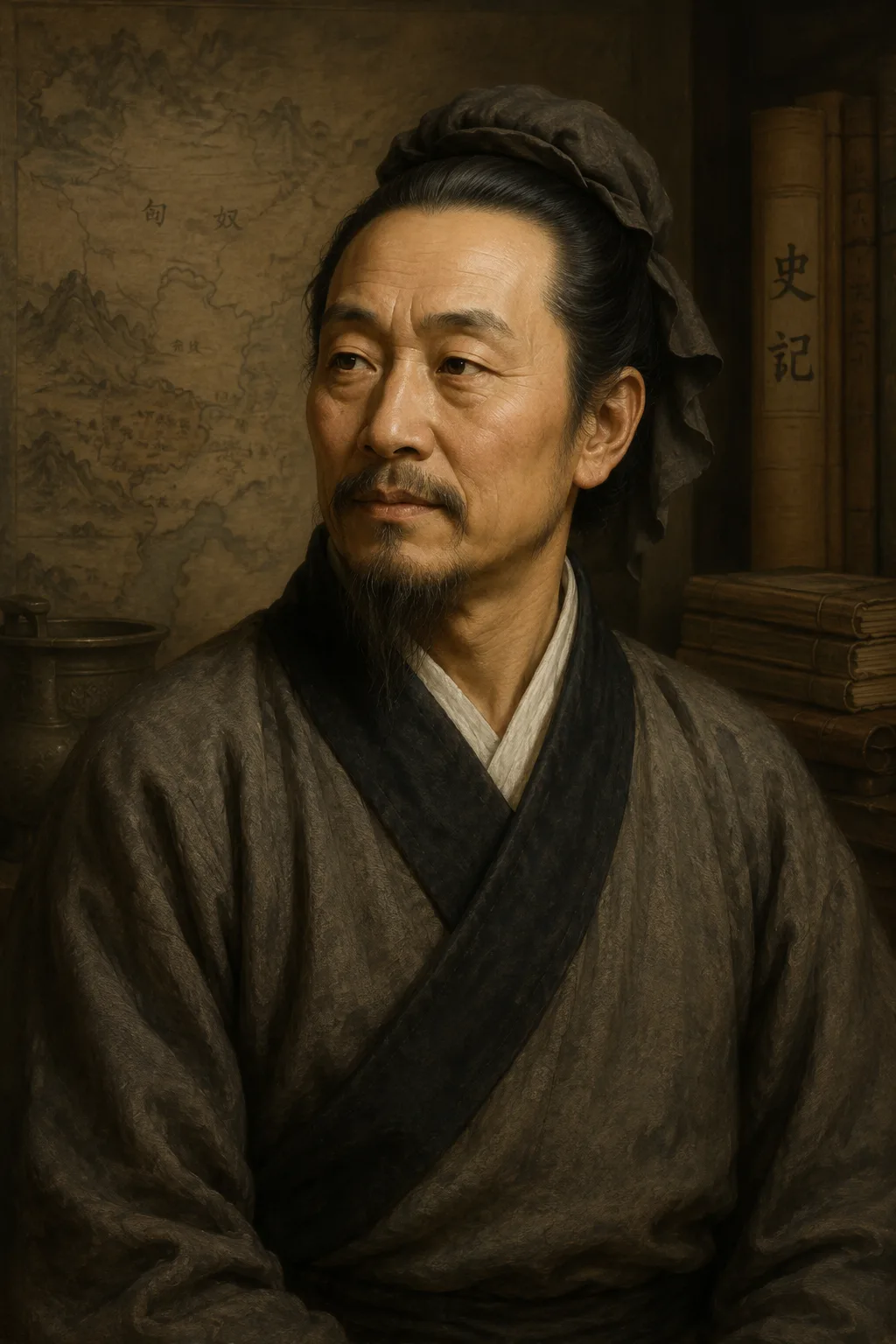
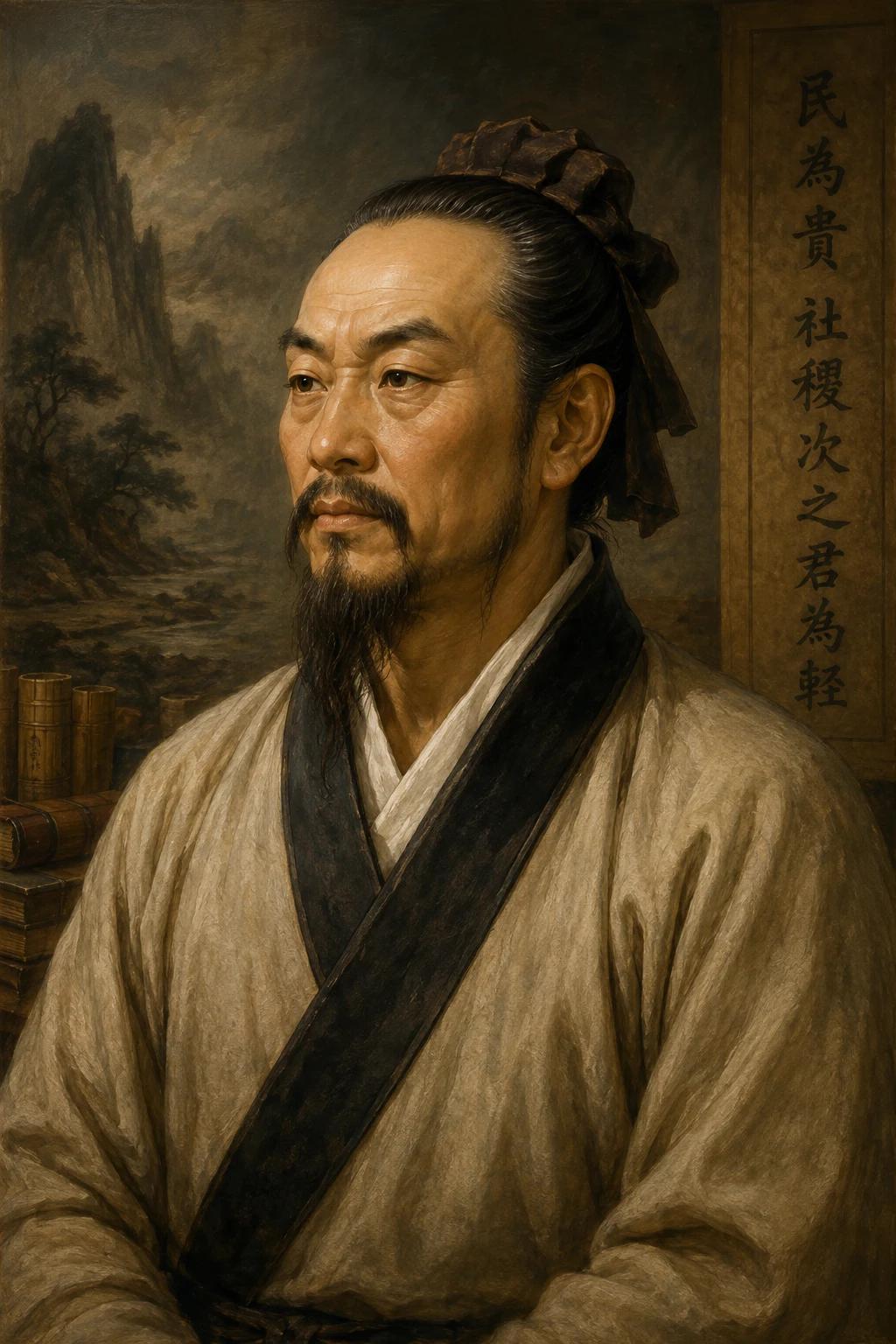
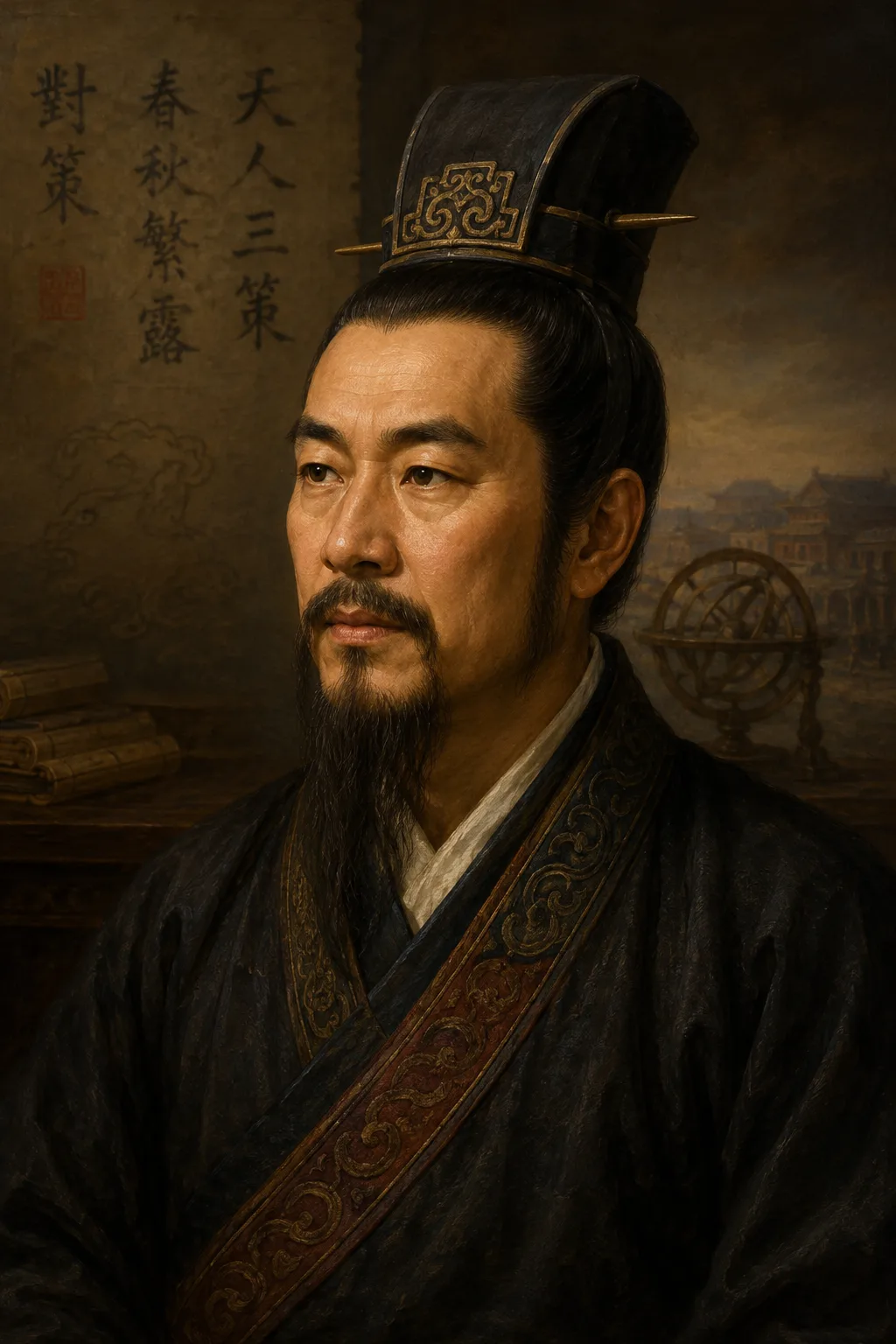
AI-generated portrait of Dong Zhongshu in scholar robes with classical texts behind him
AI-assisted historical reconstruction

An illustrative reconstruction based on historical context. It is not a photograph or documentary likeness. Image policy

Life Journey

Scholarship turned into state language

Follow the key events and turning points in this life story.

Complete chronology

-2nd century BCE

Studying the classics

The early Han did not begin as a purely Confucian state. Its rulers used law, administration, inherited Qin institutions, Huang-Lao ideas, and practical compromise. Dong Zhongshu emerged in this mixed world as a scholar who argued that classical learning could give imperial rule moral coherence. His importance lies in how scholarship became useful to government.

-130s

Advising Emperor Wu's age

Dong Zhongshu's memorials and ideas are linked to Emperor Wu's turn toward Confucian classicists. The process was not simple or immediate, and the Han state continued to rely on strict law, fiscal policy, and hard administrative methods. But Confucian learning gained prestige as a way to train officials, judge conduct, and explain why the emperor should rule through virtue as well as command.

-2nd century BCE

Heaven, ruler, and order

Dong Zhongshu's thought is often associated with links between Heaven, the ruler, and the moral condition of the realm. This worldview could strengthen imperial authority, but it also implied that disasters and disorder were warnings about failed government. The emperor stood at the center of order, but the center had to behave properly. That made ideology politically useful and politically demanding.

-104

Lasting influence

Dong Zhongshu did not single-handedly create the imperial examination system or make Han China purely Confucian. His legacy is subtler and more durable: he helped make classical learning the expected language of official morality. Later dynasties inherited the idea that rulers and officials should be measured against learned ideals, even when statecraft remained more complicated in practice.

Continue in context

Connected stories

Move from the profile into the wider events and settings this figure belongs to.

Keep exploring

Content note

This profile is written for educational use and connects to related Stories of History pages. The main portrait is an AI-assisted historical reconstruction, included as an illustrative aid rather than documentary evidence. Image policy

References

Sources and historical notes

Sources used to check this page, selected recommendations and historical notes.

Sources used

  1. Internet Encyclopedia of Philosophy, “Chinese Philosophy: Overview of Topics,”

    Discusses Dong Zhongshu’s advice to Emperor Wu and his account of the relationship between Heaven and human affairs.

    Open source
  2. Columbia University, Asia for Educators, “The Responsibilities of Rulership,”

    Provides a translated selection on the duties of rulers from a work traditionally attributed to Dong Zhongshu.

    Open source
  3. Columbia University Press, “Luxuriant Gems of the Spring and Autumn,”

    Introduces a modern translation and study of the text and the question of its authorship.

    Open source

Additional sources and notes

Loading reviewed claim sources...

Our editorial approach · Report a historical error

A monthly route through history

Find out first about the latest published stories, feature notes and occasional Premium offers in one monthly email.