Connected stories
The Second World War
From fragile peace to global war, WWII reshaped the world through conflict, genocide, and new power orders.
Start here
Begin with the big picture
Modern · 1939 CE – 1945 CE
The Second World War
World War II became a global fight against dictatorship and genocide.
Read storyExplore further
Continue through connected stories
Modern · 1919 CE – 1939 CE
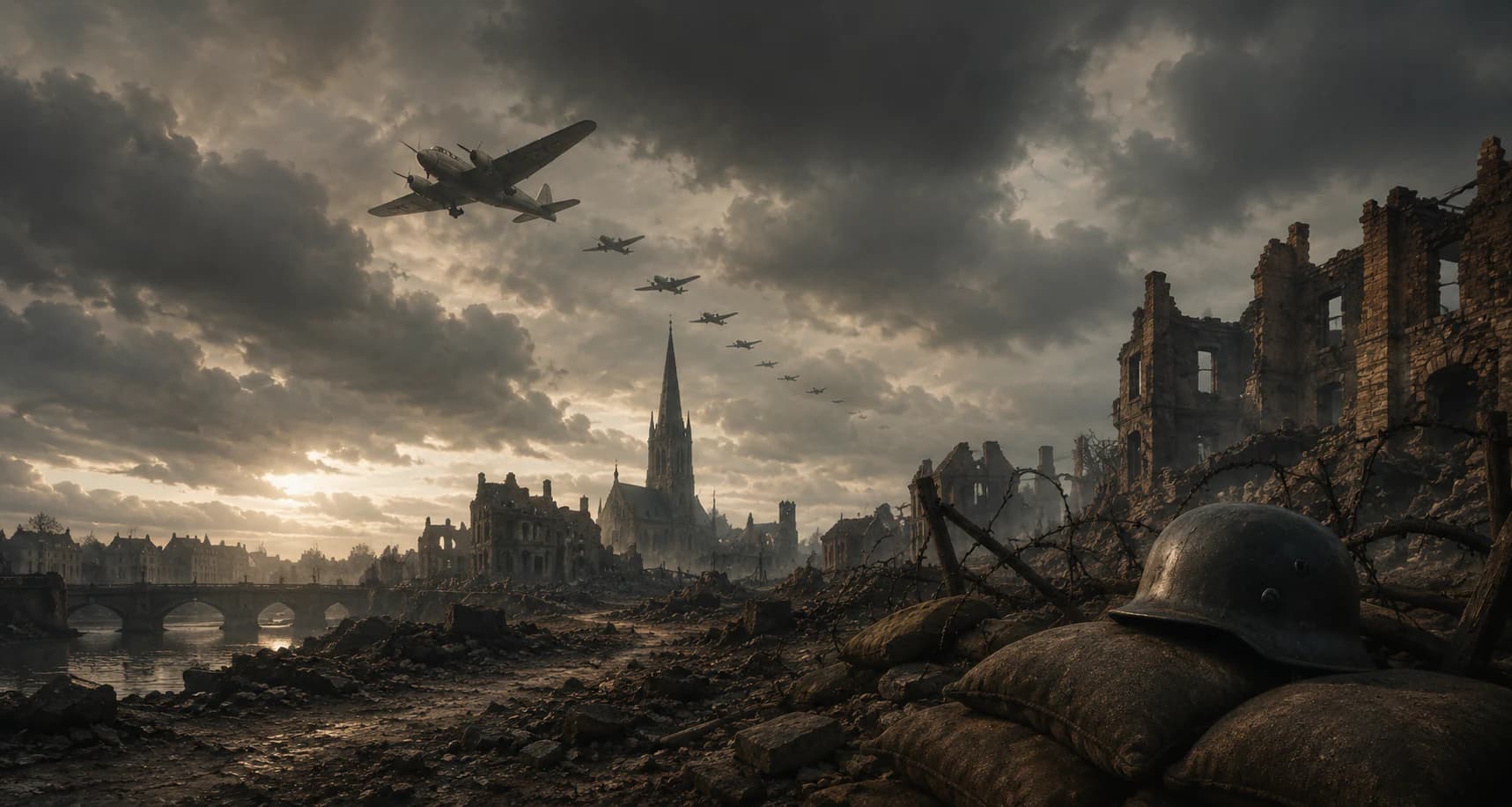
The Causes of the Second World War
The road to the Second World War ran through a flawed peace settlement, economic crisis, aggressive dictatorships, and repeated failures of collective security that allowed a regional crisis to become a global war.
Read story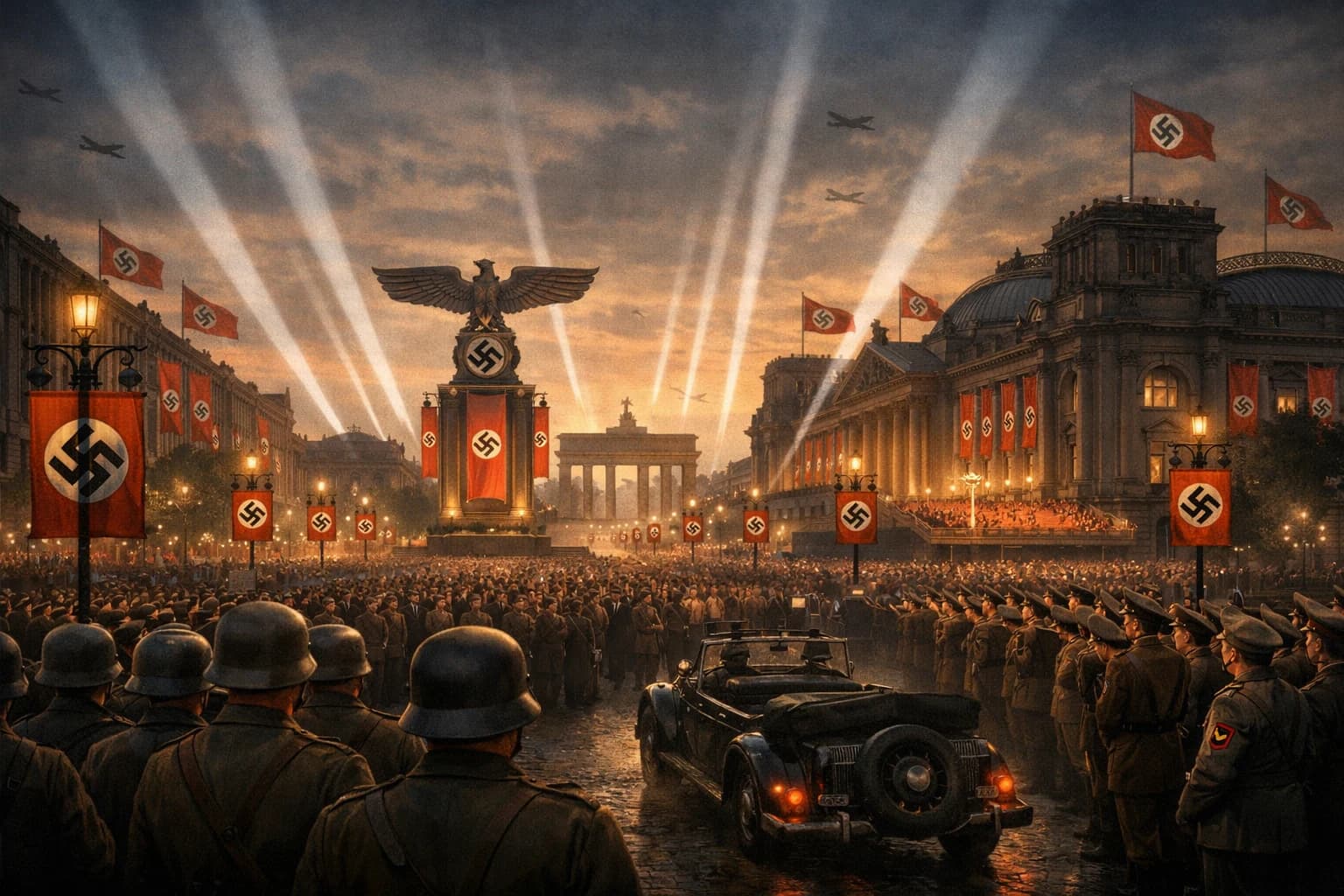
Modern · 1933 CE – 1945 CE
Nazi Germany
Nazi Germany placed expansion and racial conquest at the centre of state policy, driving Europe into war and giving the conflict its distinctive combination of occupation, exploitation, and genocidal violence.
Read story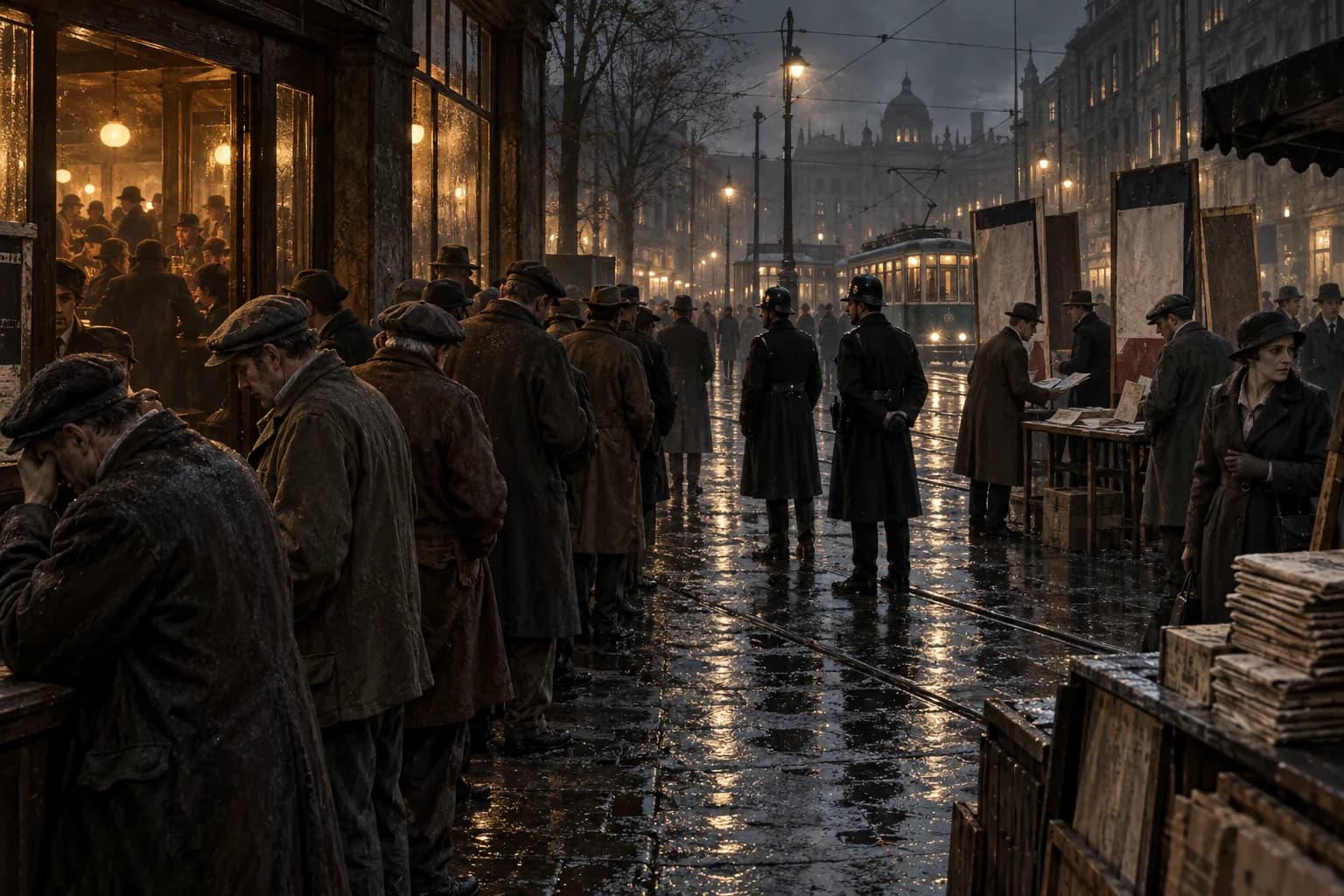
Modern · 1919 CE – 1934 CE
The Rise of Adolf Hitler
Hitler's rise reveals how economic crisis, propaganda, political violence, and elite miscalculation destroyed German democracy and placed the machinery of a modern state in the hands of a radical dictatorship.
Read story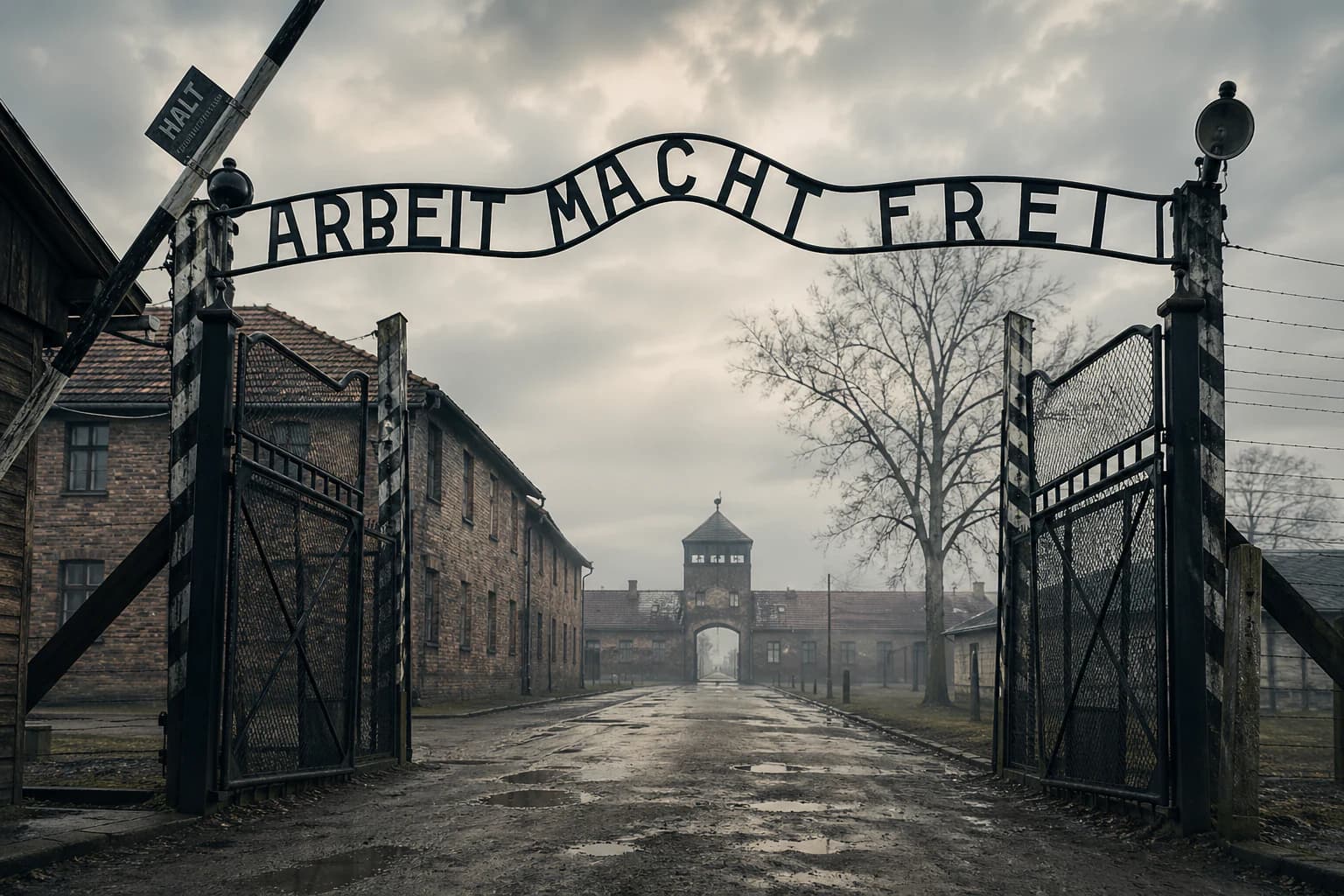
Modern · 1933 CE – 1945 CE
The Holocaust
The Holocaust grew from Nazi persecution into a continent-wide programme of mass murder, making genocide central to the history of the war rather than a separate atrocity unfolding alongside it.
Read story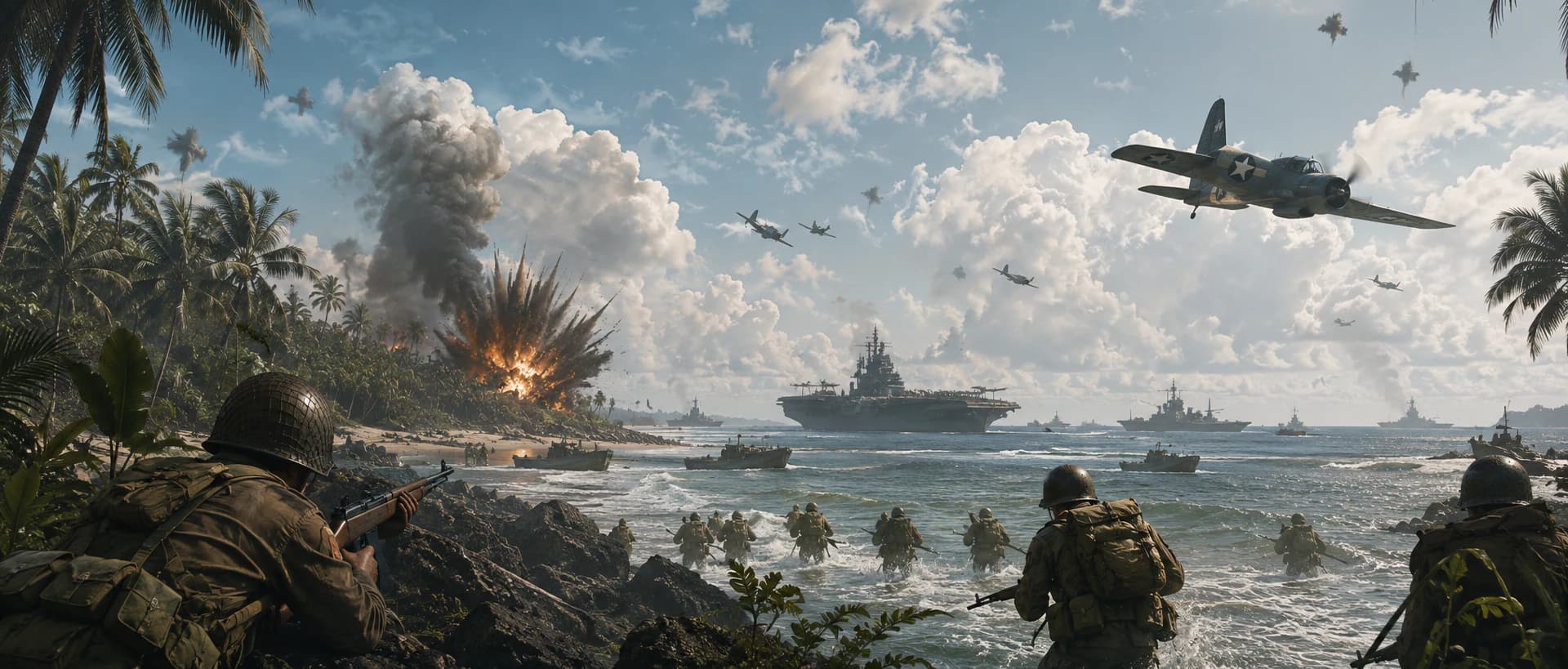
Modern · 1931 CE – 1945 CE
The Pacific War
Across Asia and the Pacific, Japanese imperial expansion opened another vast theatre of occupation, naval warfare, and civilian suffering, turning the Second World War into a struggle that reached far beyond Europe.
Read story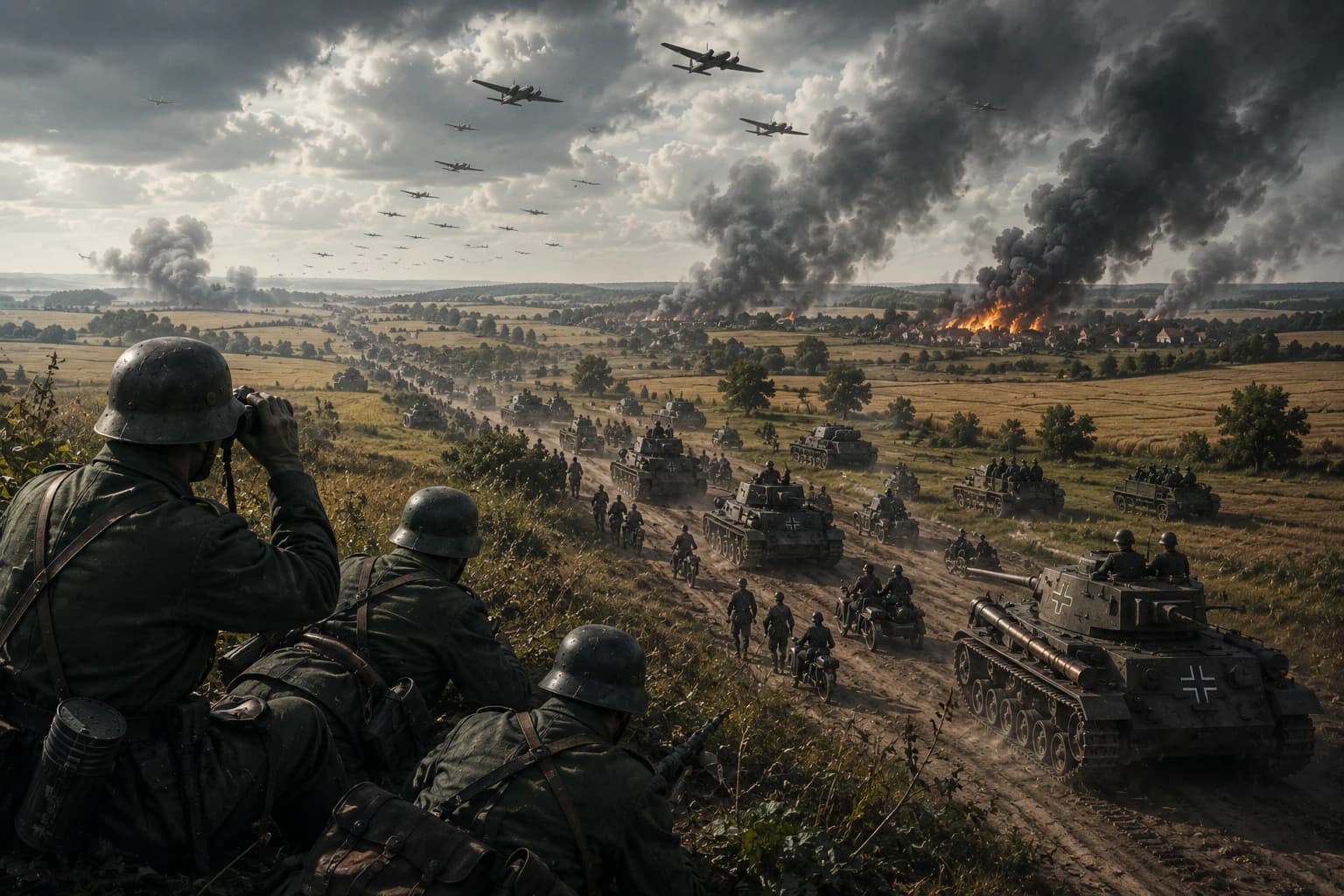
Modern · 1940 CE – 1942 CE
Operation Barbarossa
Operation Barbarossa carried Nazi racial war into the Soviet Union, where rapid German advances gave way to mass killing, fierce resistance, and the immense Eastern Front that would consume the greater part of Hitler's armies.
Read story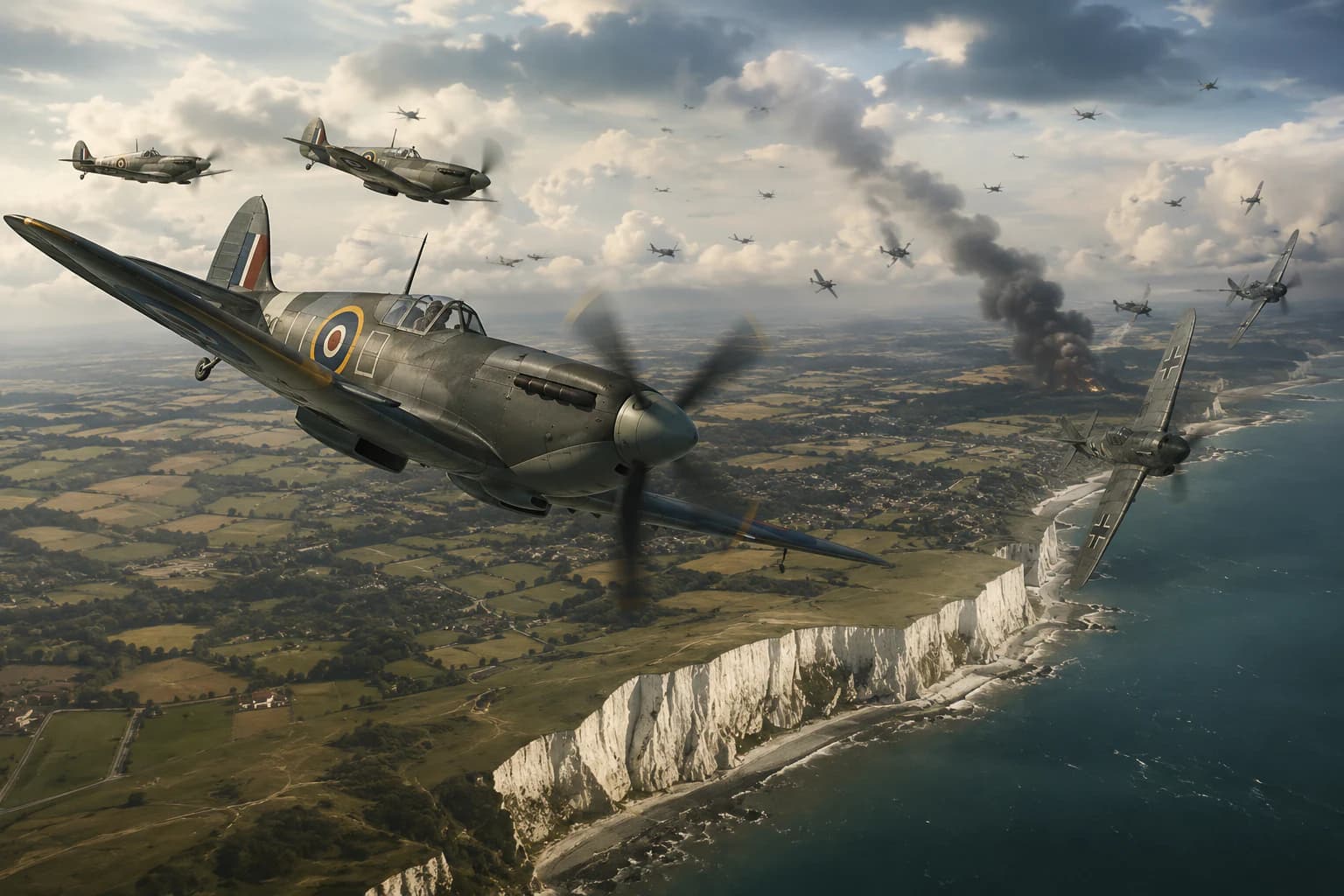
Modern · 1940 CE
The Battle of Britain
Britain's air defence in 1940 denied Germany the control needed for invasion, checking Hitler's momentum and preserving the island base from which the western Allies would eventually return to occupied Europe.
Read story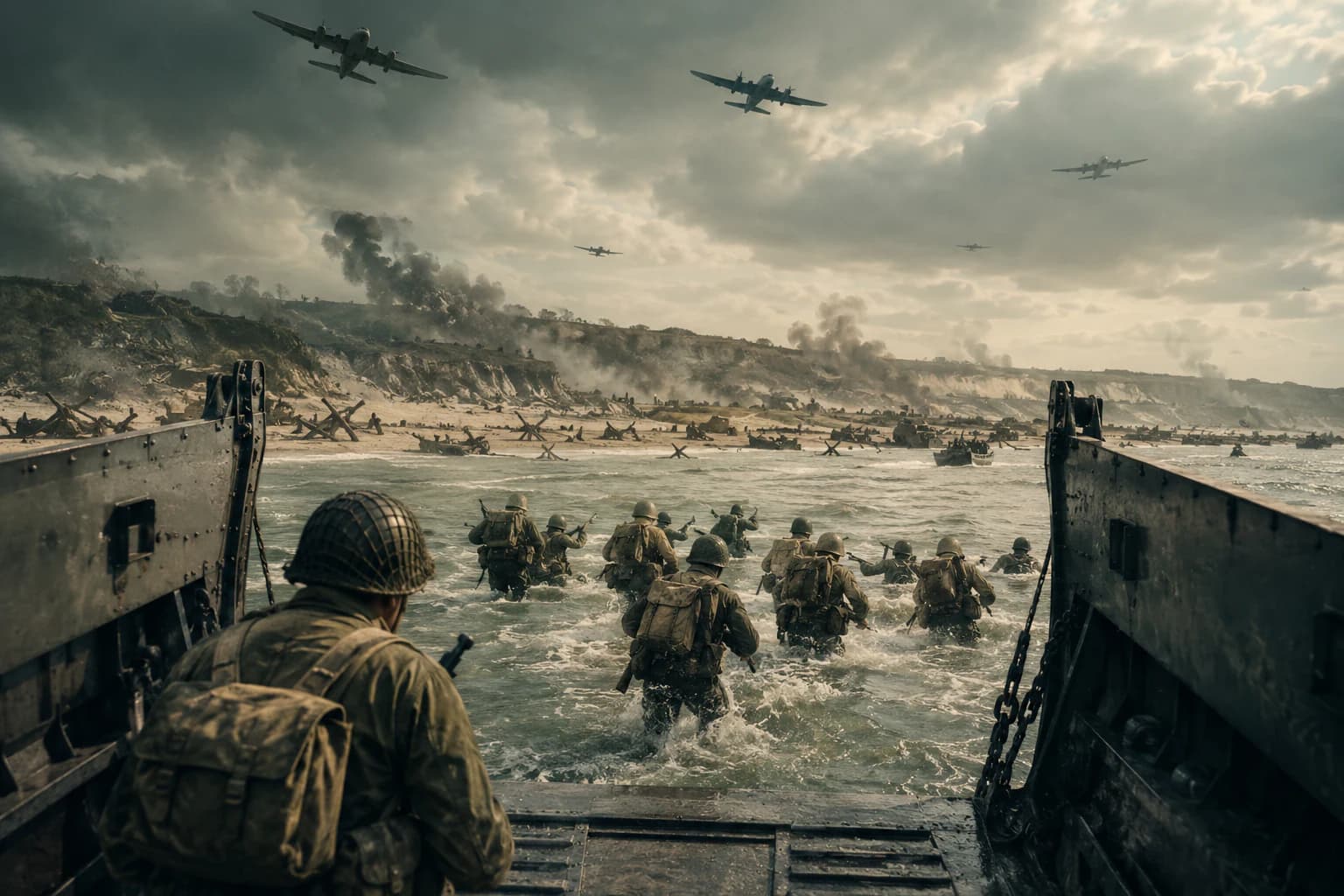
Modern · 1943 CE – 1945 CE
D-Day and the Liberation of Europe
D-Day opened the long-awaited western front in France, beginning an Allied advance through occupied Europe that liberated cities, exposed Nazi crimes, and helped bring the war against Germany to its conclusion.
Read storyKeep exploring