Context
Introduction
Overview
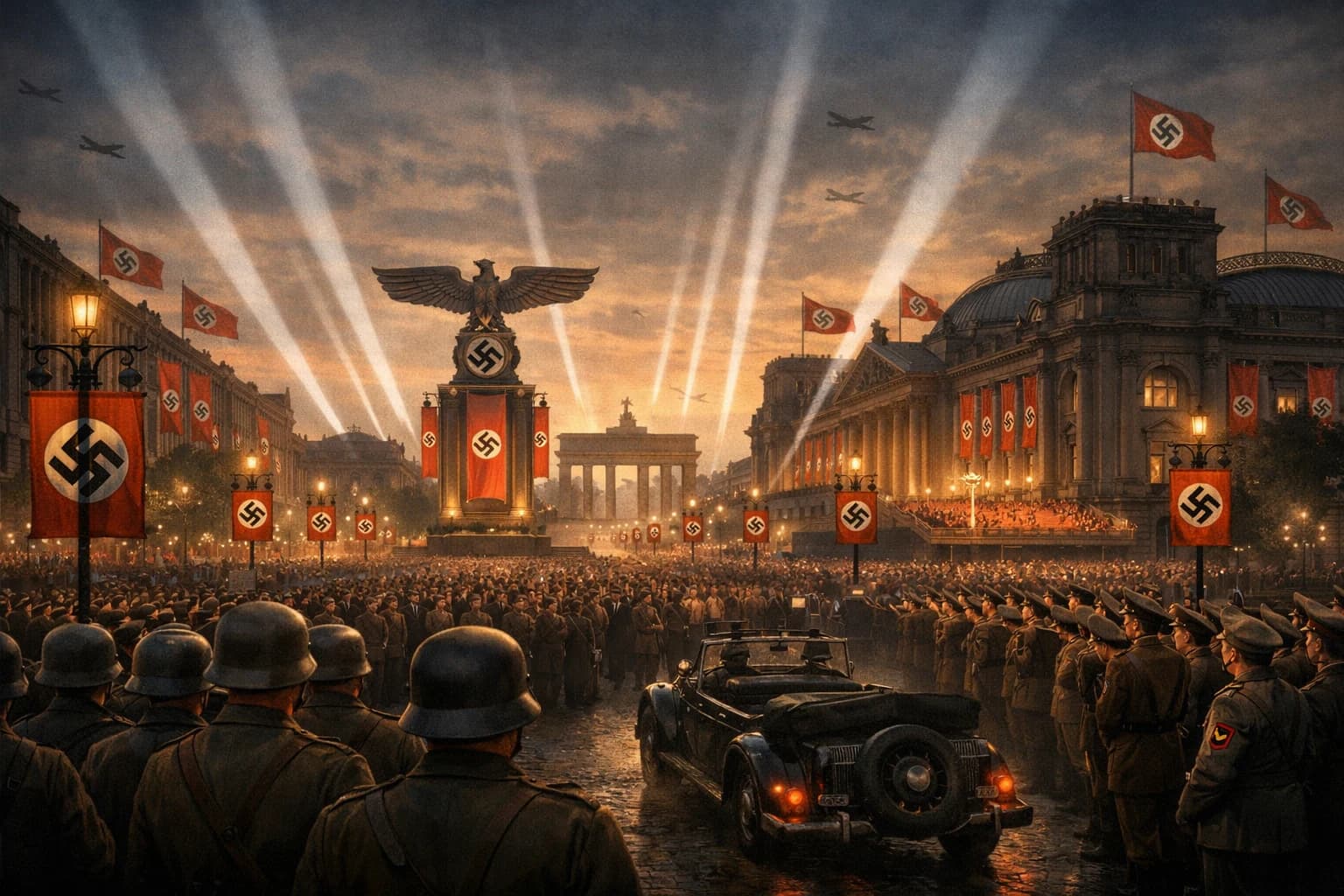
Nazi power grew amid war's aftermath, economic crisis and the collapse of democratic trust in Germany. The regime dismantled political freedoms and imposed a dictatorship built on racial ideology and violence. Its pursuit of expansion and genocide drew Europe into catastrophe.
What you'll learn: You'll understand how Hitler converted a democratic appointment into absolute power, how the regime reshaped everyday life through propaganda and fear, why racial ideology became law, and how dictatorship and militarisation converged to produce the Second World War and the Holocaust.
Key forces
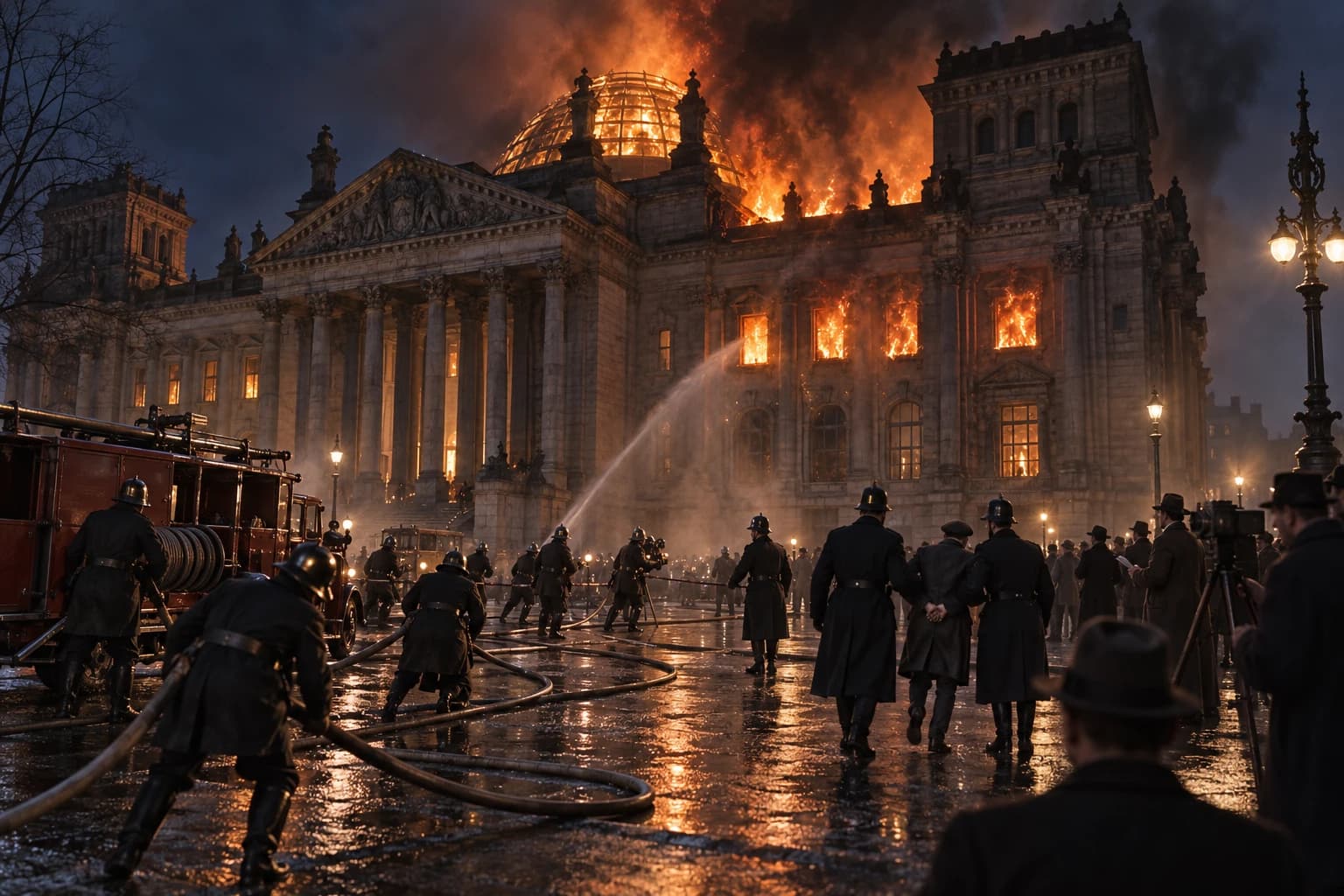
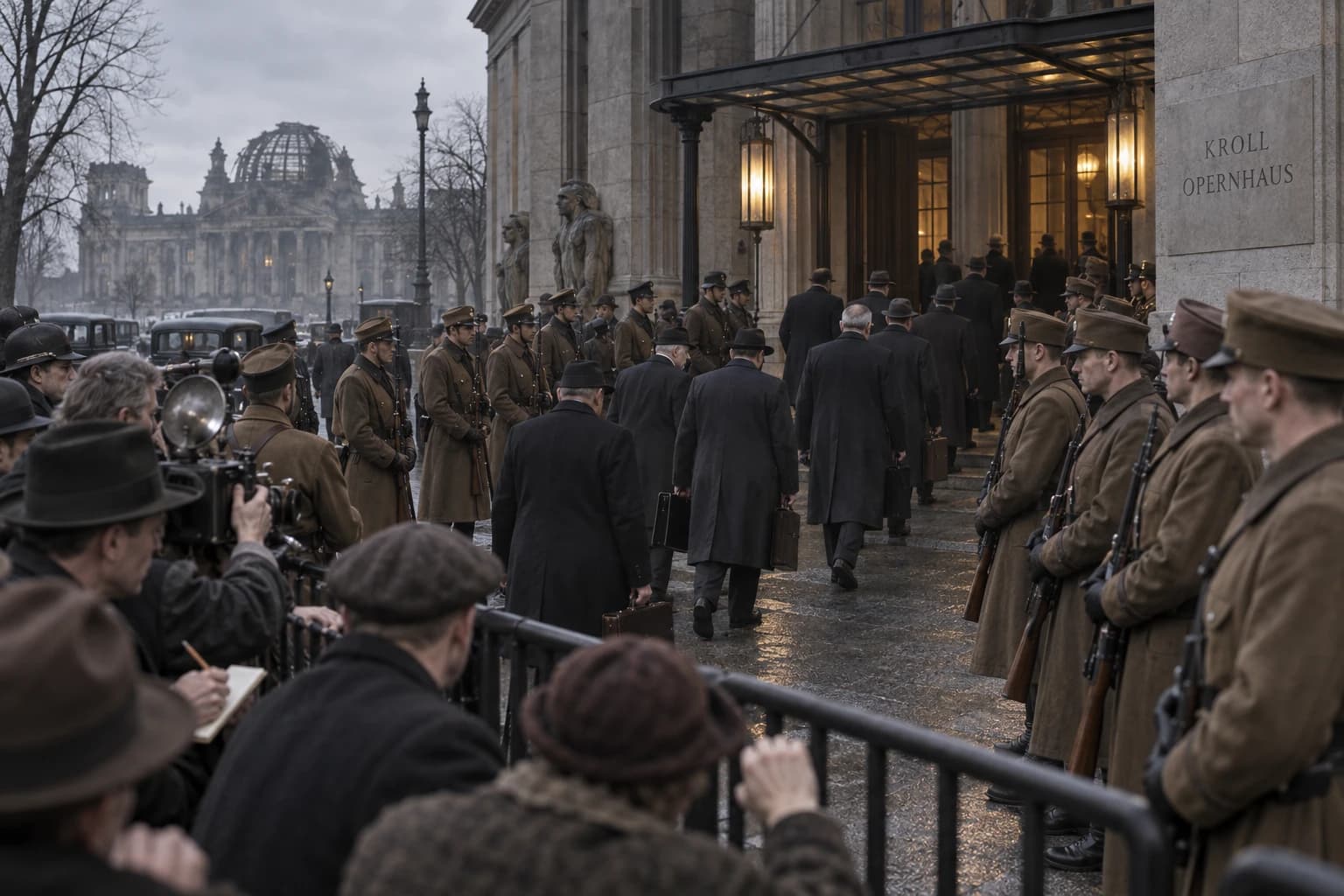
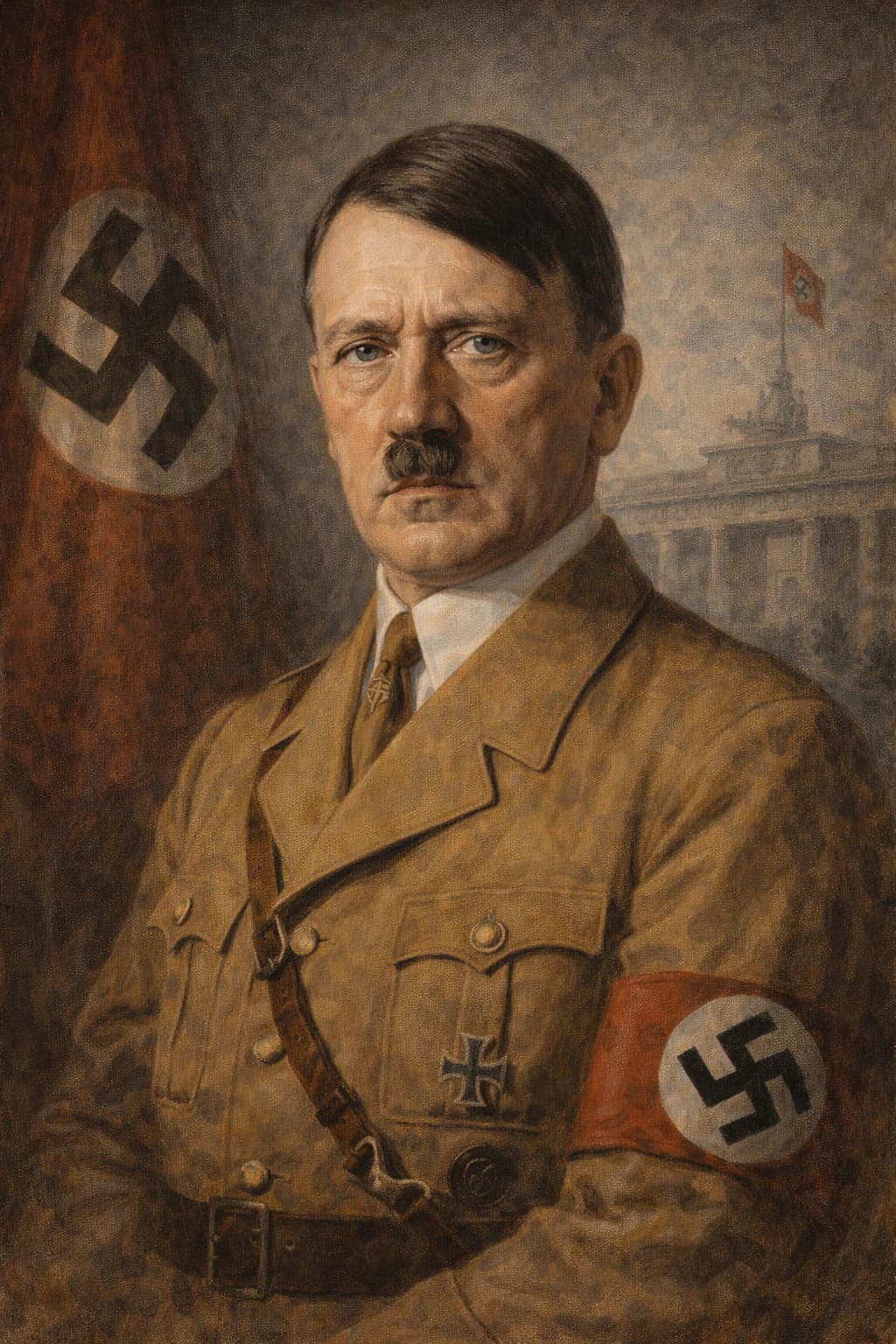
- Hitler came to power legally through appointment as chancellor in January 1933 but moved within months to destroy the constitutional framework that had brought him to office.
- The regime consolidated power through a combination of emergency legislation, organised violence, and intimidation — eliminating political opponents, trade unions, and independent institutions.
- Racial ideology was central to Nazism from the beginning, becoming embedded in law through the Nuremberg Laws of 1935, which stripped Jews of citizenship and laid the legal groundwork for persecution.
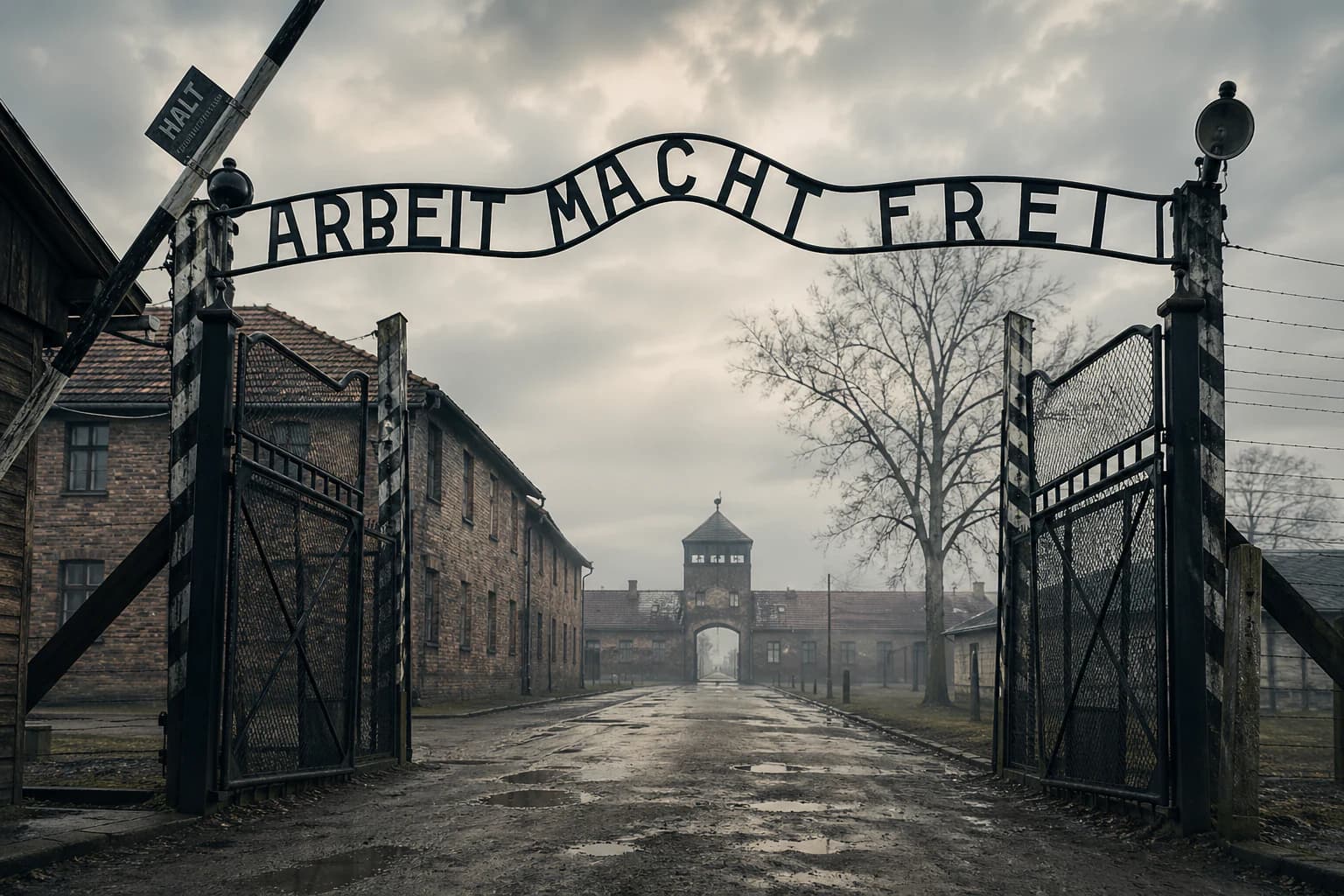
- By 1938, the convergence of dictatorship, propaganda, militarisation, and racial violence had set Germany on a direct course toward war and genocide.