Context
Introduction
Overview
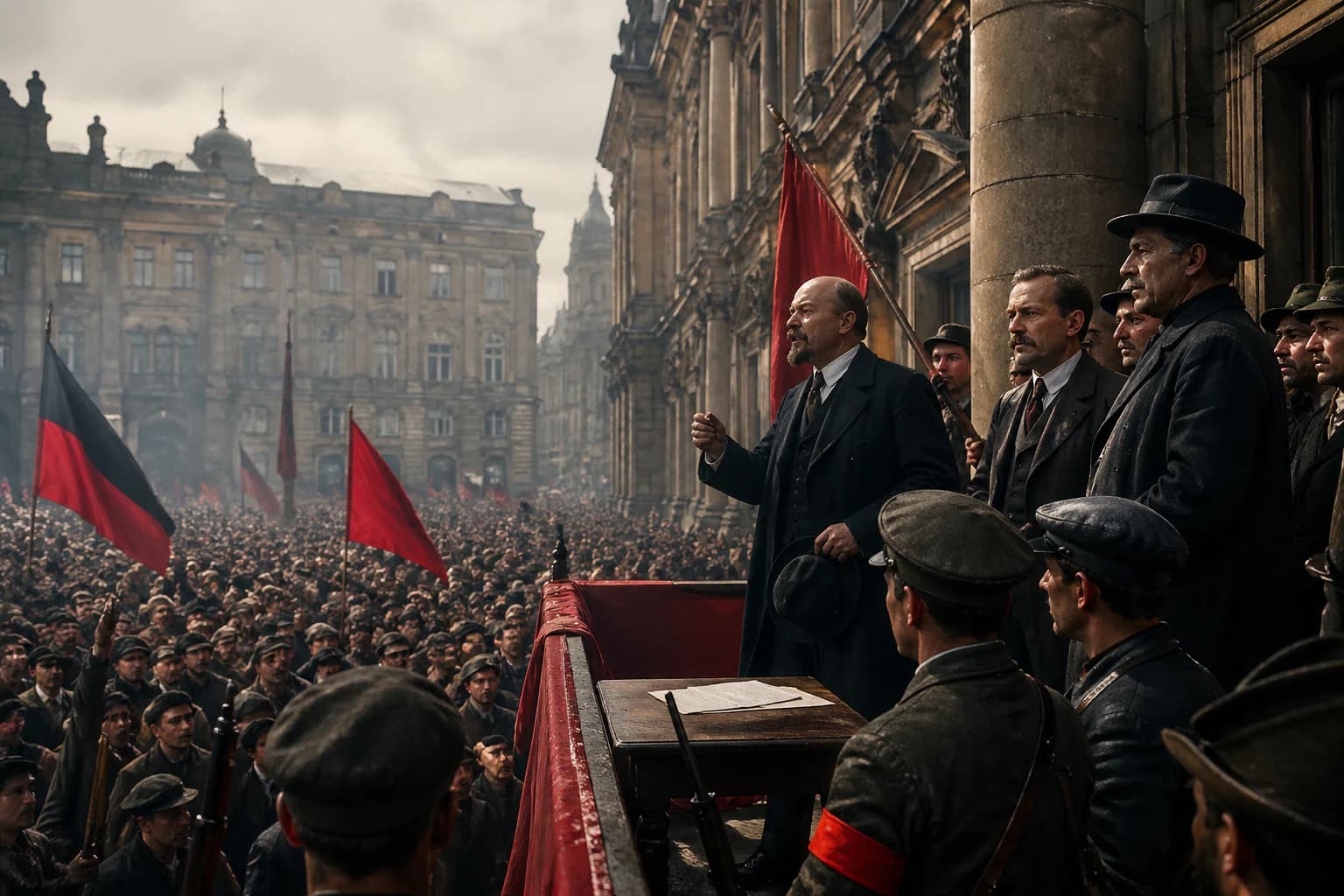
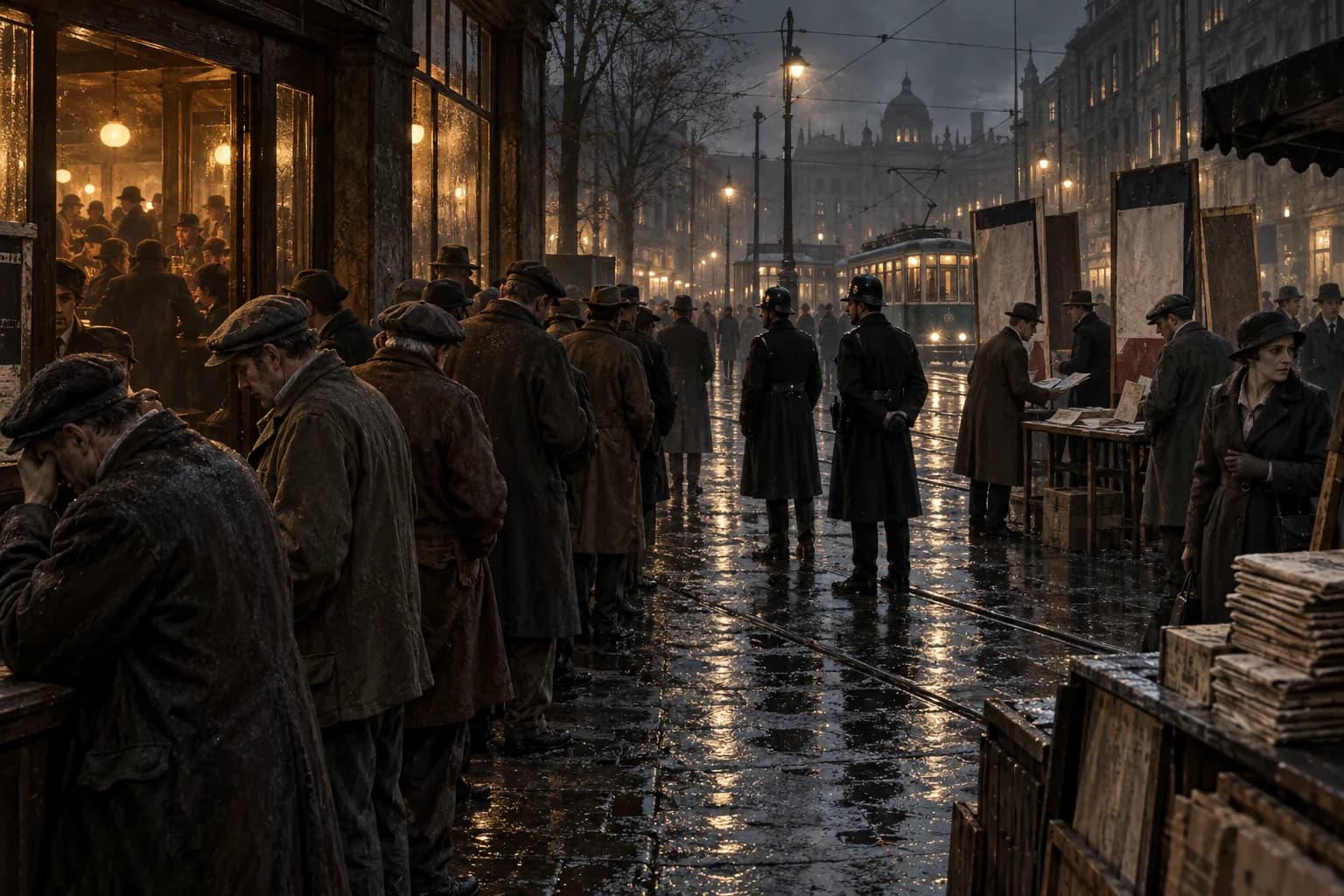
Germany's first democracy was born from defeat in the First World War and immediately faced demands it struggled to meet. Economic shocks and bitter political divisions tested the republic, even as its cities became centres of artistic and intellectual change. The crisis of the early 1930s brought that experiment to an end.
What you'll learn: You'll follow Germany's first democracy from its birth amid revolution and defeat, through economic catastrophe and cultural energy, to its final collapse under Nazi pressure — and understand why it failed.
Key forces
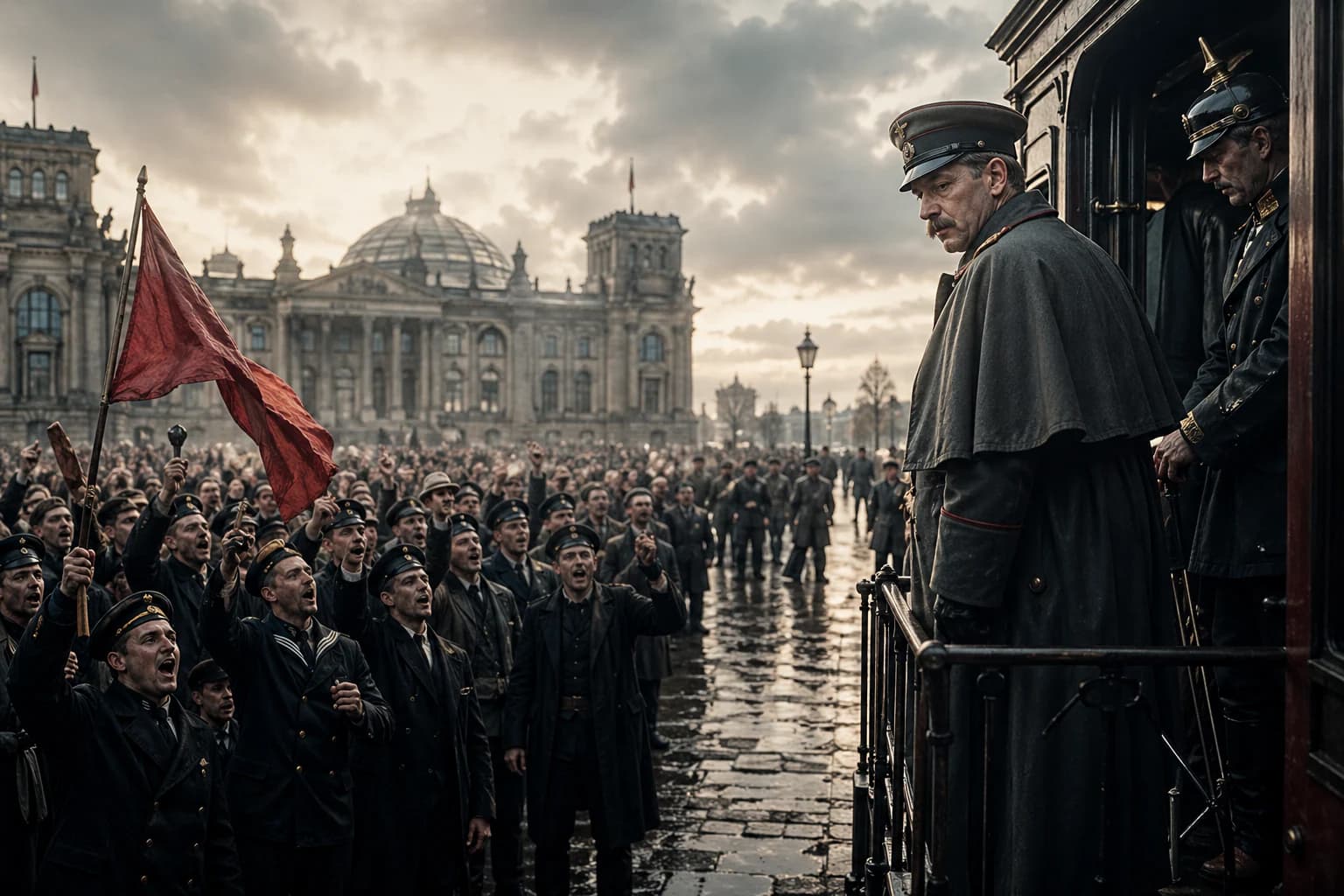
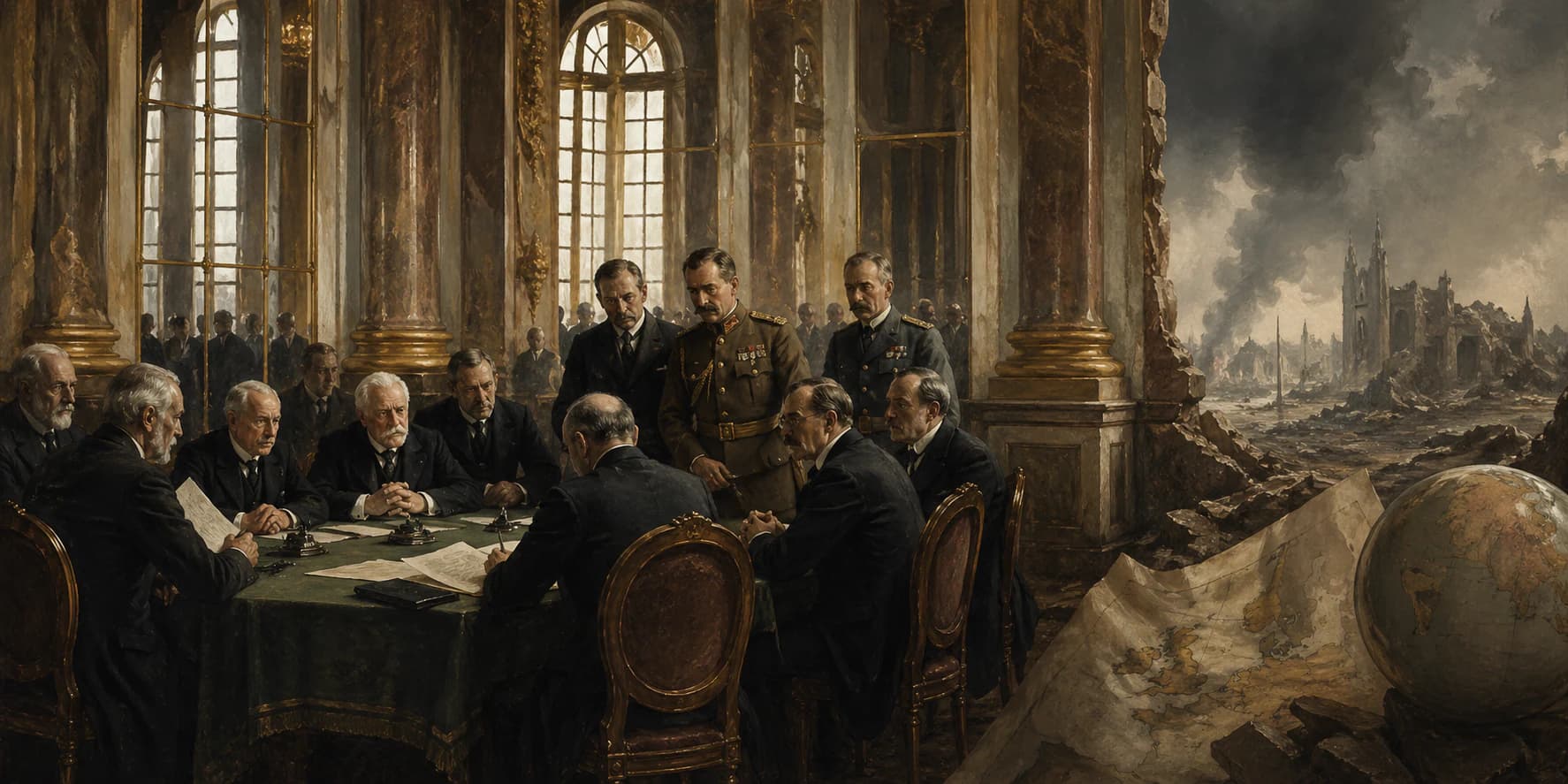
- Germany's defeat in the First World War brought down the Kaiser and left the new republic managing the consequences of a catastrophic loss.
- Economic crises — reparations, hyperinflation, and then depression — repeatedly destabilised the republic and discredited the political centre.
- The constitution had genuine strengths but also structural weaknesses, including an emergency power clause that extremists eventually exploited.
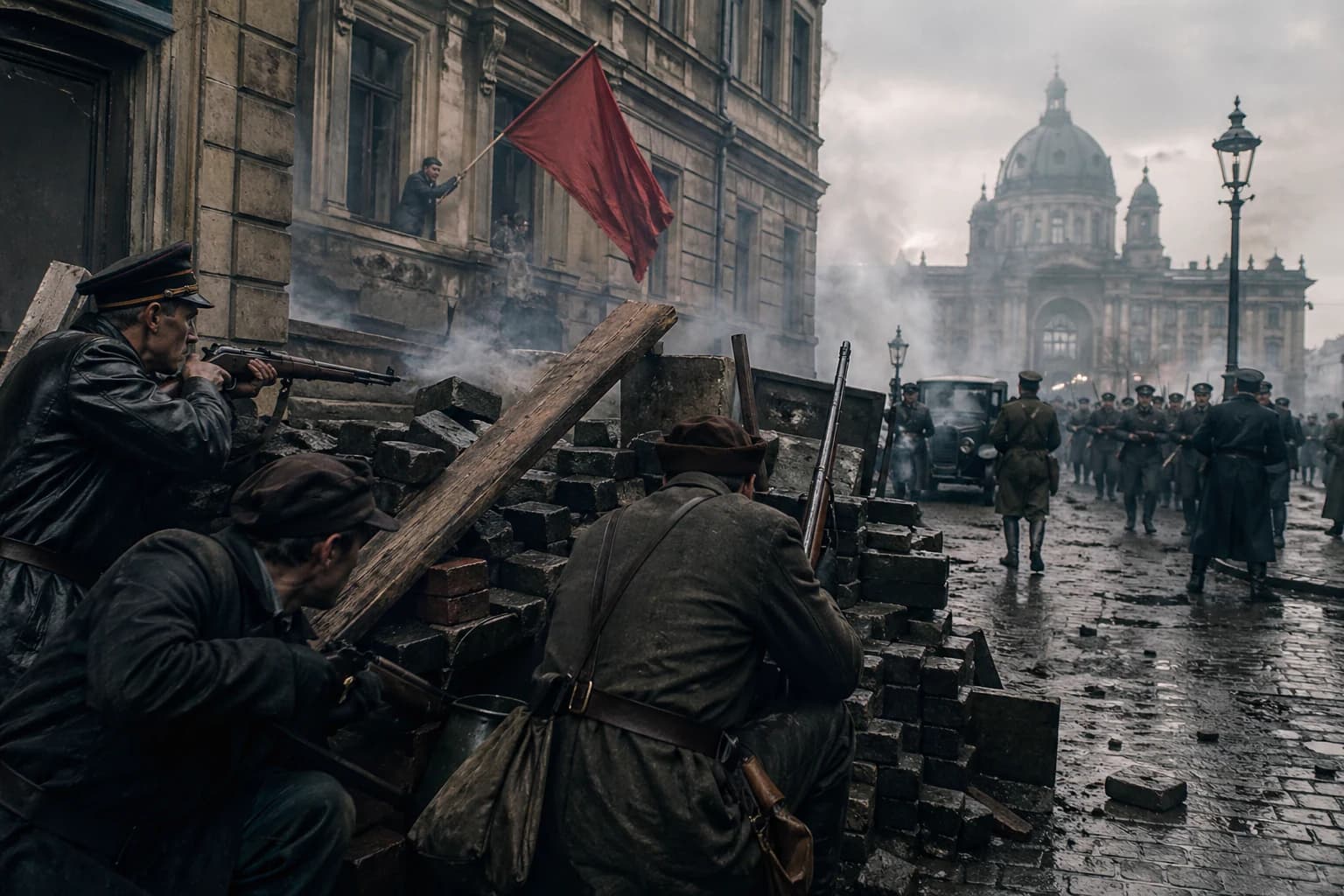
- Cultural achievements in Germany were real, but they coexisted with political violence and institutional fragility throughout the republic's life.