Context
Introduction
Overview
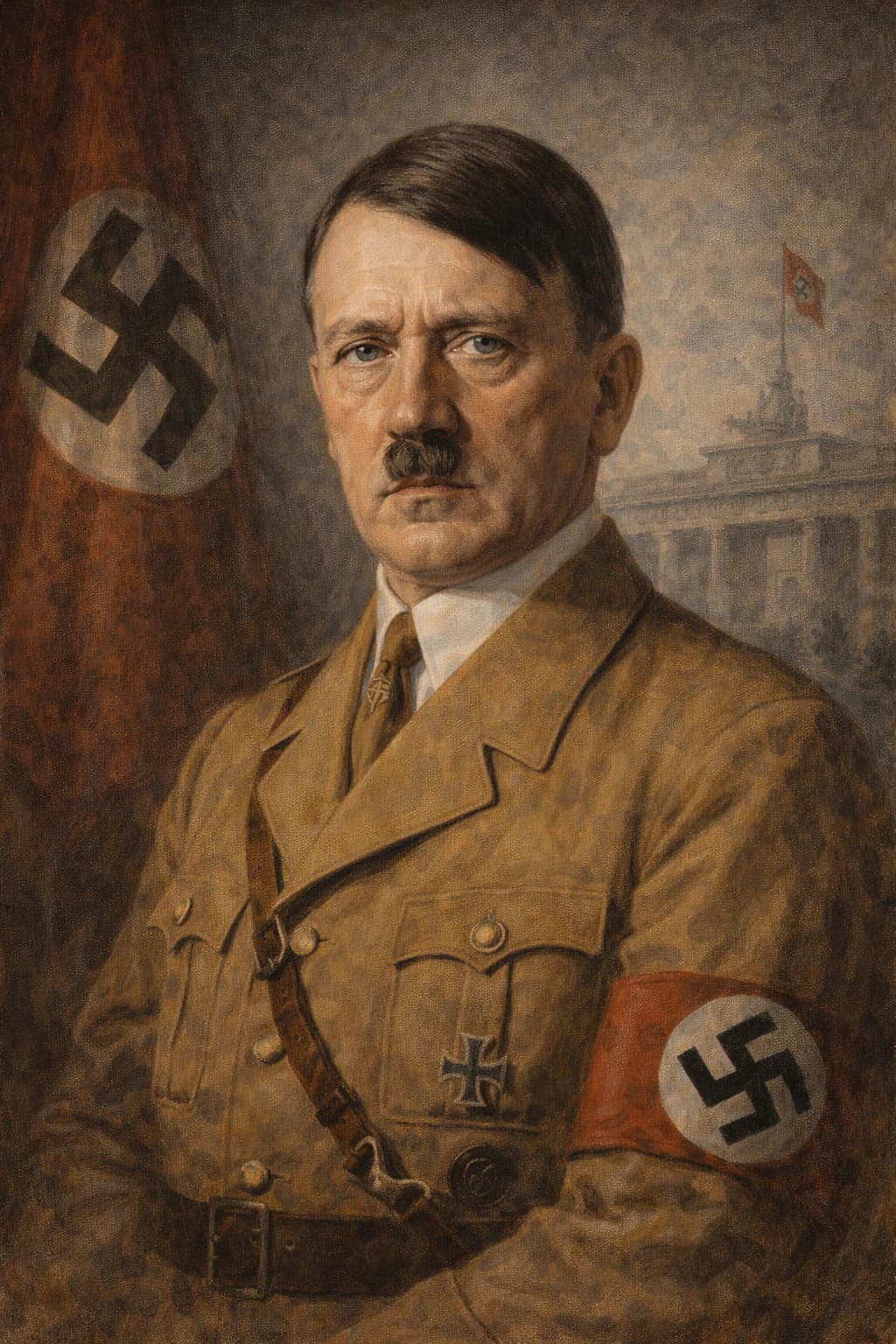
Adolf Hitler's rise depended on the crises of postwar Germany and the failure of its democratic institutions. Economic collapse and political division gave his movement an opening, while conservative leaders misjudged the danger of bringing him into government. Once appointed chancellor, he moved rapidly to dismantle the republic.
Key forces
- Hitler's early political development was shaped by the trauma of the First World War's defeat and the revolutionary chaos of 1918–19.
- The Nazi Party grew from a fringe movement to a mass party through skilful exploitation of economic crisis and nationalist grievance.
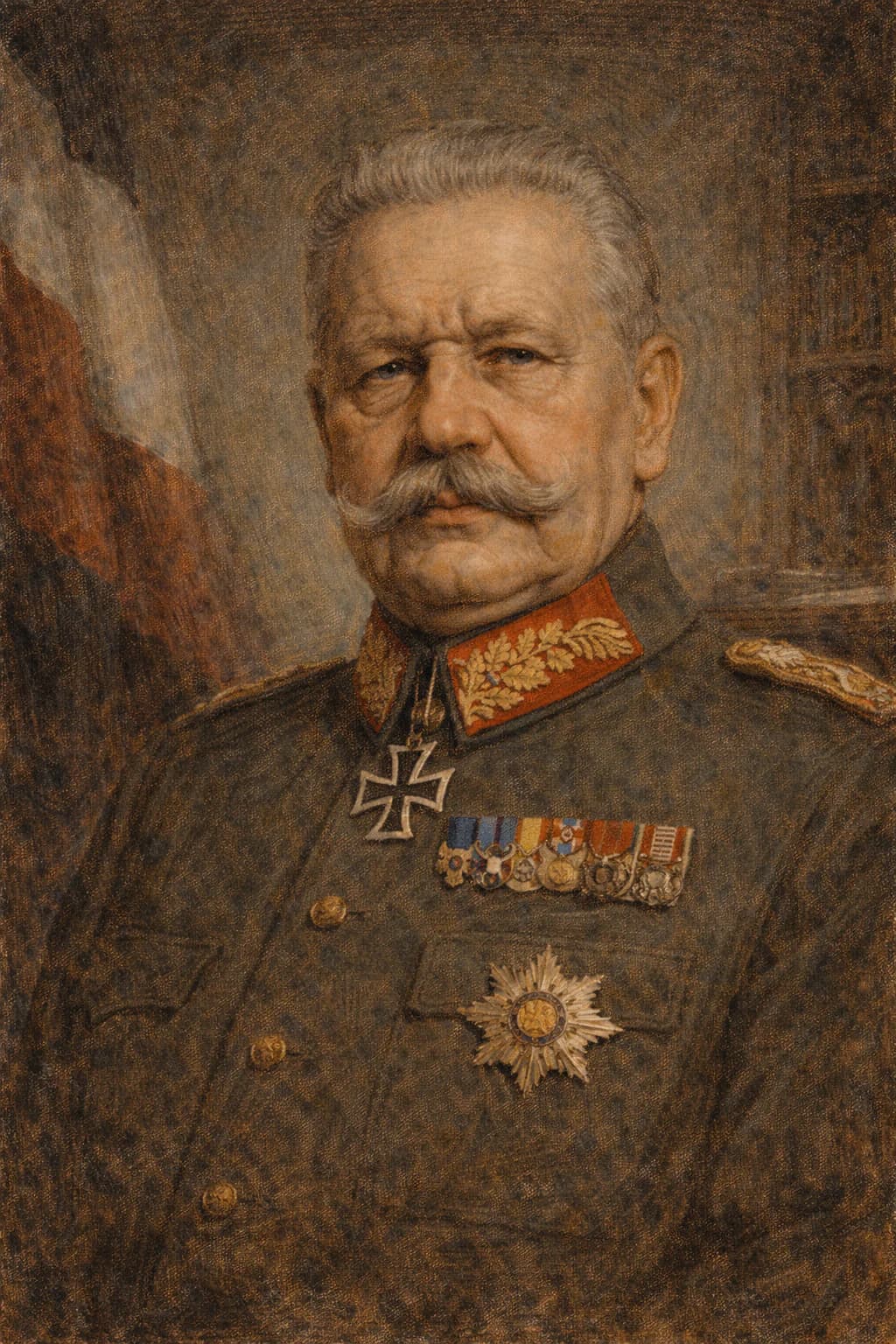
- Hitler came to power legally through the constitutional mechanisms of the Weimar Republic, appointed as chancellor by President Hindenburg.
- Once in power, Hitler destroyed the constitutional order within months through a combination of violence, legislation, and intimidation.