Context
Introduction
Overview
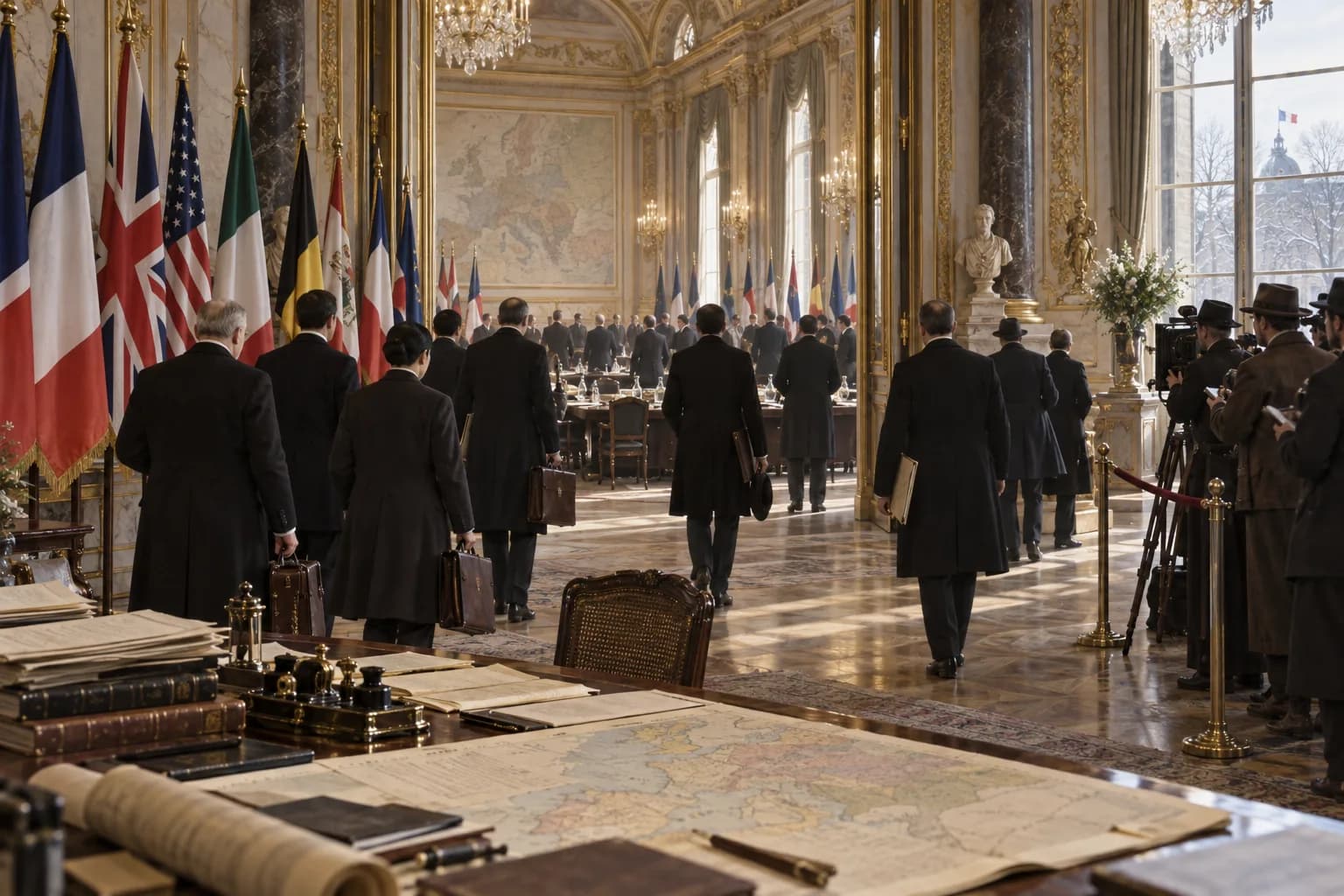
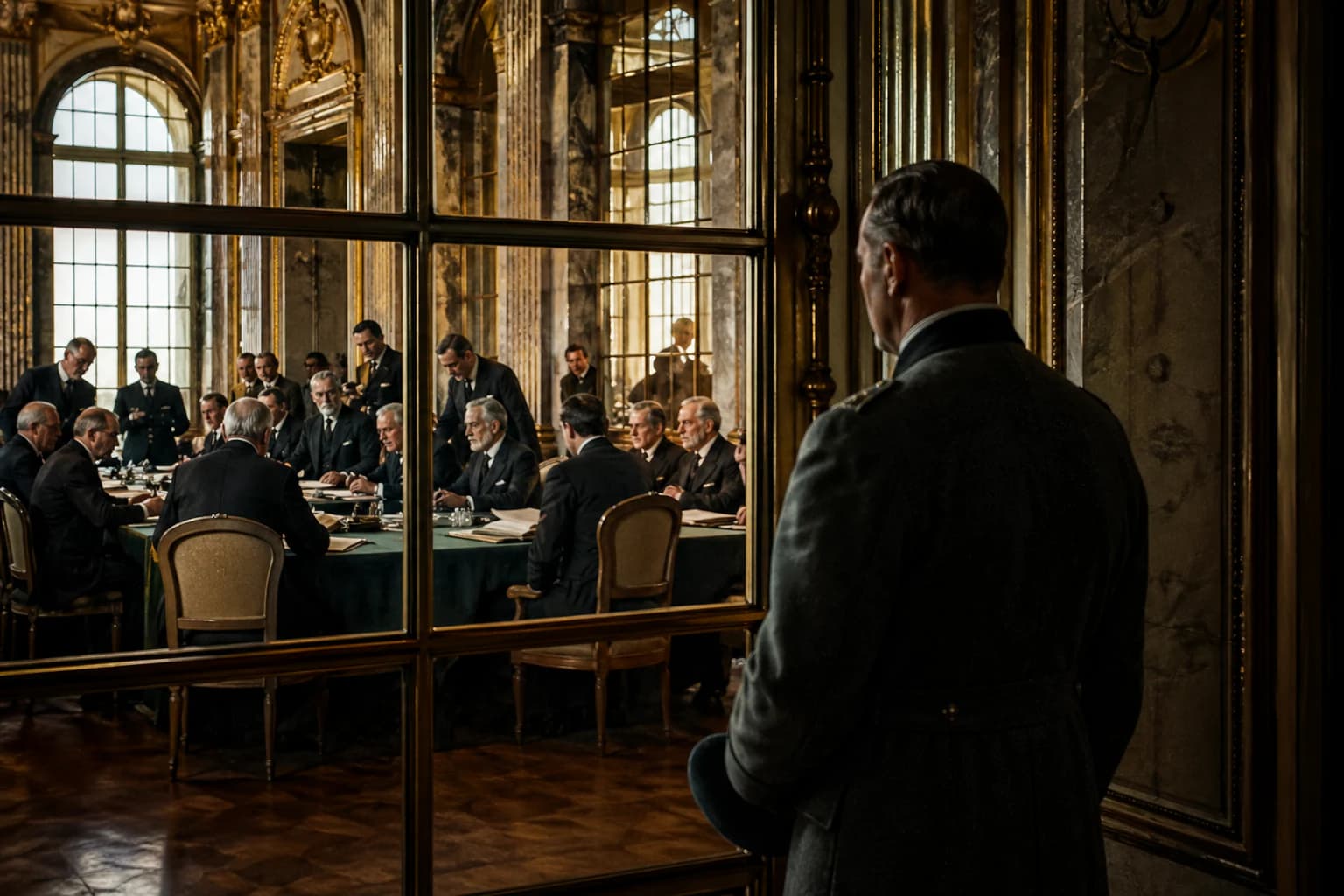
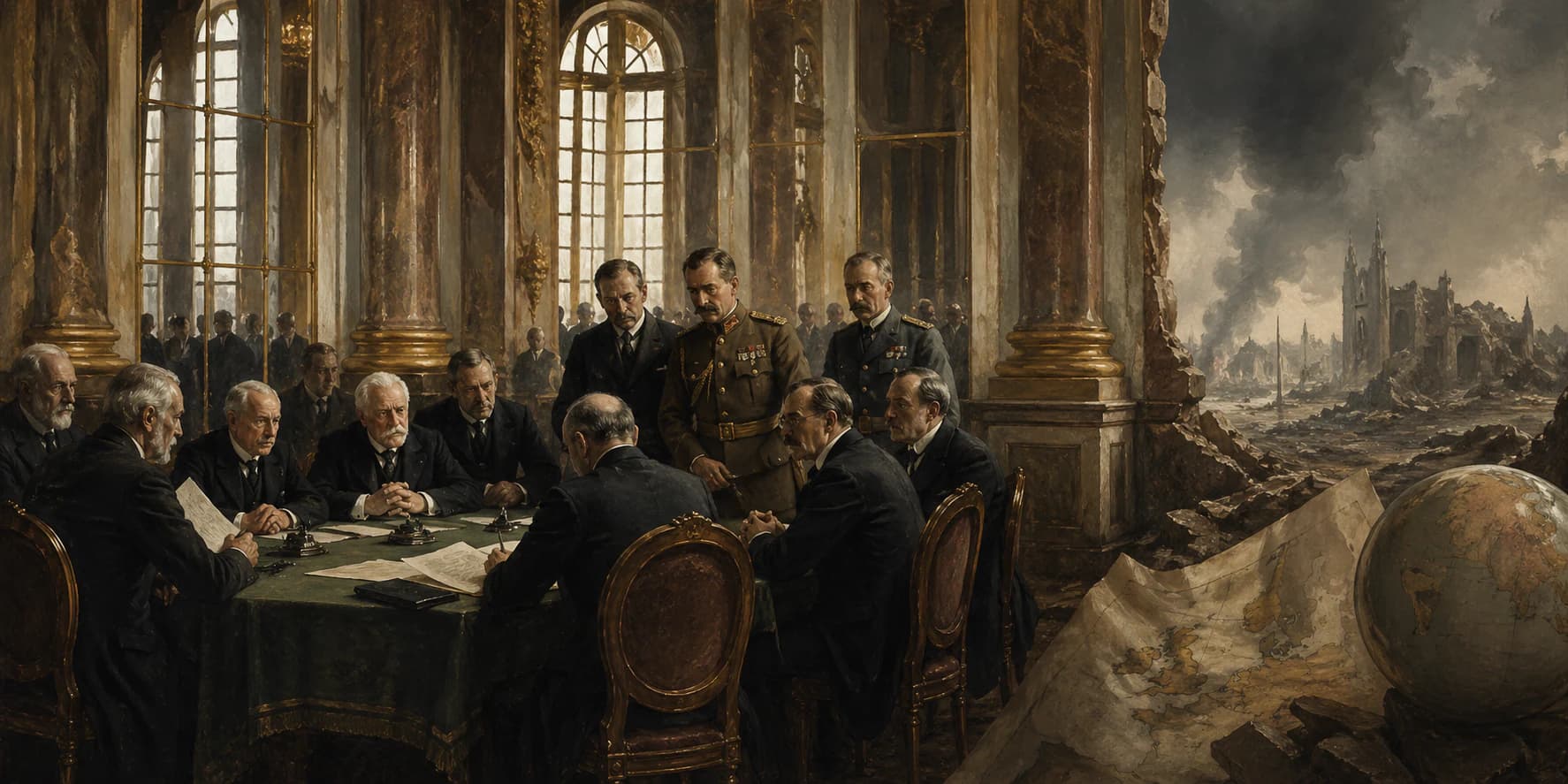
The treaty signed at in 1919 was meant to settle the First World War, but it left a troubled peace. Its terms reshaped borders and imposed obligations on Germany, while arguments over blame and fairness persisted. Those disputes became part of the political crisis that later engulfed Europe.
What you'll learn: You'll follow the peace settlement from the guns falling silent in 1918, through the competing ambitions of the conference, the punishment clauses imposed on Germany, the collapse of reparations, and the way resentment helped shape the path to a second world war.
Key forces
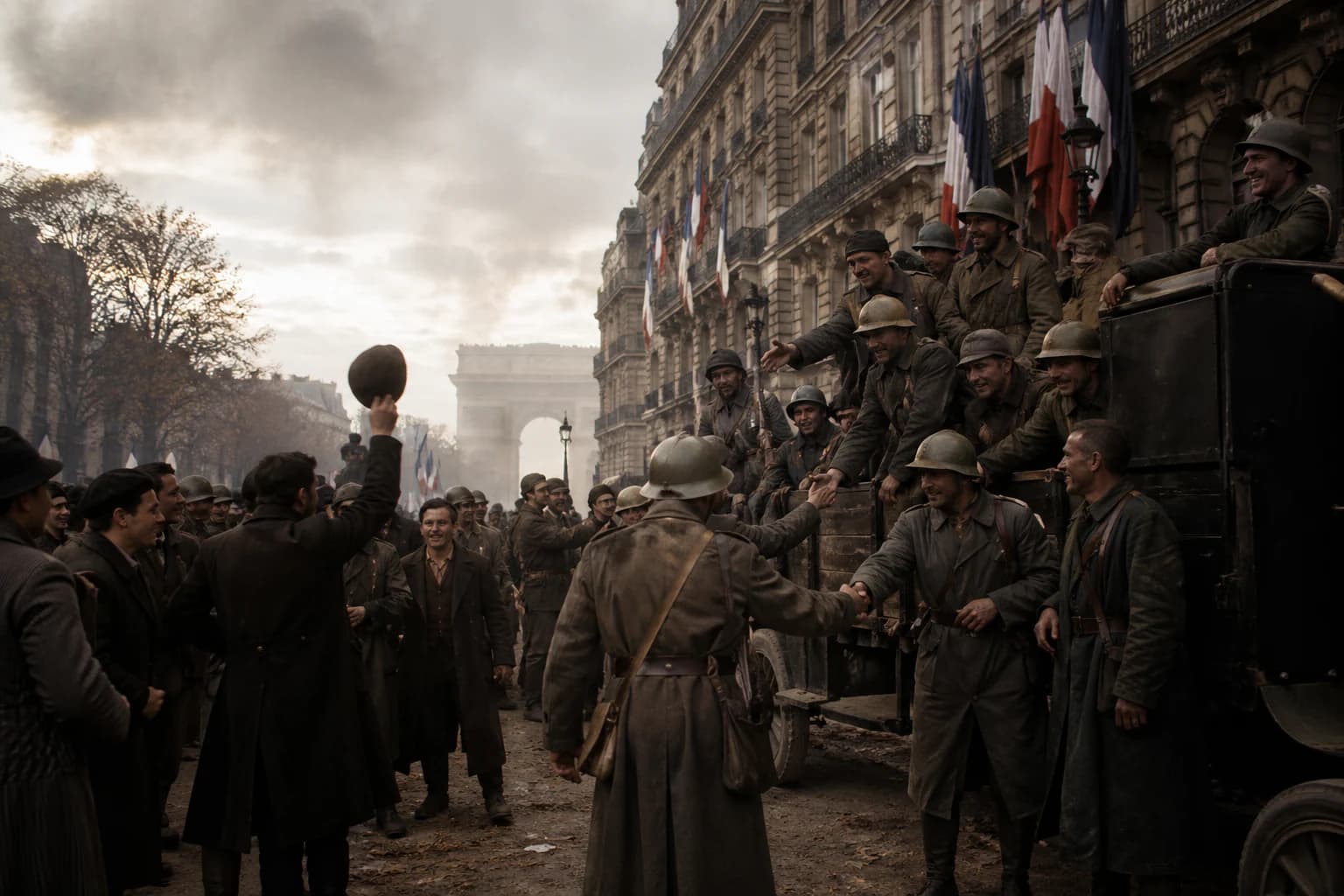
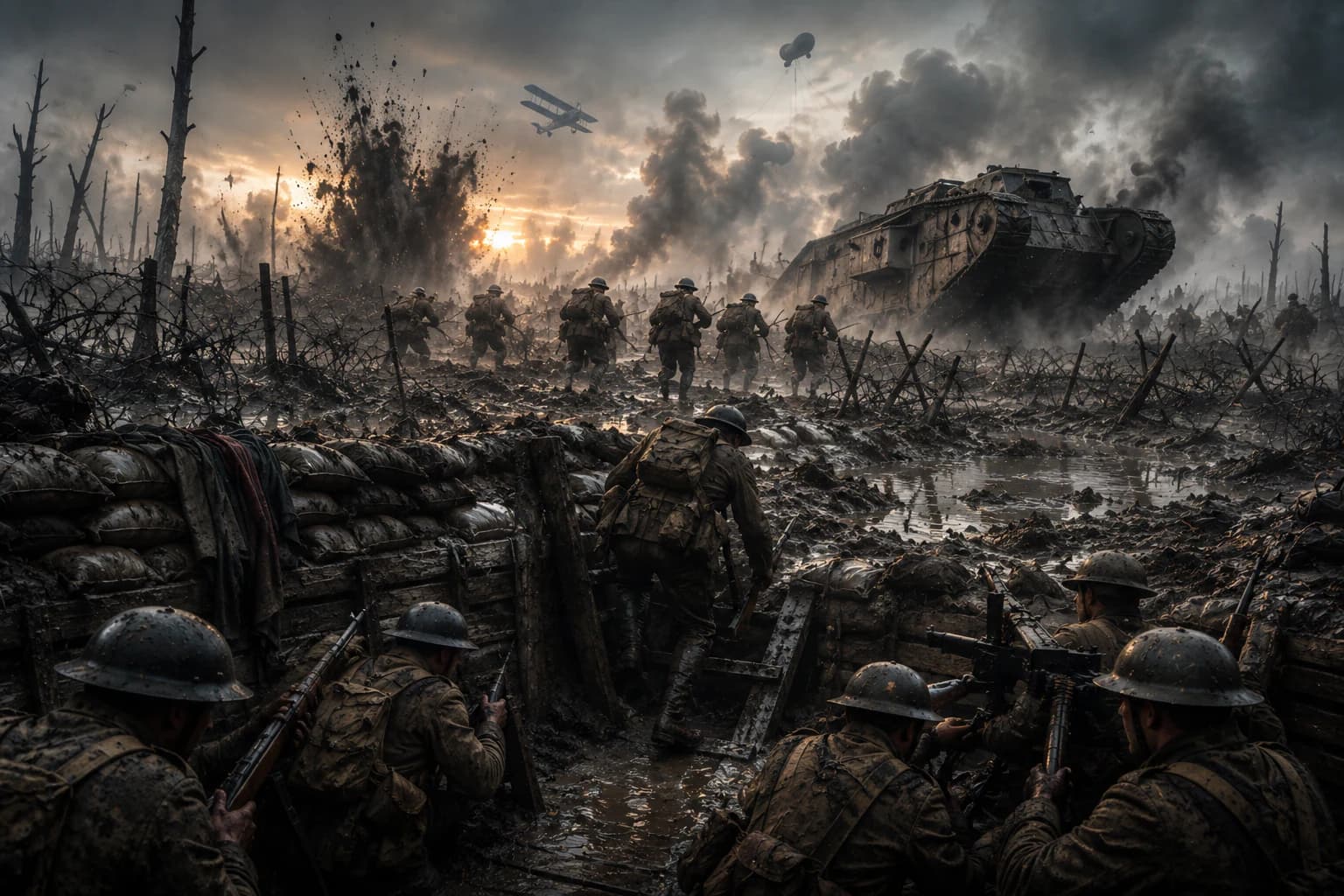
- The Armistice of November 1918 ended the fighting but did not settle the peace — that required months of complex Allied negotiations at the Peace Conference.
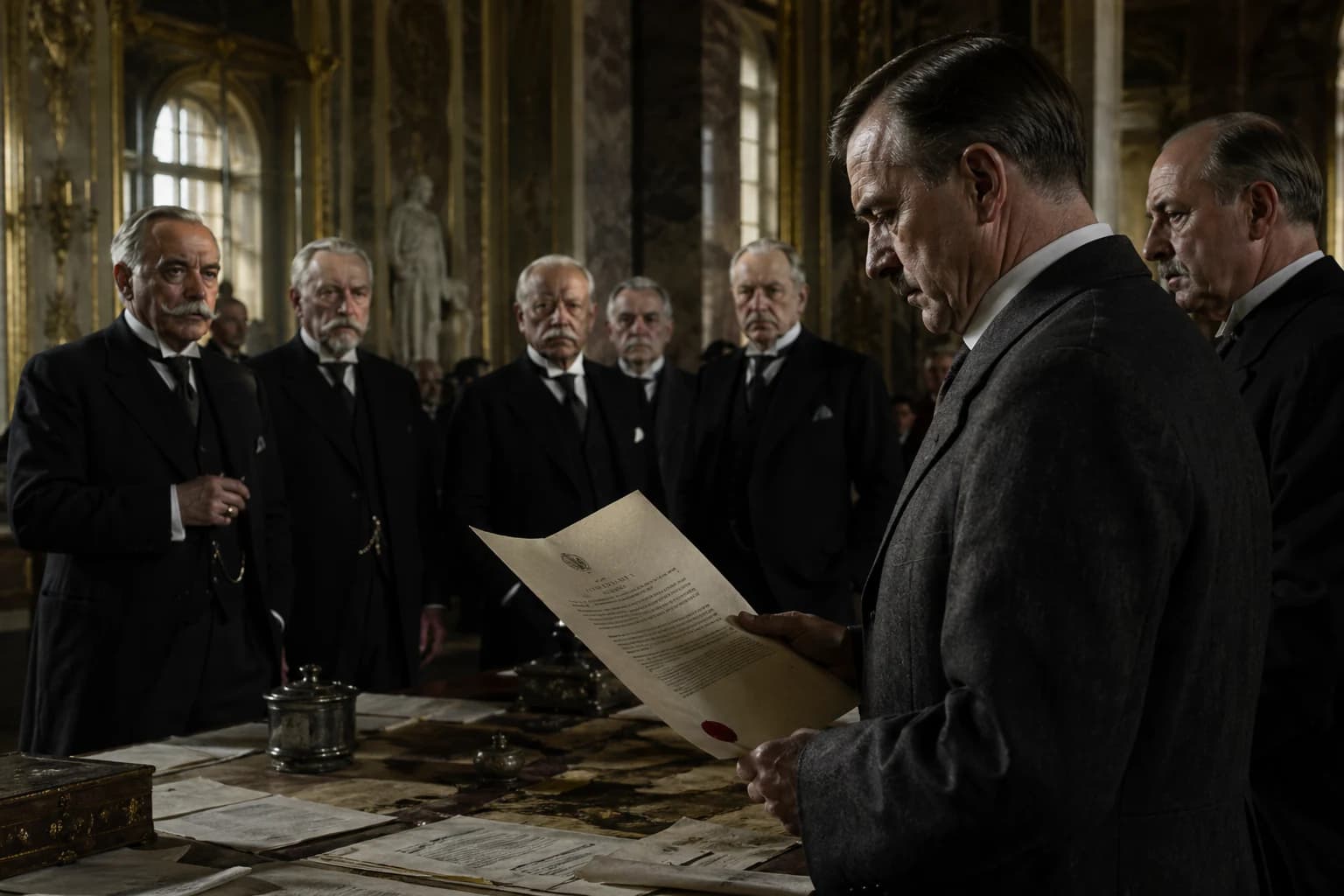
- The Treaty of Versailles imposed territorial losses, military restrictions, reparations, and the war guilt clause on Germany, which rejected the terms as a dictated and illegitimate peace.
- The absence of American ratification and the progressive weakening of Allied enforcement meant that the settlement could not be sustained over time.
- German resentment over the treaty became a central tool of revisionist and extremist politics, culminating in Hitler's systematic dismantling of in the 1930s.