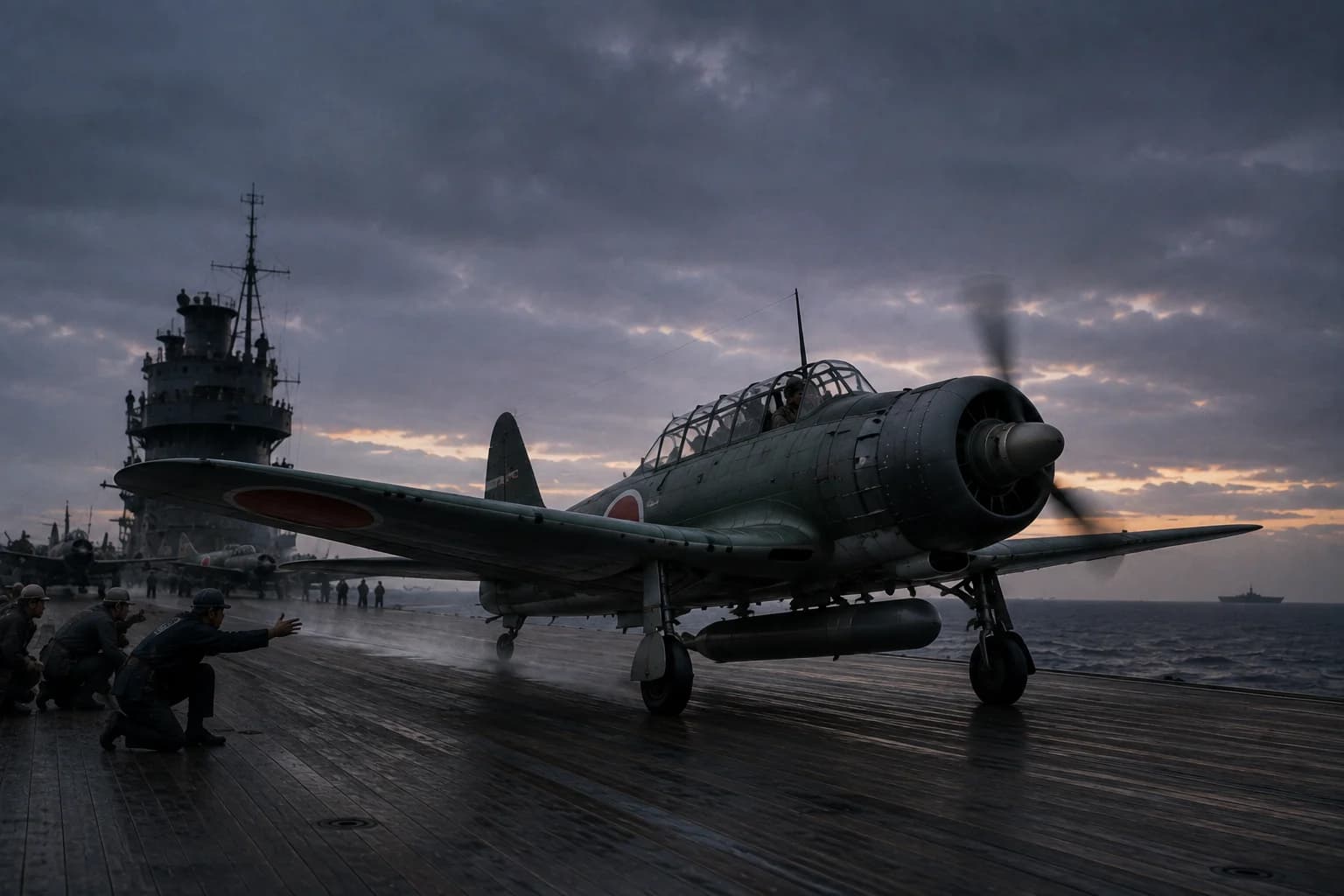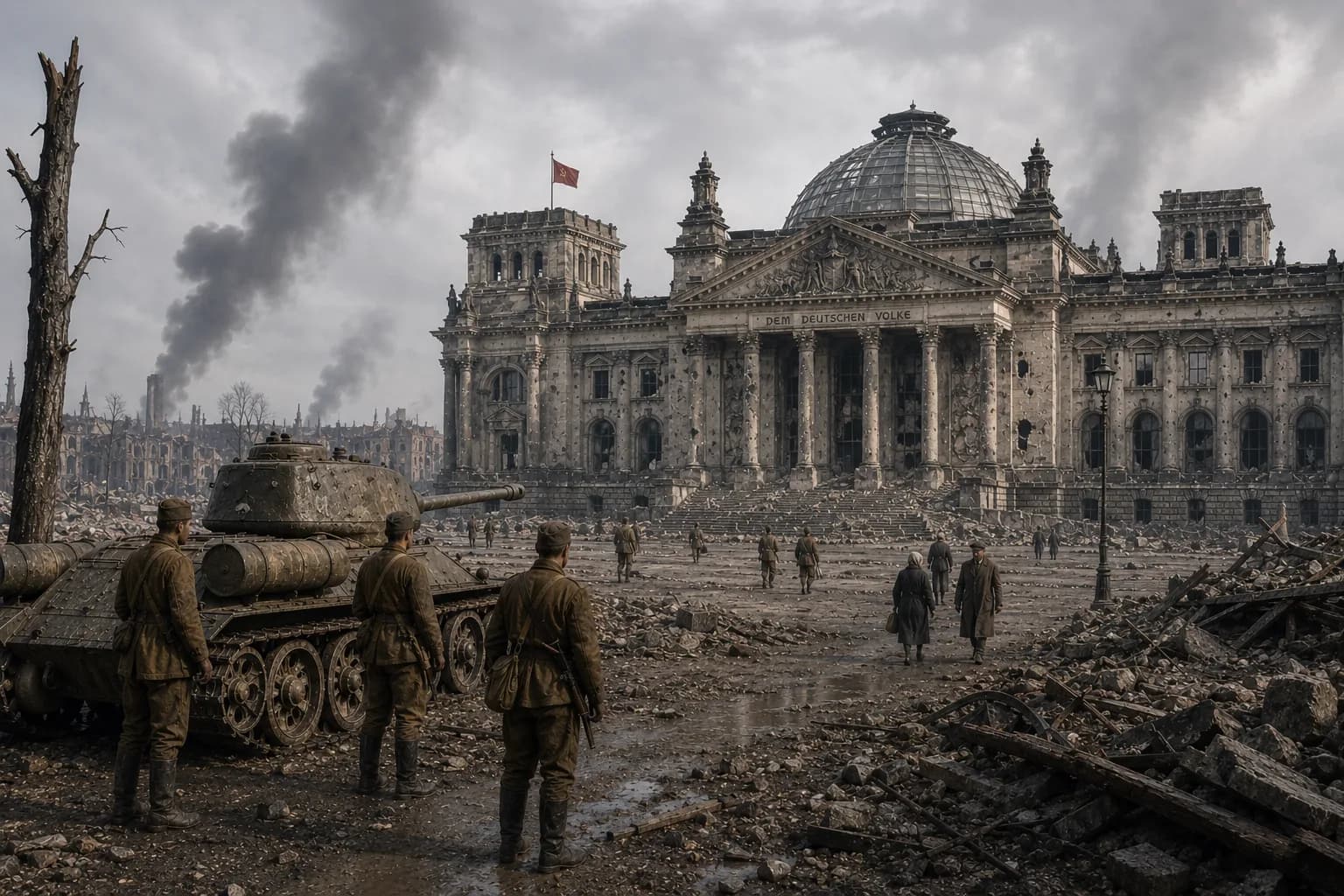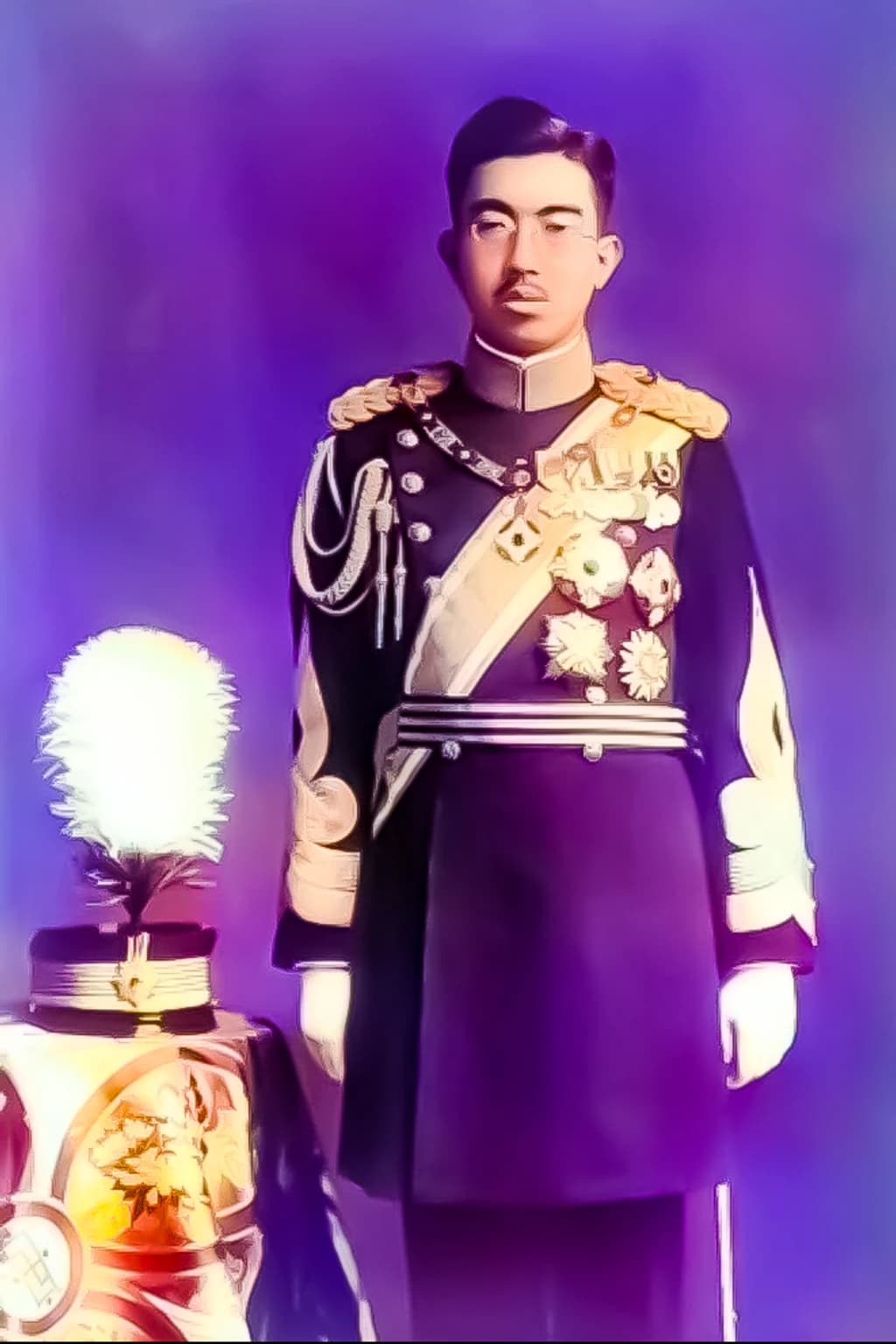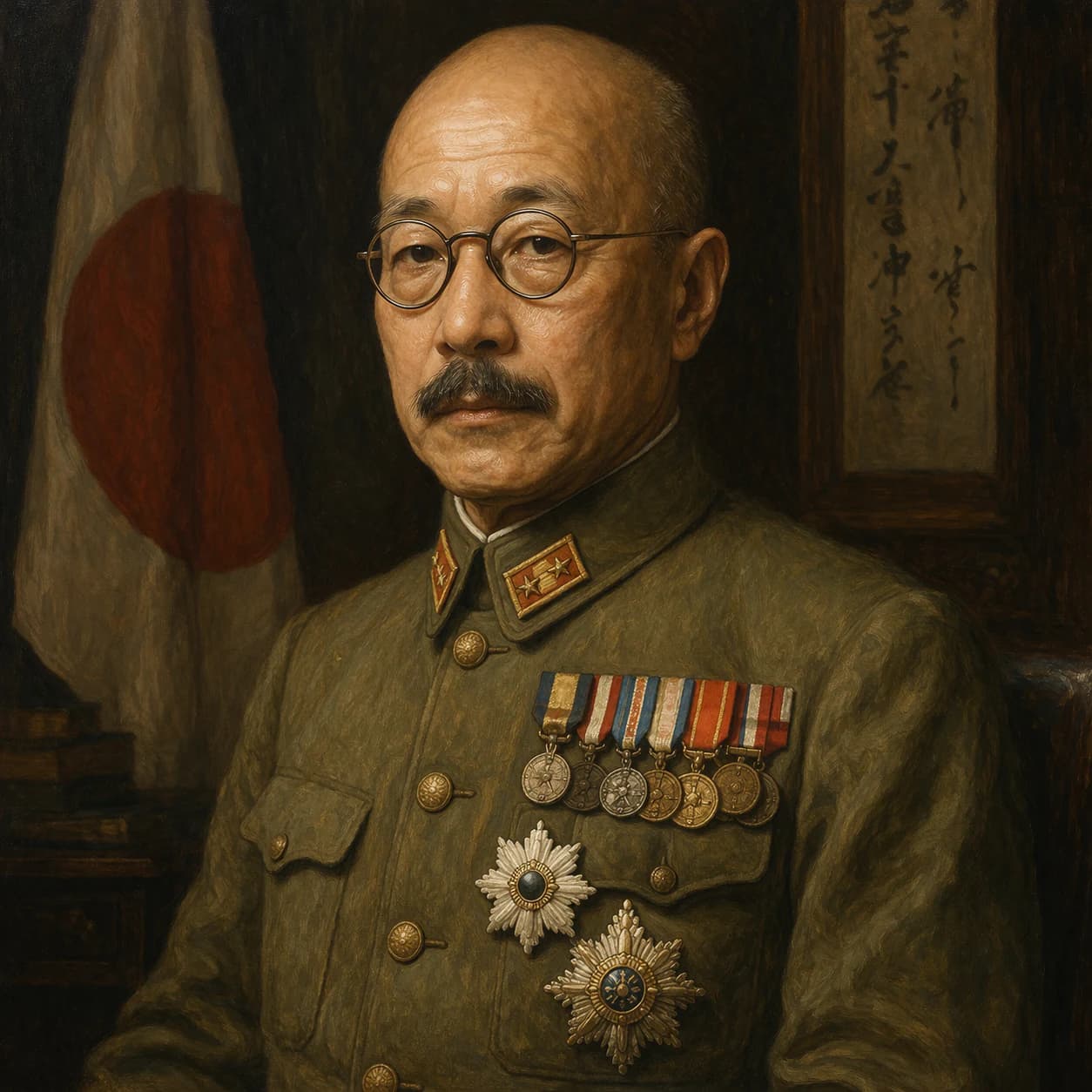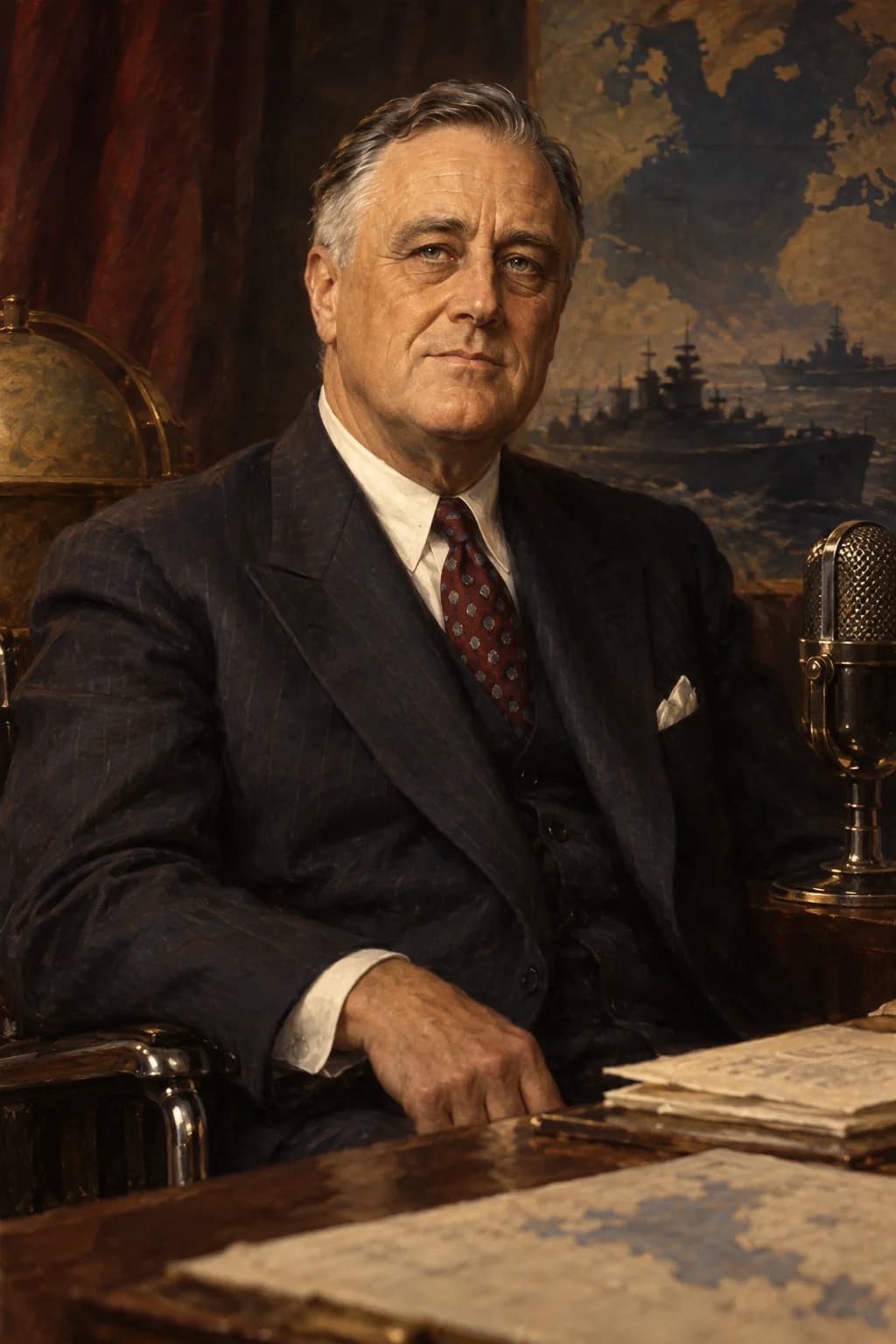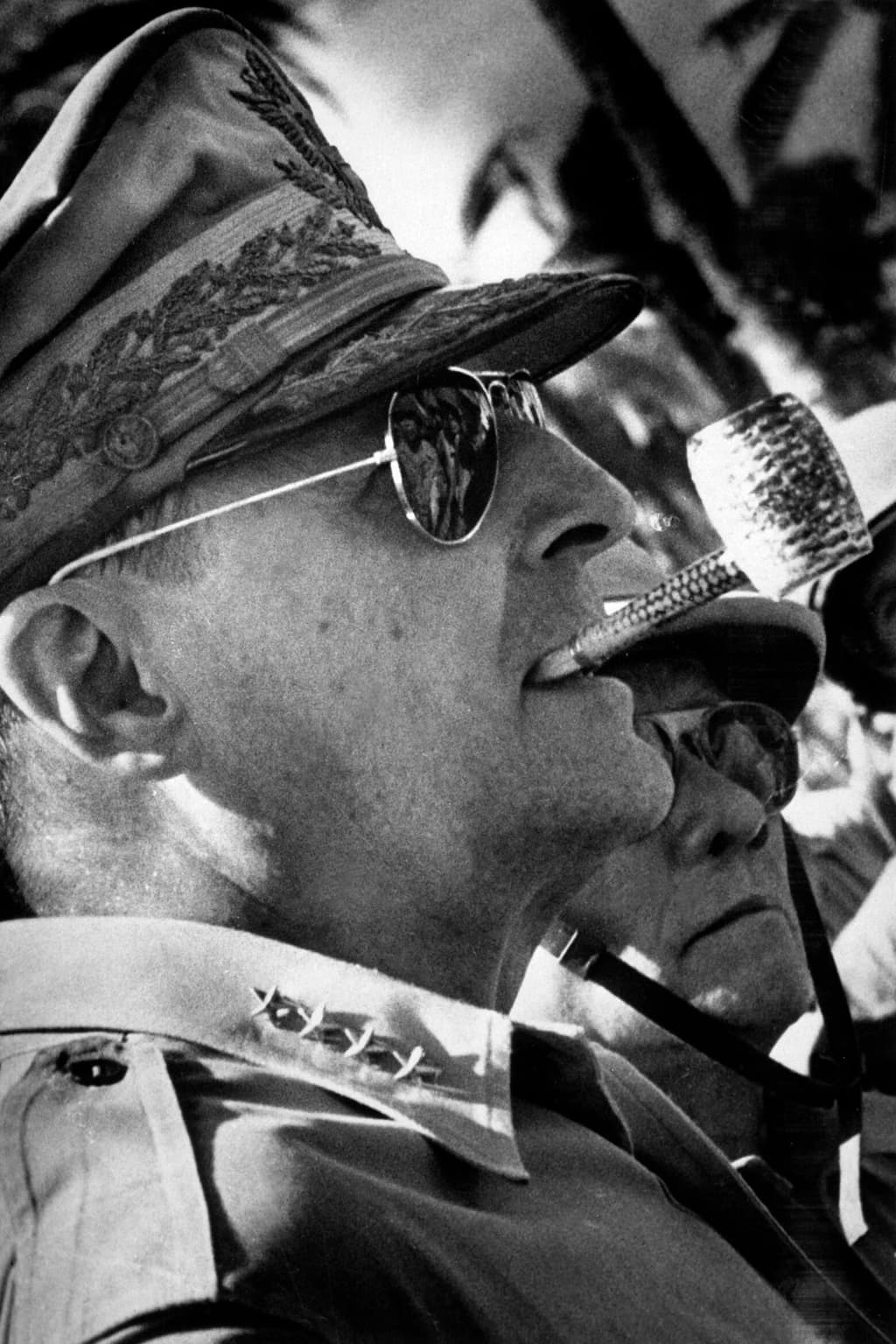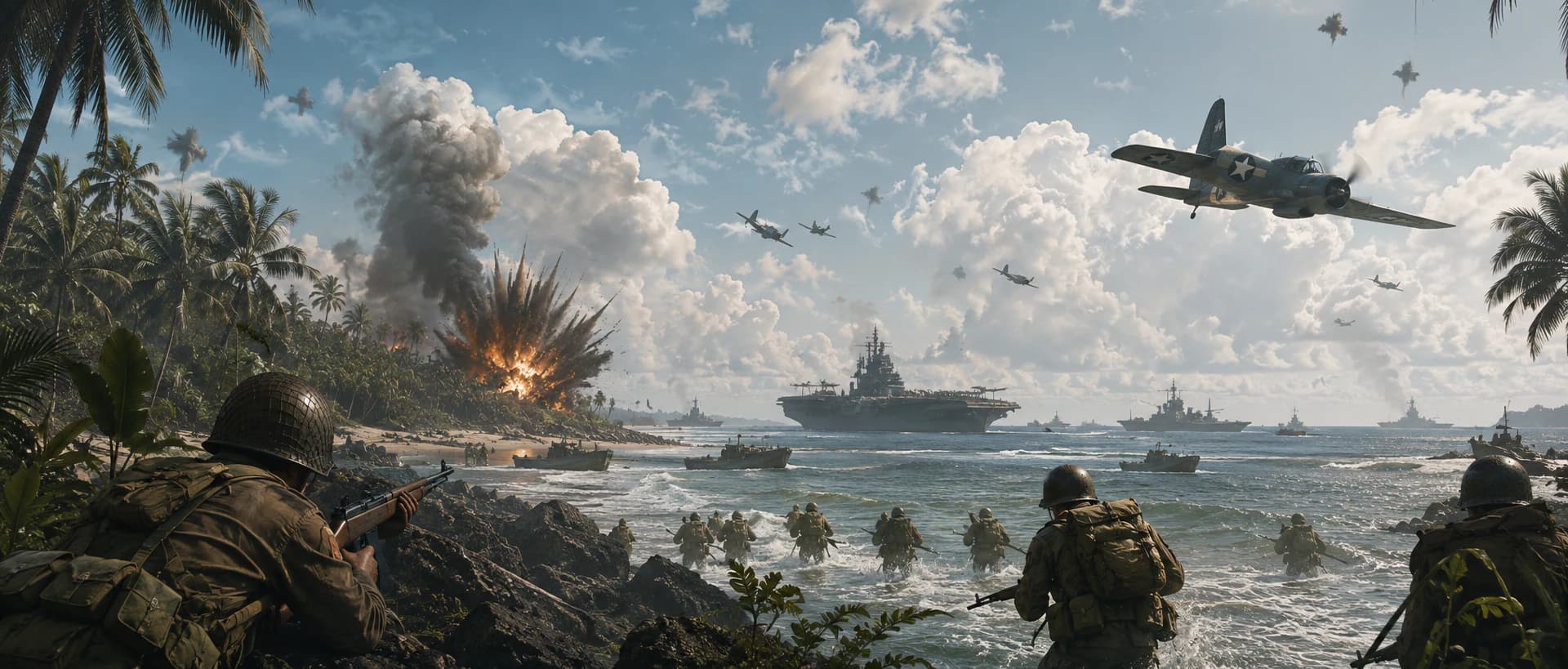
Carrier aircraft, burning ships, occupied cities, and island fighting across the vast Pacific war.
Premium Story

The Pacific War

Follow the Pacific War from Manchuria and China to Pearl Harbor, island campaigns, and Japan's surrender.

Start the storyExplore Premium

11 chapters

Next
Context

Introduction

Overview

Japan's expansion in Asia grew into a vast war across the Pacific. Its leaders sought control of territory and resources, while Allied forces fought to break the empire they had built. Occupation, naval warfare and bombing devastated communities before Japan surrendered in 1945.

What you'll learn: You'll see how Japan built its empire, why Allied naval and industrial power turned the war, and how the Pacific struggle transformed Asia and the wider world.

Key forces

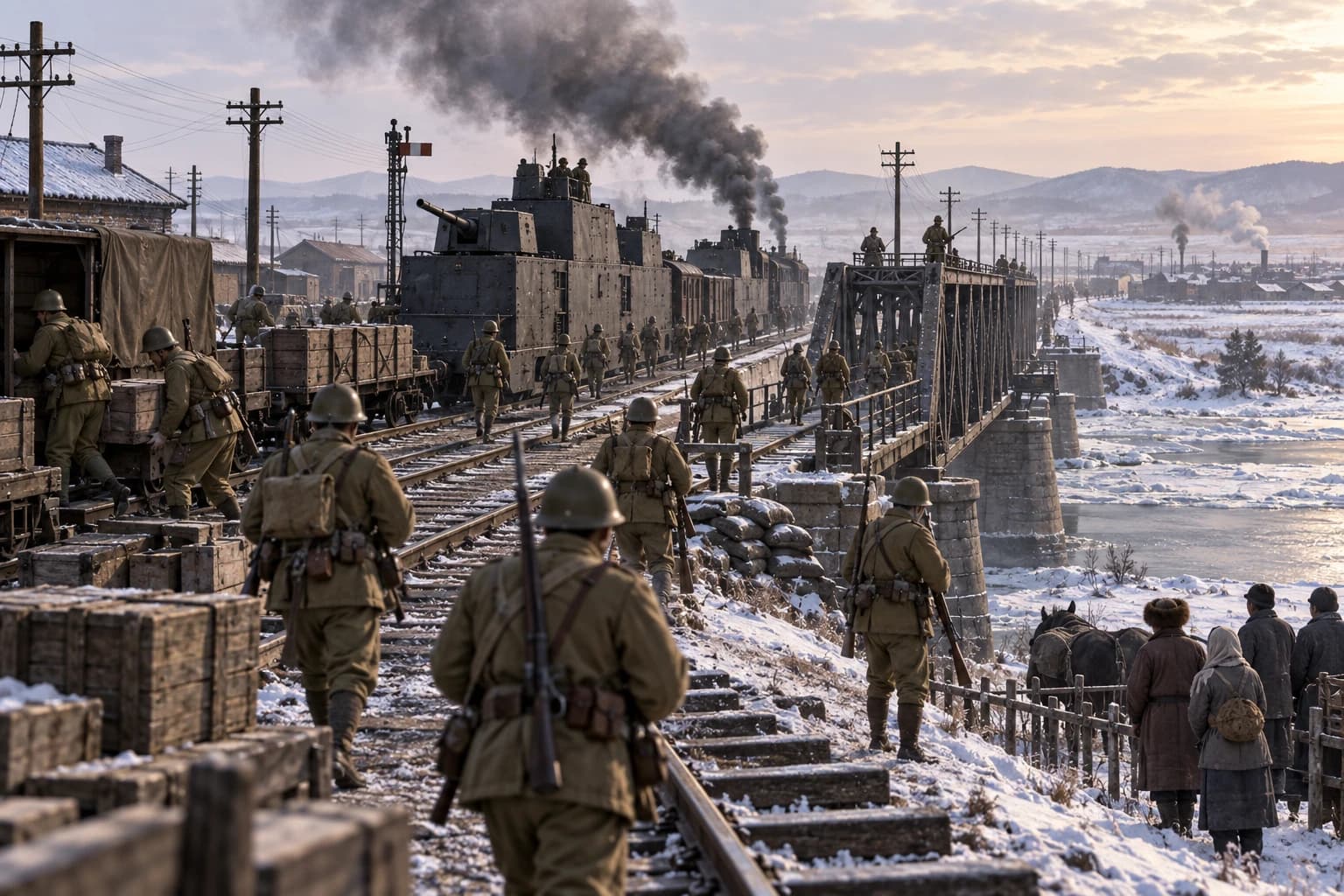
Japanese troops secure a Manchurian railway bridge beside an armored train during the 1931 seizure of Manchuria.
1931 CE
Step 1 of 101931 CEAccessible mode

Japan's Imperial War Machine

In 1931, Japan seized Manchuria and turned a regional crisis into the opening move of a much larger imperial war in East Asia.

Army leaders believed Japan was vulnerable. The country lacked many raw materials and depended on overseas trade for oil, iron, and other supplies.

Manchuria looked like the answer. It had land, railways, minerals, and room for settlement. Officers acted aggressively, and civilian politicians struggled to control them.

The success of the seizure strengthened militarism at home. Expansion made the army look bold and effective, while compromise began to look weak.

Manchuria became a base for a wider dream: a Japanese empire that could dominate both the Asian mainland and the surrounding seas. That choice mattered because it set Japan on a path toward years of conquest, occupation, and war.

The War in China Expands
1937 CE
Step 2 of 101937 CEAccessible mode

The War in China Expands

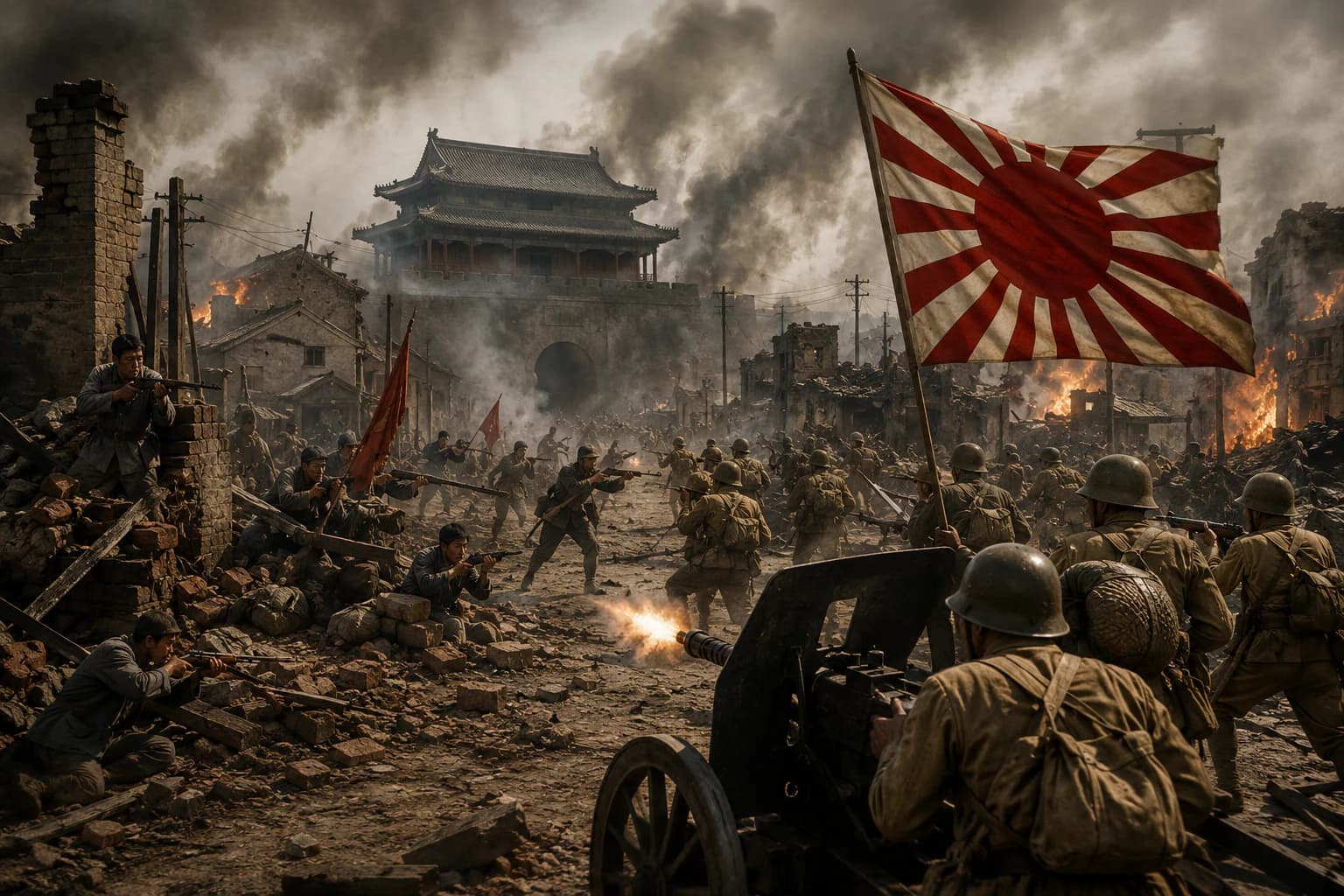
In 1937, fighting near the Marco Polo Bridge turned years of tension into full scale war between Japan and China.

Japan expected another quick success. Instead, the war spread into major cities and huge rural areas, pulling millions of people into a long conflict.

Japanese forces captured large areas and imposed harsh occupation. Mass violence, including atrocities in places such as , became part of the war's reality.

China did not collapse. Nationalist and Communist forces both resisted, even though they deeply distrusted each other and often fought under terrible pressure.

This mattered because Japan had marched into a war it could not quickly end. China became the central drain on Japanese power and a warning that empire would demand constant violence to survive.

Japan Moves South
1940 CE
Step 3 of 101940 CEAccessible mode

Japan Moves South

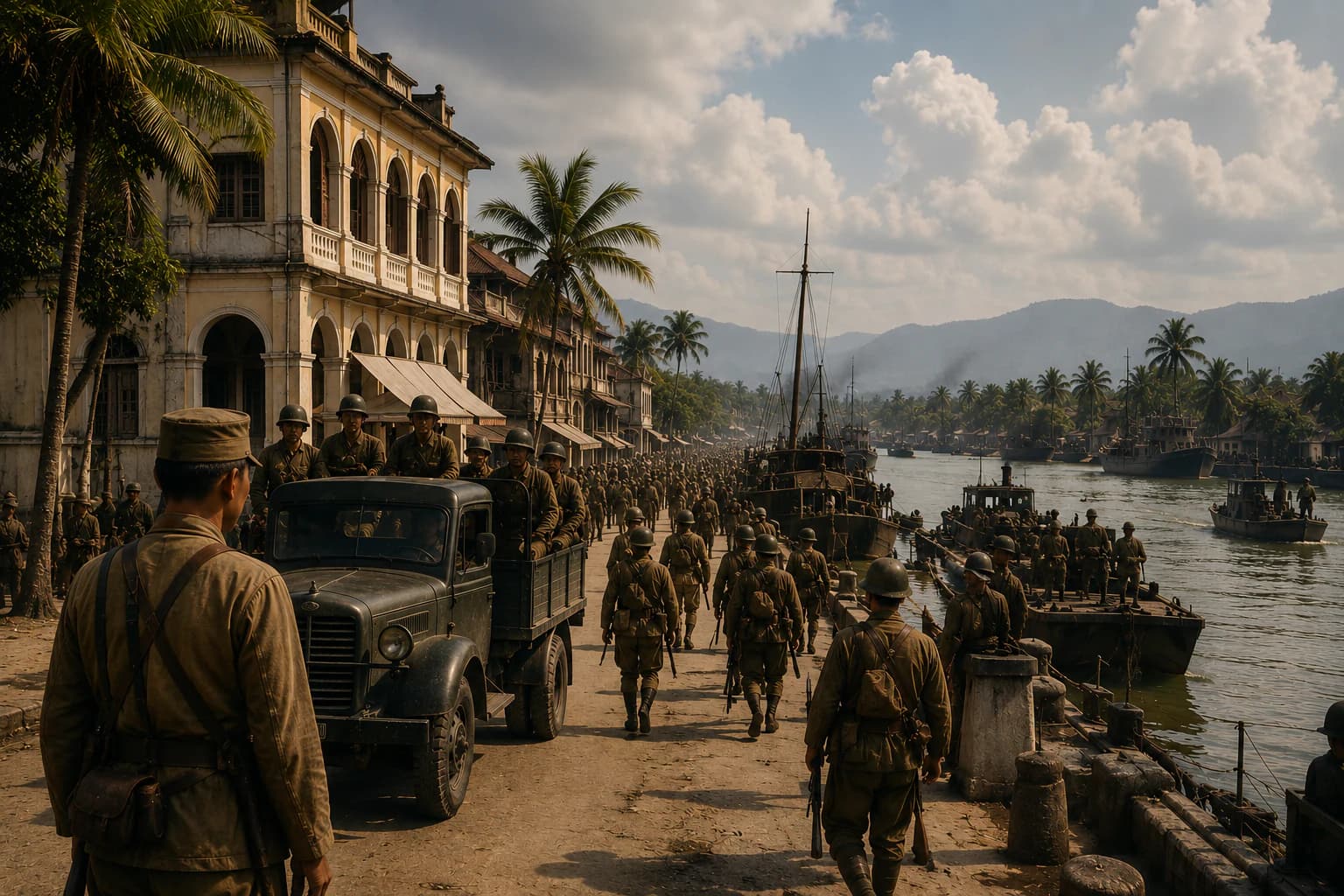
In 1940, Japan pushed into and looked further south toward Southeast Asia's oil, rubber, and naval bases.

The war in China was draining men, fuel, and money. Japanese leaders believed they needed new sources of supply if the empire was going to keep fighting.

French weakness after Germany's victory in Europe created an opening. Japan moved into and gained positions that threatened nearby colonies and sea routes.

That alarmed Britain, the Netherlands, and the United States. They saw Japan edging closer to , , and , where key resources were concentrated.

This mattered because expansion now pointed directly toward a clash with the Western powers. Japan was no longer only fighting in China. It was remaking the balance of power across all of maritime Asia.

Premium3 of 10 chapters read

Pearl Harbor

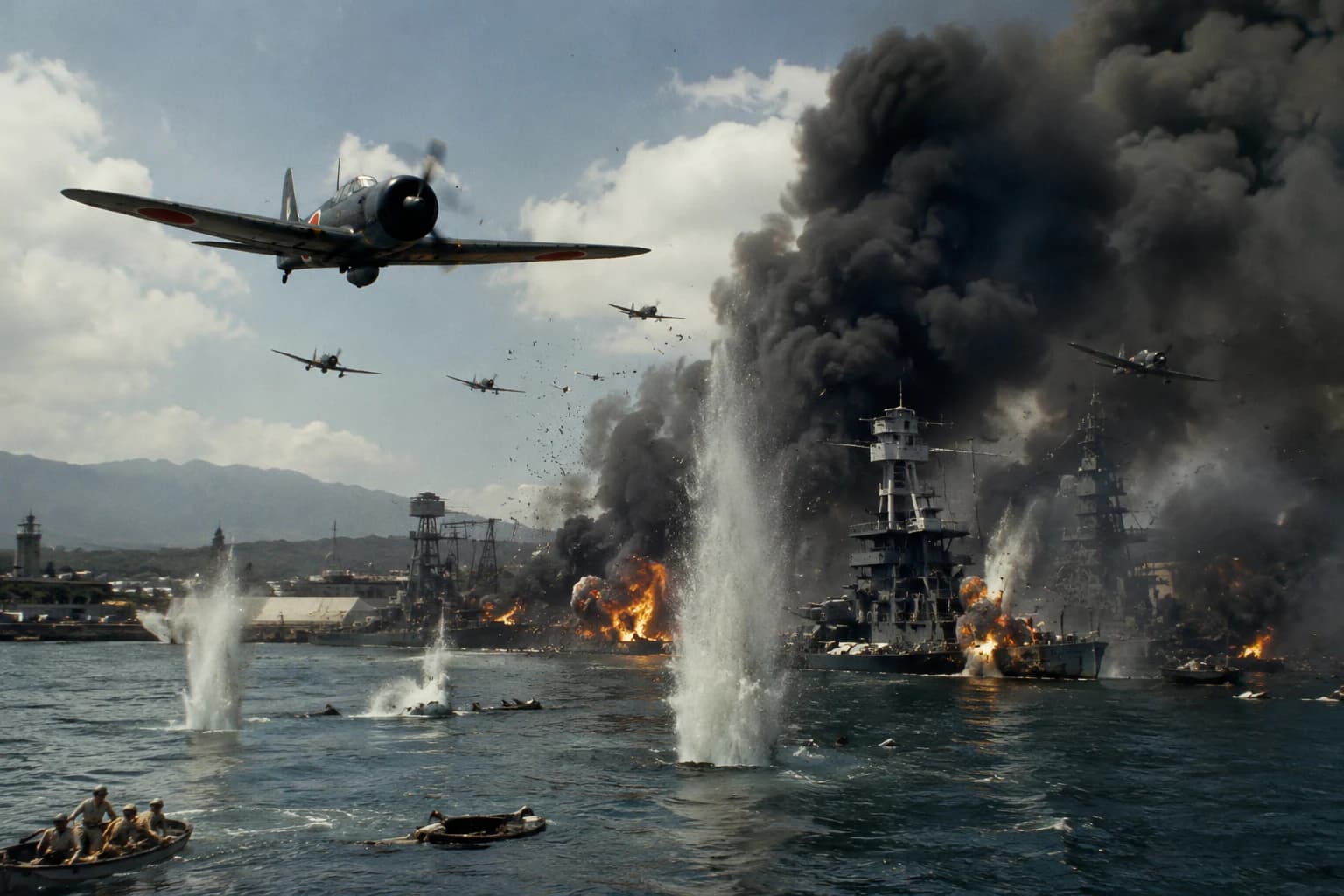
The opening chapters show Japan's empire moving toward wider war. Premium follows the shock and reversal: Pearl Harbor changes the conflict overnight, Allied Asia falls, Midway turns momentum, and the island war drives toward fire, blockade and surrender.

Continue the story with Premium

Coming next

  1. Chapter 4Pearl Harbor
  2. Chapter 5The Fall of Allied Asia
  3. Chapter 6The Battle of Midway

And 4 more chapters to follow.

Explore connected stories

Follow the connected history

Explore closely connected stories and free figure profiles. Premium stories open with a public preview.

Unlock full storyBrowse stories

References

Sources & Further Reading

Reliable sources, primary-source collections and reading paths connected to this page.

Sources used

  1. The National WWII Museum, “The Pacific Strategy, 1941–1944,” Open source
  2. Naval History and Heritage Command, “World War II,” Open source

Further reading

  1. Ian W. Toll, Pacific Crucible, W. W. Norton.

Primary sources

  1. Yale Law School, “Avalon Project: World War II Documents,” Open source

Image references

  1. U.S. National Archives, “World War II Photos,” Open source

Reviewed claim sources

Loading reviewed claim sources...

A monthly route through history

Find out first about the latest published stories, feature notes and occasional Premium offers in one monthly email.