Context
Introduction
Overview
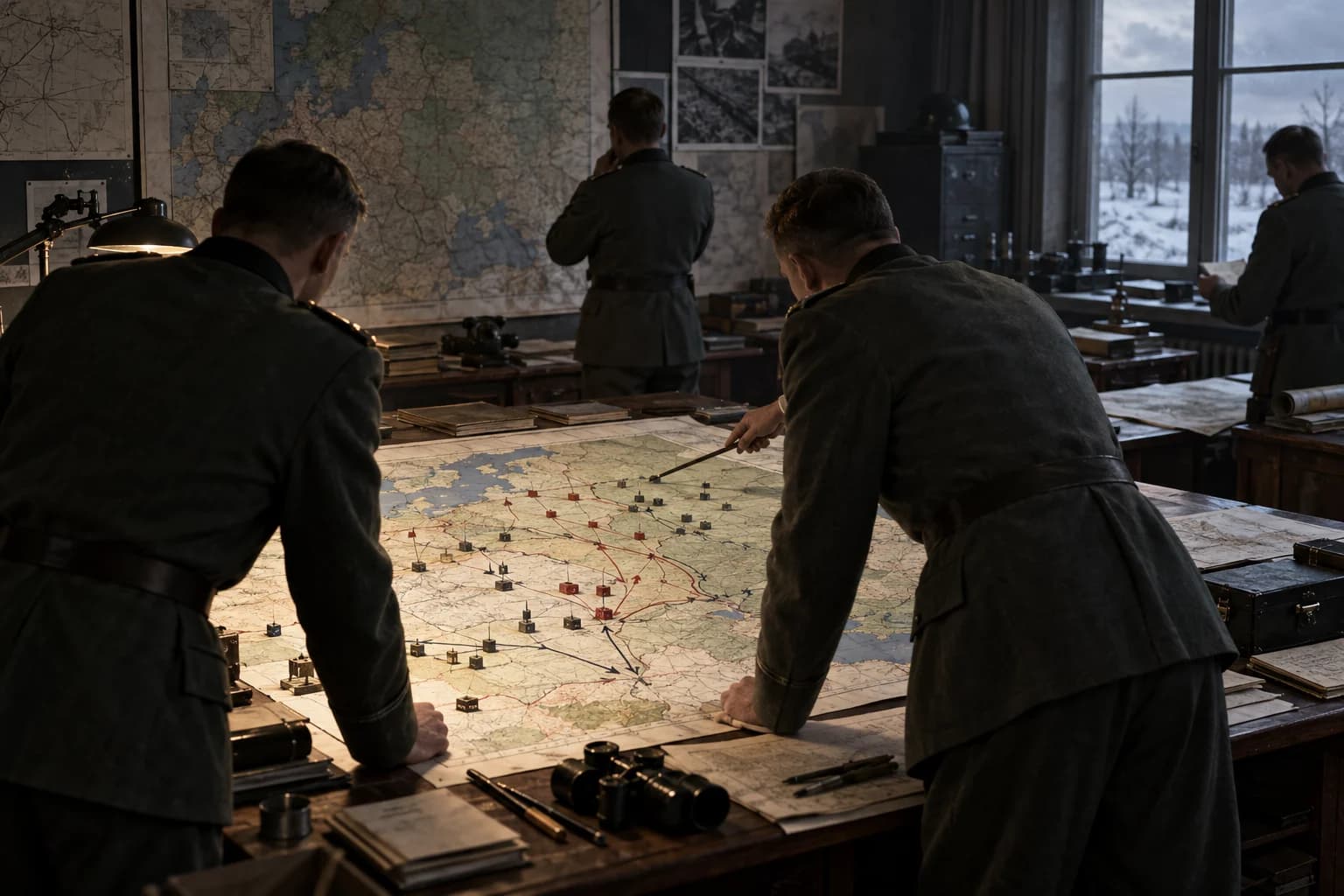
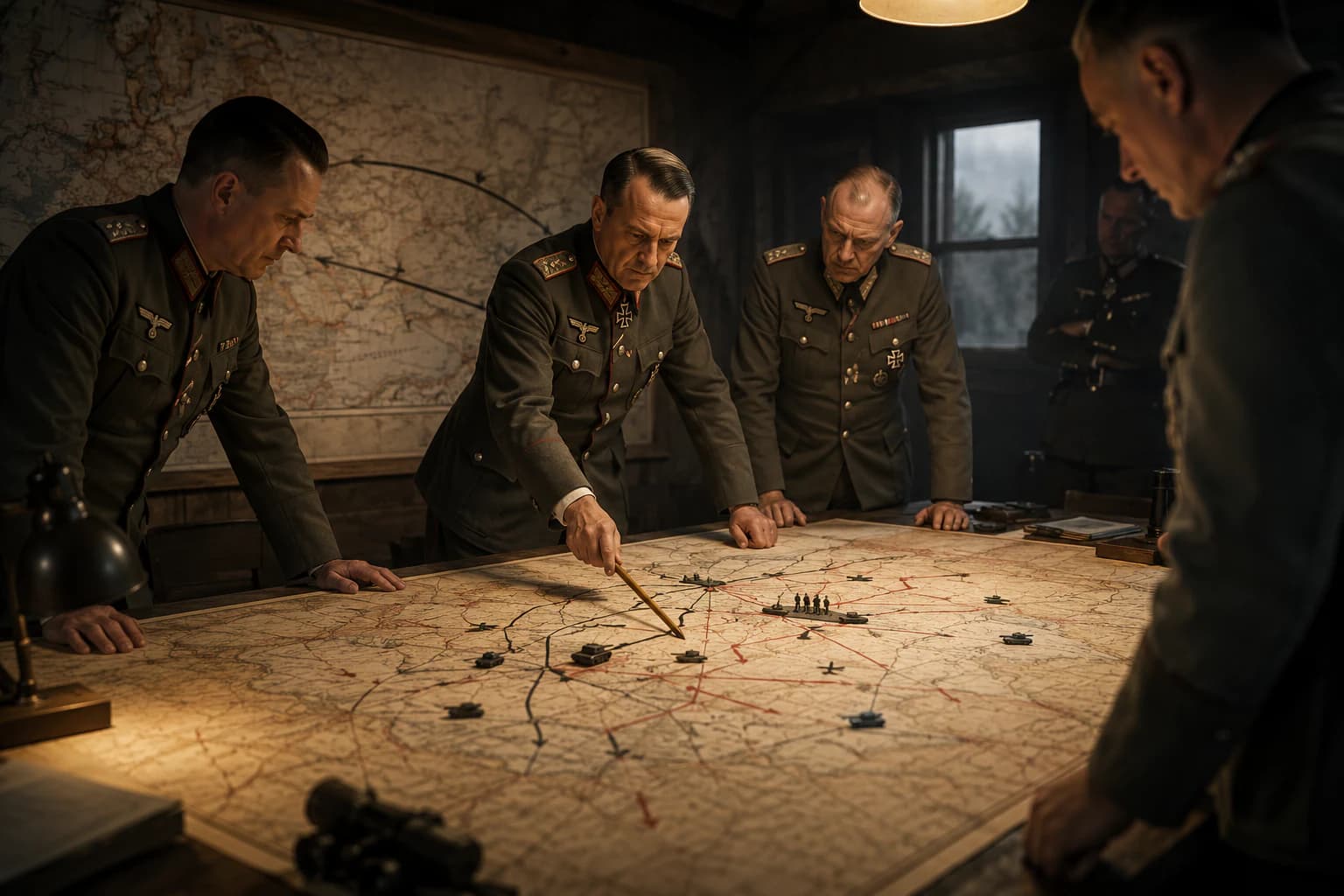
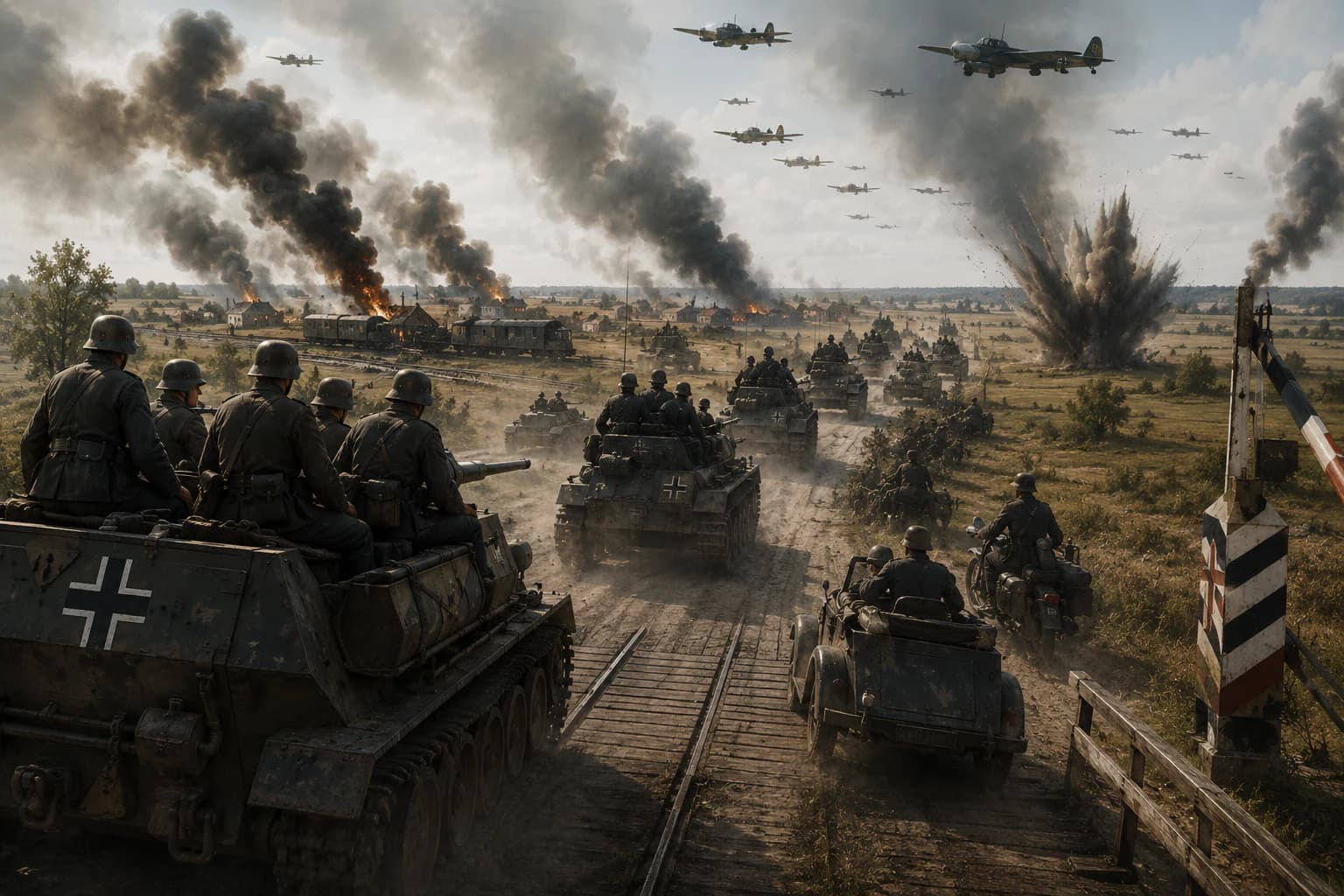
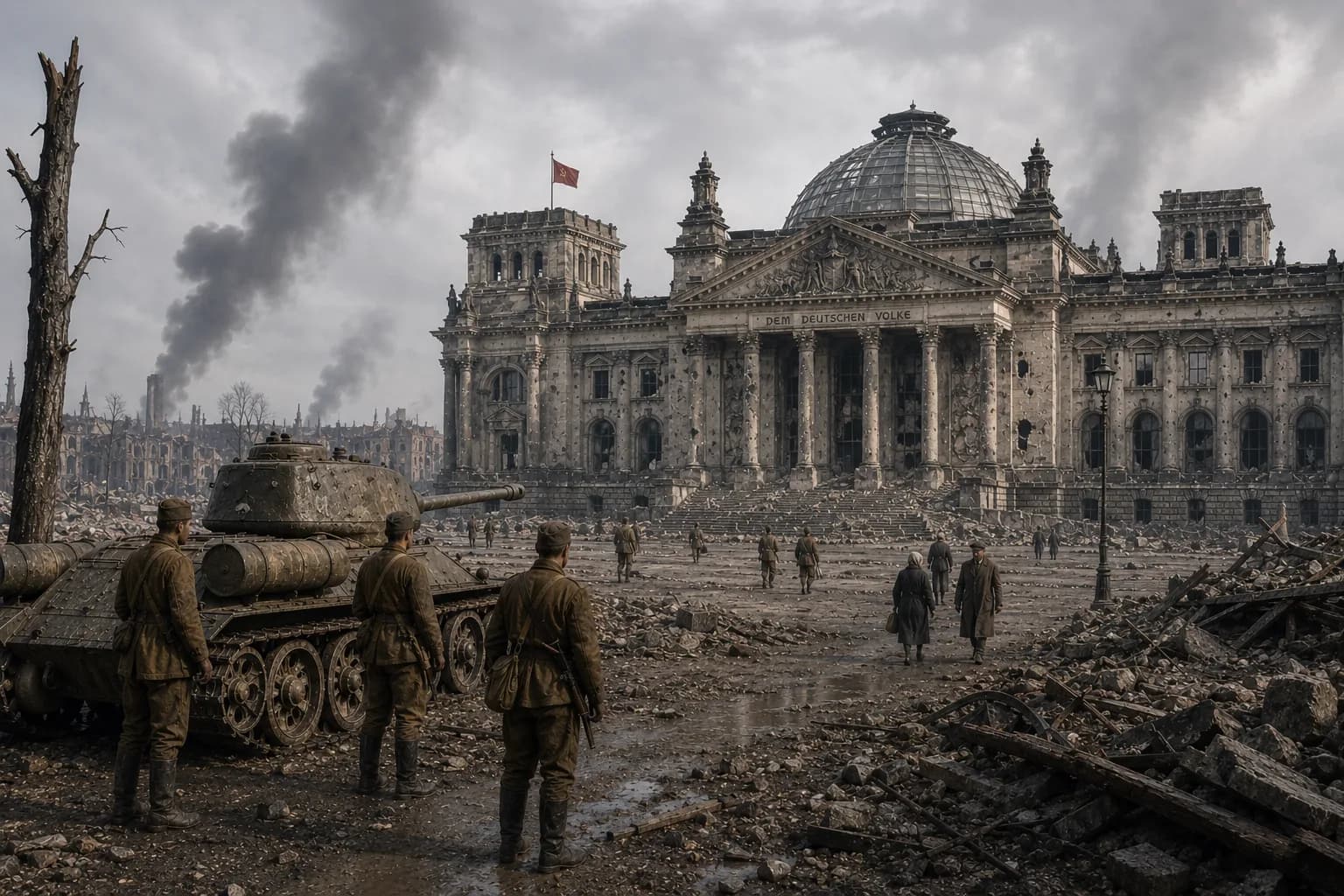
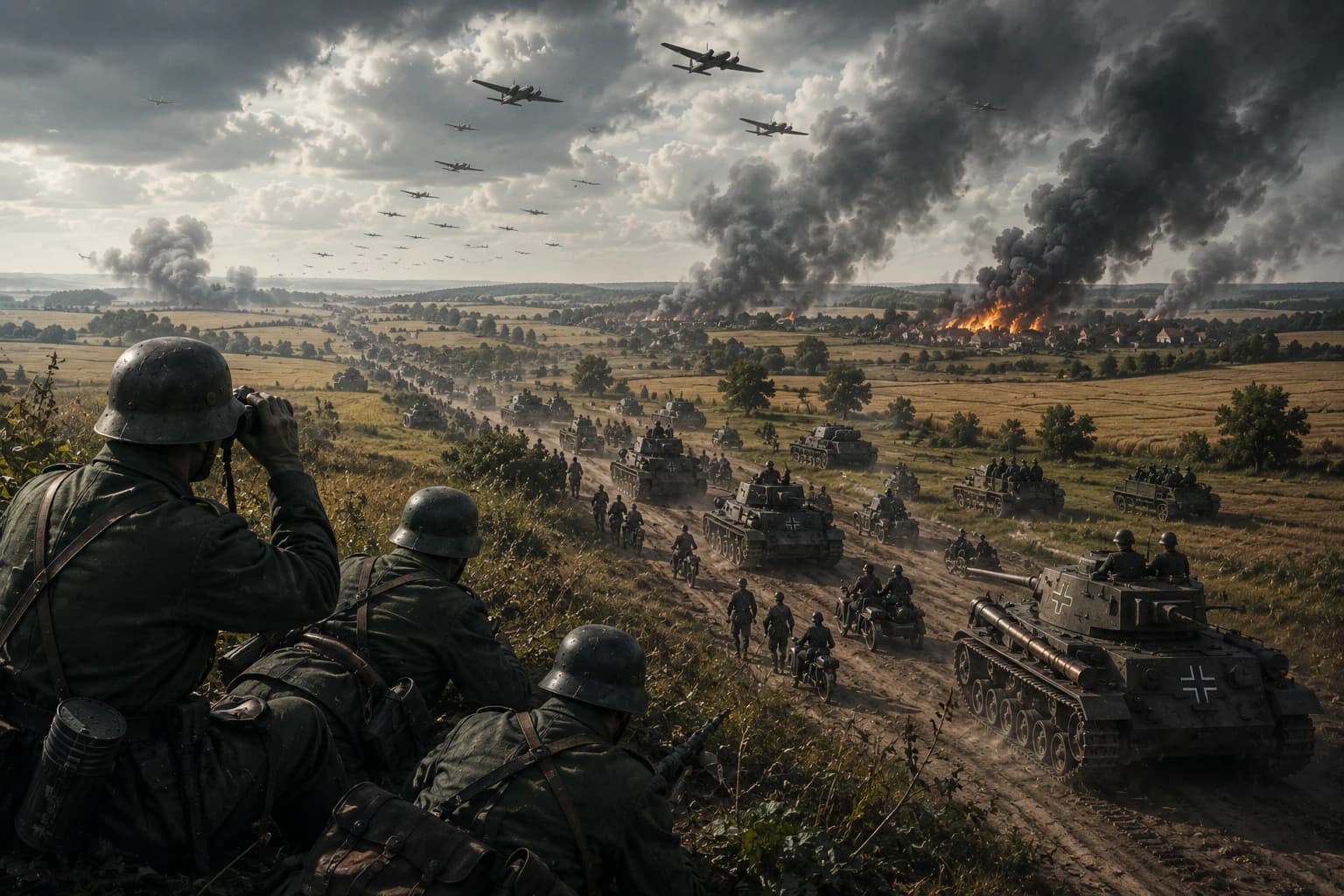
Nazi Germany invaded the Soviet Union in June 1941 expecting a swift victory. The campaign was driven by territorial conquest and racial ideology, and its early advances brought destruction on an enormous scale. Soviet resistance, distance and German logistical failures turned the invasion into a prolonged war of attrition.
What you'll learn: You'll see why Barbarossa began as an ideological bid for rapid conquest, why early victories proved deceptive, and how Soviet survival transformed World War II into a longer and far deadlier struggle.
Key forces
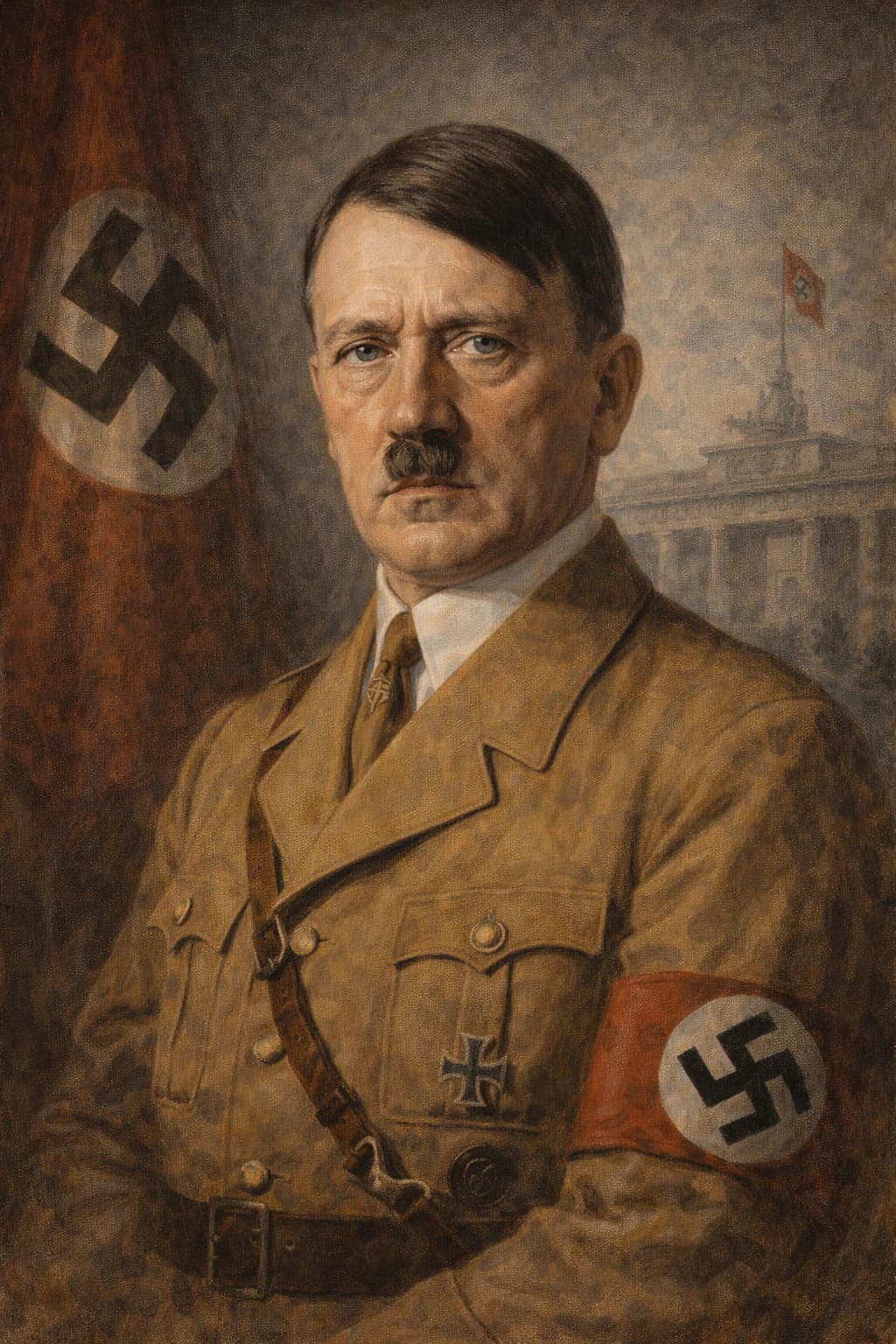
- Hitler planned Barbarossa as an ideological war to destroy the Soviet state and build German empire in the east.
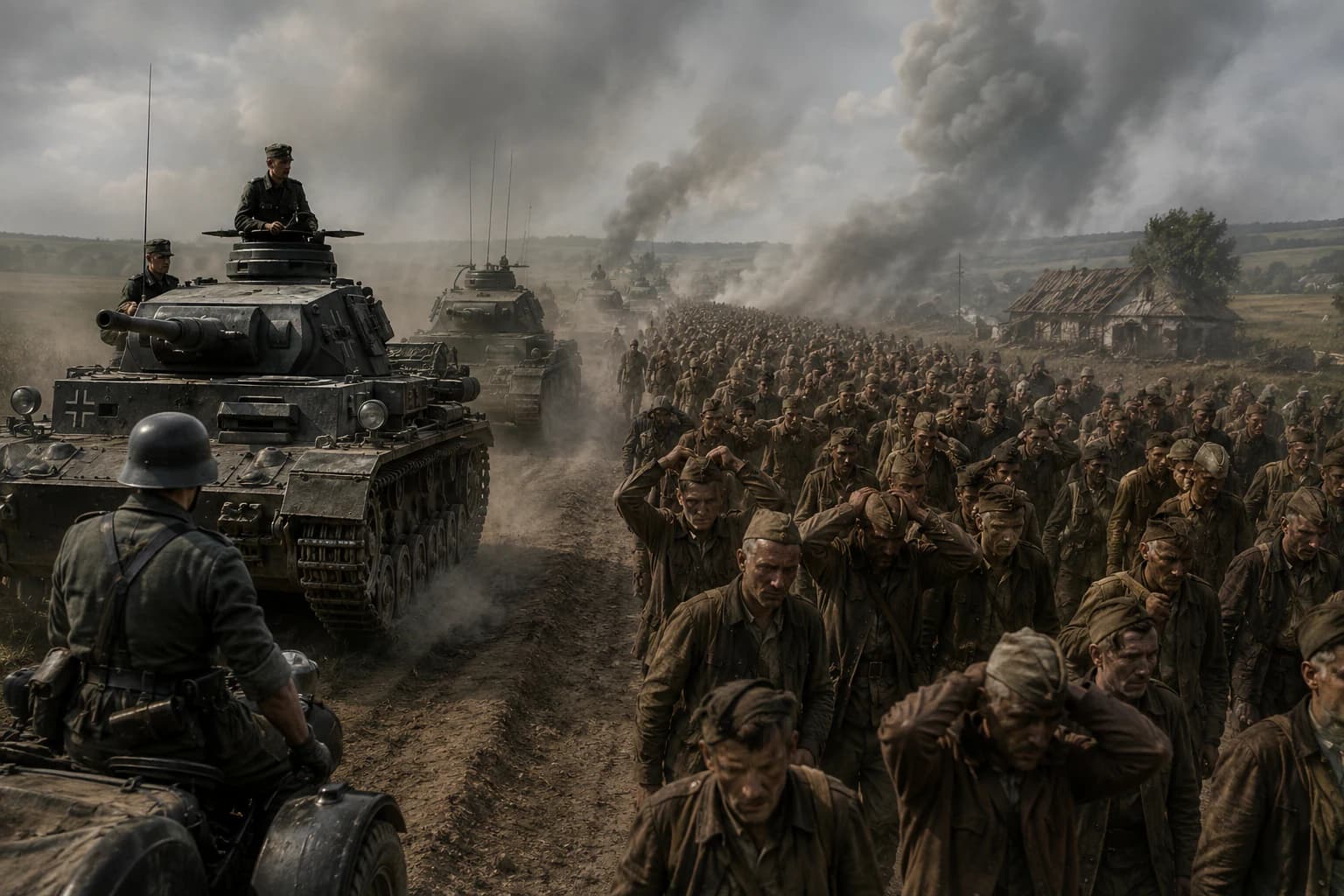
- Initial German offensives produced huge encirclements and prisoner captures but did not force Soviet collapse.
- Mass violence against civilians, Jews, and Soviet prisoners was central to the campaign, not a side effect.
- Failure before in winter 1941 turned Barbarossa from planned blitzkrieg into prolonged attritional war.