← People

Shah Jahan

Shah Jahan was Mughal emperor from 1628 to 1658. His reign is associated with the Taj Mahal, Shahjahanabad, monumental architecture and imperial splendour.

Born
1592 CE
Died
1666 CE
Role
Mughal emperor
Full name
Shihab al-Din Muhammad Shah Jahan
Also known as
Prince Khurram
Region
South Asia, Northern India, Mughal Empire, Mughal India

Mughal emperor (1592-1666)

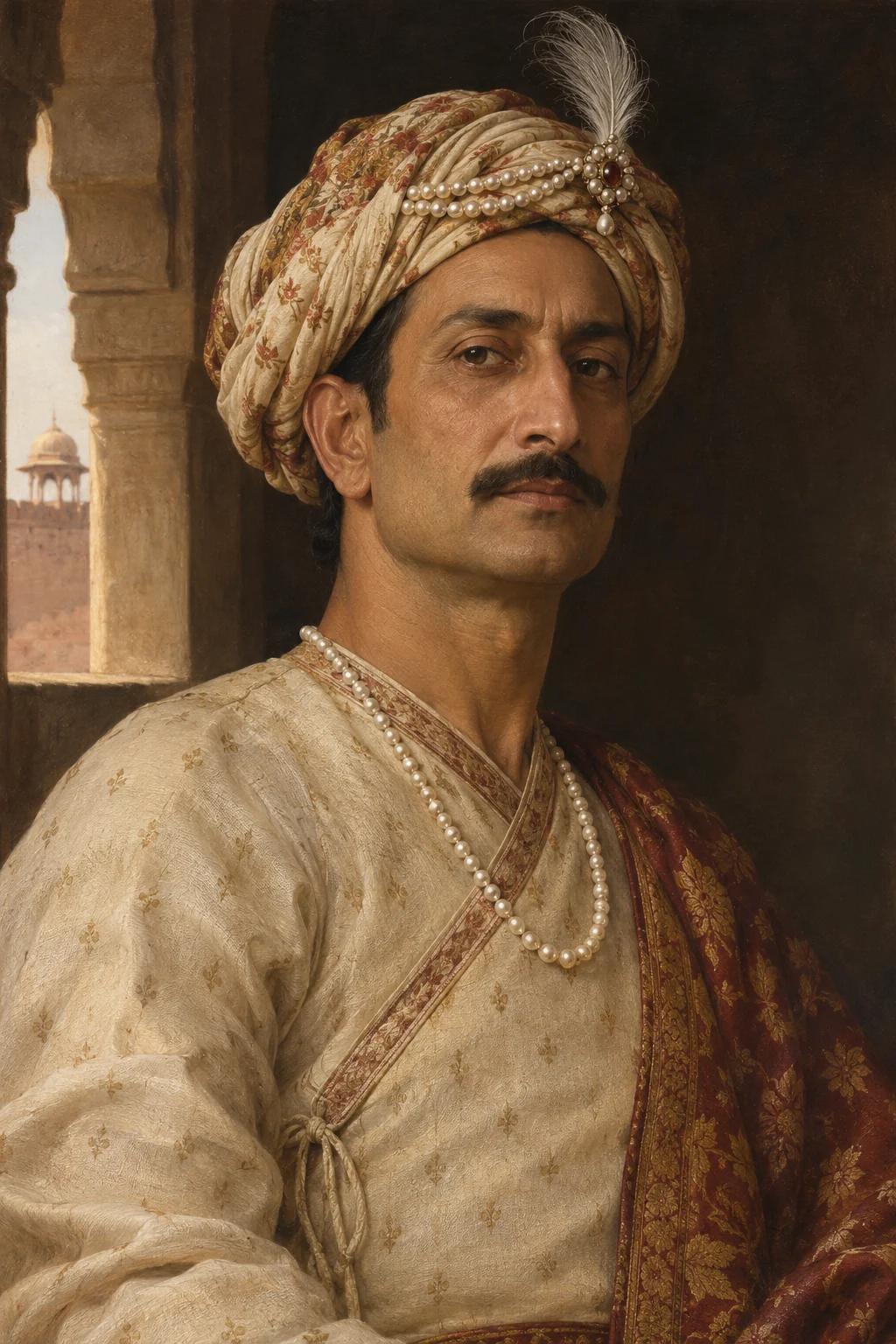
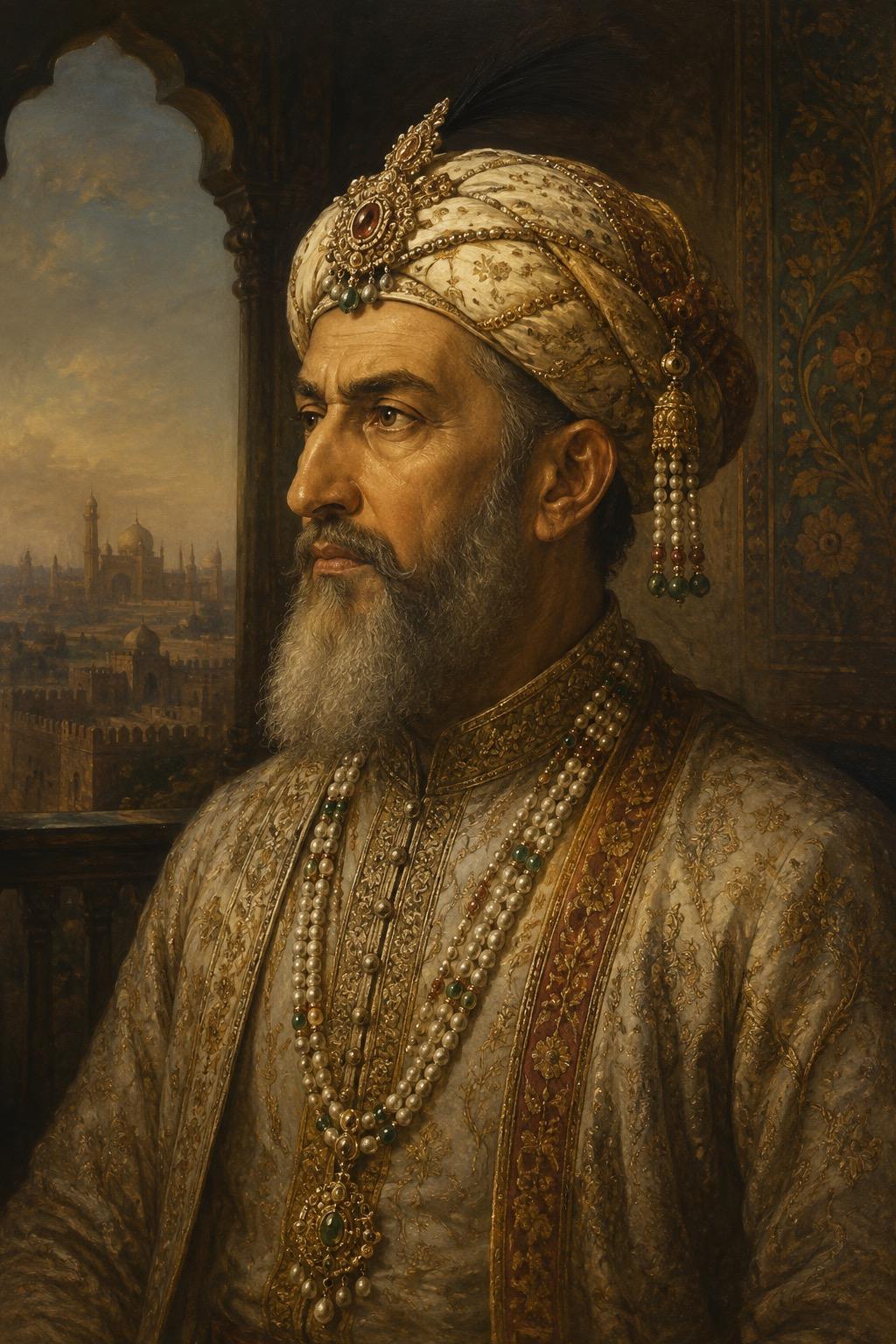
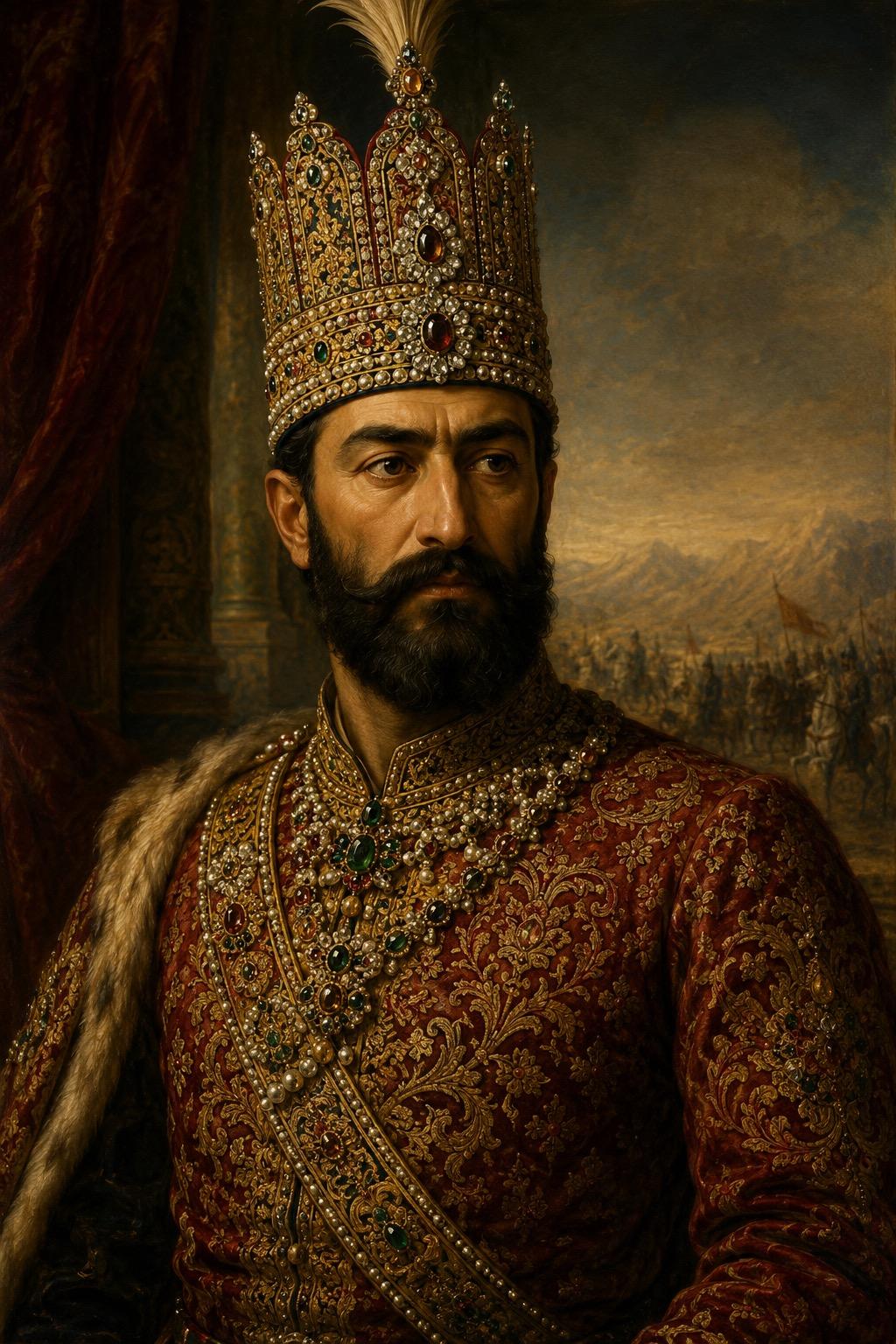
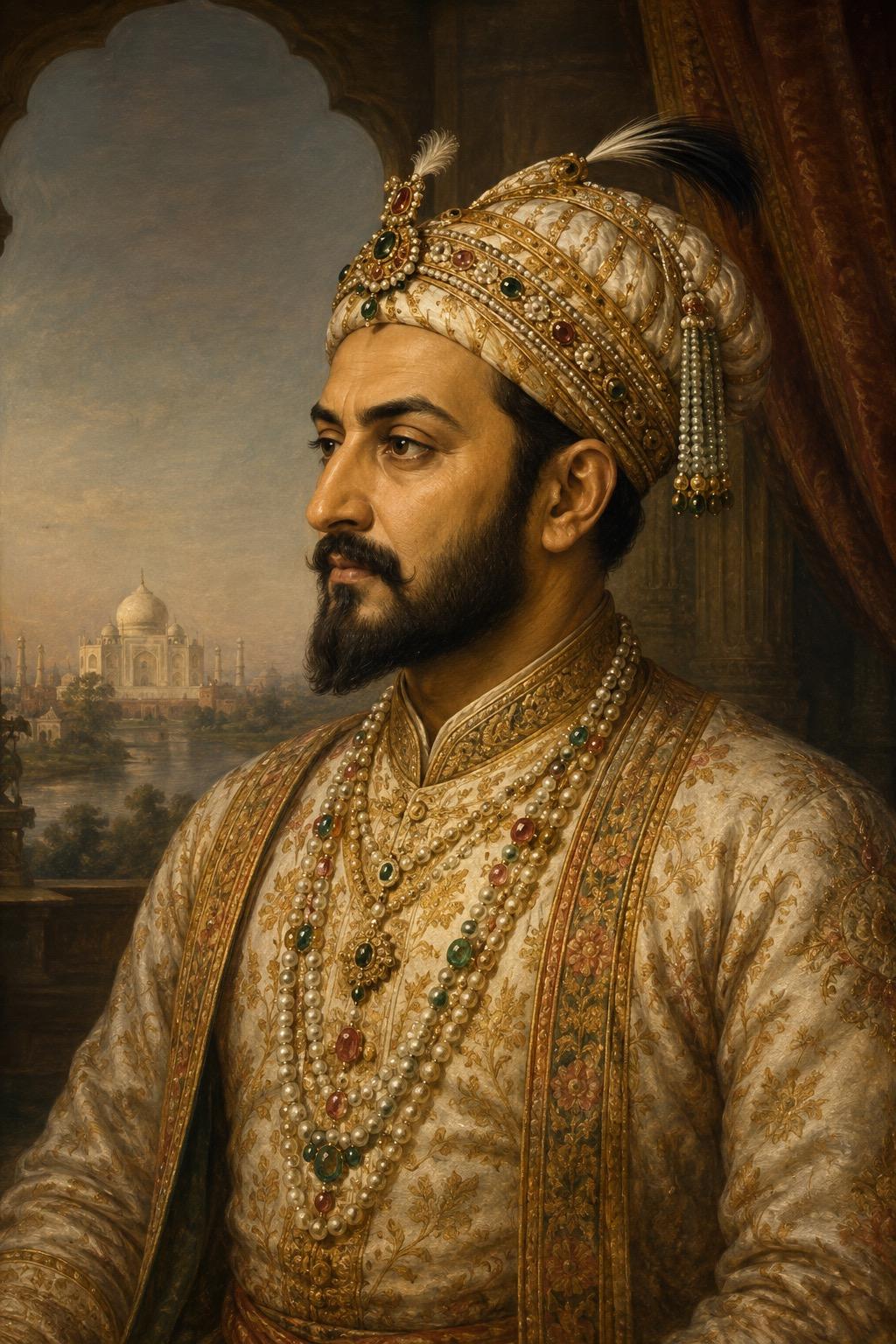
AI-generated portrait of Shah Jahan in Mughal imperial dress
AI-assisted historical reconstruction

An illustrative reconstruction based on historical context. It is not a photograph or documentary likeness. Image policy

Life Journey

Architecture, authority and imperial splendour

Follow Shah Jahan through Mughal magnificence, monumental building and dynastic crisis.

Complete chronology

1592-1628

Prince Khurram

Shah Jahan grew up in an empire already rich, expansive and ceremonially sophisticated. His path to power involved court competition and military experience. By the time he became emperor, he understood that Mughal rule depended on both command and display.
1632

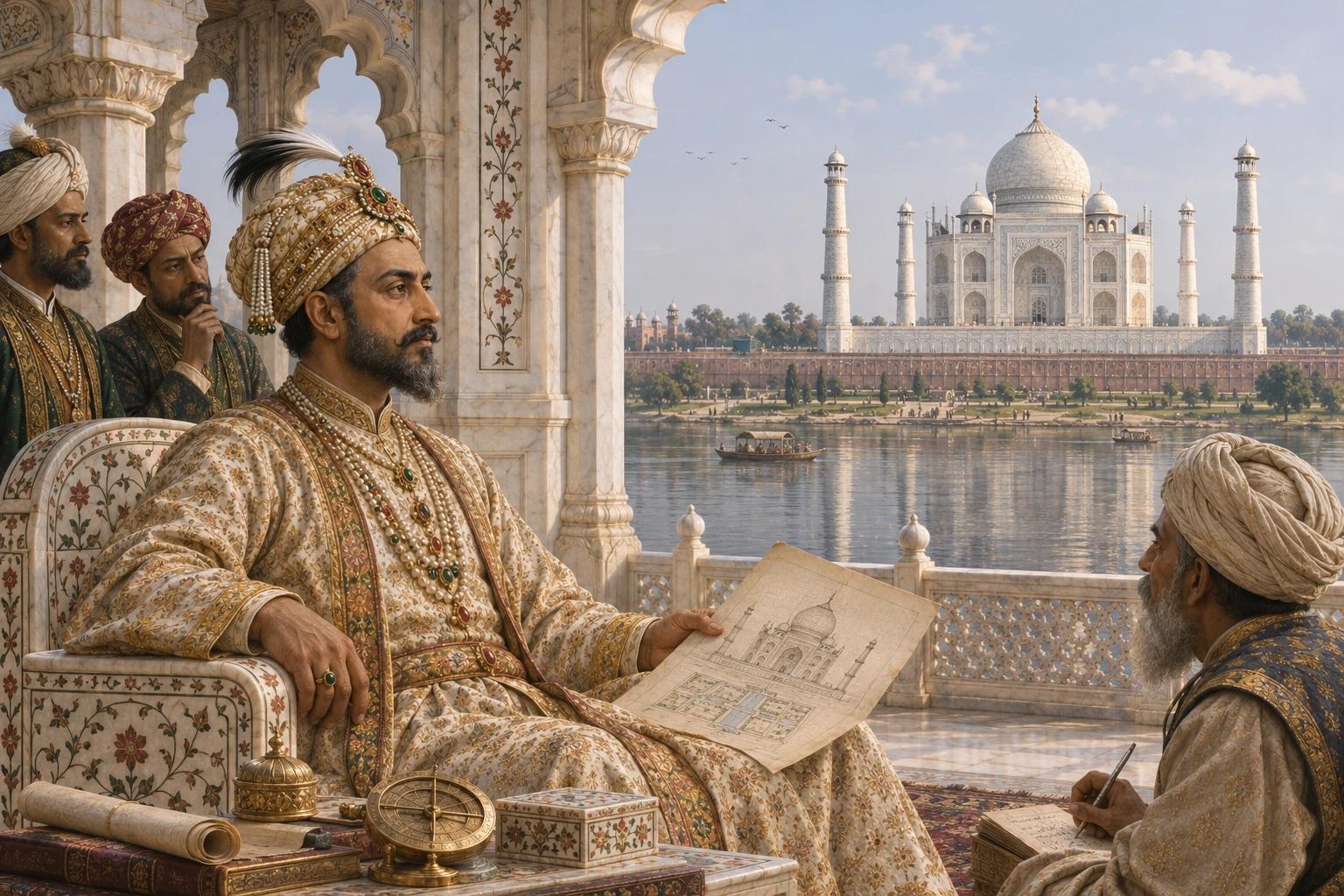
The Taj Mahal Begins

The Taj Mahal was a tomb, a work of mourning and a statement of imperial capacity. Its marble, gardens, calligraphy, labour and design expressed a world where architecture could organise memory and authority together. It made Mughal wealth visible in a form that outlasted the political system that funded it.

1630s-1640s

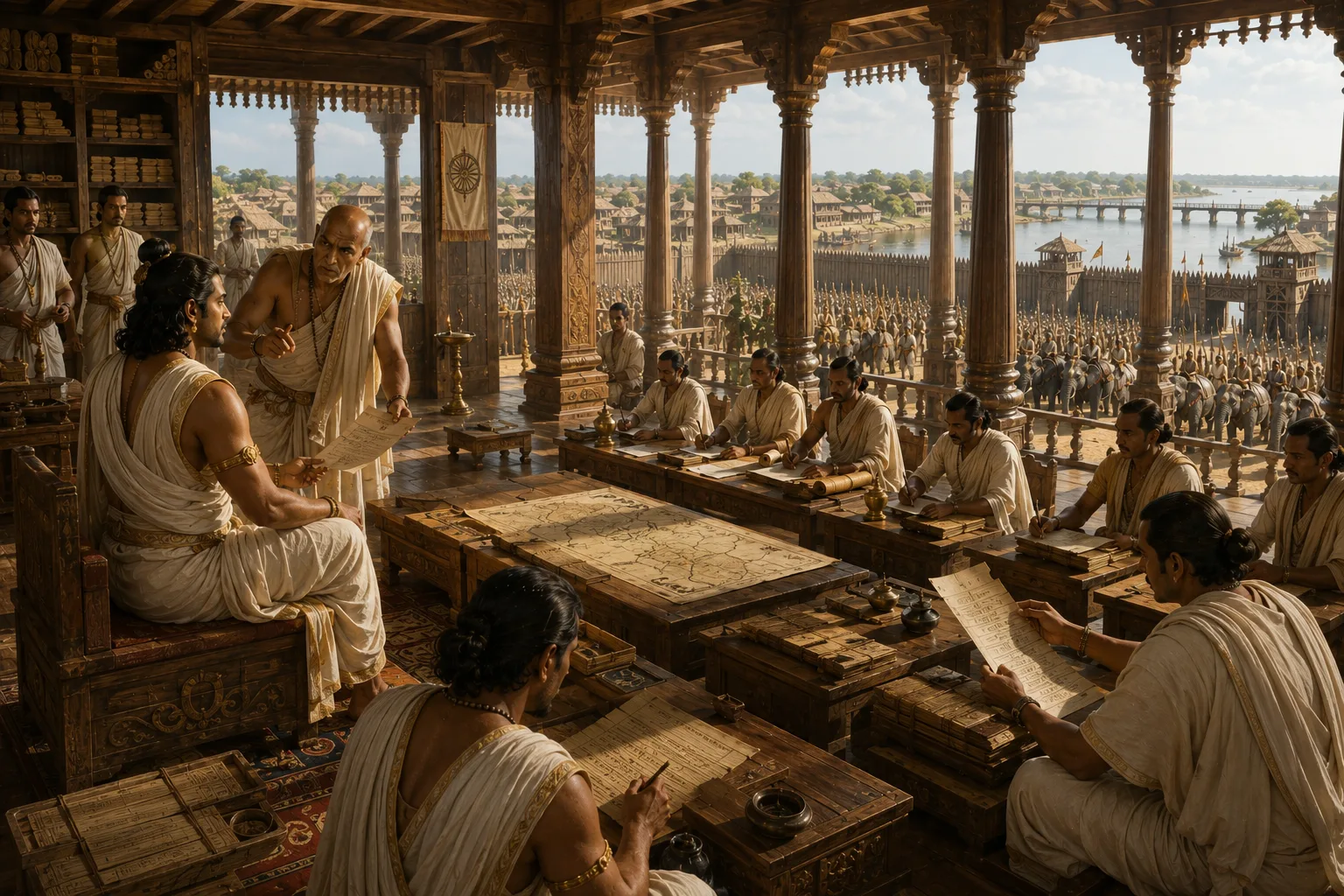
Building an Imperial World

Shah Jahan's patronage reshaped the visual language of Mughal authority. The Red Fort, the Jama Masjid and the planned imperial city of Shahjahanabad placed the emperor within an ordered urban and ceremonial landscape. Buildings were not decoration. They were tools of rule, staging obedience, wealth and hierarchy.

1657-1658

Succession War

Mughal succession had no stable rule of automatic inheritance. Shah Jahan's illness opened a violent contest among his sons, each backed by factions and military resources. Aurangzeb's victory placed Shah Jahan under confinement and redirected the empire toward a more militarised reign.

1666 onward

Splendour Remembered

Shah Jahan's legacy is inseparable from the Taj Mahal, but his reign was larger than one monument. It showed the empire's ability to mobilise labour, materials, artisans and symbolic language on an extraordinary scale. Later crises made that splendour look even more striking, because it marked a high point before the system began to strain more visibly.

Continue in context

Connected stories

Move from the profile into the wider events and settings this figure belongs to.

Keep exploring

Content note

This profile is written for educational use and connects to related Stories of History pages. The main portrait is an AI-assisted historical reconstruction, included as an illustrative aid rather than documentary evidence. Image policy

References

Sources and historical notes

Sources used to check this page, selected recommendations and historical notes.

Sources used

  1. UNESCO World Heritage Centre, “Taj Mahal,”

    Identifies Shah Jahan as the patron of the mausoleum of Mumtaz Mahal.

    Open source
  2. The Metropolitan Museum of Art, “The Art of the Mughals after 1600,”

    Places Shah Jahan’s architectural commissions and court patronage in the wider history of Mughal art.

    Open source
  3. Royal Collection Trust, “Shah Jahan’s accession ceremonies,”

    Explains a Mughal painting of the formal accession ceremony at Agra Fort.

    Open source

Additional sources and notes

Loading reviewed claim sources...

Our editorial approach · Report a historical error

A monthly route through history

Find out first about the latest published stories, feature notes and occasional Premium offers in one monthly email.