← People

Aurangzeb

Aurangzeb was Mughal emperor from 1658 to 1707. He expanded the empire into the Deccan, fought long wars and intensified political and religious tensions.

Born
1618 CE
Died
1707 CE
Role
Mughal emperor
Full name
Muhi al-Din Muhammad Aurangzeb
Also known as
Alamgir
Region
South Asia, Northern India, Deccan, Mughal Empire, Mughal India and the Deccan

Mughal emperor (1618-1707)

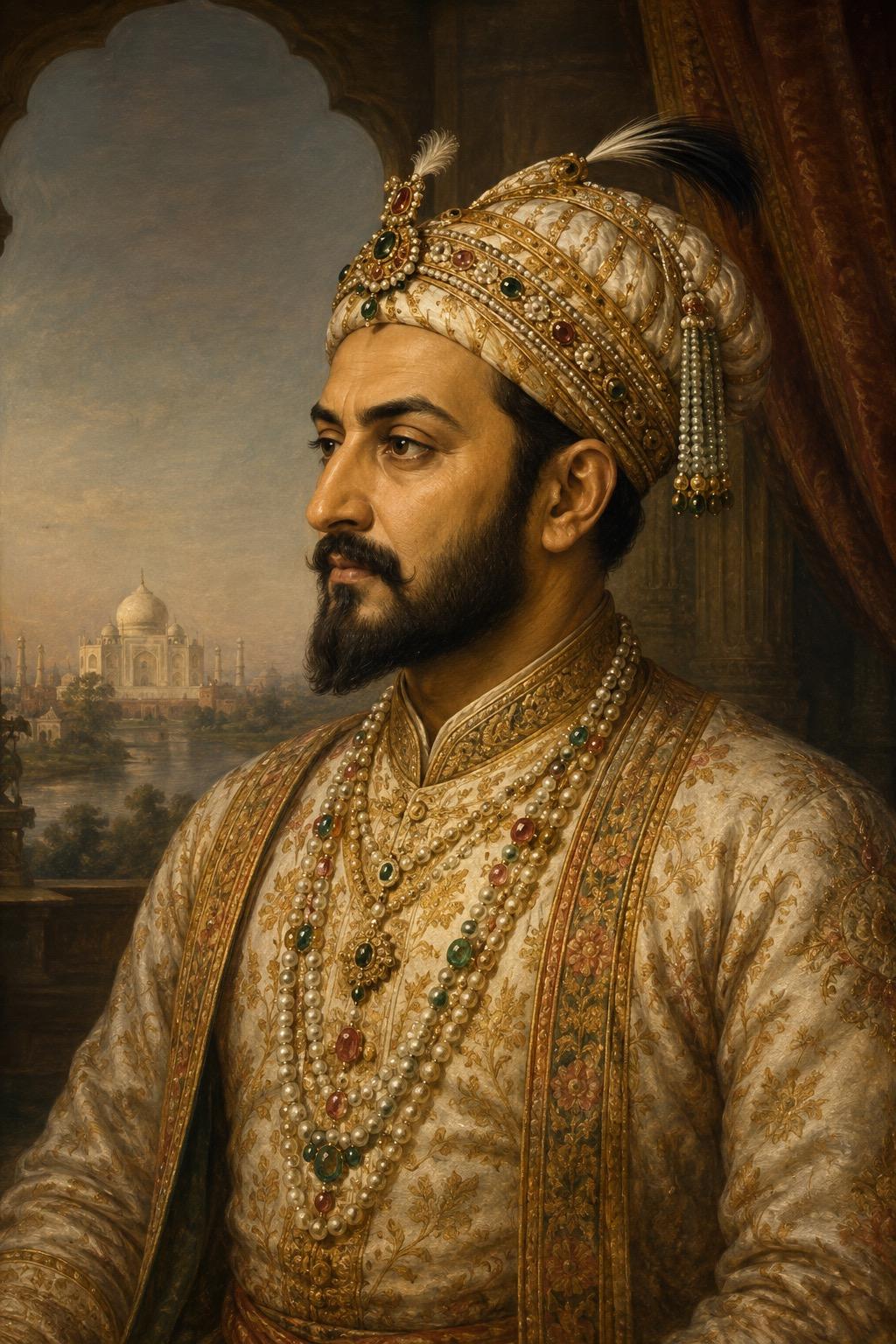
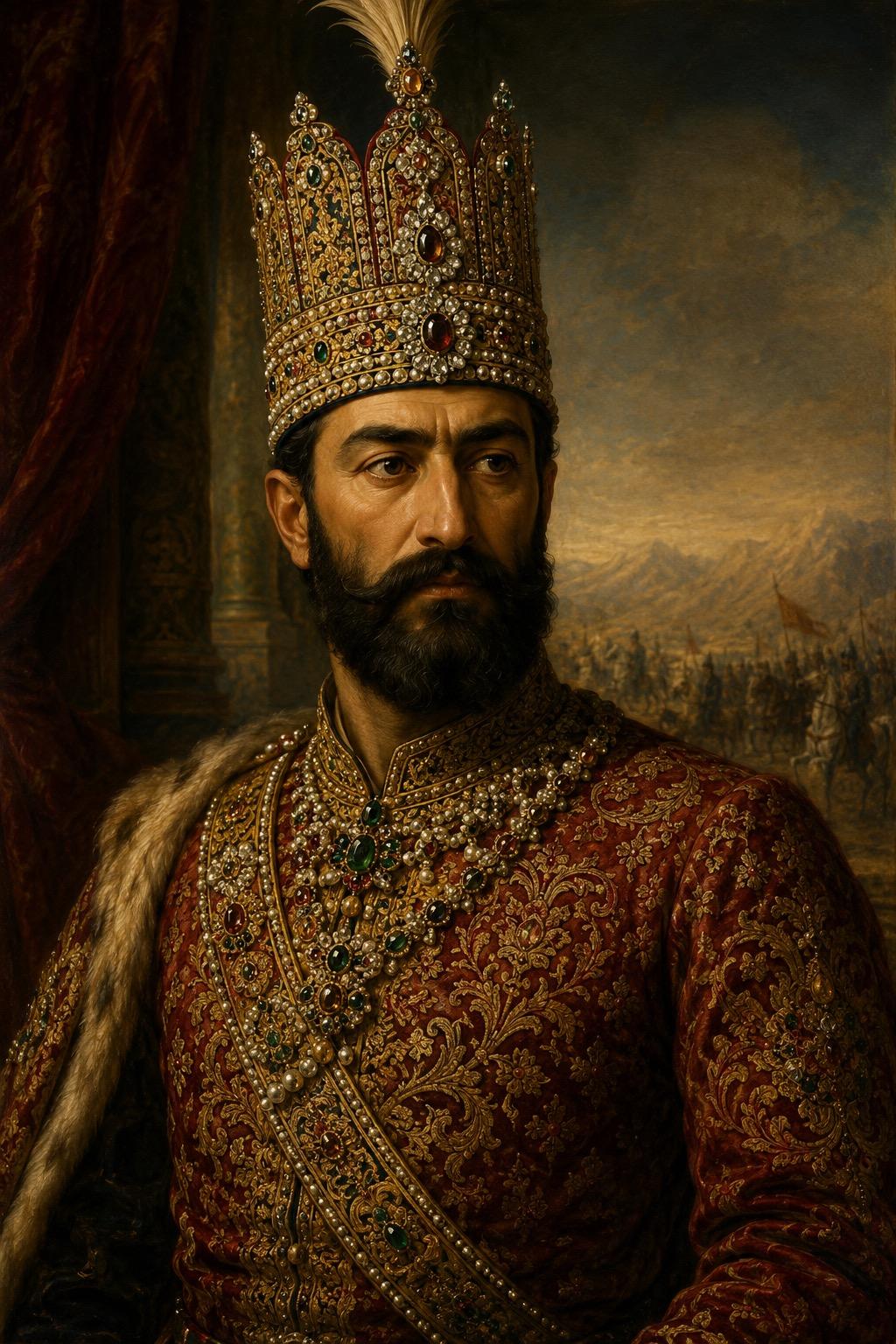
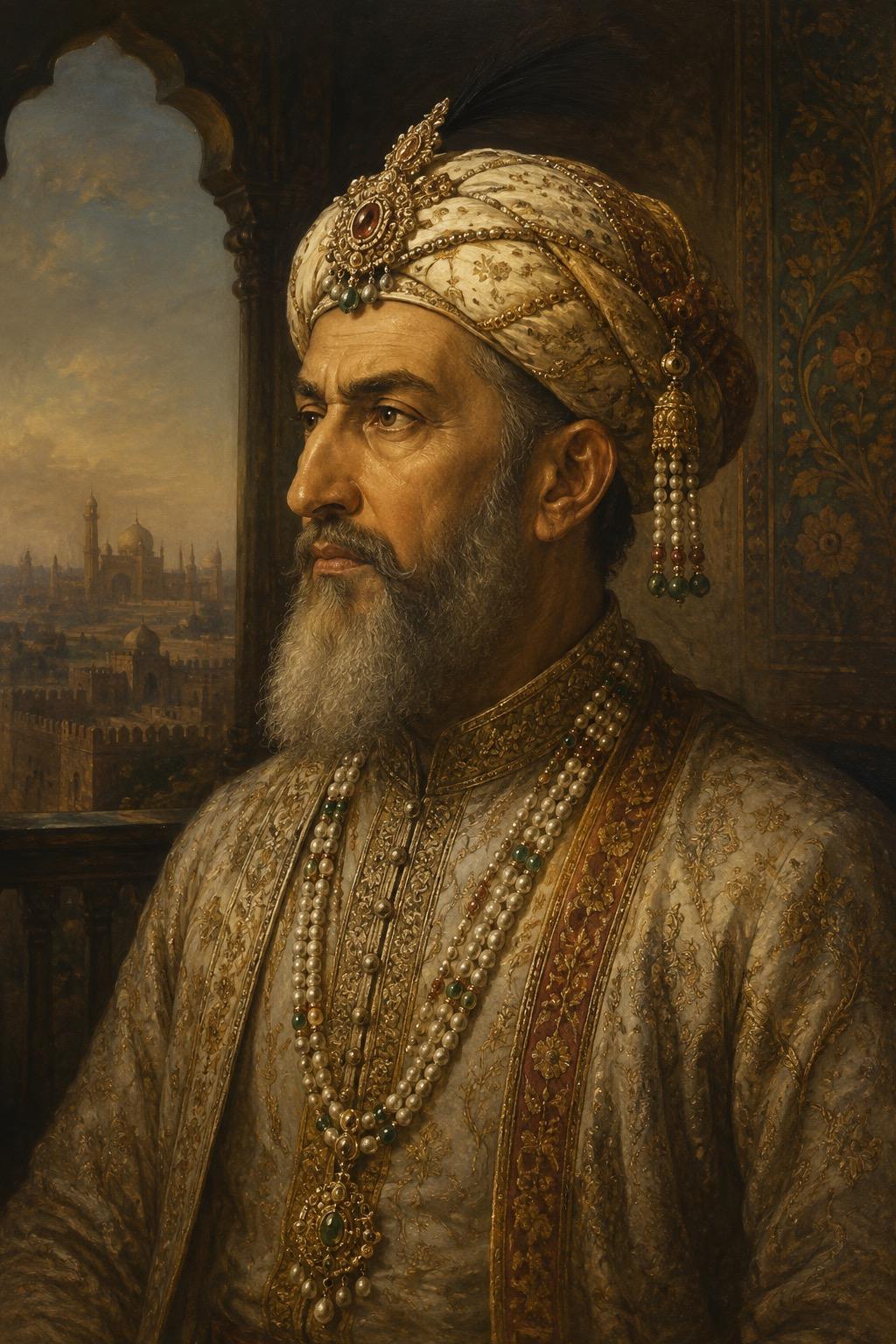
AI-generated portrait of Aurangzeb in Mughal imperial dress
AI-assisted historical reconstruction

An illustrative reconstruction based on historical context. It is not a photograph or documentary likeness. Image policy

Life Journey

Expansion, orthodoxy and imperial overreach

Follow Aurangzeb through succession war, Deccan conquest and the tensions of late Mughal rule.

Complete chronology

1618-1657

Prince and Commander

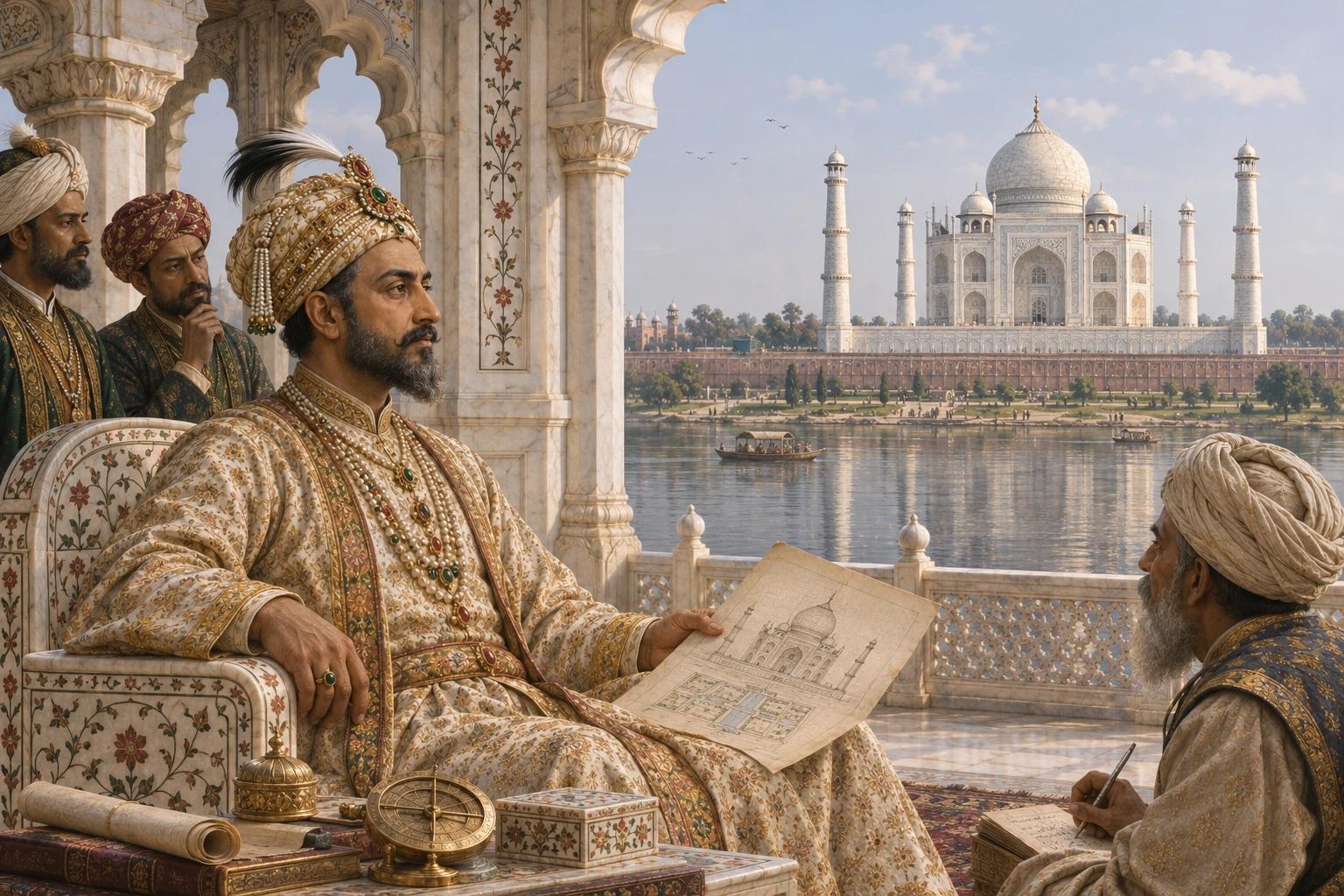
Aurangzeb's early career prepared him for a hard, practical view of rule. He served in the Deccan and other provinces, learning the demands of campaigning, revenue and elite management. His politics were shaped by ambition, discipline and a stronger commitment to Islamic orthodoxy than many earlier Mughal rulers had displayed.
1658

Winning the Throne

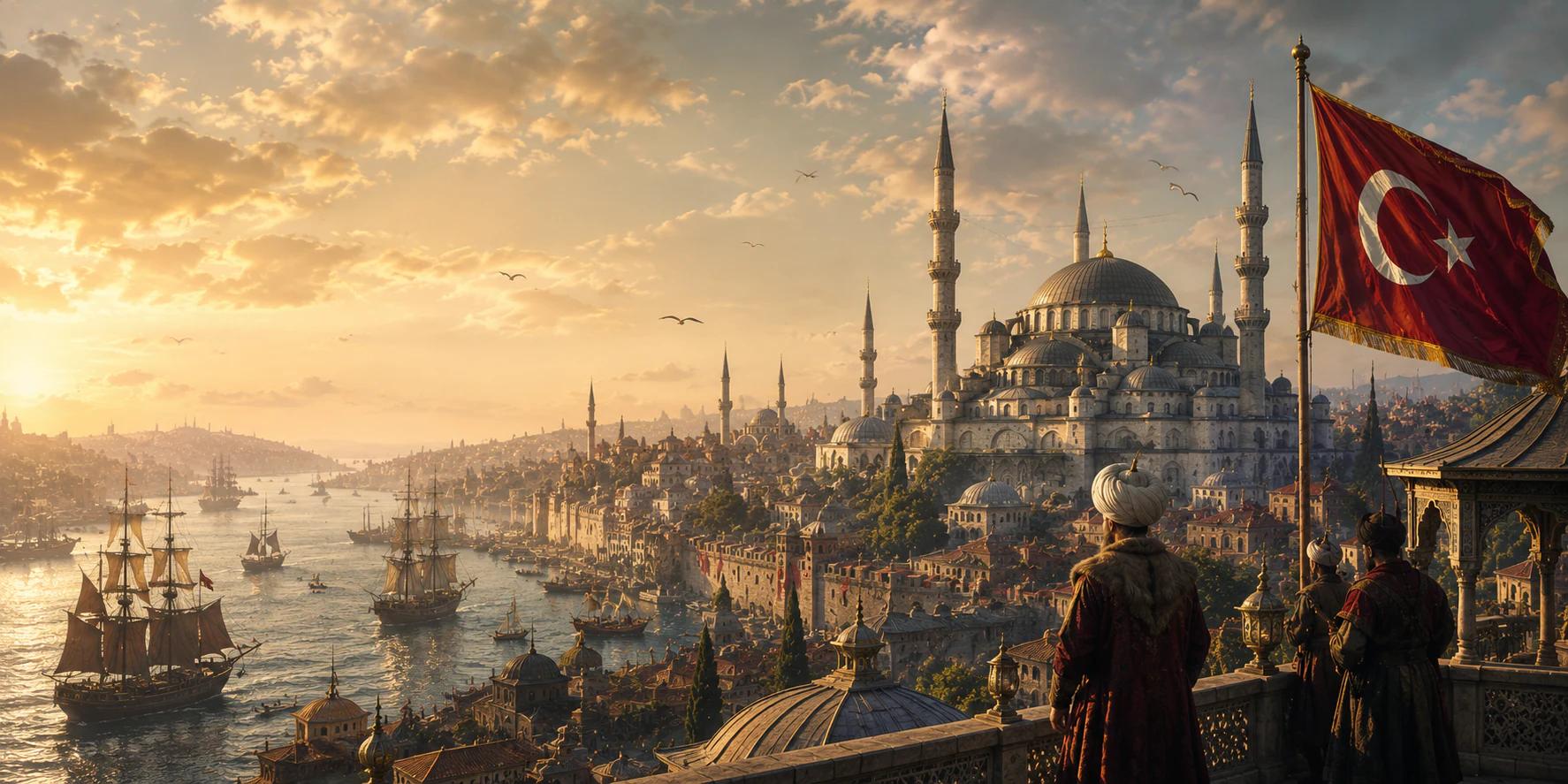
The Mughal throne was won, not simply inherited. Aurangzeb's victory over his brothers showed his military and political skill, but it also revealed the dynasty's structural weakness: every uncertain succession could become civil war. His rule began in triumph and family rupture.

1660s-1680s

Orthodox Rule

Aurangzeb did not govern a simple story of intolerance, but his religious policies mattered politically. Measures such as the reimposition of the jizya and stricter courtly norms narrowed the language of imperial legitimacy. For supporters, this could look like moral correction. For opponents, it made Mughal rule feel less inclusive.

1686-1687

Conquest of the Deccan

The fall of the Deccan sultanates expanded the map, but expansion came at enormous cost. Campaigns required money, troops, supply lines and constant attention from the emperor. The Marathas continued resisting in ways that made control harder than conquest. The empire grew larger while becoming more difficult to govern.

1707 onward

A Strained Legacy

Aurangzeb's death opened another succession struggle and exposed the cost of decades of war. The empire remained rich and symbolically powerful, but fiscal pressure, regional autonomy and military exhaustion weakened central authority. Later Mughal decline cannot be reduced to Aurangzeb alone, but his reign sharpened many tensions that successors struggled to contain.

Continue in context

Connected stories

Move from the profile into the wider events and settings this figure belongs to.

Keep exploring

Content note

This profile is written for educational use and connects to related Stories of History pages. The main portrait is an AI-assisted historical reconstruction, included as an illustrative aid rather than documentary evidence. Image policy

References

Sources and historical notes

Sources used to check this page, selected recommendations and historical notes.

Sources used

  1. Cambridge University Press, “Imperial Expansion under Aurangzeb, 1658–1689,”

    Examines the political and military expansion of the Mughal Empire under Aurangzeb.

    Open source
  2. The Metropolitan Museum of Art, “The Art of the Mughals after 1600,”

    Sets Aurangzeb’s accession and approach to court patronage alongside those of his predecessors.

    Open source
  3. British Library, “Aurangzeb portrait (Johnson 2,2),”

    Catalogues a Mughal portrait associated with Aurangzeb.

    Open source

Additional sources and notes

Loading reviewed claim sources...

Our editorial approach · Report a historical error

A monthly route through history

Find out first about the latest published stories, feature notes and occasional Premium offers in one monthly email.