← People

Sher Shah Suri

Sher Shah Suri was the Afghan founder of the Sur Empire. He defeated Humayun in 1540 and is remembered for administrative, revenue, currency and road reforms.

Born
c. 1486 CE
Died
1545 CE
Role
Emperor of North India
Also known as
Farid Khan, Sher Khan
Region
South Asia, Northern India, Bihar, Delhi

Founder of the Sur Empire (c. 1486-1545)

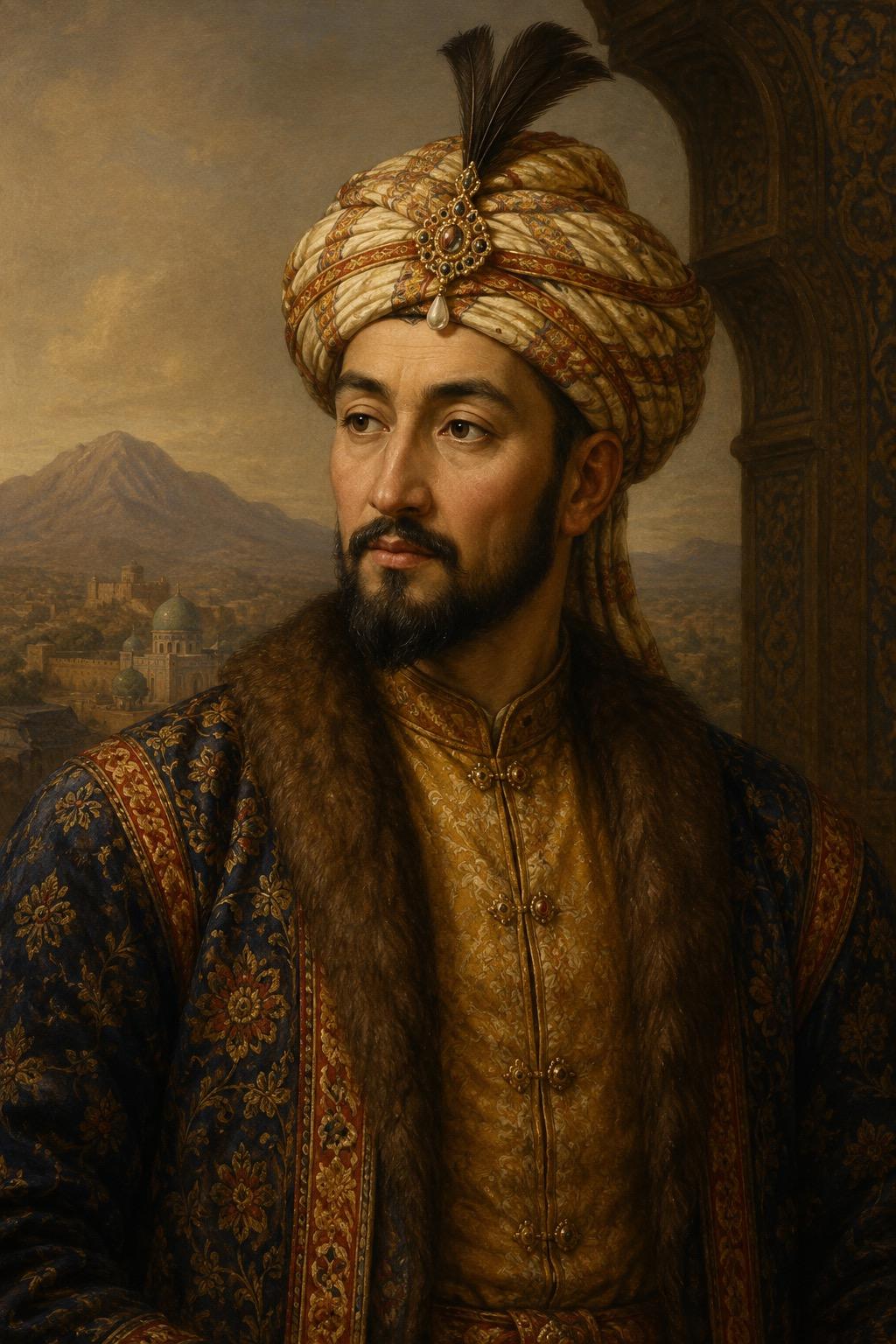
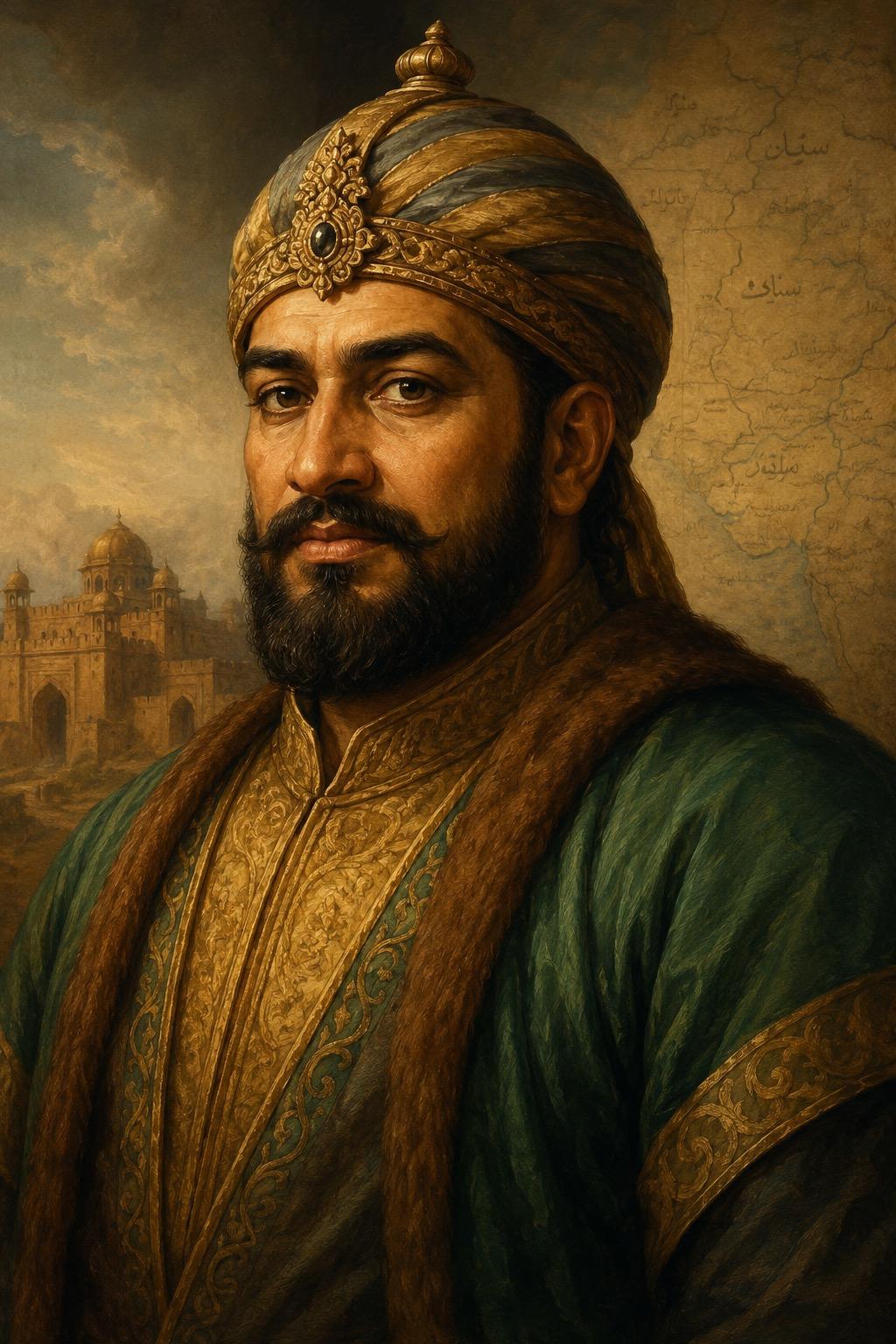
AI-generated portrait of Sher Shah Suri in Afghan imperial dress
AI-assisted historical reconstruction

An illustrative reconstruction based on historical context. It is not a photograph or documentary likeness. Image policy

Life Journey

Rival ruler, reformer and Mughal interruption

Follow Sher Shah Suri from Afghan power broker to ruler whose reforms outlived his dynasty.

Complete chronology

Early 1500s

Afghan Rise

Sher Shah's rise came from the world of Afghan chiefs, regional service and shifting loyalties after the Delhi Sultanate weakened. He understood local revenue, fortresses and cavalry warfare before he challenged the Mughals directly. That practical base made him more than a rebel against Humayun.
1539-1540

Defeating Humayun

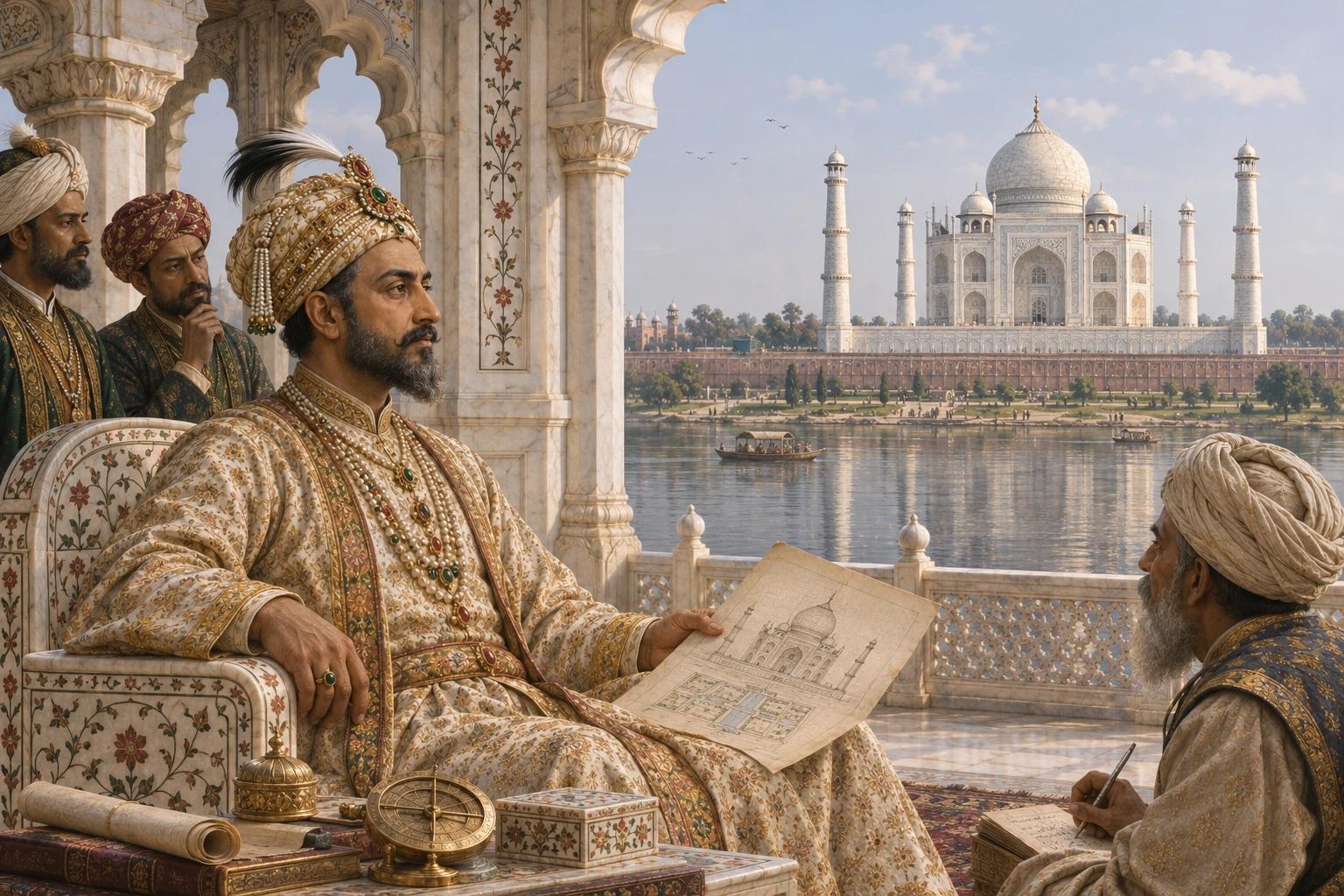
Humayun's defeat showed how fragile early Mughal authority remained. Sher Shah exploited Mughal division and Afghan military strength, then took control of Delhi. The victory interrupted the Mughal story and proved that Babur's conquest had not settled the future of northern India.

1540-1545

Sur Empire

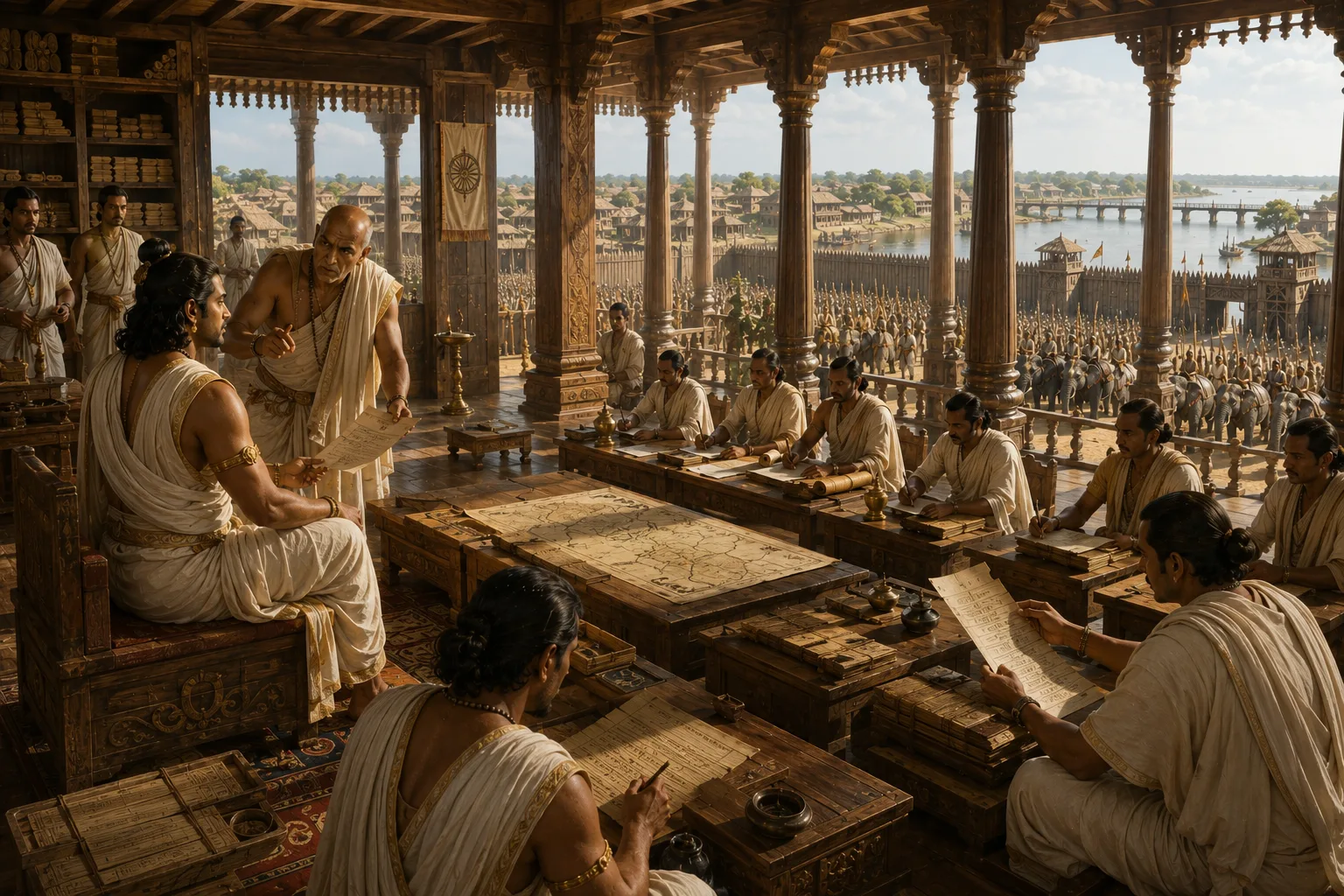
Sher Shah's reign was brief, yet it was not merely a military interruption. He tried to make rule predictable through administration, roads, forts and revenue practices. His government showed how northern India's wealth could be organised by a ruler with discipline and practical statecraft.

1540s

Reform and Roads

Later memory credited Sher Shah with strengthening land revenue assessment, improving communications and supporting trade through roads and rest houses. Not every later claim can be separated neatly from legend, but the broad point matters: the Sur administration offered models of order that Mughal rulers could learn from after their return.

1545 onward

A Brief Dynasty

Sher Shah's death revealed the limits of a system still bound to a powerful founder. The Sur Empire fractured under successors, allowing Humayun to return and the Mughals to recover Delhi. Yet Sher Shah's legacy survived the dynasty because his reforms became part of the political memory of good government.

Continue in context

Connected stories

Move from the profile into the wider events and settings this figure belongs to.

Keep exploring

Content note

This profile is written for educational use and connects to related Stories of History pages. The main portrait is an AI-assisted historical reconstruction, included as an illustrative aid rather than documentary evidence. Image policy

References

Sources and historical notes

Sources used to check this page, selected recommendations and historical notes.

Sources used

  1. Banglapedia, “Rule of Afghans,”

    Covers Sher Shah’s rise in eastern India and the establishment of Sur rule.

    Open source
  2. National Institute of Open Schooling, “Establishment of the Mughal Rule,”

    Summarises Sher Shah’s defeat of Humayun and his administration and reforms.

    Open source
  3. State Bank Museum & Art Gallery, via Google Arts & Culture, “Sher Shah Suri Coins,”

    Shows coins issued during Sher Shah’s reign as material evidence of Sur rule.

    Open source

Additional sources and notes

Loading reviewed claim sources...

Our editorial approach · Report a historical error

A monthly route through history

Find out first about the latest published stories, feature notes and occasional Premium offers in one monthly email.