← People

Bairam Khan

Bairam Khan: A Turkmen commander, diplomat and literary patron, Bairam Khan helped restore Humayun and preserve Akbar’s throne before losing the regency he had made indispensable.

Died
1561 CE
Role
Mughal commander and regent
Full name
Muhammad Bairam Khan
Also known as
Bayram Khan
Region
South Asia, Mughal India

Mughal commander and regent

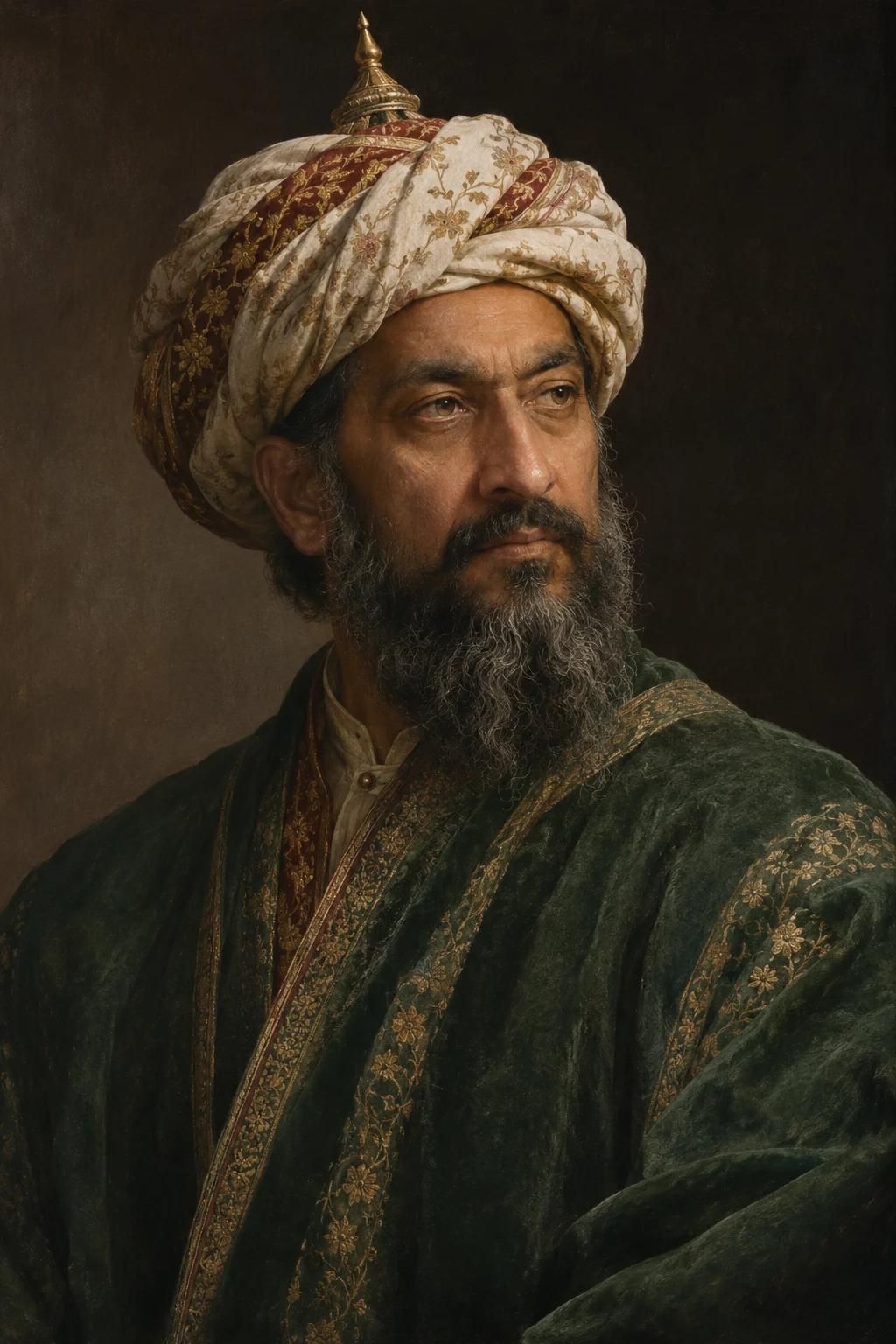
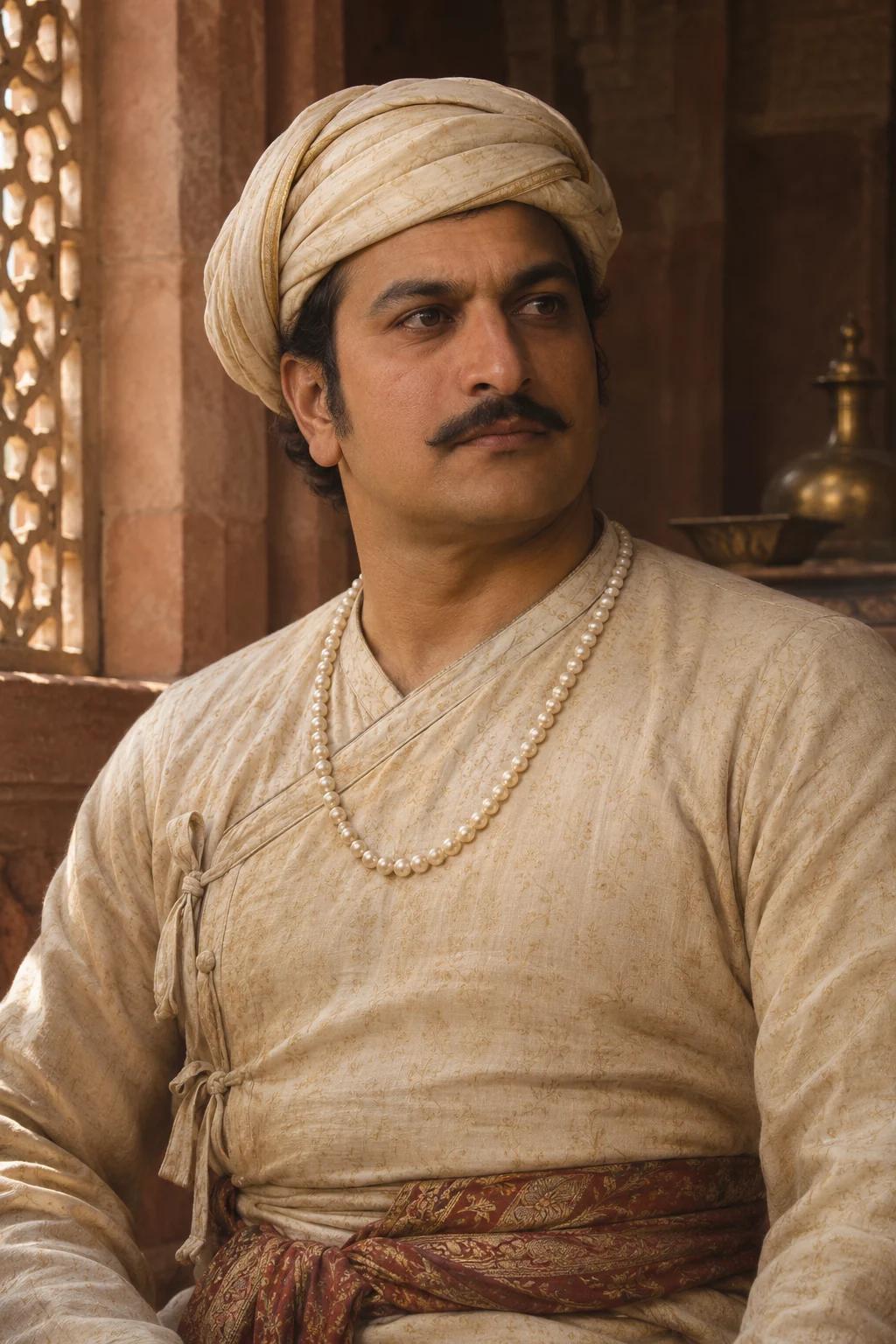
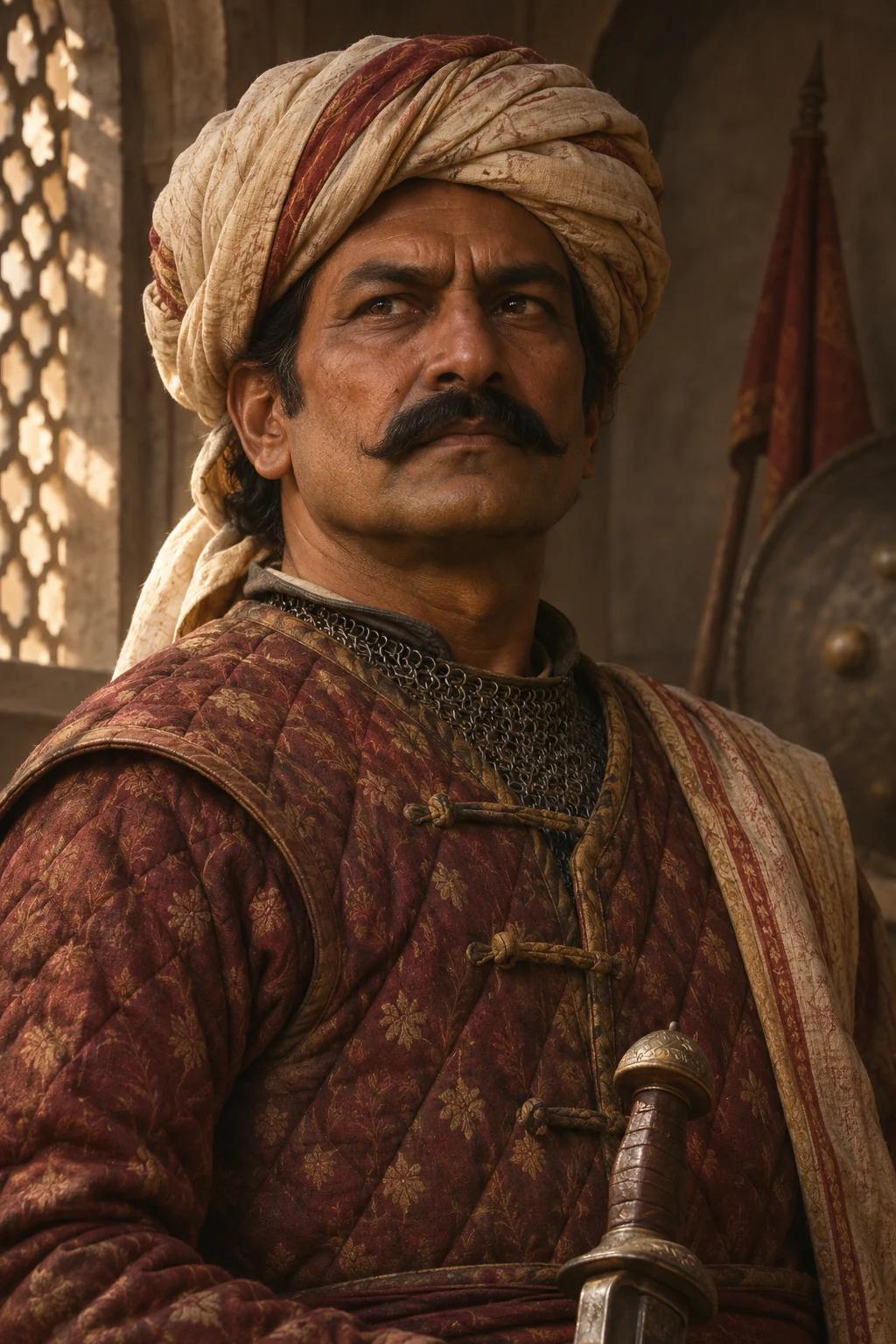
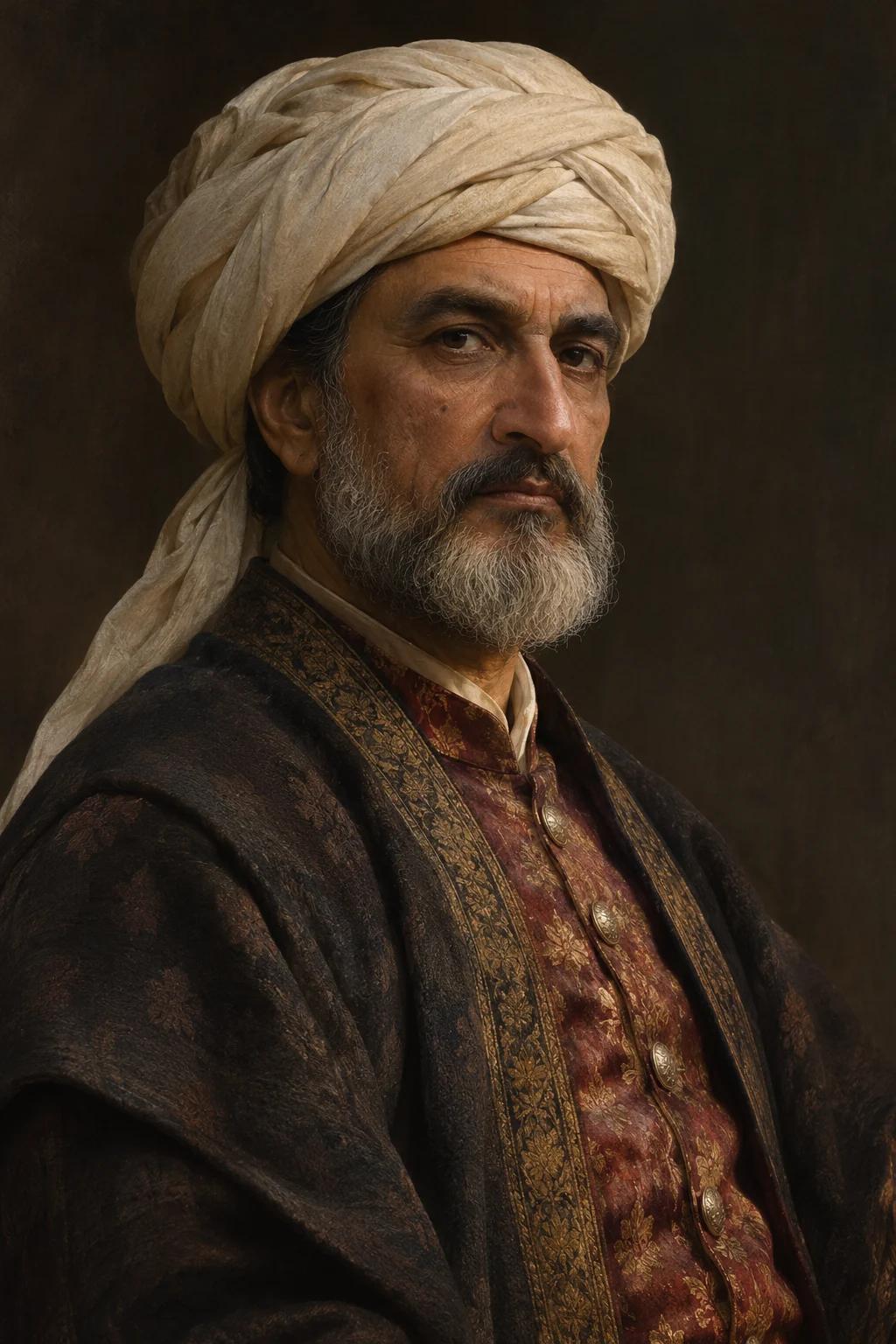
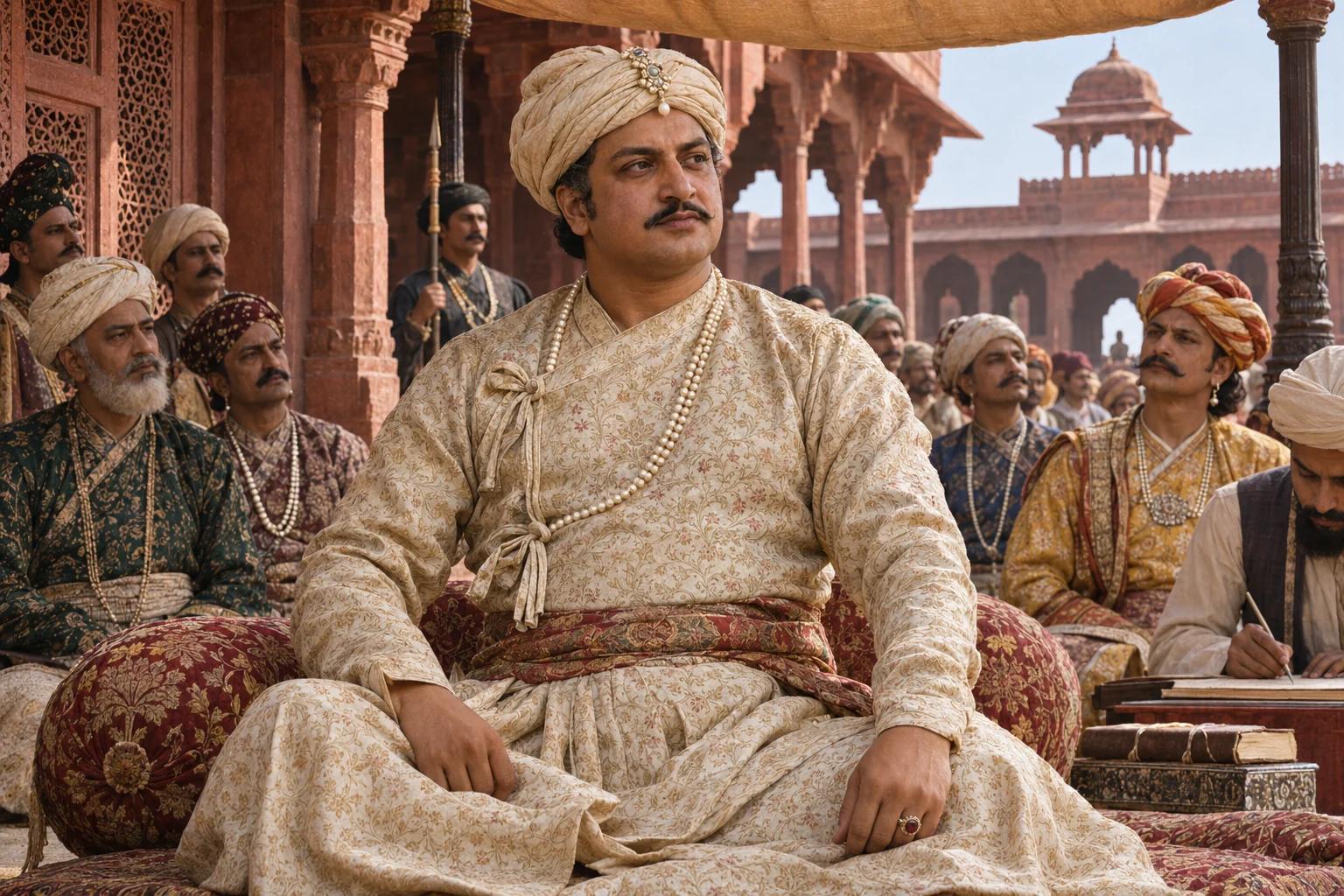
Illustrative reconstructed portrait of Bairam Khan in period clothing; an approximate likeness.
AI-assisted historical reconstruction

An illustrative reconstruction based on historical context. It is not a photograph or documentary likeness. Image policy Attribution

Life Journey

The servant who held a dynasty together

Follow Bairam Khan through nine stages of a distinct historical life.

Complete chronology

Early sixteenth century

A Turkmen inheritance

Bairam belonged to the Baharlu group associated with the Qara Qoyunlu. His family's movements brought it into the orbit of the Timurids in Afghanistan and Central Asia. Accounts differ over his birth year, so a precise date should not be presented as settled. His later career joined military command, diplomacy, poetry and patronage. Describing him only as Akbar's temporary guardian leaves most of that background out of view.
1520s–1530s

Entering Humayun's service

The development of Bairam's standing depended on his relationship with Humayun before Akbar's accession. A noble's influence rested on demonstrated service, connections and the ruler's confidence. He participated in the military world created by Babur's conquests and inherited by Humayun. The later importance of his regency should not obscure the decades through which he acquired knowledge of commanders, courts and the practical difficulties of maintaining a ruling coalition.

1540–1543

Following a defeated emperor

Service in defeat tested relationships differently from service at a prosperous court. Humayun's uncertain movements through Sindh required allies who could help negotiate passage, protection and support. Bairam's role in the displaced entourage helped establish the trust underlying his later authority. Loyalty had material consequences: the recovery of Mughal power would reward those who had assisted it, while failure might leave them without a secure political home.

1544–1545

Negotiating Safavid support

Bairam's Iranian and Turkmen connections mattered in a court whose military aid came with expectations. Religious affiliations and political loyalties did not line up neatly with modern national identities. The Safavids and Mughals could cooperate while disputing Kandahar and the meaning of submission. Bairam was one of the men who translated a defeated claimant's prestige into practical assistance. His diplomacy belongs beside battlefield leadership in explaining the restoration.

1555

Winning the way back

The fragmented Sur succession provided an opening, but armies still had to be assembled and led. Bairam helped defeat Sikandar Sur's forces and strengthen the position of the returning dynasty. Restoration gave him more than a reputation as an experienced officer: it made him a central guarantor of the political recovery. When Humayun died soon afterwards, that accumulated authority made Bairam an indispensable guardian for the young successor.

1556

Regent in a year of danger

A regent had to keep commanders together while acting in the name of a ruler who could not yet exercise every function personally. Hemu's conquest of Delhi made retreat seem possible, but Bairam maintained the advance. Accounts differ over whether Akbar struck the captive Hemu; Abu'l Fazl gives Bairam the execution after a refusal by the emperor. The episode should be reported as disputed evidence, without turning either man into the subject of a fabricated scene of dialogue.

1556–1559

Authority creates enemies

The regency stabilised a dynasty while concentrating rewards in particular networks. Rivalries among older nobles, members of the household and newly promoted servants could become opposition to Bairam himself. His religious background contributed to tensions but cannot explain every grievance. As Akbar grew older, the practical need for a guardian increasingly conflicted with the emperor's claim to command. A structure that had protected the throne began to constrain its occupant.

1560

Dismissal, resistance and pardon

The dismissal was followed by a complicated sequence of movement, pressure and armed opposition. Bairam sought to preserve standing in a political world where retirement did not guarantee security. Akbar's victory and pardon allowed an honourable departure without returning control of the government. Later court writing presents the emperor's conduct as a display of magnanimity. That interpretation should be distinguished from the securely established sequence of events.

1561 and beyond

Murder on the road

Bairam's killing was separate from Akbar's dismissal and pardon. Abu'l Fazl identifies the assailant's family grievance and describes the danger faced by the surviving household. Akbar subsequently took the young Abd al-Rahim into his protection. Bairam's legacy therefore continued within the court that had removed him. The restoration owed much to his service, even though the state he helped preserve could not accommodate his continuing supremacy once Akbar determined to rule in person.

Continue in context

Connected stories

Move from the profile into the wider events and settings this figure belongs to.

Keep exploring

Content note

This profile is written for educational use and connects to related Stories of History pages. The main portrait is an AI-assisted historical reconstruction, included as an illustrative aid rather than documentary evidence. Image policy Image attribution

References

Sources & Further Reading

Reliable reference works, archives and reading paths connected to this profile.

Sources used

  1. Noorul Hasan Ansari / Encyclopaedia Iranica, “Bayram Khan,” accessed 11 November 2026.

    Turkmen background, diplomatic and literary career; chapter 3 and Bairam profile. Some converted dates in the opening paragraph are typographical errors and are not used.

    Open source

Further reading

  1. Encyclopaedia Britannica, “Search results for Bairam Khan,” accessed June 2026.Open source
  2. WorldCat, “Books and library holdings for Bairam Khan,” accessed June 2026.Open source

Primary sources

  1. Abu'l Fazl / Packard Humanities Institute, “Akbarnama, volume II, translated by H. Beveridge,” accessed 11 November 2026.

    Consulted accession, Hemu and Panipat, Bairam Khan, Amber and Chittor passages; chapters 1–4. Imperial narrative written later; hostile descriptions of opponents are not adopted.

    Open source
  2. Library of Congress, “Search results for Bairam Khan,” accessed June 2026.Open source

Image references

  1. James Bennett / Art Gallery of South Australia, “Curator's Insight — Akbar enthroned,” accessed 11 November 2026.

    Lifetime representation and reception of Abd al-Rahim: clothing and approximate likeness reference. Museum interpretation does not certify every reconstructed visual detail.

    Open source

Reviewed claim sources

Loading reviewed claim sources...

A monthly route through history

Find out first about the latest published stories, feature notes and occasional Premium offers in one monthly email.

If you are under the age of 18, please ensure you have the permission of your parent or guardian before subscribing.