← People

Hemu

Hemu: Rising through Sur service, Hemu became a formidable commander, took Delhi and claimed royal authority before his defeat, capture and execution after Panipat in 1556.

Died
1556 CE
Role
Commander and claimant to kingship
Also known as
Hem Chandra, Hemu Vikramaditya
Region
South Asia, Mughal India

Commander and claimant to kingship

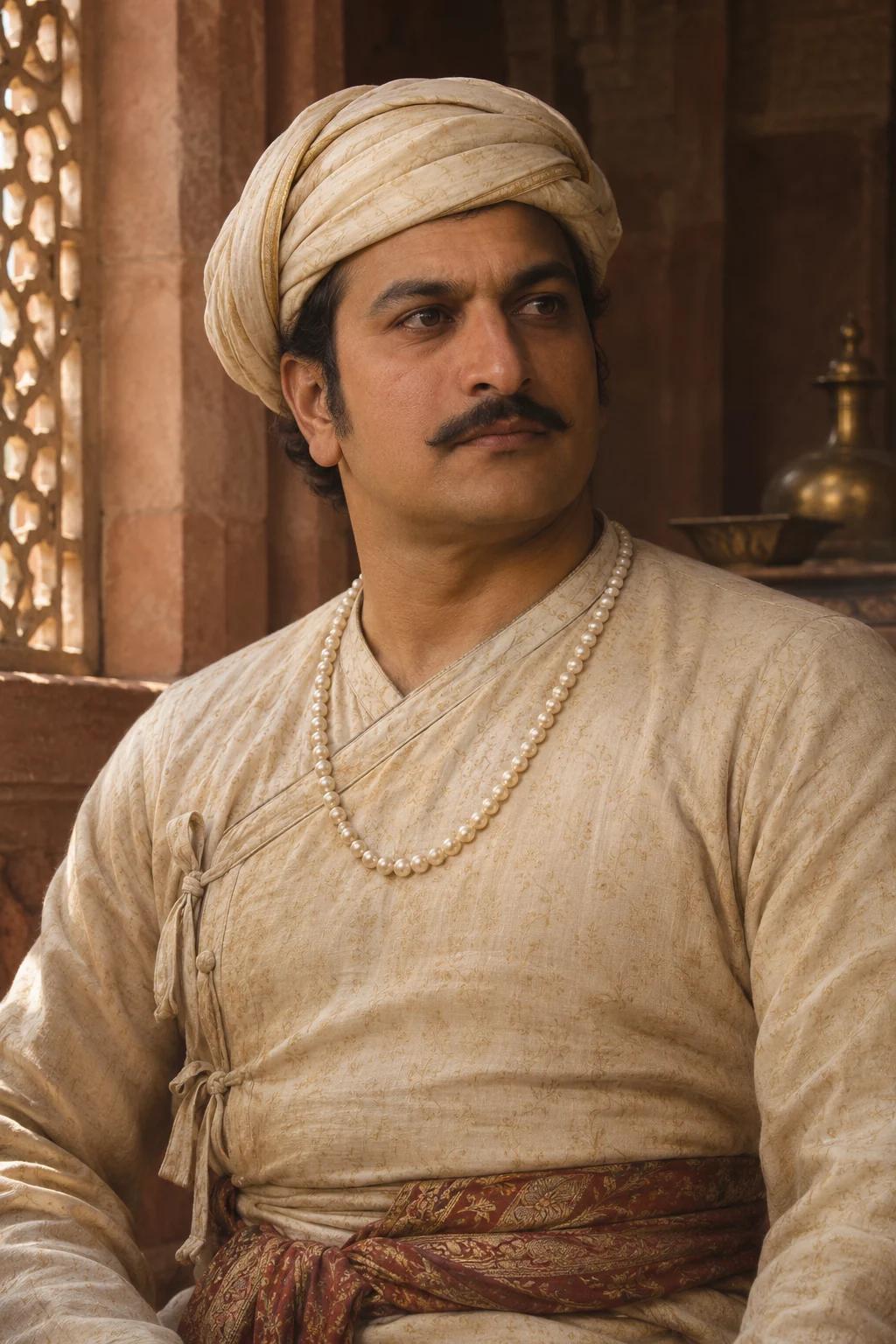
Illustrative reconstructed portrait of Hemu in period clothing; an approximate likeness.
AI-assisted historical reconstruction

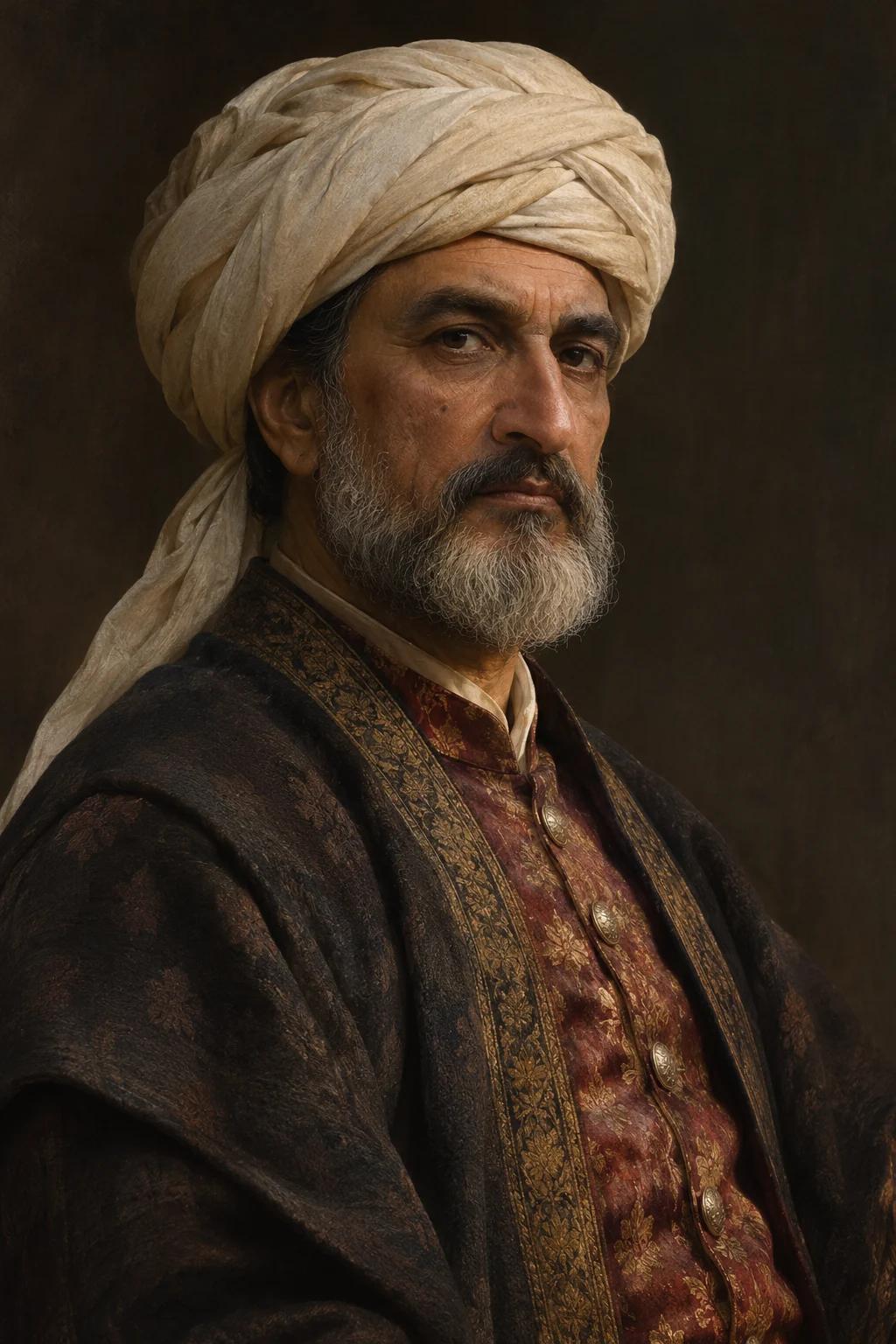
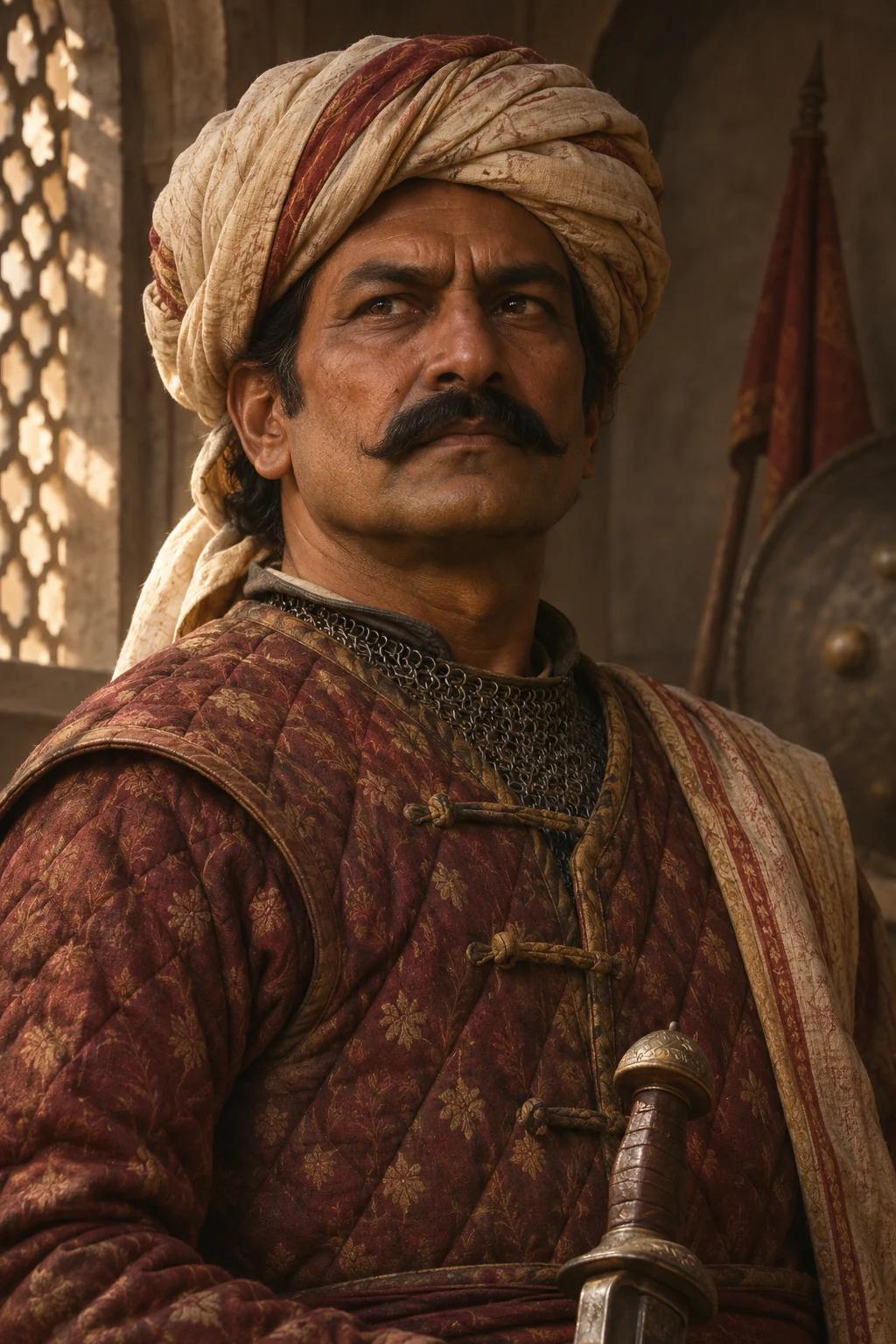
An illustrative reconstruction based on historical context. It is not a photograph or documentary likeness. Image policy Attribution

Life Journey

From imperial service to a bid for kingship

Follow Hemu through nine stages of a distinct historical life.

Complete chronology

Before the 1540s

Origins beyond the court's approval

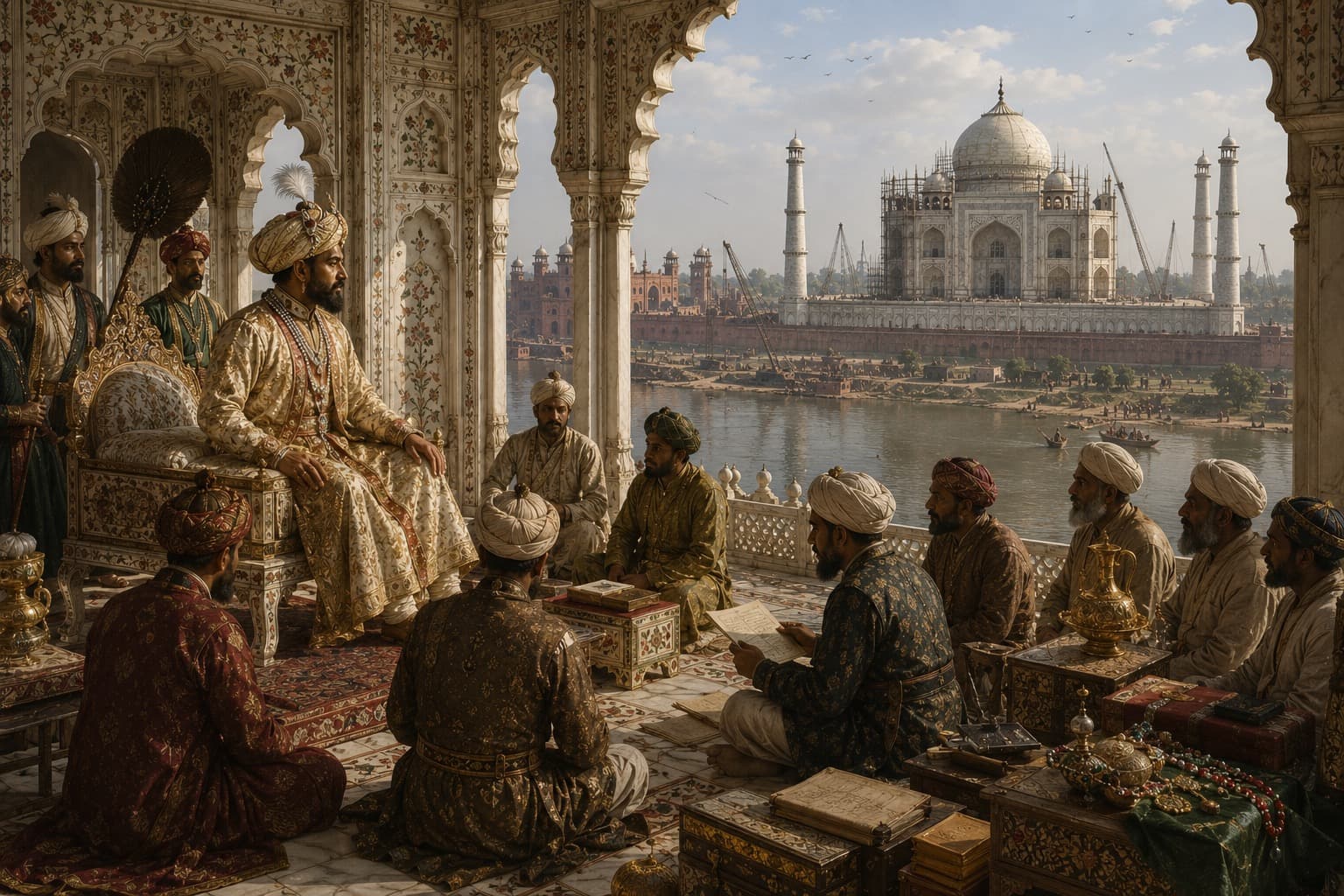
Much of the surviving narrative was written by men attached to the dynasty that defeated him. Their descriptions of humble occupation could be used to discredit a rival whose rise challenged assumptions about birth and status. A precise birth year or reconstructed childhood cannot be established from that rhetoric. What can be recognised is the exceptional scale of the career that followed. His origins should be treated as a problem of evidence, not an invitation to repeat an opponent's social contempt.
1540s

The world of the Sur state

The Sur rulers governed a large and politically varied realm. Armies needed supplies, money, transport and information as well as hereditary commanders. Those demands could create opportunities for able servants without royal ancestry. Later accounts associate Hemu with market and supply responsibilities before higher office. Their precise sequence is less secure than his eventual prominence. He belongs within the history of Sur government, not only in the final battle against Akbar.

1545–1553

Advancement under Islam Shah

Islam Shah sought to maintain the dynasty's authority over powerful Afghan nobles. A capable servant could acquire influence through tasks linking information, administration and the needs of the ruler. Hemu's advancement in this setting helps explain why he was available for higher command after the succession crisis. It does not establish every later anecdote about his offices. The surviving evidence supports a rise through service more securely than it supports a complete year-by-year career record.

1553–1555

Command amid a fractured succession

The dynasty's fragmentation created space for a commander who could win battles and control resources. Hemu served Adil Shah in a struggle involving other Afghan rulers, rather than beginning as the leader of a unified religious movement. Victories increased his personal following and weakened the assumption that he would remain merely a servant. Mughal histories acknowledged his success even while surrounding it with hostile language. That reluctant recognition is evidence of how serious his challenge became.

1555–1556

Victories in the east

Abu'l Fazl records victories against rival claimants, including the ruler in Bengal. His celebrated total of twenty-two battles comes through a hostile imperial account and should be attributed rather than turned into an independently audited score. The important point is the sustained success that allowed Hemu to assemble a substantial army. His ambitions developed in a fragmented political field where defeating a rival could transfer men, equipment and revenues to the victor.

October 1556

Delhi taken

The Mughal restoration depended on relatively recent victories. Hemu's advance exposed its insecurity. The defeat of Tardi Beg's forces near Delhi gave him a prestigious centre from which to make a larger claim. His army included Afghan commanders and soldiers as well as Hindu followers. Treating its success simply as a war between religious communities obscures the alliances and struggles for service that had brought both sides to the field.

October–November 1556

A royal claim

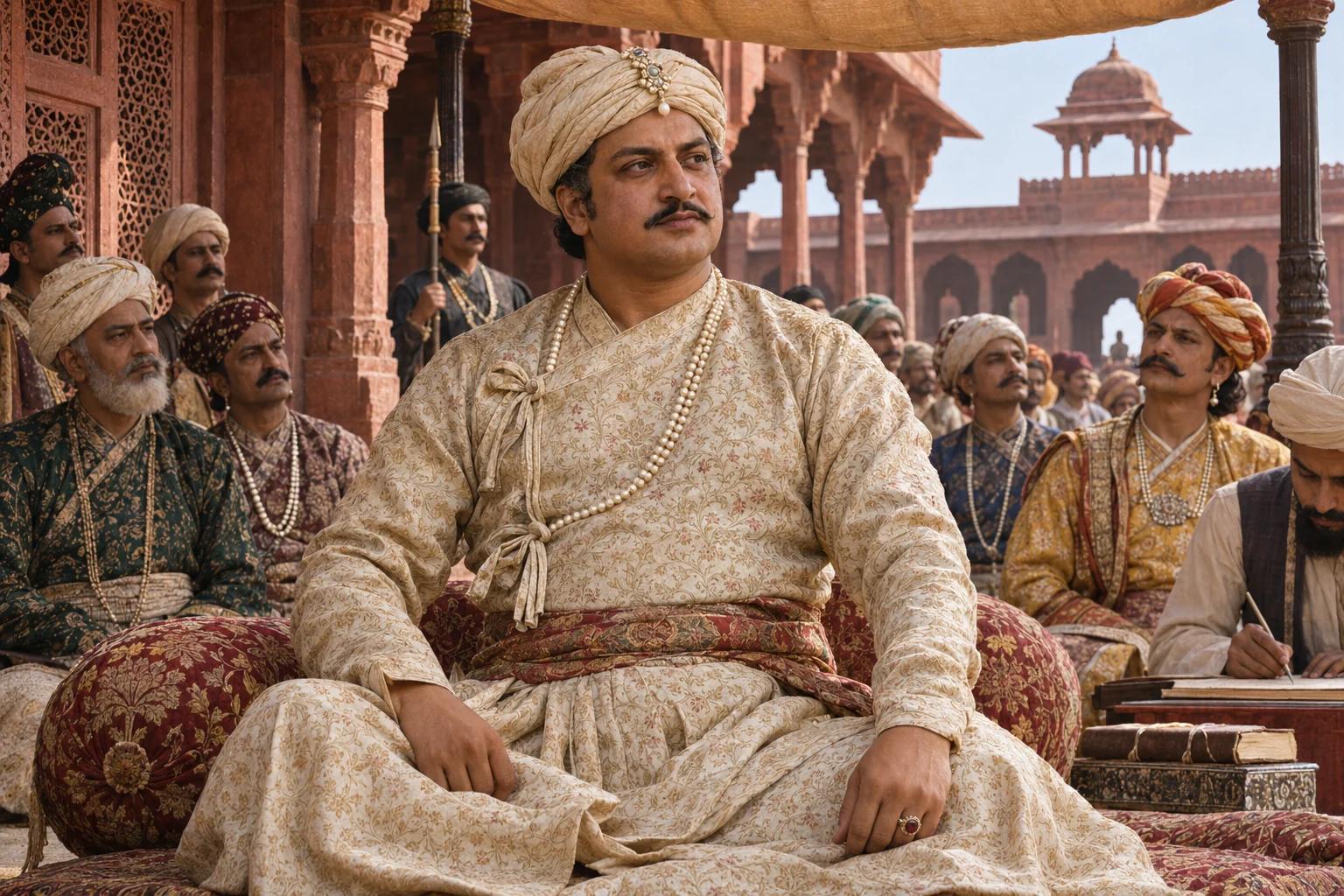
Taking a royal title transformed how Hemu presented his authority. Yet the evidence does not require a modern nationalist programme, nor does it show that every ally understood the change in the same way. His background in Sur service continued to matter. A brief period of kingship offered little time to settle institutions or loyalties. The distinction between a successful general and an accepted sovereign would be tested almost immediately by the Mughal counter-advance.

5 November 1556

The battle turns

The battle was not a foregone conclusion. Hemu brought substantial forces, although Mughal troops had captured his artillery before the main engagement. Command from an elephant made a leader visible but also made his incapacitation politically and militarily consequential. The wound and subsequent collapse were later interpreted as signs of divine favour for Akbar. A historical account can explain that interpretation without endorsing it as the cause of victory.

1556 and beyond

Execution and contested memory

Abu'l Fazl presents Akbar as refusing to strike a helpless captive and Bairam Khan as completing the execution; other narratives, including Ahmad Yadgar’s, give the emperor a direct role. Neither version warrants invented dialogue. Later commemorations have sometimes recast Hemu through modern national and religious categories. Those memories are part of his afterlife, rather than direct evidence of his intentions in 1556. He deserves recognition as a major military and political actor whose career cannot be reduced to the moment an arrow wounded him.

Continue in context

Connected stories

Move from the profile into the wider events and settings this figure belongs to.

Keep exploring

Content note

This profile is written for educational use and connects to related Stories of History pages. The main portrait is an AI-assisted historical reconstruction, included as an illustrative aid rather than documentary evidence. Image policy Image attribution

References

Sources & Further Reading

Reliable reference works, archives and reading paths connected to this profile.

Sources used

  1. Fritz Lehmann / Encyclopaedia Iranica, “Akbar I,” accessed 11 November 2026.

    Specialist overview used for orientation and cross-checking, not sole authority. Contains compressed chronology and problematic modern comparisons; those are not repeated.

    Open source

Further reading

  1. Encyclopaedia Britannica, “Search results for Hemu,” accessed June 2026.Open source
  2. WorldCat, “Books and library holdings for Hemu,” accessed June 2026.Open source

Primary sources

  1. Abu'l Fazl / Packard Humanities Institute, “Akbarnama, volume II, translated by H. Beveridge,” accessed 11 November 2026.

    Consulted accession, Hemu and Panipat, Bairam Khan, Amber and Chittor passages; chapters 1–4. Imperial narrative written later; hostile descriptions of opponents are not adopted.

    Open source
  2. Ahmad Yadgar / Elliot and Dowson / Packard Humanities Institute, “Tarikh-i Salatin-i Afaghana, translated extracts in History of India, volume V,” accessed 11 November 2026.

    Consulted the Hemu execution account: attributes the stroke to Akbar; compare the refusal versions, rather than resolving the disagreement in the emperor’s favour.

    Open source
  3. Abd al-Qadir Badauni / Packard Humanities Institute, “Muntakhab-ut-Tawarikh, volume II, translated by W. H. Lowe,” accessed 11 November 2026.

    Consulted conflicting representation of the reign, revenue experiments and religious discipleship; compare with Abu'l Fazl. Older English translation and its correction apparatus require caution.

    Open source
  4. Library of Congress, “Search results for Hemu,” accessed June 2026.Open source

Reviewed claim sources

Loading reviewed claim sources...

A monthly route through history

Find out first about the latest published stories, feature notes and occasional Premium offers in one monthly email.

If you are under the age of 18, please ensure you have the permission of your parent or guardian before subscribing.