Context
Introduction
Overview
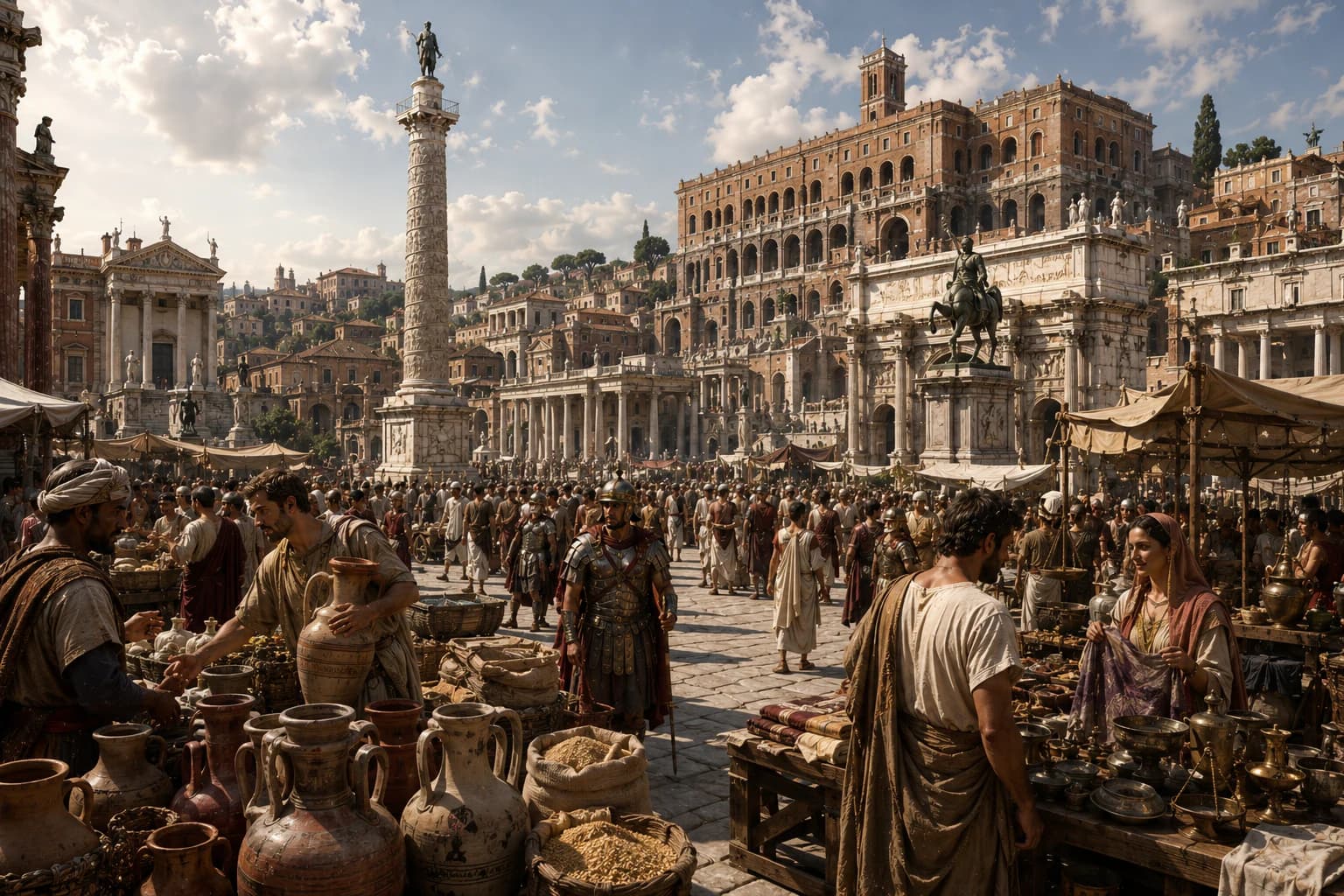
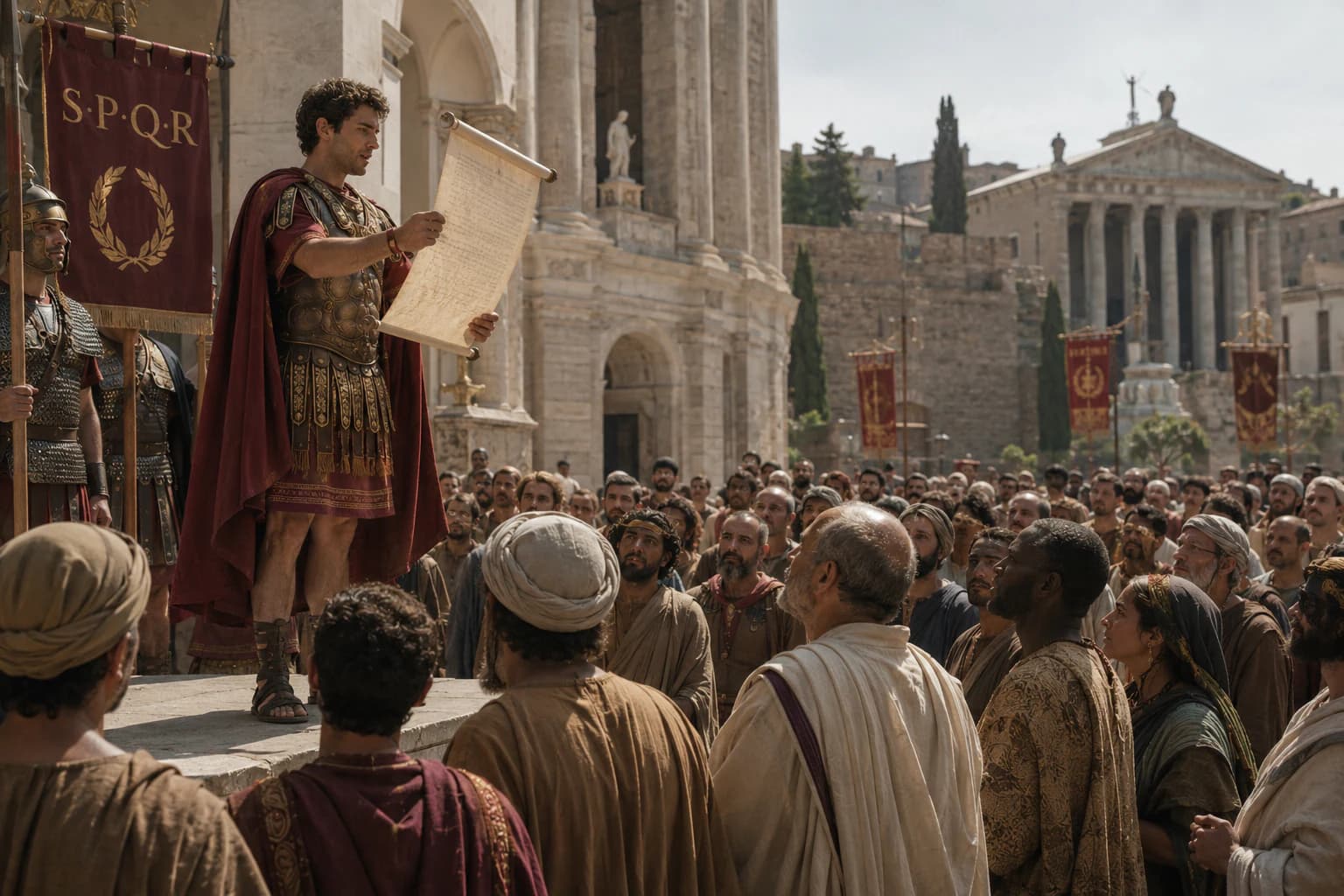
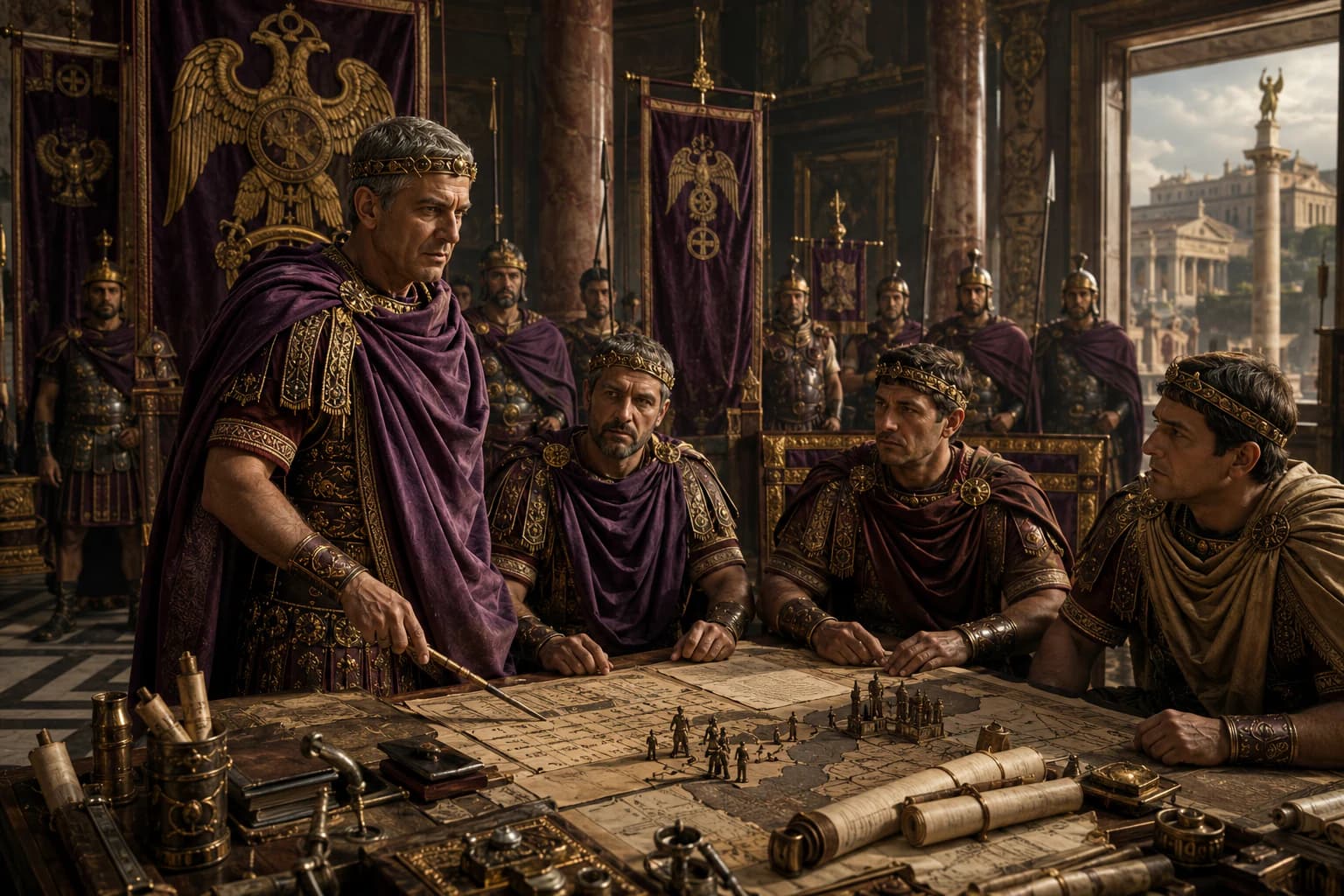
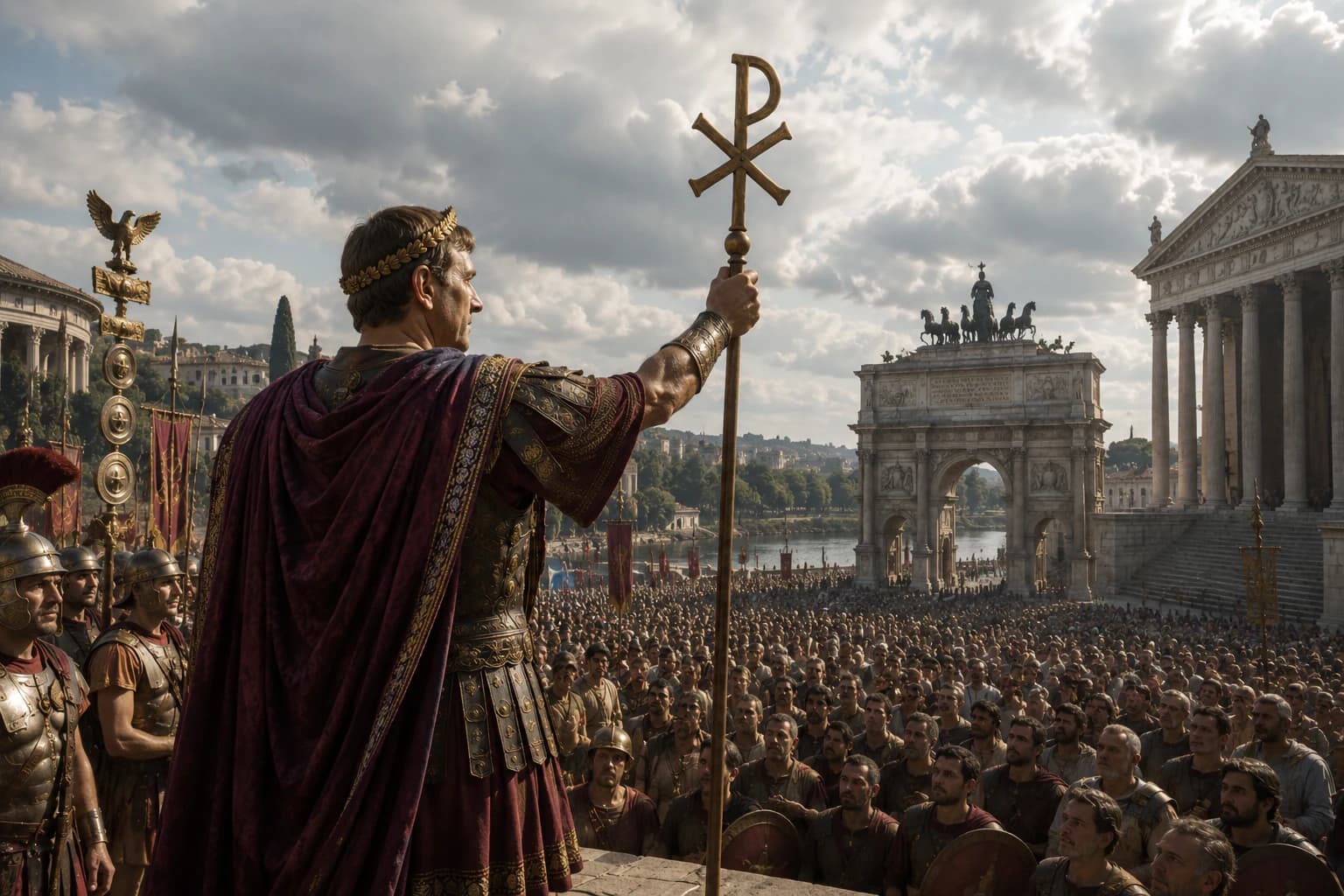
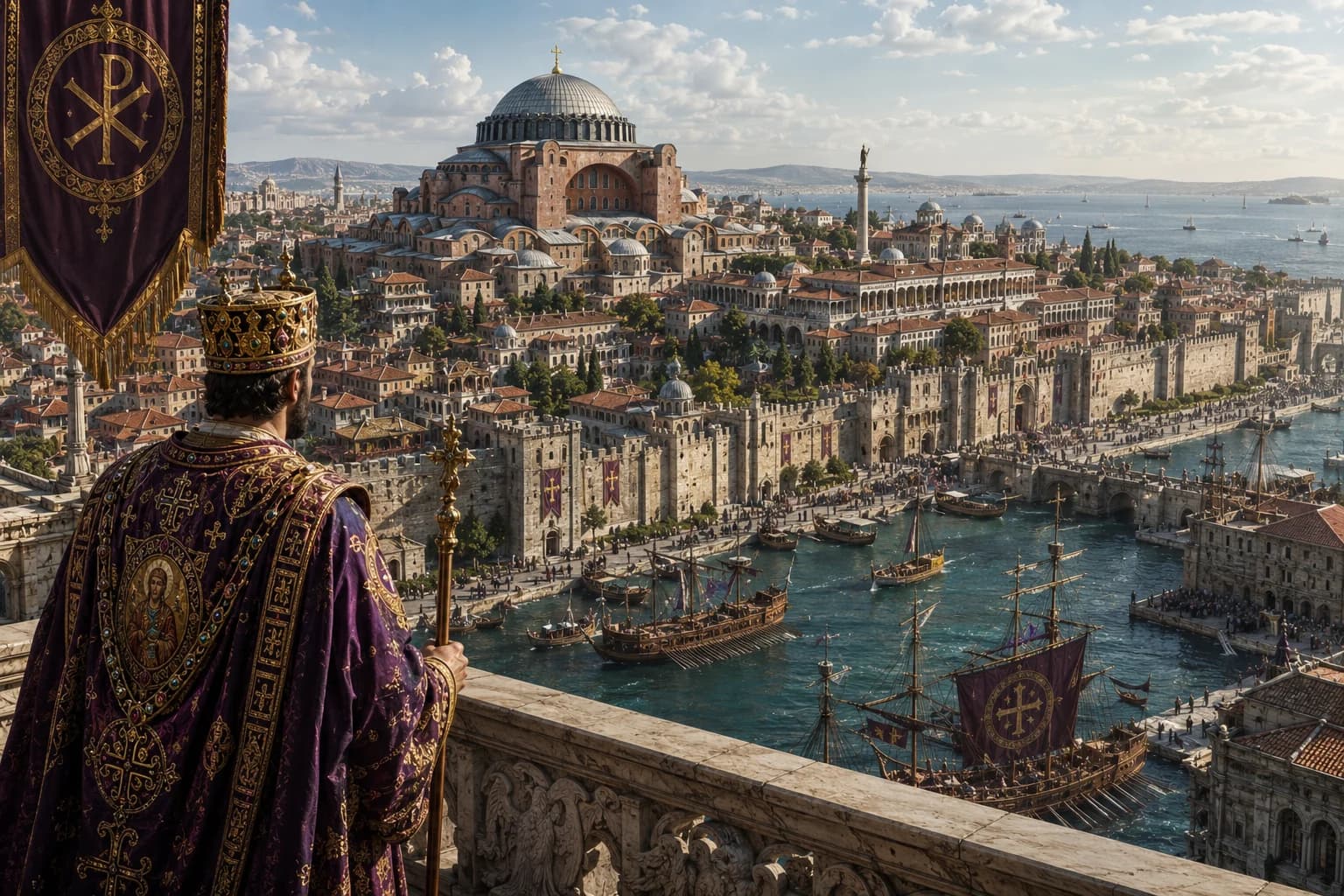
Augustus established an imperial order after the Roman Republic's civil wars, placing a vast Mediterranean world under the authority of one ruler. Roman government, armies and cities linked distant provinces for centuries. Although imperial rule ended in the West in 476 CE, its laws, languages and institutions continued to shape the societies that followed.
What you’ll learn: You’ll understand how built and managed an empire, why it enjoyed centuries of power and prosperity, and why the western half eventually gave way after a long period of change and crisis.
Key forces
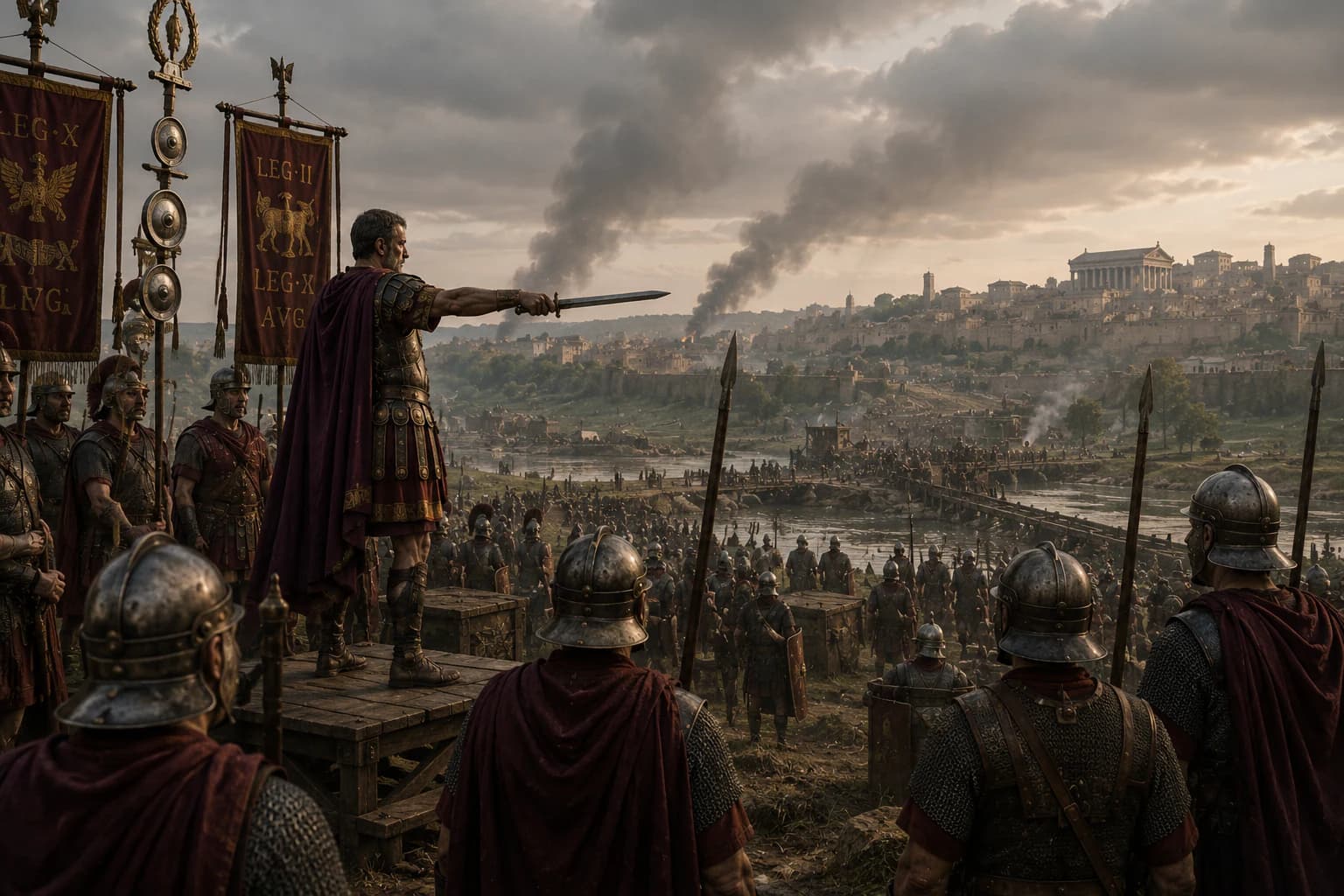
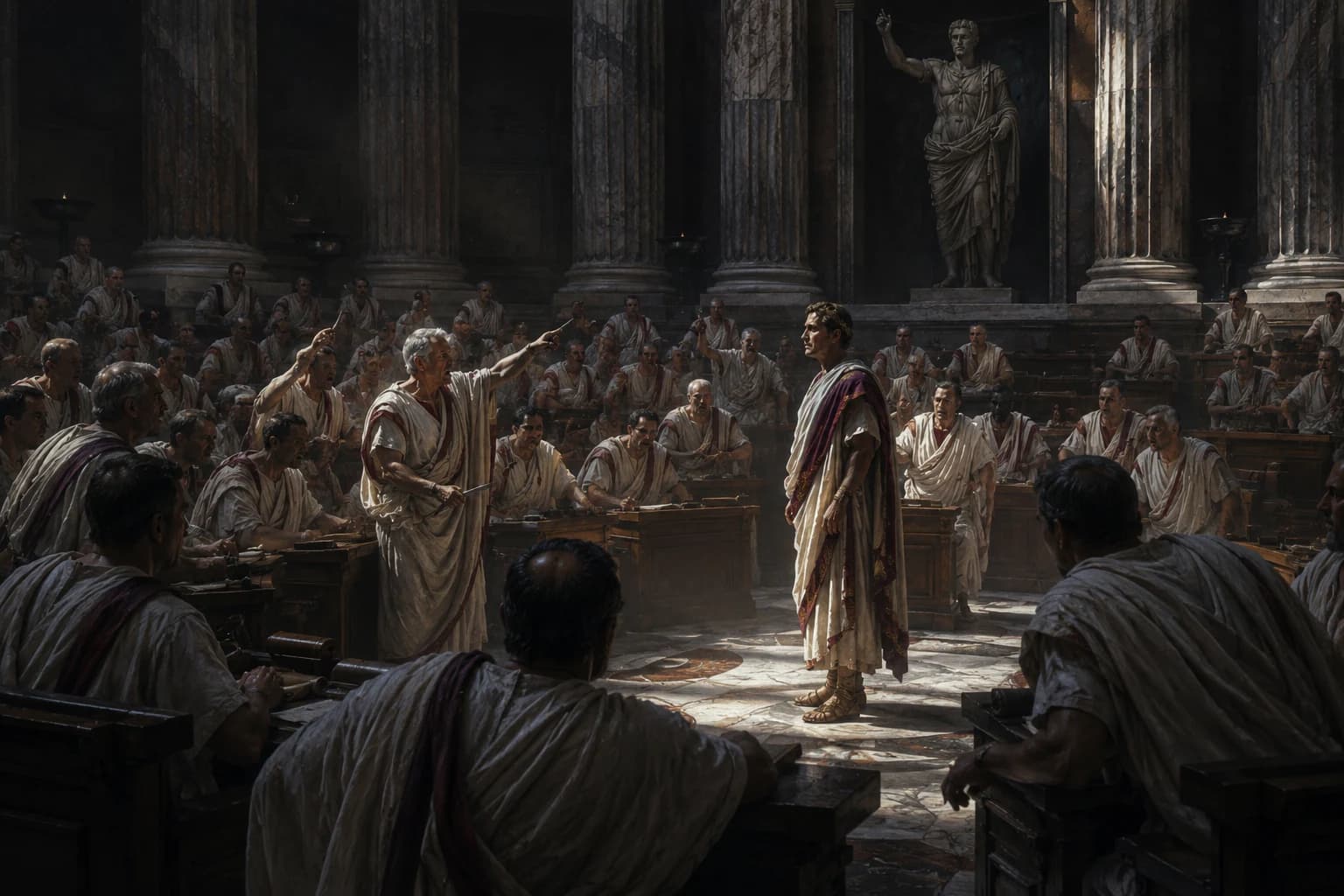
- became an empire when military victory and civil war allowed emperors to gather lasting personal power.
- Conquest, taxation, roads, and provincial government helped control a vast and diverse territory.
- The empire’s greatest prosperity depended on political stability, secure frontiers, and the cooperation of local elites.
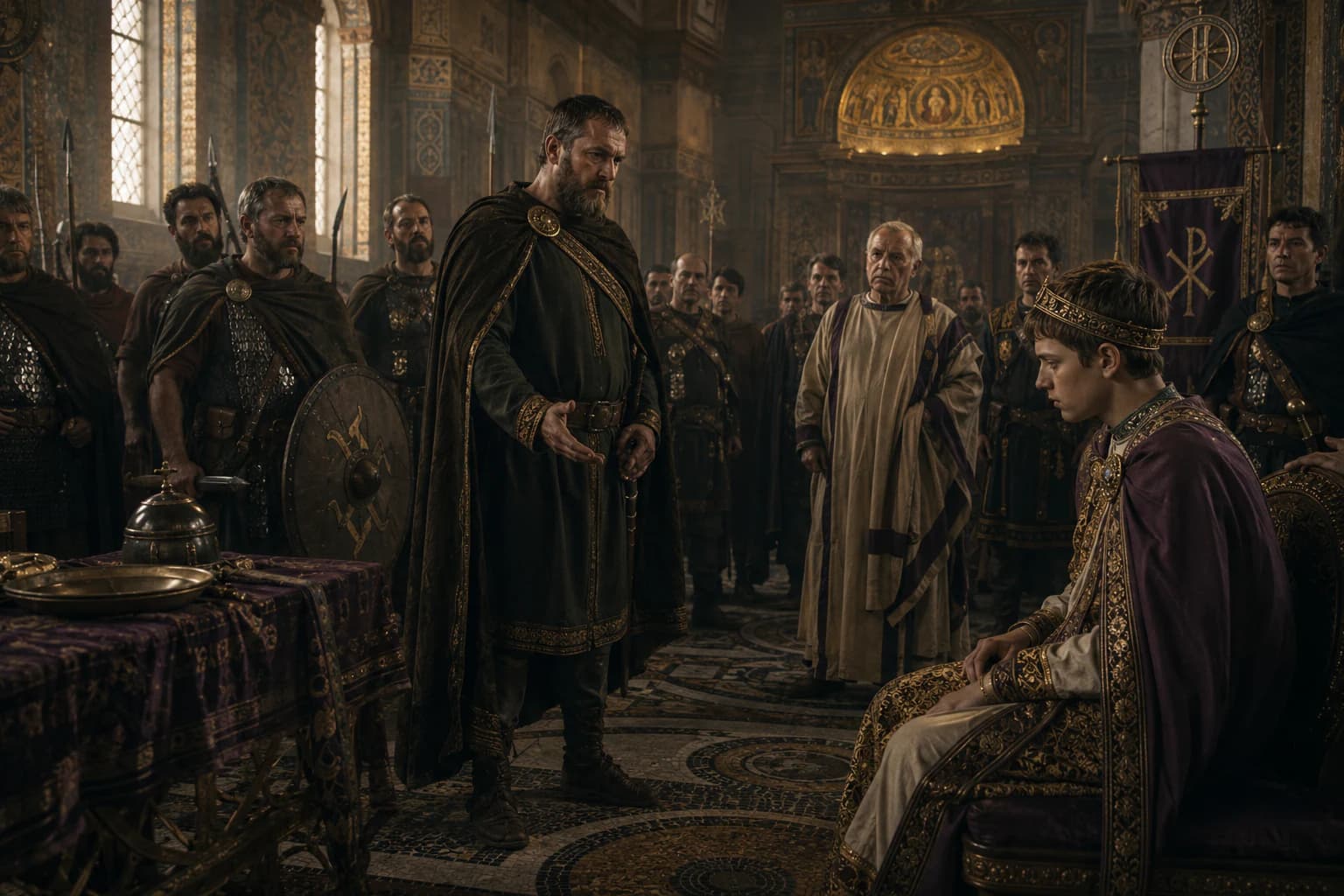
- Religious change, frontier pressure, and internal crisis gradually weakened western imperial rule long before its final fall.