← People

Vitellius

Vitellius was Roman emperor in 69 CE, during the Year of the Four Emperors. Proclaimed by the Rhine legions, he defeated Otho but was overthrown and killed when Vespasian's supporters captured Rome.

Born
15 CE
Died
69 CE
Role
Roman emperor
Full name
Aulus Vitellius

Roman emperor (15-69 CE)

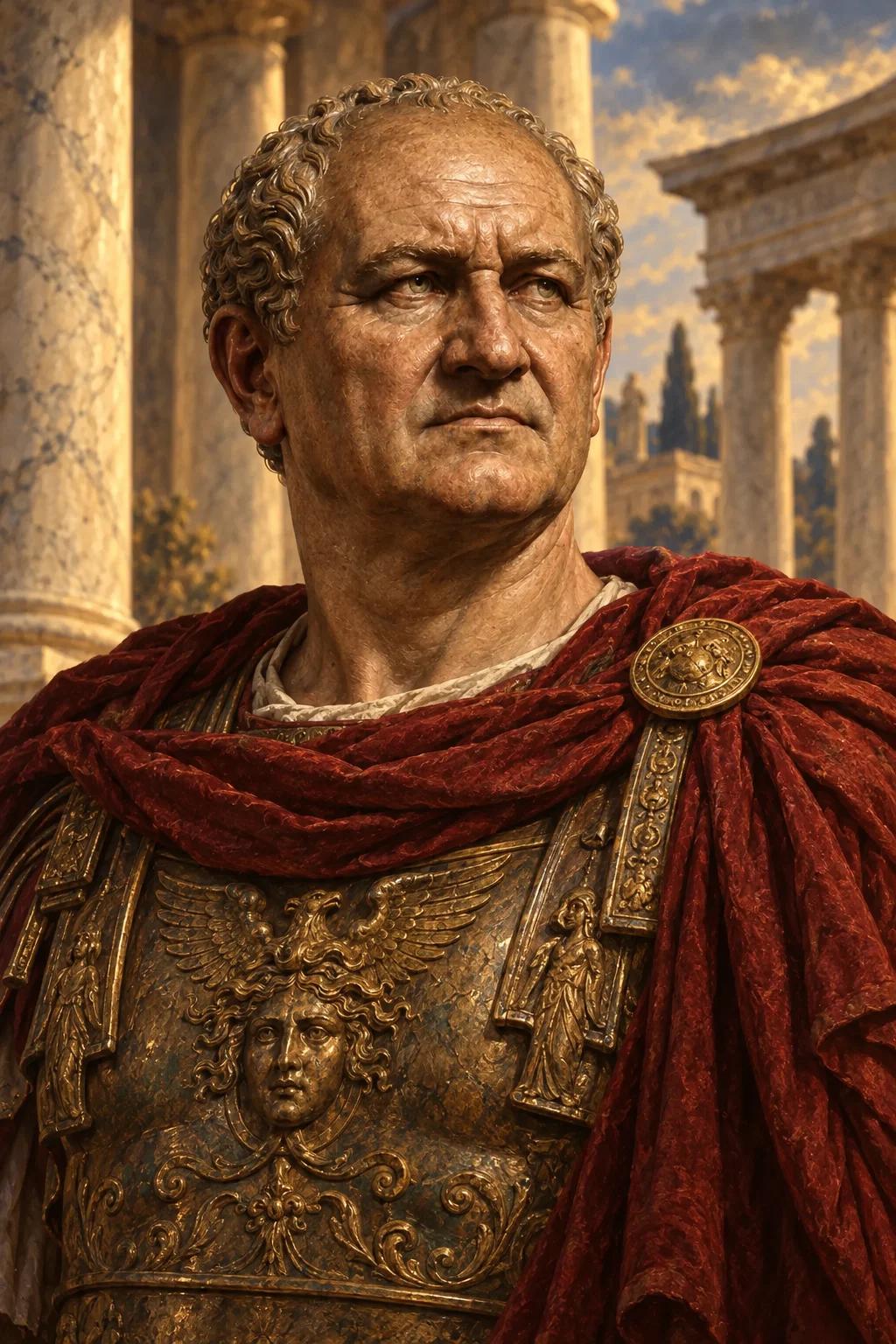
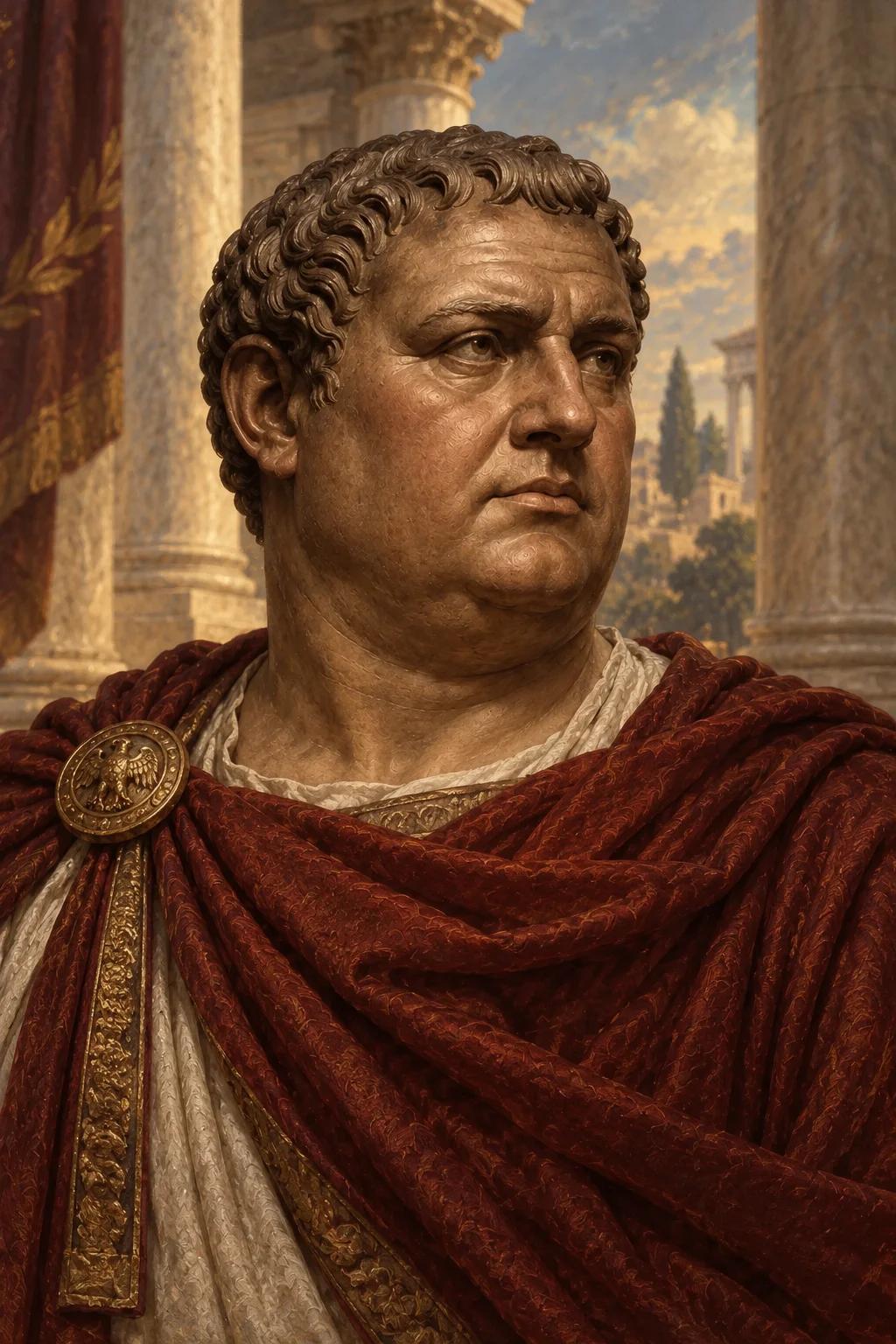
AI-assisted painted reconstruction of Vitellius
AI-assisted historical reconstruction

An illustrative reconstruction based on historical context. It is not a photograph or documentary likeness. Image policy Attribution

Life Journey

The emperor made by frontier armies

Follow Vitellius through the military politics of the Year of the Four Emperors.

Complete chronology

15-68 CE

A senator with imperial connections

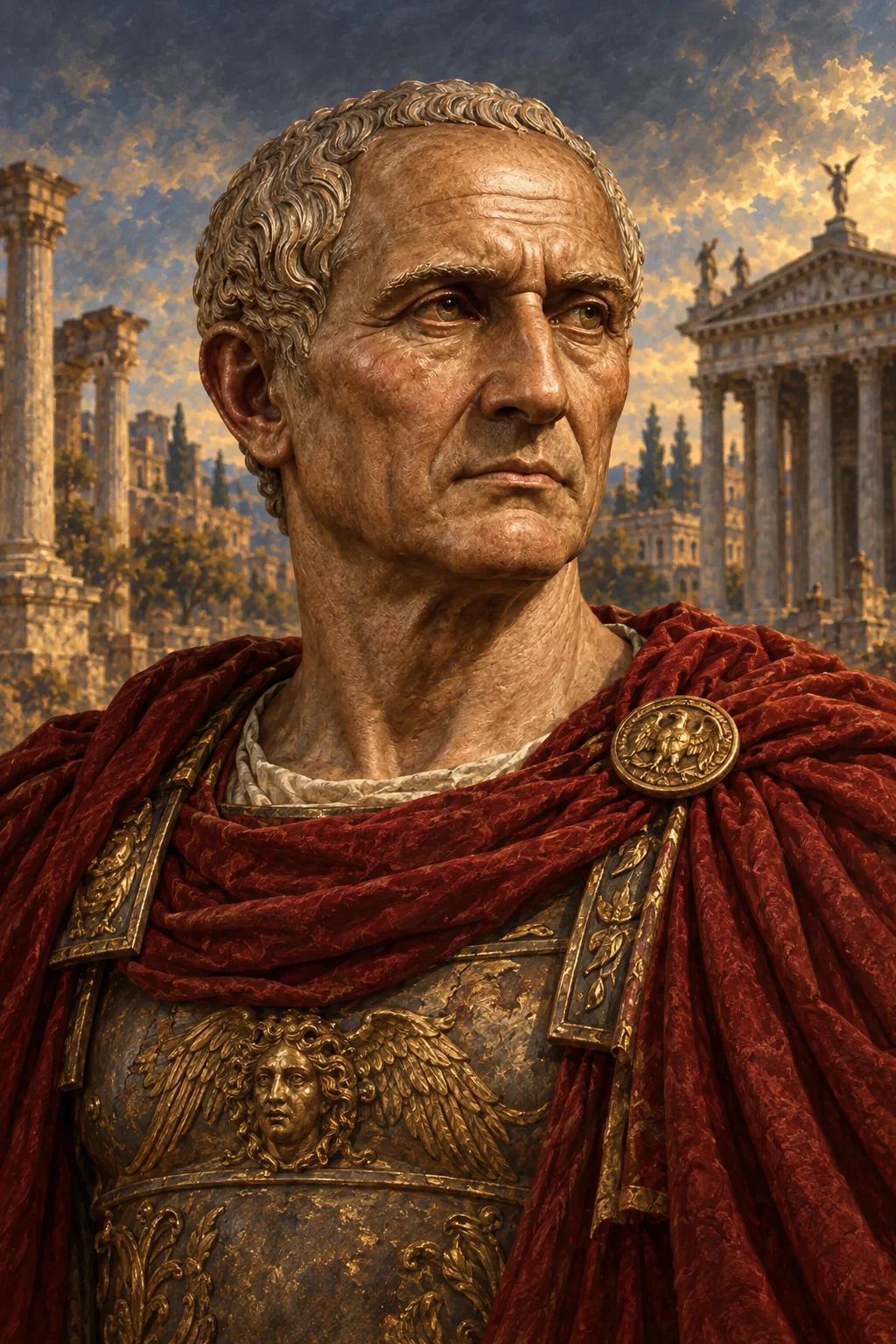
Aulus Vitellius was born in 15 CE into a family that knew how to survive near power. His father, Lucius Vitellius, served under several emperors and reached the highest circles of Julio-Claudian government. The younger Vitellius therefore did not arrive in politics as a provincial outsider or popular rebel. He belonged to the Roman elite, held priesthoods and magistracies, governed Africa, and learned the language of court loyalty in an age when emperors could raise or ruin a family quickly. Ancient writers often portray him through hostile anecdotes about appetite and luxury, but those stories should be read with care: defeated emperors rarely received generous portraits. What is clear is that Vitellius was useful, respectable, and apparently unthreatening enough for Galba to appoint him governor of Lower Germany in 68 CE. That appointment was meant to steady a dangerous frontier after Nero's fall. Instead, it placed Vitellius beside legions already angry at Galba and hungry for a ruler who would acknowledge them.
69 CE

Proclaimed by the Rhine legions

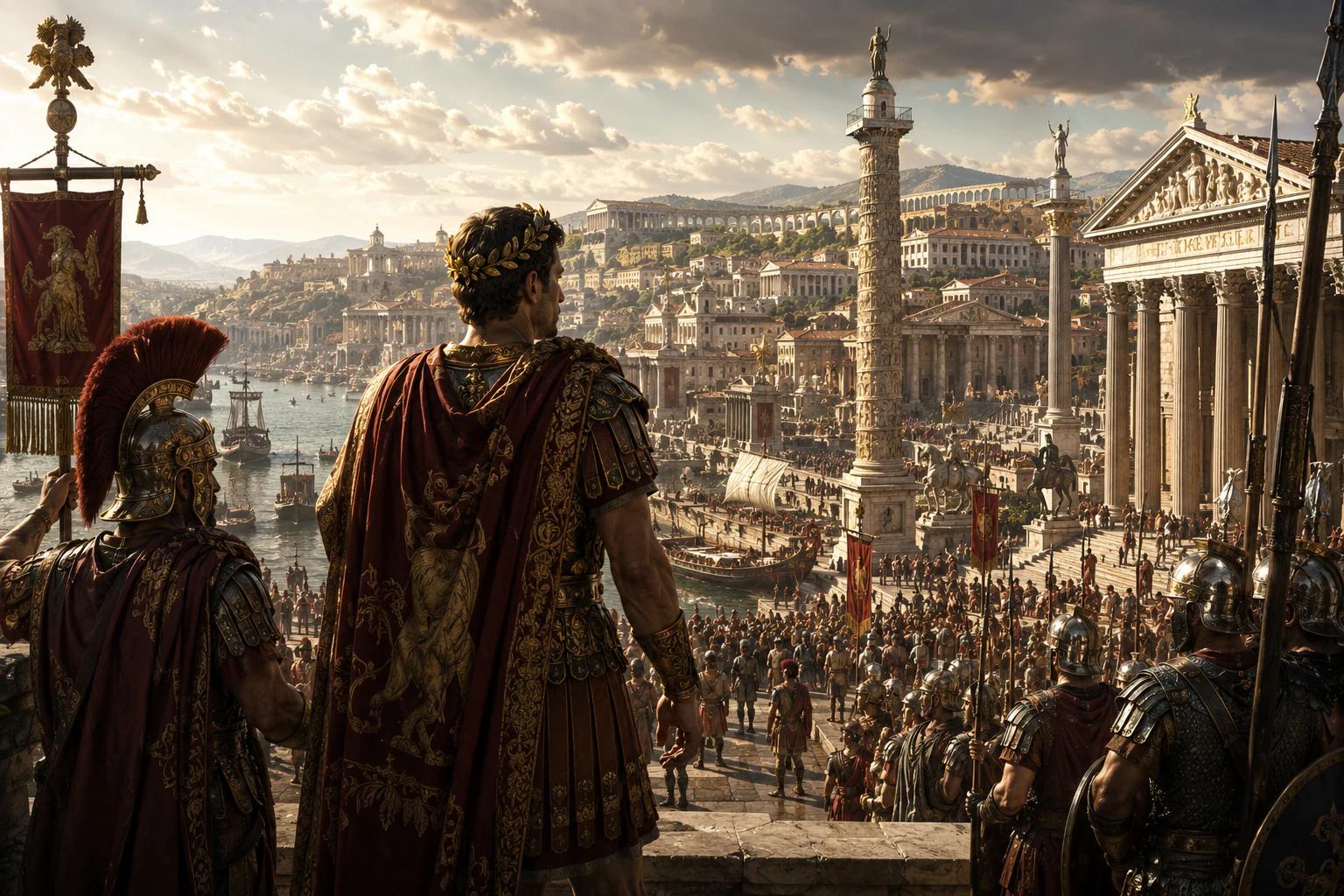
On 1 January 69 CE, the legions of Upper Germany refused the usual vows of loyalty to Galba. Within days, troops in Lower Germany acclaimed Vitellius as emperor. The rebellion was not only about Vitellius himself. Galba had failed to satisfy soldiers who expected rewards after backing the end of Nero's reign, and the Rhine armies felt overlooked by a new regime centered in Rome and Spain. Vitellius became the name around which that resentment could gather. His commanders, especially Aulus Caecina Alienus and Fabius Valens, gave the movement energy and direction. The episode exposed a dangerous truth: imperial legitimacy was no longer secured simply by Senate approval, adoption, or residence in the capital. A governor with the support of disciplined frontier legions could become a contender even before Rome had accepted him.

April 69 CE

Victory over Otho

Before Vitellius could reach Italy, Rome had already changed hands. Galba was murdered in January 69 CE, and Otho, the man behind the coup, took the purple. That left two military-backed emperors facing one another across the empire. Vitellius's armies advanced from the north and met Otho's forces near Bedriacum in April. The battle was brutal, confused, and decisive enough to break Otho's cause. Otho chose suicide rather than prolong the civil war, a gesture that won him unexpected praise from some ancient writers. Vitellius then entered Rome as the surviving victor. Yet his authority rested heavily on the men who had fought for him, and their expectations were costly. Discipline, finance, Senate relations, and provincial loyalty all had to be repaired at once. Winning the road to Rome was easier than making Rome believe the war was finished.

December 69 CE

Destroyed by Vespasian's cause

Vitellius never had time to turn military victory into durable rule. In the east, Vespasian commanded the Roman response to the Jewish revolt, while Syria, Egypt, and other strategic provinces carried enormous military and economic weight. When those forces, joined by Danubian armies, declared for Vespasian, Vitellius faced an opponent with broader resources and better geography. The second battle near Bedriacum destroyed Vitellian hopes in Italy. Fighting then reached Rome itself, including violence around the Capitoline Hill, one of the most symbolically charged places in the empire. Vitellius tried to negotiate and drifted between resistance and surrender, but events outran him. In December 69 CE he was seized, abused, and killed. His short reign became a lesson in the new imperial politics: an emperor made by one bloc of soldiers could be unmade by another unless he quickly secured the Senate, the capital, the provinces, and the army as a whole.

Continue in context

Connected stories

Move from the profile into the wider events and settings this figure belongs to.

Keep exploring

Content note

This profile is written for educational use and connects to related Stories of History pages. The main portrait is an AI-assisted historical reconstruction, included as an illustrative aid rather than documentary evidence. Image policy Image attribution

References

Sources and historical notes

Sources used to check this page, selected recommendations and historical notes.

Sources used

  1. World History Encyclopedia, “Vitellius,”

    Summarises his accession, brief reign and defeat by Vespasian’s supporters.

    Open source
  2. University of Chicago, LacusCurtius, “Suetonius: Life of Vitellius,”

    Presents an ancient biography of his rise, reign and death during the civil war.

    Open source
  3. University of Oxford, Coin Hoards of the Roman Empire, “Denarius of Vitellius,”

    Catalogues a silver coin bearing Vitellius’s portrait and imperial titles.

    Open source

Additional sources and notes

Loading reviewed claim sources...

Our editorial approach · Report a historical error

A monthly route through history

Find out first about the latest published stories, feature notes and occasional Premium offers in one monthly email.