Context
Introduction
Overview
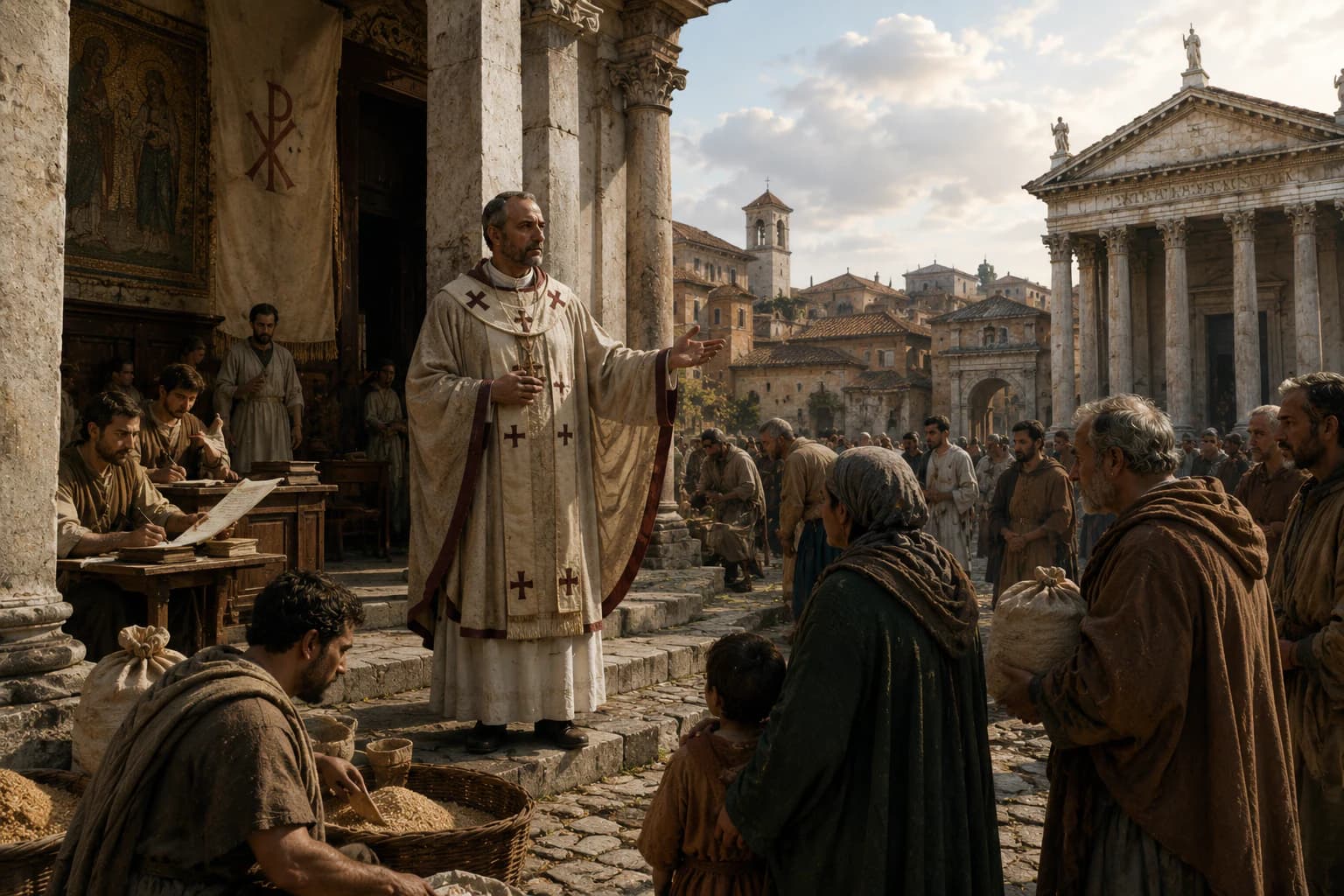
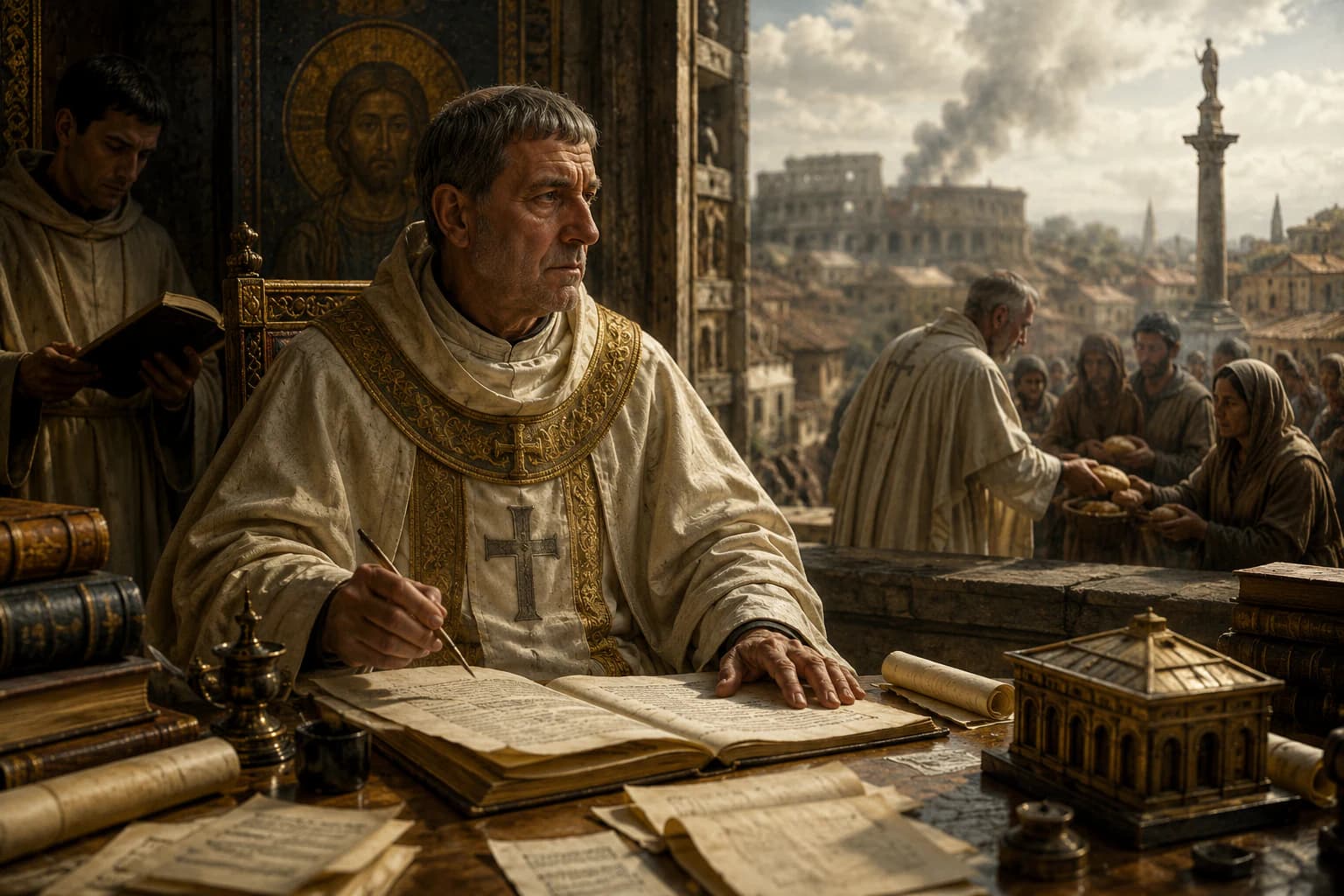
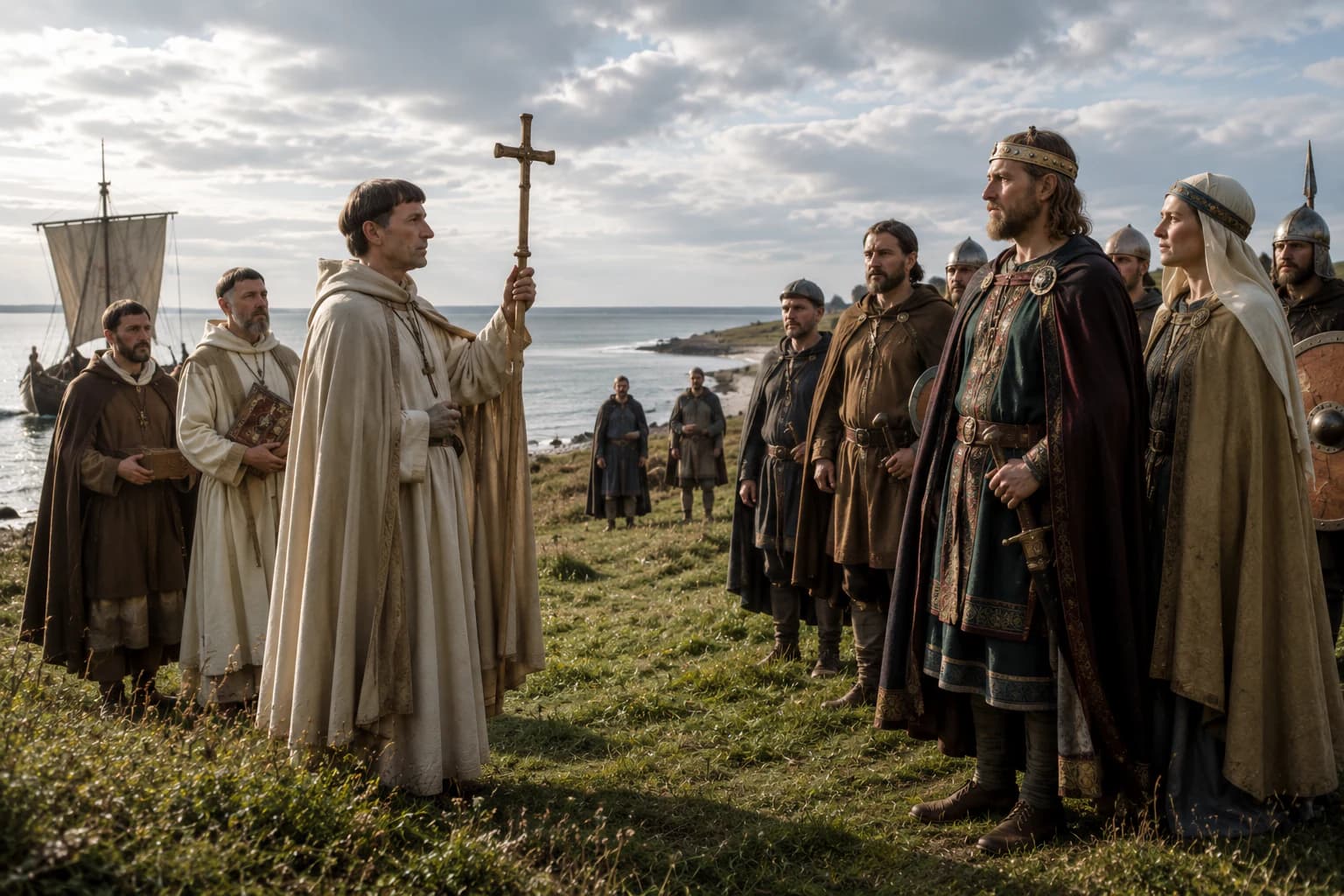
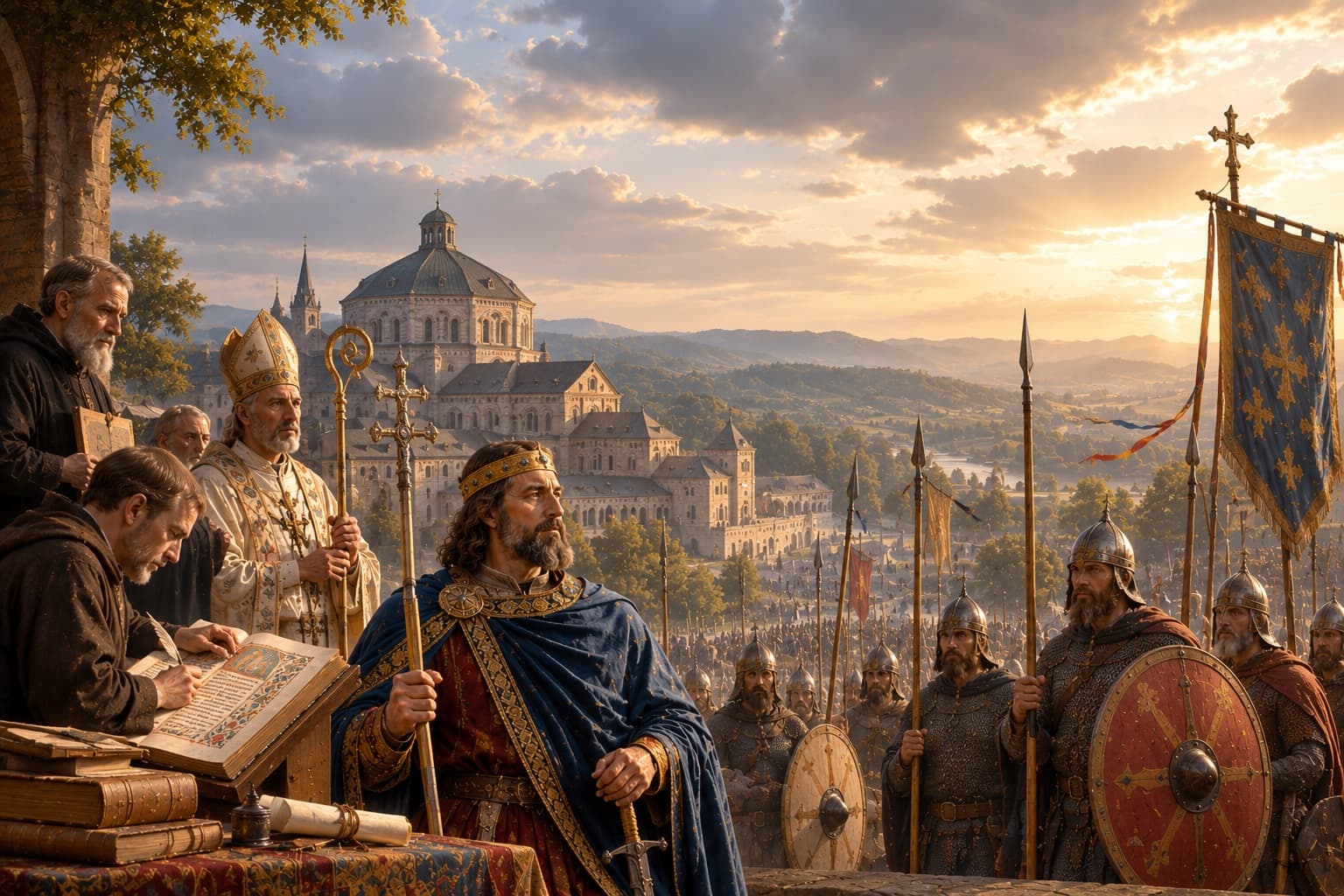
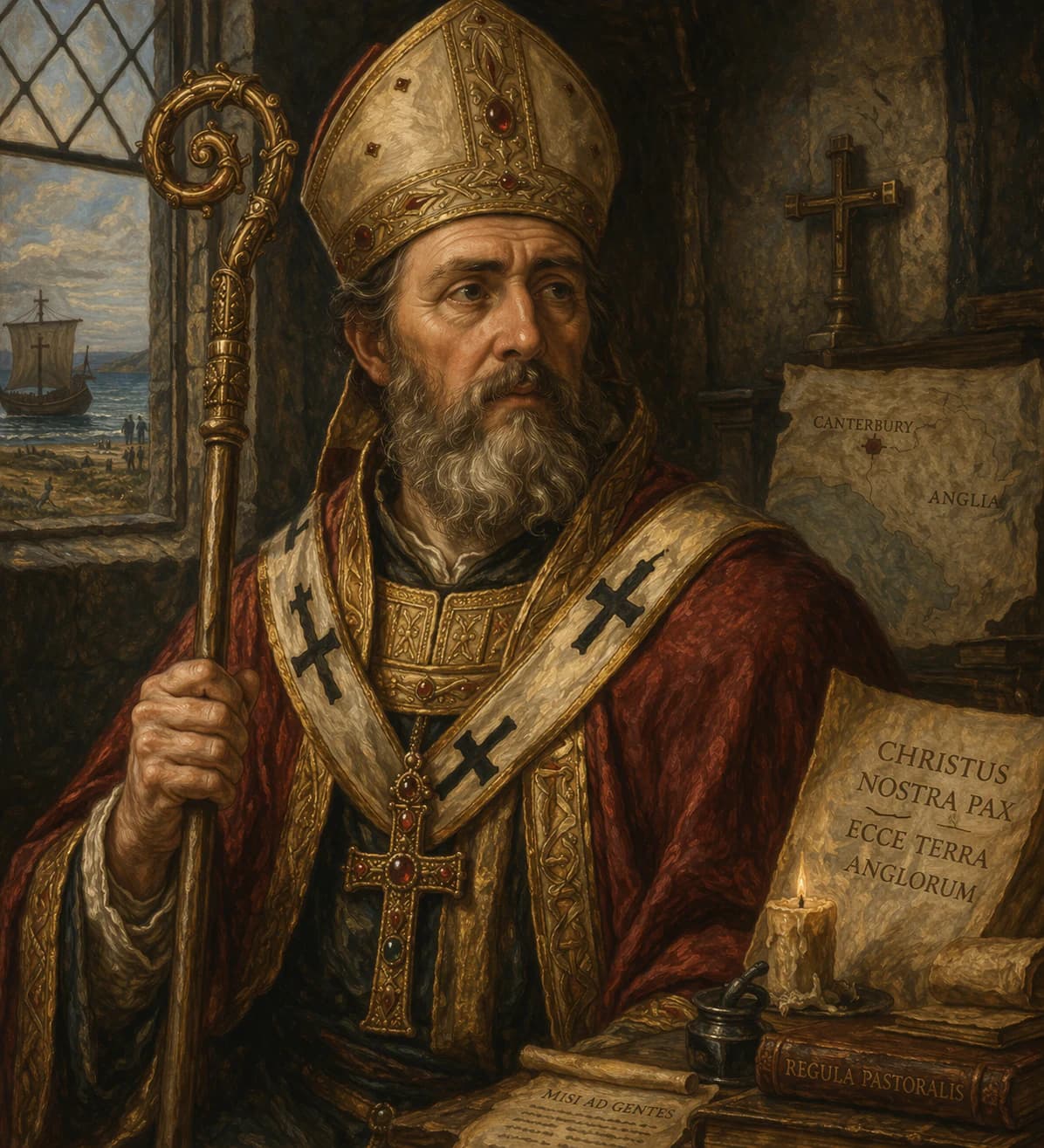
As western Roman government receded, bishops and monasteries became lasting centres of authority in Europe. The medieval Church expanded through missions, learning and reform, then pressed its claims against kings and emperors. Its influence reached into ordinary life, even as conflicts within the institution exposed the limits of its power.
What you'll learn: You'll see how the Christian Church used the collapse of Roman order, monastic discipline, missionary strategy, and direct political confrontation to become the defining institution of medieval Europe, and why the tensions that built up along the way eventually began to pull it apart.
Key forces
- When the Western Roman Empire collapsed, bishops and monastic communities stepped into the administrative vacuum, giving the Church a durability that no other institution matched.
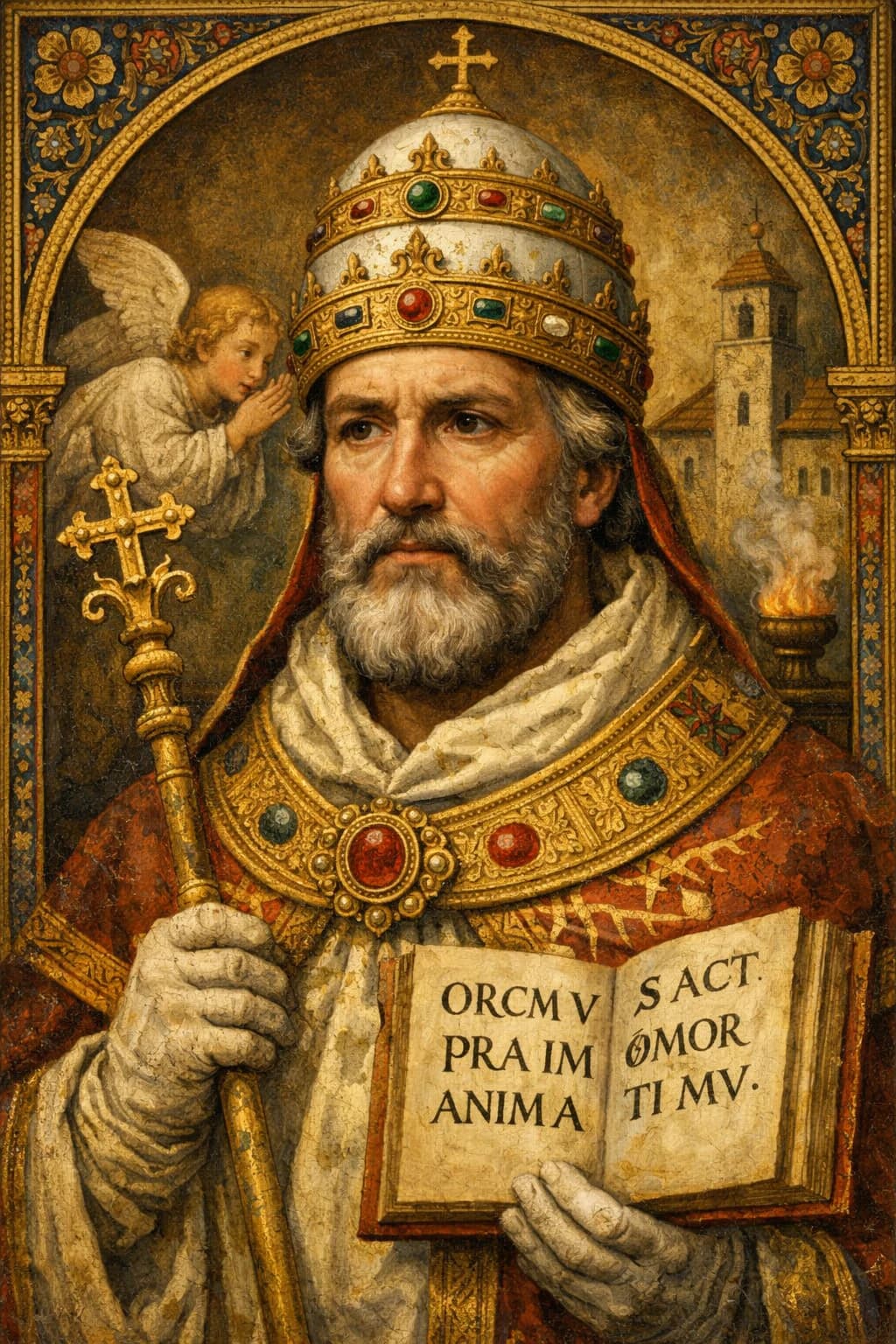
- Papal authority developed gradually through claims, confrontations, and compromises, reaching its peak under Innocent III in the early thirteenth century.
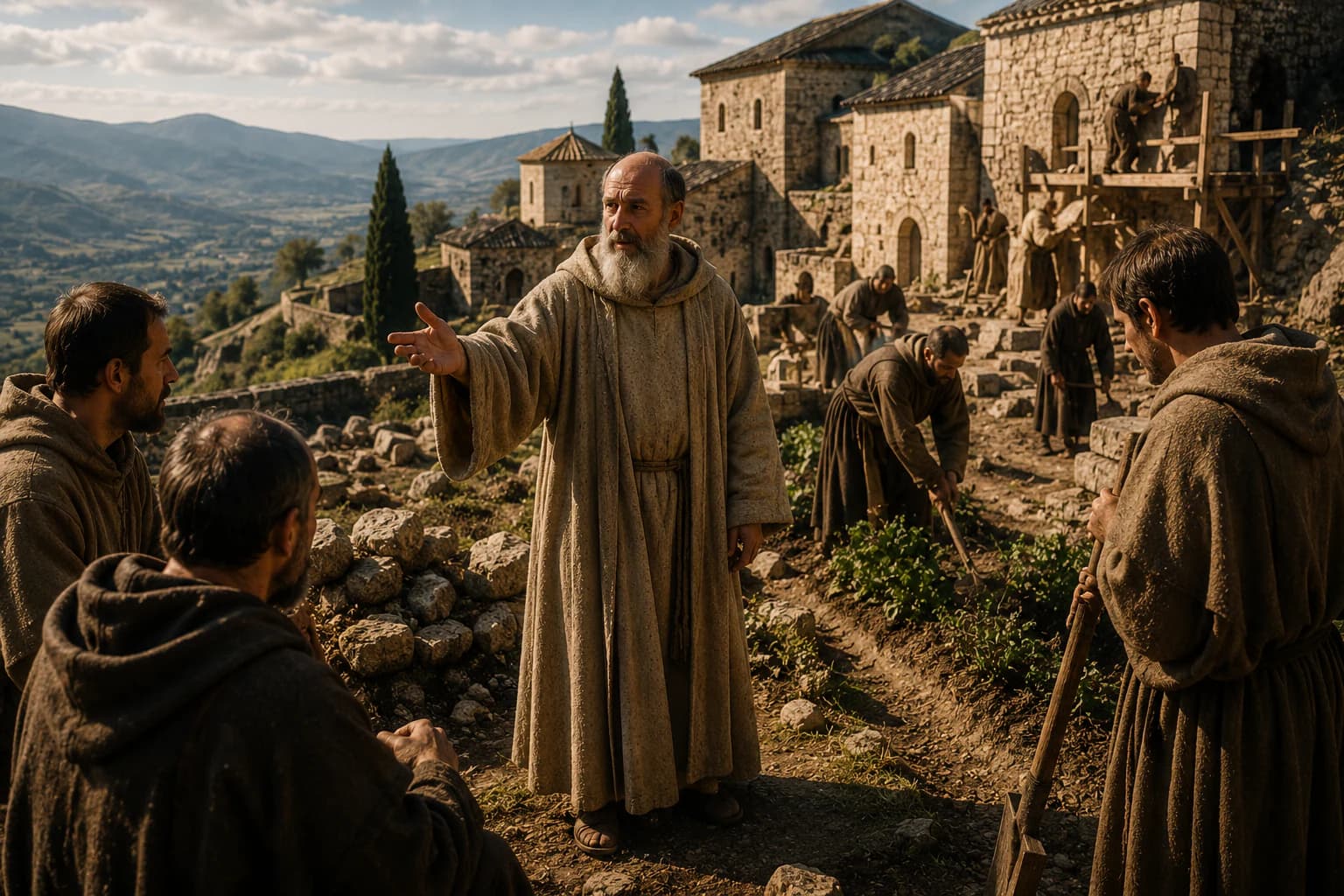
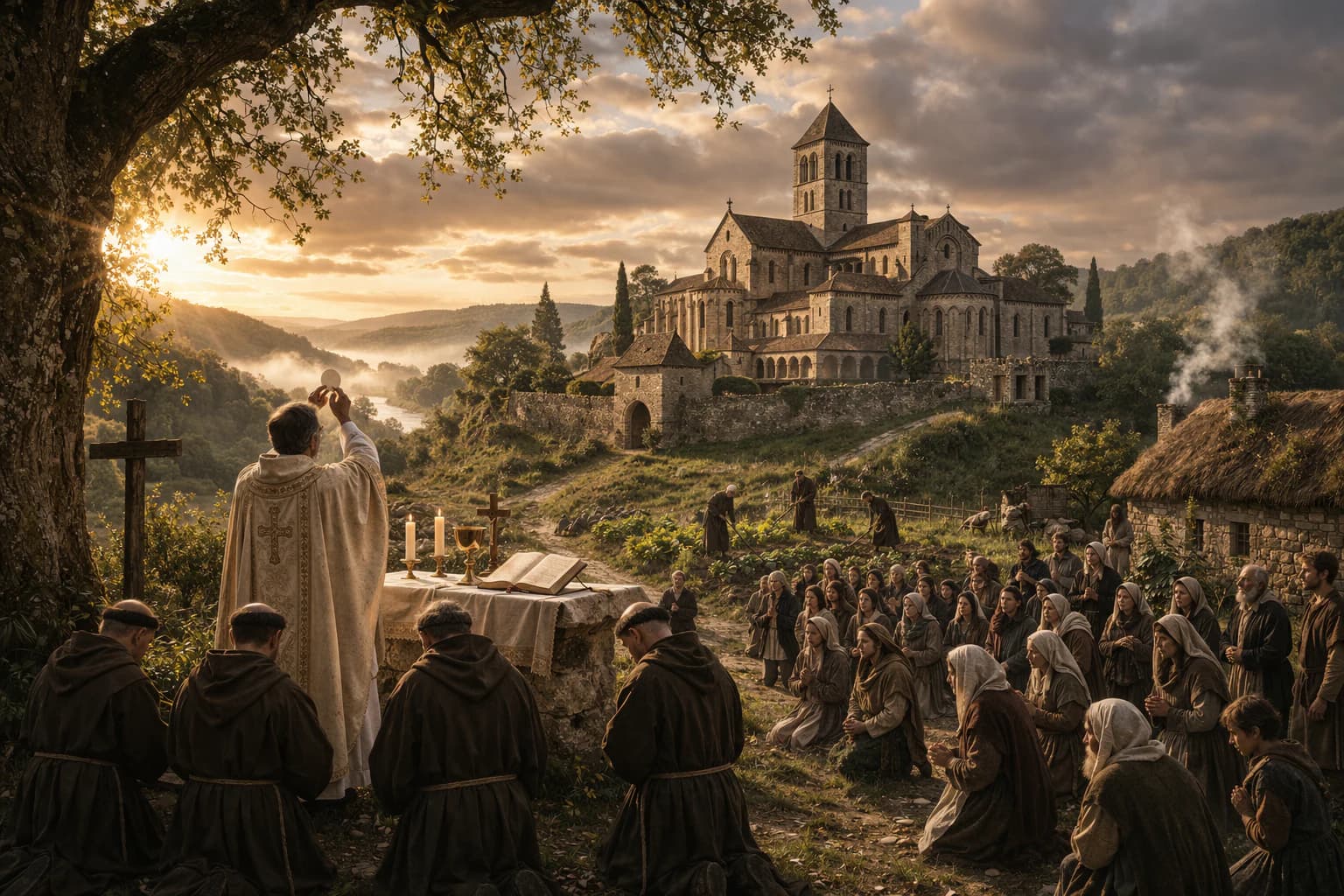
- Monasticism, anchored by the Rule of Saint Benedict, provided the Church with a network of communities that shaped education, agriculture, and culture across medieval Europe.
- The Avignon papacy exposed the limits of the Church's independence, beginning a crisis of legitimacy that would eventually lead to the reformations of the sixteenth century.