← People

William of Aquitaine

William I, Duke of Aquitaine, also known as William the Pious, founded the monastery of Cluny in 910. His charter freed the house from local lay control and helped launch the Cluniac reform movement.

Born
c. 875 CE
Died
918 CE
Role
Duke of Aquitaine
Full name
William I, Duke of Aquitaine
Also known as
William I of Aquitaine, William the Pious, Duke William of Aquitaine

Duke of Aquitaine (c. 875-918)

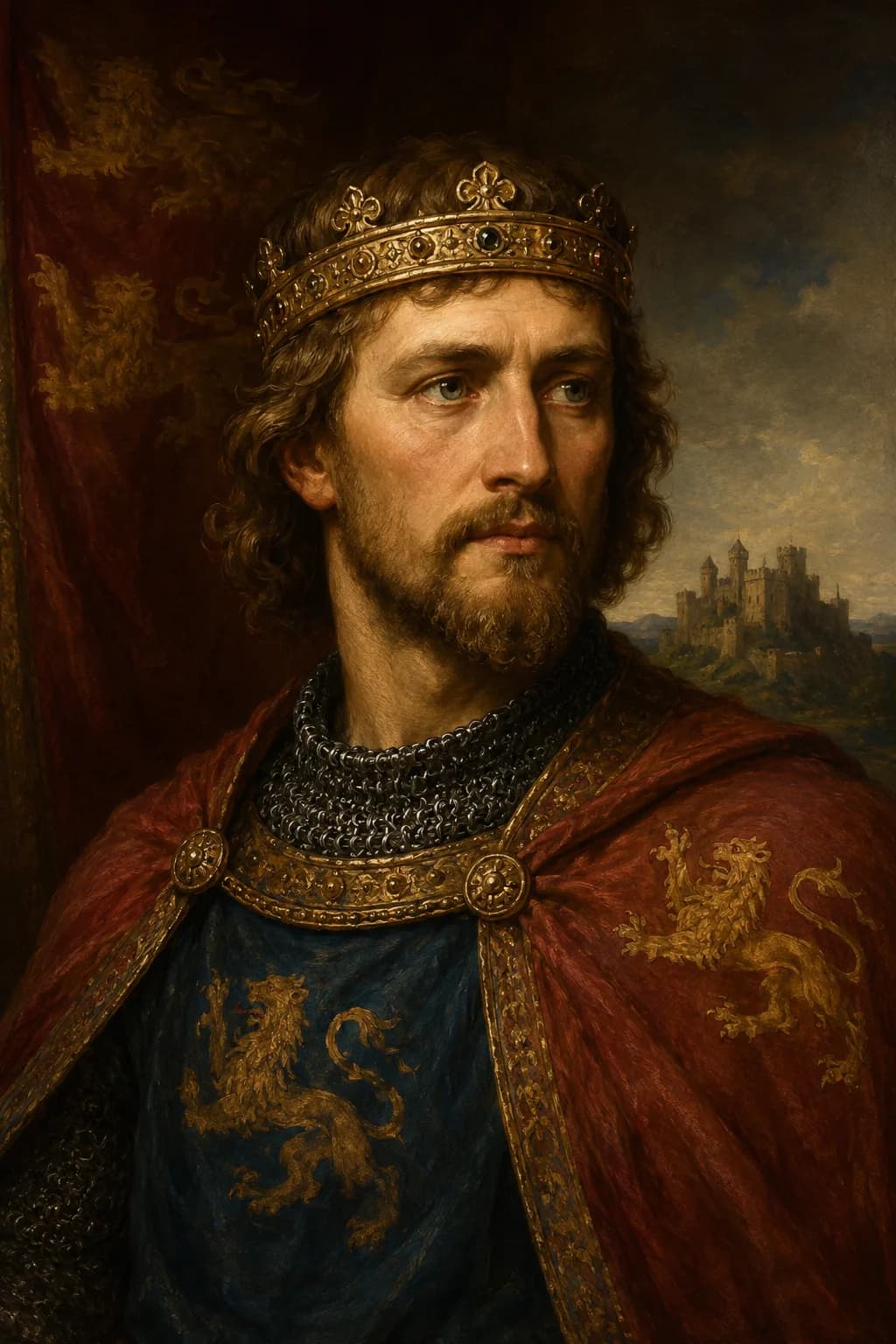
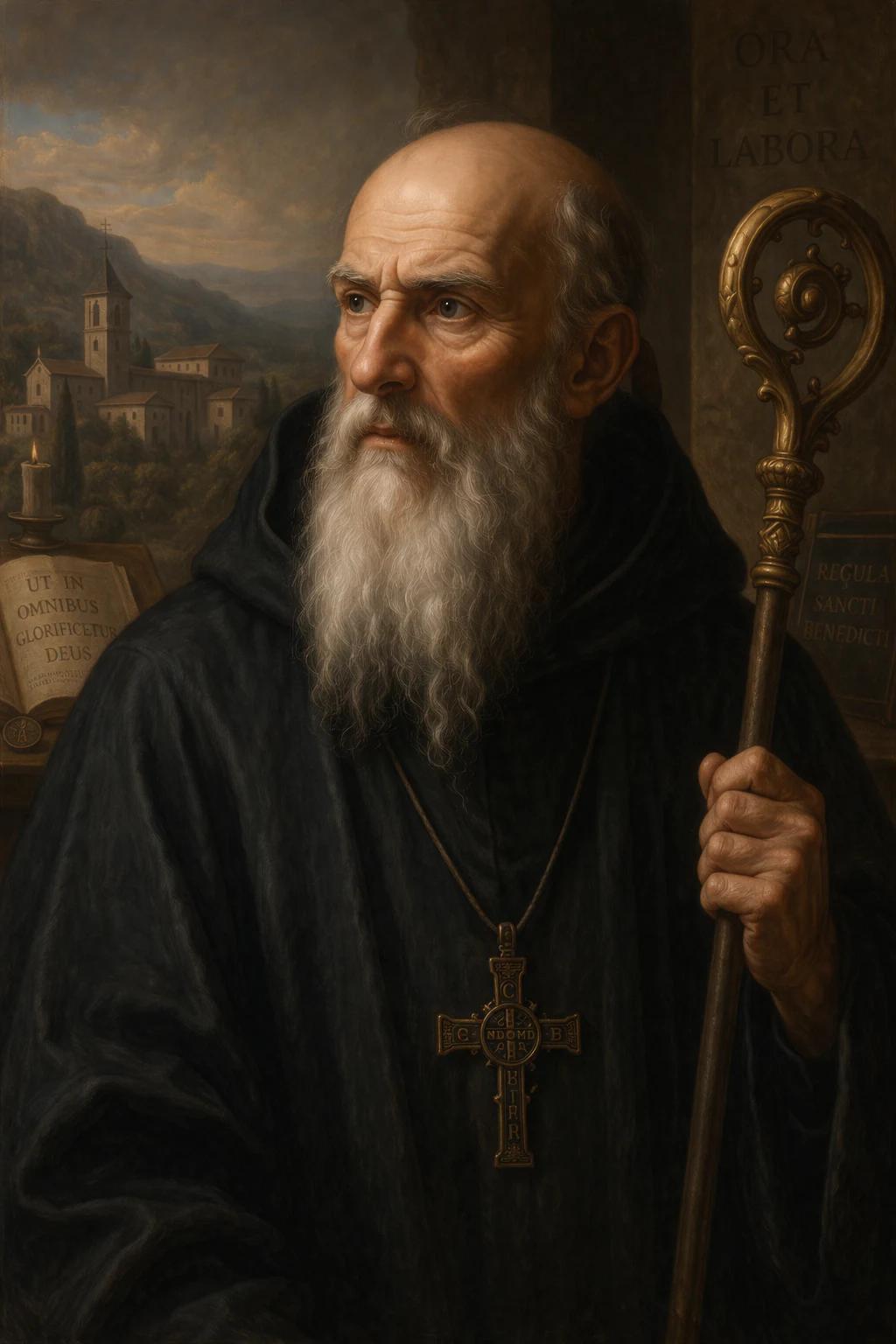
AI-generated portrait of William of Aquitaine in ducal robes
AI-assisted historical reconstruction

An illustrative reconstruction based on historical context. It is not a photograph or documentary likeness. Image policy

Life Journey

The duke behind Cluny

Follow William of Aquitaine from regional lordship to one of medieval monasticism's most important foundations.

Complete chronology

c. 875-910

Ducal power

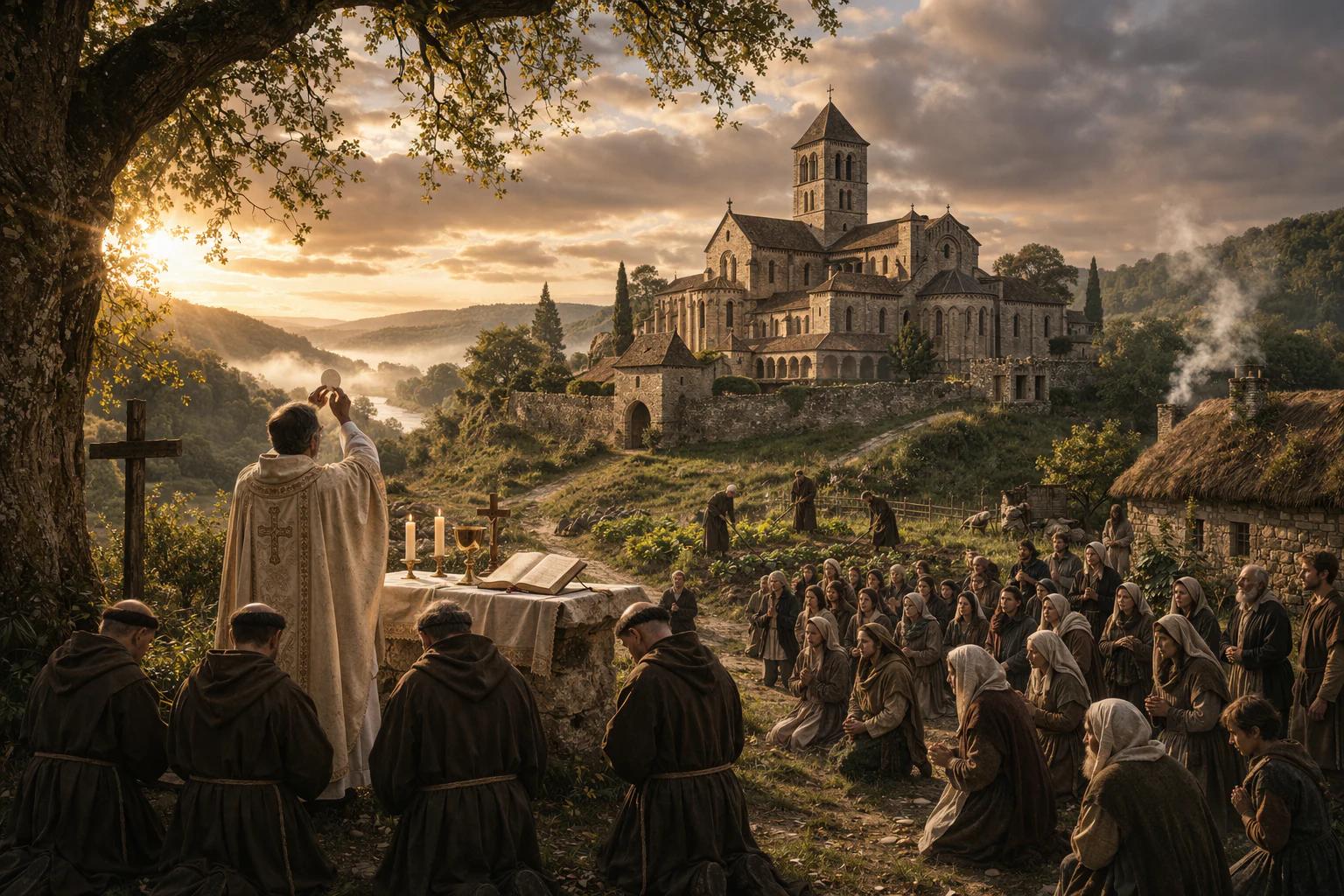
William of Aquitaine, later remembered as William the Pious, held great regional authority in southern and central France. His world was shaped by the weakening of Carolingian royal power and the rise of powerful local lords. Monasteries often depended on aristocratic patrons, but that dependence could bring interference, exploitation, and appointments made for family interest rather than spiritual discipline.
910

Founding Cluny

William's foundation charter for Cluny was remarkable because of what it gave away. He endowed the monastery, but renounced control over its internal life, its property, and the appointment of its abbot. Cluny was placed under the protection of the papacy rather than a local lord. This gave the monastery room to pursue strict Benedictine discipline and to resist the political capture that damaged many religious houses.

910-918

Independence as reform

The first generation of Cluny did not yet possess the vast network it would later command. But William's charter created the principle that made that future possible: a monastery should be free enough to live by its rule. Later abbots turned that freedom into a disciplined reform movement that attracted affiliated houses across Europe. The lesson moved beyond monasticism into wider church reform: spiritual offices should not be treated as rewards within secular patronage systems.

After 918

Cluniac legacy

William died in 918, only eight years after Cluny's foundation. The monastery he founded became far more important after his death, especially under abbots such as Odo, Mayeul, Odilo, and Hugh. Cluny's insistence on disciplined monastic life and freedom from lay control helped shape the reforming atmosphere that later produced the Gregorian Reform. William's legacy was therefore institutional rather than personal: he created the conditions in which others could build.

Continue in context

Connected stories

Move from the profile into the wider events and settings this figure belongs to.

Keep exploring

Content note

This profile is written for educational use and connects to related Stories of History pages. The main portrait is an AI-assisted historical reconstruction, included as an illustrative aid rather than documentary evidence. Image policy

References

Sources and historical notes

Sources used to check this page, selected recommendations and historical notes.

Sources used

  1. Centre des monuments nationaux, “History of the Abbey of Cluny,”

    Describes William’s foundation of Cluny and the abbey’s subsequent development.

    Open source
  2. Bloomsbury, “The Foundation Charter of Cluny,”

    Provides an English translation of William’s grant establishing the abbey and setting out its protections.

    Open source
  3. History Compass, “Political culture and ducal authority in Aquitaine, c. 900–1040,”

    Places William’s authority in the early development of ducal power in Aquitaine.

    Open source

Additional sources and notes

Loading reviewed claim sources...

Our editorial approach · Report a historical error

A monthly route through history

Find out first about the latest published stories, feature notes and occasional Premium offers in one monthly email.