← People

Pushyamitra Shunga

Pushyamitra Shunga founded the Shunga dynasty after overthrowing the last Mauryan emperor, commonly identified as Brihadratha, around 185 BC. His rise marked the formal end of the Maurya Empire.

Died
c. 149 BCE
Role
Dynasty founder
Also known as
Pushyamitra, Pusyamitra Shunga, Pushyamitra Sunga
Region
Magadha, Northern India, South Asia

Founder of the Shunga dynasty (d. c. 149 BC)

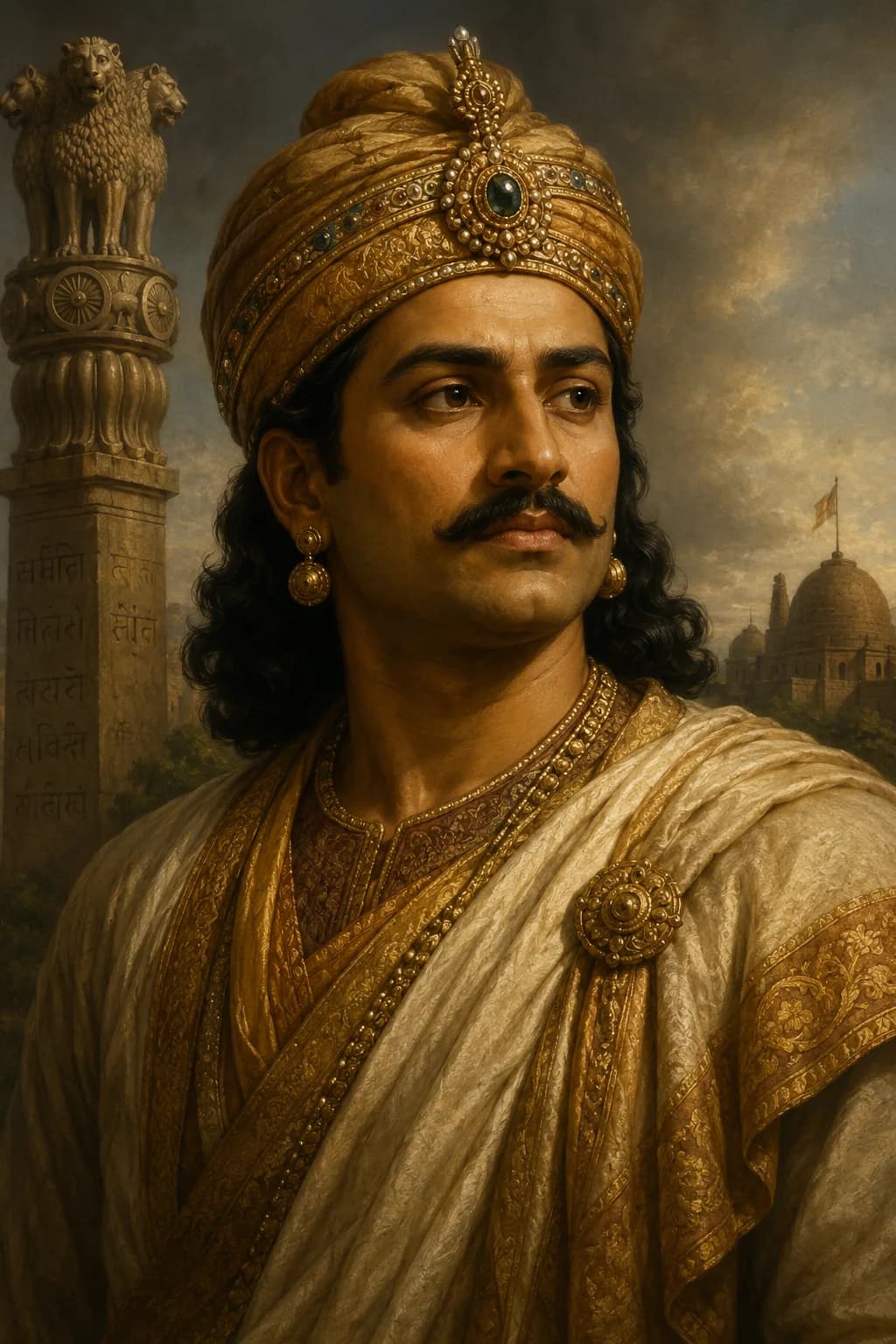
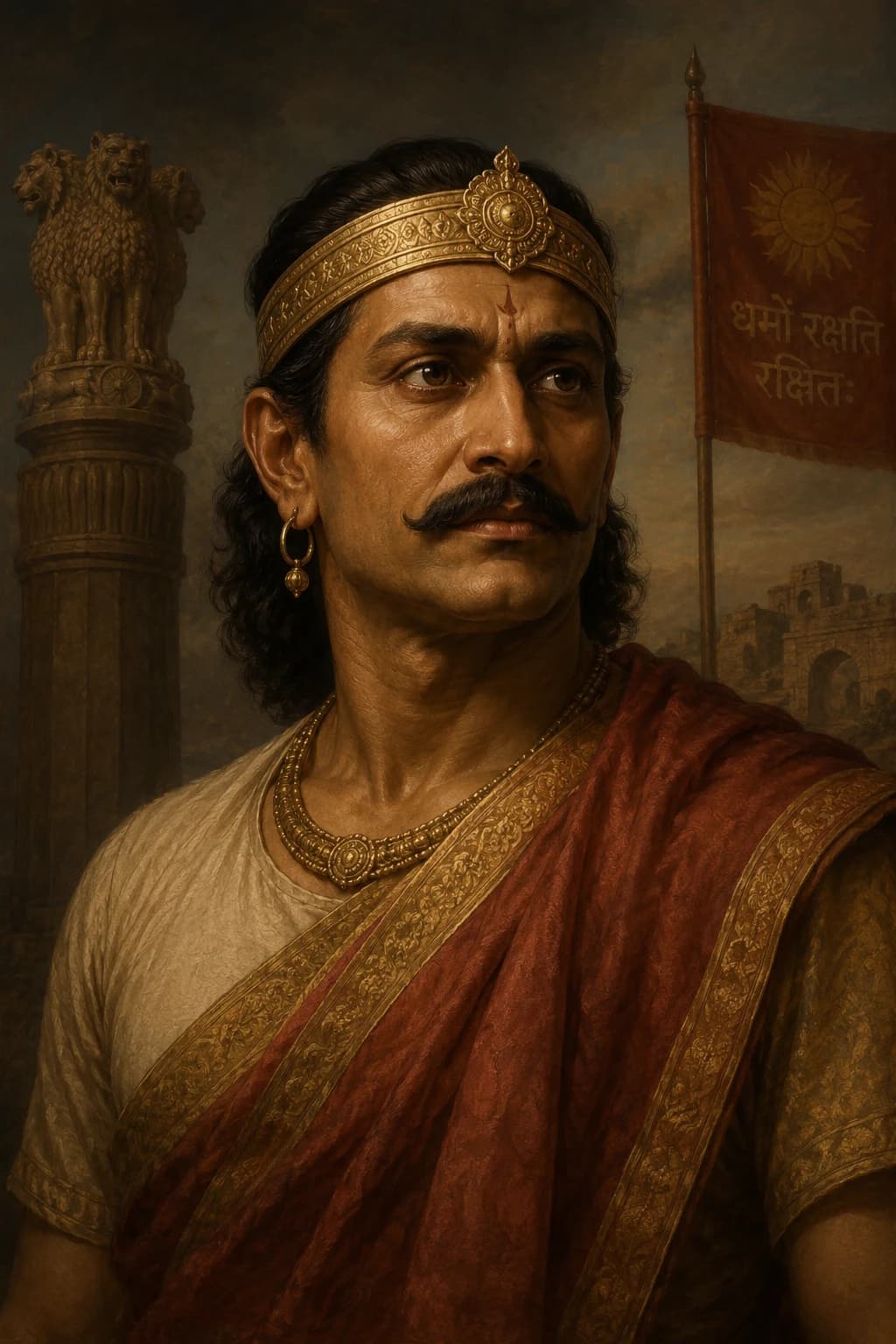
AI-generated portrait of Pushyamitra Shunga in ancient Indian royal attire
AI-assisted historical reconstruction

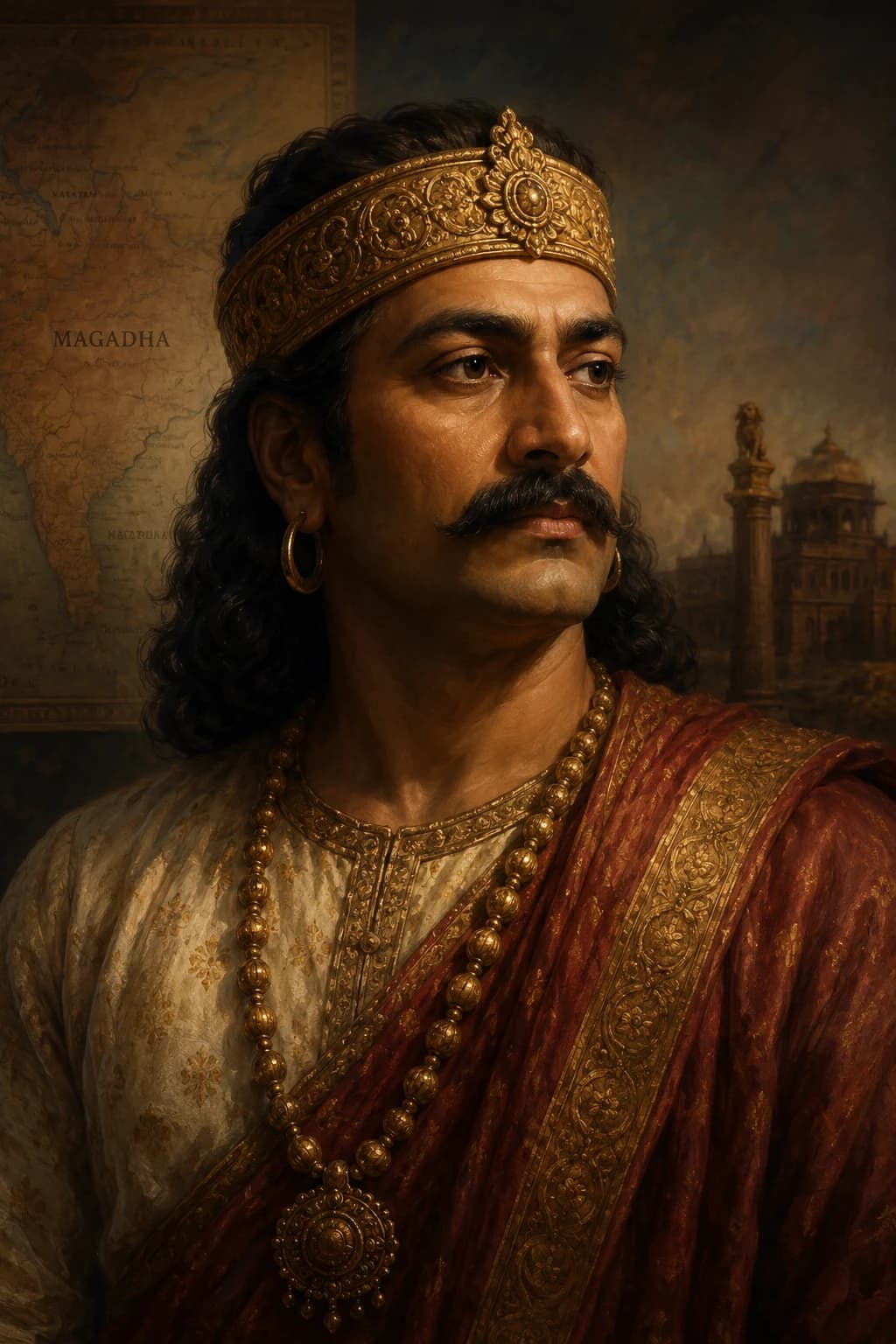
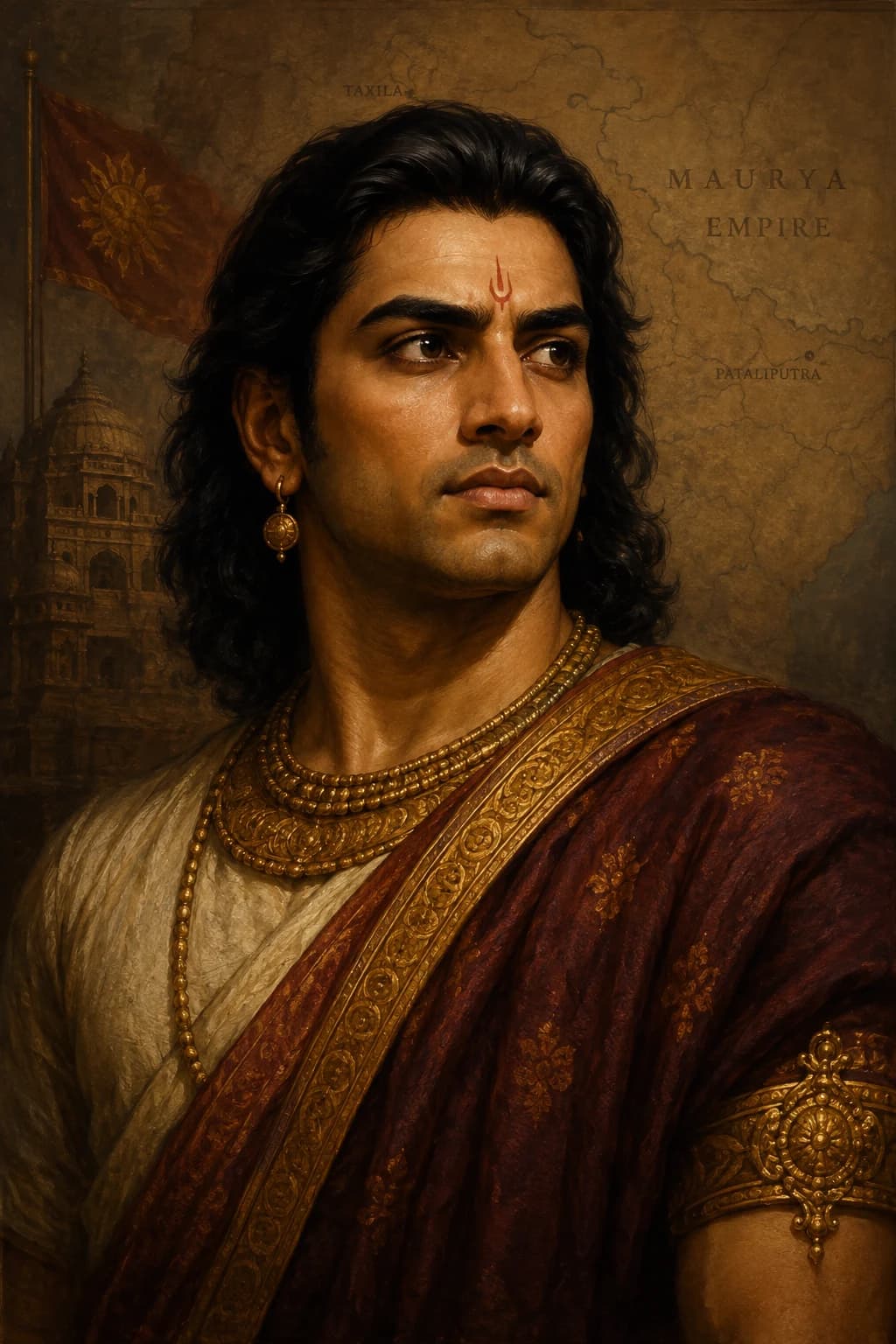
An illustrative reconstruction based on historical context. It is not a photograph or documentary likeness. Image policy

Life Journey

The commander at the end of Mauryan rule

Follow Pushyamitra from military power to the founding of the Shunga dynasty.

Complete chronology

2nd century BC

A Weakening Empire

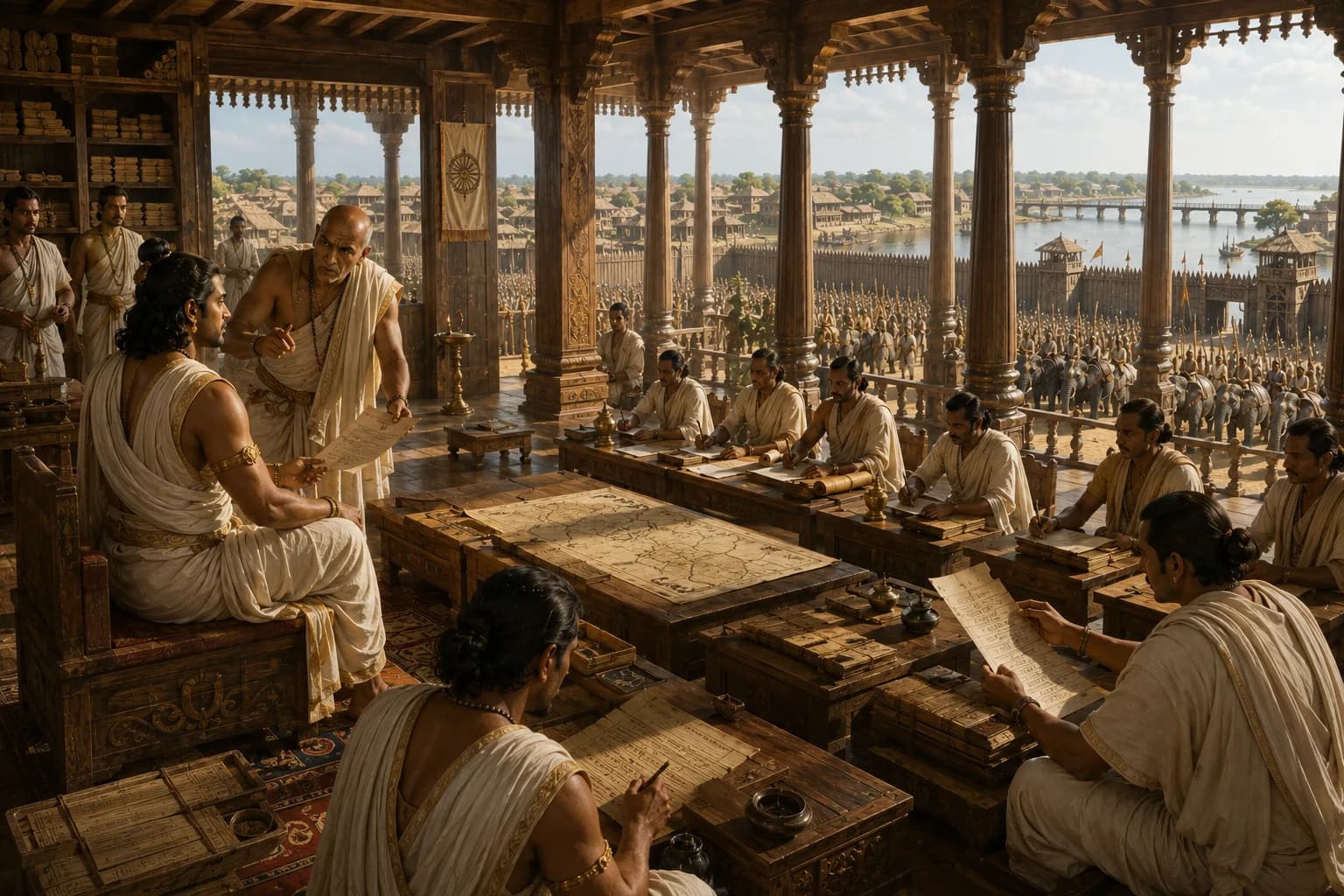
The Maurya Empire did not vanish immediately after Ashoka, but its centre became harder to hold. Sources for the post-Ashokan succession are uneven, and later traditions do not give a simple political map. What is clear is that regional power, court politics, and military authority mattered more as the imperial structure thinned. Pushyamitra emerged from this world as a commander positioned close to power.
185 BC

The Mauryan Coup

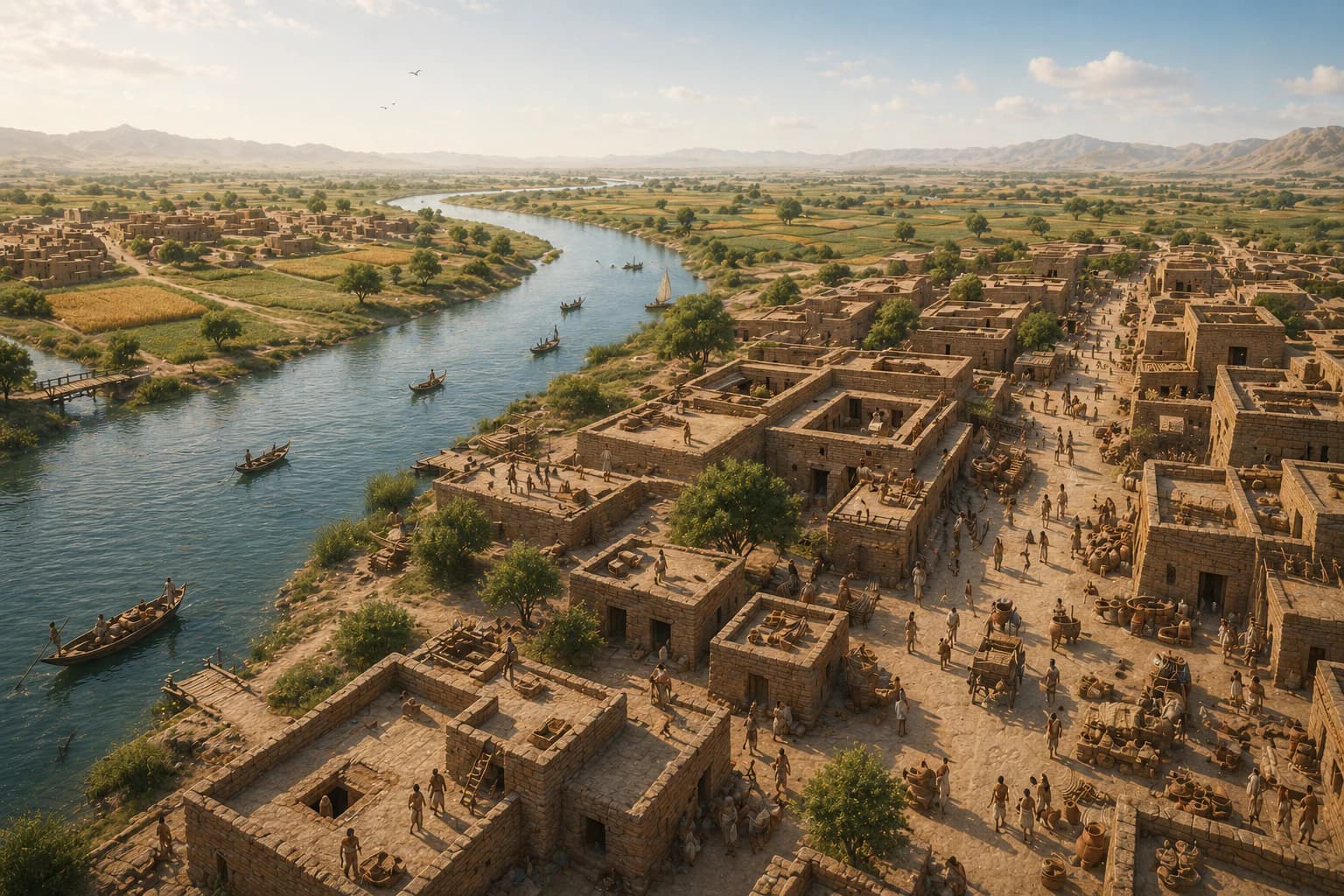
The last Mauryan emperor is commonly identified as Brihadratha. Around 185 BC, Pushyamitra overthrew him and founded a new dynasty. The coup was dramatic in form, but it gave political shape to a process already underway: the old Mauryan centre no longer commanded the obedience it once had. A dynasty that had risen through Magadha lost power in the same arena where military authority and court politics intersected.

185-149 BC

Founding the Shungas

The Shunga dynasty did not recreate Mauryan unity. It belonged to a different political world, one in which regional powers and successor states operated within the shadow of Mauryan memory. Pushyamitra's rule is also wrapped in later religious and political debates, especially around relations with Buddhist institutions, and those claims need careful handling. What can be said securely is that he became the name attached to the post-Mauryan transition in northern India.

After 149 BC

A Boundary Marker

Pushyamitra's importance lies less in universal empire than in historical boundary-making. Chandragupta had made subcontinental imperial power imaginable, Bindusara preserved it, and Ashoka gave it a moral language. Pushyamitra stands at the other edge of that arc. His coup marks the formal end of the Maurya Empire and the beginning of a more fragmented political landscape in northern India.

Continue in context

Connected stories

Move from the profile into the wider events and settings this figure belongs to.

Tertiary paths

Content note

This profile is written for educational use and connects to related Stories of History pages. The main portrait is an AI-assisted historical reconstruction, included as an illustrative aid rather than documentary evidence. Image policy

References

Sources & Further Reading

Reliable reference works, archives and reading paths connected to this profile.

Further reading

  1. Encyclopaedia Britannica, “Search results for Pushyamitra Shunga,” accessed June 2026.Open source
  2. WorldCat, “Books and library holdings for Pushyamitra Shunga,” accessed June 2026.Open source

Primary sources

  1. Library of Congress, “Search results for Pushyamitra Shunga,” accessed June 2026.Open source

Reviewed claim sources

Loading reviewed claim sources...

A monthly route through history

Find out first about the latest published stories, feature notes and occasional Premium offers in one monthly email.