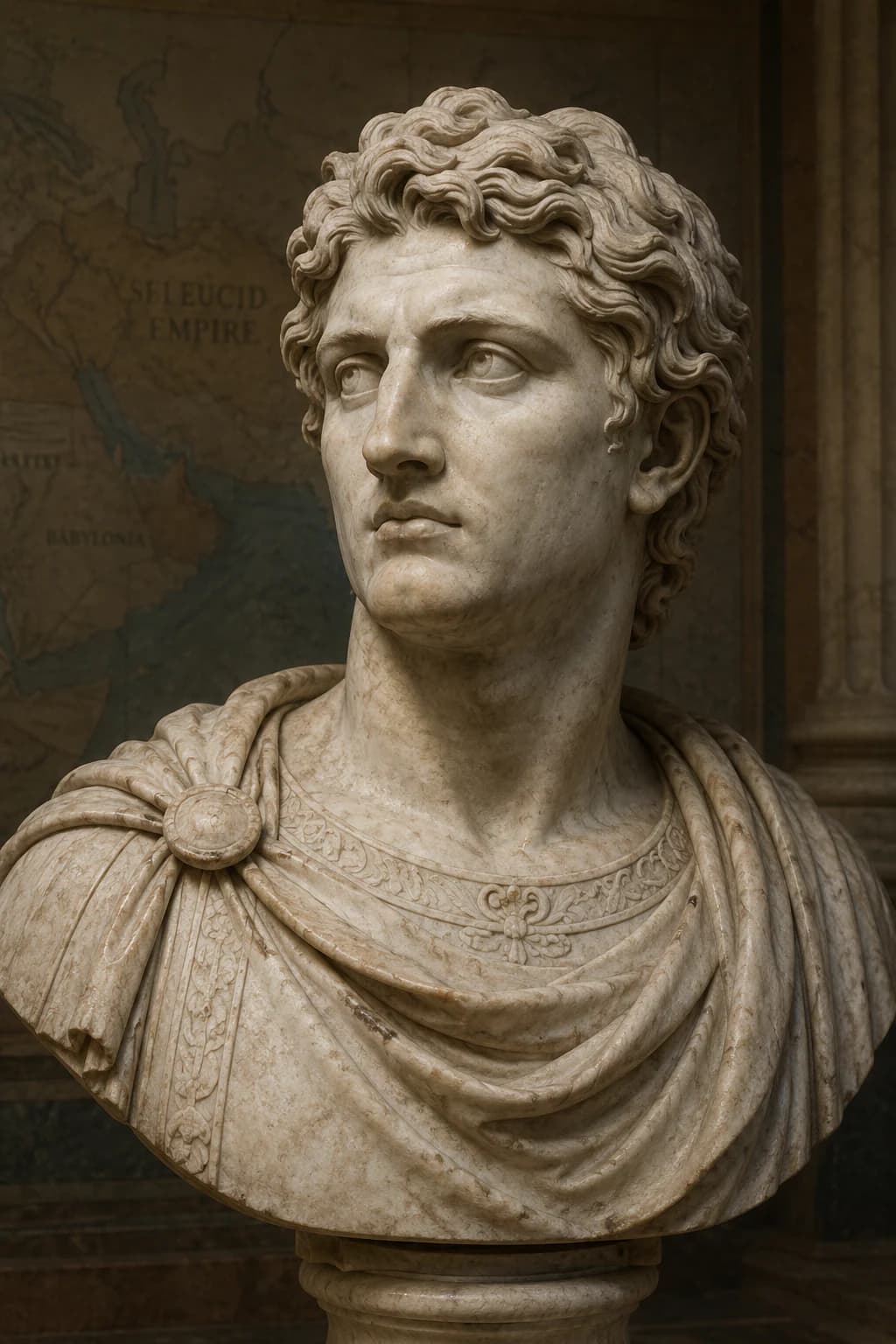
← People

Bindusara

Bindusara was the second Mauryan emperor, ruling after Chandragupta Maurya and before Ashoka. His reign preserved the empire and likely extended Mauryan influence toward the Deccan.

Born
c. 320 BCE
Died
c. 273 BCE
Role
Mauryan emperor
Also known as
Amitraghata, Amitrochates
Region
Magadha, Northern India, Deccan, Maurya Empire

Mauryan emperor (c. 320 BC-c. 273 BC)

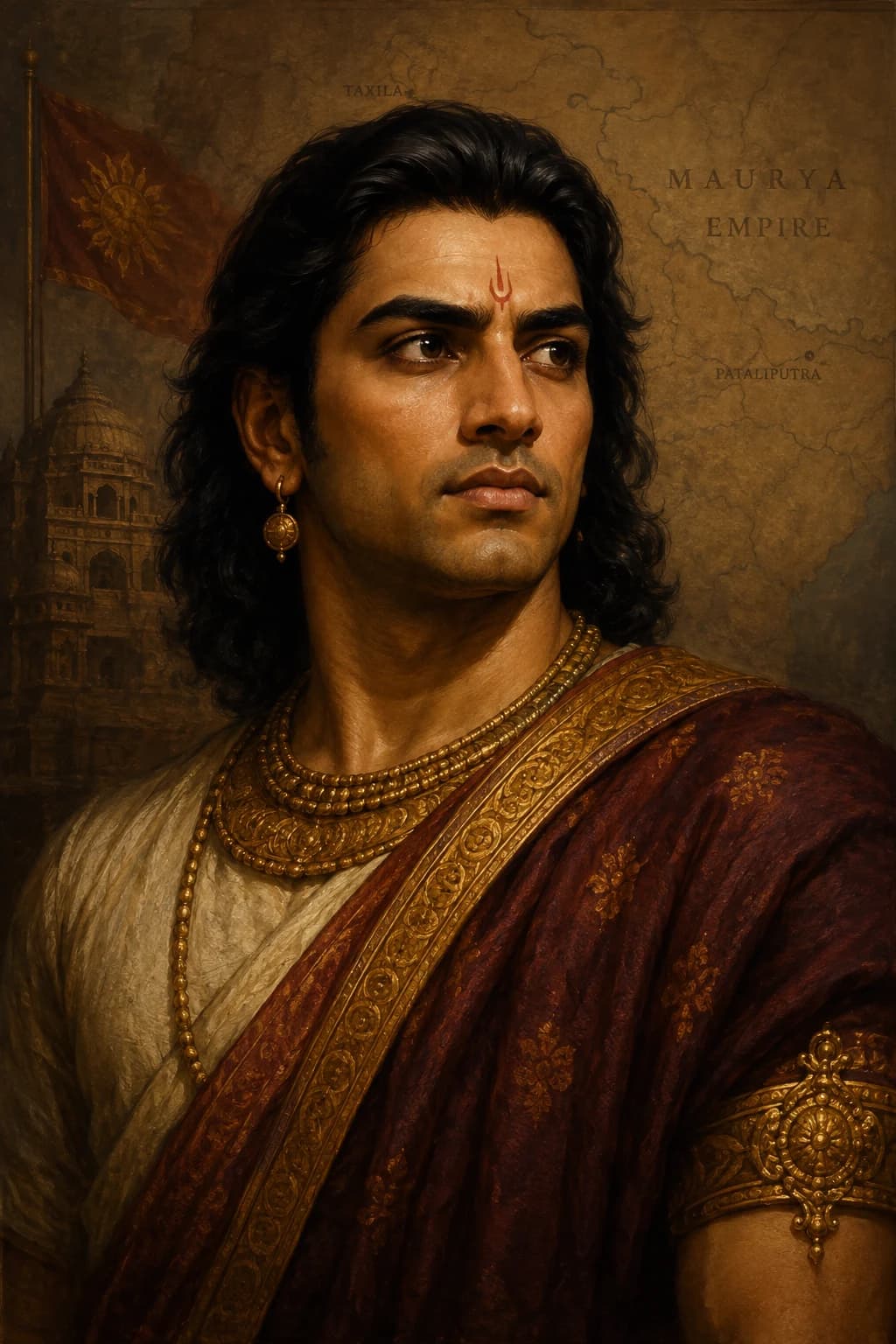
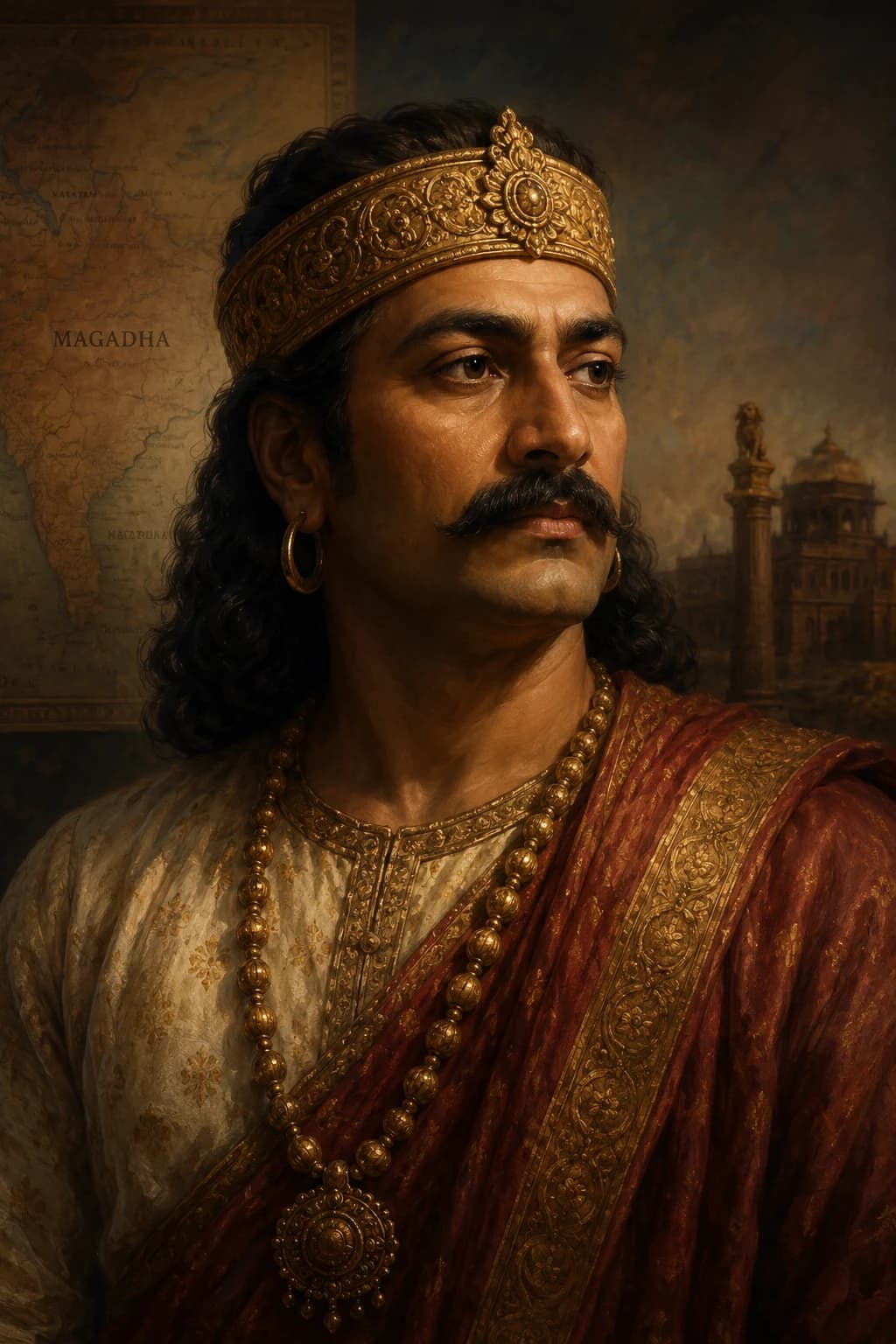
AI-generated portrait of Bindusara in Mauryan imperial attire
AI-assisted historical reconstruction

An illustrative reconstruction based on historical context. It is not a photograph or documentary likeness. Image policy

Life Journey

The emperor who made Mauryan continuity possible

Follow Bindusara from inheritance to expansion and the stage set for Ashoka.

Complete chronology

c. 297 BC

Inheriting an Empire

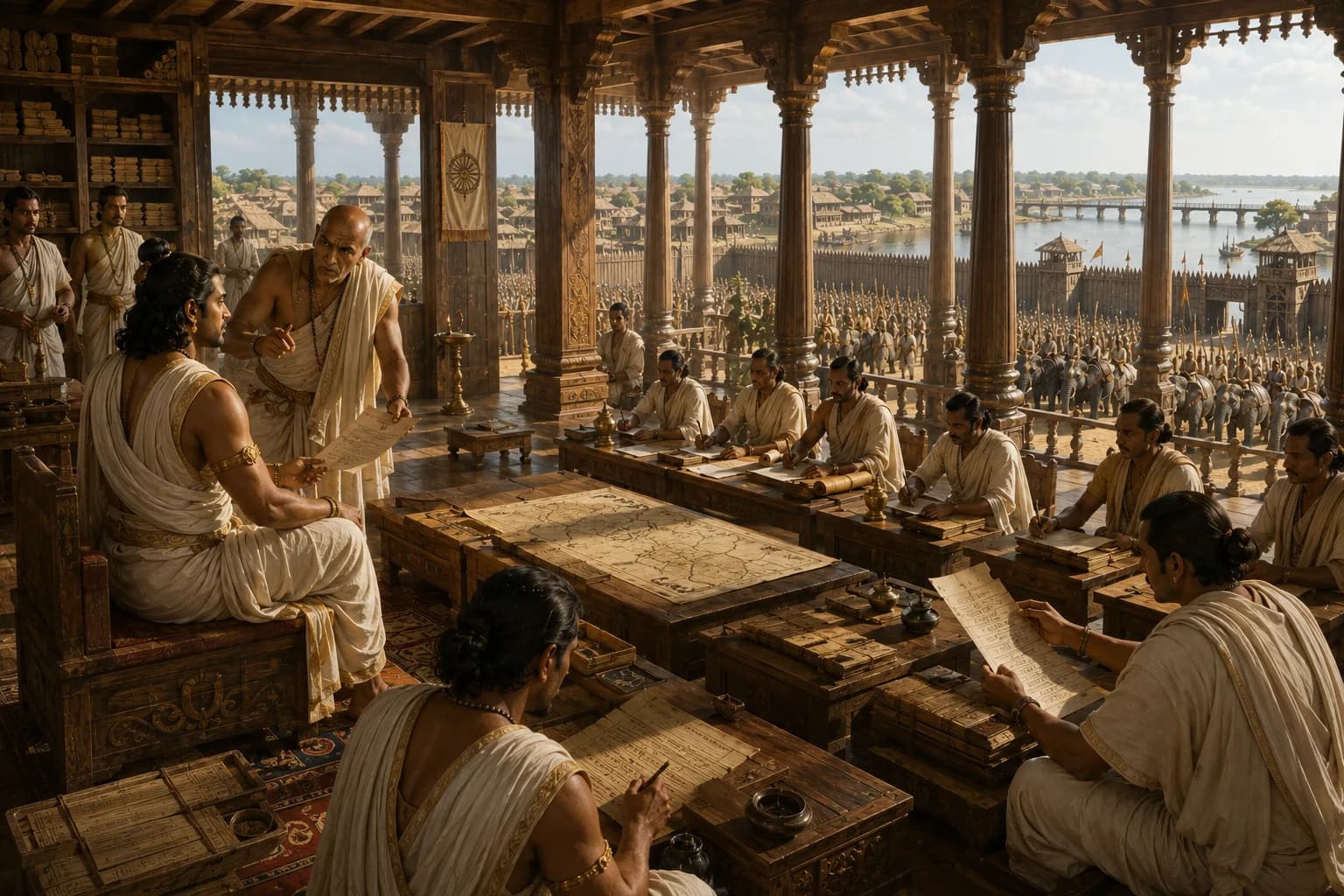
Bindusara's importance begins with succession. Chandragupta had founded a dramatic new empire, but founders leave dangerous inheritances. Provinces had to remain loyal, armies had to accept a new ruler, officials had to keep revenue moving, and the royal house had to prove that Mauryan power was more than one man's achievement. Bindusara's reign showed that the system could pass through succession without immediate collapse.
3rd century BC

Expansion Southward

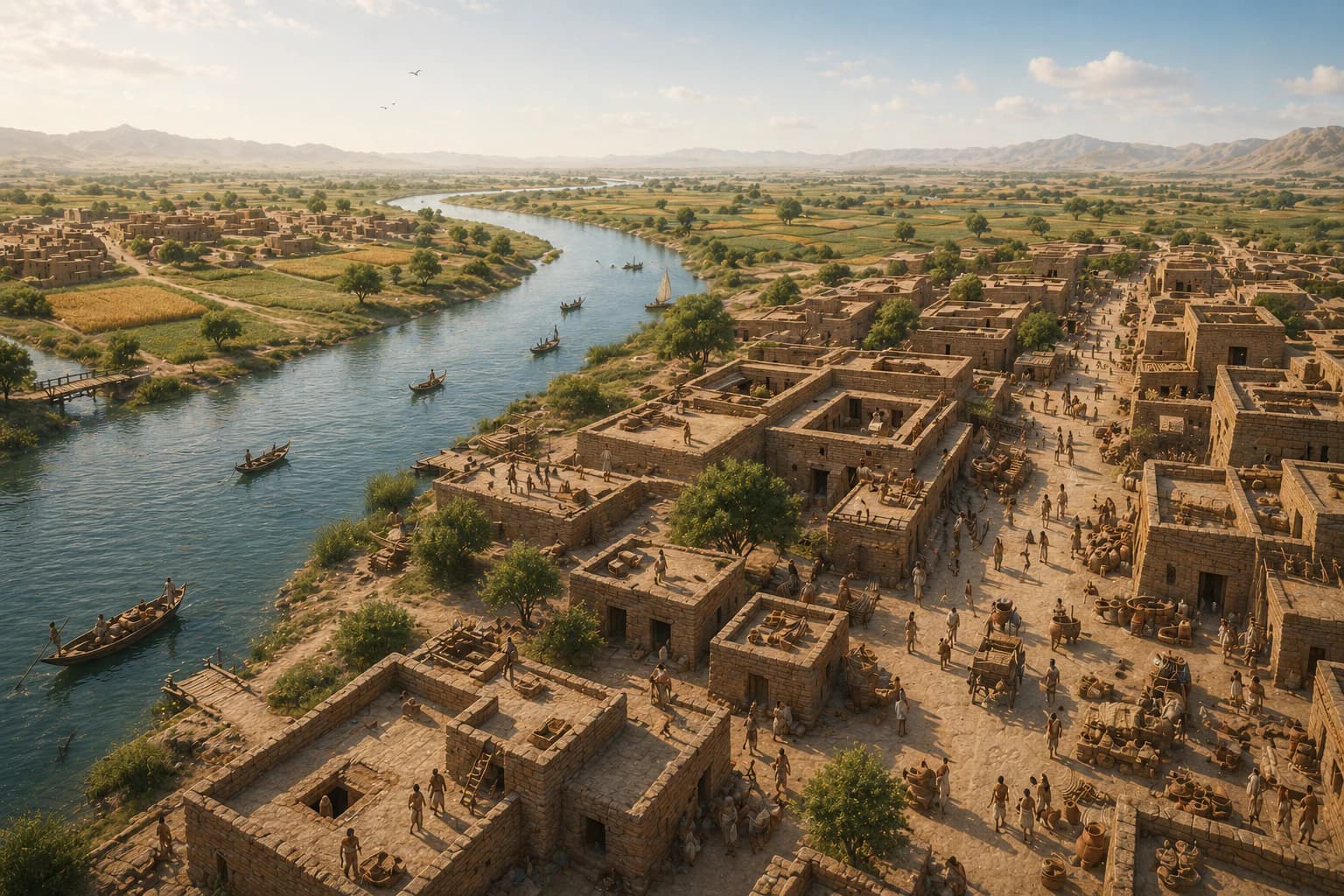
The details of Bindusara's expansion are difficult to fix, but later traditions place him in the broad movement of Mauryan power toward the Deccan. That direction fits the empire Ashoka later inherited: large, experienced, and already reaching well beyond the Ganges plain. Bindusara's reign therefore matters not because every campaign is clear, but because the imperial frame held and widened.

3rd century BC

A Connected Court

Mauryan rule did not exist in isolation. The settlement between Chandragupta and Seleucus I Nicator had opened a diplomatic horizon, and Bindusara seems to have maintained contact with Hellenistic rulers. These exchanges remind us that Pataliputra was not a hidden capital cut off from the wider world. It belonged to an Afro-Eurasian landscape shaped by envoys, trade routes, frontier politics, and royal curiosity.

c. 273 BC

Setting the Stage for Ashoka

Bindusara is less famous than Chandragupta and Ashoka because his reign lacks one dramatic turning point. Yet that is exactly why he matters. He made continuity look possible. Ashoka's later conquest of Kalinga, moral transformation, and edicts all depended on the existence of an empire large enough to govern, wound, and reform. Bindusara's legacy lies in making that scale durable between founder and moral emperor.

Continue in context

Connected stories

Move from the profile into the wider events and settings this figure belongs to.

Tertiary paths

Content note

This profile is written for educational use and connects to related Stories of History pages. The main portrait is an AI-assisted historical reconstruction, included as an illustrative aid rather than documentary evidence. Image policy

References

Sources & Further Reading

Reliable reference works, archives and reading paths connected to this profile.

Further reading

  1. Encyclopaedia Britannica, “Search results for Bindusara,” accessed June 2026.Open source
  2. WorldCat, “Books and library holdings for Bindusara,” accessed June 2026.Open source

Primary sources

  1. Library of Congress, “Search results for Bindusara,” accessed June 2026.Open source

Reviewed claim sources

Loading reviewed claim sources...

A monthly route through history

Find out first about the latest published stories, feature notes and occasional Premium offers in one monthly email.