Accessible gives a lighter overview. Deep Dive tells the fuller story.
Quick Answers
Who was Alexander the Great?
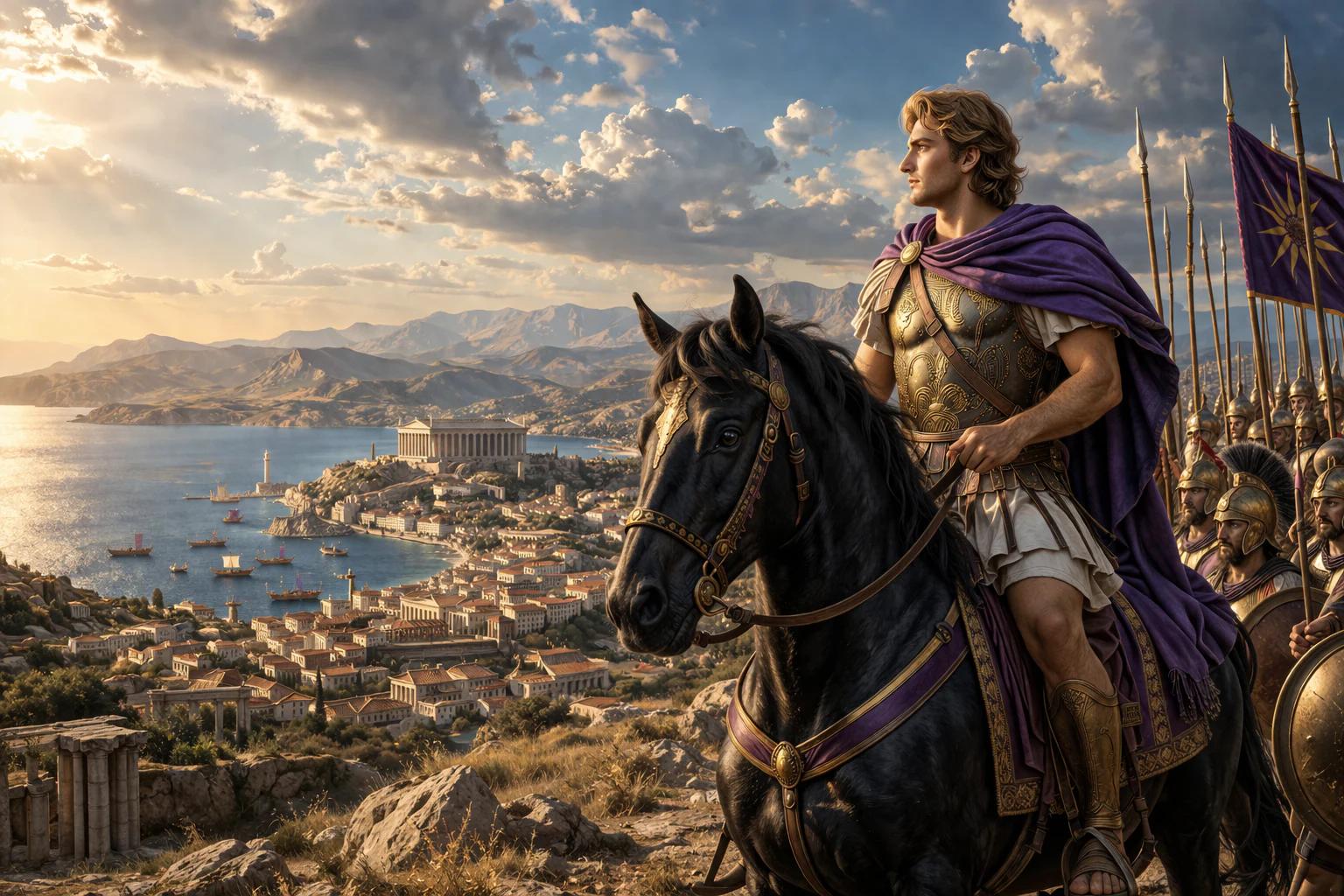
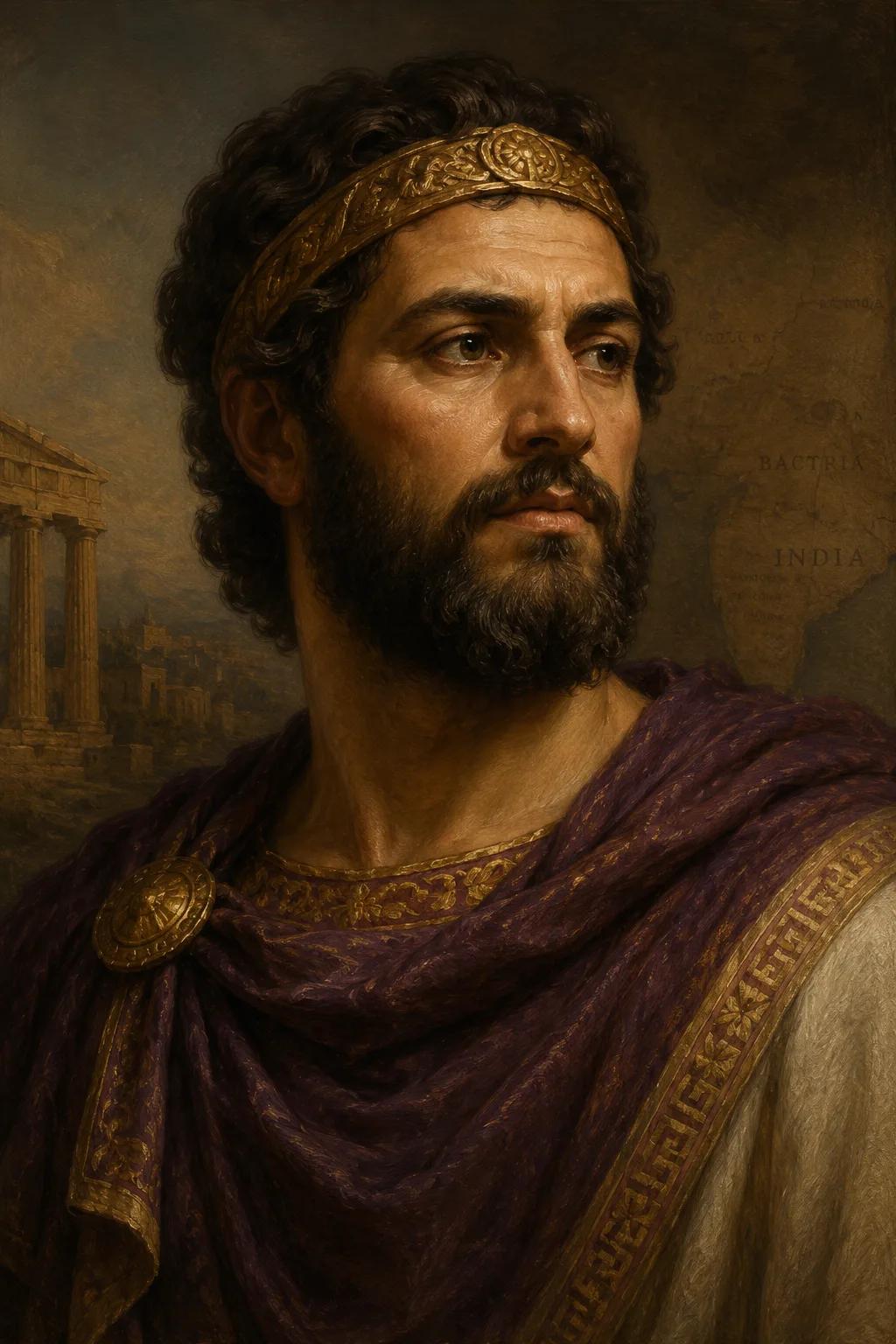
Alexander was the king of who overthrew the Achaemenid Empire and campaigned as far as the northwestern Indian subcontinent. After his death in in 323 BCE, wars among his successors produced several Hellenistic kingdoms.
At a glance
This story runs from Philip II’s accession in 359 BCE to Rome’s annexation of Egypt in 30 BCE.
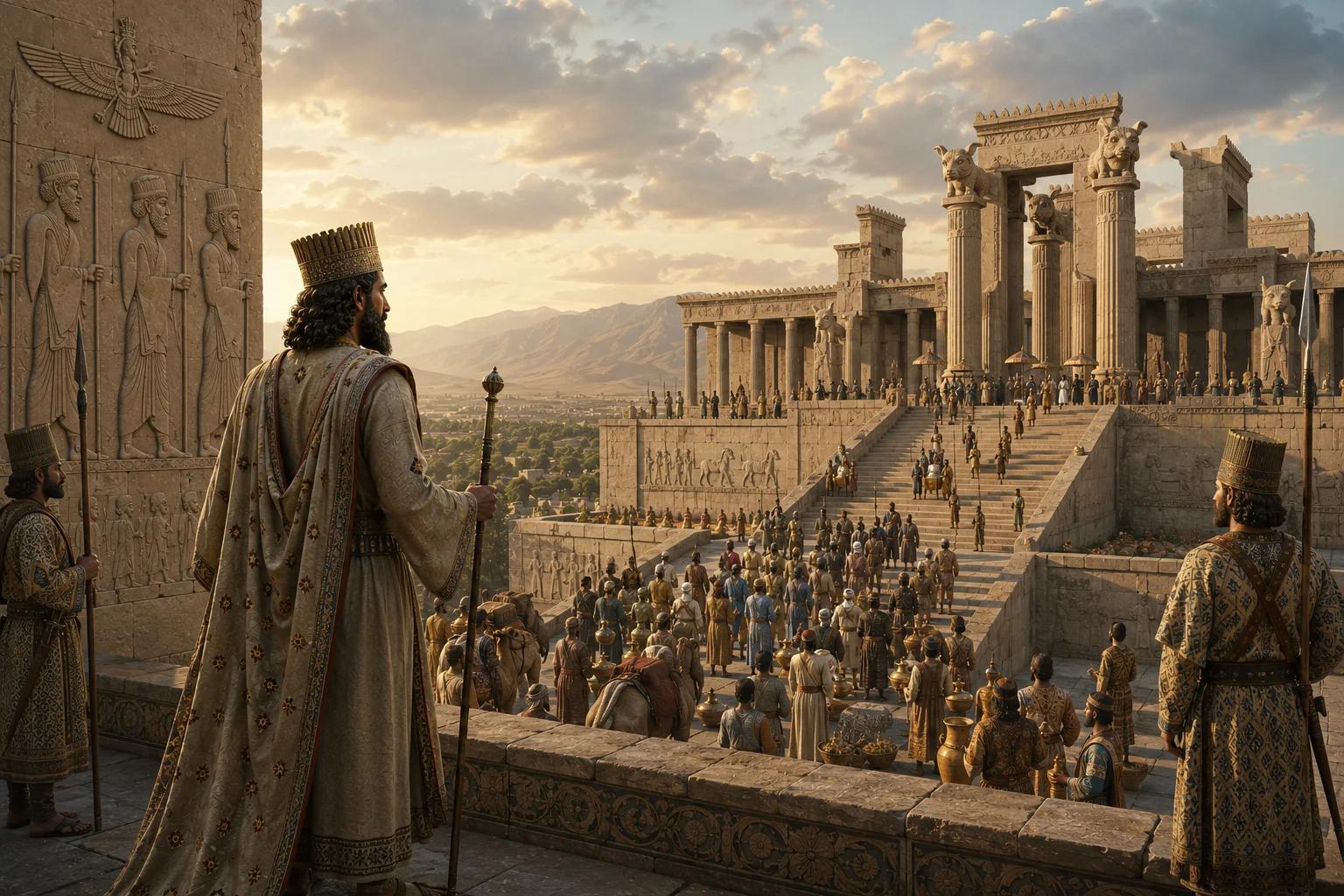
Alexander conquered the Persian Empire, including Anatolia, Syria, Egypt, Mesopotamia, Iran, and parts of Central Asia. His army also campaigned into the north-western Indian subcontinent before turning back.
What happened after Alexander died?
Commanders recognised Philip III and Alexander IV as kings while dividing up provincial commands. Wars among the successors produced several kingdoms, including Ptolemaic Egypt and the Seleucid kingdom in Asia.
What was the Hellenistic world?
The Hellenistic world included the kingdoms and societies that developed after Alexander’s conquests. Greek spread through many courts and cities alongside local languages, institutions and traditions.
Context
Introduction
Overview
Alexander of conquered the Achaemenid Empire and campaigned as far as the northwestern Indian subcontinent. After his death in 323 BCE, wars among his successors produced kingdoms that ruled from cities including and Antioch. Greek spread through these kingdoms alongside languages and institutions with long histories of their own.
Alexander overthrew the Achaemenid Empire and campaigned into the northwestern Indian subcontinent. When he died, the commanders negotiated a joint kingship.
Greek circulated more widely, alongside local languages. Cities such as supported scholarship with a long afterlife.
359 BCE
Step 1 of 10359 BCEAccessible mode
Philip Builds Macedon
Before Alexander crossed into Asia, his father Philip had turned from a kingdom under threat into the leading military power in the Greek world.
Philip took power in 359 BCE after his brother Perdiccas III was killed fighting the Illyrians. faced enemies on several fronts.
Philip rebuilt the army. His infantry carried long pikes called sarissas, and cavalry and other troops fought alongside them. Training helped these forces work together.
He also used gold, diplomacy, and careful timing to weaken rivals. By the late 340s BCE, dominated northern and central Greece.
Philip defeated and at the Battle of in 338 BCE. He then set up an alliance of Greek states under his command and planned to invade .
Philip sent an advance force to Asia before he was killed in 336 BCE. Alexander inherited the army, the alliance and a war already in preparation.
336 BCE
Step 2 of 10336 BCEAccessible mode
Alexander Takes the Throne
When Philip was killed in 336 BCE, Alexander was twenty. Two years later, after campaigns north and south of , he crossed into Asia.
Philip's death caused immediate trouble. Court rivals threatened Alexander's claim, neighboring peoples saw a chance to break free, and Greek city-states tried to reassert their independence.
Alexander acted with extraordinary speed. He secured the army's loyalty, crushed the northern tribes in rapid campaigns, and turned south before Greece could organize against him.
In 335 BCE, rebelled after reports that Alexander had been killed. He returned and took the city. Much of it was destroyed, and many survivors were sold into slavery.
sought terms after the fall of .Alexander could now prepare to take the war into Asia.
In 334 BCE, Alexander crossed into Asia. He presented the invasion as revenge for earlier Persian attacks on Greece.
The Achaemenid Empire stretched from the Aegean to the Indus region. In western Anatolia, its provincial commanders were the first to respond to Alexander's invasion.
He won his first major victory at the River in 334 BCE. Ancient writers disagree on how he crossed the river, but the outcome opened much of western Anatolia to his army.
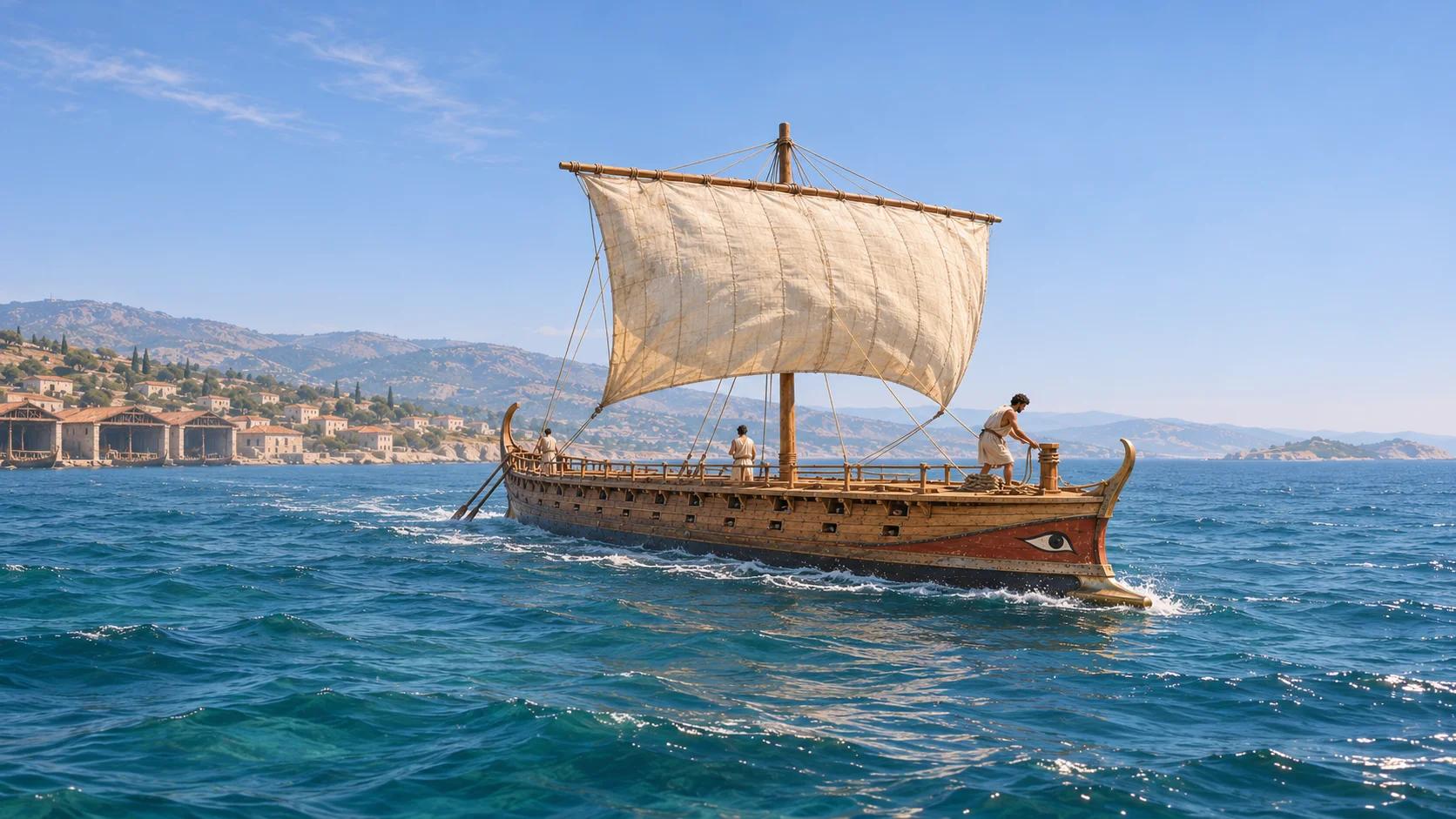
Alexander took cities and ports along the coast, weakening the Persian fleet's access to bases. In some Greek cities he replaced Persian-backed governments, and in others he met resistance.
At in 333 BCE, Darius III faced Alexander in person. The Persian army was defeated. Darius escaped, and members of his family were captured.
Ancient writers describe Darius making offers of peace after .Alexander refused. The war went on, and so did his claim to rule Asia.
PremiumFree preview: 3 of 10 chapters
Continue Alexander the Great and the Hellenistic World
Sign up to a Premium account to read the remaining chapters of this story.
A paid Premium subscription also gives you full access to every other Premium story.