← People

Seleucus I Nicator

Seleucus I Nicator was a Macedonian general and Successor of Alexander the Great. He recovered Babylon in 312 BC, founded the Seleucid Empire, created new cities including Seleucia and Antioch, and died in 281 BC.

Born
c. 358 BCE
Died
281 BCE
Role
Hellenistic king
Also known as
Seleucus, Seleucus I, Seleucus Nicator
Region
Syria, Mesopotamia, Persia, Syria, Mesopotamia, and Persia

Founder of the Seleucid Empire (c. 358 BC-281 BC)

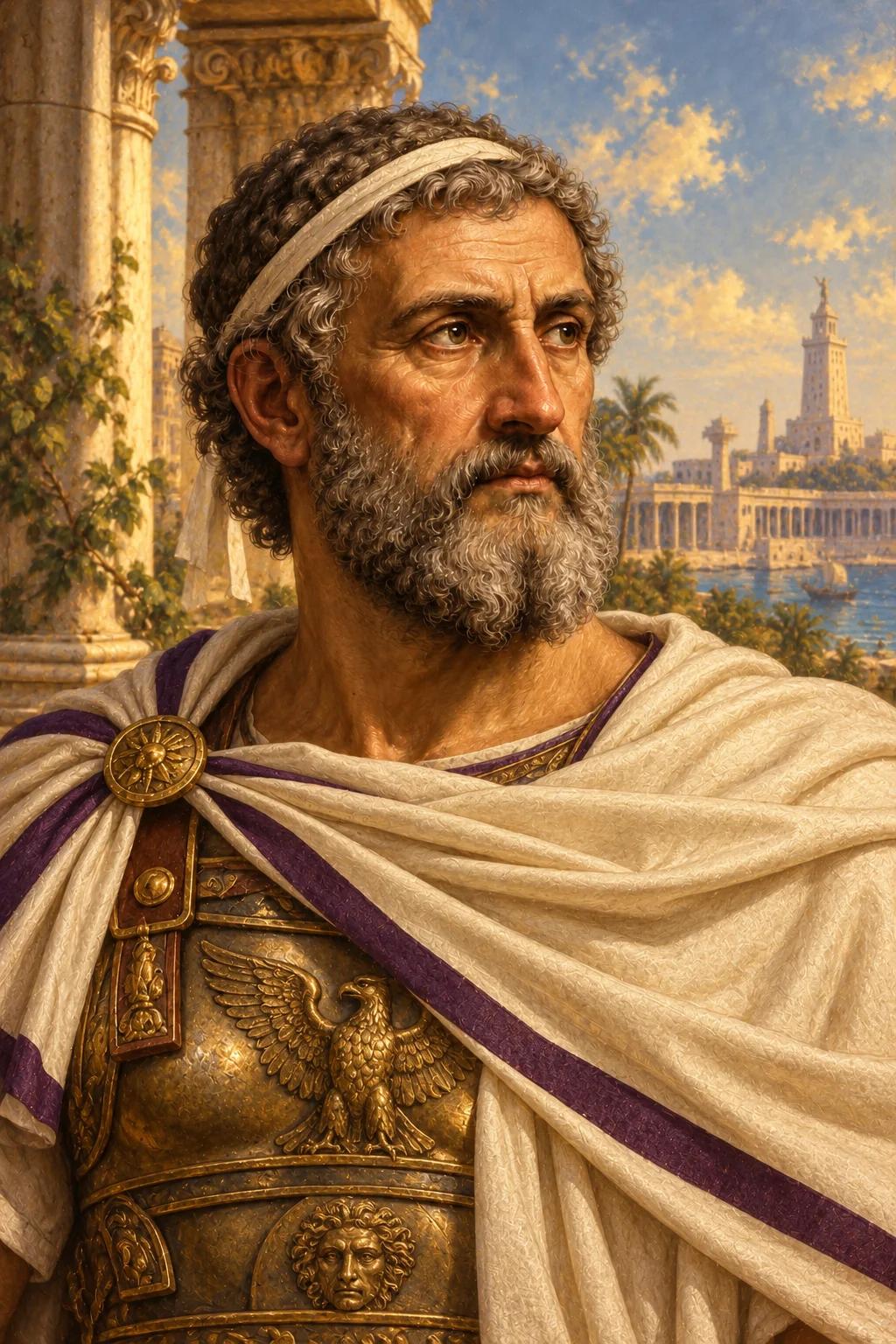
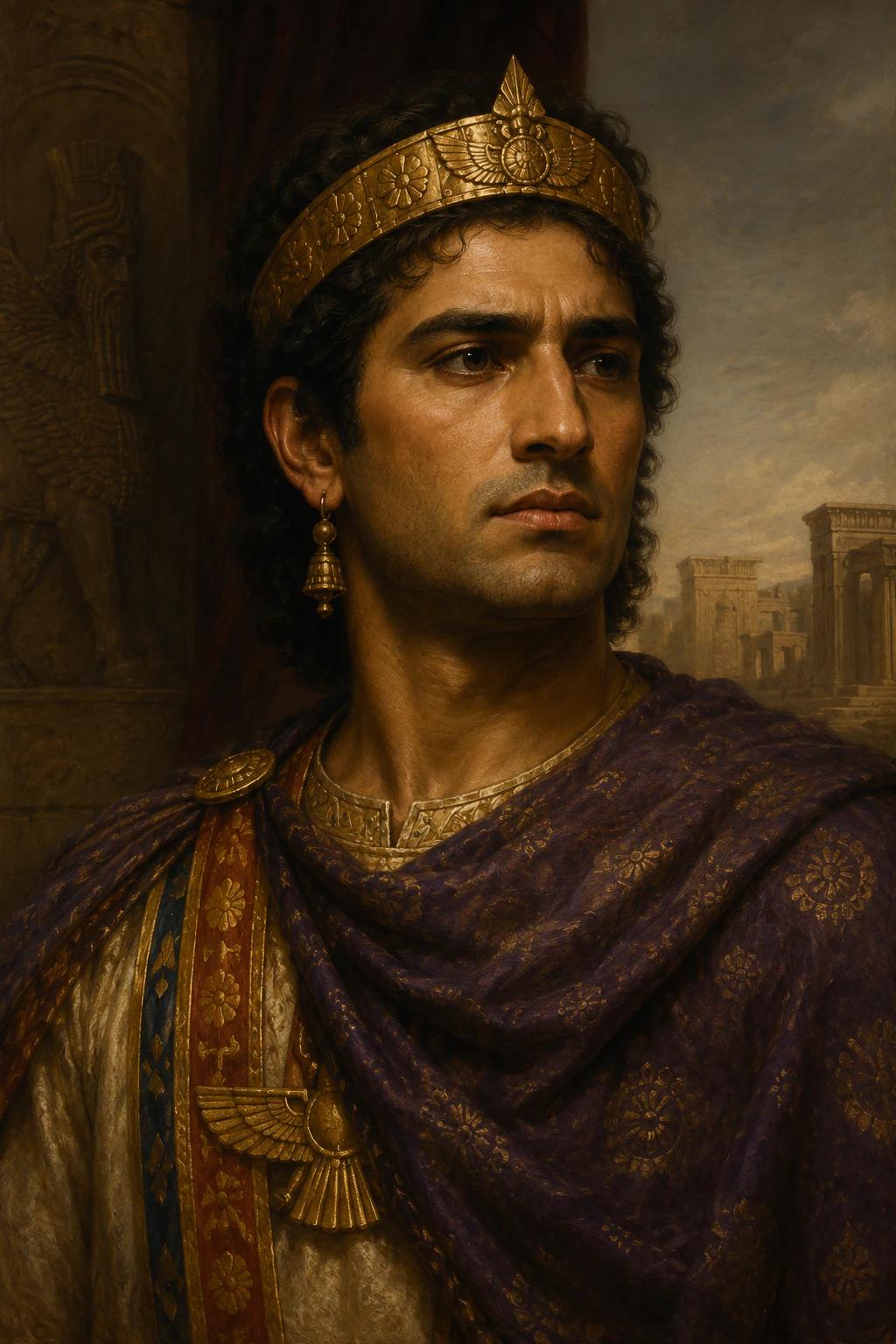
AI-assisted painted reconstruction of Seleucus I Nicator
AI-assisted historical reconstruction

An illustrative reconstruction based on historical context. It is not a photograph or documentary likeness. Image policy Attribution

Life Journey

The founder of the eastern Hellenistic kingdom

Follow Seleucus from Alexander's army to the creation of the Seleucid Empire.

Complete chronology

334-323 BC

In Alexander's army

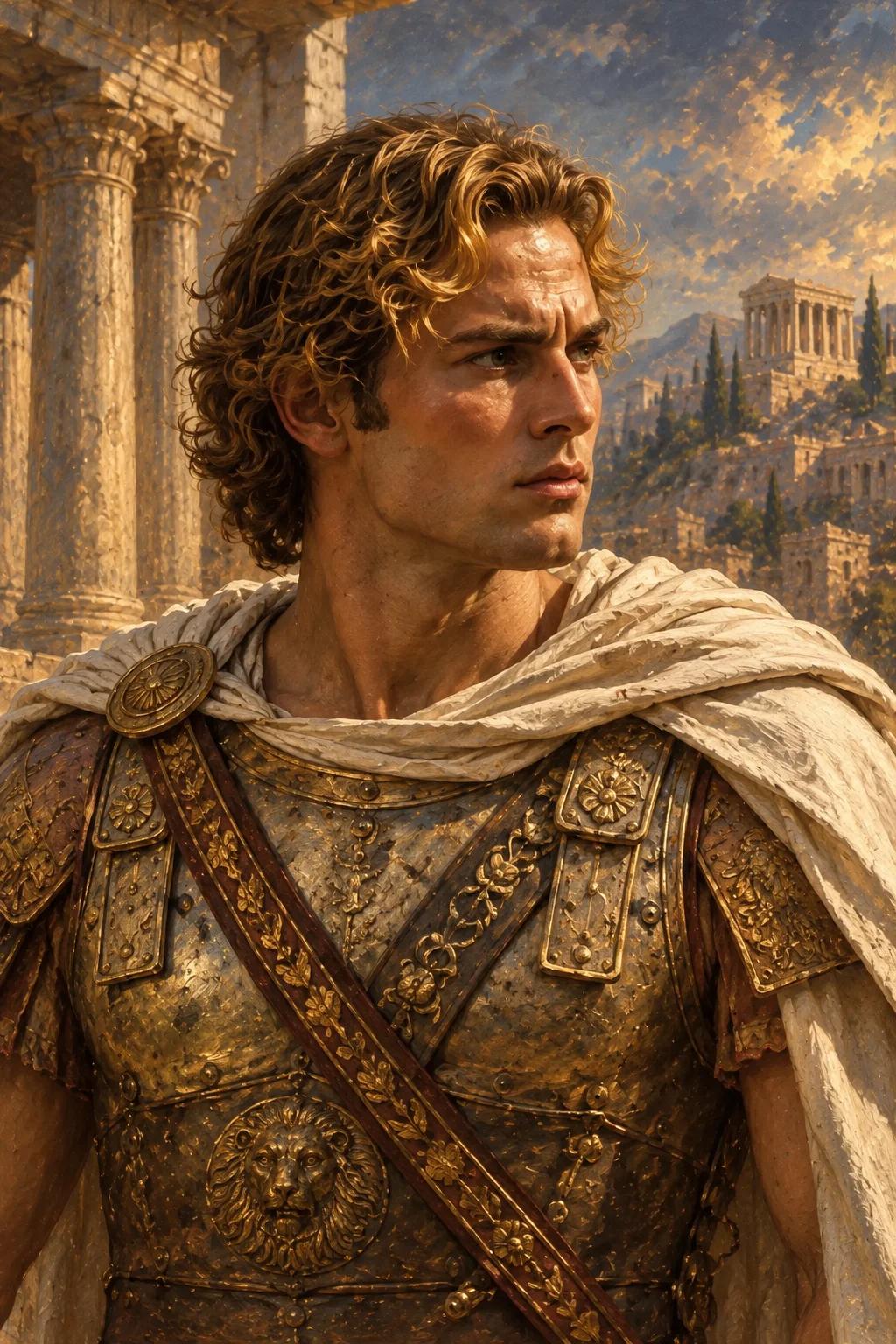
Seleucus rose within the Macedonian army during the campaigns that took Alexander across the Persian Empire. Like other Successors, his authority after Alexander's death came from a mixture of military reputation, personal networks, and command over troops. He was not the first figure to dominate the settlement after Babylon, but he proved one of the most durable.
312 BC

Babylon and return

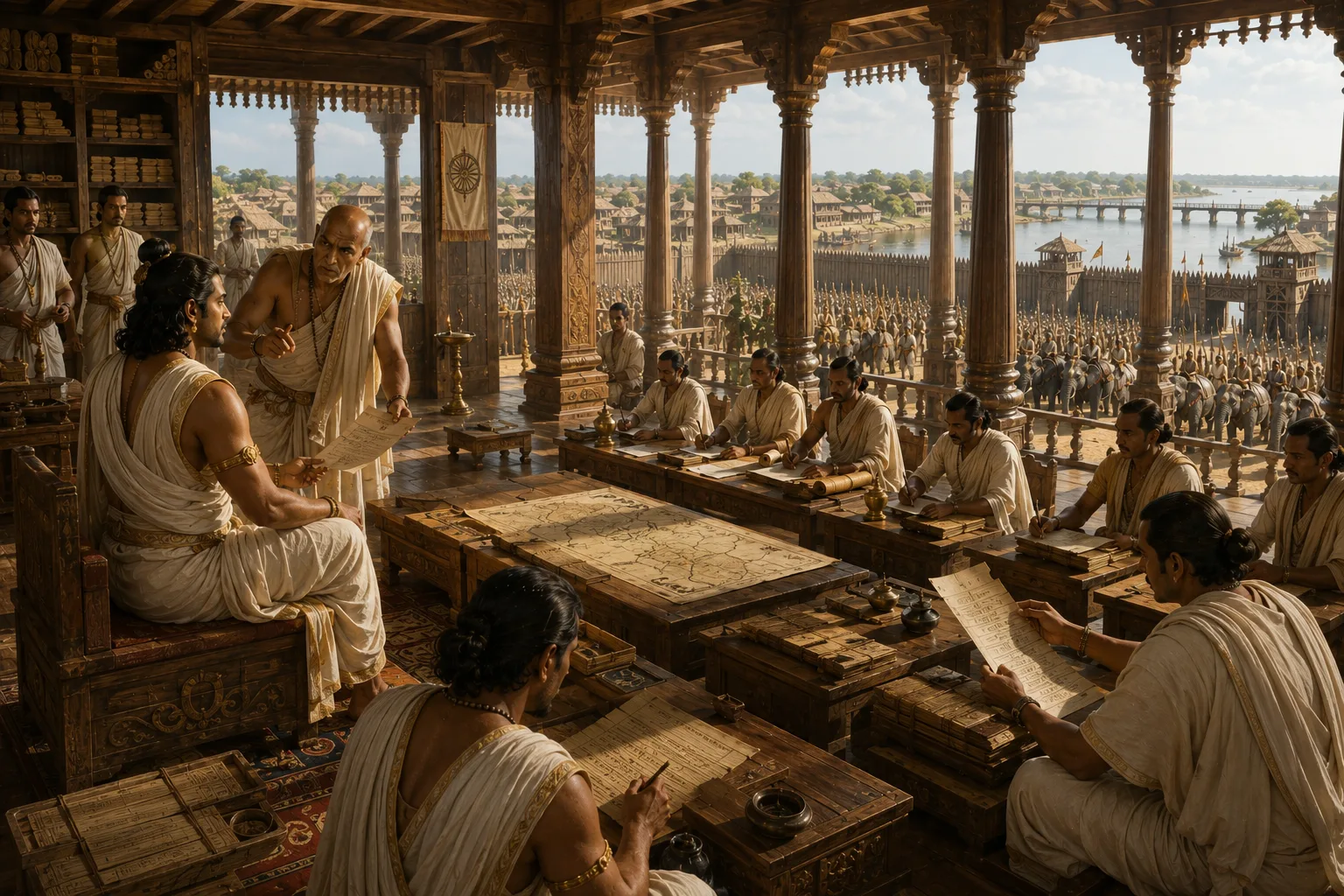
Seleucus's decisive breakthrough was the recovery of Babylon in 312 BC after a period of exile and shifting alliances. Babylon gave him access to the wealth, prestige, and administrative depth of Mesopotamia. From there he expanded east and west, turning a foothold into an empire. The Seleucid era later counted from this return, showing how central Babylon was to dynastic memory.

305-281 BC

Empire builder

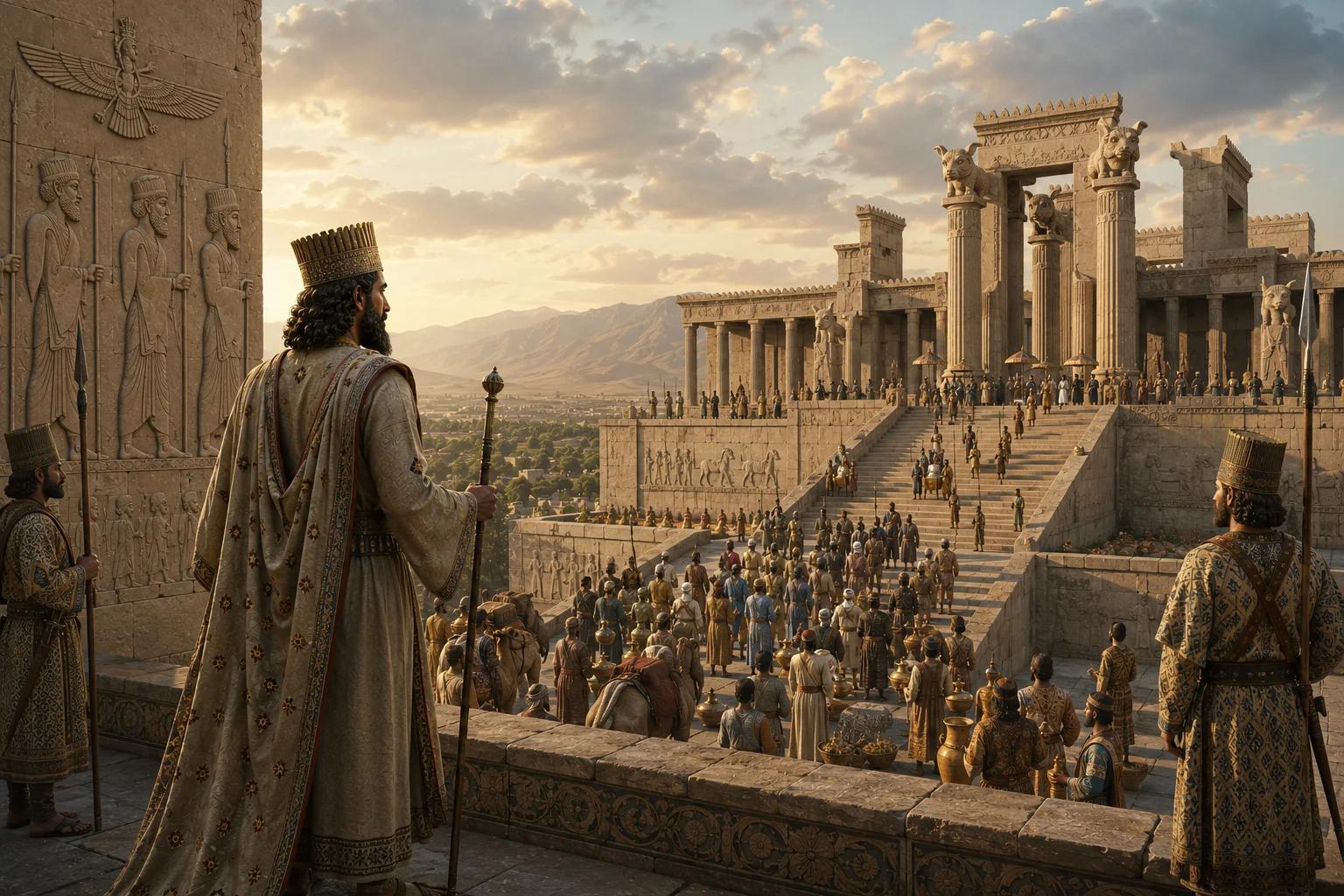
Seleucus took the royal title with the other Successors and built the largest of the Hellenistic kingdoms. Its scale was both strength and burden. He founded and refounded cities, including Seleucia on the Tigris and Antioch on the Orontes, to anchor administration, settlement, and military control. Greek and Macedonian elites governed within landscapes shaped by older Persian, Babylonian, Iranian, and local traditions.

After 281 BC

A contested inheritance

Seleucus was killed in 281 BC shortly after defeating Lysimachus and approaching Macedon. His death prevented him from adding the old Macedonian homeland to his empire, but the Seleucid dynasty survived. Its rulers faced revolts, dynastic conflict, Parthian expansion, and Roman pressure, yet their cities and institutions made Hellenistic culture a lasting force across western Asia.

Continue in context

Connected stories

Move from the profile into the wider events and settings this figure belongs to.

Keep exploring

Content note

This profile is written for educational use and connects to related Stories of History pages. The main portrait is an AI-assisted historical reconstruction, included as an illustrative aid rather than documentary evidence. Image policy Image attribution

References

Sources and historical notes

Sources used to check this page, selected recommendations and historical notes.

Sources used

  1. Encyclopaedia Iranica, “Seleucid Empire,”

    Covers Seleucus’s return to Babylon and expansion of his kingdom.

    Open source
  2. Livius, “Appian on the career of Seleucus,”

    Presents an ancient account of Seleucus’s rise, territorial gains and dealings with other successors of Alexander.

    Open source
  3. The Fitzwilliam Museum, “Tetradrachm of Seleucus I, CM.MC.9239-R,”

    Catalogues a coin of Seleucus I minted at Seleucia on the Tigris.

    Open source

Additional sources and notes

Loading reviewed claim sources...

Our editorial approach · Report a historical error

A monthly route through history

Find out first about the latest published stories, feature notes and occasional Premium offers in one monthly email.