Context
Introduction
Overview
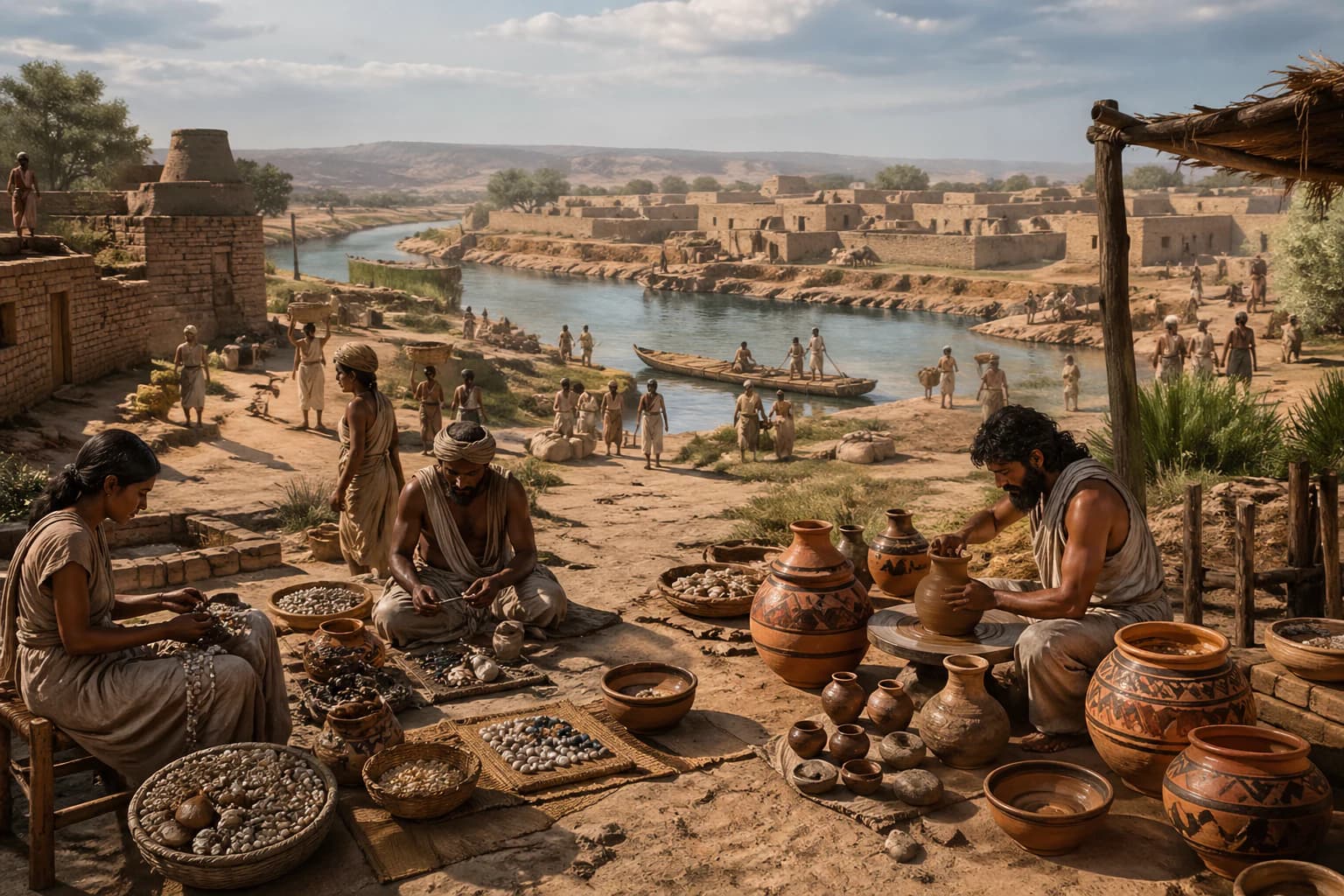
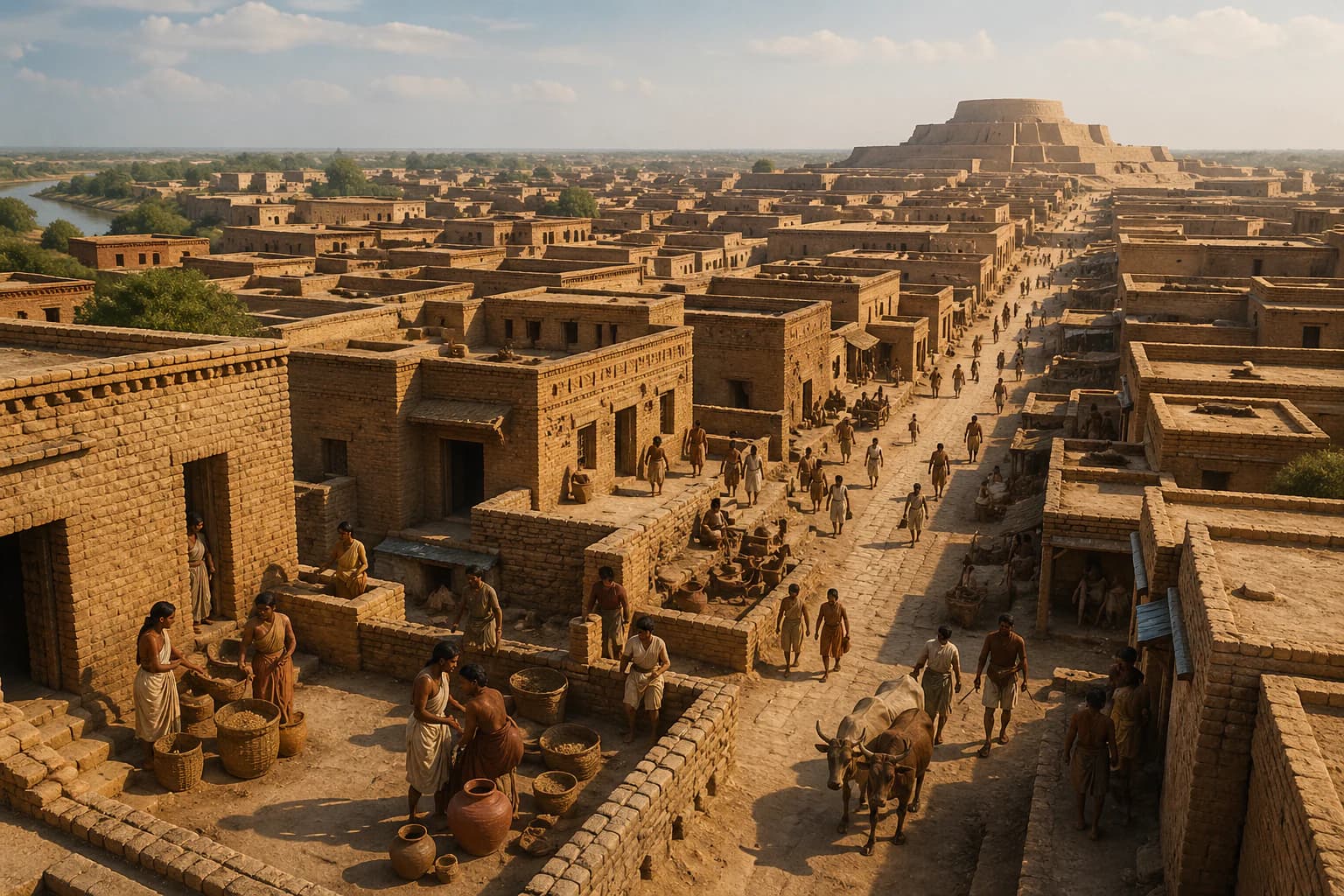
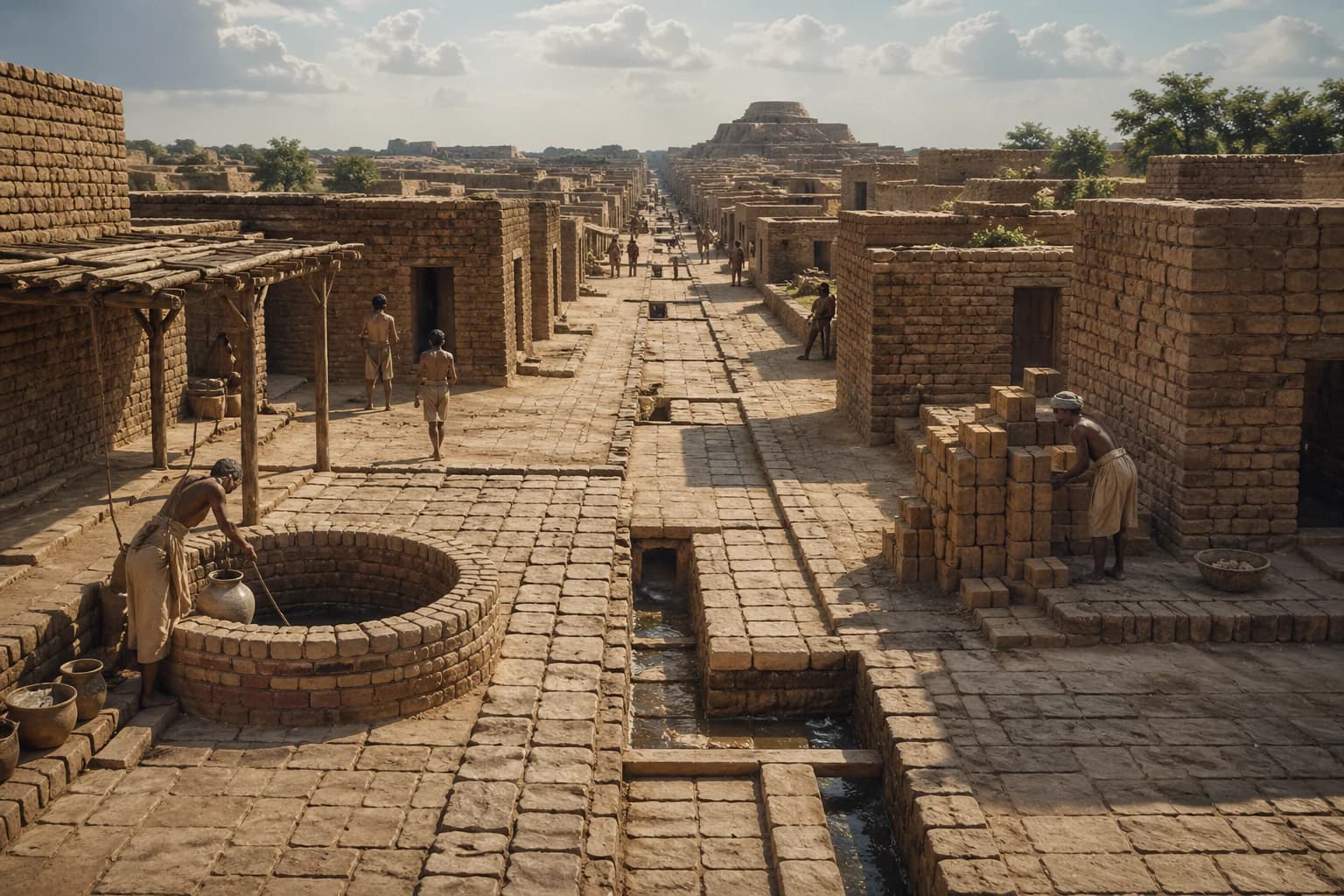
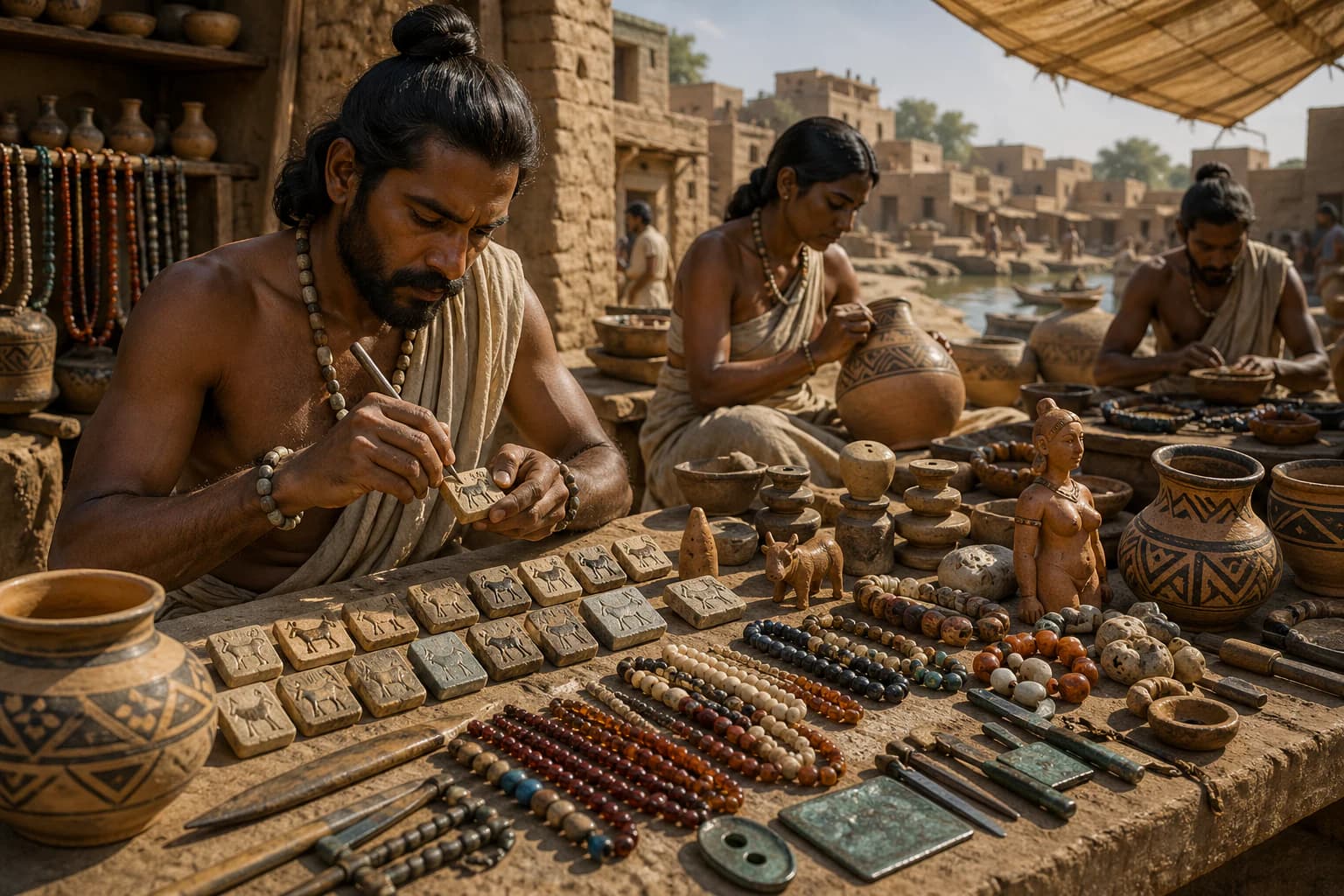
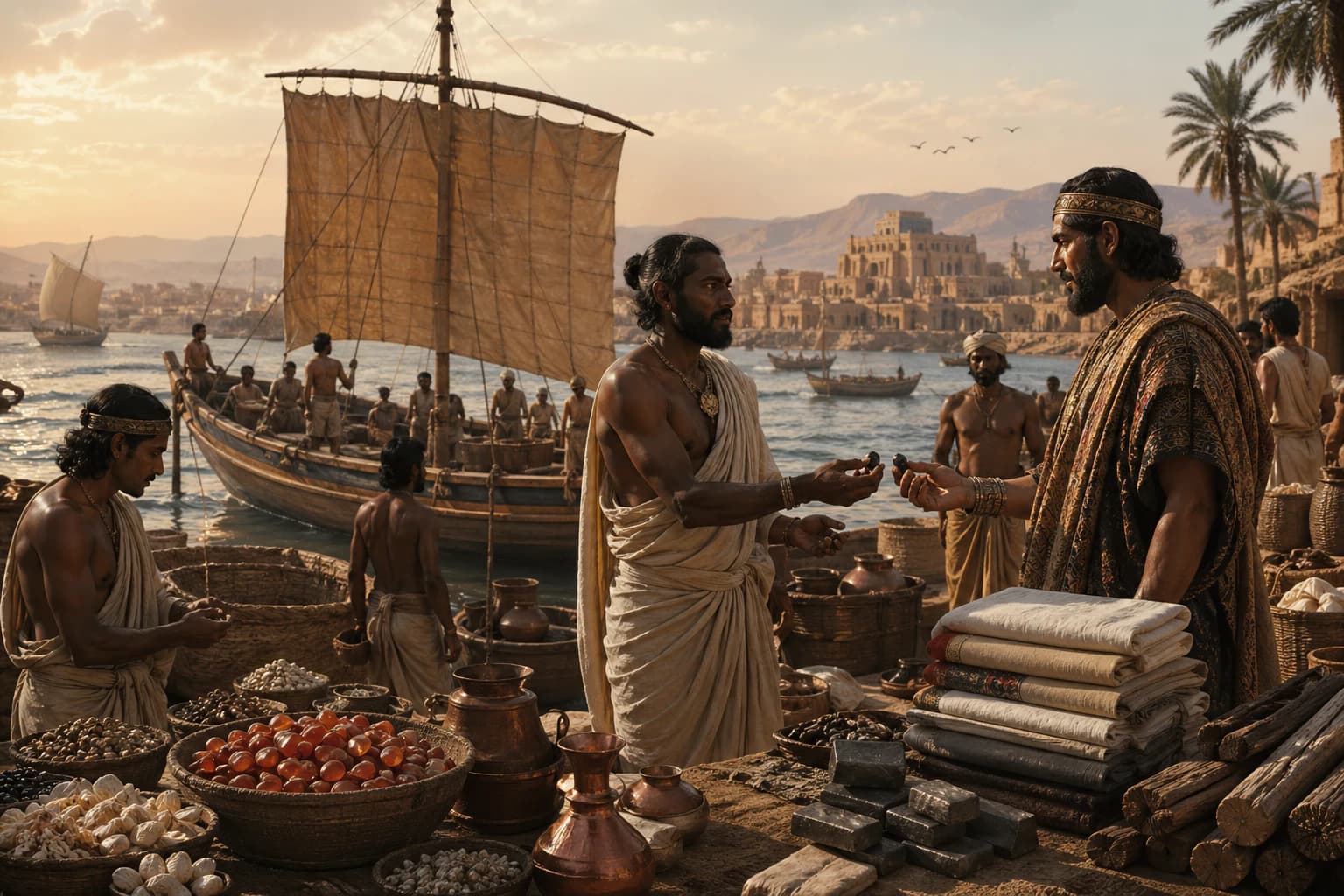
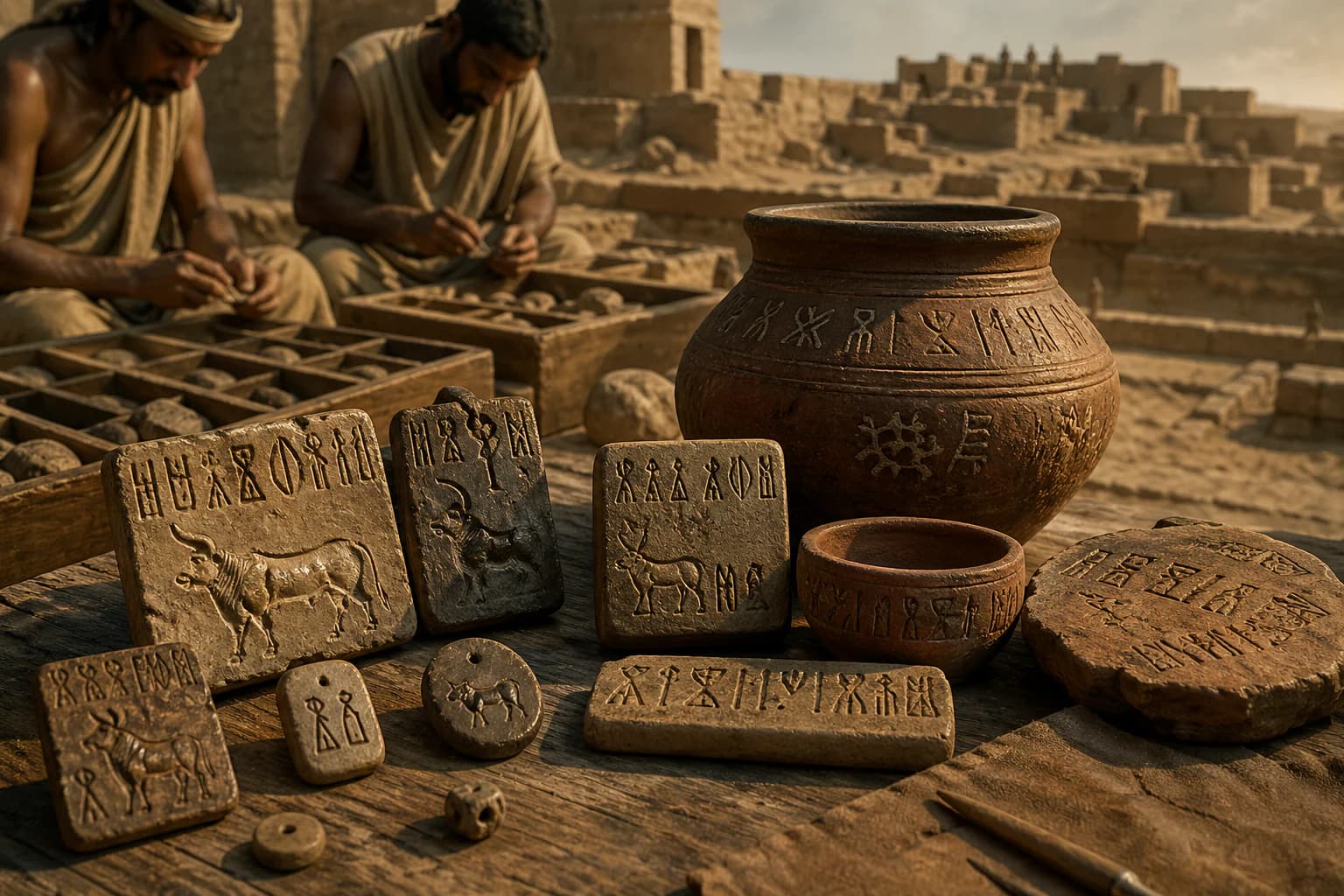
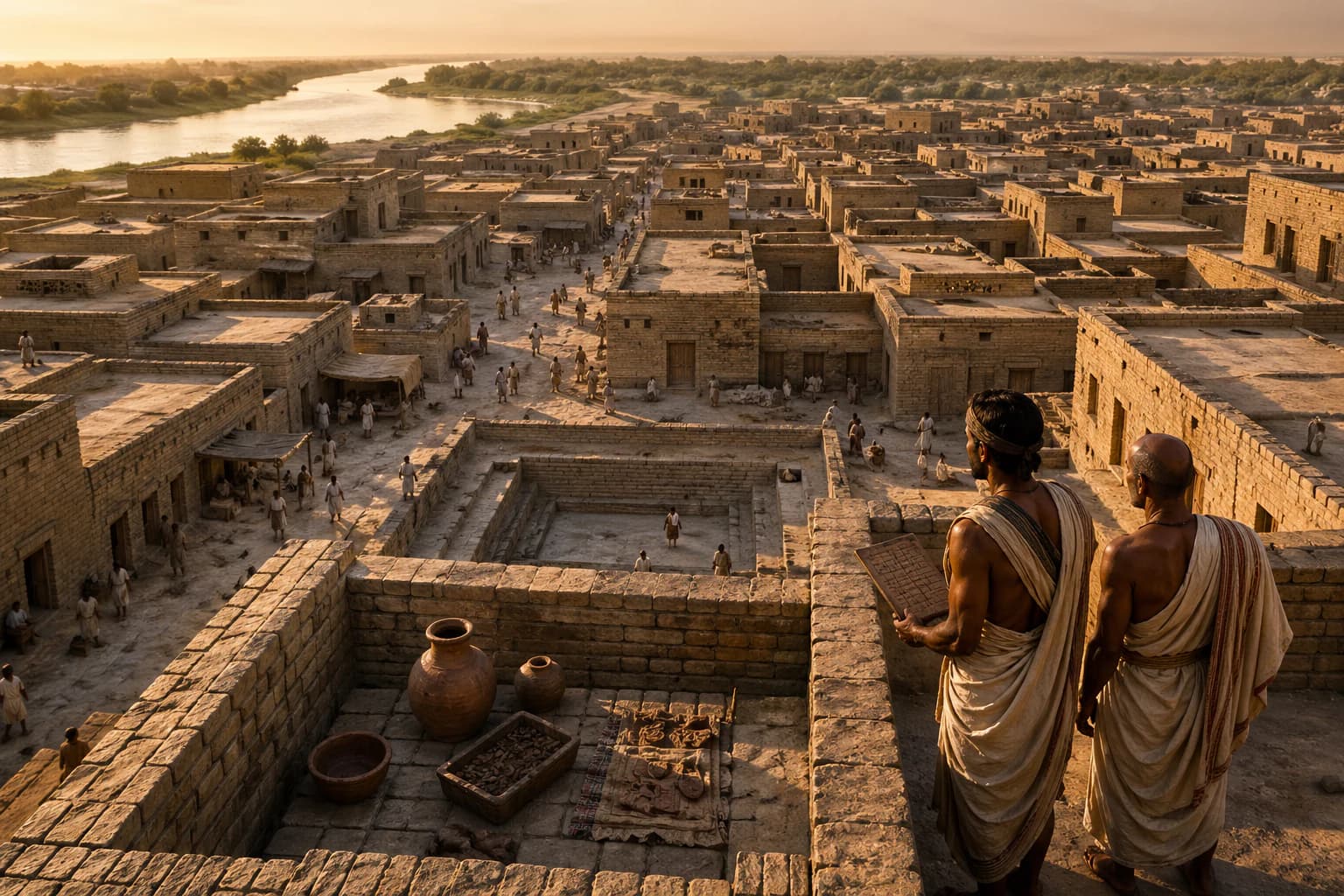
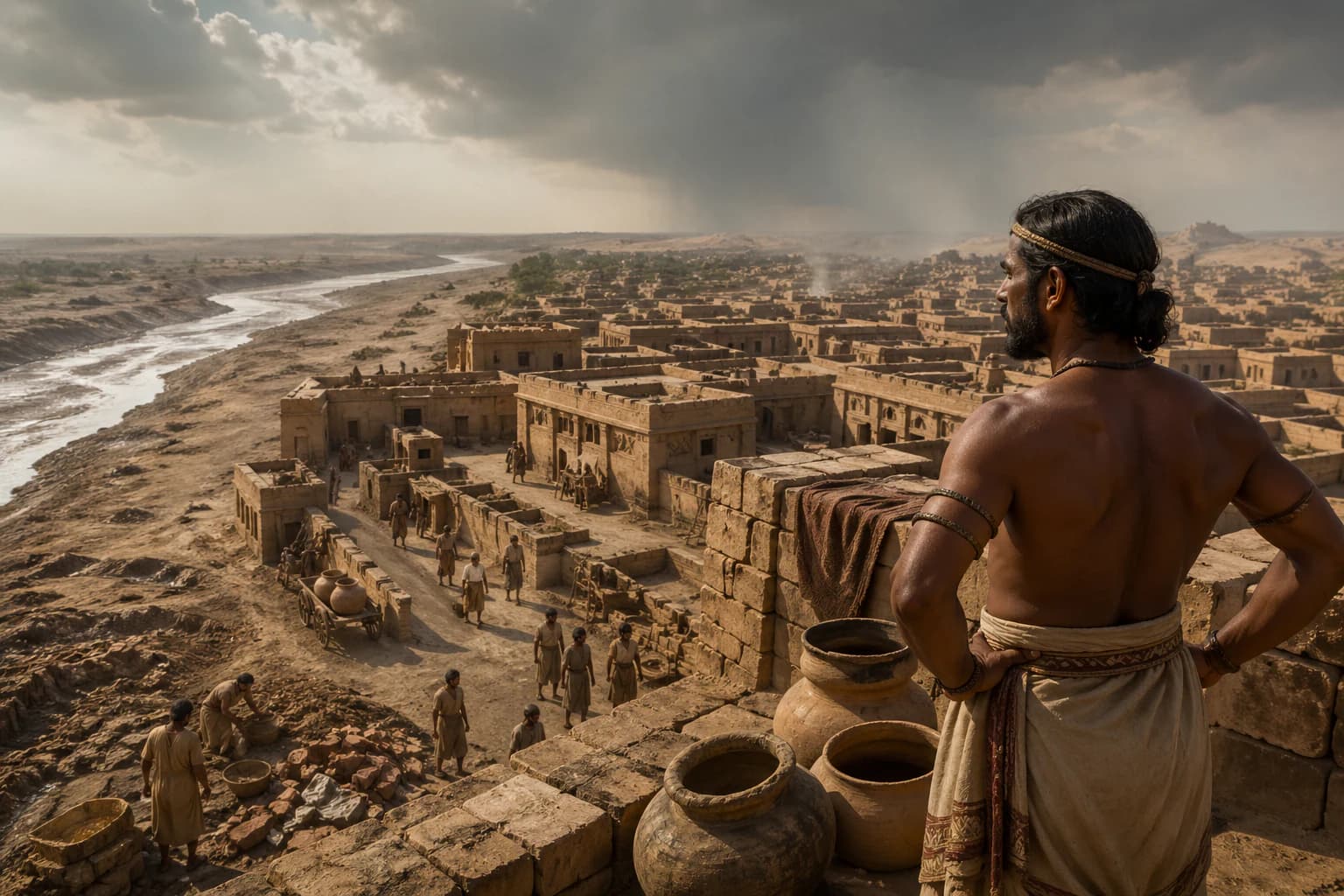
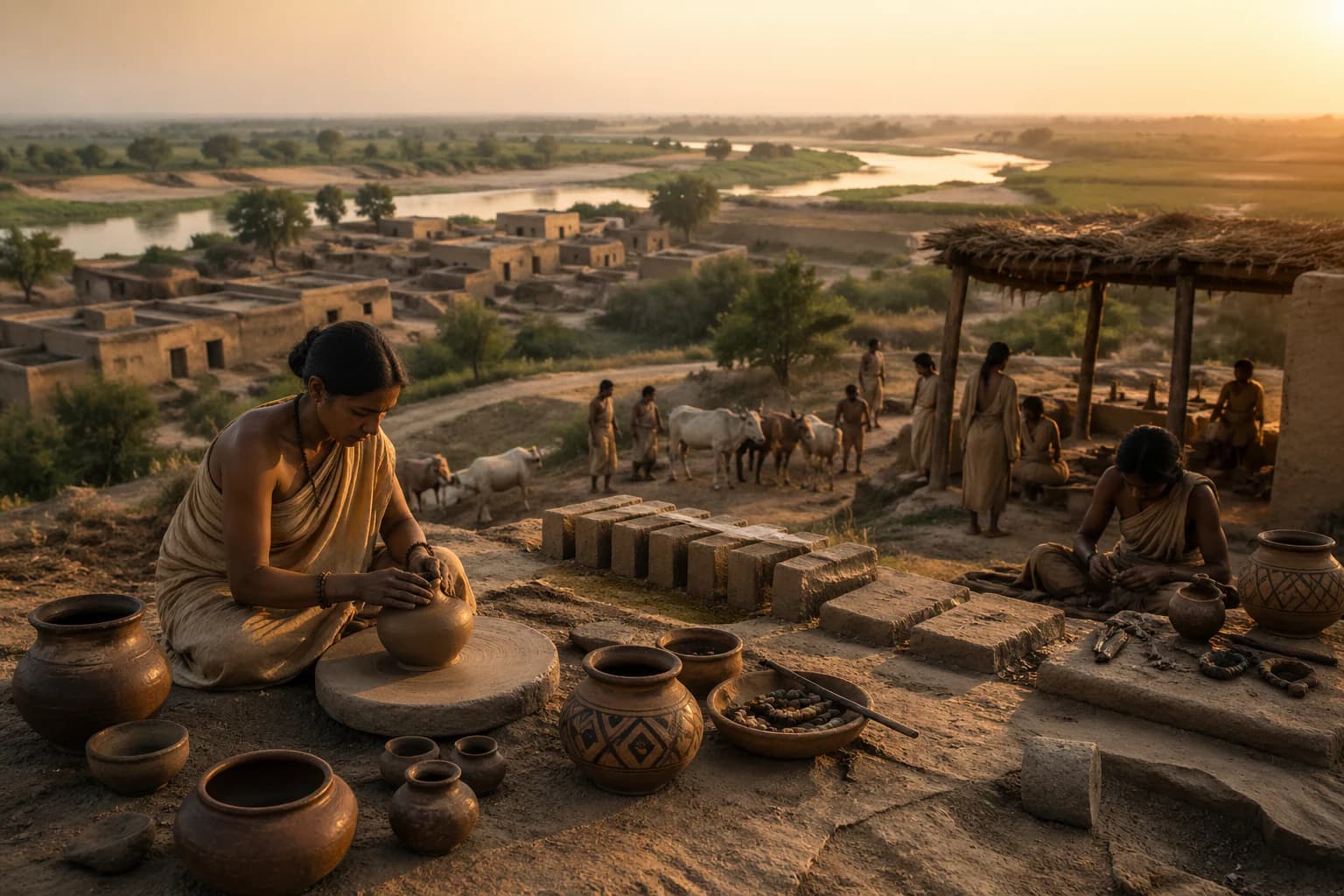
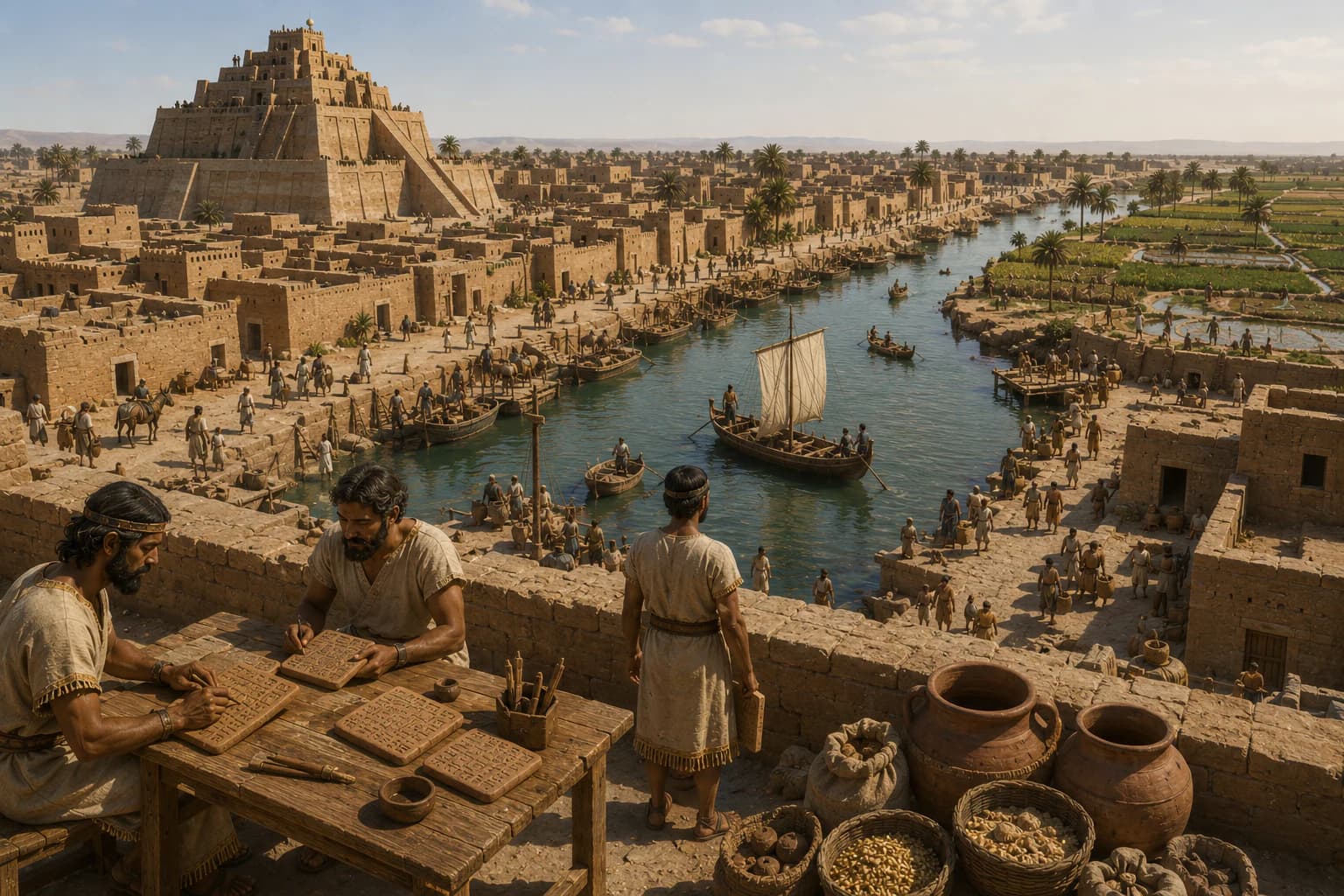
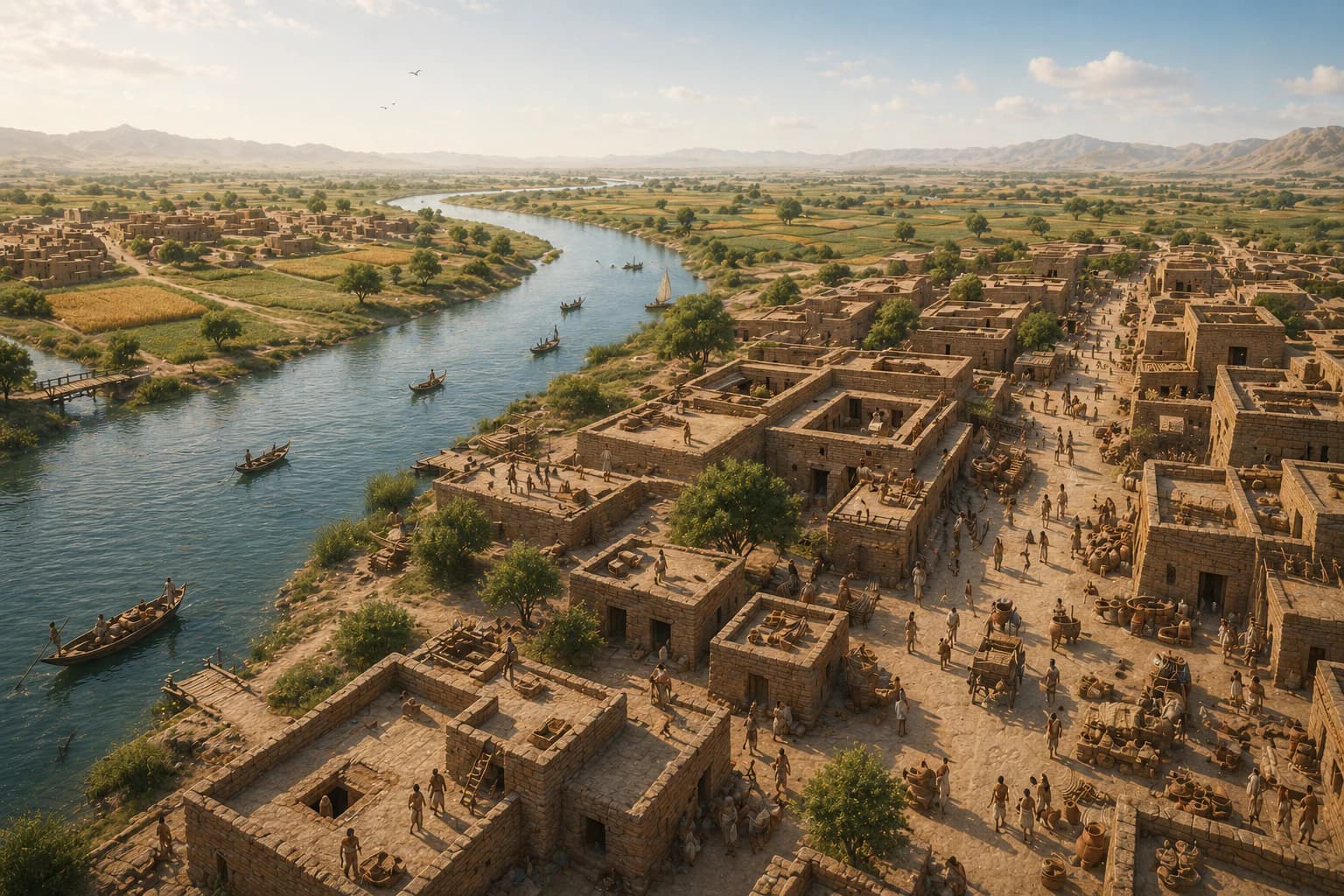
The cities of the reveal an ancient society with carefully planned streets, skilled crafts and far-reaching trade. Yet its script remains undeciphered, leaving much of its political and religious life uncertain. Its surviving material world offers a glimpse of an urban civilisation that was both highly organised and still partly hidden from view.
What you'll learn: You will follow how farming villages became great cities, how craftspeople and traders connected a vast civilisation, and why the Indus world remains one of history's most studied and most mysterious ancient societies.
Key forces
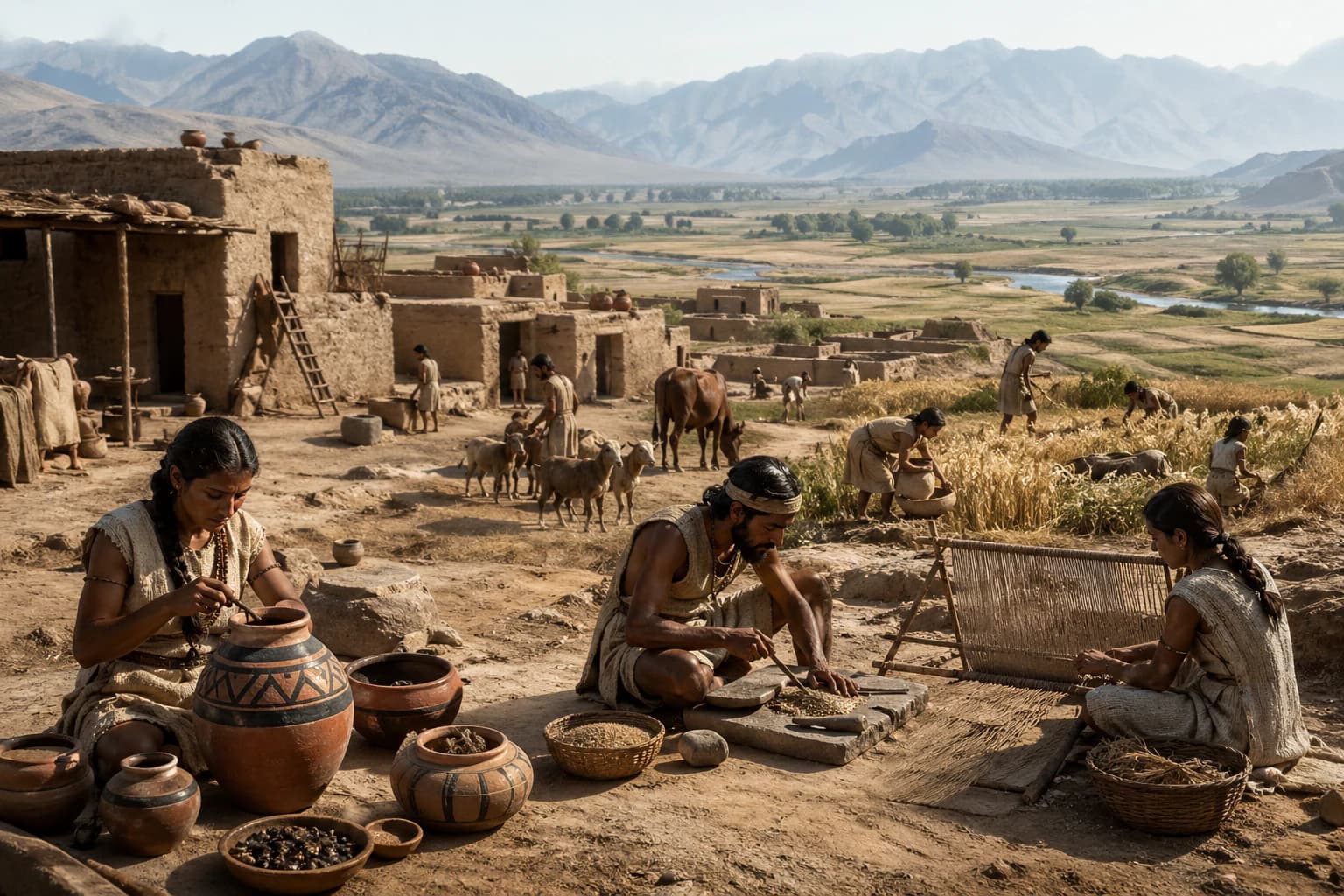
- The Indus civilisation grew from farming communities established in the northwestern subcontinent from around 7000 BCE.
- At its Mature Harappan peak, it was one of the most geographically extensive urban civilisations of the ancient world.
- Its cities showed remarkable planning, standardisation, and craft sophistication without visible markers of royal power.
- Its script remains undeciphered, leaving fundamental questions about language, belief, and governance unanswered.